Head injury: when a CT scan is needed
A CT scan is needed after a head injury if there was loss of consciousness, repeated vomiting, a fit, confusion or drowsiness, weakness or slurred speech, clear fluid or blood from…


112 articles, written for patients rather than for search engines. Every one opens with a short answer to the question in its title, and says plainly when surgery is not needed. Written for the practice of Dr. M. Abdur Rehman, consultant neurosurgeon, Faisalabad.
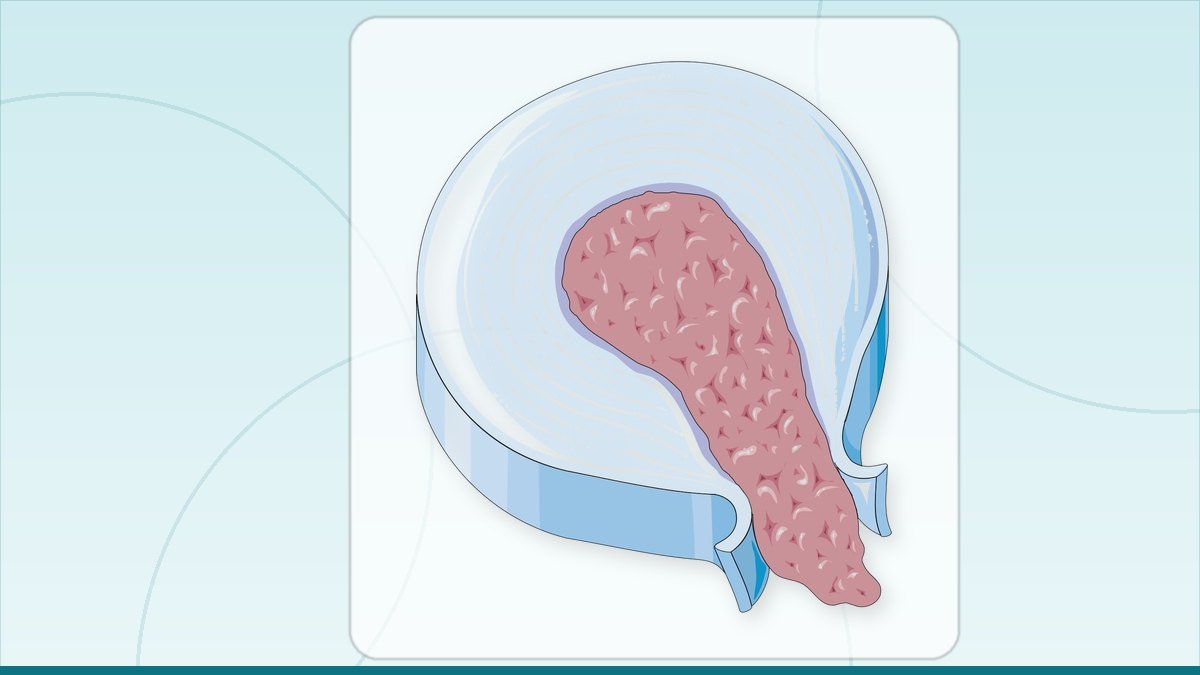
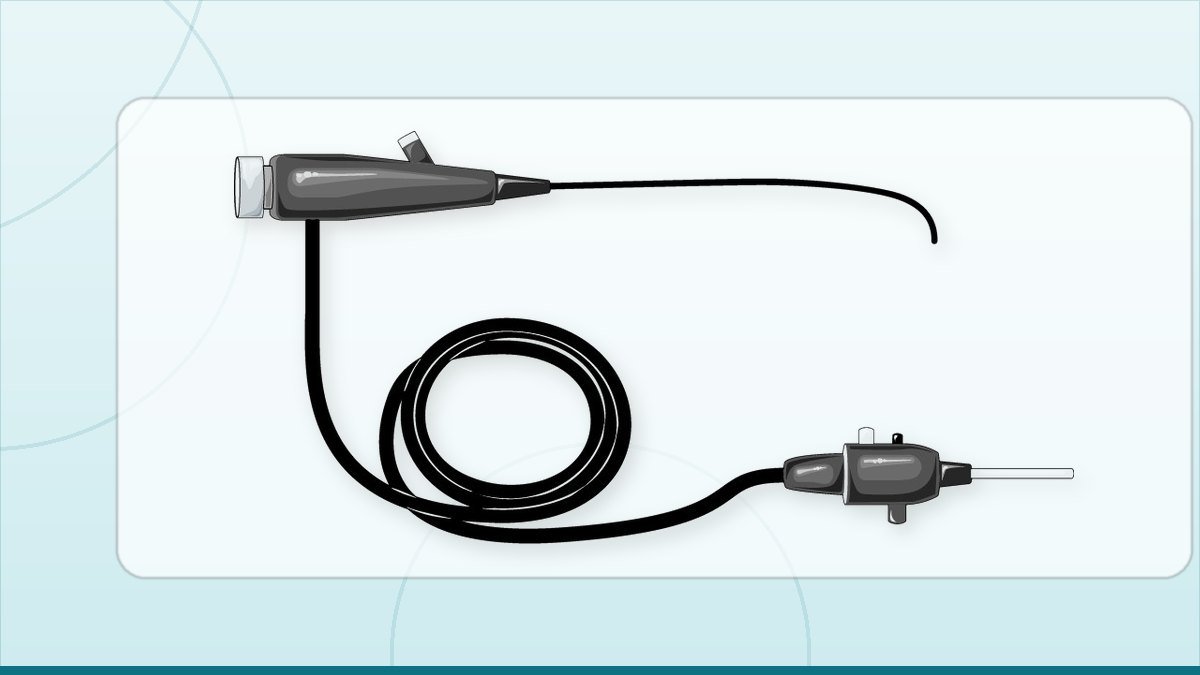
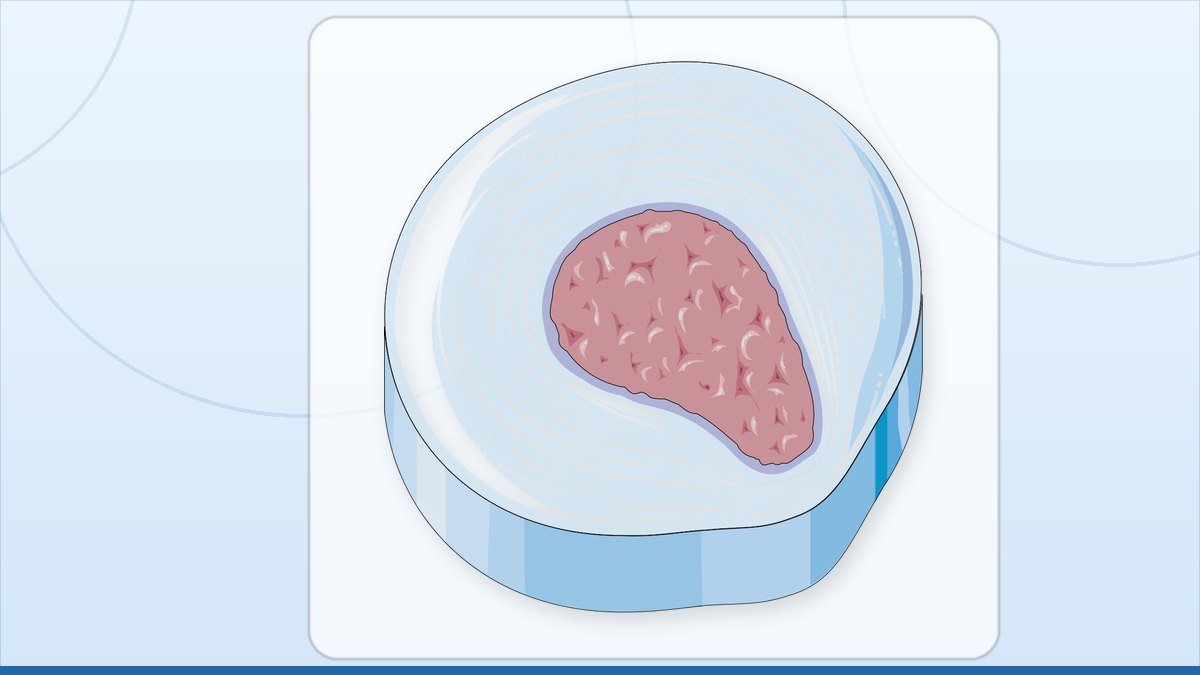
Endoscopic disc surgery removes the piece of slipped disc pressing on a nerve through a tiny 7-8mm skin cut. A thin camera-tipped tube is guided to the disc under X-ray, the surgeo…
Read the full guideNew to this? These 6 answer what almost every patient asks first.
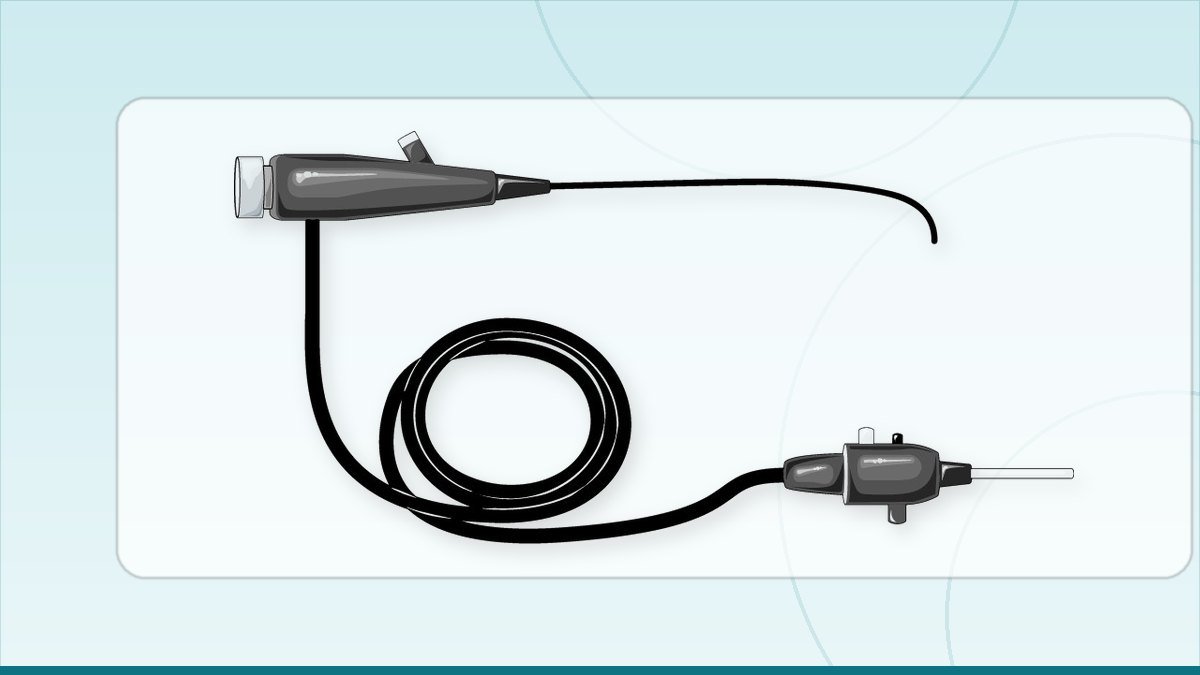
Jump straight to a category, or search and filter the full list below.
Or search and filter the full list.
Filter above, or open a category as its own page: Brain · Conditions · Cost & practicalities · Endoscopic surgery · Laser & other procedures · Microscopic & microdiscectomy · Recovery & living with it · Spine health · Symptoms & diagnosis.
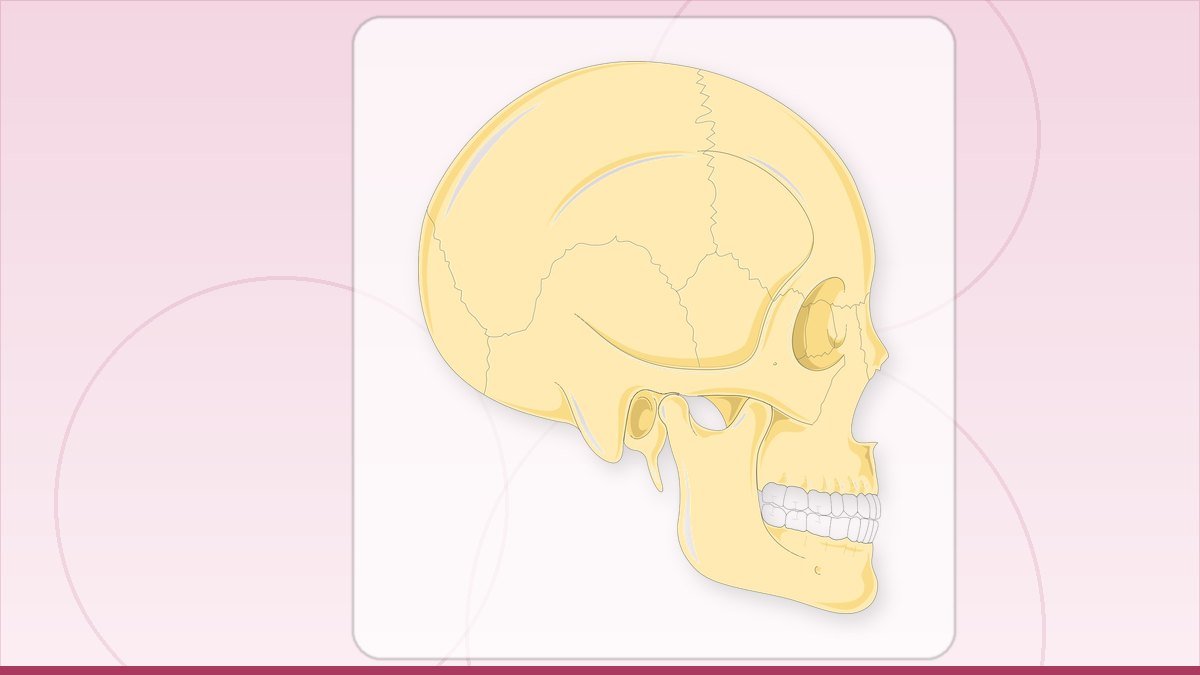
A CT scan is needed after a head injury if there was loss of consciousness, repeated vomiting, a fit, confusion or drowsiness, weakness or slurred speech, clear fluid or blood from…
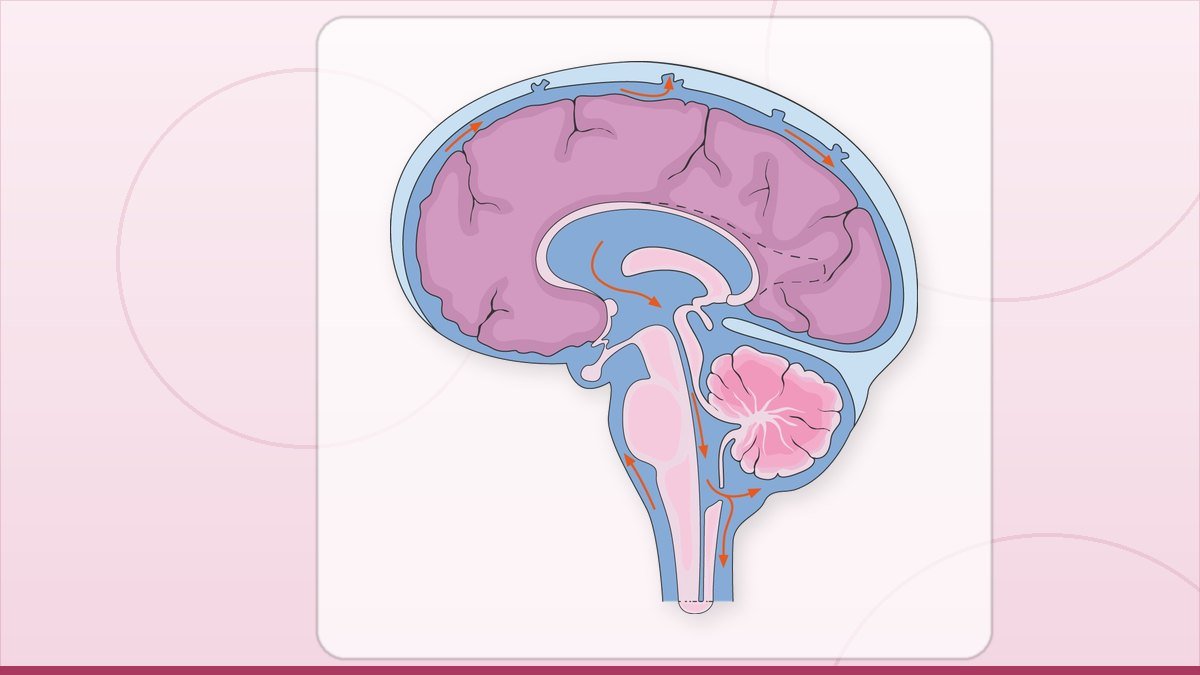
Hydrocephalus in children means extra cerebrospinal fluid builds up inside the brain and raises pressure. In babies the head grows too fast, the soft spot bulges and feeding gets p…
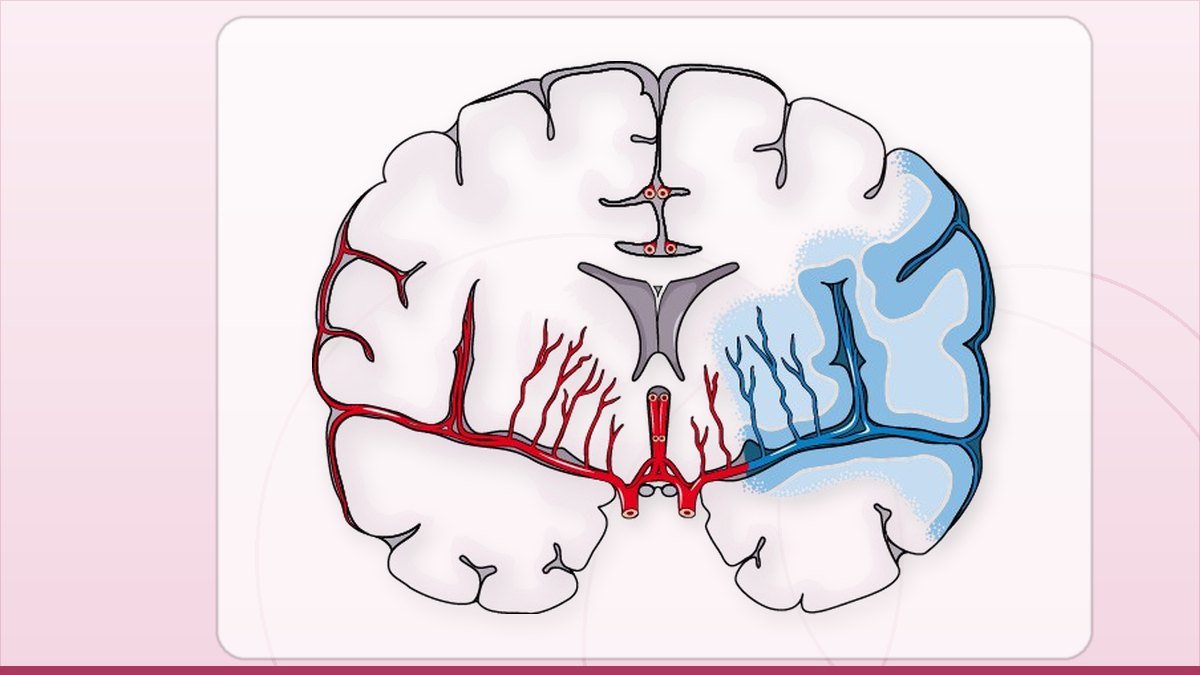
A stroke is a sudden loss of blood supply to part of the brain. Look for a drooping face, a weak arm, slurred speech. Note the time symptoms started and get to a hospital with a CT…
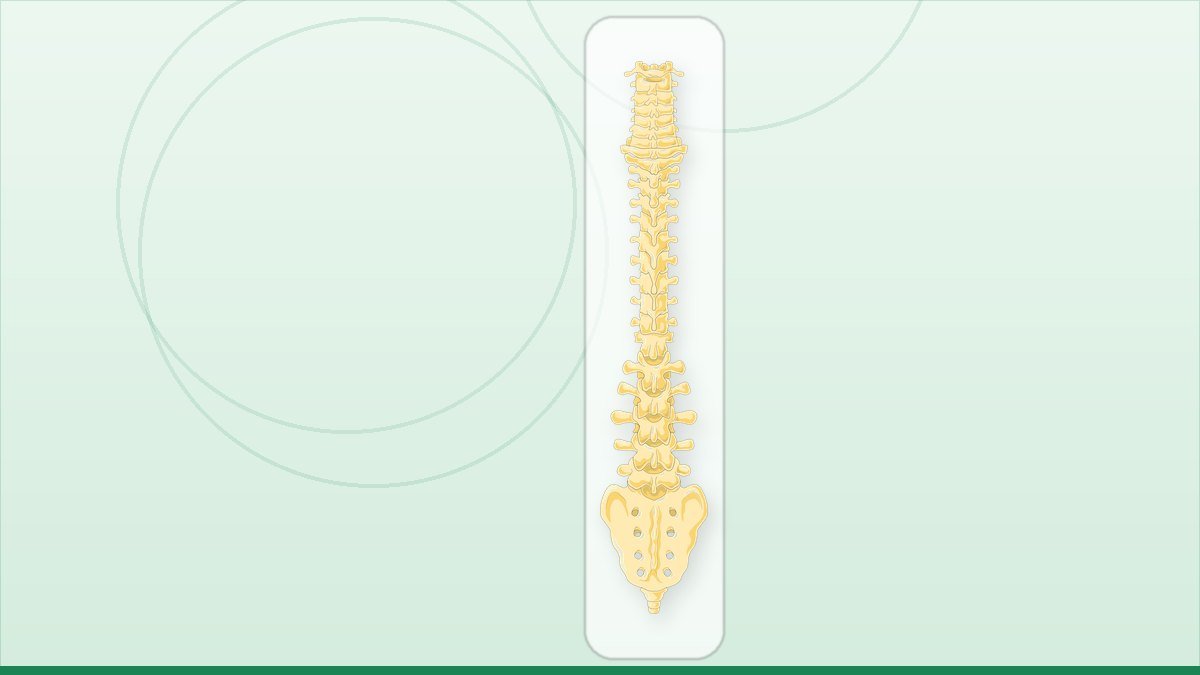
Most adults with scoliosis never need surgery. A curve you have carried since childhood rarely becomes dangerous on its own. When back pain comes with scoliosis, it usually settles…
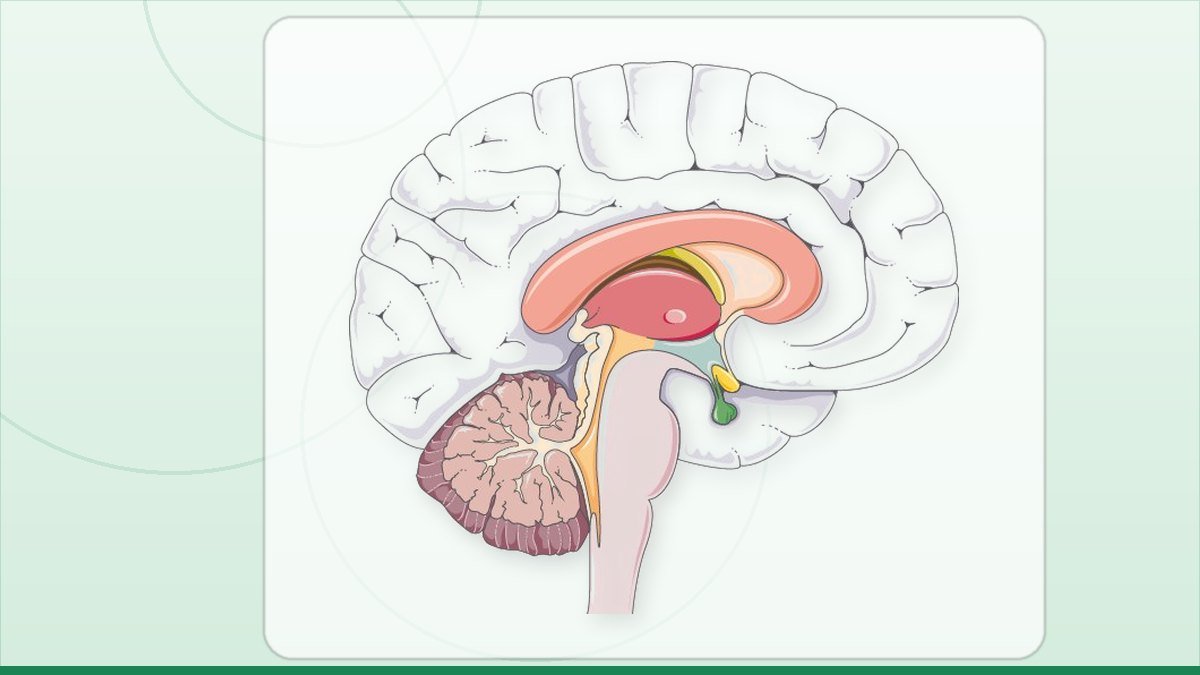
Most headaches are not brain tumours. Get checked if a new headache is worse in the morning, wakes you from sleep, or keeps worsening over weeks, or if it comes with vomiting, blur…
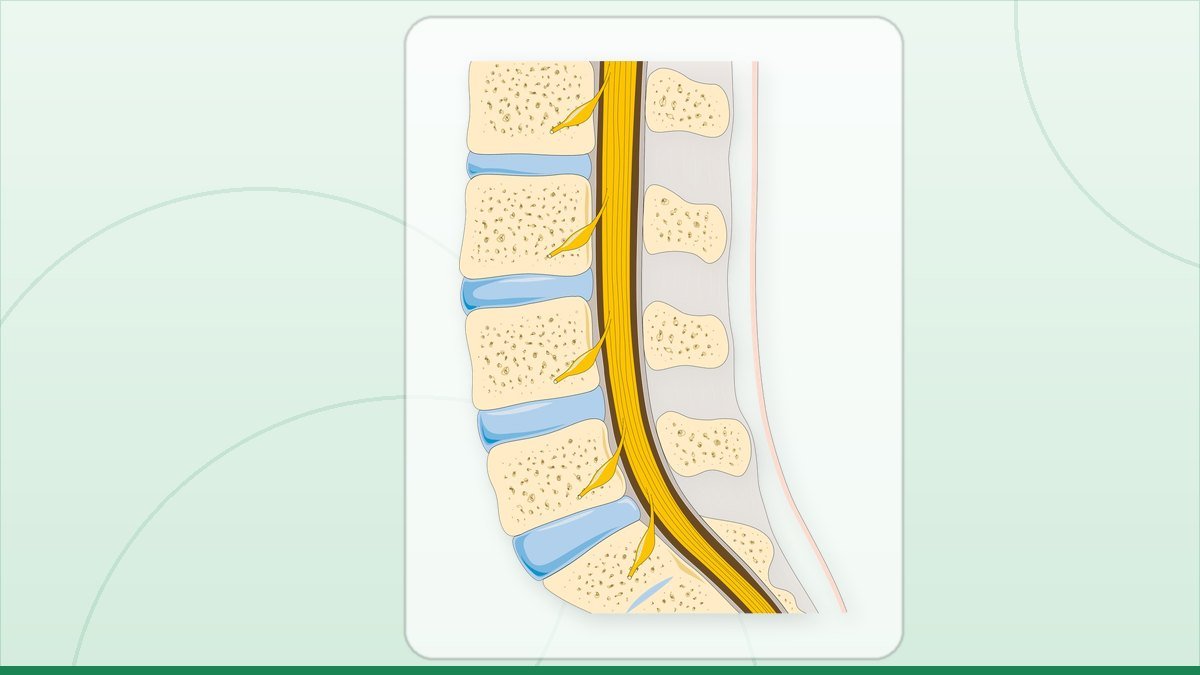
Cauda equina syndrome is a rare emergency where the nerve bundle at the bottom of the spine is squeezed, usually by a large slipped disc. Warning signs are trouble passing or contr…
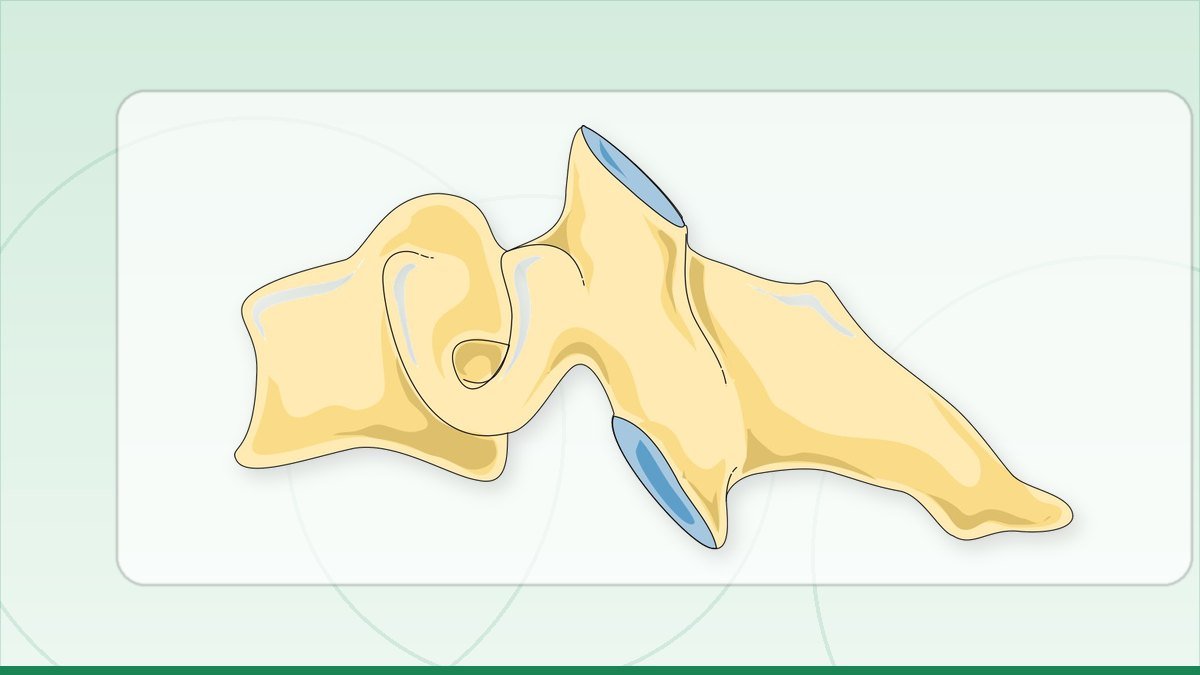
Cervical myelopathy is pressure on the spinal cord in your neck. The early signs are easy to miss: buttons and zips become fiddly, handwriting gets messy, you drop things, and your…
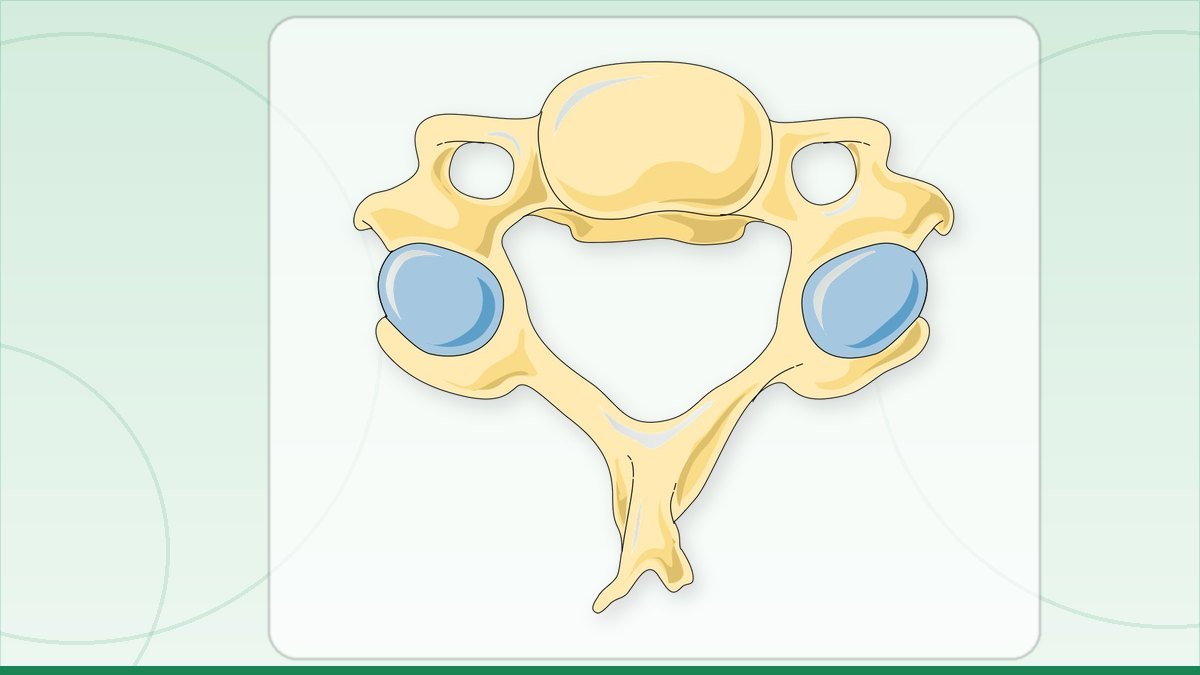
Cervical spine treatment ranges from rest, physiotherapy, and medicines for mild neck pain, to injections or surgery when a disc or bone spur presses on a nerve or the spinal cord.…
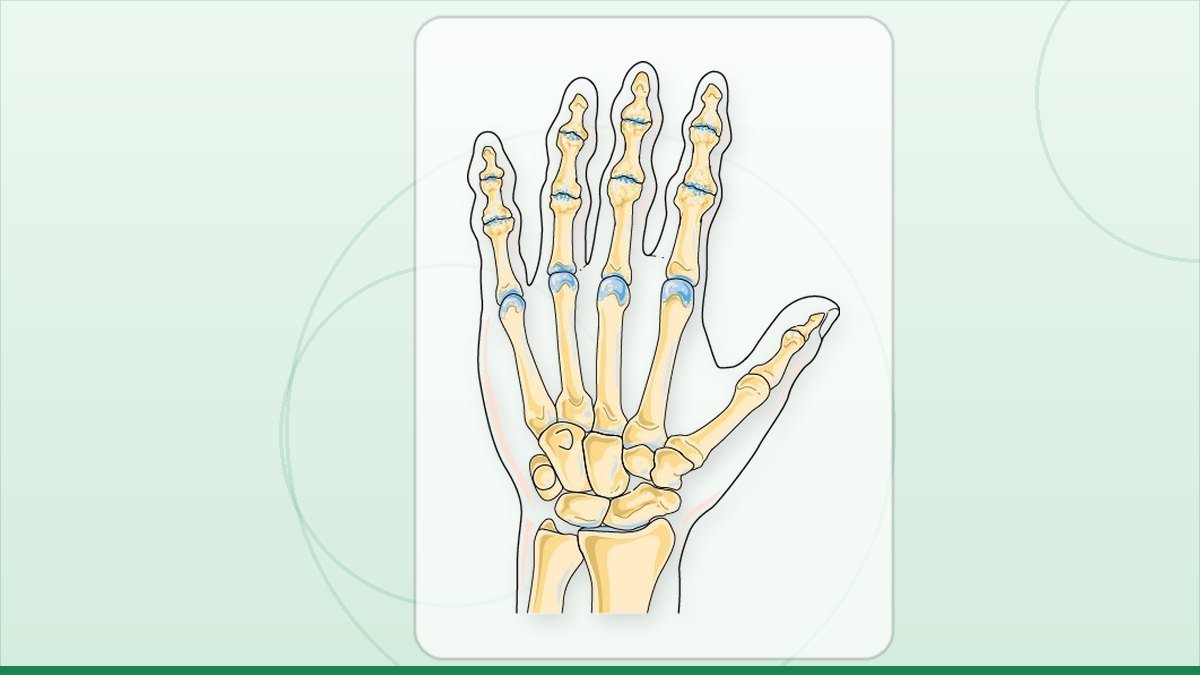
Despite the name, degenerative disc disease is not a disease. It is the term used for normal age-related drying and flattening of spinal discs. Most people over forty show it on MR…
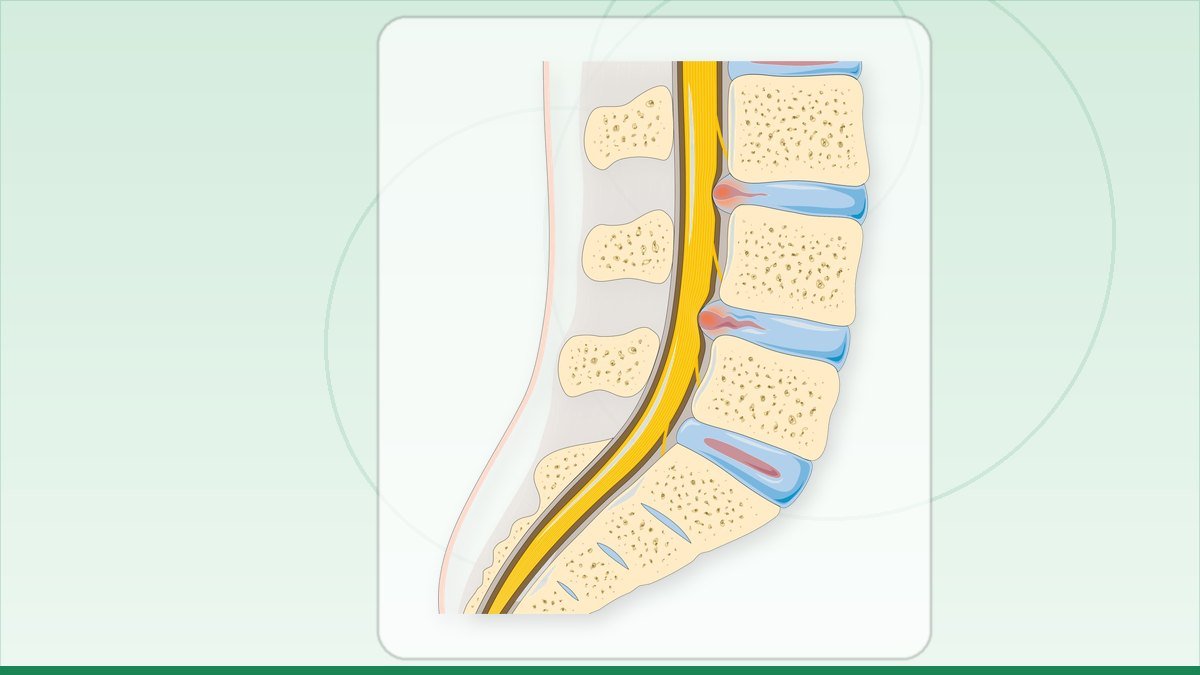
Bulge, protrusion, extrusion and prolapse are four stages of the same worn disc pushing outward: mild swelling, a rounder bulge, disc material breaking through the outer ring, and …
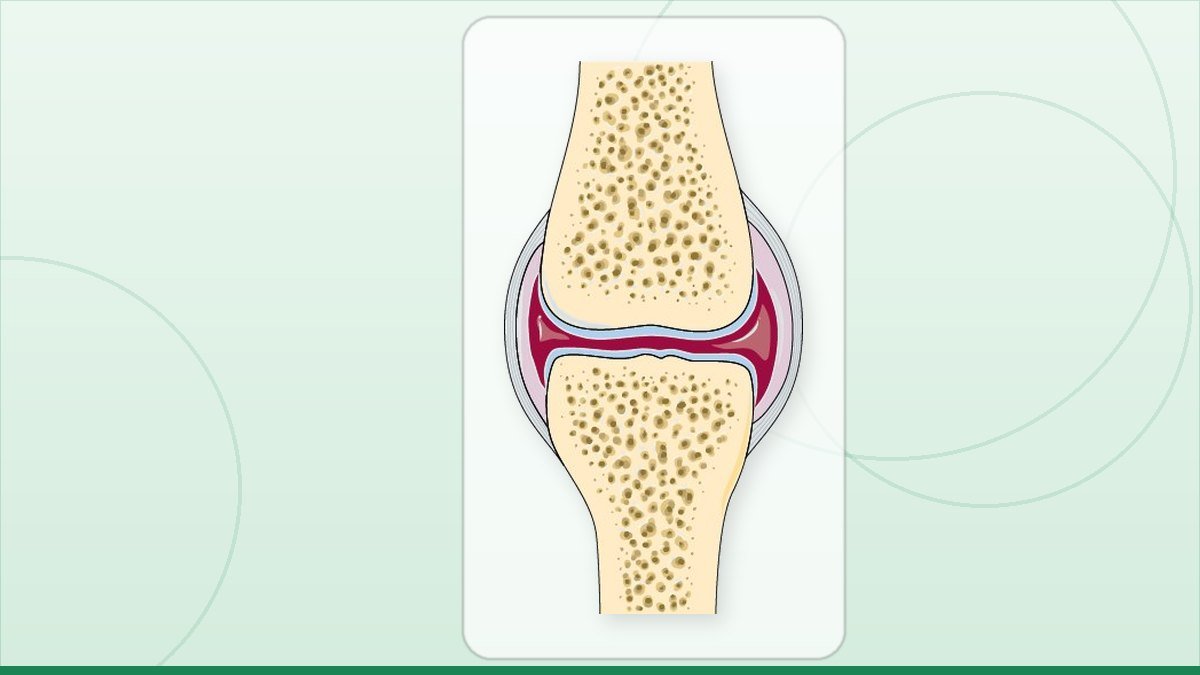
Facet joint pain comes from the small joints at the back of your spine. It is worse when you stand, walk or lean backwards, and eases when you sit or bend forward. Most cases settl…
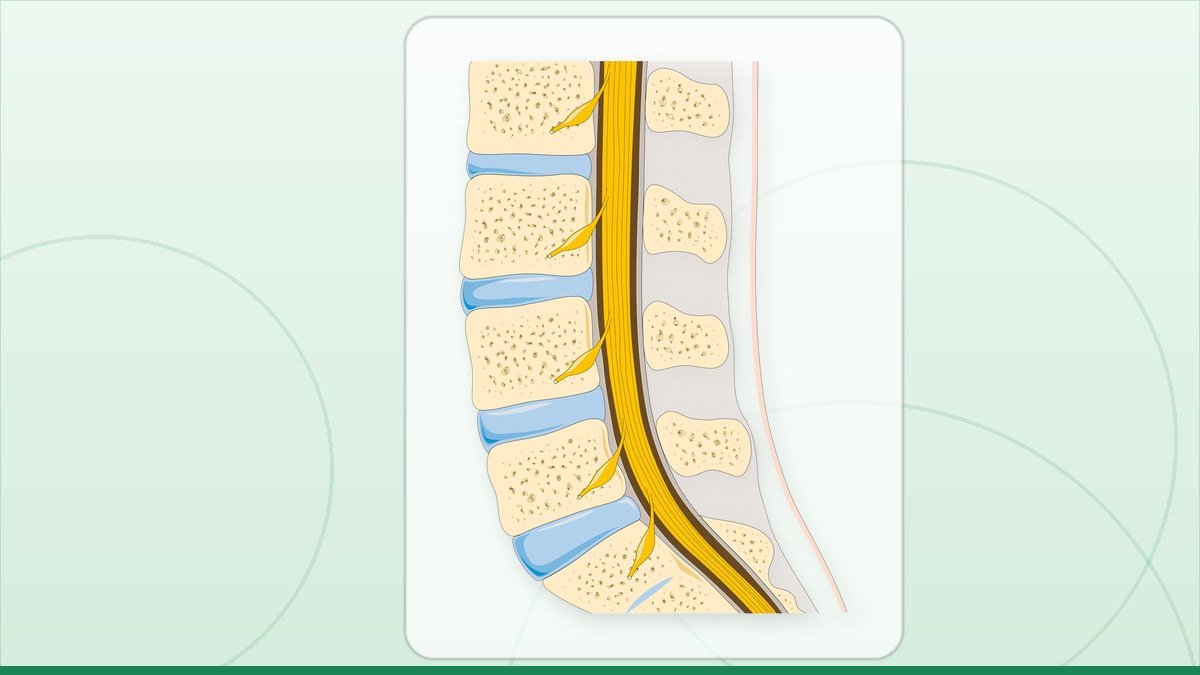
Most lumbar spine problems come from the two lowest discs, L4-L5 and L5-S1, because they carry the most load and bend the most. Wear, bulging, or herniation here causes kamar dard …
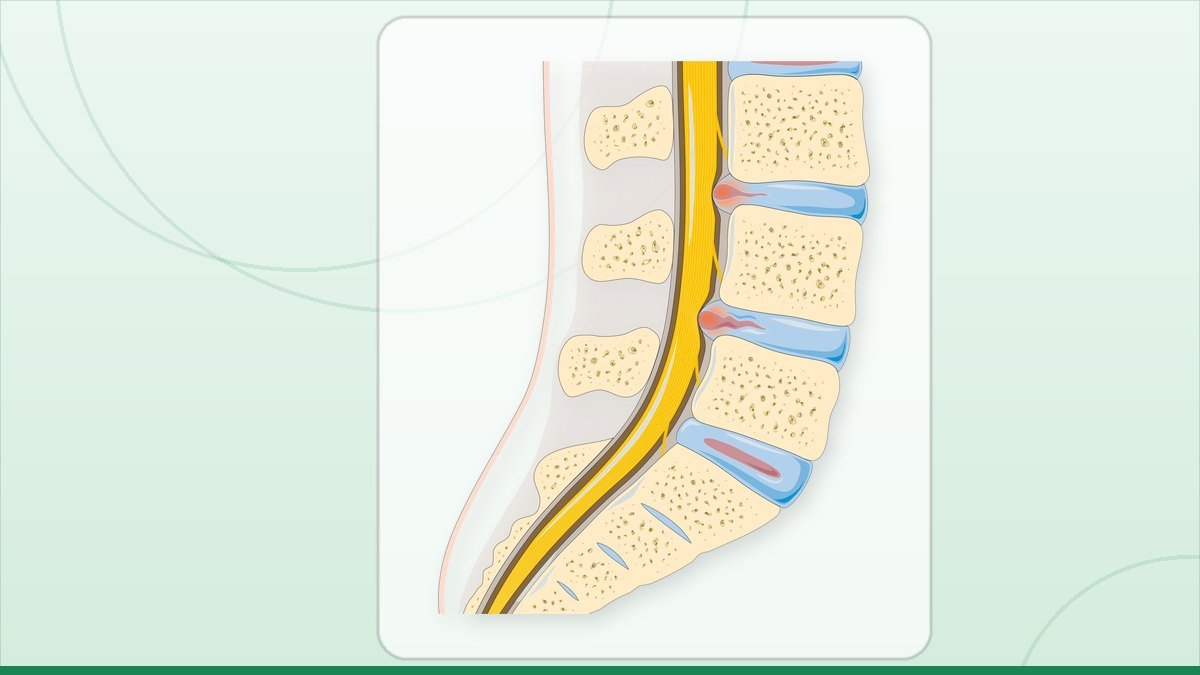
A cervical disc herniation presses on a nerve in the neck, sending pain, tingling or weakness down one arm. Most cases settle within six to twelve weeks with medicine, physiotherap…
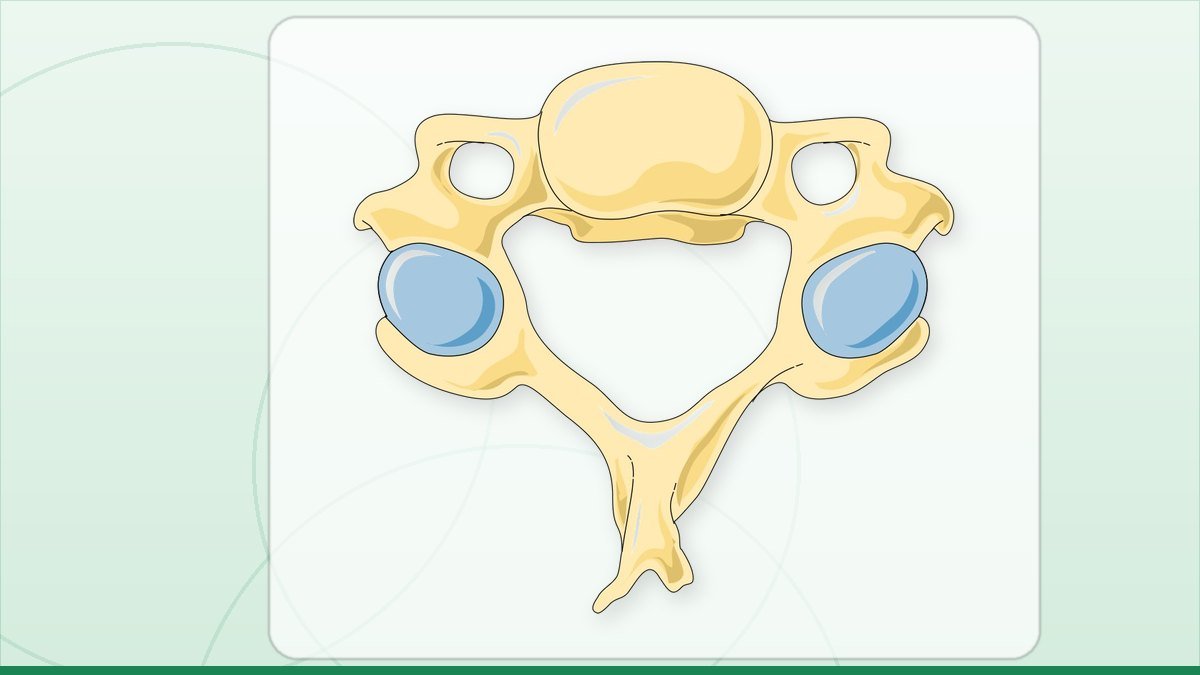
In cervical disc surgery, the surgeon removes the damaged part of the disc that is pressing on a nerve or the spinal cord, working through the front or back of the neck. What repla…
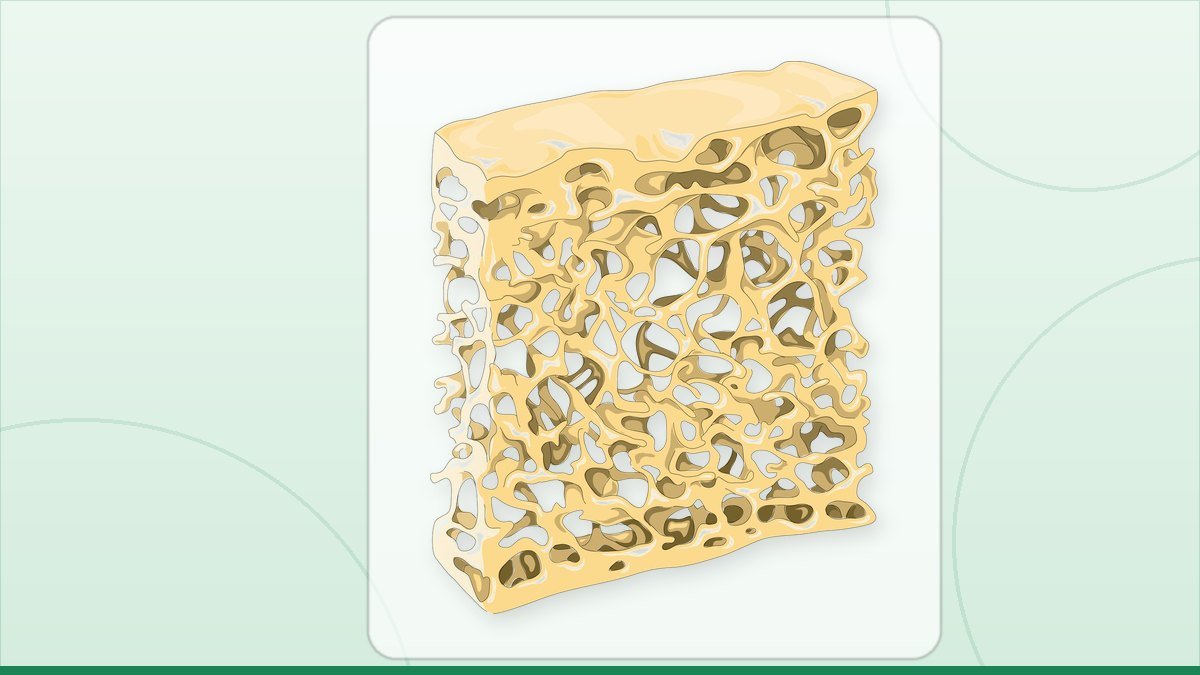
An osteoporotic spine fracture is a collapse of a weakened vertebra, often after a small fall, a cough, or lifting something light. Most heal with pain control, bracing and osteopo…
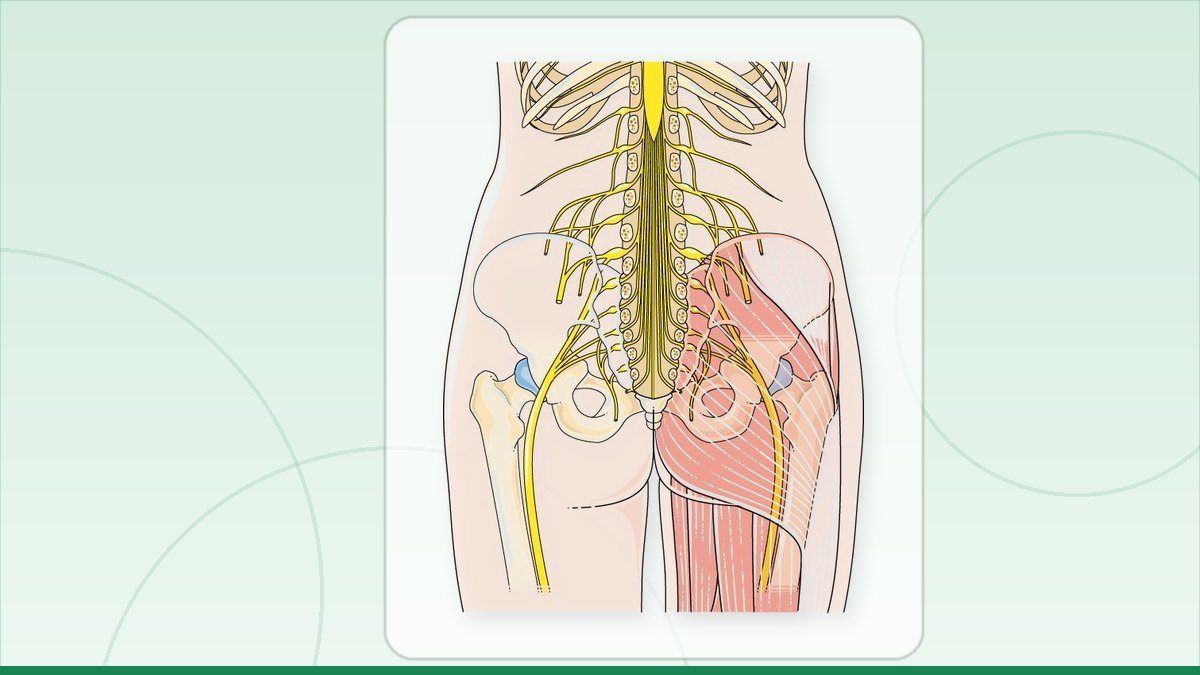
Both cause taang mein dard, but the trouble sits in different places. A slipped disc presses a nerve root inside your lower back. Piriformis syndrome irritates the sciatic nerve un…
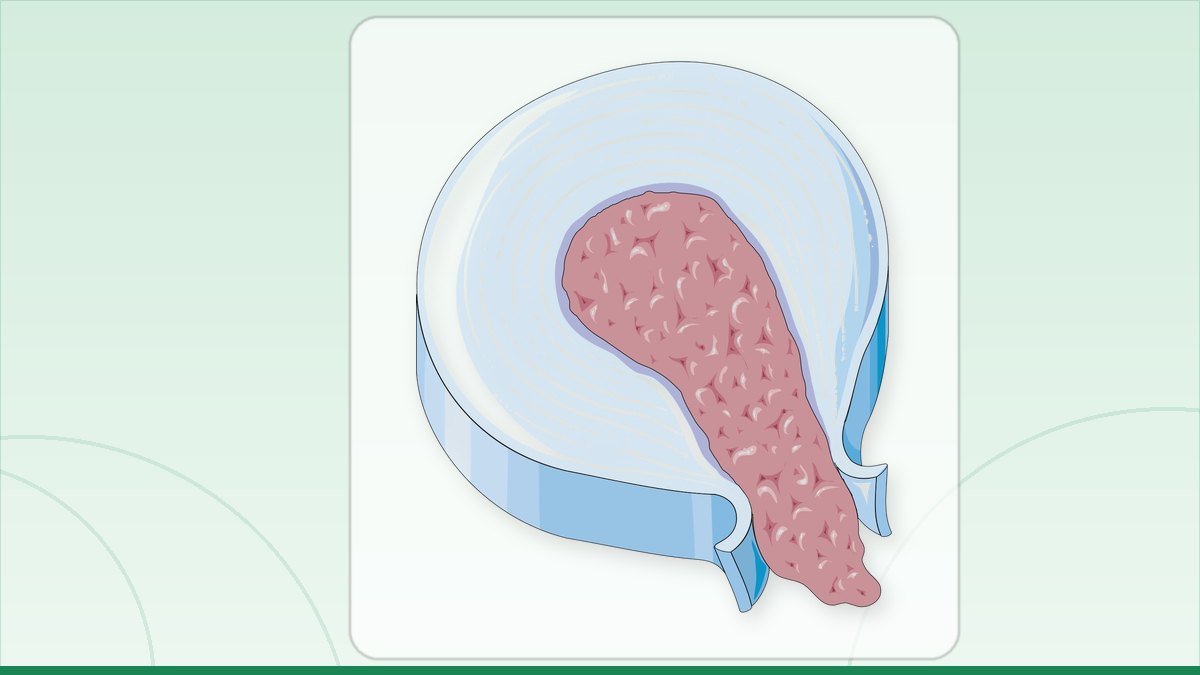
A second slip disc is not inevitable. Most people who recover, with or without surgery, never herniate the same disc again. Your best protection is the first year: walk every day, …
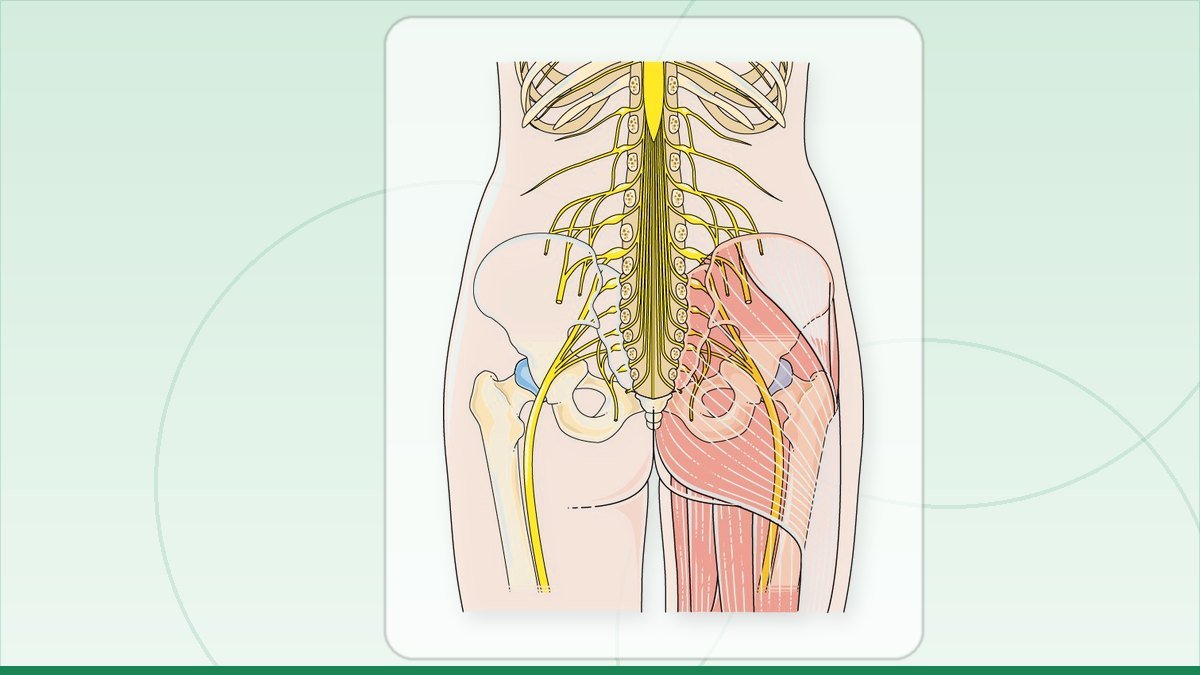
Sacroiliac joint pain sits low, just beside the dimple above your buttock, and usually stays above the knee. Sciatica from a slipped disc travels down the back of the leg, past the…
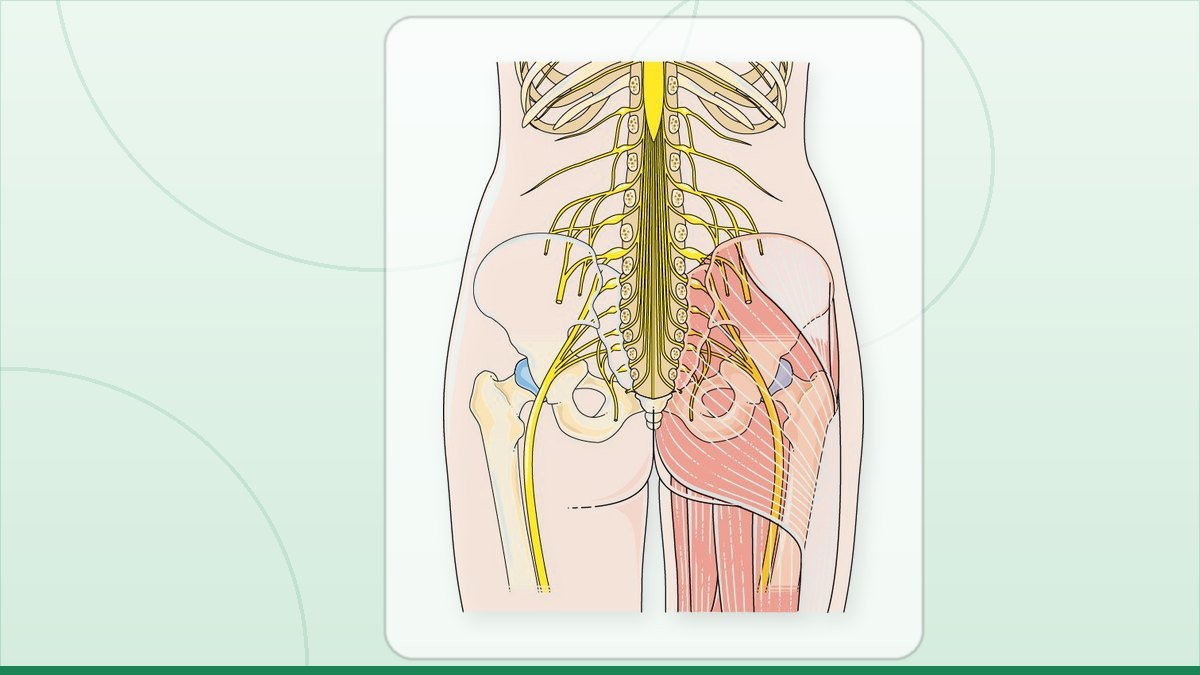
Sciatica hurts more in the leg because the problem sits at the nerve root in your spine, not in the leg itself. A disc bulge presses the root, and pain travels down the path that n…
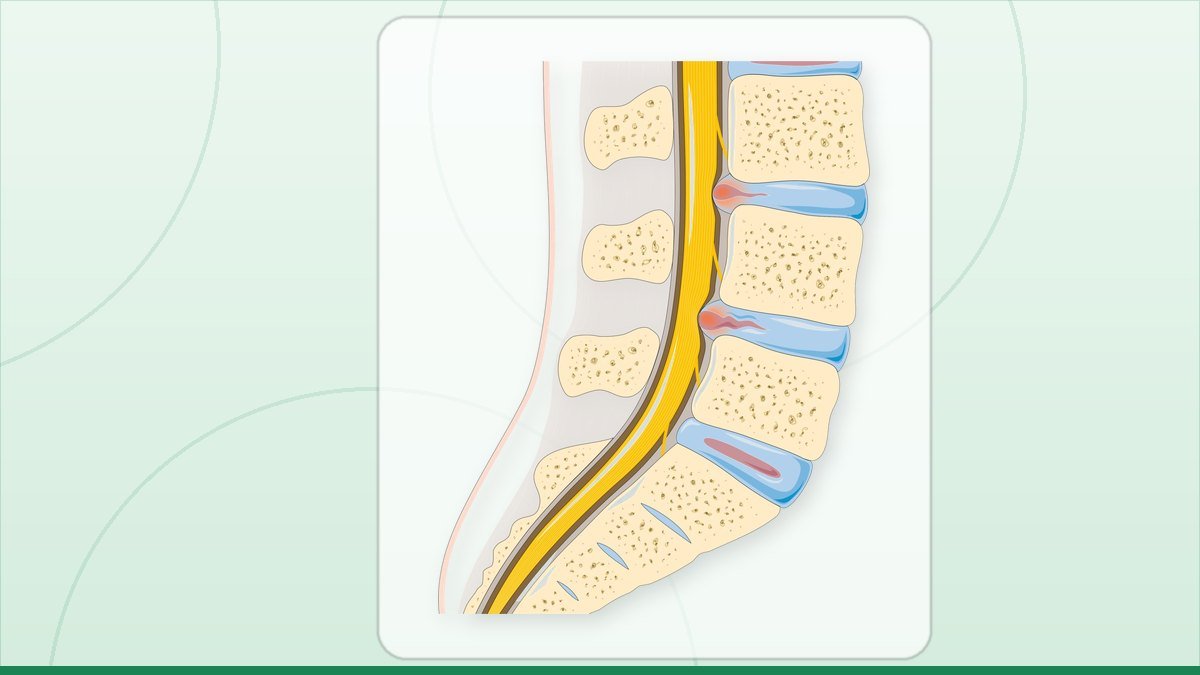
A slip disc happens when the soft centre of a spinal disc pushes out and presses on a nerve, causing kamar dard and taang mein dard. Most cases settle within six to twelve weeks wi…
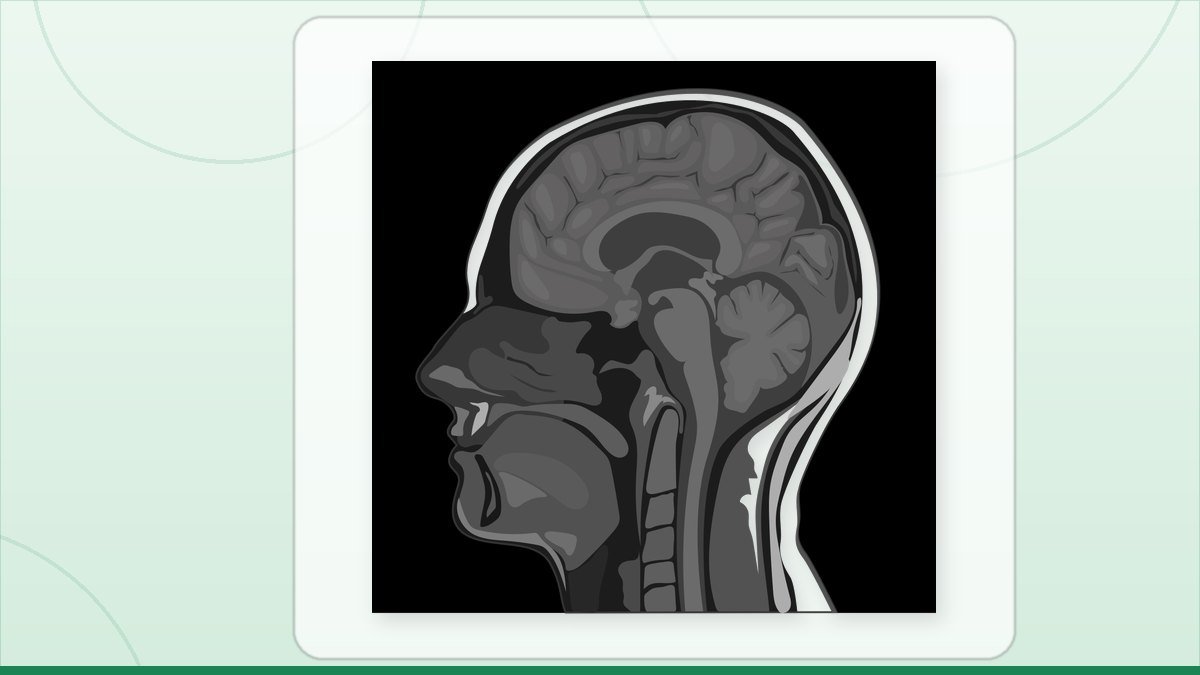
Spinal infection symptoms are a fever combined with steady, worsening back pain that does not ease with rest, especially pain that wakes you at night. Other signs include unexplain…
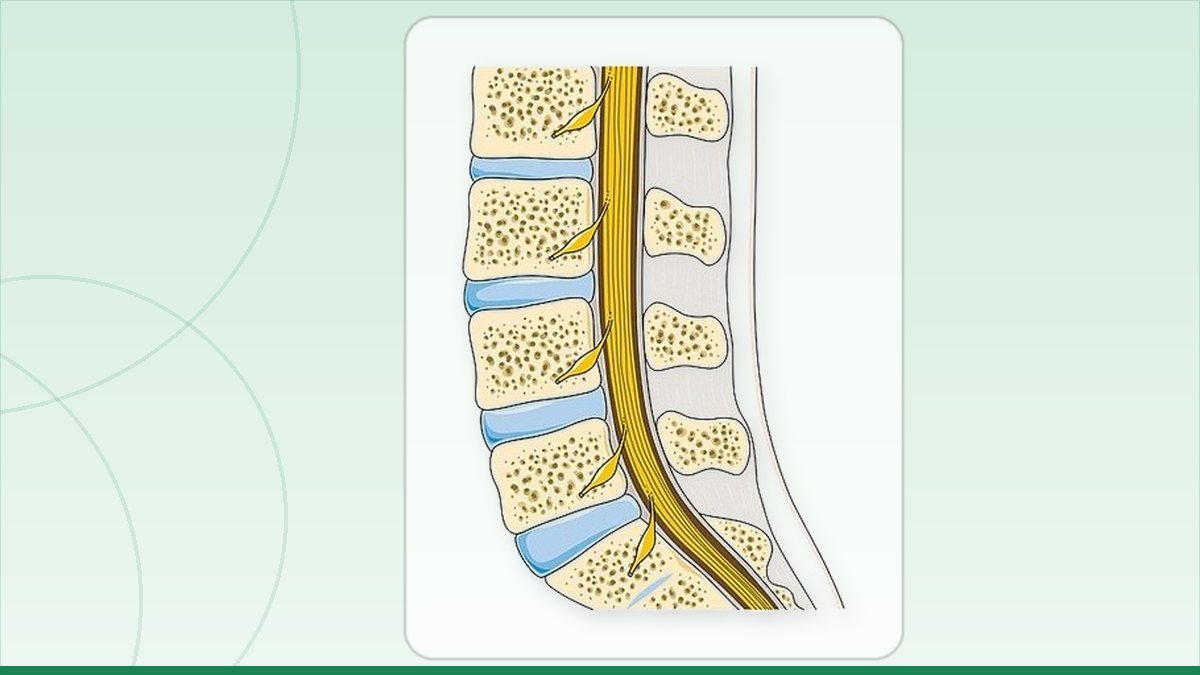
Spinal stenosis is narrowing of the spinal canal that squeezes the nerves to your legs. Standing and walking make the pain worse; sitting or bending forward opens the canal and eas…
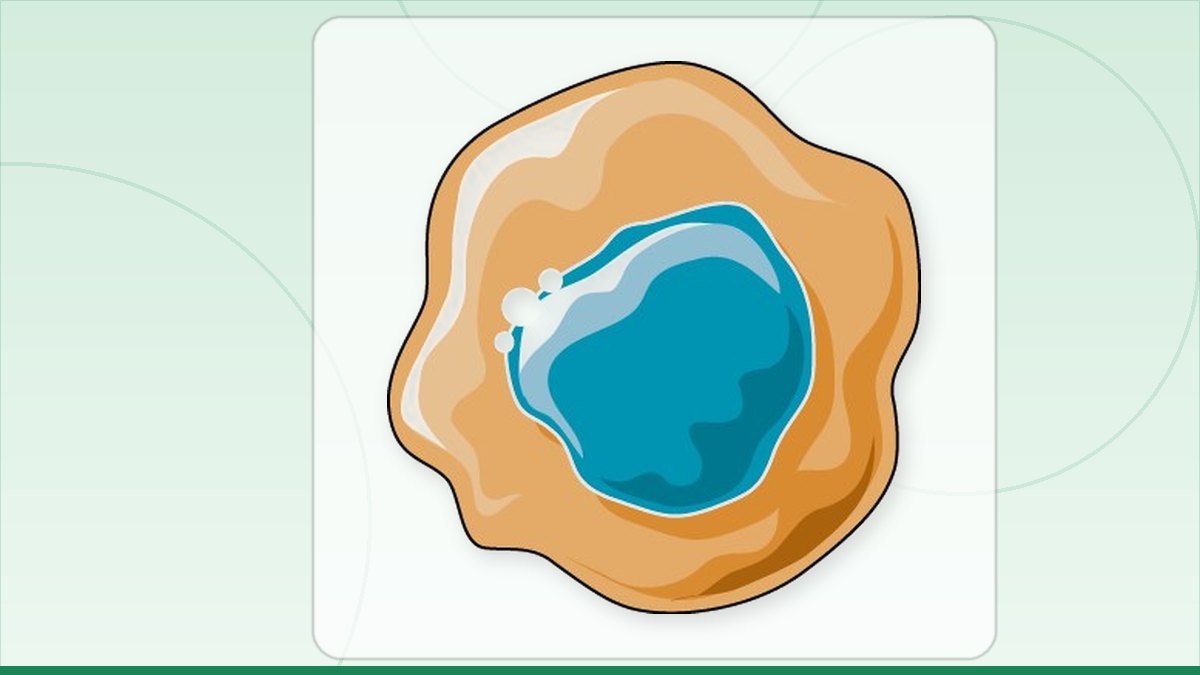
Ordinary back pain usually eases with rest and improves within weeks. A spinal tumour is more likely if pain wakes you at night, keeps getting worse instead of better, comes with u…
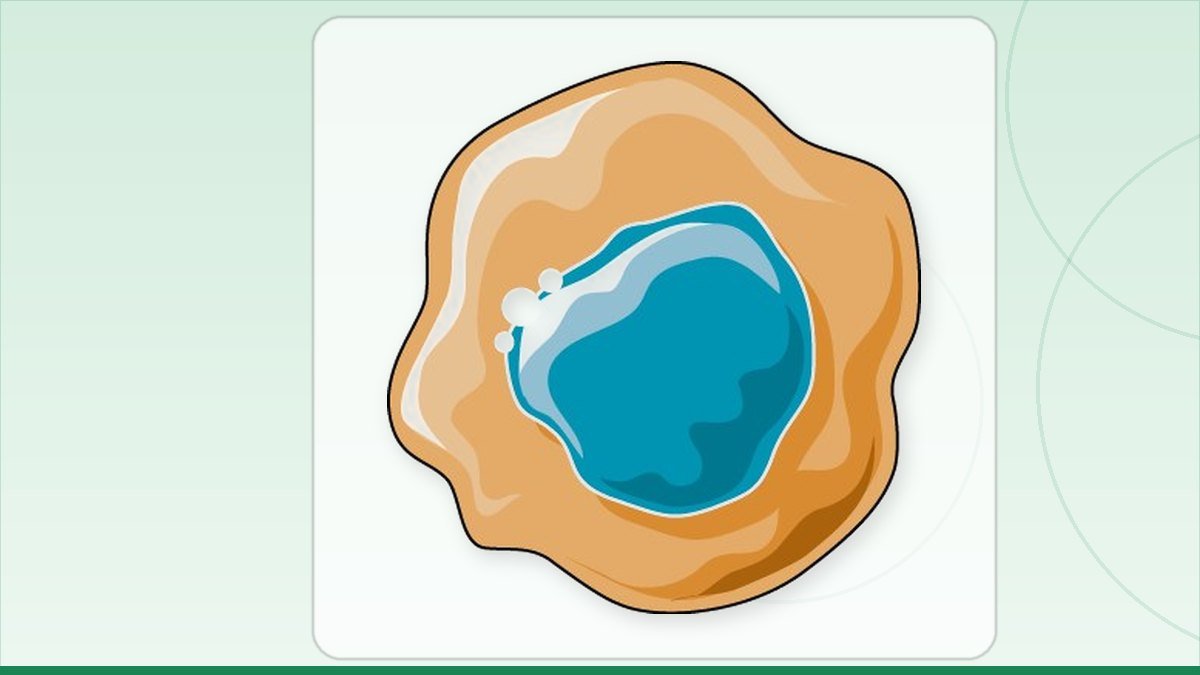
Spinal tumours are rare. The pattern that raises concern is back pain that wakes you at night, pain that does not settle with rest, and weakness or numbness that is getting worse w…
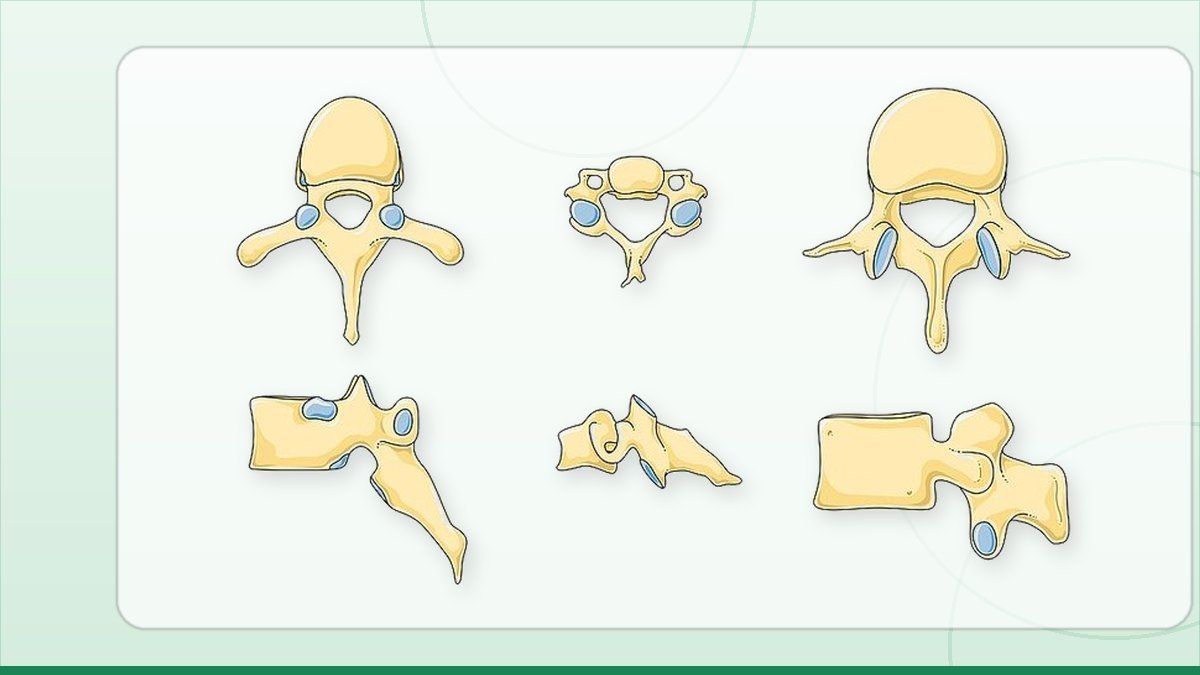
Spondylolisthesis means one vertebra has slipped forward over the one below it. Most cases are mild and settle with physiotherapy, weight control and time. Surgery is considered on…
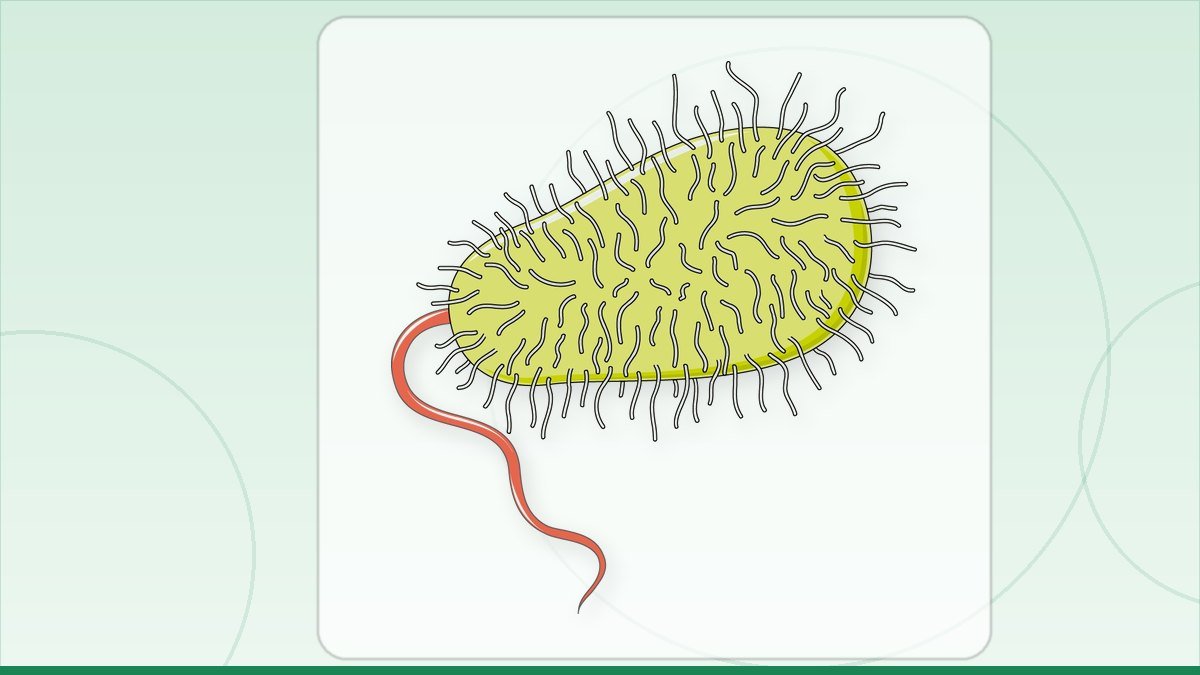
TB of the spine, or Pott disease, is treated mainly with anti-TB medicines taken for many months, not with surgery. Most patients recover well if treatment starts early and is comp…
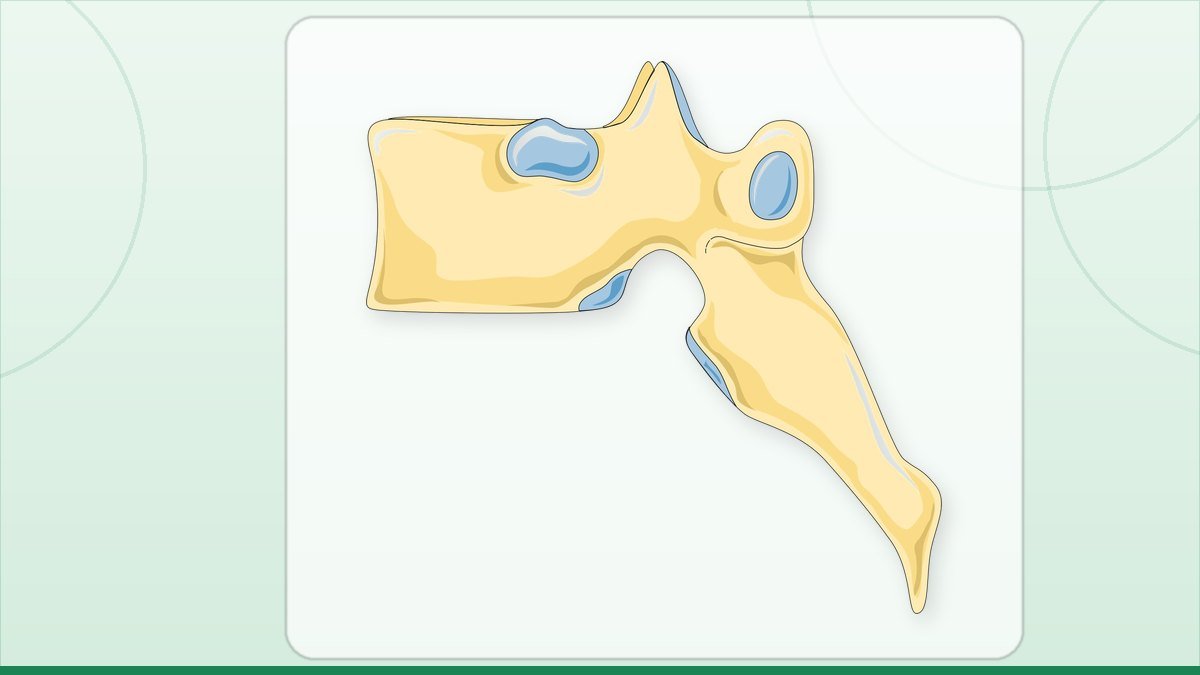
Thoracic spine pain is pain in the mid-back, between the shoulder blades, from the twelve vertebrae T1 to T12. It is usually muscular, postural, or arthritic rather than disc-relat…
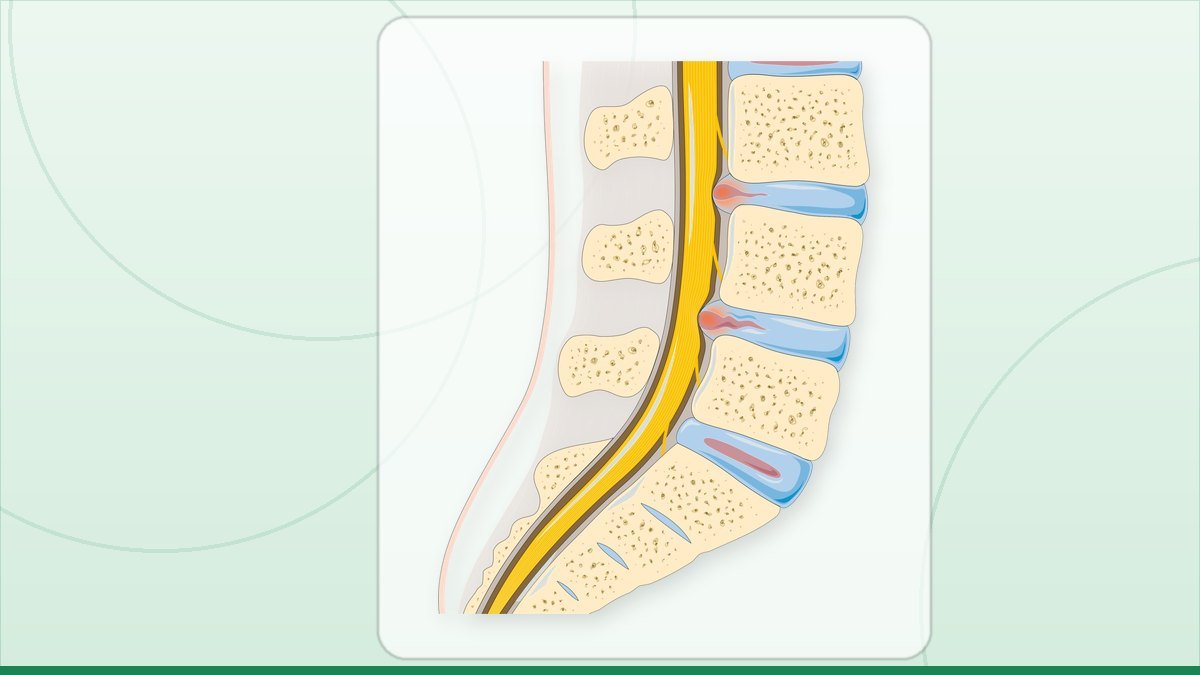
A disc problem usually means a slipped or bulging disc pressing on a nerve, causing kamar dard and taang mein dard. Most cases improve in six to twelve weeks with rest, physiothera…
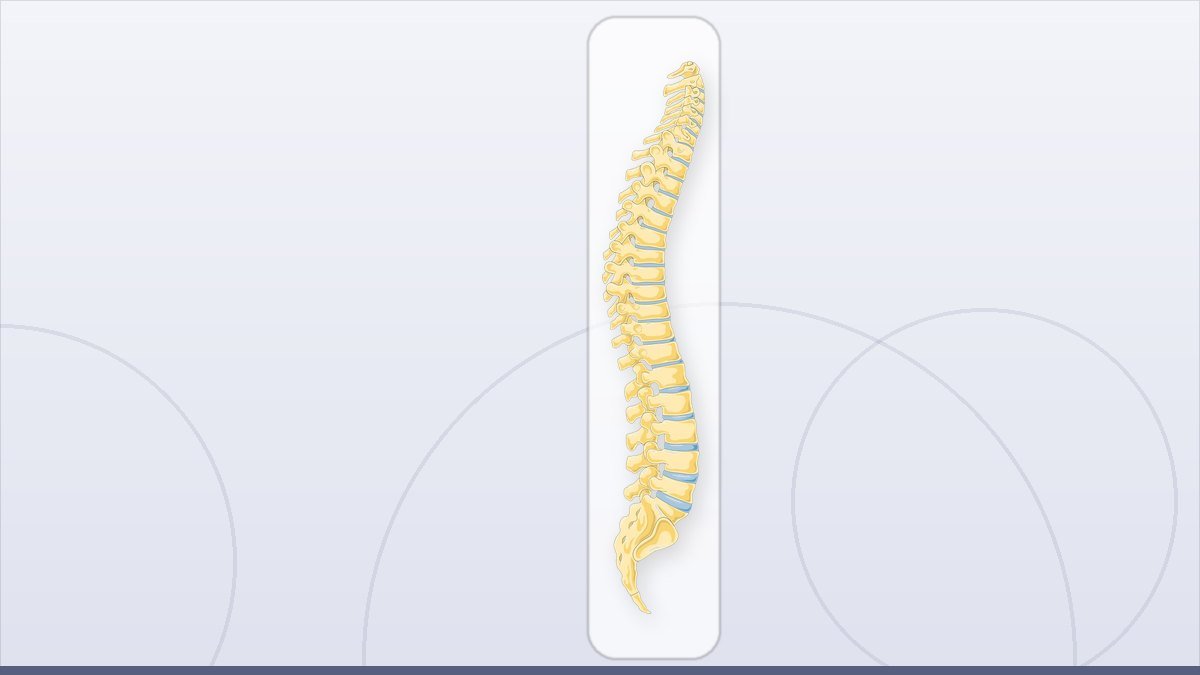
A second opinion is a normal part of spine care, not an insult to your first doctor. Take your MRI images, report and prescription to another spine surgeon, say plainly that you wa…
Choose a spine surgeon in Pakistan by checking their formal qualification (FCPS, MS, or fellowship in neurosurgery or spine surgery), confirming which hospital they operate from, a…
Most Pakistani health insurance and employer panel policies do cover spine surgery, but only when it is medically necessary, documented on MRI, and approved before admission. Cover…
A neurologist diagnoses and manages nerve and brain conditions with medicine, tests and rehabilitation. A neurosurgeon, or spine surgeon, is trained to operate when surgery is need…
Both can work. Government hospitals in Punjab cost far less but usually mean a long wait and less choice of technique. Private hospitals give you a fixed date and options like endo…
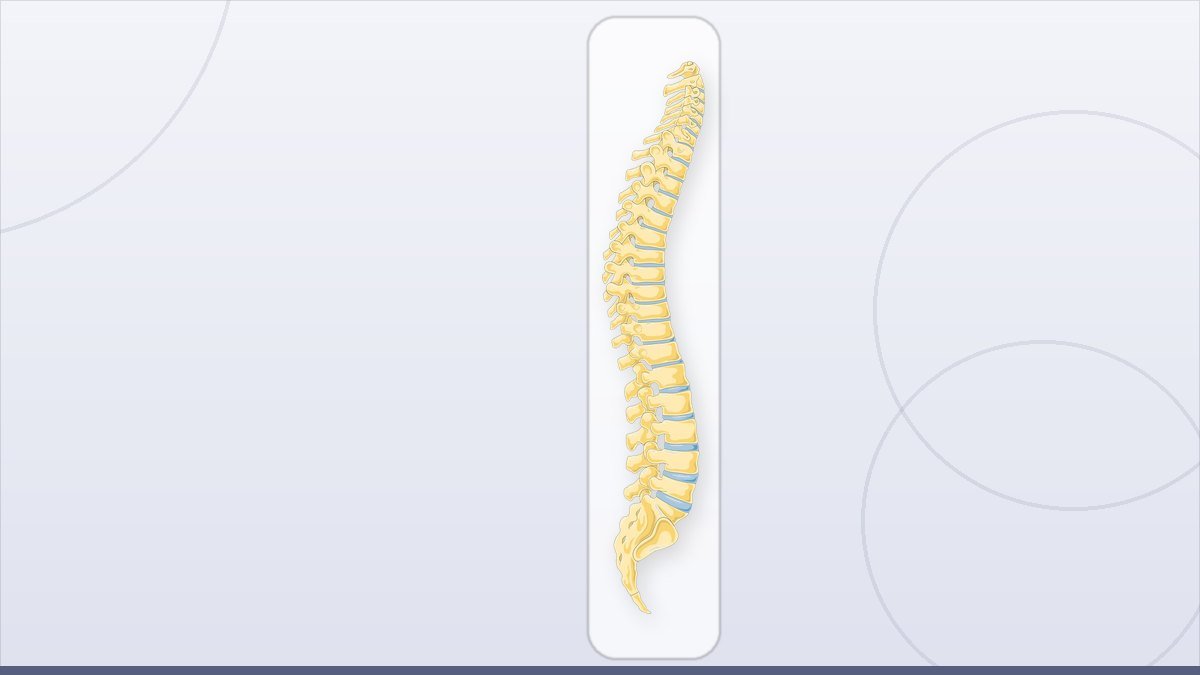
There is no single price. Spine surgery cost in Pakistan is driven by the procedure itself, whether implants are needed, how long you stay, and the hospital's room and theatre char…
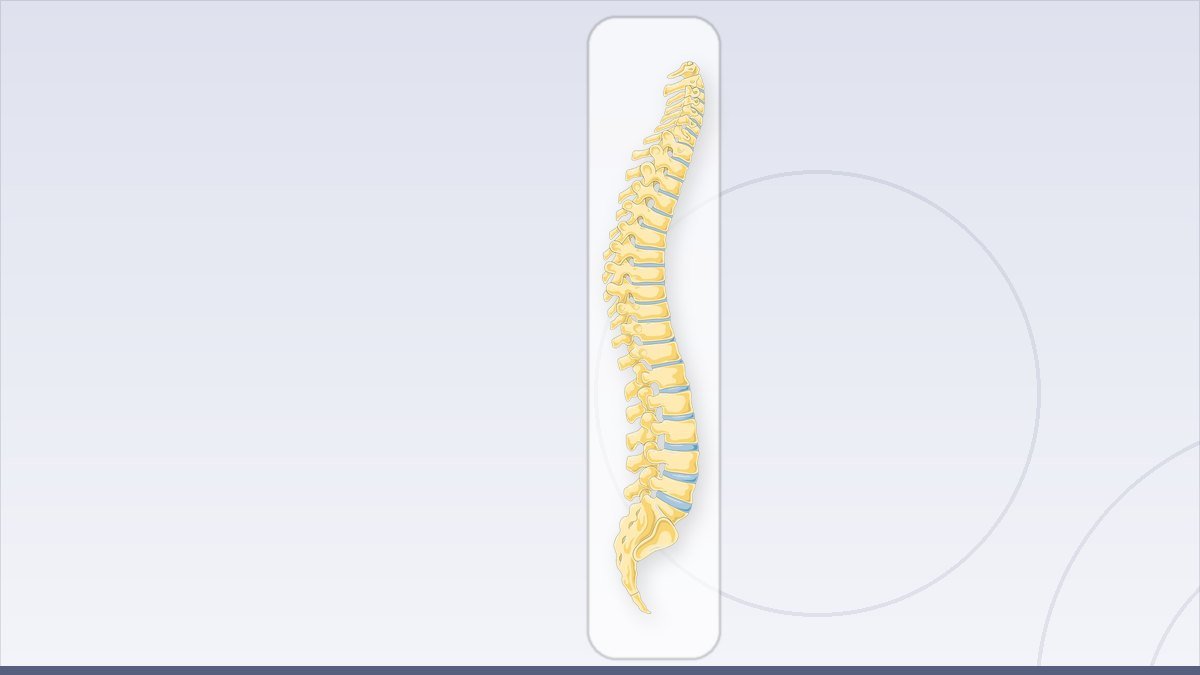
Spine surgery abroad in Egypt, Turkey or Dubai can look cheaper until flights, hotel and lost income are added, and until you ask who examines you if something goes wrong two weeks…
If you are travelling to Faisalabad for spine treatment, plan one consultation visit with your MRI films and reports in hand. Most patients do not need surgery. A careful examinati…
Before you agree to spine surgery, ask what your diagnosis is, which disc level, whether the MRI matches your symptoms, what happens if you wait, what non-surgical care you have no…
Bring your actual MRI films or CD, not only the report. Add X-rays, any older scans, a written list of every medicine and dose you take, old prescriptions and discharge papers, and…
You are likely a candidate if leg pain is worse than back pain, an MRI shows a disc or bone pressing on a nerve that matches your symptoms, and six weeks of medicine and physiother…
Yes, for selected patients awake endoscopic spine surgery is safe. Local anaesthesia with light sedation avoids the risks of general anaesthesia and lets you tell the surgeon if a …
Day care spine surgery means you are admitted, operated and discharged on the same day. It is possible for selected patients having endoscopic discectomy or a small microdiscectomy…
Endoscopic disc surgery cost in Pakistan is not one fixed number. It depends on the hospital, the level operated, anaesthesia, implants if any, and how many nights you stay. Ask fo…
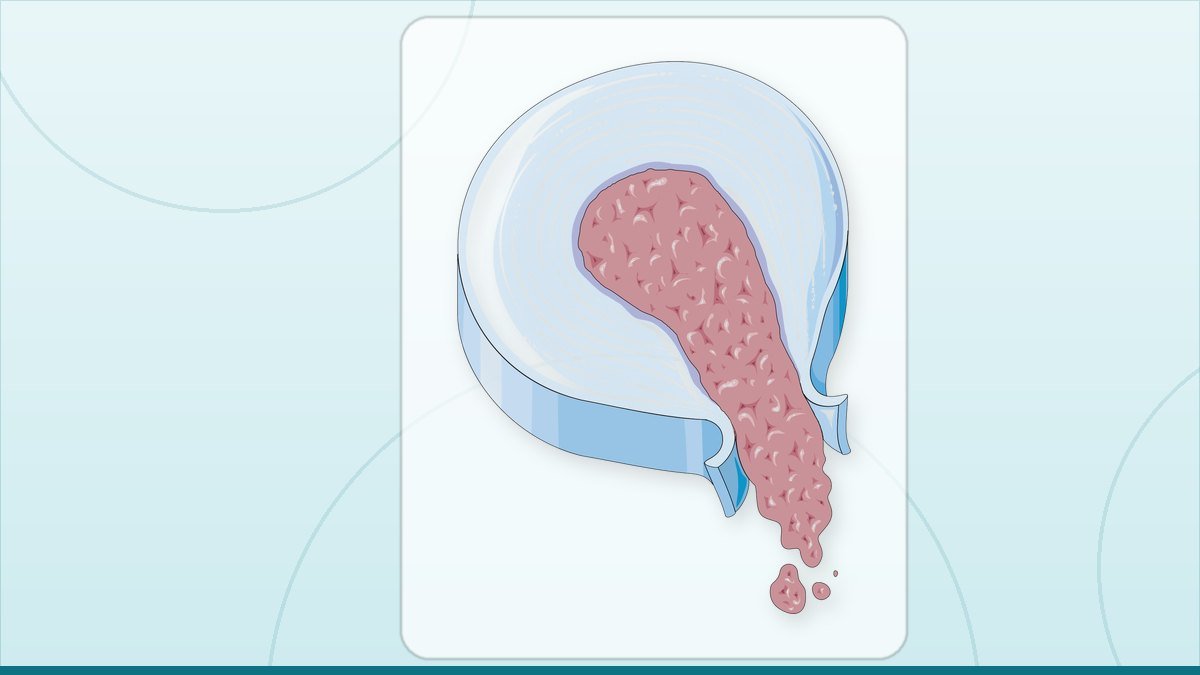
Endoscopic disc surgery removes the disc fragment through a tube about 8 millimetres wide, guided by a camera. Open disc surgery, usually a microdiscectomy, uses a small cut and a …
Endoscopic disc surgery removes the piece of slipped disc pressing on a nerve through a tiny 7-8mm skin cut. A thin camera-tipped tube is guided to the disc under X-ray, the surgeo…
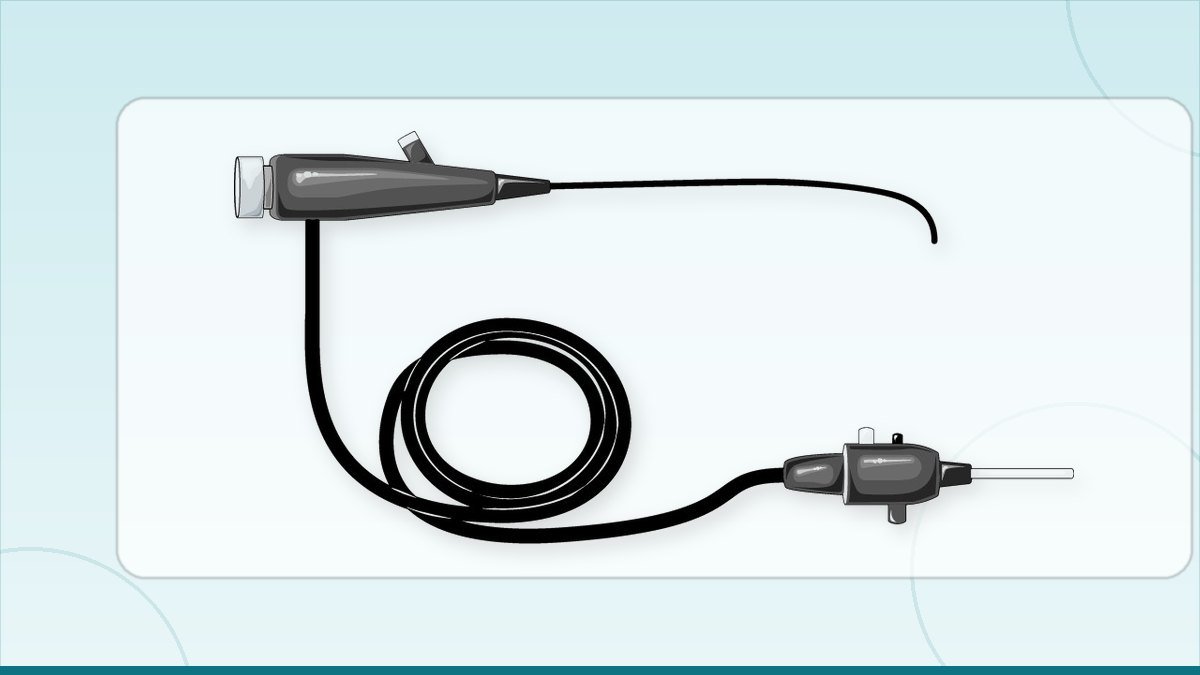
Both operations remove the disc fragment pressing on your nerve, and both work well. Your MRI decides which one fits. Endoscopic discectomy suits a contained, single-level disc rea…
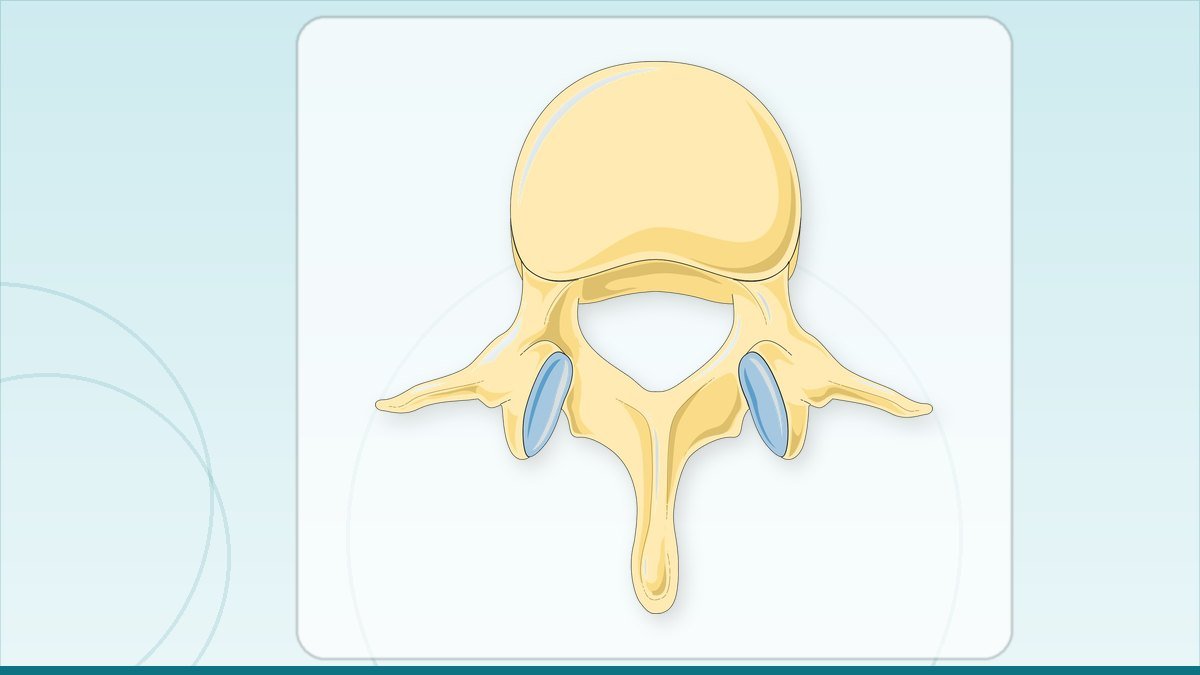
There is no single price. In Pakistan, endoscopic spine surgery is quoted in rupees as a package that depends on the hospital, the level operated, the anaesthesia used and how long…
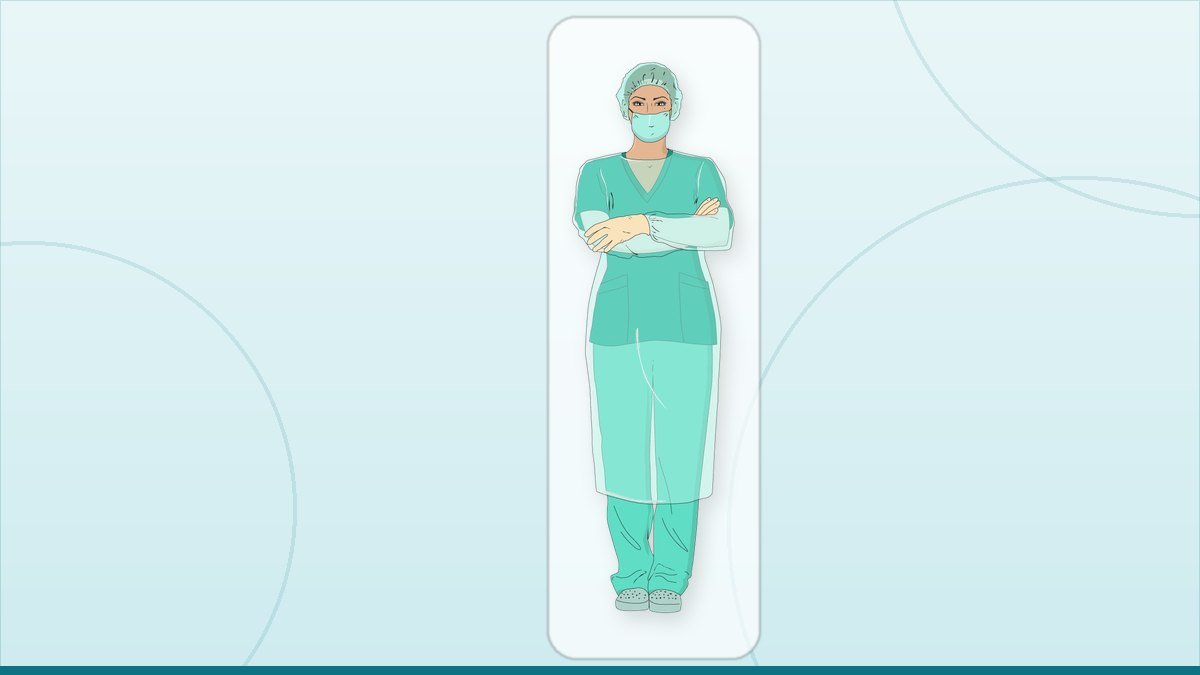
To arrange endoscopic spine surgery in Faisalabad, send your MRI report, X-rays and a short note about your symptoms for review, then come for a clinical examination. Surgery is on…
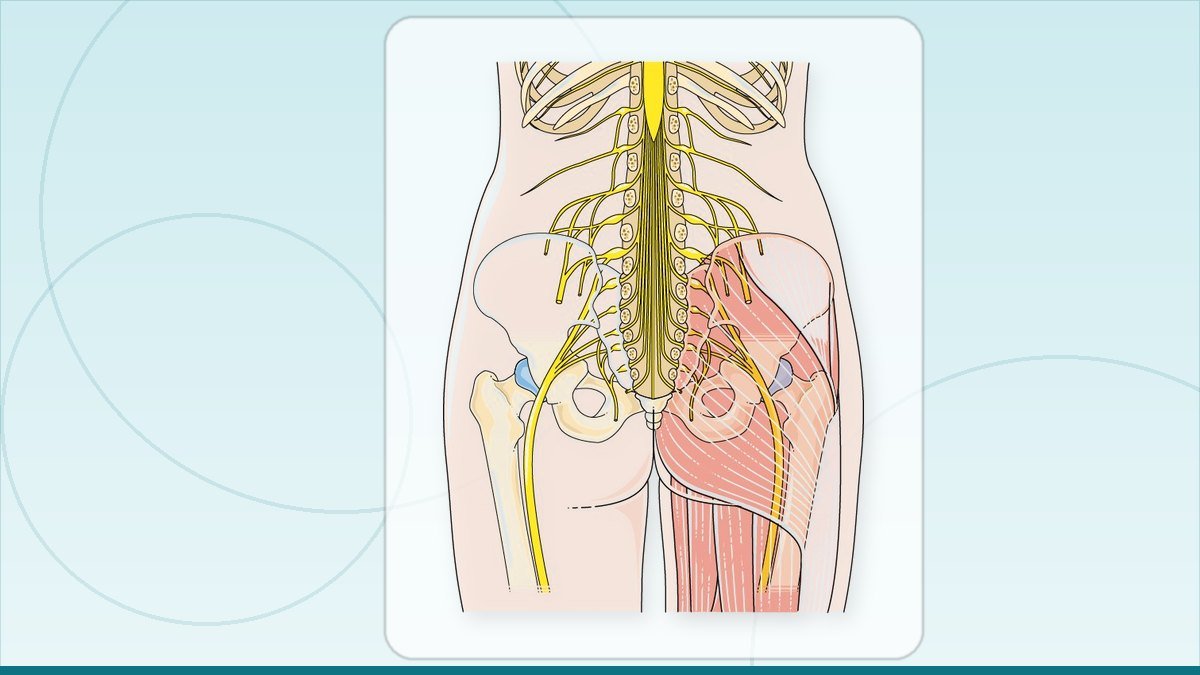
Most sciatica settles within six to twelve weeks with medicine and physiotherapy. Endoscopic spine surgery is considered when leg pain from a compressed nerve root persists beyond …
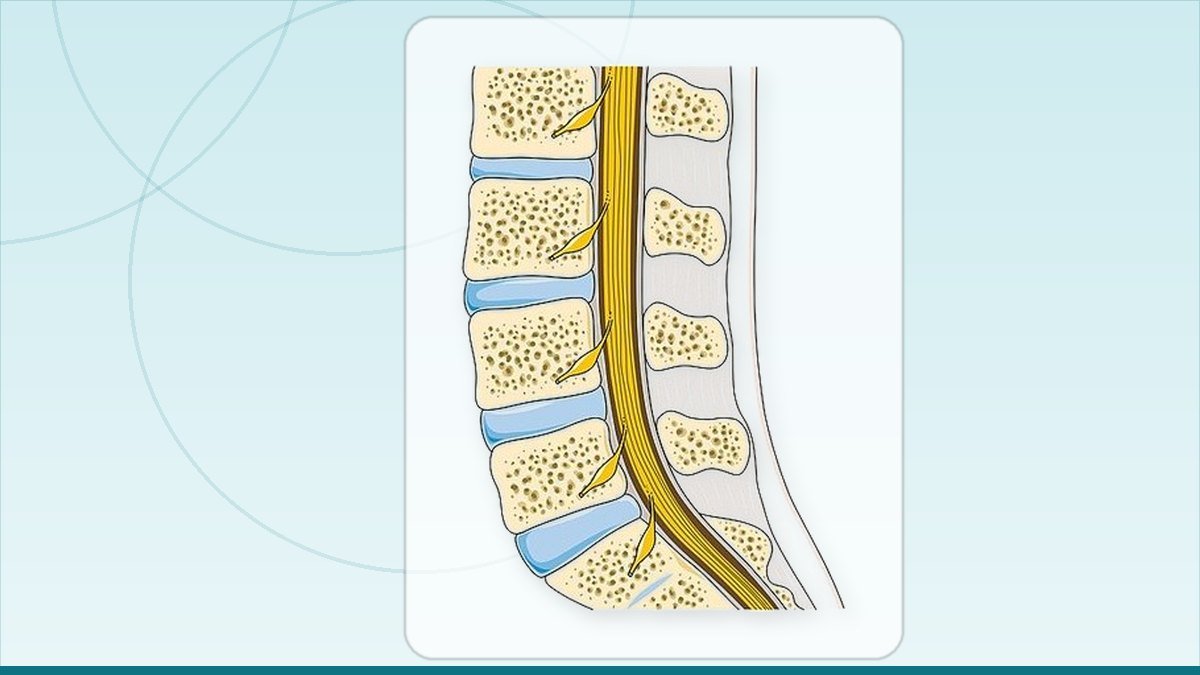
Endoscopic spine surgery treats spinal stenosis by widening the narrowed canal through a cut of about one centimetre, using a camera and fine instruments. It relieves leg pain and …
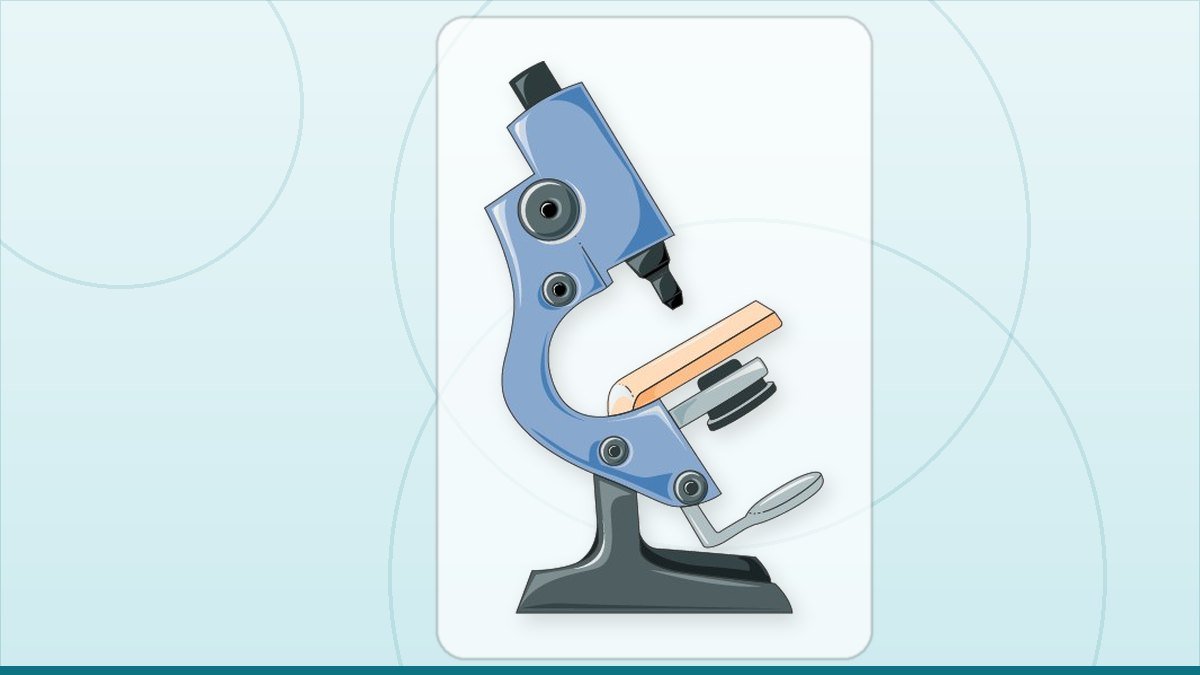
Studies comparing full-endoscopic discectomy with microdiscectomy show similar leg pain relief and similar rates of repeat surgery. The endoscopic route uses a smaller opening, cau…
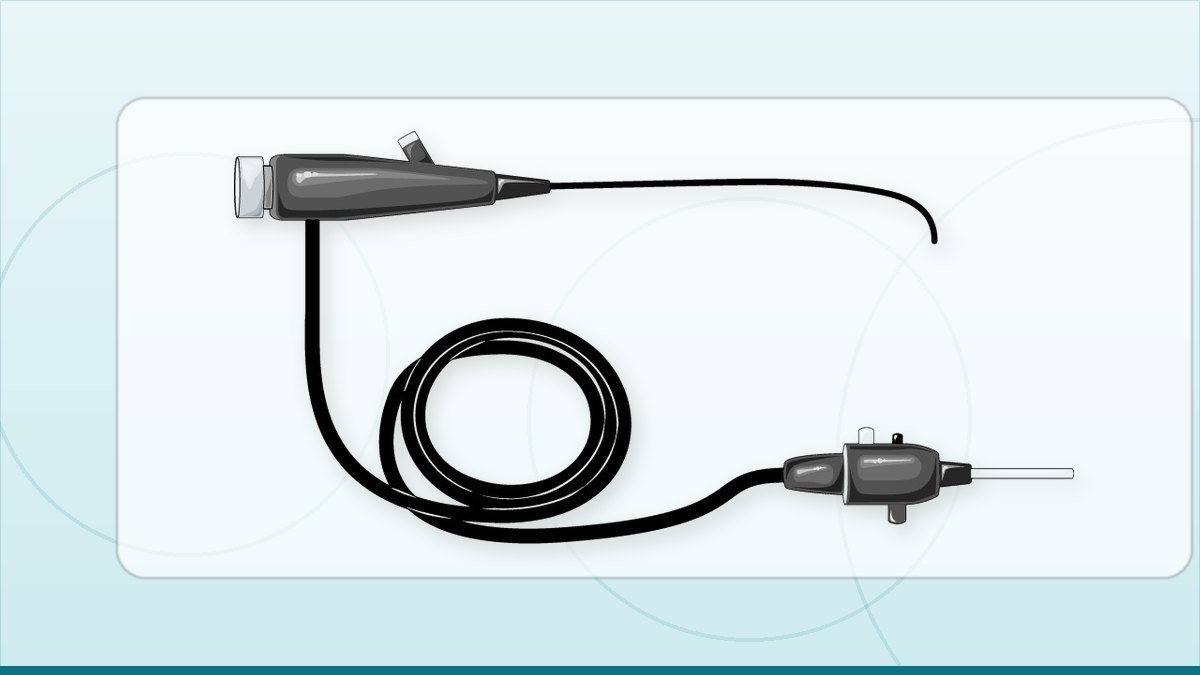
Choose on training and honesty, not advertising. Ask the surgeon how many endoscopic cases they do each month, who operates if a problem arises, and what happens if the disc comes …
For a properly selected patient with a disc pressing on a nerve, endoscopic spine surgery works well: most people get significant or complete relief of leg pain, and studies compar…
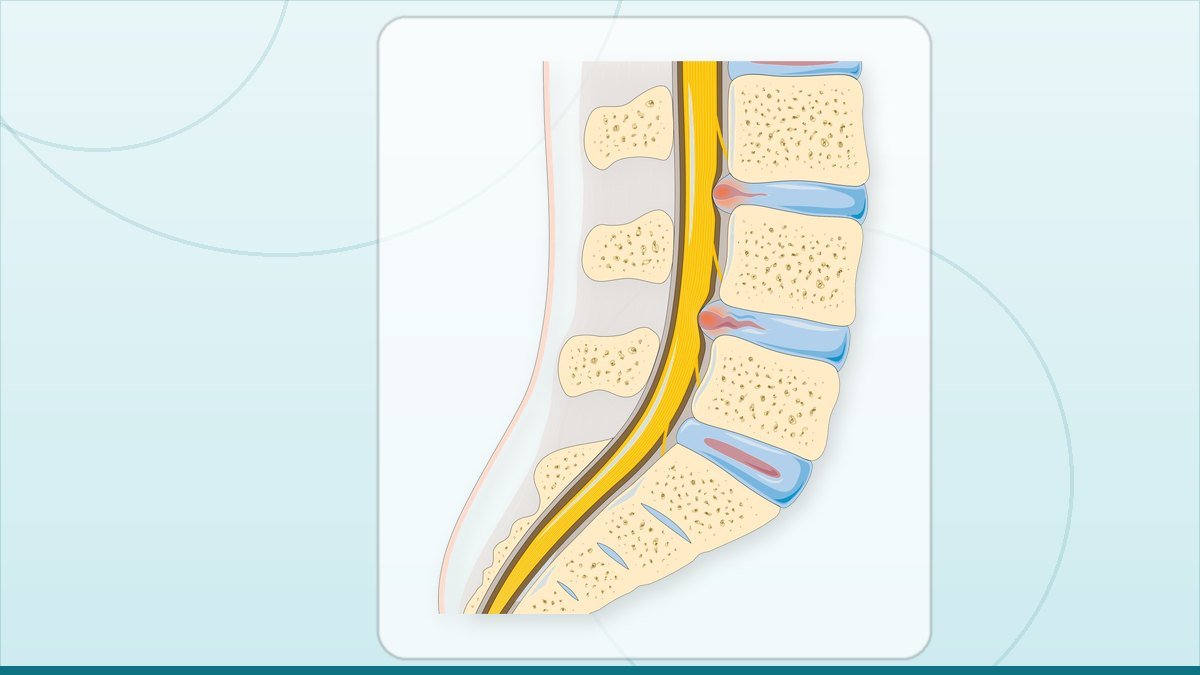
Yes, endoscopic disc surgery is safe for correctly selected patients. It is done under local or spinal anaesthesia through a needle-sized opening, so muscle and bone are barely dis…
Microscopic and endoscopic disc surgery remove the same herniated disc material and give similar long-term relief for taang mein dard. The choice depends on where the disc has slip…
Most people walk within a few hours of endoscopic spine surgery and go home the same day or the next. Sitting and light desk work usually return in one to two weeks. Driving and no…
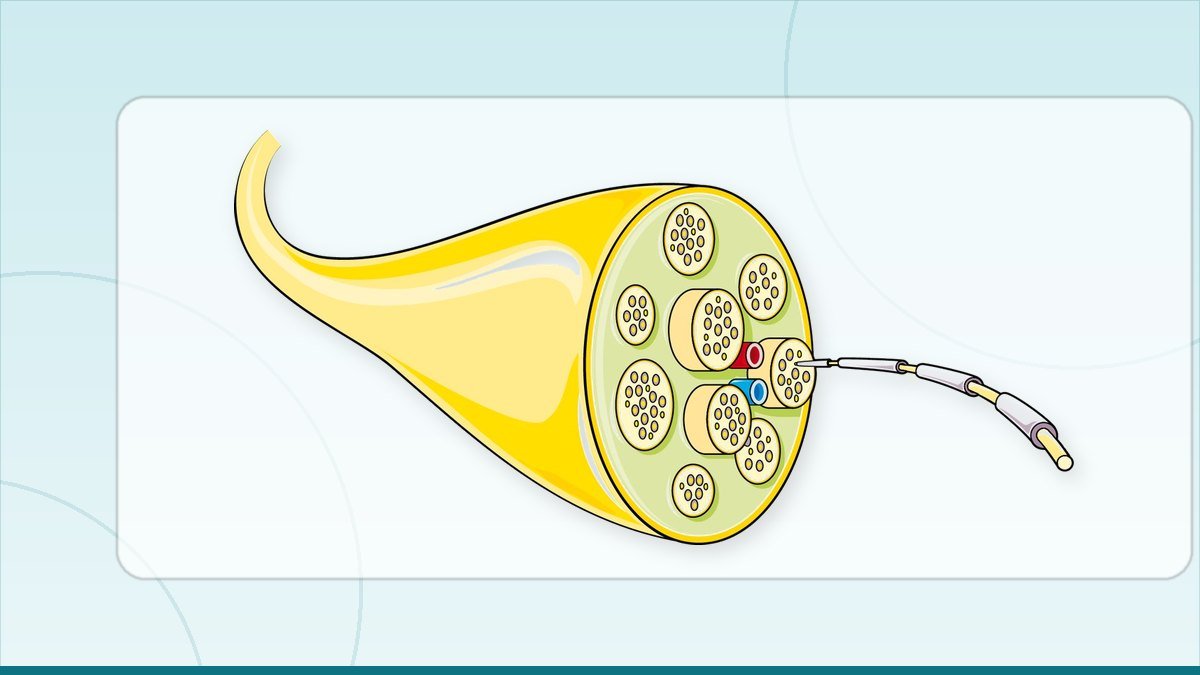
Endoscopic spine surgery is generally safe, but it is still surgery. The main risks are temporary nerve irritation causing burning or numbness in the leg, the disc herniating again…
Endoscopic spine surgery leaves one small cut, usually under a centimetre, closed with one or two stitches or skin glue. Keep it clean and dry for the first week, do not soak it in…
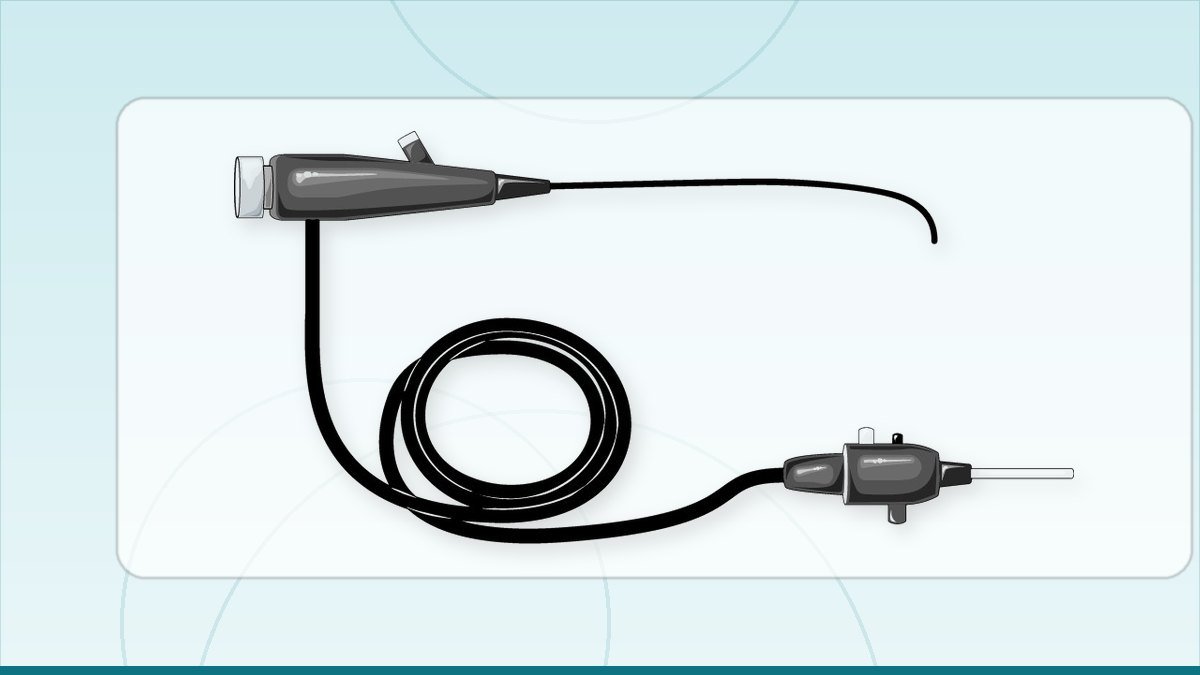
Both are keyhole routes to the same slipped disc. Transforaminal endoscopic discectomy enters from the side, through the natural hole where the nerve exits, often under local anaes…
Endoscopic spine surgery removes the piece of disc pressing on your nerve through an opening of about 7 to 8 millimetres, using a camera and instruments passed down a thin tube. Mu…
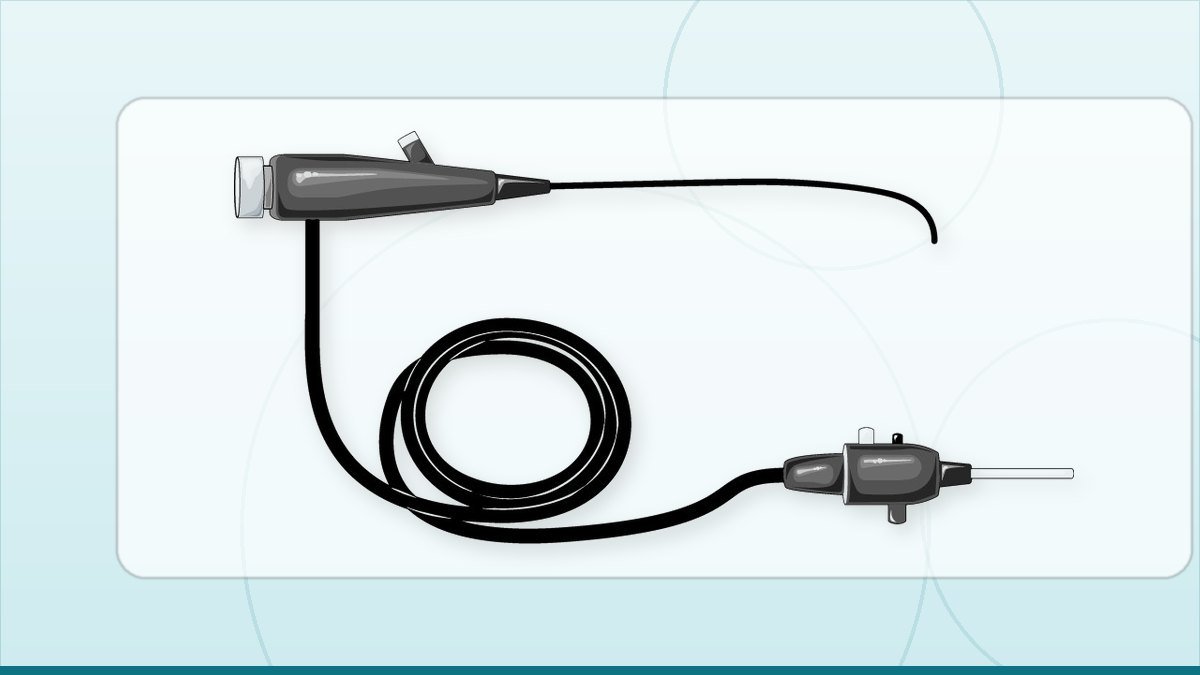
Before laser or endoscopic surgery makes sense for a slipped disc, your MRI has to show disc material touching a nerve at the exact level and side of your leg pain, not just a bulg…
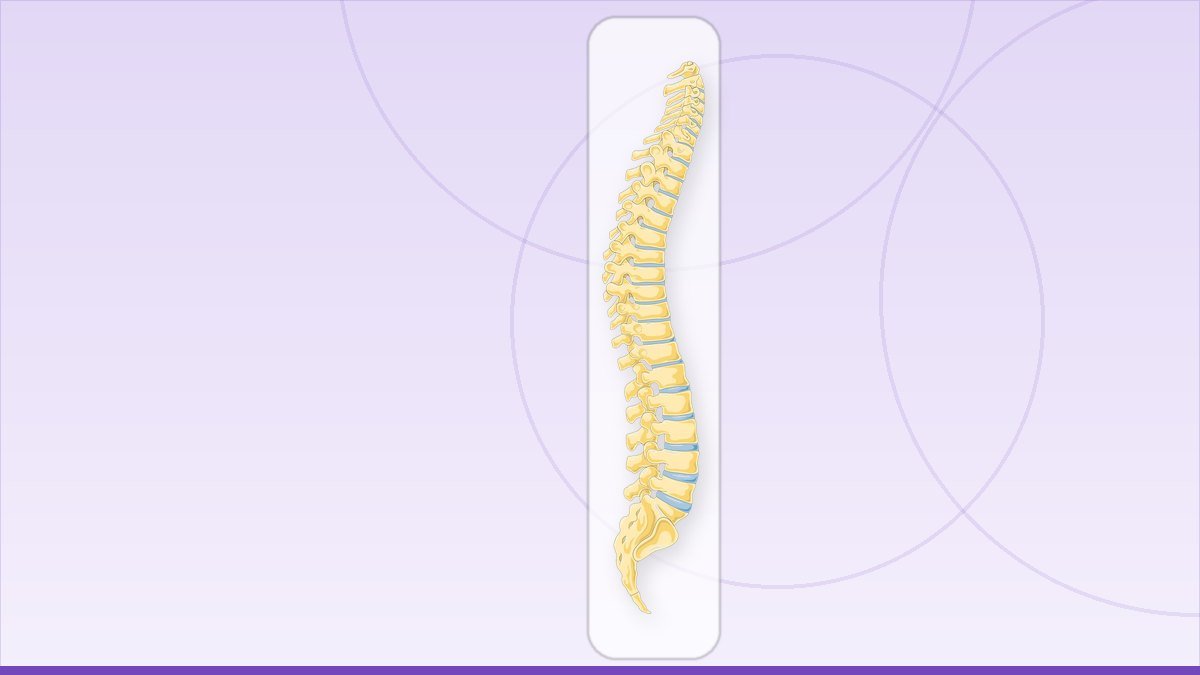
Minimally invasive spine surgery means operating through small openings, usually with a microscope or a thin camera-guided tube, instead of a long open cut through the back muscles…
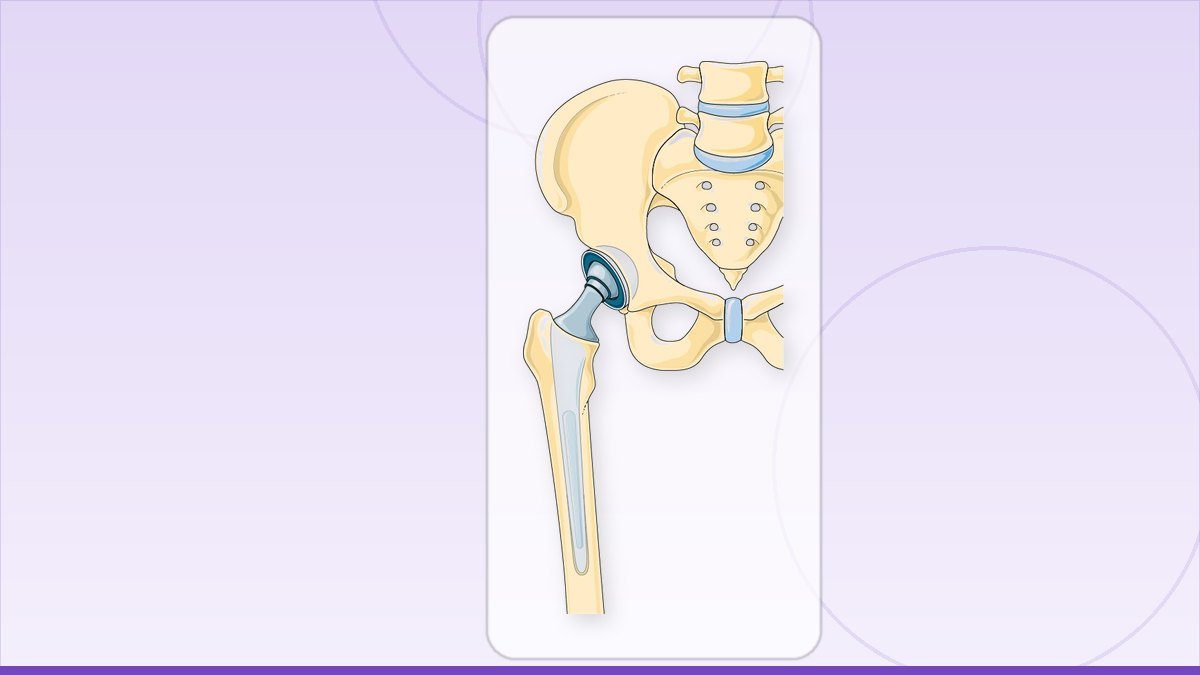
Spinal fixation surgery uses screws and rods to hold two or more vertebrae still so a damaged or unstable spine can heal in the right position. It is used for fractures, severe sli…
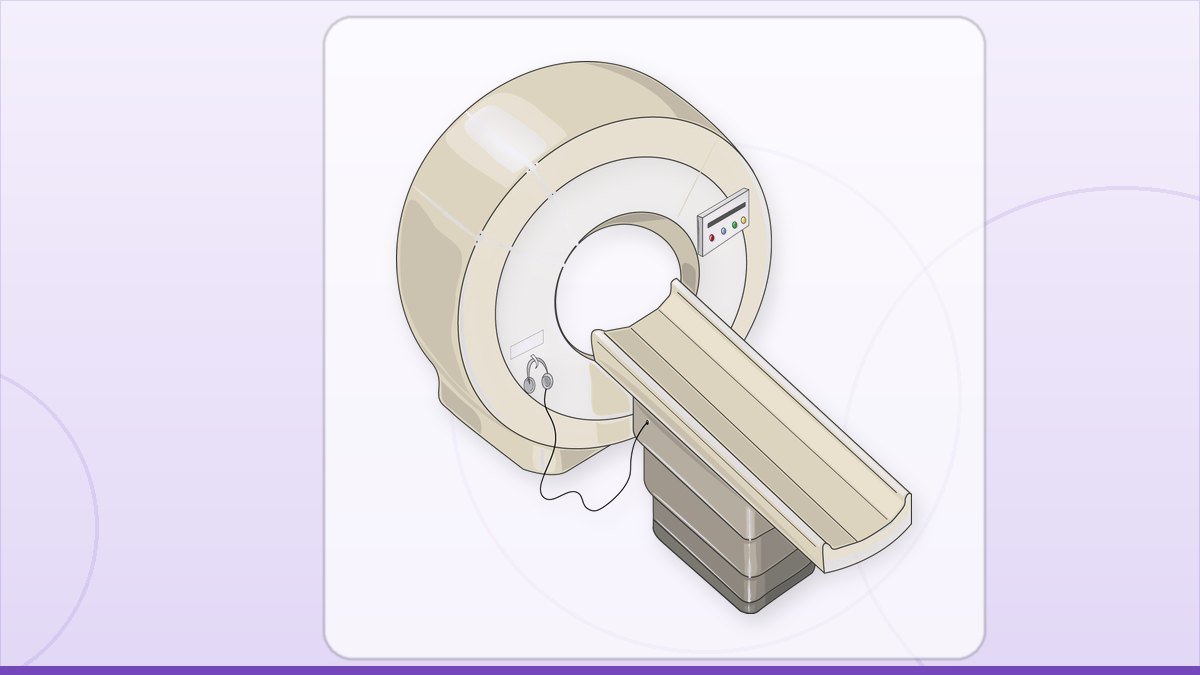
Most spine implants used today, screws, rods, cages, are titanium, which is MRI-safe and rarely triggers airport metal detectors. After endoscopic spine surgery no implant is left …
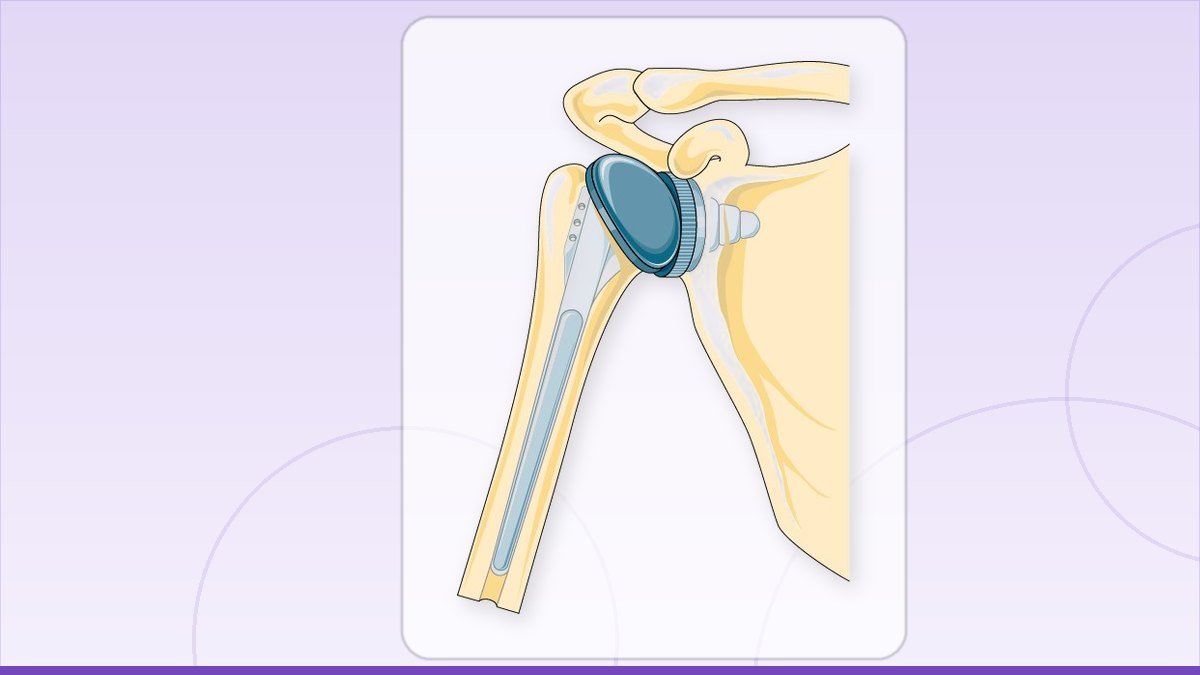
A spinal fusion quote in Pakistan is only as useful as what it lists. The number itself varies by hospital, so the real question is whether the quote names every implant, the room …
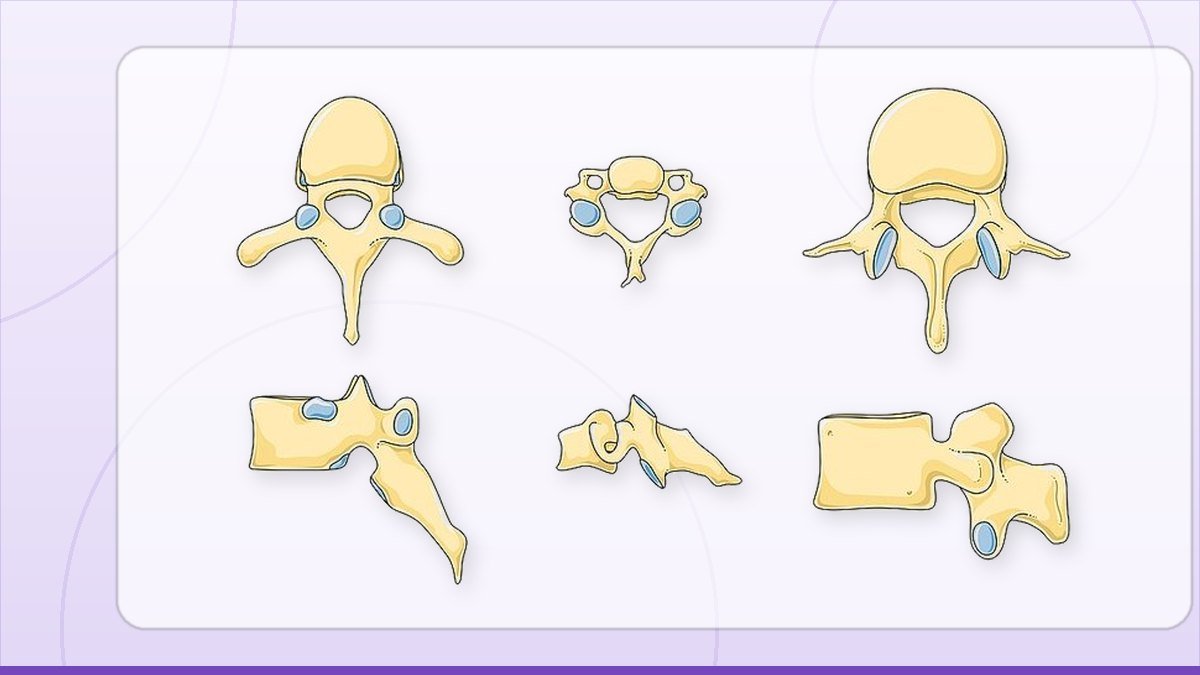
Delaying spinal fusion when it is genuinely needed is not a neutral choice. The signs worth acting on, and what waiting actually risks, matter more here than the operation itself. …

Spinal fusion recovery is longer than a straightforward disc operation, because two vertebrae are healing together, not just a nerve being freed. What matters most before you agree…
For sciatica caused by a proven disc herniation, microdiscectomy works well: published trials show most well selected patients get major relief of leg pain, often within days. It i…
Microdiscectomy is considered a low-risk spine operation. Serious complications such as nerve damage or paralysis are rare. The common risks are infection, a tear in the dural cove…
Most people walk the same day and go home within one to two days after microdiscectomy. Short car trips as a passenger start almost immediately, driving yourself usually at two to …
Microscopic disc surgery, or microdiscectomy, uses an operating microscope so the surgeon can see the nerve and disc clearly through a small incision instead of a large open cut. T…
Most patients walk within hours of microscopic disc surgery (microdiscectomy) and go home within one to two days. Bending, lifting and long sitting are avoided for four to six week…
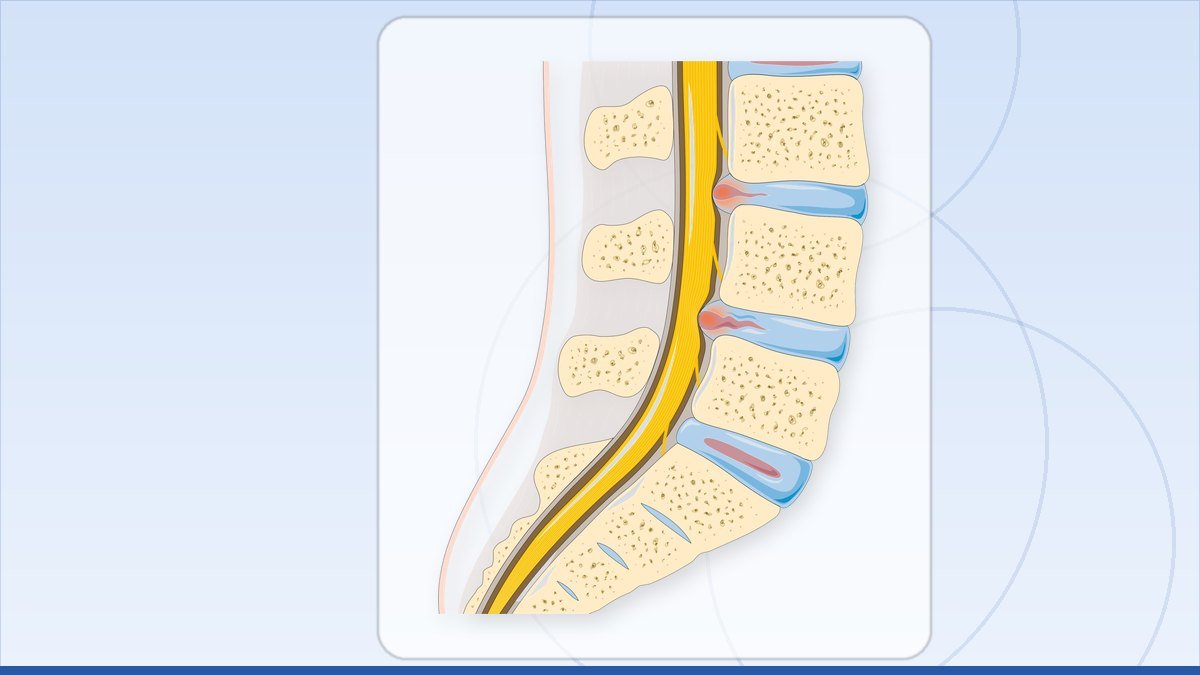
Revision disc surgery is a second operation on a disc that was already treated. What changes is the tissue. Scar from the first surgery replaces the clean planes a surgeon works in…
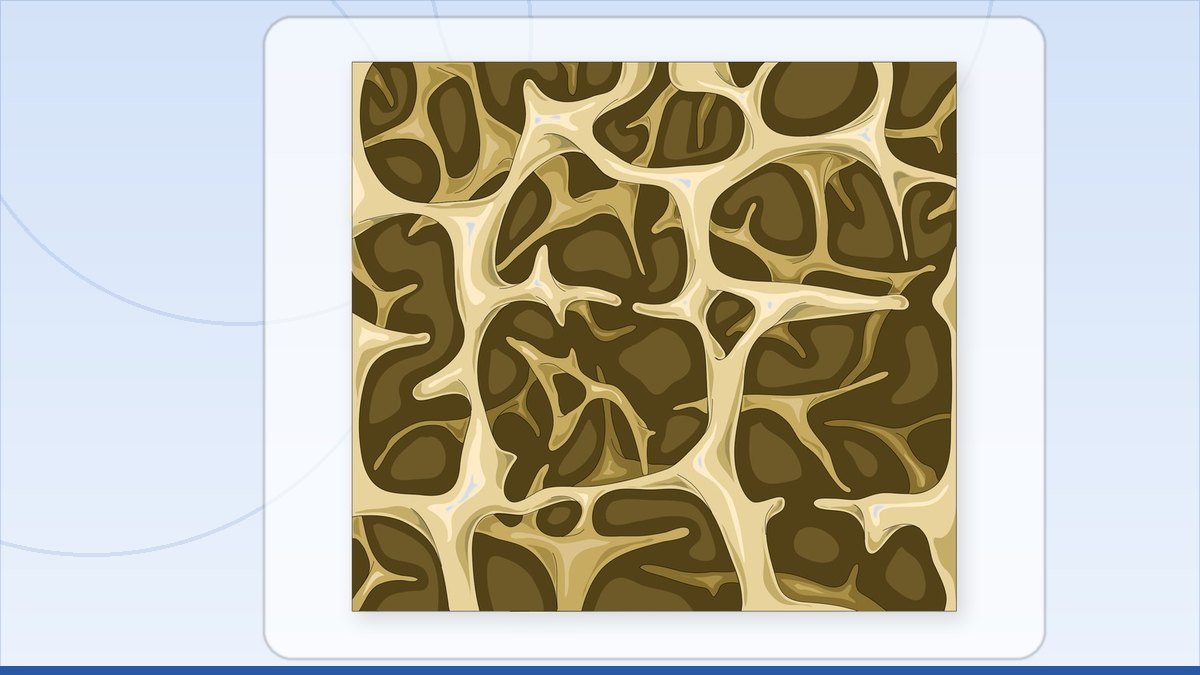
A microdiscectomy is an operation that removes the small piece of slipped disc pressing on a nerve in your lower back. The surgeon works through a cut of about two to three centime…
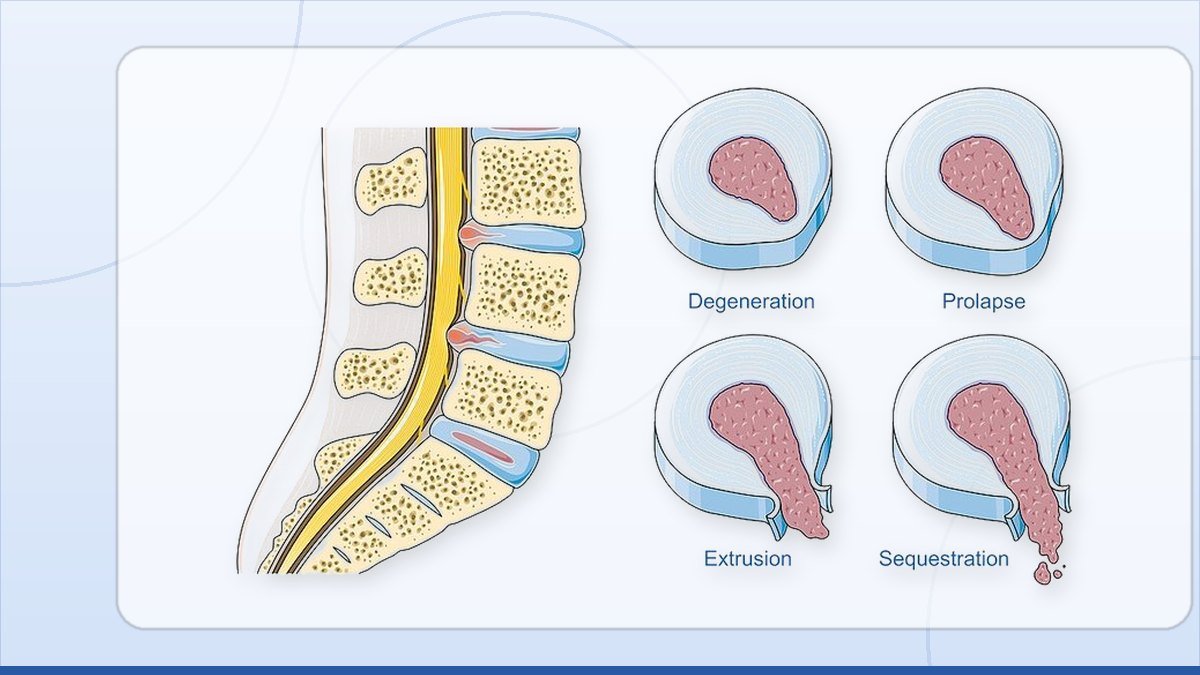
A recurrent disc herniation means disc material pushes out again at the same level after earlier surgery or after a disc had settled on its own. It usually shows up as the same leg…
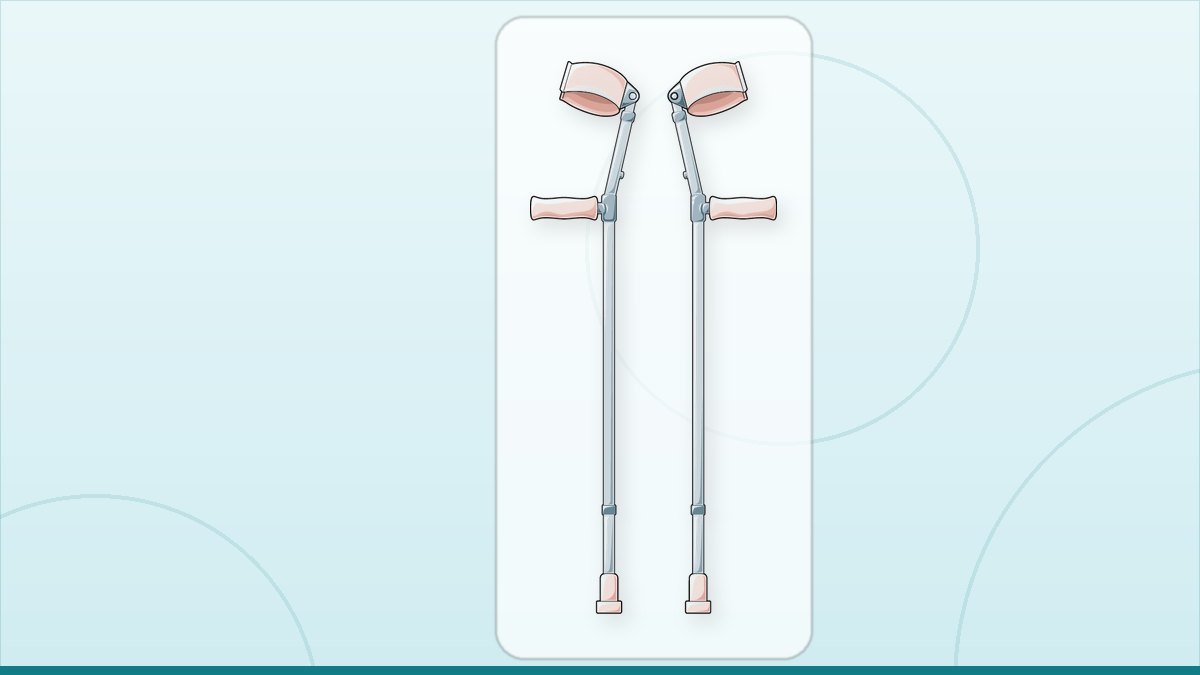
Most back pain in drivers and factory workers comes from long hours of sitting, engine vibration and repeated bending, not from a disc that needs surgery. It usually settles with m…
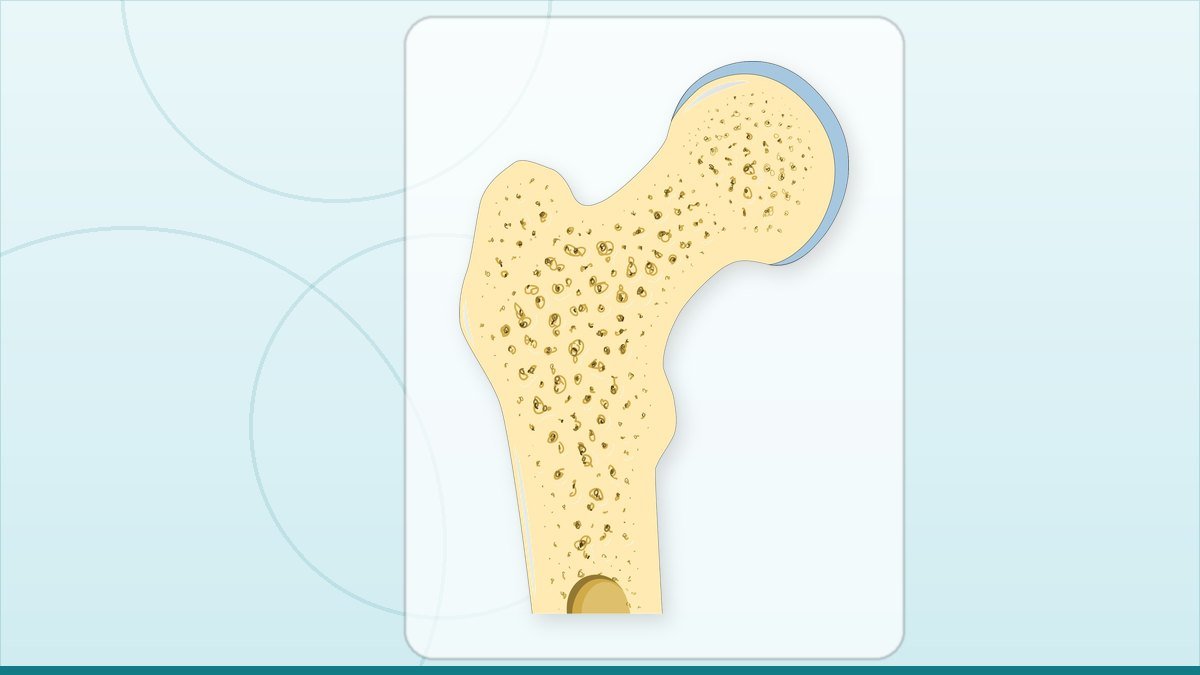
Back pain in women is often missed by doctors because the causes differ from men: pregnancy loosens spinal ligaments, menopause and osteoporosis weaken bone, and period-related pai…
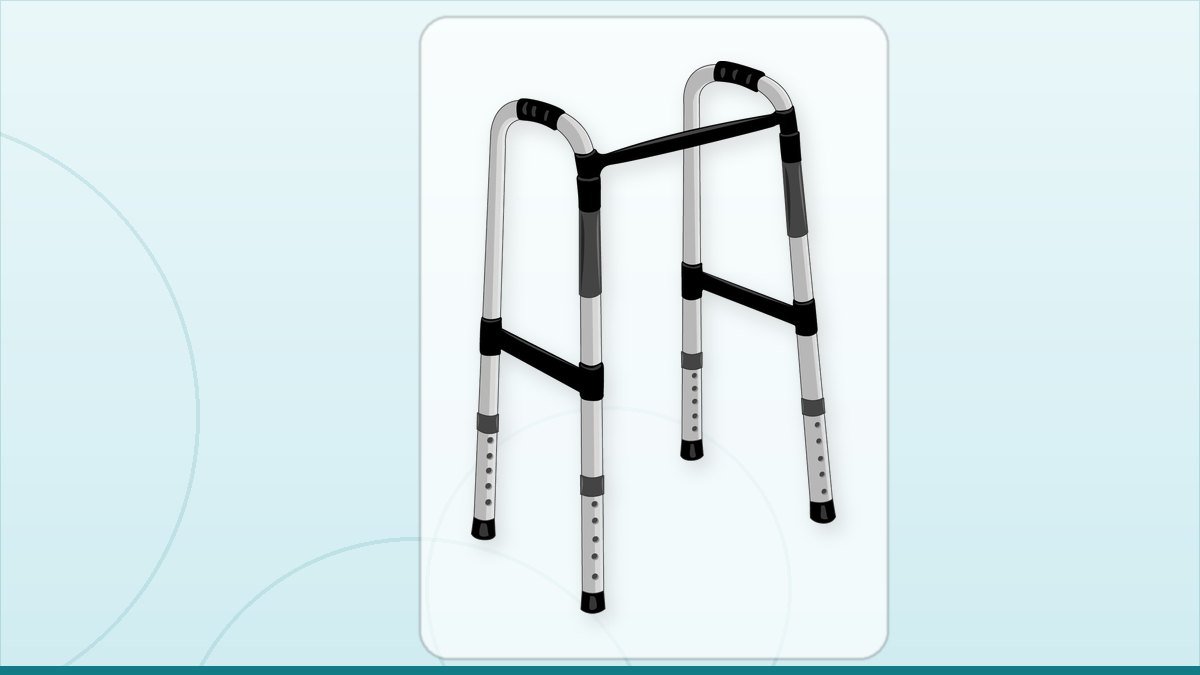
Diabetes and blood pressure do not rule out spine surgery. They need to be controlled first. Most surgeons want sugar reasonably steady and blood pressure settled before operating,…
In Pakistan, common beliefs about kamar dard and gardan dard are often wrong: that bed rest cures a slipped disc, that pain always means serious damage, that spine surgery causes p…
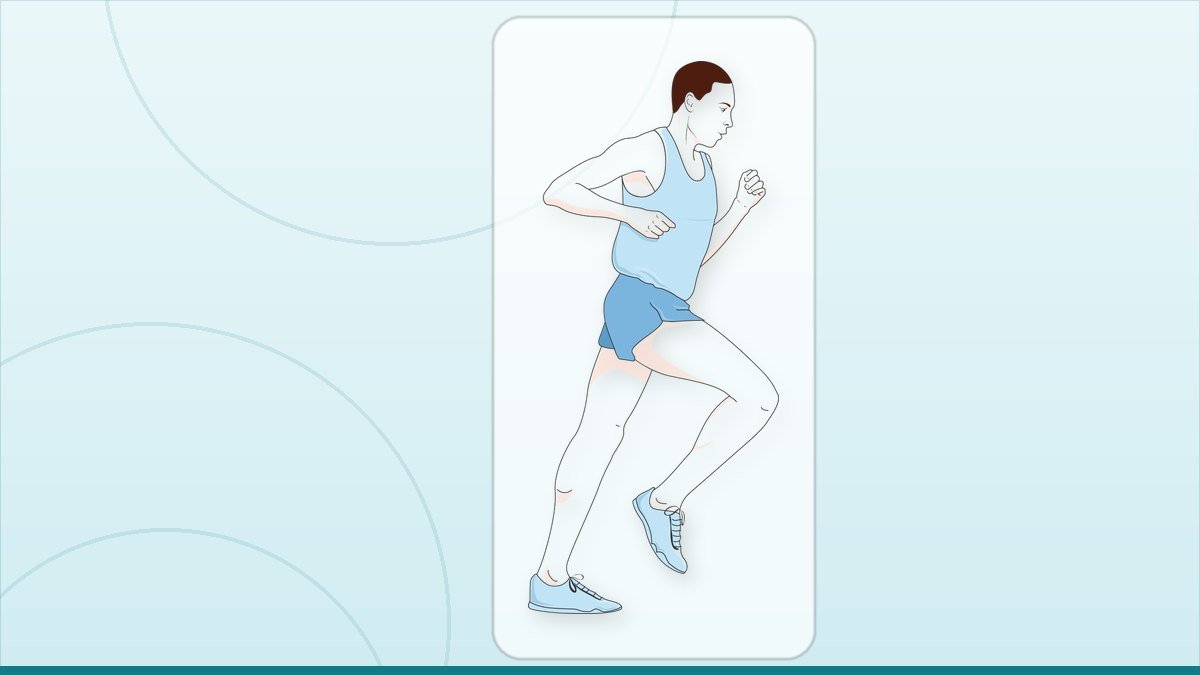
With an active disc problem, avoid anything that bends your spine forward under load: sit-ups, crunches, toe touches, heavy deadlifts, leg presses and twisting with weight. Bending…
Most people who have endoscopic spine surgery for a slipped disc return to desk work within one to three weeks, and to heavy manual work in roughly six to twelve weeks. Open microd…
Most people return to normal life after disc surgery. Walking starts the same day or the next. Namaz on the floor, sitting cross-legged and driving usually return within four to si…
Protect your back by moving the load, not your spine. Hinge at the hips, bend your knees, keep the back straight, hold the weight close to your chest, and turn with your feet inste…
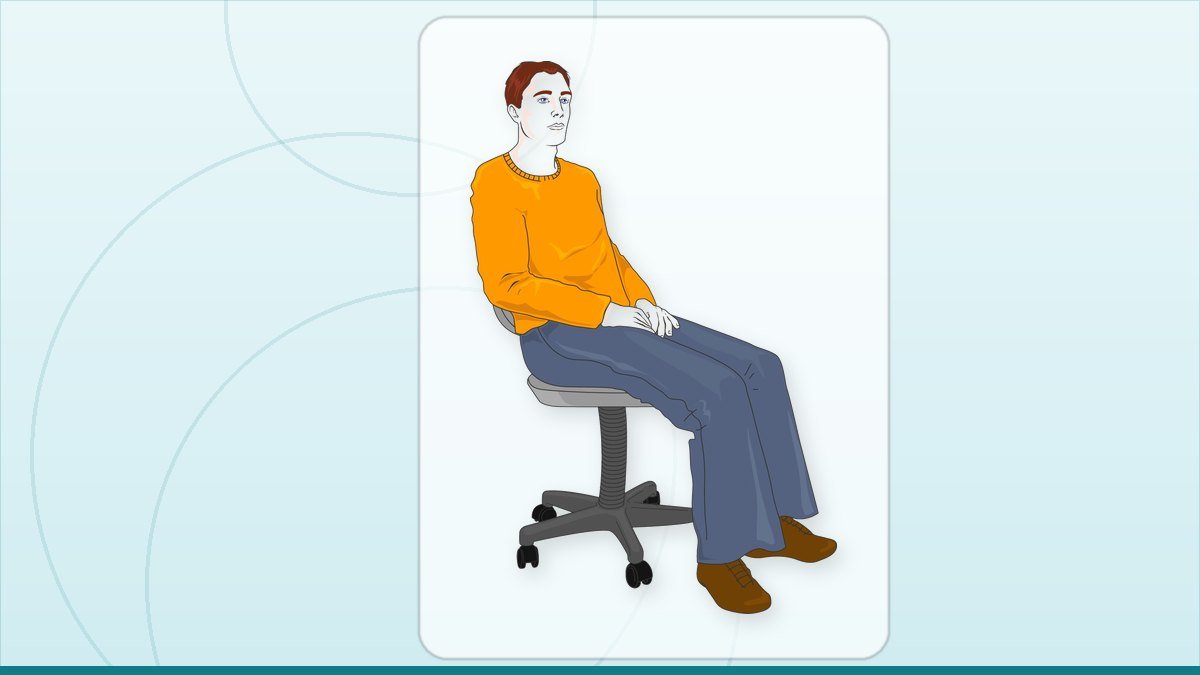
Most patients pray sitting on a chair within the first few days after endoscopic spine surgery or microdiscectomy, and return to full sujood on the floor at around four to six week…
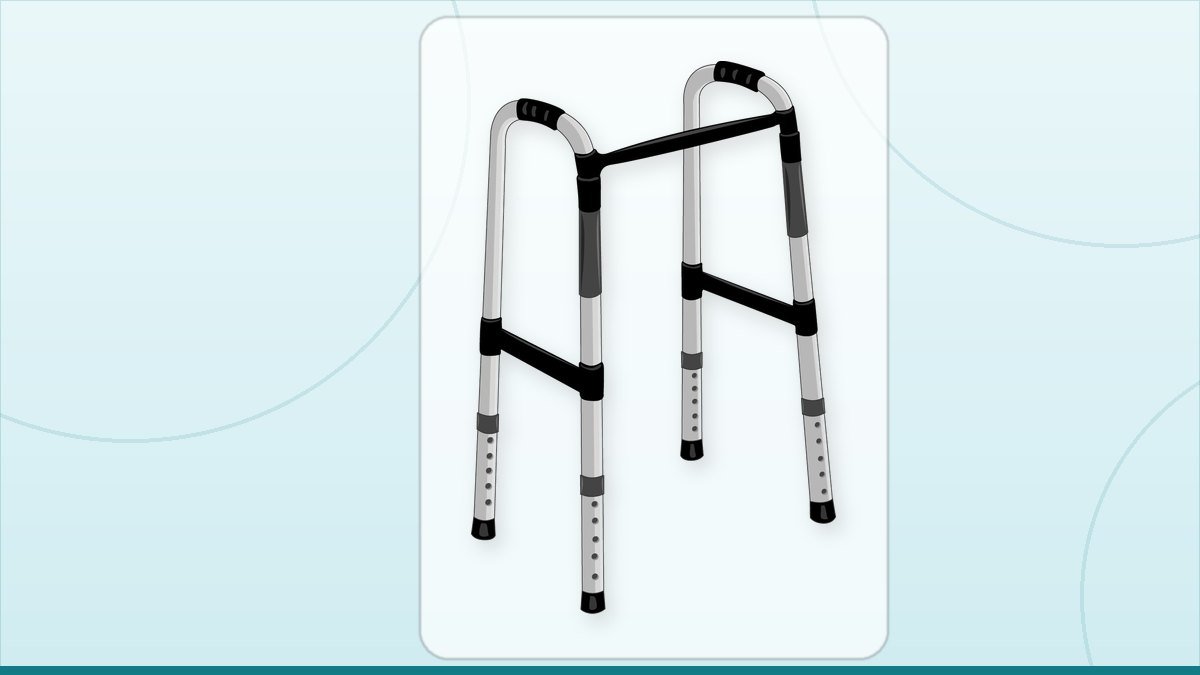
Physiotherapy after spine surgery usually starts with gentle walking within a day of endoscopic surgery or microdiscectomy, moving to structured exercises over the following weeks.…
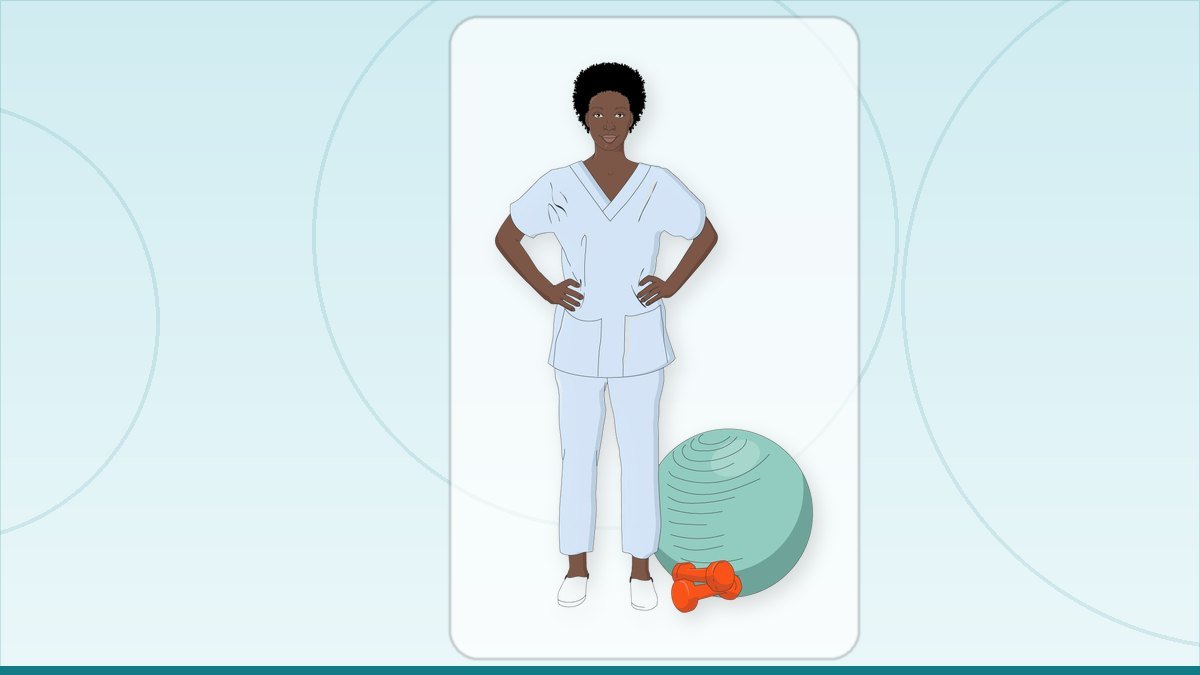
Physiotherapy helps most slip disc patients. The parts that work are guided exercise, a gradual return to walking and normal activity, and being taught how to move safely. Passive …
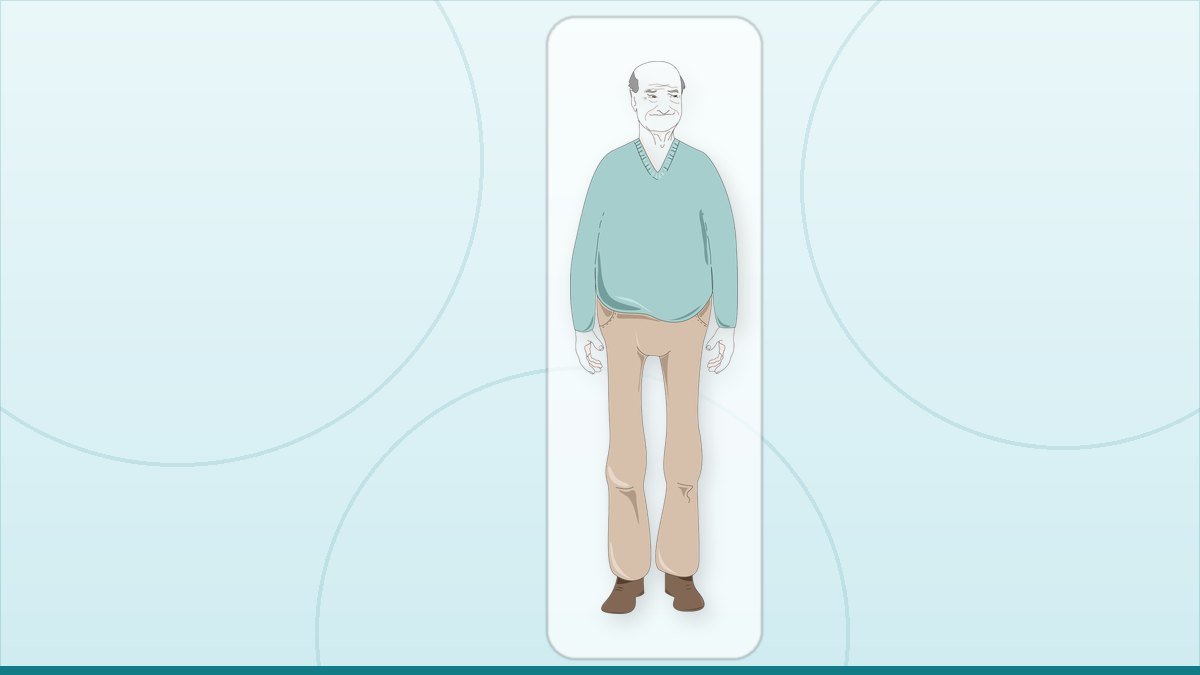
Age alone is not the reason surgery is refused or recommended. What decides is the patient's heart, lungs, kidneys, bone strength, and how well controlled conditions like diabetes …
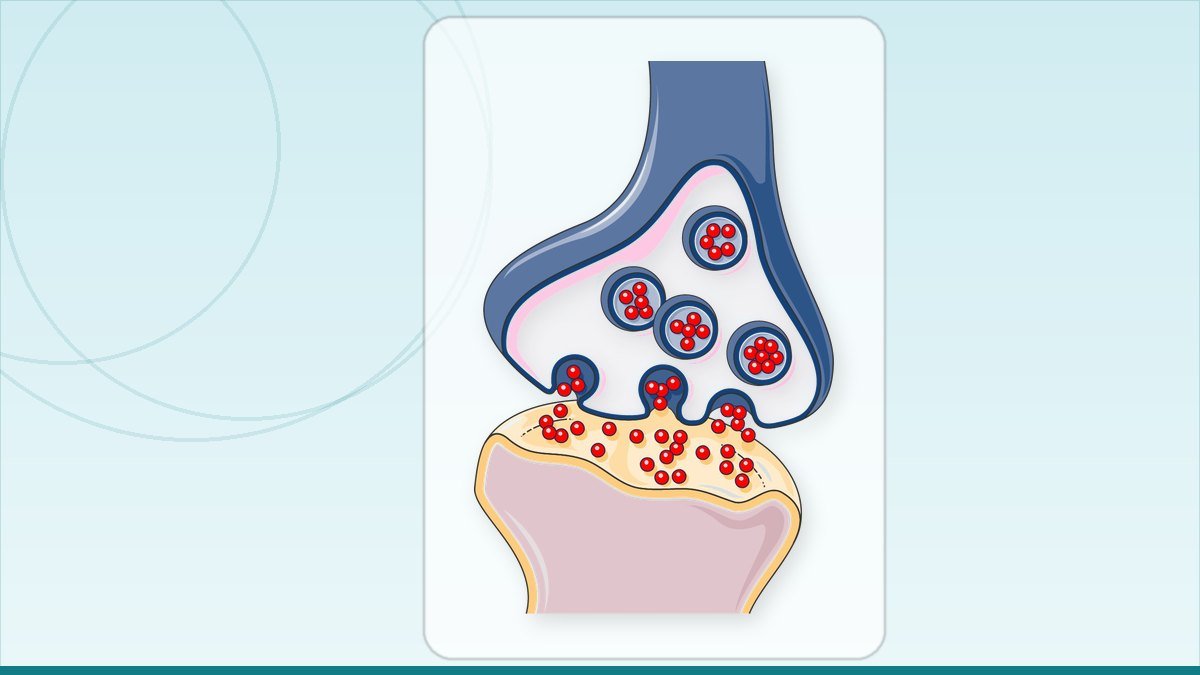
For most back and leg pain, sleep on your side with a pillow between your knees, or on your back with a pillow under your knees. Both keep the lower spine in a neutral position and…
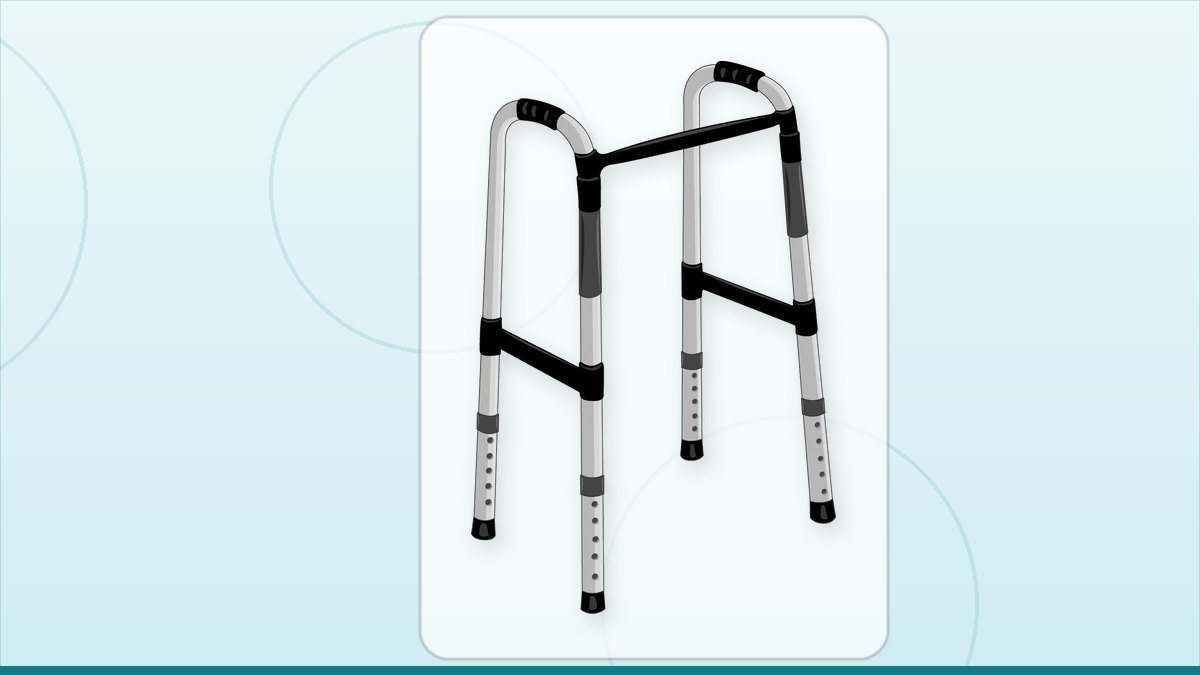
On surgery day you arrive fasting, change into a gown, and meet the anaesthetist and Dr Rehman for a final check before going to theatre. Endoscopic discectomy usually takes under …
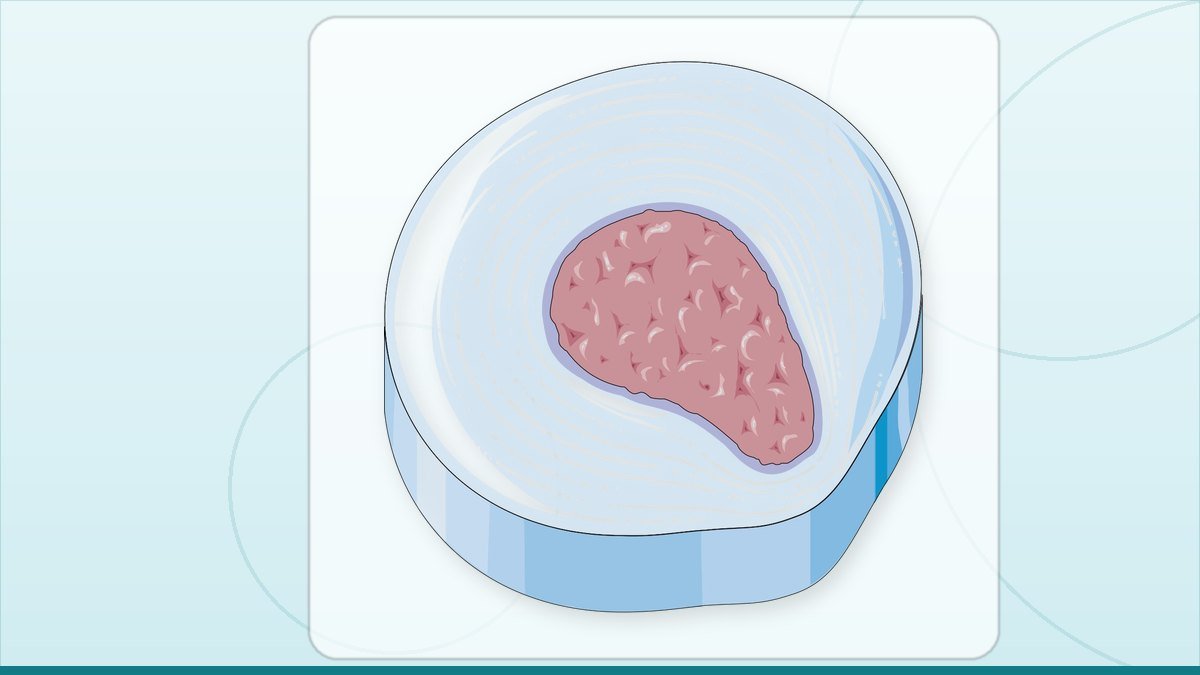
Smoking and extra weight both make back pain worse. Your discs have almost no blood supply of their own, so nicotine narrows the tiny vessels that feed them, and extra weight loads…
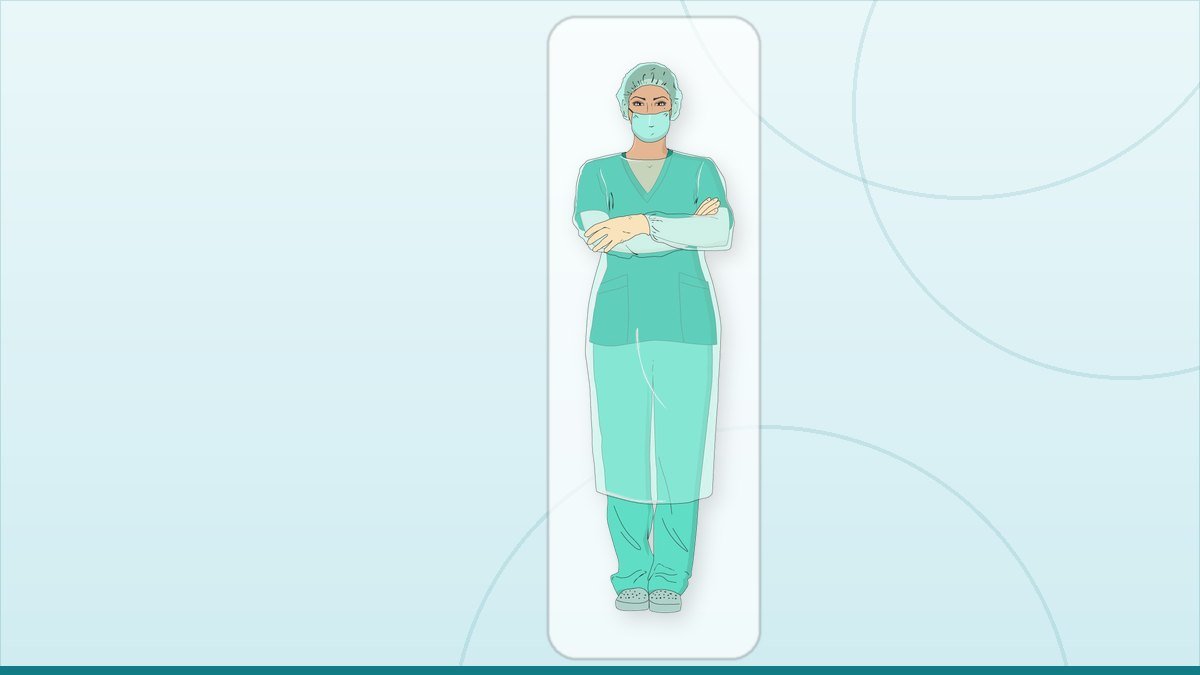
Most patients who have spine surgery do not need a second operation. Repeat spine surgery happens in a minority of cases, usually when the same disc herniates again, scar tissue fo…
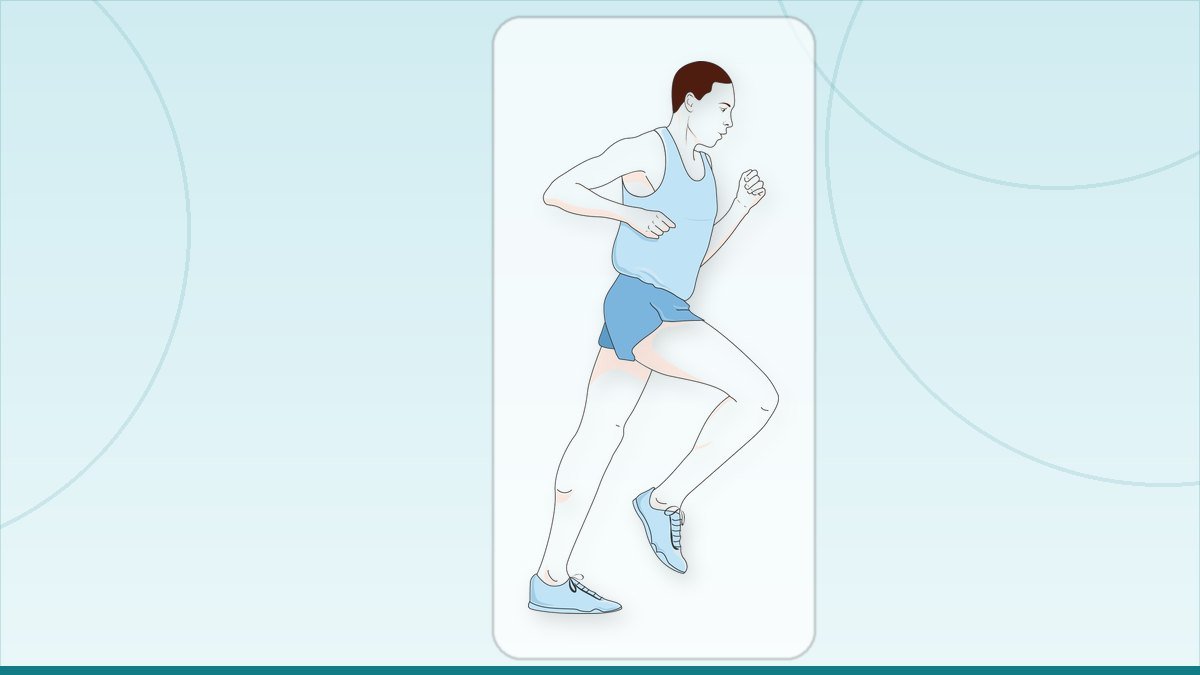
Yes. Modern spine surgery anaesthesia is designed so you wake up as soon as the operation ends. An anaesthetist stays with you throughout, monitoring your heart, breathing, and oxy…
Most slip disc pain settles without surgery. If you have leg pain but normal power, normal bladder control and no worsening weakness, six weeks of proper conservative treatment is …
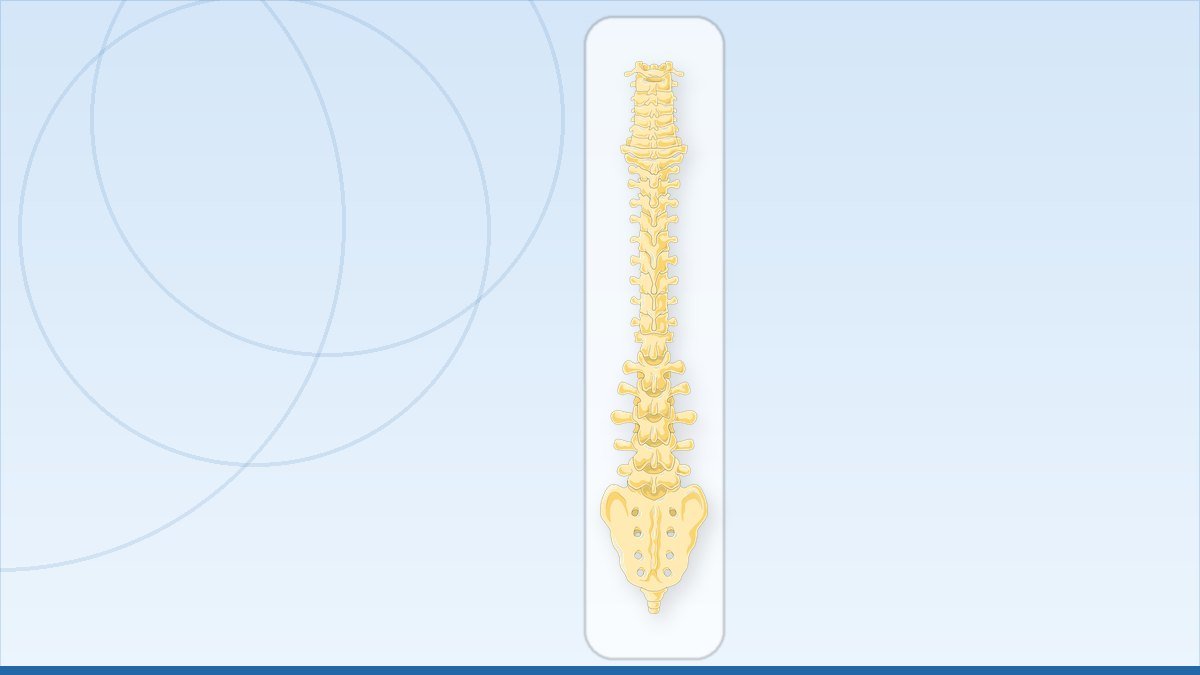
L4-L5 and L5-S1 sit at the base of the spine, where the lower back carries most of the body's weight and does most of its bending and twisting. This constant load wears these two d…
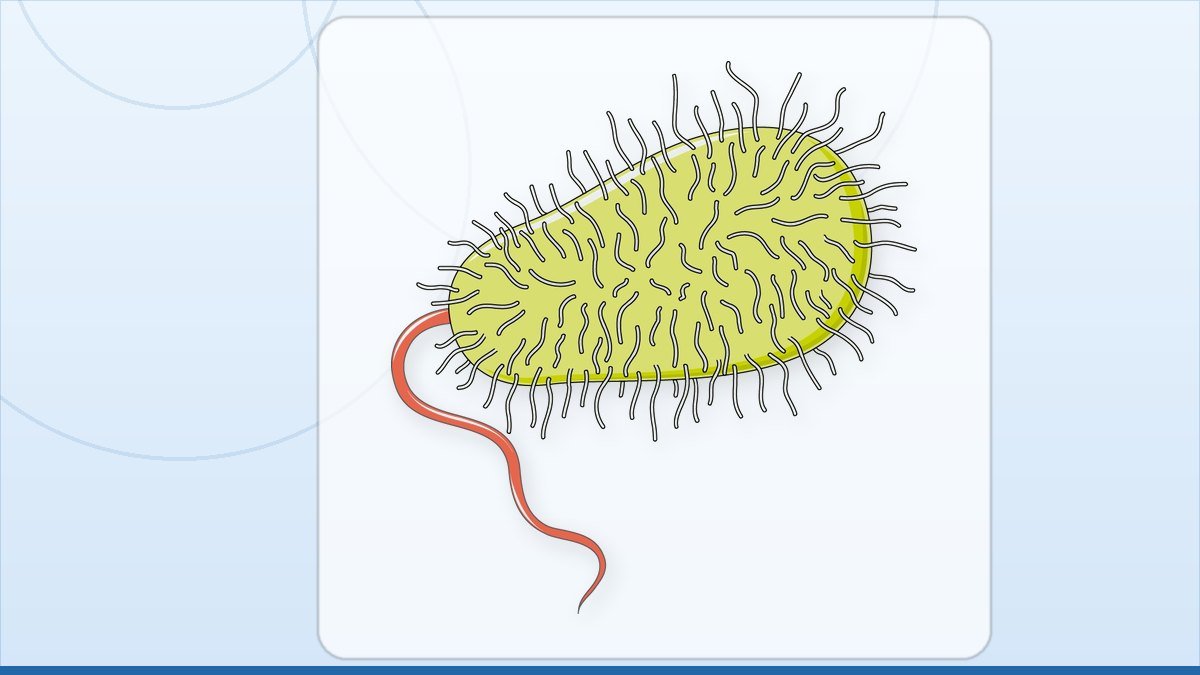
Spinal TB (Pott's disease) is treated mainly with 6 to 12 months of anti-tuberculosis medicine, not surgery. Most patients recover fully on medicine, rest, and monitoring alone. Su…
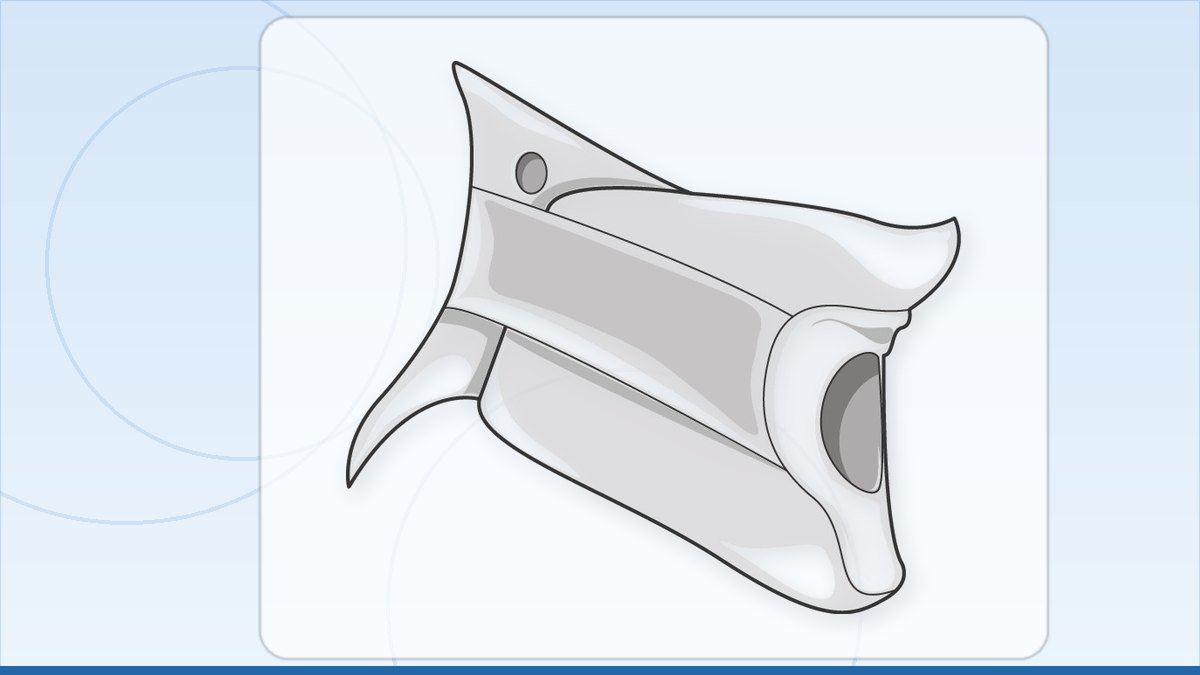
Most spinal fractures from a fall or road accident are stable compression fractures that heal in eight to twelve weeks in a brace, with rest and pain control. Surgery is needed whe…
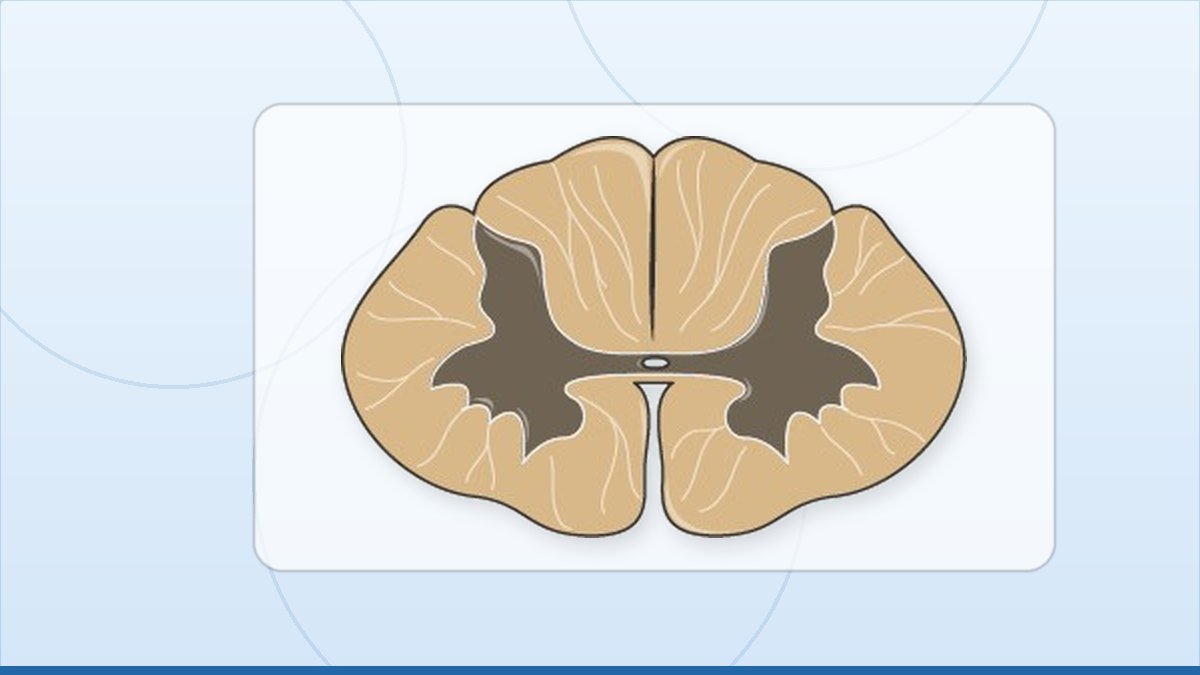
After any fall, road accident, or heavy blow to the back or neck, keep the person still, avoid bending or twisting the spine, and get them to a hospital with a spine or neurosurger…
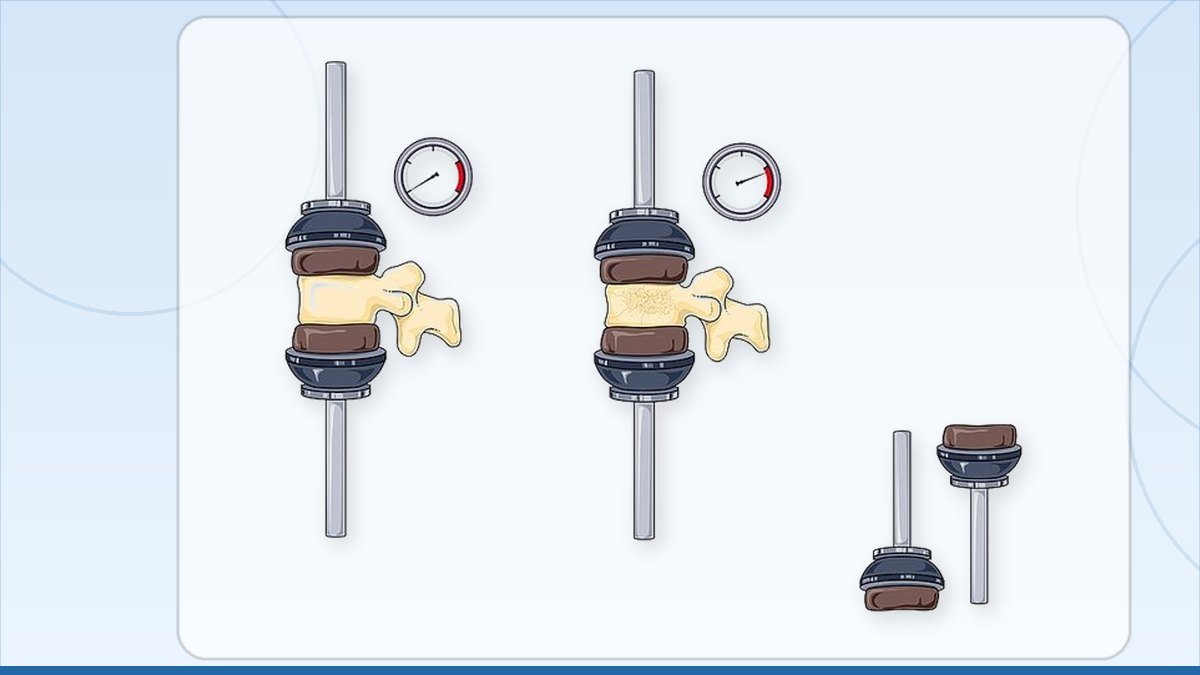
After a spinal injury, treatment moves through five stages: emergency stabilisation and immobilisation, scans to see the damage, a decision on surgery versus bracing, the operation…
A spine surgeon spends most of each day in clinic, not the operating theatre: reading MRIs, examining patients with kamar dard or taang mein dard, and deciding who needs surgery an…
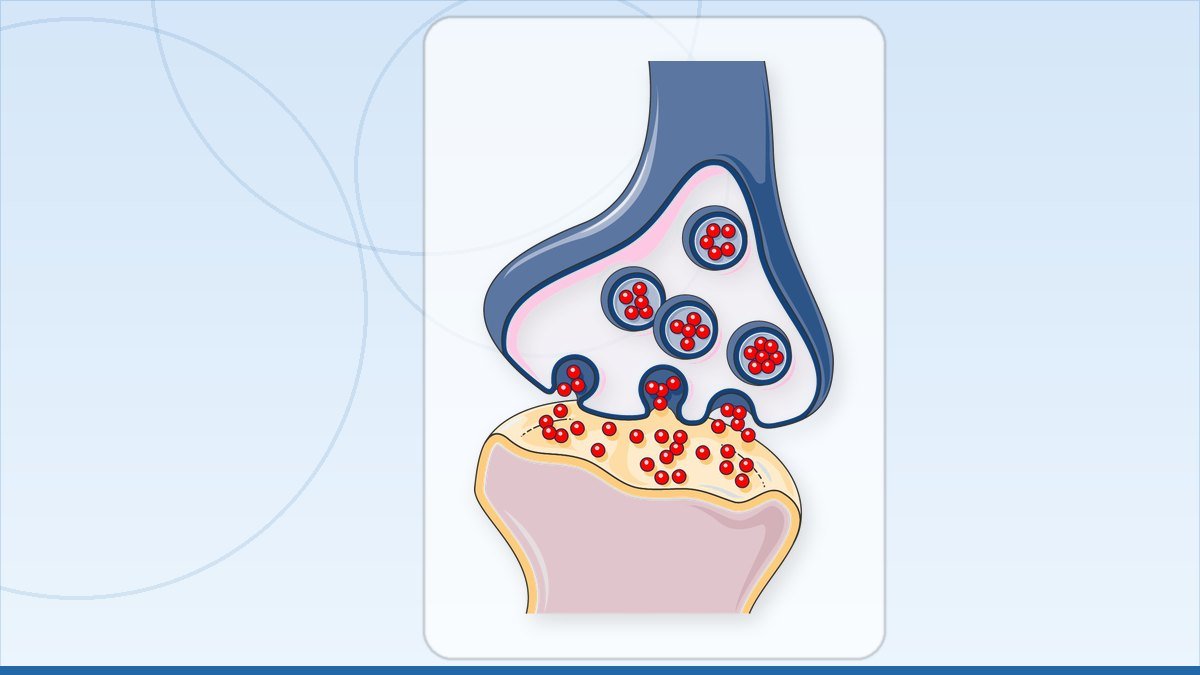
Sometimes back or leg pain continues after spine surgery. Doctors call this failed back surgery syndrome. The usual reasons are that the wrong problem was operated on, the nerve wa…
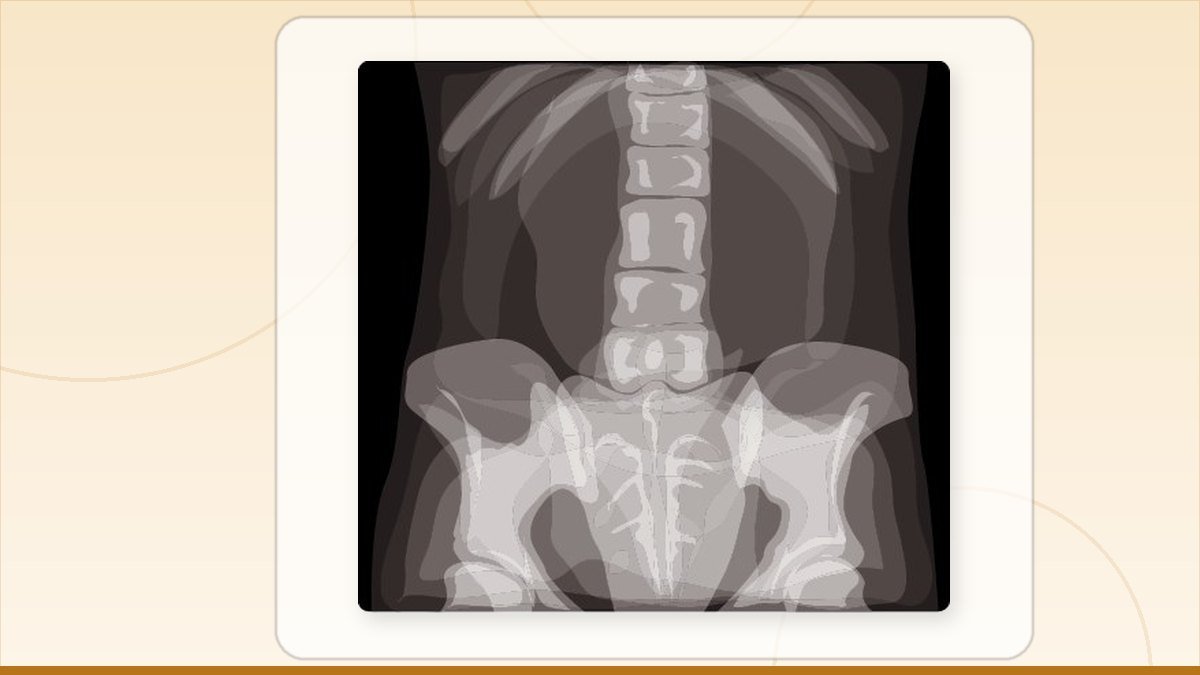
Most back pain is not dangerous. But go to a hospital today if you have loss of bladder or bowel control, numbness around the groin or inner thighs, weakness in a leg or foot that …
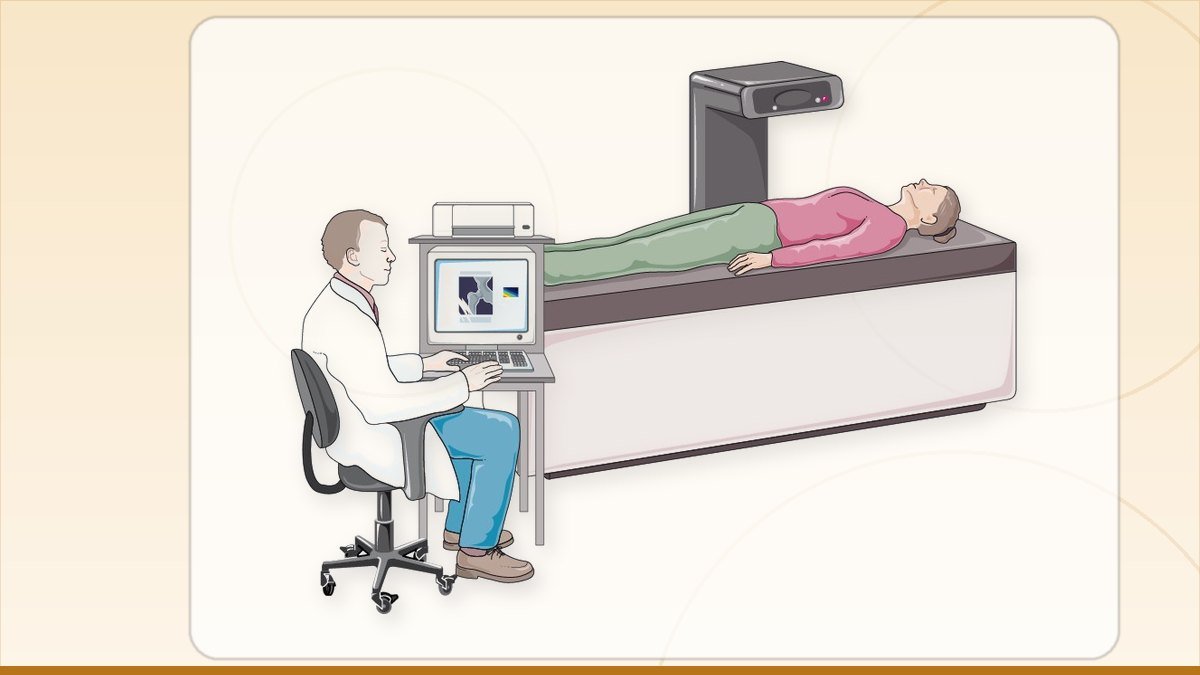
Most back pain that is worse at night is mechanical, from a tired spine, a sagging mattress or a disc that hurts when you lie still. But pain that wakes you every night, comes with…
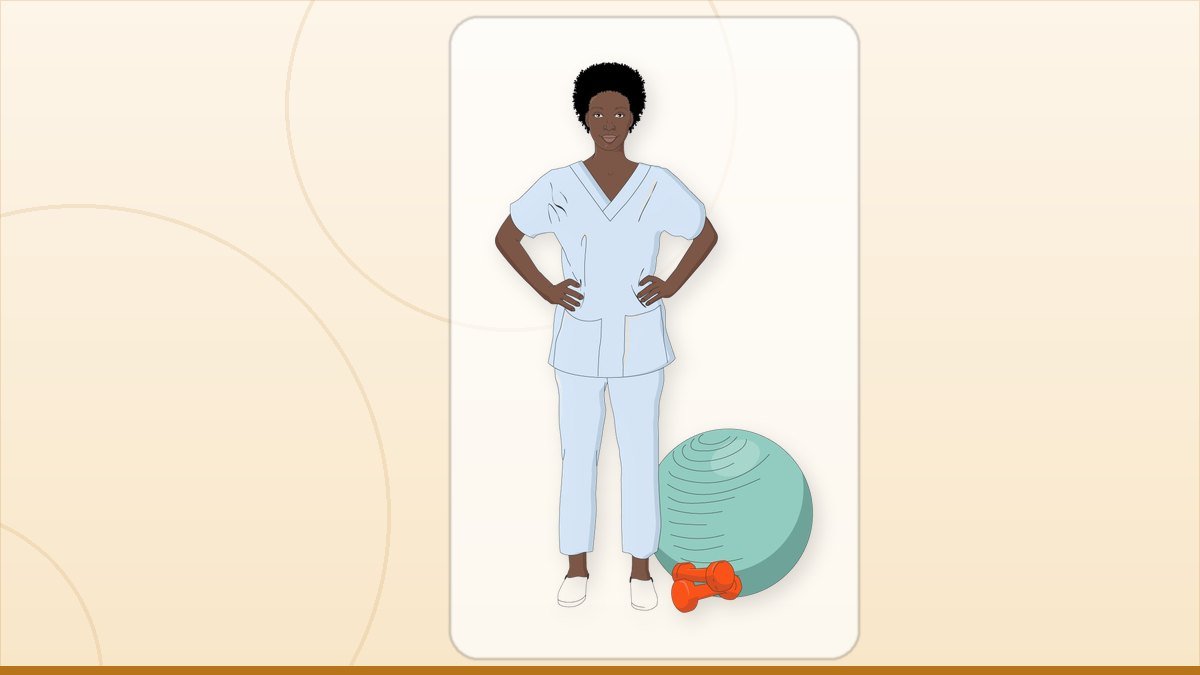
Most back pain settles with rest, physiotherapy, and time, usually within six to eight weeks. See a spine surgeon if you have leg pain worse than back pain, numbness, weakness in t…
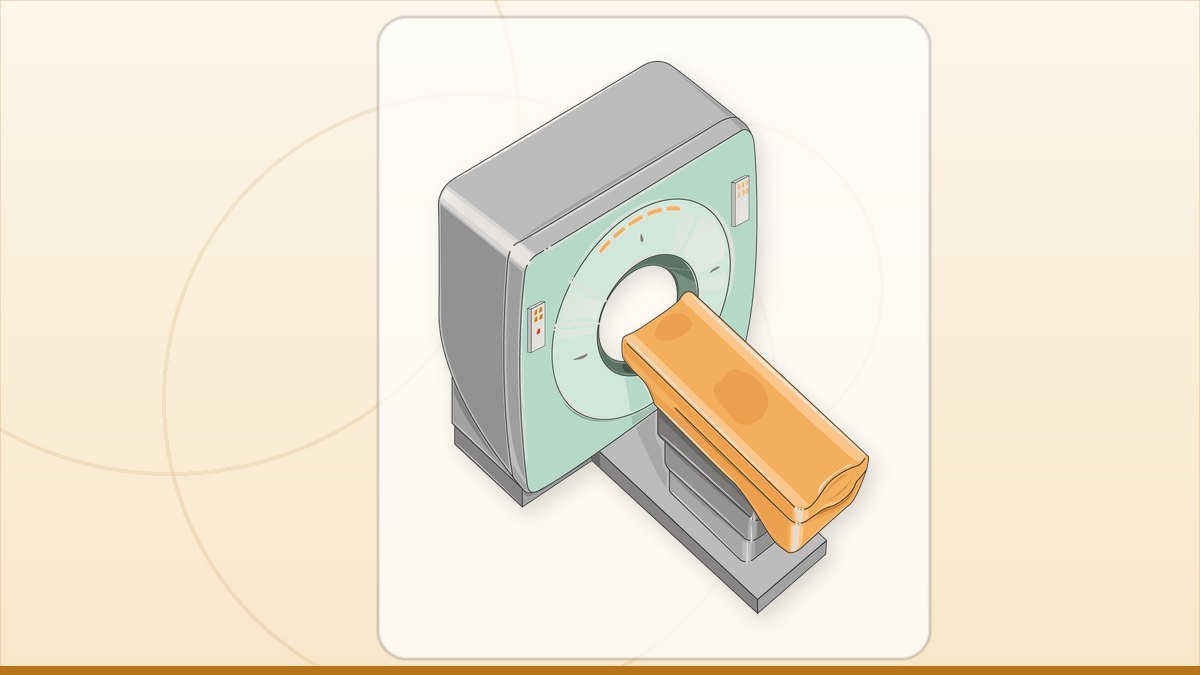
Foot drop means you cannot lift the front of your foot, so the toes catch or slap when you walk. In back patients it usually comes from a compressed L5 nerve root. It needs urgent …
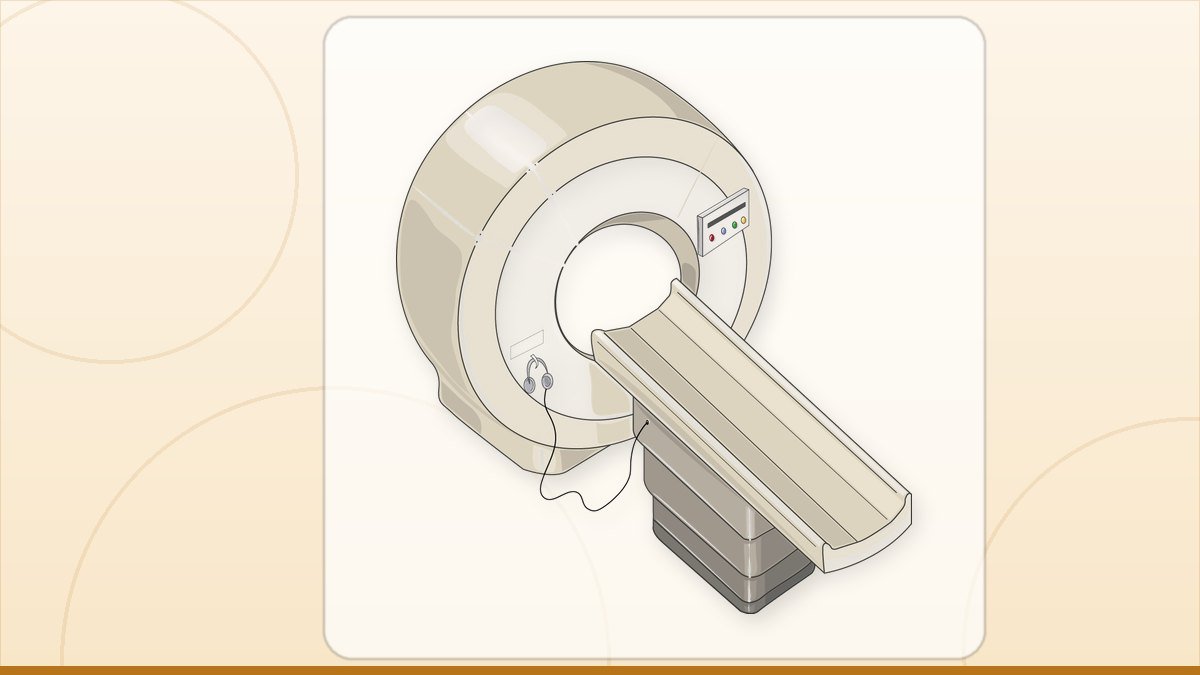
Your MRI report describes the shape of a disc, not the size of your pain. A bulge means the disc has spread out evenly. A protrusion is a small focal push. An extrusion is disc mat…
Photograph each MRI film against a bright white screen or lightbox, flash off, one film per picture, straight on and in focus. Send them on WhatsApp as a document, not a photo, so …
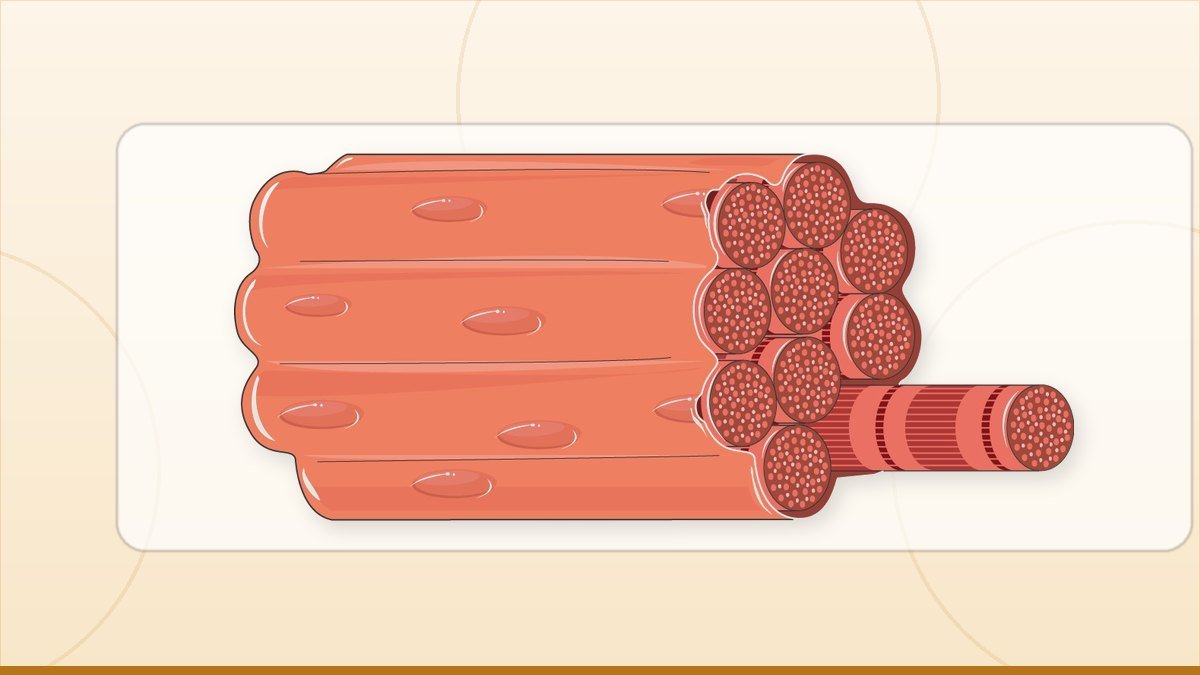
Most kamar dard is muscle or ligament strain and settles within a few weeks with movement, heat and simple painkillers. It becomes more than muscle pain when it travels down the le…
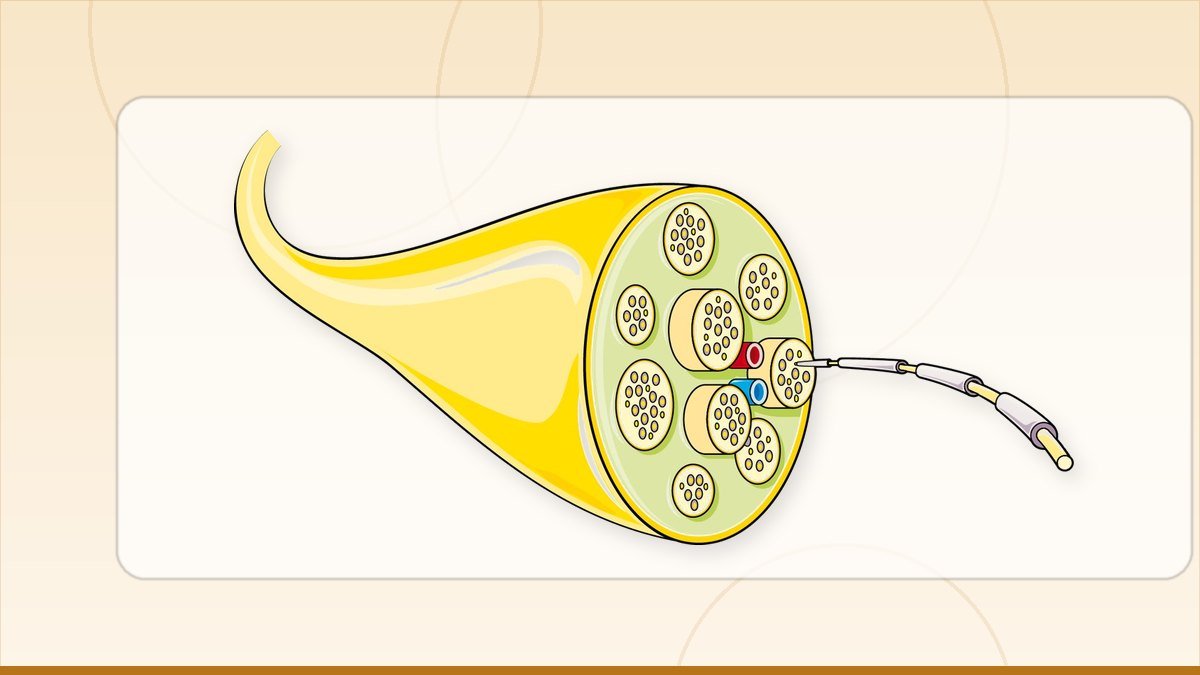
EMG and NCS measure how well your nerves and muscles are working. For most sciatica they are not needed, because MRI plus a proper examination usually decides treatment. Nerve test…
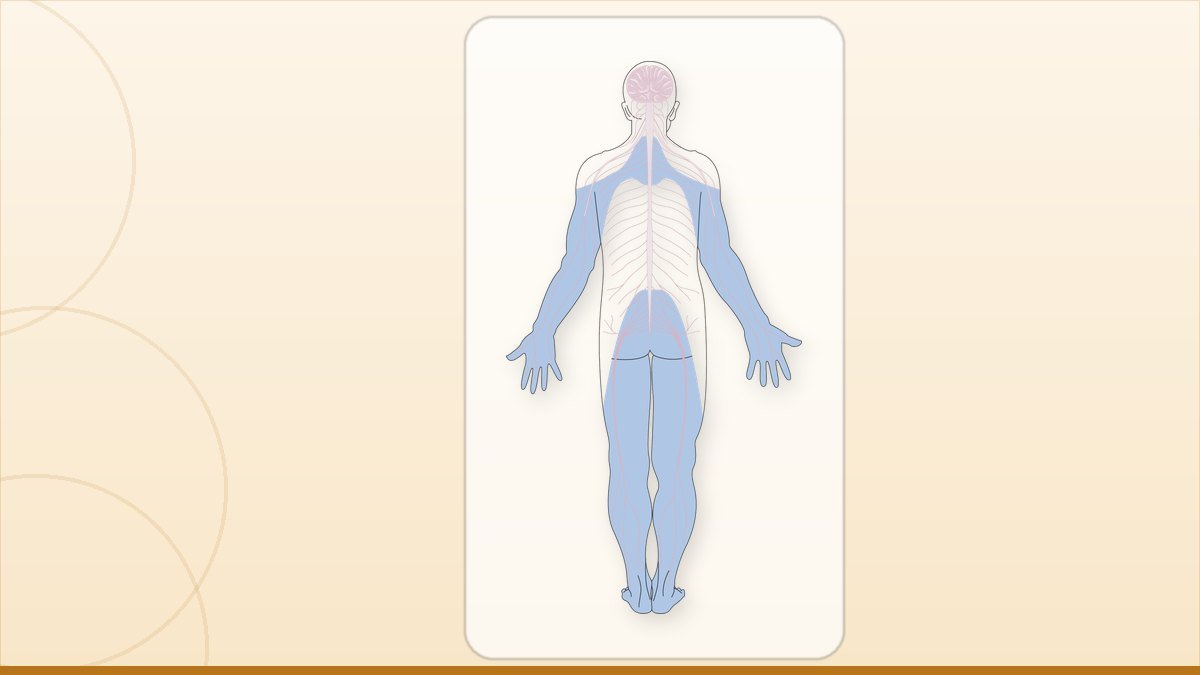
Numbness or tingling down the leg usually means a nerve in your lower back is being pressed, most often by a slipped disc or spinal stenosis. The pattern of numbness tells us which…
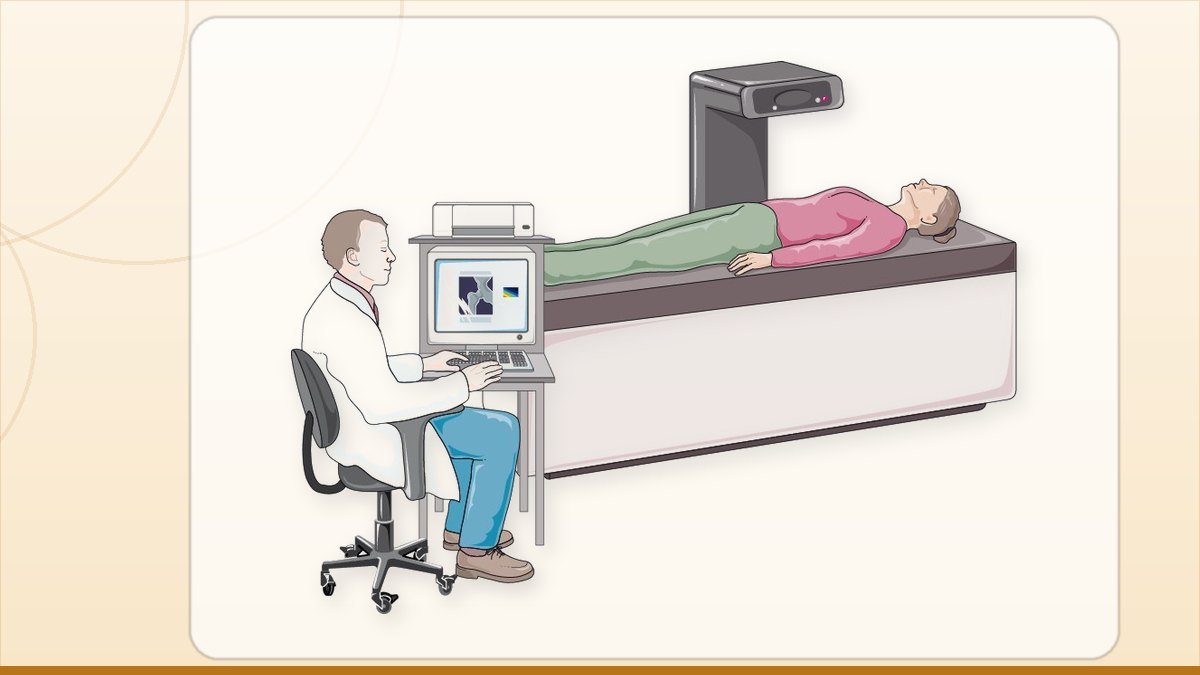
Leg pain that runs from your lower back into the buttock, thigh or calf is usually a nerve being pressed in the spine, not a problem in the leg itself. Most cases settle within six…
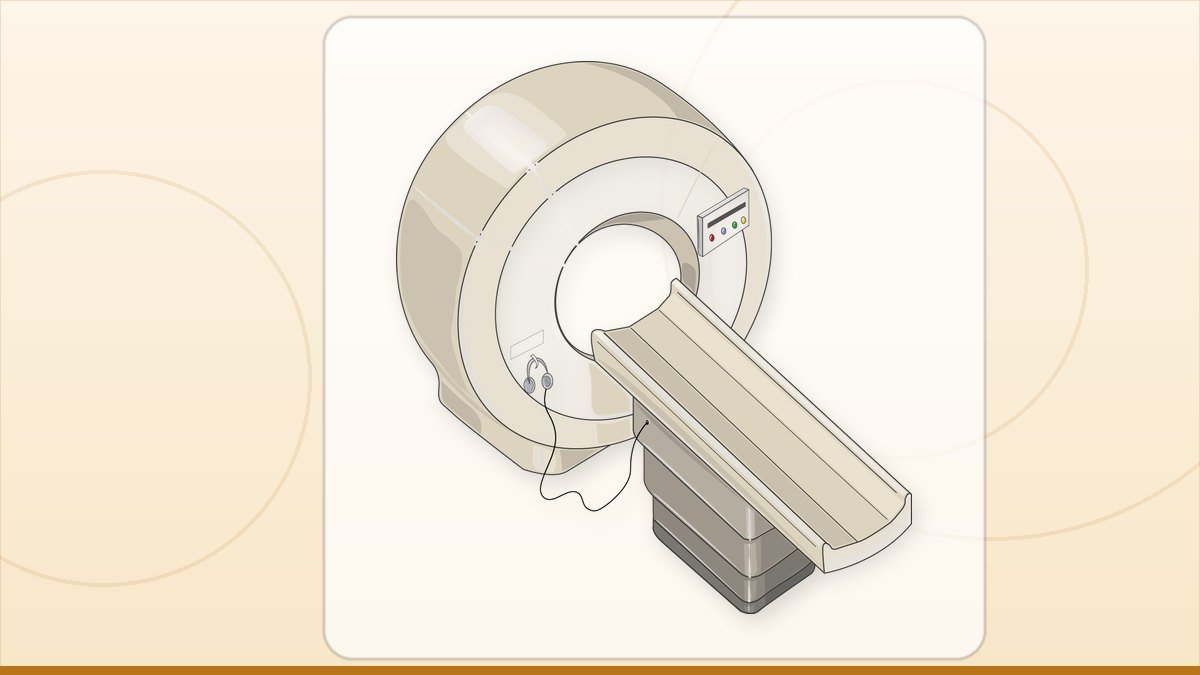
The right MRI for back pain is a recent, dedicated lumbar spine MRI that shows a disc or bone problem matching your leg or hip symptoms, not just pain. An old film, a whole-spine s…
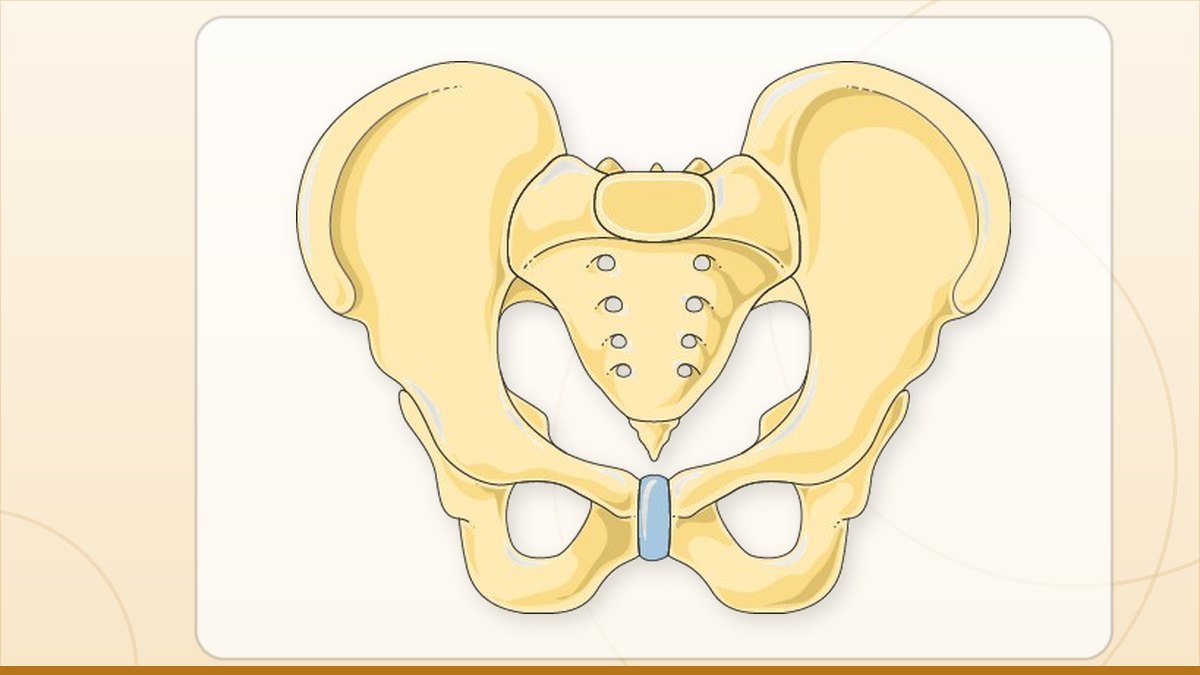
Not all back pain starts in the spine. Kidney stones, urine infection, gallbladder, a swollen aorta and gynaecological problems can all cause kamar dard. The clue is usually the pa…
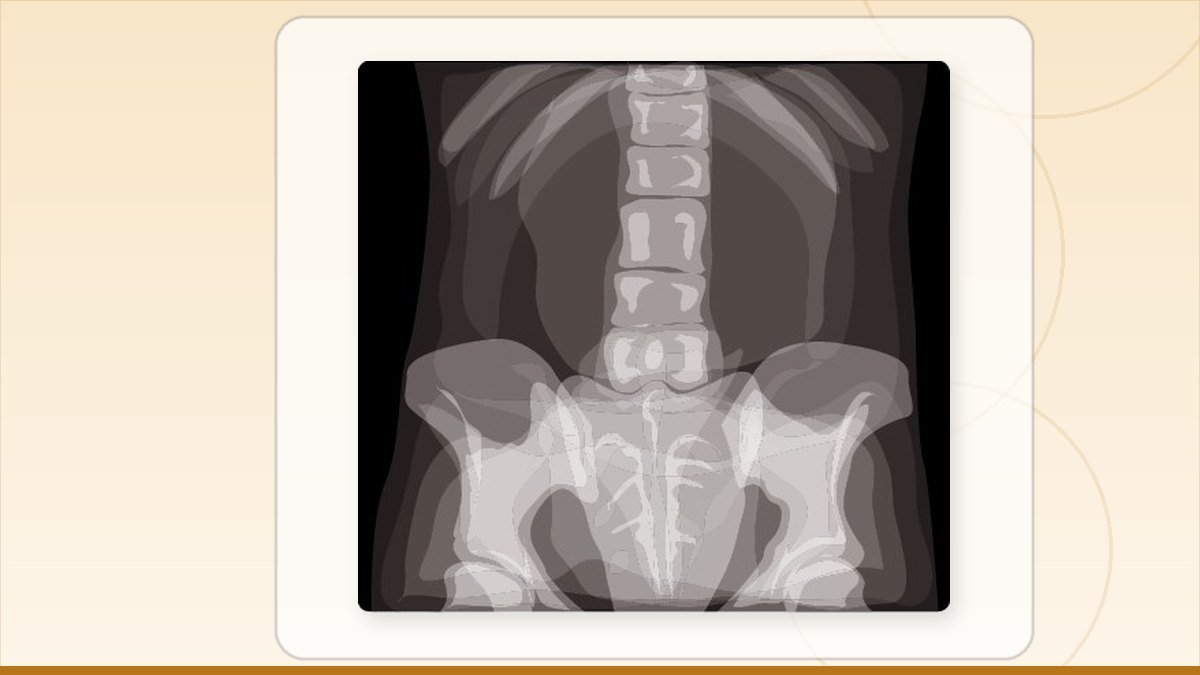
For most back pain, no scan is needed in the first six weeks. An X-ray shows bone: fractures, alignment, wear. An MRI shows discs, nerves and the spinal cord, so it is the scan tha…
No article matches that. Try a shorter word, or ask on WhatsApp.