
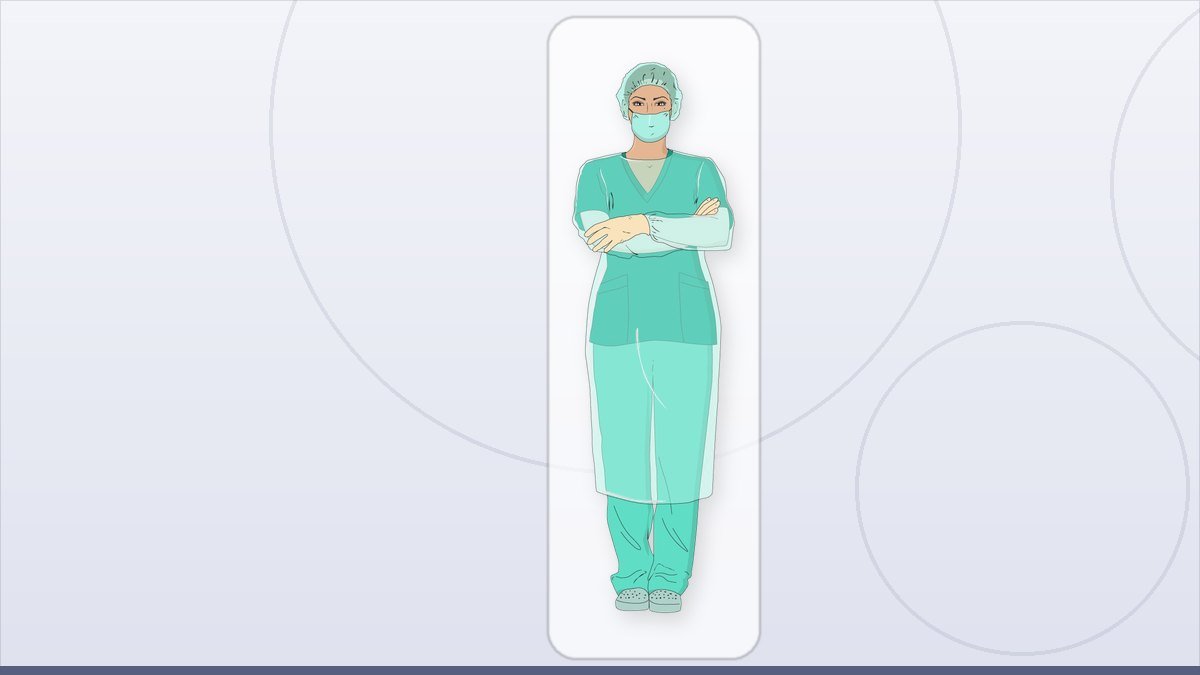
Before you agree to spine surgery, ask what your diagnosis is, which disc level, whether the MRI matches your symptoms, what happens if you wait, what non-surgical care you have not tried, why this operation, the real risks, who will operate, recovery time, and the total cost in writing. A good surgeon answers all of them plainly.
What are the twelve questions I should ask?
Write these down and take the paper with you. A surgeon who is sure of the plan will not mind being asked. If any answer is vague, that is information too.

- 1. What exactly is wrong, and at which level? You should leave knowing the name of your problem and the disc, for example L4-L5 or L5-S1.
- 2. Does my MRI match my symptoms? A scan finding that does not explain your pain is not a reason to operate.
- 3. What happens if I do nothing for another six weeks? For most disc problems, the honest answer is that it may well improve.
- 4. What non-surgical treatment have I not yet tried properly? Ask about physiotherapy, medicines, activity change and injections.
- 5. Why this operation and not another? Ask him to compare endoscopic surgery, microdiscectomy and fusion for your case.
- 6. What are the risks, including the worst one? Say the word paralysis out loud and listen to how he answers.
- 7. Who will actually perform it? Consultant, assistant or trainee. Ask directly.
- 8. What kind of anaesthesia, and who gives it?
- 9. How long in hospital, and when can I walk, sit, drive and go back to work?
- 10. What is the chance I still have some pain afterwards, and what is the plan if I do?
- 11. What if the disc comes back or the pain returns after a year?
- 12. What is the full cost, in writing? Not the surgery alone. Everything.
You are allowed to ask all twelve in one sitting. You are also allowed to go home, discuss with your family, and come back with more.
Is spine surgery safe, or will I end up paralysed?
Paralysis after routine lumbar disc surgery is very rare, but no honest surgeon will tell you the risk is zero. For a disc operation in the lower back, the nerves being worked around control the leg, and the spinal cord itself ends higher up, above the usual disc levels that cause taang mein dard.
The complications that actually happen are smaller and more common than paralysis. Infection. A tear in the covering of the nerves, called a dural tear, causing a fluid leak. Numbness or burning in the leg that takes time to settle. The disc coming out again at the same level. Pain that improves but does not disappear completely.
Ask the surgeon to name these to you before you sign consent. Ask what he does if each one happens. A surgeon who lists only the good outcomes has not given you a full answer.
Neck surgery carries a different risk profile from lower back surgery, so ask the question again specifically for your level rather than accepting a general reassurance.
Do I actually need surgery at all?
Most people with back pain do not need an operation. This is the most important sentence on this page. Pain that comes from muscles, posture, weight, long driving hours or heavy lifting will not be fixed by a knife, and operating on it can leave you worse.
Surgery starts to make sense when the pain is mainly in the leg rather than the back, when it follows the path of one nerve, when the MRI shows that same nerve being squeezed, and when weeks of proper non-surgical treatment have not helped. Weakness in the foot or ankle that is getting worse changes the calculation and should be seen quickly.
There is one situation where you do not wait at all. If you lose control of urine or stool, go numb around the private parts and inner thighs, or both legs become weak, go to a hospital the same day. That is an emergency.
Many families in Faisalabad and the surrounding districts try malish, a hakeem, or a bone setter first. Gentle massage will not usually harm you, but forceful manipulation on a weak leg is not safe, and months lost while the weakness grows is time you cannot get back.

What does my MRI really show, and what should I ask about it?
Ask the surgeon to turn the screen towards you and point at the problem. You should hear the level, the side, and whether the disc is bulging, herniated or sequestrated, plus whether the canal is narrowed.
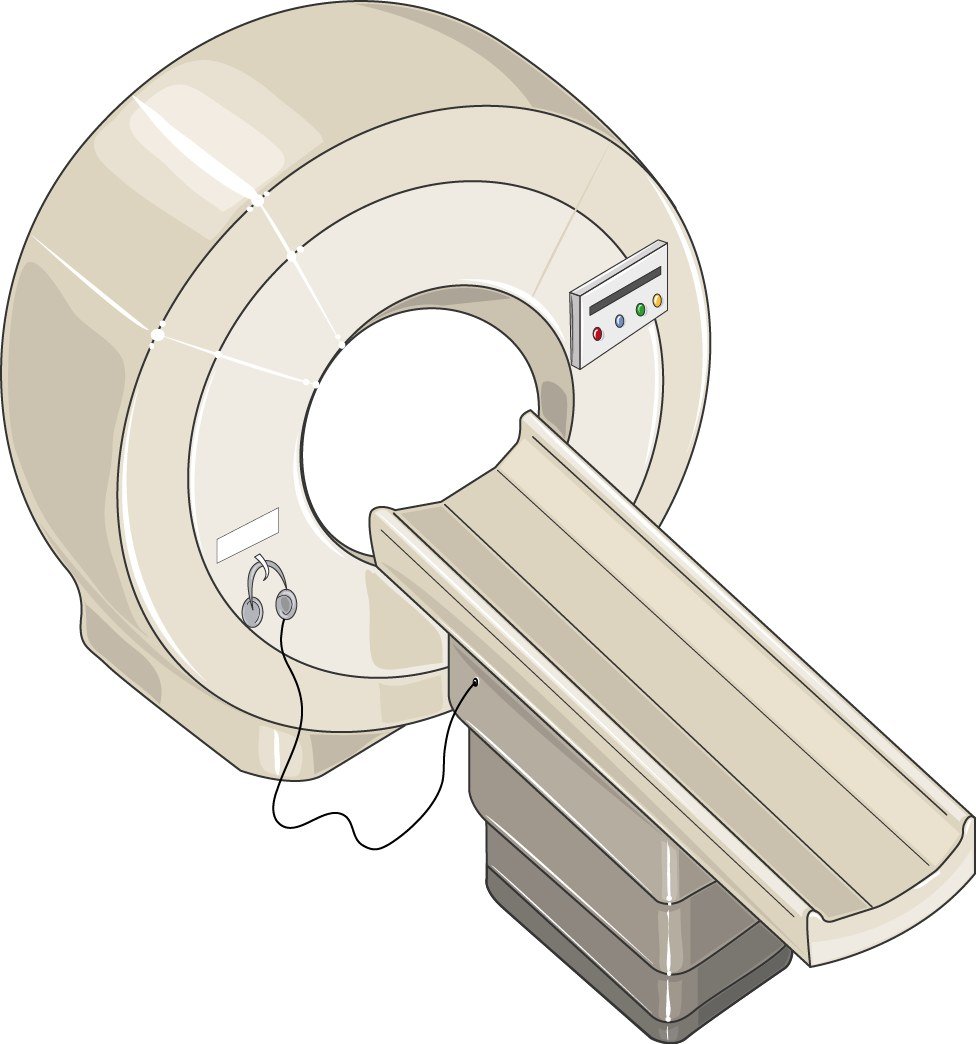
Then ask the question that matters more than the picture: does this match my symptoms? Disc bulges are found on the scans of large numbers of people who have no pain whatsoever. A report saying slip disc is not by itself a diagnosis. Pain running down the back of the right leg with a compressed right S1 nerve on the film is a diagnosis.
Carry the MRI films or CD, not only the printed report. A surgeon cannot properly assess you from a typed report, and if you go for a second opinion, the images are what the second doctor needs.
If your scan is more than several months old and your symptoms have changed, ask whether it should be repeated before any operation is planned.
What are my alternatives to surgery?
Ask for the full list before you accept the operation. In most disc cases the alternatives are time, simple pain medicine, a short course of nerve pain medication, structured physiotherapy, staying active rather than lying in bed for weeks, and sometimes an image-guided injection around the nerve root.

Bed rest for long periods is outdated advice and tends to make things worse. Physiotherapy means a proper programme with a trained physiotherapist, not a few sessions of heat and shortwave. If you have been given tablets by three different doctors and nothing else, you have not yet had non-surgical treatment.
An injection is worth asking about for two reasons. It can settle a flare enough for you to recover on your own, and if the numbness or pain from the injection follows the expected pattern, it also confirms which nerve is causing the trouble.
Ask directly: if I were your brother, would you operate on me today or wait? The answer tells you a great deal.
Which operation are you recommending, and why that one?
There is no single spine operation. Ask which one, and ask why it beats the others for your particular scan.
Endoscopic spine surgery uses a small tube and a camera passed to the disc through a very small incision, and the herniated fragment is removed while the surgeon watches on a screen. It is used mainly for disc herniations pressing on a nerve root and for selected cases of canal narrowing. Blood loss and muscle damage are low, and most patients get up soon after.
Microdiscectomy is a small open operation under a microscope. It has a long track record and remains the right choice for many patients, particularly when the anatomy or the fragment does not suit an endoscope.
Fusion is a much larger operation with screws, used when the spine is unstable, when one vertebra has slipped over another, or after wide decompression. It is not a treatment for ordinary disc pain, and you should ask hard questions if it is offered for one.
Ask how many of your specific operation the surgeon performs, and what he would do differently if he opened you up and found something unexpected.
Is laser spine surgery a real option, and what does it cost?
Laser is a heat source, not an operation. A laser fibre can be passed into a disc to shrink some of its content, a technique called percutaneous laser disc decompression. It exists, but the evidence behind it is weaker than for endoscopic discectomy and microdiscectomy, and it does not remove a large fragment that has escaped from the disc.
The bigger problem is the word itself. In advertising across Pakistan, laser spine surgery is often used loosely to mean any small-incision procedure, sometimes for procedures where no laser is used at all. Patients then compare a laser spine surgery cost against an endoscopic quote without knowing the two names may describe the same thing, or completely different things.
So ask three plain questions. What will physically be removed from my spine. With what instrument. Under what imaging, X-ray or endoscope camera. If the answer stays vague or leans on the brand name of a machine, keep asking.
Do not choose an operation because it sounds modern. Choose it because it matches what your MRI and your leg are telling the surgeon.
Who will operate, and what happens if something goes wrong?
Ask by name. In a busy hospital it is a fair question to ask whether the consultant you are sitting with will be the one doing your surgery from start to finish, or whether a trainee will do part of it under supervision. Supervised training is normal and not a scandal, but you are entitled to know.
Then ask about the rest of the team and the setup. Who gives the anaesthesia. Is there an ICU in the building. What monitoring is used during the procedure. Which hospital will you actually be admitted to, since some surgeons operate at more than one place.
Ask about afterwards, not just the day itself. Who reviews you at two weeks and at six weeks. What number your family can call at night if there is fever, leaking from the wound, or a leg that suddenly goes weak. Who pays if a complication needs a second procedure.
Ask whether the surgeon will show you the operation notes and any images taken during surgery. Records that travel with you make every future consultation easier.
What will it cost, and what should I do next?
Never accept a verbal figure. Ask for a written quote in PKR, and check that it includes the surgeon's fee, anaesthesia, theatre charges, hospital stay, implants if any are used, medicines, and follow-up visits. Ask what is not included and what would make the bill go up.
Prices differ widely between government, trust and private hospitals, and between Faisalabad, Lahore and Islamabad. Two quotes are only comparable when both are itemised on paper. Families travelling in from Jhang, Sargodha, Chiniot or Toba Tek Singh should also budget for the days of stay and travel around the surgery, and ask how many trips back will be needed.
Before your appointment, do four things. Bring the MRI films or CD, not just the report. Write down when the pain started and what makes it worse. Bring the list of medicines you have already taken. Bring one family member who will remember what was said.
If you are searching for the best endoscopic spine surgeon in Faisalabad, judge the surgeon by how willingly he answers these twelve questions, and by whether he is prepared to tell you that you do not need surgery. Dr M. Abdur Rehman is a consultant neurosurgeon at Mujahid Hospital, Faisalabad, and reviews spine patients with their scans. A second opinion before any operation is your right, and asking for one is not an insult to anybody.
Questions patients ask about this
Is it rude to ask my surgeon for a second opinion?
No. Asking for a second opinion is normal and a confident surgeon expects it. Take your MRI films, not just the report, and ask the second doctor the same questions. If both surgeons reach the same plan for the same reasons, you can proceed with much more peace of mind.
How much does endoscopic spine surgery cost in Pakistan?
It varies a lot between government, trust and private hospitals, and between cities. No honest figure can be quoted without knowing your level, your scan and your general health. Ask for a written quote in PKR that includes surgeon fee, hospital stay, anaesthesia, theatre, implants if any, and follow-up visits.
Is laser spine surgery effective?
Laser is a heat tool, not an operation in itself. Percutaneous laser disc decompression exists, but the evidence behind it is weaker than for endoscopic discectomy or microdiscectomy, and many clinics use the word laser loosely in advertising. Ask exactly what will be removed, with what instrument, and under what imaging.
My MRI says slip disc. Does that mean I need surgery?
Usually not. Disc bulges show up on the MRIs of many people who have no pain at all. Surgery is considered when your leg symptoms match the nerve the scan shows compressed, and when time, medicines and physiotherapy have failed, or when there is real weakness.
Which questions matter most if I only get five minutes with the doctor?
Ask three. Which level is affected and does it match my symptoms. What happens if I wait six more weeks. Who will actually perform the operation. Those three separate a considered plan from a rushed one. Then ask for the written quote before you leave the hospital.
Related articles

What is a microdiscectomy?
A microdiscectomy removes the slipped disc fragment pressing on a nerve. What it treats, whether it is safe,…
Read this
Microdiscectomy recovery: driving, sitting and going back to work
Microdiscectomy recovery explained: when you can drive, sit comfortably and return to work, plus honest…
Read this
How well does microdiscectomy actually work?
What is the real microdiscectomy success rate? A Faisalabad neurosurgeon explains what the research shows,…
Read thisAll patient questions · Spine surgery in Faisalabad · Book an appointment
Ask about your own scan. Send your MRI or X-ray on WhatsApp and get a straight answer on whether surgery is needed at all, from a consultant neurosurgeon in Faisalabad.
Dr. M. Abdur Rehman is a consultant neurosurgeon in Faisalabad. Send your scan on WhatsApp and ask what it actually shows.
Published for the practice of Dr. M. Abdur Rehman, consultant neurosurgeon, Mujahid Hospital, Faisalabad. General information only, not a substitute for examination.