
WhatsApp +92 370 7607107Call
Mujahid Hospital, Madina Town, Susan Road, Faisalabad: 4:00 PM to 7:00 PM
IDC, 563-B, Satiana Road, Faisalabad: 8:00 PM to 9:00 PM
 Spine Conditions
Most upper back pain comes from muscle strain or posture and settles with rest, heat, simple painkillers and physiotherapy. It rarely means paralysis and rarely needs surgery. Get checked sooner if you have numbness, weakness in the arms or legs, fever, or pain after an accident. Dr. M. Abdur Rehman assesses thoracic spine pain at Mujahid Hospital, Faisalabad.
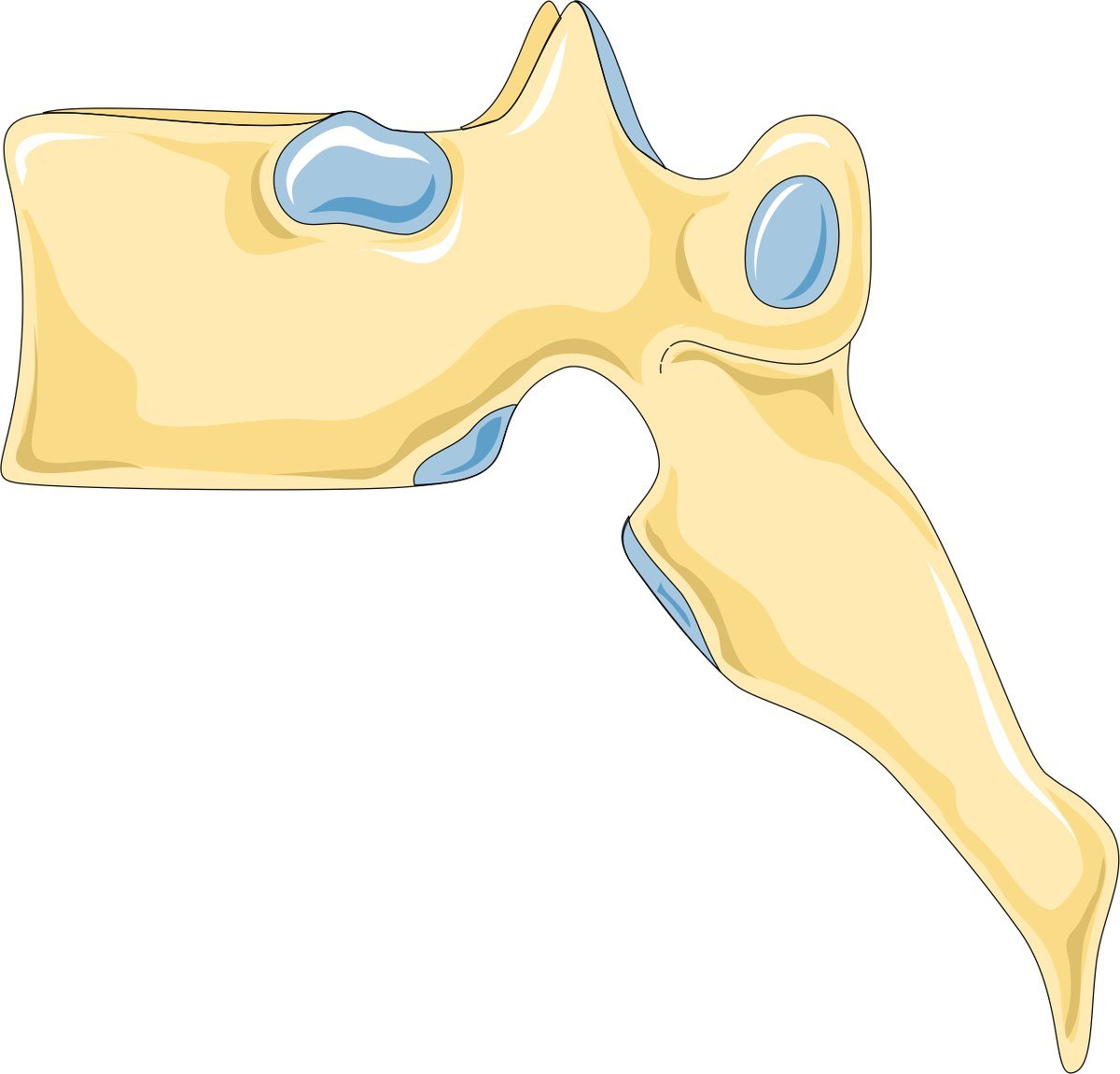
Upper back pain refers to discomfort or aching felt in the thoracic spine, which extends from the base of the neck to the bottom of the ribcage. This type of pain is less common than lower back pain but can still significantly affect daily life. It may be caused by muscle strain, poor posture, or more serious underlying conditions affecting the spine, bones, or nerves.
Upper back pain can be caused by muscle strain due to poor posture, especially from long periods of sitting or standing. Other causes include heavy lifting, accidents, or injuries. Conditions like herniated discs, arthritis, and spinal stenosis can also lead to upper back pain. In rare cases, issues such as tumors or infections may contribute to pain in this area.
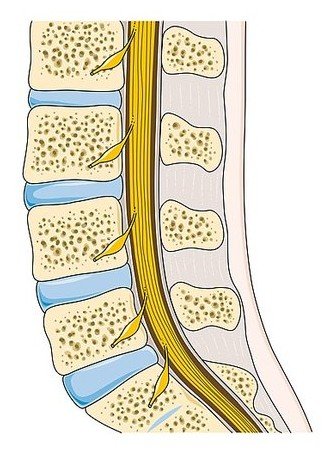
Symptoms of upper back pain include sharp, stabbing pain or a dull ache between the shoulder blades. Some individuals may experience stiffness, muscle spasms, or restricted movement. In more severe cases, pain may radiate to the chest, arms, or legs, sometimes accompanied by numbness or tingling if nerves are involved.
Treatment for upper back pain often begins with conservative methods like rest, hot or cold therapy, and over-the-counter pain medications. Physical therapy and exercises that strengthen the back muscles and improve posture can be highly effective. In more severe cases, treatment may involve injections, medications to manage pain, or even surgery to correct underlying structural issues such as herniated discs or spinal stenosis.
Still deciding, and that is completely normal for a question this serious. Message us on WhatsApp with your MRI or X-ray, no obligation, and get a real answer about your specific case instead of a general one.
Send your MRI on WhatsAppMost upper back pain is muscular and will not paralyse you. The warning signs are different: weakness in the arms or legs, numbness, trouble passing urine, fever, unexplained weight loss, or pain that started after a fall or road accident. If you have any of these, get examined quickly instead of waiting.
Upper back pain can spread to the chest through the ribs and thoracic nerves. But heart, lung and gallbladder problems can also feel like back pain. Sudden crushing chest pain, breathlessness, sweating, or pain going into the left arm or jaw is an emergency. Go to the hospital first and see the spine doctor later.
Usually not. Surgery in the thoracic spine is uncommon and is mainly considered when a disc, fracture, infection or tumour is pressing on the spinal cord and causing weakness or numbness. Plain muscle pain does not need an operation. If surgery is advised, ask exactly what was seen on your MRI and why.
It is what most families try first, and for simple muscle strain gentle massage often helps. Avoid forceful pulling or cracking of the back, especially after an injury. The real risk is delay. If the pain lasts beyond four to six weeks, wakes you at night, or comes with numbness or weakness, get the spine examined.
It depends entirely on what is wrong. Consultation and physiotherapy cost far less than an MRI, and surgery costs much more again. Ask for a written quote in PKR listing consultation, imaging, implants, theatre and hospital stay separately. If you are travelling from Jhang, Sargodha or Chiniot, send your reports on WhatsApp first so one trip is enough.
Ask about your own scan. Send your MRI or X-ray on WhatsApp and get a straight answer on whether surgery is needed at all.
Dr. M. Abdur Rehman is a consultant neurosurgeon in Faisalabad. Send your scan on WhatsApp and ask what it actually shows.