
WhatsApp +92 370 7607107Call
Mujahid Hospital, Madina Town, Susan Road, Faisalabad: 4:00 PM to 7:00 PM
IDC, 563-B, Satiana Road, Faisalabad: 8:00 PM to 9:00 PM
 Brain Conditions
Most epilepsy is controlled with daily medicine, not surgery, and many people become completely seizure free. Treatment in Faisalabad starts with a careful history of the daura, an EEG, and usually an MRI to look for a cause. Surgery is considered only when two correctly chosen medicines have already failed.
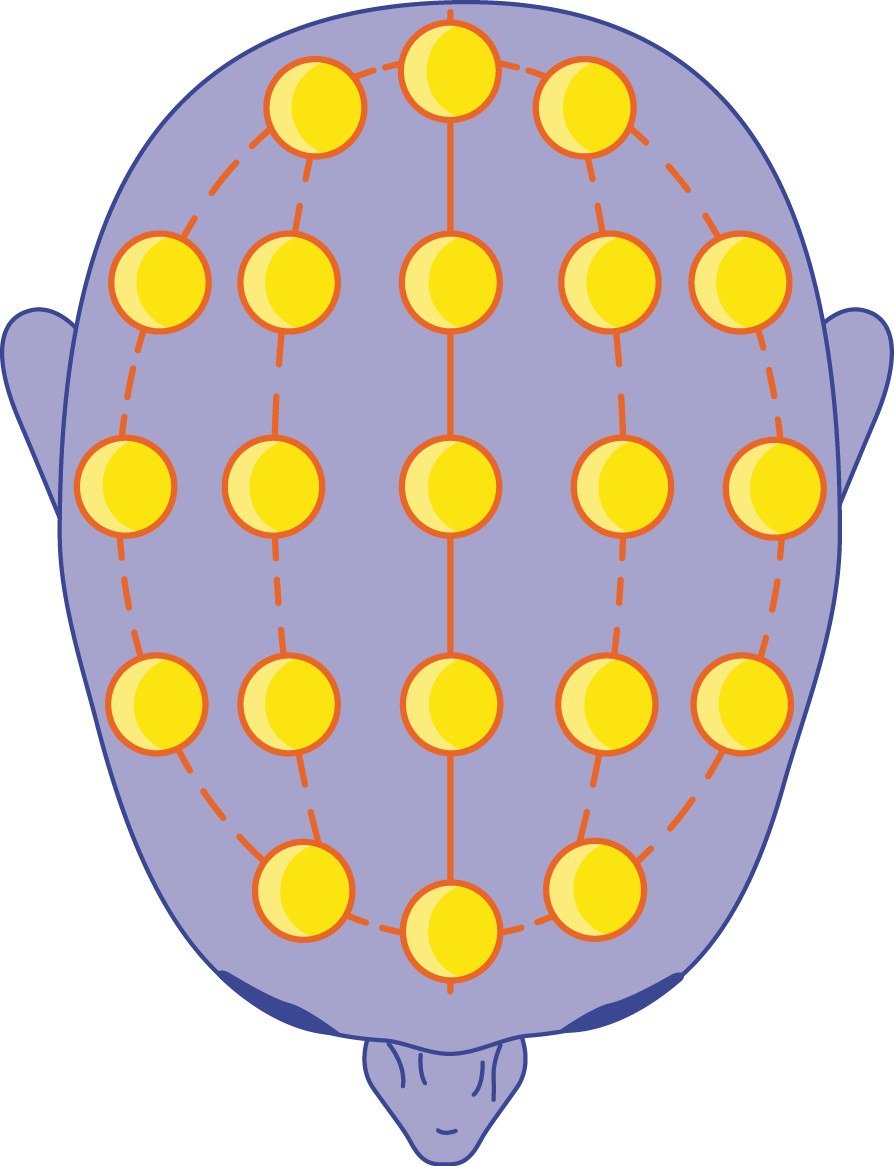
Epilepsy is a neurological disorder characterized by recurrent, unprovoked seizures. Seizures occur when there is a sudden surge of electrical activity in the brain, causing temporary disruptions in normal brain function. These seizures can vary in intensity, from brief moments of altered awareness to severe, prolonged convulsions. Epilepsy can affect people of all ages and has multiple causes. With proper management, many individuals with epilepsy can lead full and active lives, though the condition requires lifelong monitoring.
Epilepsy can be caused by a variety of factors, including genetic predisposition, brain injuries, stroke, infections (such as meningitis), or developmental disorders. In some cases, the cause is unknown. Other contributing factors may include abnormal brain development, tumors, or metabolic conditions. While anyone can develop epilepsy, certain risk factors, such as a family history of the disorder, previous head trauma, or birth complications, may increase the likelihood of having the condition.
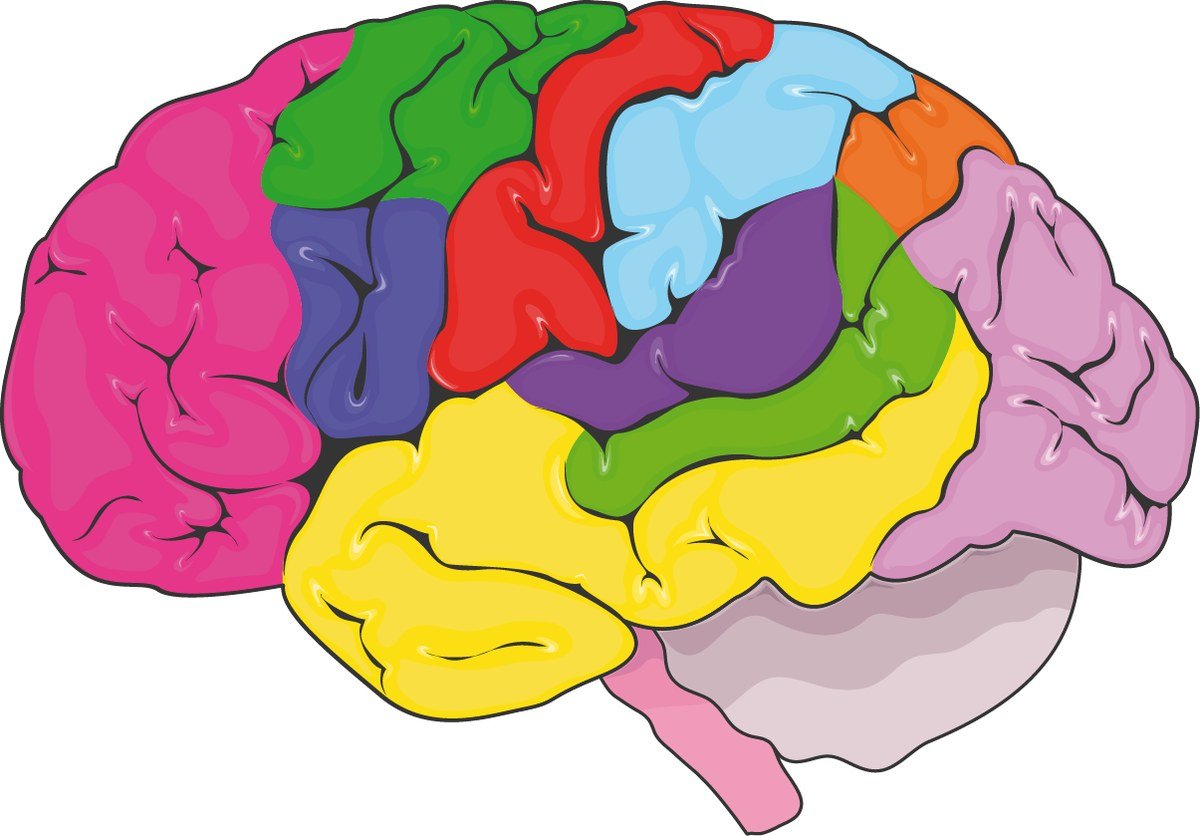
The hallmark symptom of epilepsy is recurrent seizures. The symptoms of a seizure depend on its type. Focal seizures may cause sudden changes in emotions, unusual sensations, or involuntary movements. Generalized seizures can cause loss of consciousness, stiffening or jerking of the body, and convulsions. Other signs of epilepsy include confusion, staring spells, and sudden bouts of fear or anxiety. In some cases, the individual may experience an aura, a warning sign before a seizure, such as a strange smell, sound, or feeling.
Epilepsy is primarily managed with anti-seizure medications, which help control the frequency and intensity of seizures. The type of medication prescribed depends on the type of epilepsy and the patient's response to treatment. In cases where medications are not effective, surgery to remove the part of the brain causing the seizures may be an option. Other treatments include vagus nerve stimulation, ketogenic diets, or responsive neurostimulation. Regular follow-up with a neurologist is essential to adjust treatment plans and monitor the condition.
Still deciding, and that is completely normal for a question this serious. Message us on WhatsApp with your MRI or X-ray, no obligation, and get a real answer about your specific case instead of a general one.
Send your MRI on WhatsAppMost seizures stop on their own in one to two minutes and do not damage the brain. The real dangers are injury from falling, burns near a stove, drowning, and driving. A seizure lasting more than five minutes, or one seizure straight after another, is an emergency and needs hospital treatment immediately.
Turn them on their side, put something soft under the head, move hot tea, stove or sharp things away, and loosen tight clothing. Do not put a spoon, shoe, onion, keys or your fingers in the mouth. Nobody swallows their tongue. Note the time. If it passes five minutes, go to hospital.
Many people become seizure free on the right medicine. Some children grow out of their type of epilepsy and can stop medicine under a doctor's supervision. Others need it for years or for life. Never stop or reduce tablets on your own, even after a long seizure free spell. Sudden stopping is a common reason seizures return.
Most people with epilepsy never need surgery. It is considered only when two correctly chosen medicines, at the right dose, have failed to control seizures. Before any operation, tests must show exactly where the seizures start and that removing that area is safe. Bring your MRI and EEG reports for an honest opinion on whether surgery even applies to your case.
Bring the patient, someone who has actually seen the daura, and any old reports. The doctor takes a history and usually arranges an EEG, often an MRI. Many families come after trying a hakeem or dam. That is normal, but mention any herbal medicine you are taking. Ask for a written quote in rupees before booking tests. Families travelling from Jhang or Sargodha can ask for same day tests.
Ask about your own scan. Send your MRI or X-ray on WhatsApp and get a straight answer on whether surgery is needed at all.
Dr. M. Abdur Rehman is a consultant neurosurgeon in Faisalabad. Send your scan on WhatsApp and ask what it actually shows.