
WhatsApp +92 370 7607107Call
Mujahid Hospital, Madina Town, Susan Road, Faisalabad: 4:00 PM to 7:00 PM
IDC, 563-B, Satiana Road, Faisalabad: 8:00 PM to 9:00 PM
 Brain Conditions
Most head injuries are mild and settle with rest and observation. But some bleed inside the skull hours later. If there was loss of consciousness, repeated vomiting, a fit, a worsening headache, confusion, or clear fluid from the nose or ears, go to a hospital emergency now for a CT scan. Do not wait.
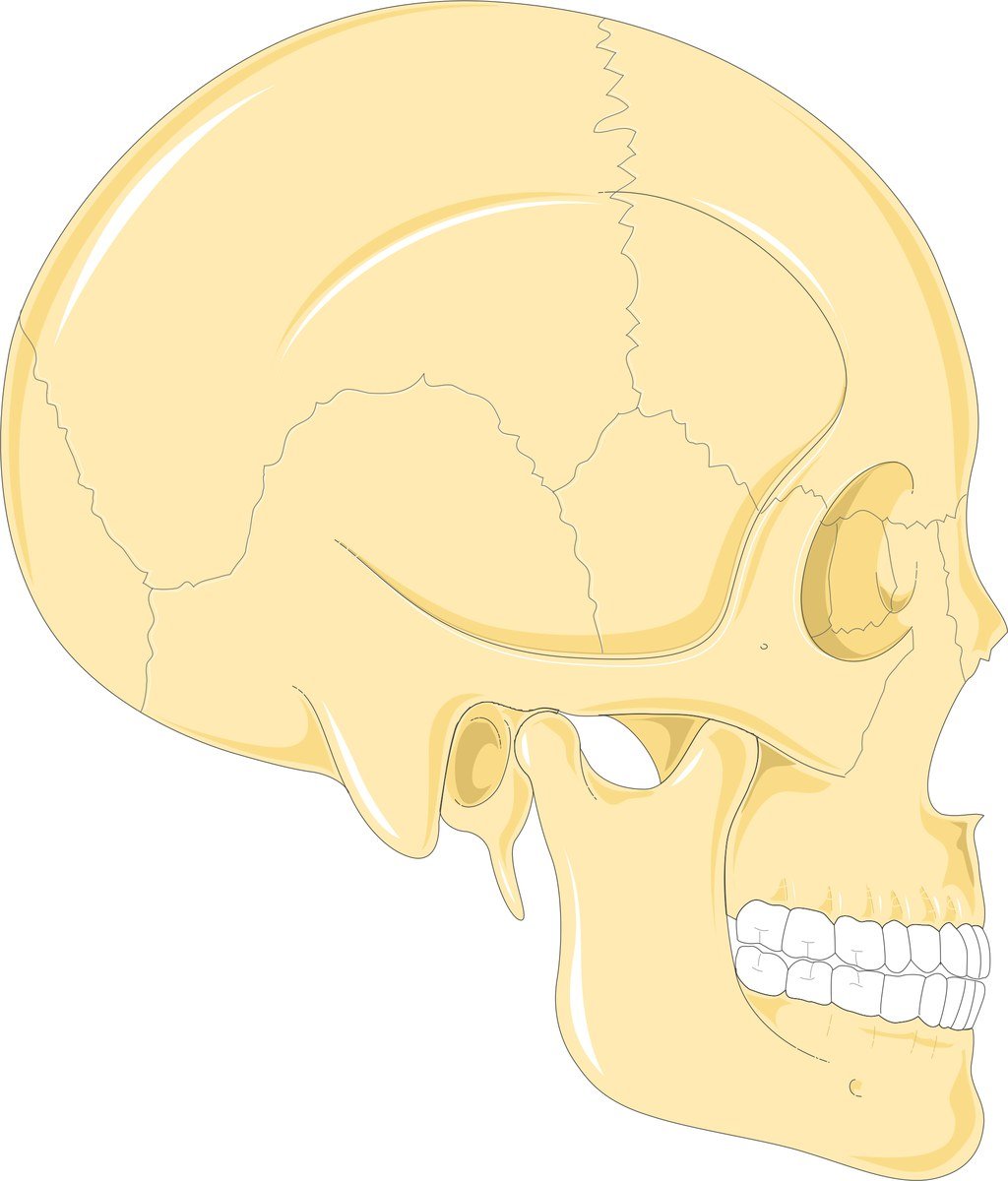
A head injury refers to any trauma to the scalp, skull, or brain caused by an external force. It can range from a mild bump or bruise to more severe conditions such as concussions, skull fractures, or traumatic brain injury (TBI). Head injuries can lead to temporary or long-term impairments, affecting cognitive functions, coordination, and memory. Depending on the severity, they are classified as open (when the skull is penetrated) or closed (when the skull remains intact). Immediate medical attention is often required, especially in more severe cases.
Head injuries are typically caused by accidents, such as falls, car crashes, or sports injuries. They may also result from physical assaults or workplace incidents. In some cases, sudden and violent movements, such as whiplash, can also lead to brain injury even without direct impact. Risk factors like not wearing helmets during sports, lack of seatbelt use, or working in hazardous environments increase the likelihood of head injuries.
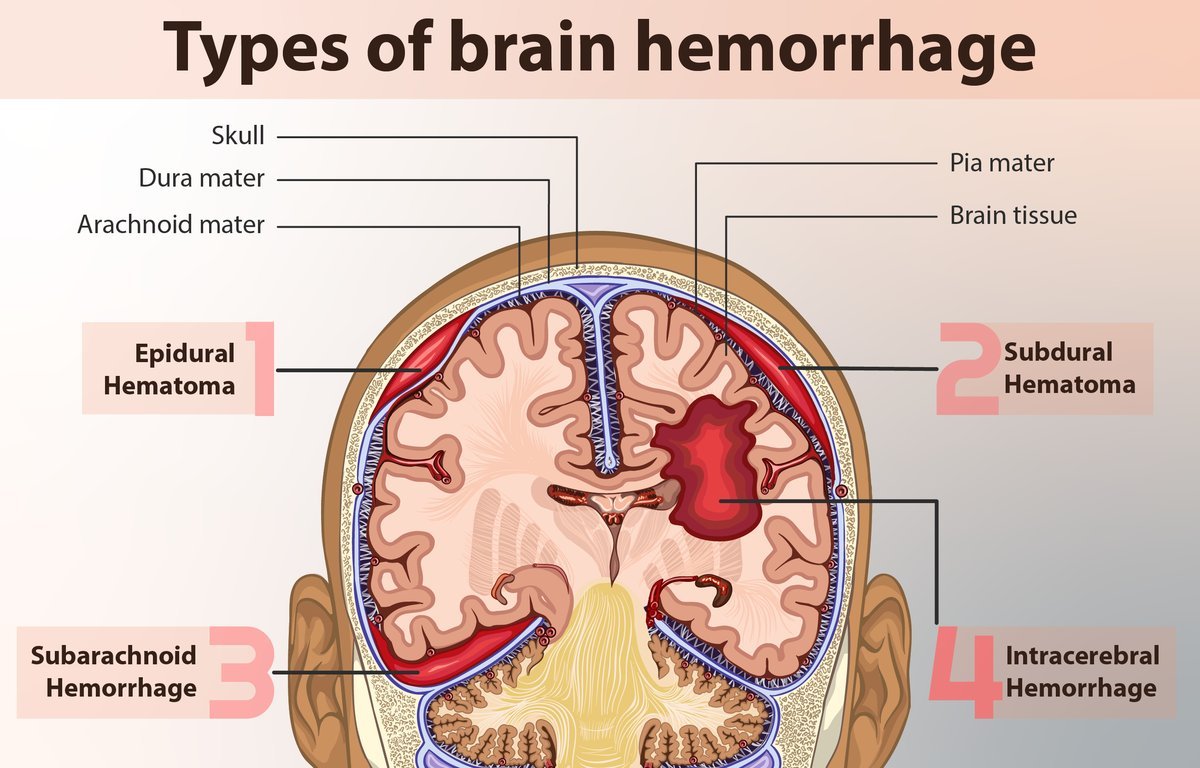
The symptoms of a head injury can vary based on its severity. Mild injuries, like concussions, can cause headaches, dizziness, confusion, and nausea. In more serious cases, symptoms may include loss of consciousness, seizures, vomiting, severe headaches, blurred vision, and difficulty speaking. Cognitive difficulties, such as memory loss and difficulty concentrating, are also common. In cases of severe head trauma, immediate symptoms might include bleeding from the head or face, swelling, and clear fluid draining from the nose or ears.
Treatment for head injuries depends on the type and severity of the trauma. Mild injuries, such as concussions, often require rest and monitoring, along with medications to alleviate pain and prevent complications like swelling. For more severe injuries, emergency interventions may be needed, including surgery to relieve pressure on the brain, repair fractures, or remove blood clots. Rehabilitation therapies, including physical, occupational, and cognitive therapy, are essential for recovery from more significant brain injuries, helping patients regain lost abilities and functions.
Still deciding, and that is completely normal for a question this serious. Message us on WhatsApp with your MRI or X-ray, no obligation, and get a real answer about your specific case instead of a general one.
Send your MRI on WhatsAppYes, take that seriously. Some bleeds inside the skull grow slowly and only show up hours or a day later. Vomiting more than once, a headache that keeps getting worse, unusual sleepiness, confusion, weakness on one side, or a fit after a head knock all mean a CT scan the same day. Do not wait for morning.
Most mild head injuries recover fully in days to a few weeks. Headache, poor sleep and trouble concentrating are common in that period and usually settle on their own. Serious outcomes are mainly linked to bleeding or swelling inside the skull, which is exactly what a CT scan looks for. The scan result guides what we can honestly tell you.
No. Most head injuries need no operation at all, only rest, pain relief and careful watching for warning signs. Surgery is considered when a scan shows a clot pressing on the brain, dangerous swelling, or a depressed skull fracture. If the CT is clear and the patient is alert, you will be told plainly that surgery is not needed.
It depends entirely on whether the case needs only a CT scan and observation, an ICU stay, or emergency surgery, so the figure in PKR varies widely. Ask the hospital for a written quote covering scans, room, operation theatre, any implants and follow-up. Bring the family member who handles money into that conversation so nobody is surprised later.
Please come straight in. Oil, massage and a hakeem's remedy cannot see inside the skull, and the hours spent trying them are the hours that matter most after a head injury. If you are far out in Punjab, go first to the nearest hospital with a CT scanner and emergency cover. Carry the scan films with you if transferred.
Ask about your own scan. Send your MRI or X-ray on WhatsApp and get a straight answer on whether surgery is needed at all.
Dr. M. Abdur Rehman is a consultant neurosurgeon in Faisalabad. Send your scan on WhatsApp and ask what it actually shows.