
WhatsApp +92 370 7607107Call
Mujahid Hospital, Madina Town, Susan Road, Faisalabad: 4:00 PM to 7:00 PM
IDC, 563-B, Satiana Road, Faisalabad: 8:00 PM to 9:00 PM
 Brain Conditions
Brain cancer is treated in Faisalabad with surgery, radiation and chemotherapy, chosen according to the tumour type, size and location. Not every brain tumour is cancer, and many are treatable. Bring your MRI to a consultant neurosurgeon for an honest assessment. Delay is the real danger, so get the scan reviewed early rather than waiting.
Brain cancer is the uncontrolled growth of abnormal cells in the brain, forming a tumor that disrupts normal brain function. These tumors can be either primary (originating in the brain) or secondary (spread from other parts of the body). Primary brain cancers can be benign (non-cancerous) or malignant (cancerous), with malignant tumors often being aggressive and potentially life-threatening. Brain cancer can affect critical brain functions like memory, speech, movement, and cognitive abilities.
The exact cause of brain cancer remains unknown, but several factors increase the risk. Genetics plays a role in some cases, where inherited mutations may predispose individuals to cancer. Environmental exposures, like radiation, can also be a contributing factor. Additionally, a family history of cancer, exposure to carcinogens, and weakened immune systems due to medical conditions or treatments might increase susceptibility to developing brain tumors.
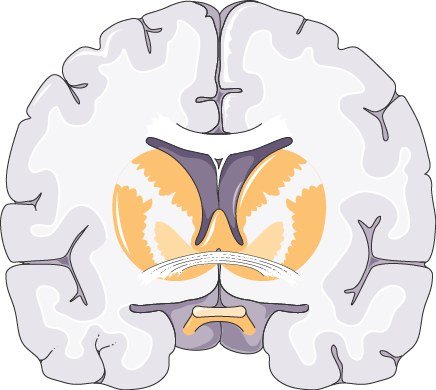
Symptoms of brain cancer vary based on the tumor's location and size. Common symptoms include persistent headaches, often more severe in the morning or with activity. Patients may also experience nausea, vomiting, and blurred vision due to increased pressure in the skull. Other symptoms include seizures, difficulty with speech, memory loss, changes in personality, and weakness in limbs, which could signal an impact on specific areas of the brain.
Treatment for brain cancer depends on the tumor's type, size, location, and overall health of the patient. Surgery is often the first option to remove as much of the tumor as possible. Other treatments include radiation therapy to target remaining cancer cells and chemotherapy to slow or stop tumor growth. Targeted therapies and immunotherapy are newer treatments that can be used in combination to improve outcomes. Supportive care, like physical therapy and medication, helps manage symptoms and improve quality of life.
Still deciding, and that is completely normal for a question this serious. Message us on WhatsApp with your MRI or X-ray, no obligation, and get a real answer about your specific case instead of a general one.
Send your MRI on WhatsAppBrain surgery frightens every family, and that fear is fair. The risk depends on where the tumour sits, how big it is, and your general health. Surgeons use MRI planning and monitoring during the operation to protect speech and movement areas. No surgery is risk free. Ask your surgeon to explain, in plain words, the specific risks for your tumour.
No. Many brain tumours are benign, meaning they are not cancer and do not spread. Some grow slowly and only need watching with repeat MRI scans. Others need surgery because of pressure, not cancer. Only a biopsy, or the removed tissue examined under a microscope, tells you for certain. Do not assume the worst before that report comes.
Cost depends on the tumour, the type of surgery, ICU days, and whether radiation or chemotherapy follow. It varies widely in PKR, and no honest figure can be given before your MRI is seen. Ask for a written quote that lists surgery, hospital stay, and tests separately, so your family can plan properly before admission.
Many families try a hakeem, dam, or massage first for headaches, and that is common here. It is not too late, but do not keep waiting. Headaches that are worse in the early morning, vomiting, fits, weakness on one side, or changing vision need an MRI now. These treatments cannot shrink a tumour or lower pressure inside the skull.
Patients travel to Faisalabad from Jhang, Sargodha, Toba Tek Singh, Chiniot and nearby districts. Bring the MRI films and the written report, any earlier CT scans, and a list of current medicines. If you cannot travel yet, send clear photos of the MRI report on WhatsApp so the case can be looked at before you make the journey.
Ask about your own scan. Send your MRI or X-ray on WhatsApp and get a straight answer on whether surgery is needed at all.
Dr. M. Abdur Rehman is a consultant neurosurgeon in Faisalabad. Send your scan on WhatsApp and ask what it actually shows.