
WhatsApp +92 370 7607107Call
Mujahid Hospital, Madina Town, Susan Road, Faisalabad: 4:00 PM to 7:00 PM
IDC, 563-B, Satiana Road, Faisalabad: 8:00 PM to 9:00 PM
 Spine Conditions
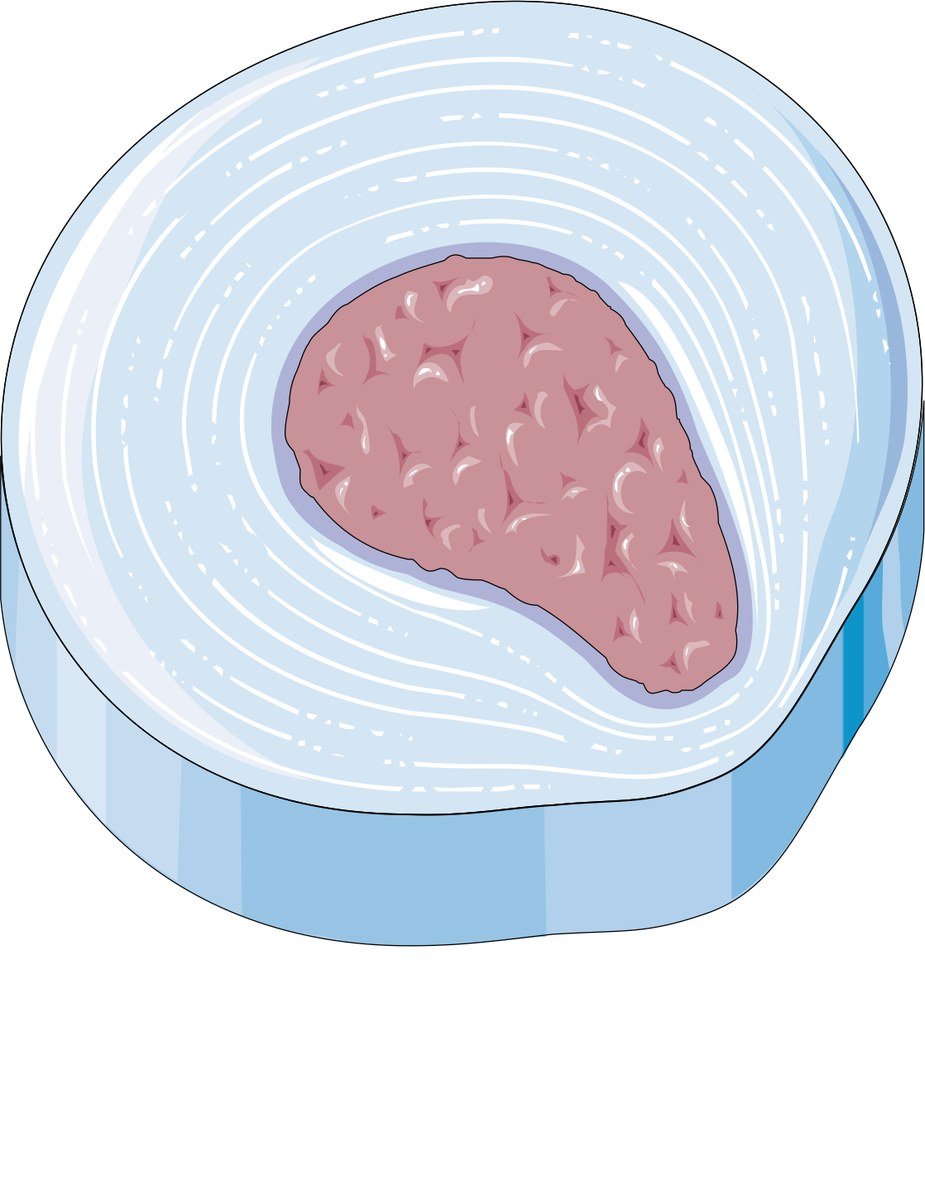
Degenerative disc disease is normal wear in the spinal discs as they dry out with age. It is not cancer and it does not usually cause paralysis. Most people in Faisalabad improve with physiotherapy, medicine and posture correction. Surgery is considered only when pain or nerve pressure continues after months of proper treatment.
Degenerative disc disease is normal wear in the spinal discs as they dry out with age. It is not cancer and it does not usually cause paralysis.
Degenerative Disc Disease is primarily caused by the natural aging process, as the spinal discs dry out and lose their flexibility and strength over time. Other factors that may accelerate the degeneration include a history of spinal injury, repetitive stress on the spine, obesity, smoking, and poor posture. Genetics can also play a role, with some people being more prone to early disc degeneration. Additionally, occupations or activities that involve heavy lifting or twisting motions can contribute to the condition.
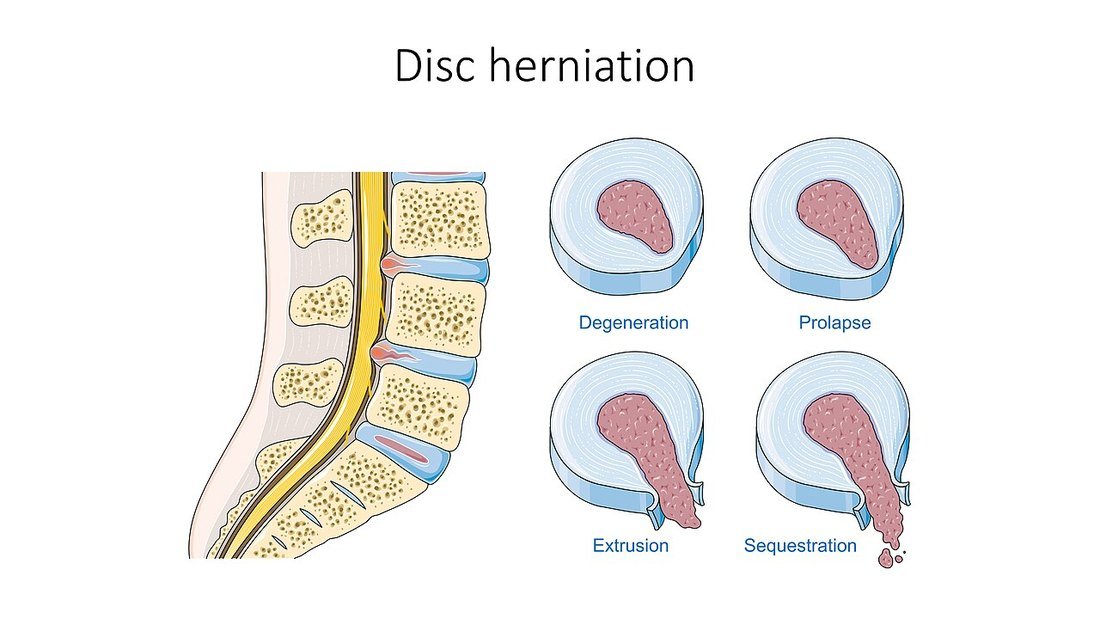
Degenerative Disc Disease is primarily caused by the natural aging process, as the spinal discs dry out and lose their flexibility and strength over time. Symptoms of DDD can vary depending on the severity of the degeneration and the location of the affected disc. Common symptoms include chronic lower back or neck pain, stiffness, and discomfort that worsens with movement, bending, or sitting for long periods. Some individuals may experience numbness or tingling in the arms or legs if the damaged disc compresses nearby nerves. In severe cases, disc degeneration may lead to herniated discs or spinal stenosis, which can cause more intense pain and mobility issues.
Treatment for Degenerative Disc Disease focuses on managing pain and improving mobility. Conservative treatments include physical therapy to strengthen the muscles supporting the spine, over-the-counter or prescription pain medications, and lifestyle changes such as weight management and posture correction. If conservative treatments are not effective, more invasive options like steroid injections or surgery may be recommended. Surgical options include disc replacement or spinal fusion to stabilize the affected area and relieve pressure on the nerves.
Still deciding, and that is completely normal for a question this serious. Message us on WhatsApp with your MRI or X-ray, no obligation, and get a real answer about your specific case instead of a general one.
Send your MRI on WhatsAppAlmost never. Disc degeneration is wear and tear, not a tumour and not a cut nerve. The warning signs to watch for are weakness in a leg or foot, loss of control over urine or stool, and numbness around the private area. If any of these appear, see a neurosurgeon the same day. Otherwise you have time to treat this calmly.
Most likely not. The majority of people with degenerated discs never reach an operating theatre. Surgery is discussed when severe taang mein dard, weakness, or clear nerve compression continues despite months of physiotherapy and medicine, and the MRI matches your symptoms. An MRI report showing degeneration, on its own, is not a reason to operate.
Many families here try massage, cupping or hakeem treatment first, and gentle massage rarely harms. The real risks are forceful pulling or twisting of the neck or back, and losing months while weakness quietly grows. If pain travels down a leg or arm, or a limb feels weak, get examined and get an MRI before any manipulation.
Physiotherapy and medicine cost far less than surgery, and many people need nothing beyond that. Surgery costs vary widely with the procedure, the implants used and the length of hospital stay, so no honest figure can be given before your MRI is seen. Ask for a written quote in PKR listing surgeon fee, implants, anaesthesia, room and follow-up.
Bring your MRI films and report, any X-rays, earlier prescriptions and a list of medicines you take. Bring the family member who shares in the decision, because these choices are rarely made alone. You can also send your MRI on WhatsApp first, so you know whether the trip from Jhang, Chiniot, Sargodha or Toba Tek Singh is worth making.
Ask about your own scan. Send your MRI or X-ray on WhatsApp and get a straight answer on whether surgery is needed at all.
Dr. M. Abdur Rehman is a consultant neurosurgeon in Faisalabad. Send your scan on WhatsApp and ask what it actually shows.