
WhatsApp +92 370 7607107Call
Mujahid Hospital, Madina Town, Susan Road, Faisalabad: 4:00 PM to 7:00 PM
IDC, 563-B, Satiana Road, Faisalabad: 8:00 PM to 9:00 PM
 Brain Conditions
Hydrocephalus is treated with surgery to drain the extra fluid from the brain. Most patients get a shunt, a thin tube that carries fluid to the abdomen where the body absorbs it. Some cases suit ETV instead. Medicines and home remedies cannot drain it. Because pressure damages the brain over time, assessment should not wait.
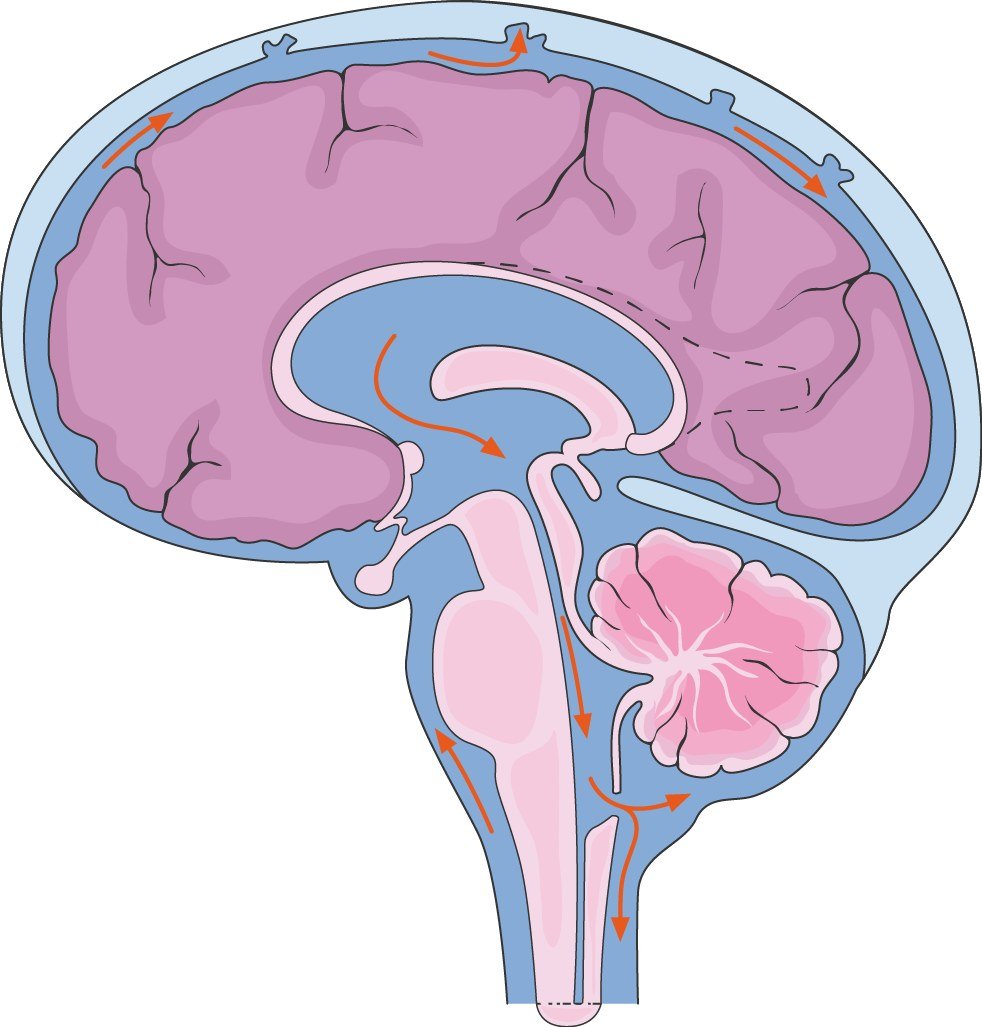
Hydrocephalus is a condition characterized by an excessive accumulation of cerebrospinal fluid (CSF) in the brain's ventricles, leading to increased pressure inside the skull. This fluid buildup can cause the ventricles to enlarge, compressing brain tissues and potentially leading to brain damage. Hydrocephalus can occur at any age but is most common in infants and older adults. If left untreated, it can affect brain function and cause significant neurological problems.
Hydrocephalus can be caused by a variety of factors, including congenital defects, such as spina bifida, infections during pregnancy, or complications from premature birth. In other cases, hydrocephalus may develop later in life due to head injuries, brain tumors, meningitis, or a blockage that prevents normal drainage of CSF. Sometimes, the cause of hydrocephalus remains unknown, particularly in cases of normal pressure hydrocephalus, which often affects the elderly.
Symptoms of hydrocephalus can vary by age and severity of the condition. In infants, common signs include a rapid increase in head size, bulging of the soft spot on the skull, vomiting, irritability, and seizures. In older children and adults, symptoms may include persistent headaches, difficulty walking, vision problems, memory loss, poor coordination, and urinary incontinence. In elderly patients, hydrocephalus may cause cognitive decline, similar to dementia, along with difficulty in movement.
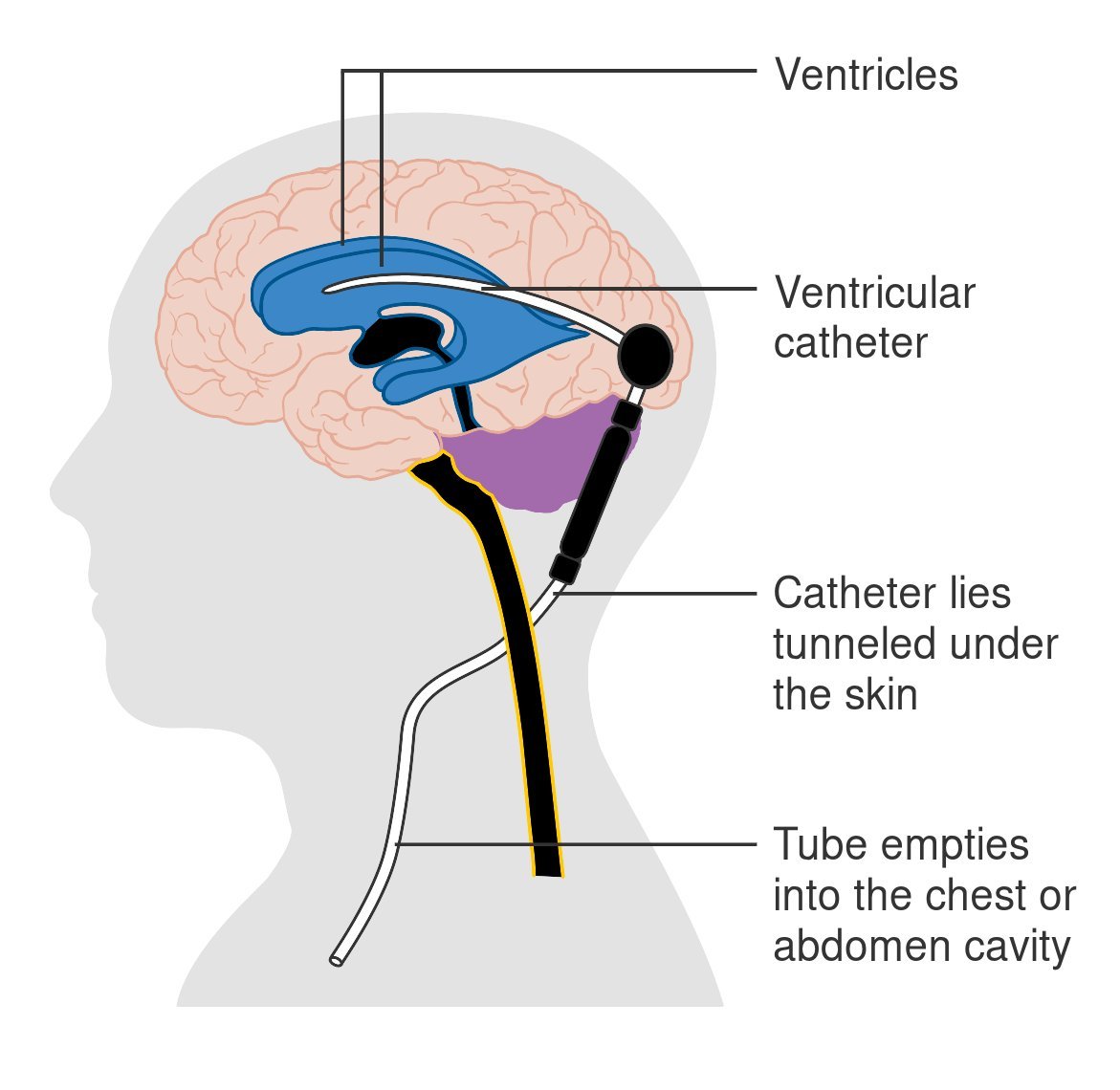
The primary treatment for hydrocephalus is the surgical insertion of a shunt system, which drains excess CSF from the brain to another part of the body, typically the abdomen, where it can be absorbed. In some cases, an alternative procedure called endoscopic third ventriculostomy (ETV) may be performed, allowing CSF to bypass the blockage. Ongoing monitoring is essential after surgery to ensure proper shunt function. In addition to surgery, physical and cognitive therapy may be recommended to manage symptoms and improve quality of life.
Still deciding, and that is completely normal for a question this serious. Message us on WhatsApp with your MRI or X-ray, no obligation, and get a real answer about your specific case instead of a general one.
Send your MRI on WhatsAppShunt surgery is a common neurosurgical operation and most patients come through it well. It is done under general anaesthesia through a small opening in the skull. Real risks exist, mainly infection and blockage, and the surgeon should explain them to your family before you sign. Paralysis is not a usual outcome of shunt surgery. Untreated pressure carries the bigger risk.
Take the baby to a doctor the same week. A head that is growing faster than normal, a bulging soft spot, vomiting, sleepiness or eyes turning downward are warning signs. An ultrasound of the brain or a CT scan will show the ventricles. Do not wait for the child to grow out of it, and do not start with dam or massage.
Cost depends on the shunt device used and the length of hospital stay. Prices in Pakistan vary widely between government and private setups, so no honest figure can be quoted online. Ask for a written estimate in PKR before admission, covering implant, anaesthesia, ICU and follow-up scans. Families travelling from Jhang, Sargodha or Chiniot can request it on WhatsApp first.
In most people the shunt stays for life. It can block, get infected or need lengthening as a child grows, and then a revision operation is done. Learn the warning signs: headache, vomiting, drowsiness, or the old symptoms coming back. If they appear, go to a neurosurgeon or emergency the same day rather than waiting.
Yes. In older people, slow walking with small shuffling steps, memory trouble and loss of urine control can be normal pressure hydrocephalus, not dementia. It is worth a scan because this type can improve after a shunt. Not every patient responds, so the neurosurgeon may first test how you walk after draining some fluid.
Ask about your own scan. Send your MRI or X-ray on WhatsApp and get a straight answer on whether surgery is needed at all.
Dr. M. Abdur Rehman is a consultant neurosurgeon in Faisalabad. Send your scan on WhatsApp and ask what it actually shows.