
WhatsApp +92 370 7607107Call
Mujahid Hospital, Madina Town, Susan Road, Faisalabad: 4:00 PM to 7:00 PM
IDC, 563-B, Satiana Road, Faisalabad: 8:00 PM to 9:00 PM
 Spine Conditions
A spinal tumor is an abnormal growth in or around the spinal cord or vertebrae. Many are benign, and not every one needs surgery. Treatment depends on the type and whether it is pressing on nerves: observation, radiation, chemotherapy, or surgical removal. An MRI is the first step. Early treatment protects walking and bladder control.
A spinal tumor is an abnormal growth in or around the spinal cord or the bones of the spine. The word frightens people more than it needs to, because many spinal tumors are not cancer. What matters is where it sits, how fast it is growing and what it is pressing on.
A spinal tumor is an abnormal growth that develops within or around the spinal cord or vertebrae. These tumors can be benign (non-cancerous) or malignant (cancerous) and may originate in the spine (primary tumors) or spread from other parts of the body (secondary tumors). Spinal tumors can cause pain, neurological deficits, and structural damage, potentially leading to serious complications if not diagnosed and treated early.
The exact cause of primary spinal tumors is often unknown, but genetic mutations and inherited conditions like neurofibromatosis or von Hippel-Lindau disease can increase the risk. Secondary spinal tumors are usually caused by cancers such as lung, breast, or prostate cancer metastasizing to the spine. Risk factors for spinal tumors include a family history of cancer, exposure to radiation, and a compromised immune system.
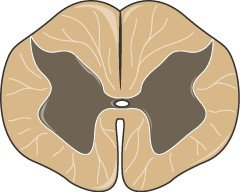
Symptoms of a spinal tumor vary based on the tumor’s location and size and may include persistent back or neck pain, muscle weakness, numbness, or tingling in the limbs. Other symptoms include difficulty walking, loss of sensation, or problems with bladder or bowel control. Severe cases may lead to paralysis or significant loss of mobility.
Treatment options for spinal tumors include observation for slow-growing benign tumors, radiation therapy, chemotherapy, and surgical removal for tumors causing neurological symptoms or structural instability. Pain management, physical therapy, and rehabilitation are also crucial components of the treatment plan to maintain functionality and quality of life.
Still deciding, and that is completely normal for a question this serious. Message us on WhatsApp with your MRI or X-ray, no obligation, and get a real answer about your specific case instead of a general one.
Send your MRI on WhatsAppNo. Many spinal tumors are benign, meaning non-cancerous, and some grow so slowly they only need watching with repeat MRI scans. Others are secondary tumors that have spread from cancer elsewhere, such as breast, lung or prostate. The MRI and, in some cases, a biopsy tell your surgeon which type you have before any treatment is decided.
This is the fear most families come in with. Surgery near the spinal cord carries real risk, and no surgeon can promise zero risk. But the bigger danger is usually the tumor itself pressing on the cord. Ask your surgeon to explain, in plain words, what the risk is in your case and what happens if you wait.
Go to hospital the same day if you cannot pass urine or cannot control it, if your legs are getting weaker, or if you are becoming numb around the groin. These signs mean the spinal cord or nerves are under pressure and hours matter. Back pain that wakes you at night or keeps worsening also needs an MRI.
Cost in Pakistan depends on the type of tumor, the level of the spine, whether implants are needed, and how many days you stay. No honest figure can be given over the phone. Send your MRI first, then ask for a written quote in PKR listing surgery, implants, hospital stay and follow-up, so families travelling from outside Faisalabad can plan one trip.
Most kamar dard is not a tumor, and massage or a hakeem's treatment often helps ordinary muscle pain. But strong massage on a spine that has a tumor can make weakness worse. If your pain is constant, worse at night, comes with taang mein dard or weakness, or you have had cancer before, get an MRI first.
Ask about your own scan. Send your MRI or X-ray on WhatsApp and get a straight answer on whether surgery is needed at all.
Dr. M. Abdur Rehman is a consultant neurosurgeon in Faisalabad. Send your scan on WhatsApp and ask what it actually shows.