
WhatsApp +92 370 7607107Call
Mujahid Hospital, Madina Town, Susan Road, Faisalabad: 4:00 PM to 7:00 PM
IDC, 563-B, Satiana Road, Faisalabad: 8:00 PM to 9:00 PM
 Brain Conditions
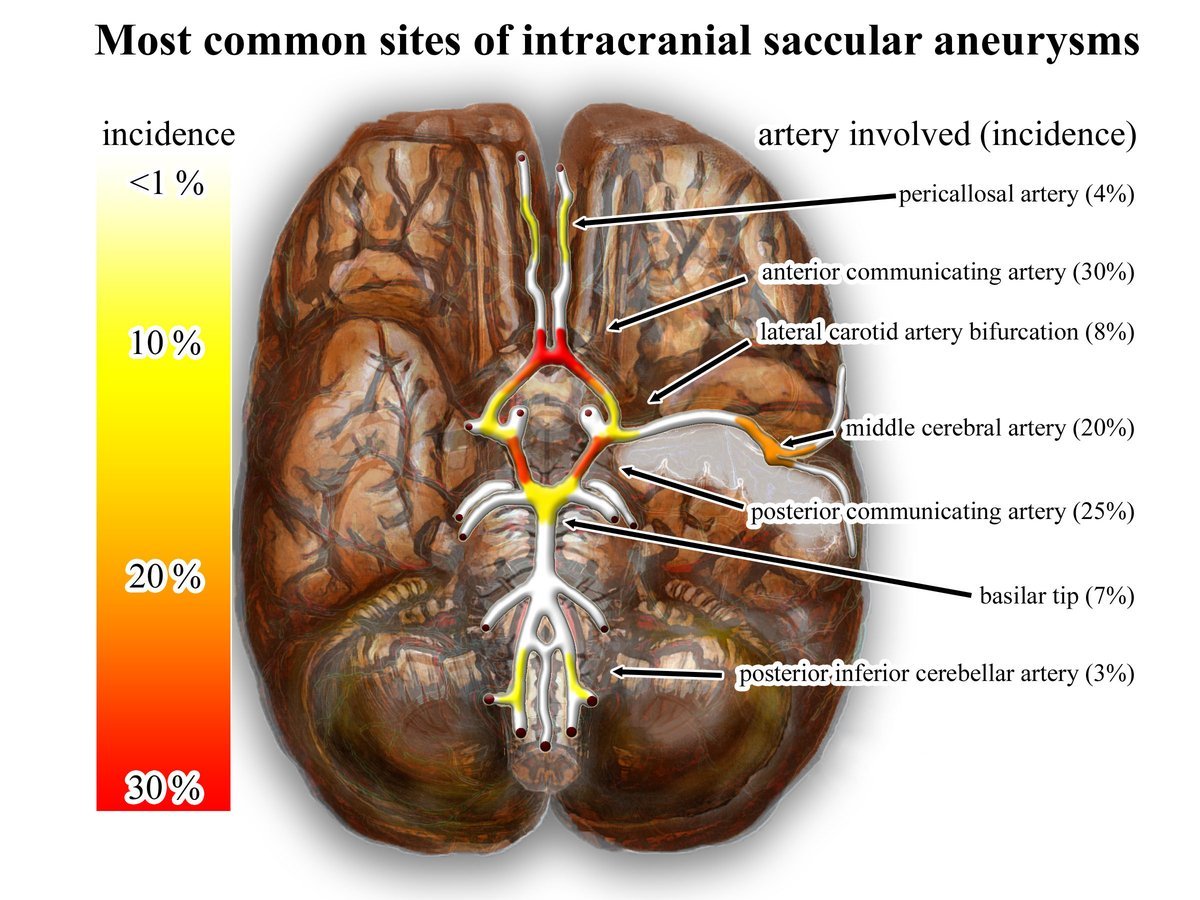
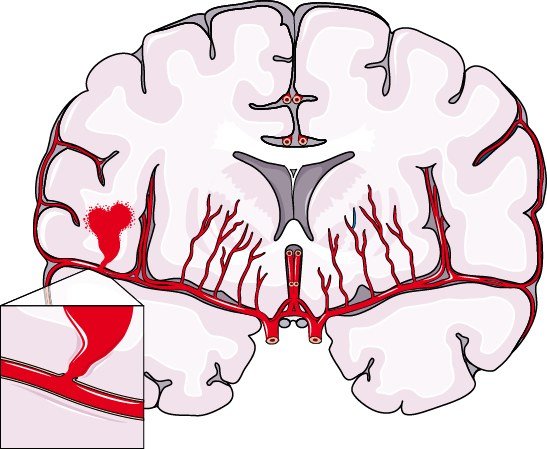
An aneurysm is a weak, ballooning spot in a blood vessel wall, most often in the brain or the aorta. Many are found by chance and never rupture. Small ones are watched with scans and blood pressure control. Larger or high risk ones are sealed by coiling or clipping. A sudden worst headache of your life needs emergency care.
An aneurysm is a bulge or ballooning in the wall of a blood vessel caused by a weakness in the vessel wall. While aneurysms can occur in any blood vessel, they are most commonly found in the brain (cerebral aneurysm) or the aorta (aortic aneurysm). Aneurysms may grow without causing symptoms, but they pose a serious health risk if they rupture, leading to life-threatening internal bleeding. Early detection is critical to prevent complications, including stroke, organ damage, or death, depending on the location of the aneurysm.
The exact cause of aneurysms is often unknown, but several factors increase the risk. High blood pressure (hypertension) is a significant contributor as it weakens the blood vessel walls over time. Other risk factors include smoking, genetic predisposition, atherosclerosis (hardening of the arteries), and certain inherited conditions like Ehlers-Danlos syndrome or polycystic kidney disease. Trauma or injury, as well as infections that damage blood vessels, can also lead to the development of an aneurysm.
Treatment for an aneurysm depends on its size, location, and risk of rupture. Small, unruptured aneurysms may be closely monitored with regular imaging and managed with lifestyle changes, including controlling blood pressure and quitting smoking. For larger or high-risk aneurysms, surgery may be necessary. Endovascular coiling or clipping is often used for brain aneurysms to seal off the affected blood vessel. In the case of an aortic aneurysm, open surgery or endovascular repair may be performed to prevent rupture. Regular follow-ups are crucial to ensure the aneurysm remains stable.
Still deciding, and that is completely normal for a question this serious. Message us on WhatsApp with your MRI or X-ray, no obligation, and get a real answer about your specific case instead of a general one.
Send your MRI on WhatsAppNot always. Many small aneurysms sit quietly for years and are only found by chance on a scan done for something else. The risk depends on size, shape, location and your blood pressure. A doctor weighs that risk against the risk of treating it. A ruptured aneurysm is different. That is an emergency and needs hospital care the same hour.
Paralysis is the fear almost every family asks about first, and it deserves a straight answer. Surgery near brain blood vessels does carry real risk, including stroke, weakness or speech trouble, and no honest surgeon promises none of that. Leaving a high risk aneurysm alone also carries risk. Ask your surgeon to explain both risks for your own scan before you decide.
No. Small unruptured aneurysms are often just watched with repeat imaging, while you control blood pressure and stop smoking. Clipping or endovascular coiling is for aneurysms that have already bled, are growing, or look high risk on angiography. If surgery is advised for a small stable aneurysm, it is reasonable to take a second opinion first.
Most headaches are not aneurysms. Migraine, tension headache, sinus problems and uncontrolled blood pressure are far more common. The headache that matters is sudden and explosive, the worst you have ever felt, often with vomiting, neck stiffness or blackout. That one is not for a hakeem, oil massage or painkillers at home. Go to an emergency department immediately.
Cost depends on whether you need clipping or coiling, how many nights in ICU, and the price of coils and stents, which are imported. Ask the hospital for a written estimate covering surgery, ICU, implants and follow up scans before admission. If you are travelling from Jhang, Sargodha or Toba Tek Singh, send the scan on WhatsApp first.
Ask about your own scan. Send your MRI or X-ray on WhatsApp and get a straight answer on whether surgery is needed at all.
Dr. M. Abdur Rehman is a consultant neurosurgeon in Faisalabad. Send your scan on WhatsApp and ask what it actually shows.