
WhatsApp +92 370 7607107Call
Mujahid Hospital, Madina Town, Susan Road, Faisalabad: 4:00 PM to 7:00 PM
IDC, 563-B, Satiana Road, Faisalabad: 8:00 PM to 9:00 PM
 Spine Conditions
A spinal infection is serious and needs treatment quickly, but it is treatable. Most patients recover with a long course of antibiotics or anti-TB medicine, not surgery. Surgery is needed when there is an abscess pressing on nerves, spinal instability, or weakness in the legs. Early treatment usually prevents paralysis. Do not wait.
A spinal infection is an infection in the bones or discs of the spine. In Pakistan the most common cause by far is tuberculosis of the spine, called spinal TB or Pott disease. It is usually treated with a long course of medicine, and only some cases need surgery.
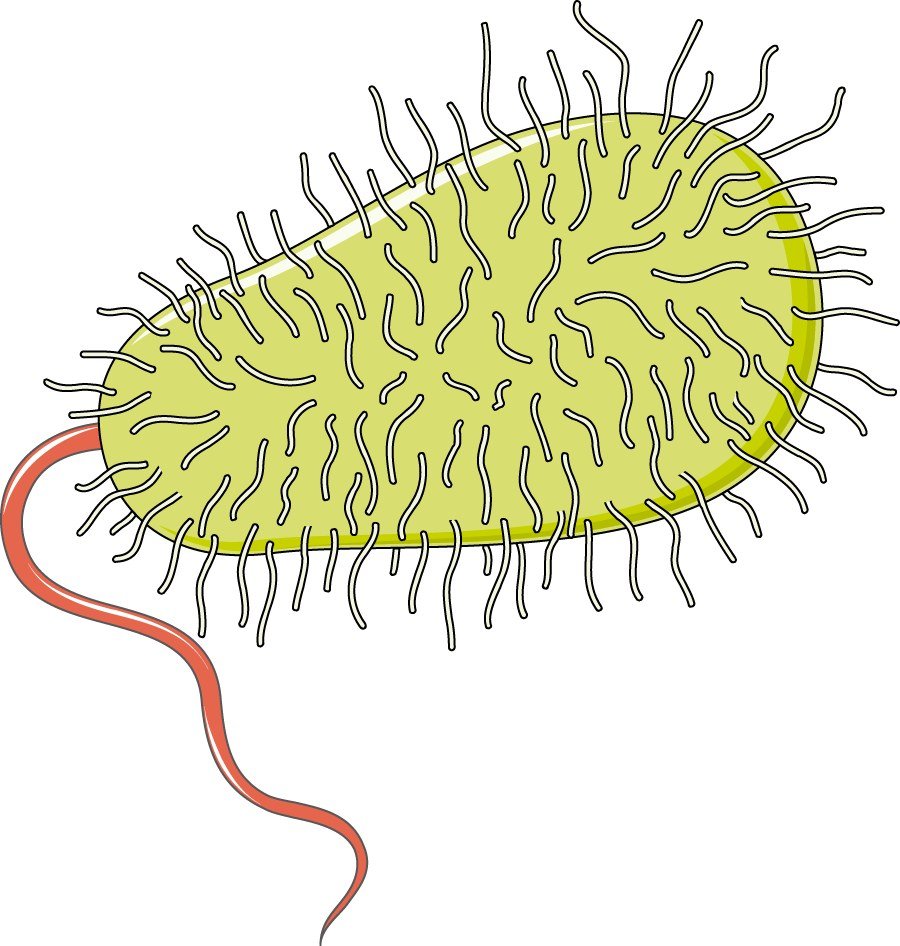
A spinal infection, also known as vertebral osteomyelitis, is a serious condition characterized by the presence of bacteria, fungi, or other microorganisms in the spinal structures, such as the vertebrae, intervertebral discs, or surrounding soft tissues. This infection can cause severe pain, inflammation, and damage to the spine. If not promptly treated, spinal infections can lead to abscess formation, neurological deficits, or even paralysis.
Spinal infections can develop from direct bacterial or fungal invasion due to spinal surgeries, injections, or injuries. In most cases, however, the infection spreads to the spine through the bloodstream from other infected parts of the body, such as the urinary tract or lungs. Common risk factors include a weakened immune system, chronic illnesses like diabetes, intravenous drug use, and poor postoperative hygiene.
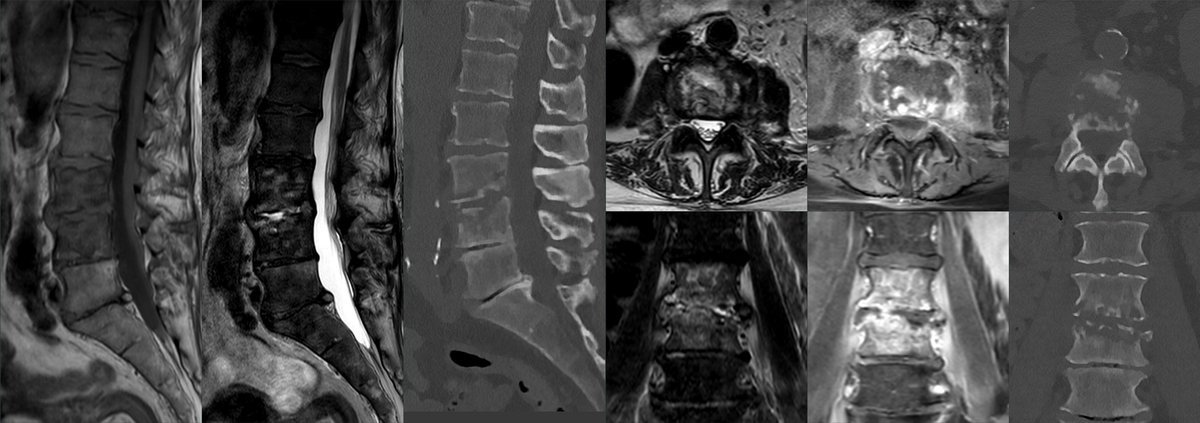
Typical symptoms include severe back or neck pain that worsens with movement, fever, chills, and localized swelling or redness. Neurological symptoms such as numbness, tingling, or muscle weakness may indicate nerve compression. In advanced cases, patients may experience loss of bladder or bowel control, which requires immediate medical intervention.
Treatment options for spinal infections include prolonged courses of antibiotics or antifungal medications to eliminate the underlying infection. Pain management and immobilization of the spine may be recommended to prevent further damage. In severe cases, surgical intervention is necessary to drain abscesses, debride infected tissues, or stabilize the spine. Early diagnosis and treatment are crucial to prevent permanent damage.
Still deciding, and that is completely normal for a question this serious. Message us on WhatsApp with your MRI or X-ray, no obligation, and get a real answer about your specific case instead of a general one.
Send your MRI on WhatsAppMost patients treated early do not become paralysed. Weakness happens when pus or swollen bone presses on the spinal cord, and that pressure can often be relieved. The warning signs are new weakness in the legs, numbness, or trouble controlling urine or stool. If any of these start, go to hospital the same day.
Tuberculosis of the spine, called Pott's disease, is common in Pakistan and is one of the first things we check for. It usually causes slow back pain over weeks or months, along with fever, night sweats, and weight loss. It is diagnosed with MRI and often a small tissue sample, then treated with anti-TB medicine.
No. Most spine infections are cured with medicine alone. The medicine is taken for many months, often a year or more for spinal TB, and stopping early is the most common reason the infection returns. Surgery is added only for a large abscess, bone that has collapsed, or nerve compression causing weakness.
It depends on whether you need medicine only or medicine plus surgery, how long you stay admitted, and which tests are needed. MRI, blood tests, and a biopsy are usually the first costs. Ask the hospital for a written quote in PKR before you decide, and ask what is not included in it.
Many families try this first, and it is understandable. Massage will not clear an infection, and strong pressing on an infected spine can make things worse. Fever with back pain, pain that wakes you at night, or pain that is getting worse week by week needs an MRI. Bring your reports and we will look at them.
Ask about your own scan. Send your MRI or X-ray on WhatsApp and get a straight answer on whether surgery is needed at all.
Dr. M. Abdur Rehman is a consultant neurosurgeon in Faisalabad. Send your scan on WhatsApp and ask what it actually shows.