
WhatsApp +92 370 7607107Call
Mujahid Hospital, Madina Town, Susan Road, Faisalabad: 4:00 PM to 7:00 PM
IDC, 563-B, Satiana Road, Faisalabad: 8:00 PM to 9:00 PM
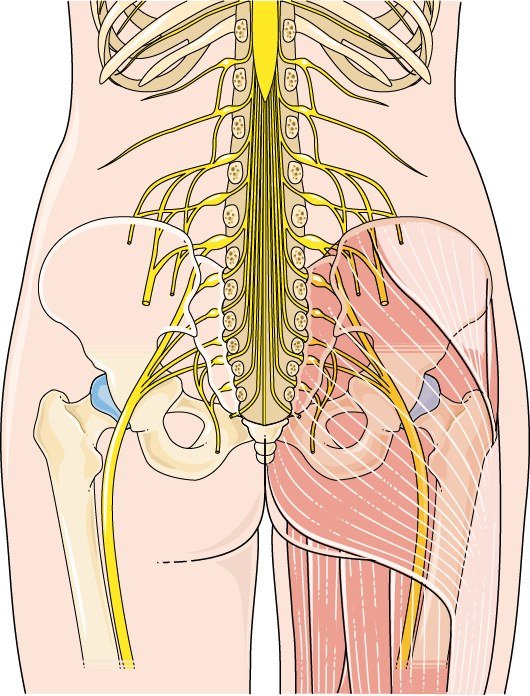
 Spine Conditions
Most sciatica settles without surgery. Taang mein dard from a pinched sciatic nerve usually improves over six to twelve weeks with medicine, physiotherapy and gentle movement. Surgery is considered only when leg pain persists despite proper treatment, or when weakness or bladder problems appear. An MRI review with a consultant neurosurgeon shows which group you are in.
Sciatica is a condition characterized by pain radiating along the path of the sciatic nerve, which extends from the lower back, through the hips, and down each leg. It typically affects one side of the body and can range from mild discomfort to severe, sharp pain. Sciatica is often caused by compression or irritation of the sciatic nerve, leading to symptoms that may worsen with prolonged sitting, sudden movements, or physical activity.
The most common causes of sciatica include a herniated disc, spinal stenosis, degenerative disc disease, or bone spurs that compress the sciatic nerve. Additional risk factors include obesity, a sedentary lifestyle, diabetes, and occupations that require heavy lifting or long periods of sitting.
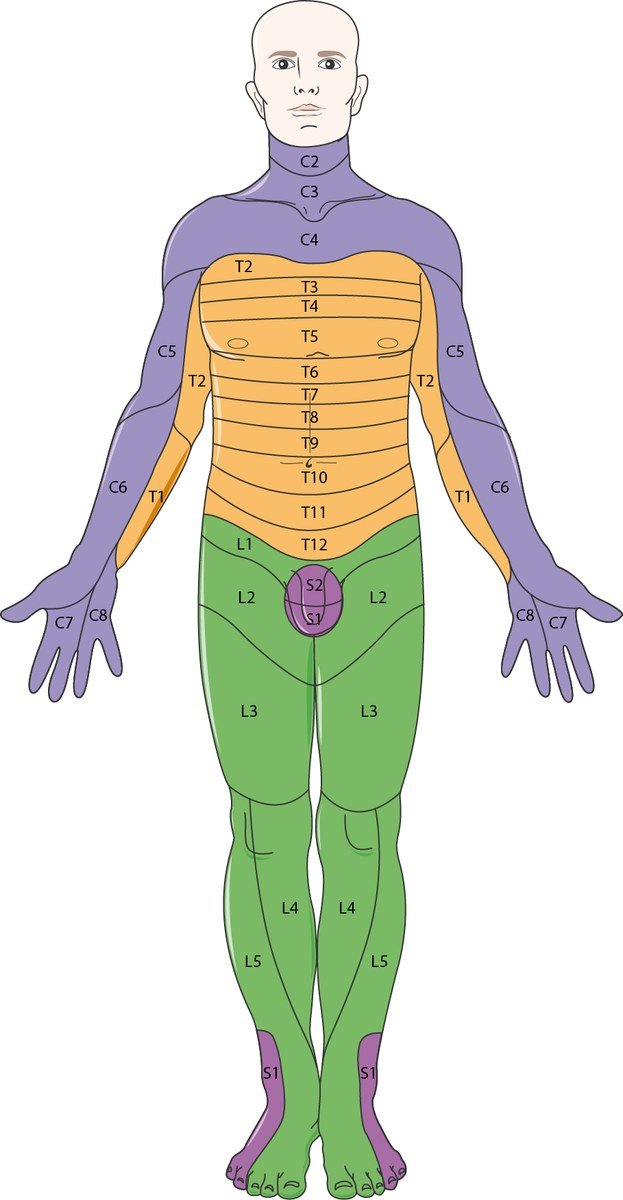
Sciatica symptoms include sharp pain, burning sensations, or numbness that radiates from the lower back to the buttocks and down the leg. Some people experience muscle weakness, tingling sensations, or a loss of reflexes in the affected leg. In severe cases, sciatica may cause difficulties in walking, standing, or maintaining balance.
Treatment options for sciatica include rest, physical therapy, pain medications, and anti-inflammatory drugs to reduce nerve inflammation. Epidural steroid injections may provide temporary relief in more severe cases. Surgery, such as microdiscectomy, may be recommended if conservative treatments fail to alleviate the pain or if there is significant nerve compression.
Still deciding, and that is completely normal for a question this serious. Message us on WhatsApp with your MRI or X-ray, no obligation, and get a real answer about your specific case instead of a general one.
Send your MRI on WhatsAppAlmost never. Ordinary sciatica is a nerve being pressed, not a nerve dying, and pain alone does not mean paralysis is coming. The warning signs are different: a foot that drags, a leg that keeps getting weaker, numbness around the private parts, or trouble passing urine. Those need same-day hospital assessment, not waiting.
Most patients do not. The majority improve with medicines, physiotherapy and staying active, even when the MRI shows a slip disc. Surgery is discussed when severe leg pain has not settled after several weeks of proper treatment, or when there is real muscle weakness. An MRI on its own is never the reason to operate.
It depends on whether you need medicines and physiotherapy only, an injection, or surgery, and the gap between them in PKR is large. Ask for a written quote before you decide anything, itemised for surgeon fee, hospital stay, implants if any, and anaesthesia. A written quote also helps the family agree on one number instead of guessing.
It is what most families try first, and for simple back pain it often does no harm. But forceful malish or bone-setting on a leg that is already numb or weak can make things worse. If taang mein dard has lasted more than a few weeks, or any weakness has started, get the leg examined first.
Bring the actual MRI films or CD, not only the report, plus any X-rays, previous prescriptions and a list of your medicines. Tell us if you are diabetic or on blood thinners. Many patients come from Jhang, Sargodha, Toba Tek Singh and Chiniot, so try to plan one visit that covers examination and discussion together.
Ask about your own scan. Send your MRI or X-ray on WhatsApp and get a straight answer on whether surgery is needed at all.
Dr. M. Abdur Rehman is a consultant neurosurgeon in Faisalabad. Send your scan on WhatsApp and ask what it actually shows.