
For sciatica caused by a proven disc herniation, microdiscectomy works well: published trials show most well selected patients get major relief of leg pain, often within days. It is less reliable for back pain alone, and numbness or weakness recovers more slowly. Success depends far more on choosing the right patient than on the technique.
What does the research actually say about microdiscectomy?
Two large trials sit behind almost every honest answer to this question. One was run across several centres in the United States, the other in the Netherlands. Both took patients with sciatica from a disc herniation and compared surgery against continuing with medicines, physiotherapy and time.
The findings were consistent, and they are not what a marketing page would tell you. Surgery relieved leg pain faster and more reliably in the first months. But a large share of the patients who did not have surgery also got better on their own. By one to two years the two groups had moved closer together, partly because many people in the non-surgical group eventually chose surgery when their pain did not settle.
So the fair summary is this: for a well selected patient, microdiscectomy buys speed and certainty. It shortens months of suffering. It is not the only road to recovery for everyone.
One more finding matters more than any percentage. Leg pain responds much better than back pain. Patients who go into surgery expecting their kamar dard to disappear are the ones most likely to feel let down, even when the operation went perfectly and the nerve was fully freed.
Series published from Pakistani hospitals in local medical journals report outcomes broadly in line with these international results. The operation behaves the same way here as it does anywhere else.
Is microdiscectomy dangerous? Will I be paralysed?
Paralysis after a routine lumbar microdiscectomy is very rare. This is the fear that stops most families in Pakistan from even asking about surgery, so it deserves a proper answer rather than a reassuring sentence.
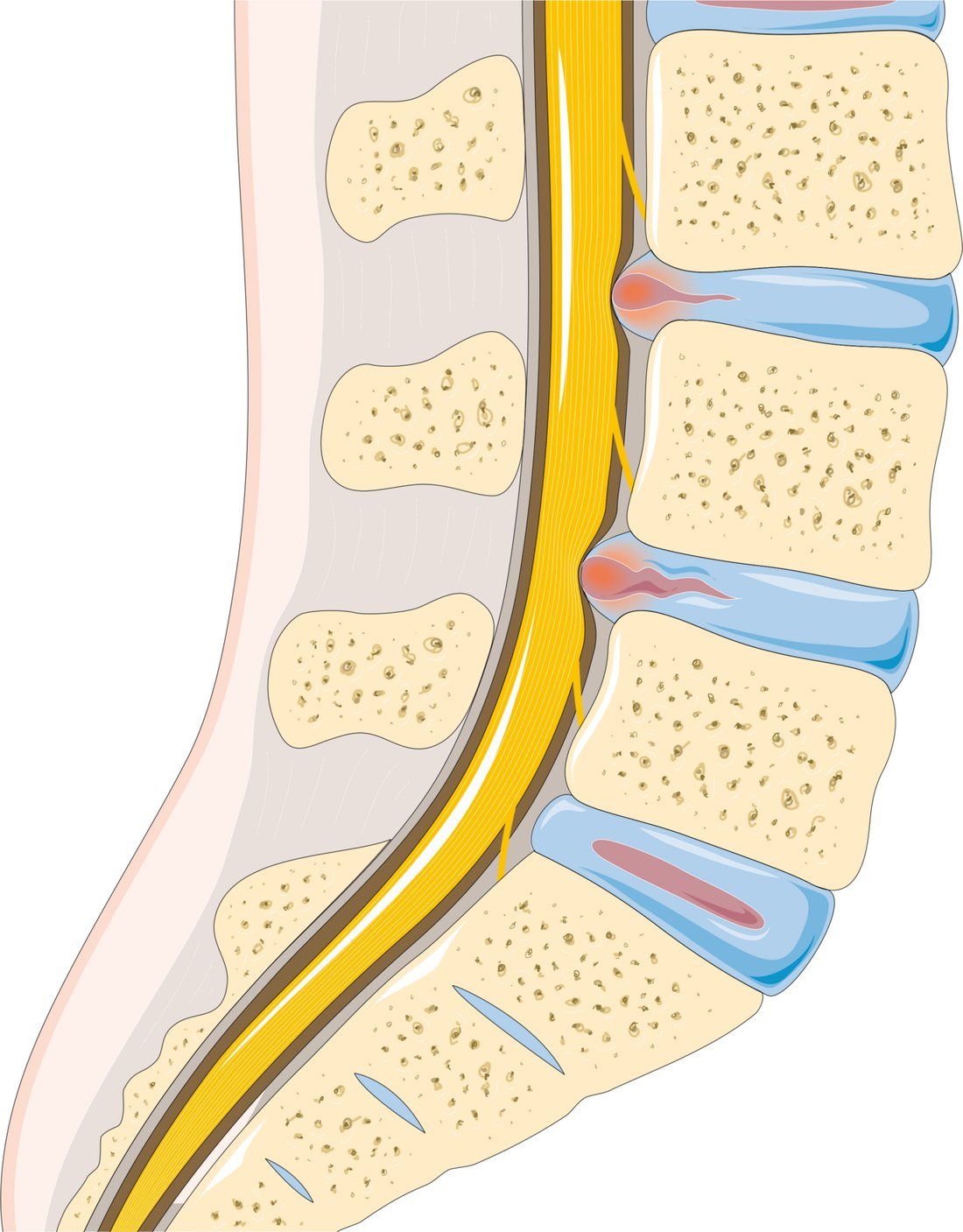
Here is the anatomy that matters. The spinal cord itself ends high up, around the level of the lower ribs. Below that, in the lower back where almost all disc surgery happens, there is no spinal cord to injure. What runs through that space is a loose bundle of individual nerve roots floating in fluid, called the cauda equina. Nerve roots move aside. That is a fundamentally more forgiving structure to work around than the cord, and it is the main reason lumbar disc surgery has the safety record it does.
The risks that are real:
- A small tear in the thin membrane covering the nerves. This is the commonest complication, usually repaired during the same operation, sometimes meaning a day or two lying flat.
- Wound infection. Uncommon, treatable, more likely in poorly controlled diabetes.
- Injury or irritation of a nerve root, which can leave numbness or weakness. Uncommon.
- The disc herniating again later.
- Ordinary anaesthetic risk, which your anaesthetist will assess separately.
There is a risk on the other side too, and it is discussed far less often. Waiting has its own cost. If you have numbness around the saddle area, difficulty passing urine, loss of control of urine or stool, or weakness that is getting worse week by week, that is not a wait and watch situation. Go to a hospital emergency the same day. Delayed cauda equina compression is one of the few ways a slip disc genuinely does cause lasting damage.
Why will no surgeon give you a real success rate?
Because in Pakistan there is no national spine registry. No independent body tracks what happened to every patient a given surgeon operated on. That means any surgeon who quotes you a personal figure, ninety five percent, ninety nine percent, is quoting a memory, not a verified record.
Even in published research, "success" is defined differently from study to study. Some count a drop in a leg pain score. Some count a disability questionnaire. Some count whether the patient says they would have the surgery again. Some count return to work. The same group of patients can produce very different looking numbers depending on which bar you use.
Many people also end up searching things like brain tumour surgery success rate in Pakistan while trying to judge a neurosurgeon. That is a completely different operation with completely different stakes. Do not transfer those numbers, in either direction, onto a disc operation.
Ask a better question instead. Not "what is your success rate", but: in a patient like me, with this MRI and these exact symptoms, what is the realistic chance my leg pain goes, and what is the realistic chance my back pain stays? A surgeon who answers that question specifically, and mentions what will not improve, is telling you more about their judgement than any percentage could.
Why do some patients not get better after the operation?
When a microdiscectomy fails, the technical part of the surgery is usually not the reason. The commonest reason is that the operation was done on the wrong problem.
The MRI did not match the symptoms
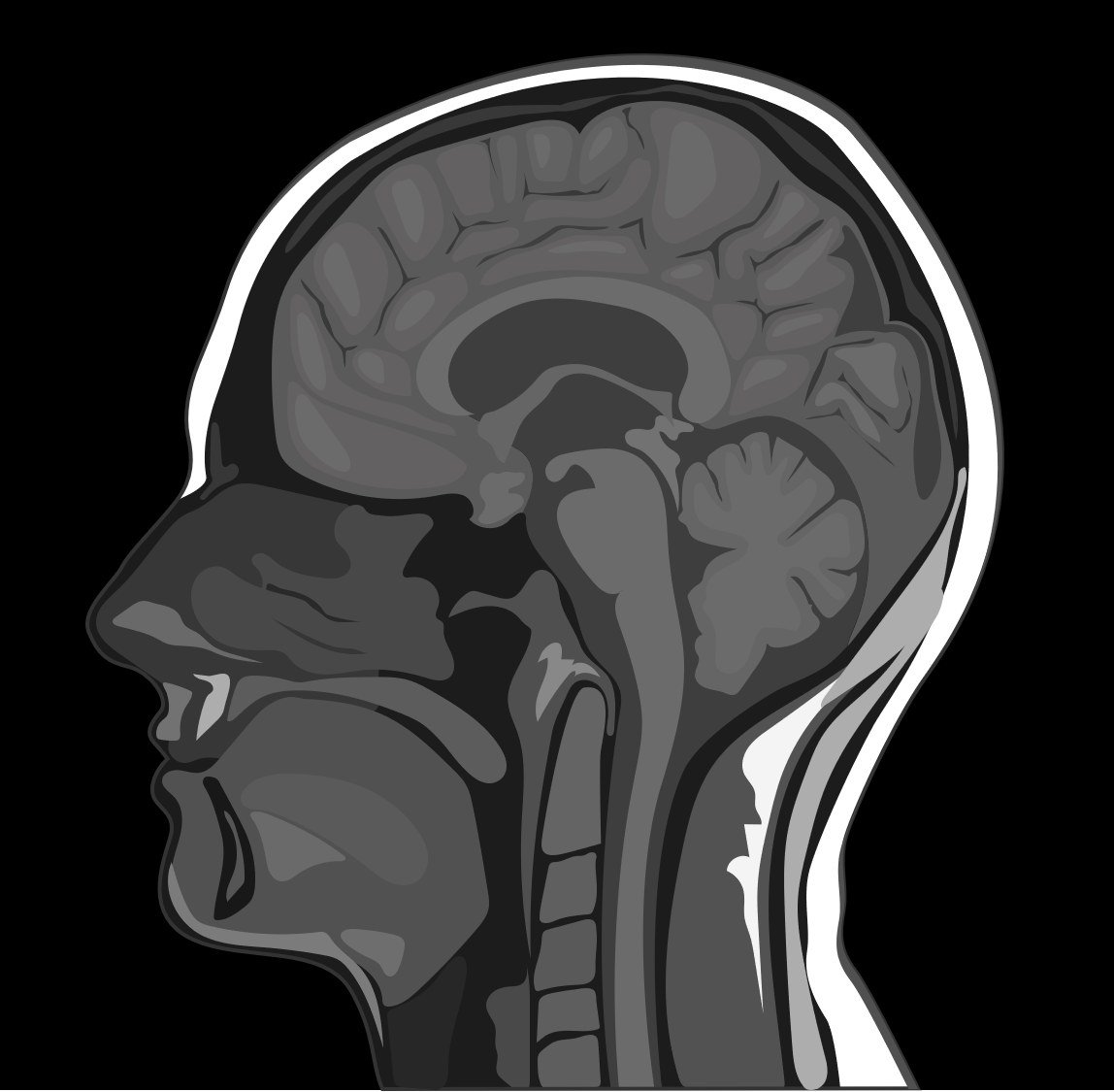
Disc bulges are extremely common on MRI scans of people who have no pain whatsoever. Finding a bulge does not prove it is the cause of your pain. If the level of the bulge does not line up with where your pain, numbness and weakness actually are, removing that disc will not fix anything.
The nerve was compressed for too long
Pain relief is usually quick. Numbness and weakness are slower and less certain. A foot drop that has been present for many months may not come back fully, even after the pressure is completely removed. This is worth knowing beforehand so it is not experienced as a failure afterwards.
Something else was also going on
Hip arthritis, diabetic nerve damage, or pain coming from the facet joints and muscles can all imitate sciatica or sit alongside it. Uncontrolled diabetes in particular slows nerve recovery.
What happened after surgery
Smoking, going straight back to heavy lifting, skipping physiotherapy, and untreated anxiety or depression all measurably worsen outcomes. A disc herniation can also recur, which happens to a small minority of patients, most often within the first year or two.
Do I even need surgery, or should I wait?
Most back pain is not surgical. Most sciatica is not surgical either. This is the single most useful sentence on this page.
The majority of disc herniations settle by themselves over about six to twelve weeks. The body reabsorbs part of the fragment and the inflammation around the nerve dies down. Painkillers, nerve pain medicines, staying gently active rather than lying in bed, and proper physiotherapy are the correct first treatment for most people.
Many families in Punjab try a hakeem, malish or cupping first. Massage can ease muscle spasm and it can genuinely feel good for a few hours. What it cannot do is move a disc fragment off a nerve. The harm is not the massage itself, it is the months lost while weakness quietly gets worse. Forceful manipulation of the back when a nerve is already compressed is worth avoiding.
Surgery starts to make sense when:
- Severe leg pain has not settled after roughly six weeks of proper, supervised treatment.
- The MRI finding clearly matches the leg where you feel the pain.
- Muscle weakness is present and progressing.
- There are cauda equina red flags, which is an emergency and does not wait six weeks.
If your MRI shows a disc but your pain is only in your back, with nothing running down the leg, be cautious. That is the patient group least likely to be satisfied afterwards.
What is the difference between microdiscectomy and endoscopic discectomy?
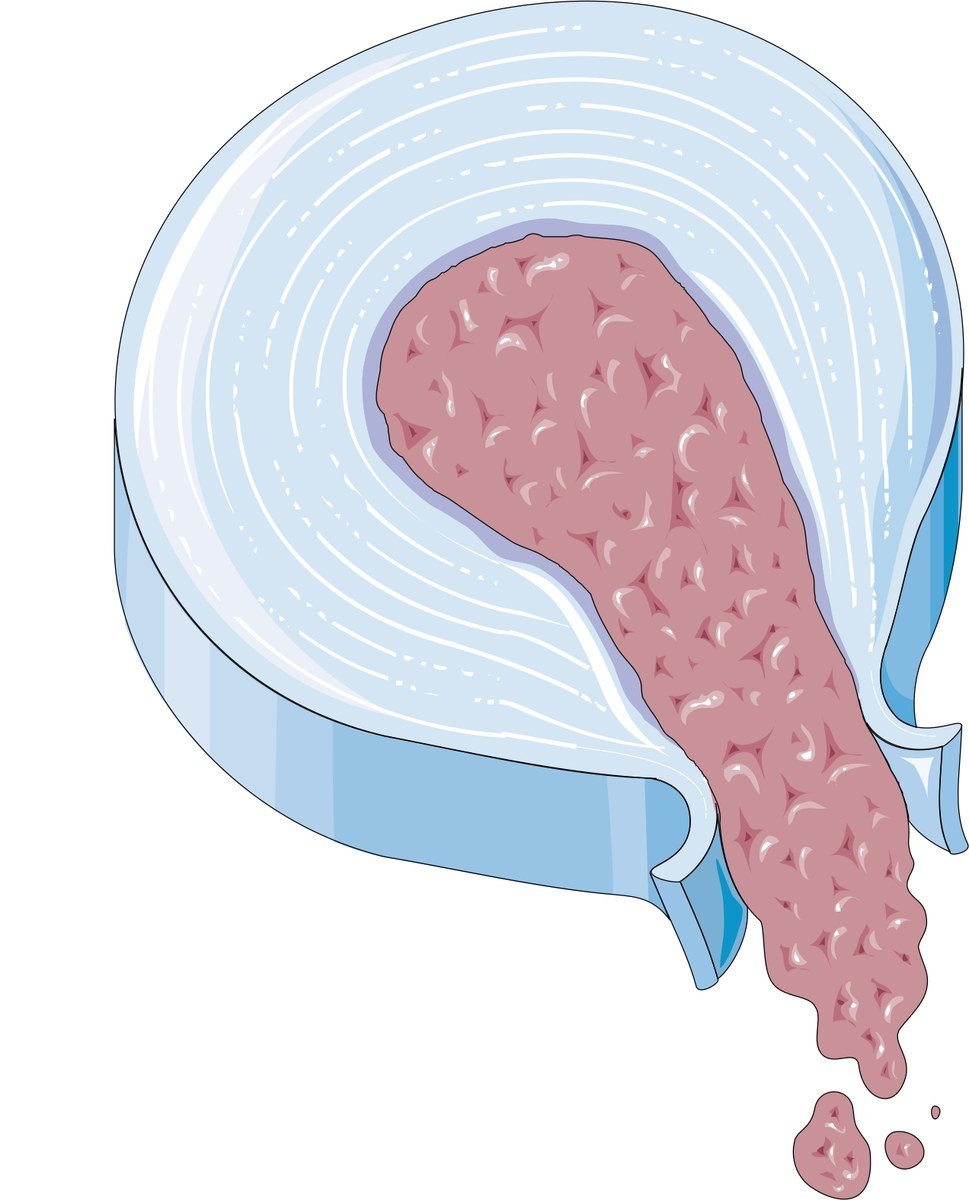
The goal is identical in both: remove the fragment of disc that is pressing on the nerve root and leave the rest of the spine alone. Neither operation removes the whole disc. Neither one uses screws or implants.
In a microdiscectomy, the surgeon makes a small incision, moves the back muscle aside, and works under an operating microscope through that window. It is the technique most spine surgeons worldwide were trained on, and it is what the large outcome trials studied.
In an endoscopic discectomy, a tube roughly the width of a pen is passed down to the disc and a camera is placed inside it. The muscle is dilated apart rather than stripped off the bone. Bleeding is minimal, the wound is much smaller, and most patients go home the same day or the next morning.
What the comparison studies show is that leg pain relief and complication rates are broadly similar between the two. Endoscopic surgery has the advantage in the early weeks: less wound pain, less muscle damage, quicker return to normal movement. By six months to a year, the results of the two approaches converge.
Endoscopic access does not suit every case. Fragments that have migrated far from the disc space, heavily calcified discs, significant instability, and scarring from previous surgery can all make an open microdiscectomy the safer and better choice. Any surgeon who tells you one technique is right for every patient is selling a technique rather than treating a spine.
What does recovery actually look like?
Most patients notice the leg pain is different as soon as they wake up. That change can be dramatic, and it is often the moment families realise the nerve really was the problem. What replaces it is soreness in the back around the incision, which is normal and settles over one to two weeks.
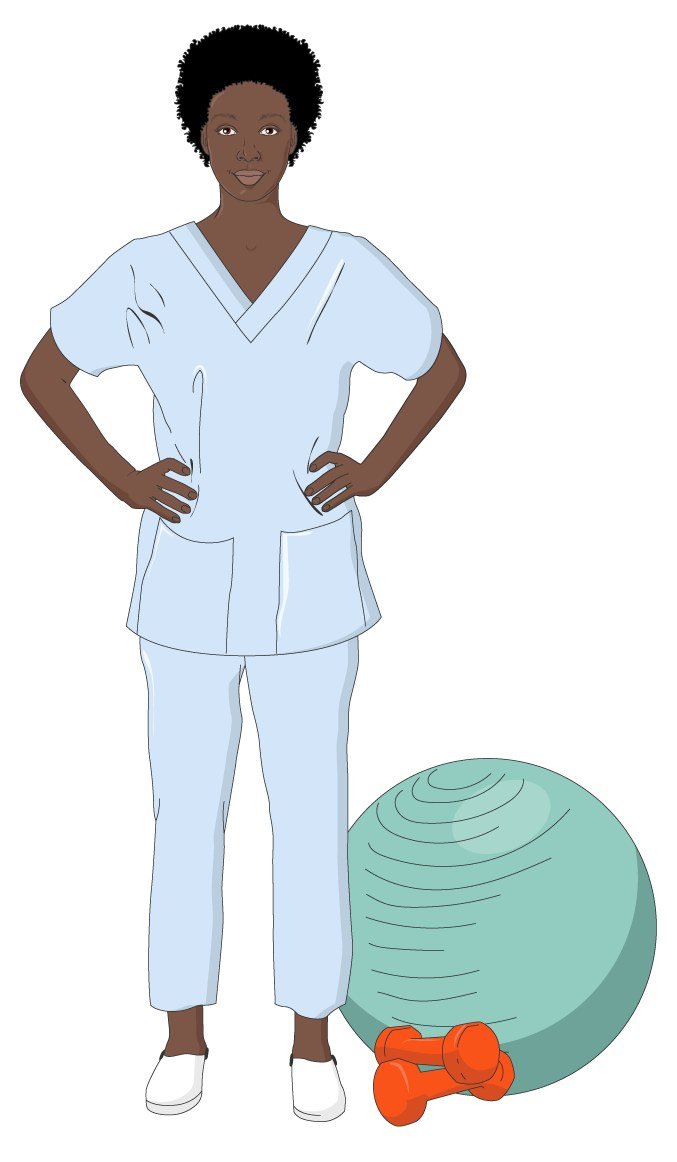
Roughly what to expect:
- Day of surgery: walking to the bathroom, usually the same day.
- Week 1 to 2: short walks several times daily, no bending, lifting or twisting. Wound check and stitch removal.
- Week 2 to 6: desk work and light duties for most people. Structured physiotherapy begins, focused on core and hip strength.
- Week 6 to 12: gradual return to heavier work and driving longer distances, guided by your surgeon.
Numbness follows its own timetable. A patch of tingling or reduced sensation in the foot can take many months to improve, and sometimes a small area never returns to normal. That is a nerve that was squeezed for a long time, not a sign the operation went wrong.
You cannot fully control whether a disc herniates again, but stopping smoking, keeping weight down, staying strong through the hips and core, and learning to lift with your legs all shift the odds in your favour.
What does it cost in Faisalabad, and what should the quote include?
Costs in PKR vary a great deal between a government teaching hospital, a trust hospital and a private hospital, and between Faisalabad and Lahore. Anyone who quotes you a single national figure is guessing. Ask for a written, itemised quote before you agree to a date.
Make sure the written quote lists:
- Surgeon's fee and anaesthetist's fee, separately.
- Operation theatre charge and the equipment or endoscope charge.
- Room type and the per night rate, plus what an extra night costs if you need one.
- Pre-operative MRI, X-rays and blood tests, if not already done.
- Medicines and dressings.
- How many follow-up visits are included, and whether physiotherapy is included.
A straightforward microdiscectomy or endoscopic discectomy does not normally require screws, cages or any implant. If implants appear on your quote, ask specifically why your case needs fusion, and consider a second opinion before agreeing. This one question saves families a great deal of money.
If you have a Sehat Card or an employer panel, ask the hospital admissions office in writing what is covered and what is not, before admission rather than after. Families travelling in from Jhang, Chiniot, Sargodha or Toba Tek Singh should also ask how many days they realistically need to stay near the hospital, so accommodation is planned rather than improvised.
How do I choose a surgeon and what should I do next?
Bring the person who will actually make the decision with you. In most Pakistani families that is a father, an elder brother or a husband, and a consultation where the decision maker was not in the room usually turns into a second consultation anyway.
Take to the appointment:
- Your MRI films and the written report, not only the CD.
- A list of every medicine you have tried and for how long.
- Exactly how long the leg pain has lasted and whether it is improving or worsening.
- Any weakness, foot drop, numbness in the saddle area, or bladder problems.
Ask directly: Do I need surgery now, or can I safely wait six more weeks? What happens if I wait? Is my particular disc suitable for endoscopic surgery, and if not, why not? What will my back pain be like afterwards? What will not improve?
A surgeon who tells you plainly that you do not need an operation is giving you the most valuable answer available. Taking a second opinion is completely normal and no competent surgeon is offended by it.
If you are searching for the best endoscopic spine surgeon in Faisalabad, judge the answer by how carefully your MRI is matched to your actual symptoms and by how honestly the limits of surgery are explained to you, not by the size of the claim. To have your scans reviewed, you can arrange a consultation with Dr. M. Abdur Rehman, consultant neurosurgeon, at Mujahid Hospital, Faisalabad. Bring your films with you.
Microdiscectomy in Faisalabad Read the full page on microdiscectomy in faisalabad, including who it suits, what recovery looks like and how to arrange a review.
Questions patients ask about this
Is microdiscectomy worth it?
If your leg pain is severe, coming from a disc pressing a nerve, and has not settled after six weeks of proper treatment, most patients say yes. It relieves sciatica faster than waiting. If your main problem is kamar dard with a normal looking nerve, the answer is usually no.
Is microdiscectomy dangerous?
It is one of the more predictable spine operations, but no surgery is risk free. The commonest problem is a small tear in the covering of the nerves, usually repaired during the operation. Infection and nerve injury are uncommon. Paralysis after a routine lumbar microdiscectomy is very rare.
How does the endoscopic discectomy success rate compare with microdiscectomy?
Randomised trials and pooled reviews show broadly similar leg pain relief and similar complication rates for both. Endoscopic discectomy generally means a smaller wound, less muscle disruption and a quicker first two weeks. Long term, the results come together. The bigger question is which one suits your particular disc.
Can the disc come back after surgery?
Yes, in a small minority. The surgeon removes the loose fragment pressing on the nerve, not the whole disc, so the remaining disc can herniate again, most often in the first year or two. Not smoking, controlling weight and avoiding early heavy lifting reduce the risk. Repeat surgery is possible.
My MRI says slip disc. Do I need an operation?
Not usually. Disc bulges show up on the MRIs of many people who have no pain at all. Surgery is considered when the MRI finding matches your symptoms, your leg pain is severe and not settling, or you have progressive weakness or bladder trouble. Otherwise, treat and wait.
Related articles
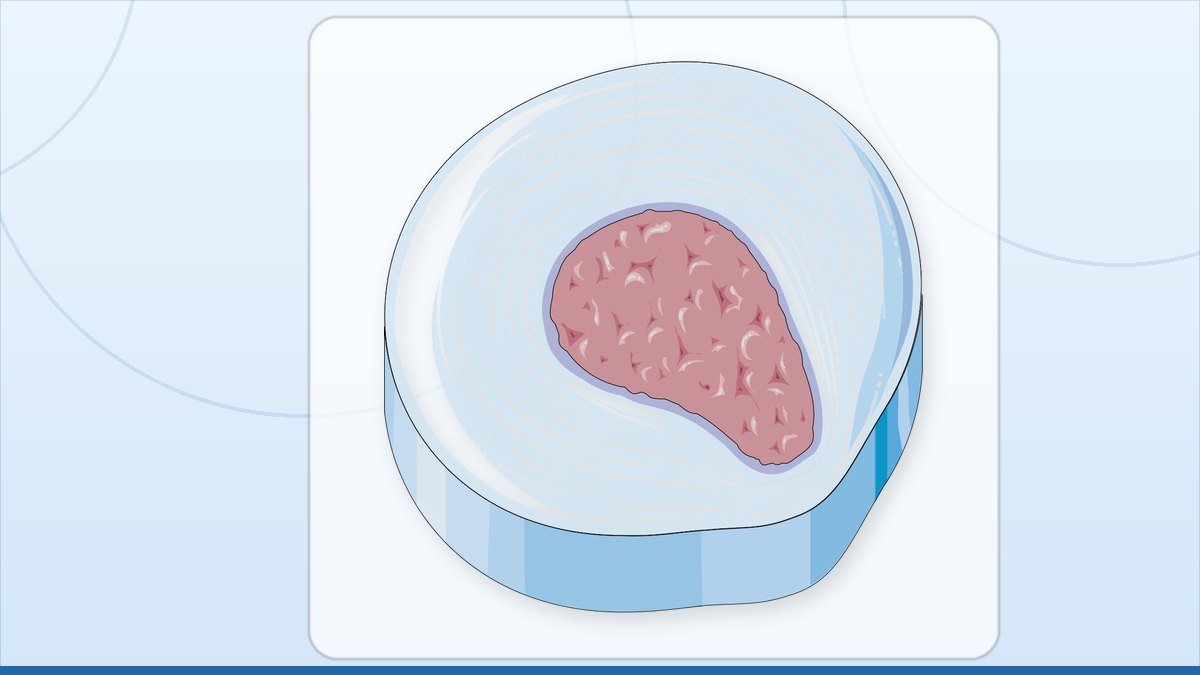
Disc surgery or wait: when conservative treatment is the better call
Most slip discs improve without an operation. A Faisalabad neurosurgeon explains slip disc treatment without…
Read this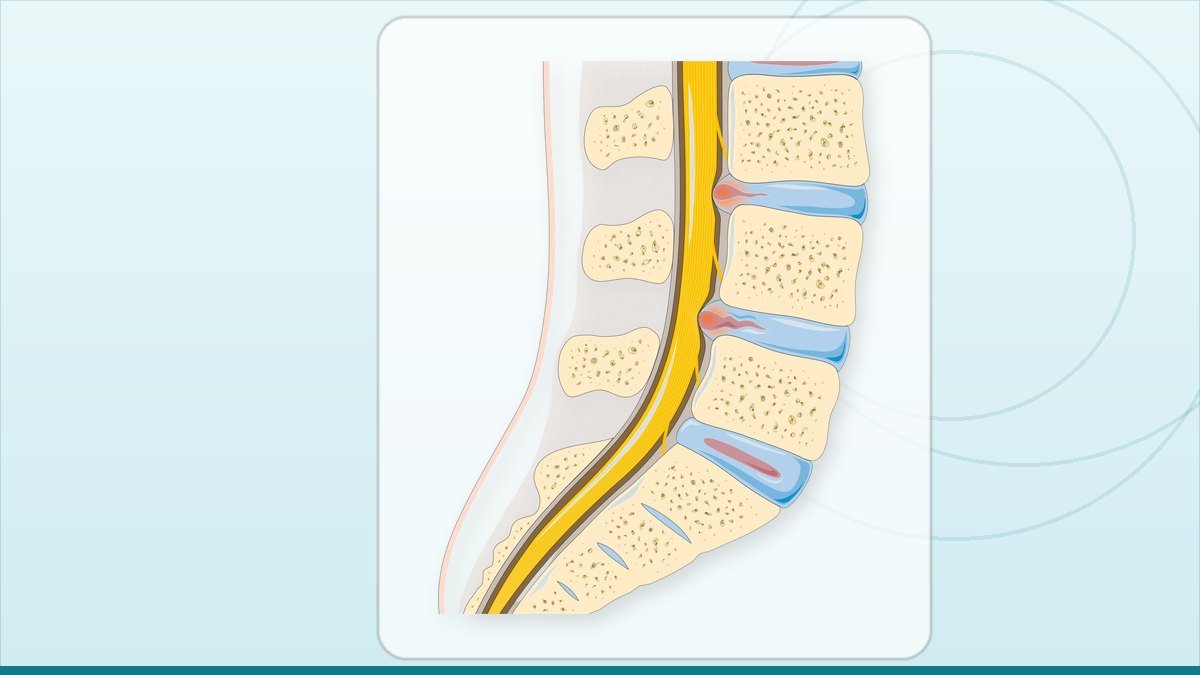
Life after disc surgery: lifting, gym, namaz and long drives
Life after disc surgery: when you can pray on the floor, lift, drive and return to the gym. Honest recovery…
Read this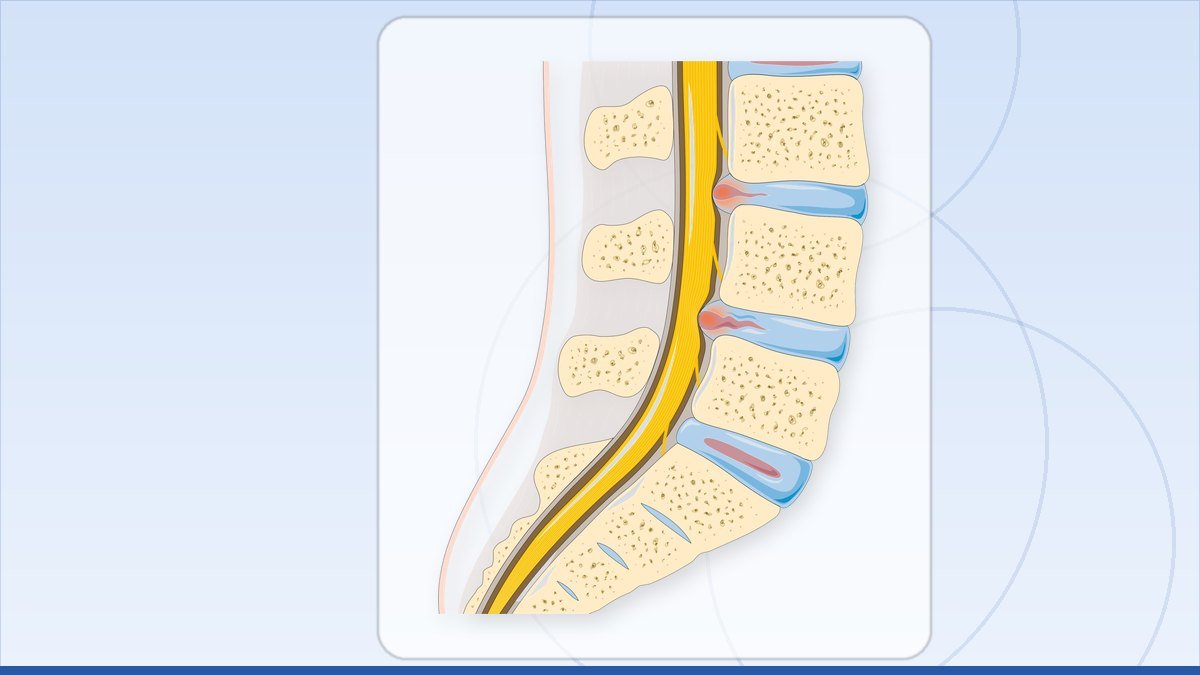
Revision disc surgery: what changes the second time
Revision discectomy in plain words: why a second disc surgery is needed, what scar tissue changes, safety,…
Read thisAll patient questions · Spine surgery in Faisalabad · Book an appointment
Ask about your own scan. Send your MRI or X-ray on WhatsApp and get a straight answer on whether surgery is needed at all, from a consultant neurosurgeon in Faisalabad.
Dr. M. Abdur Rehman is a consultant neurosurgeon in Faisalabad. Send your scan on WhatsApp and ask what it actually shows.
Published for the practice of Dr. M. Abdur Rehman, consultant neurosurgeon, Mujahid Hospital, Faisalabad. General information only, not a substitute for examination.