
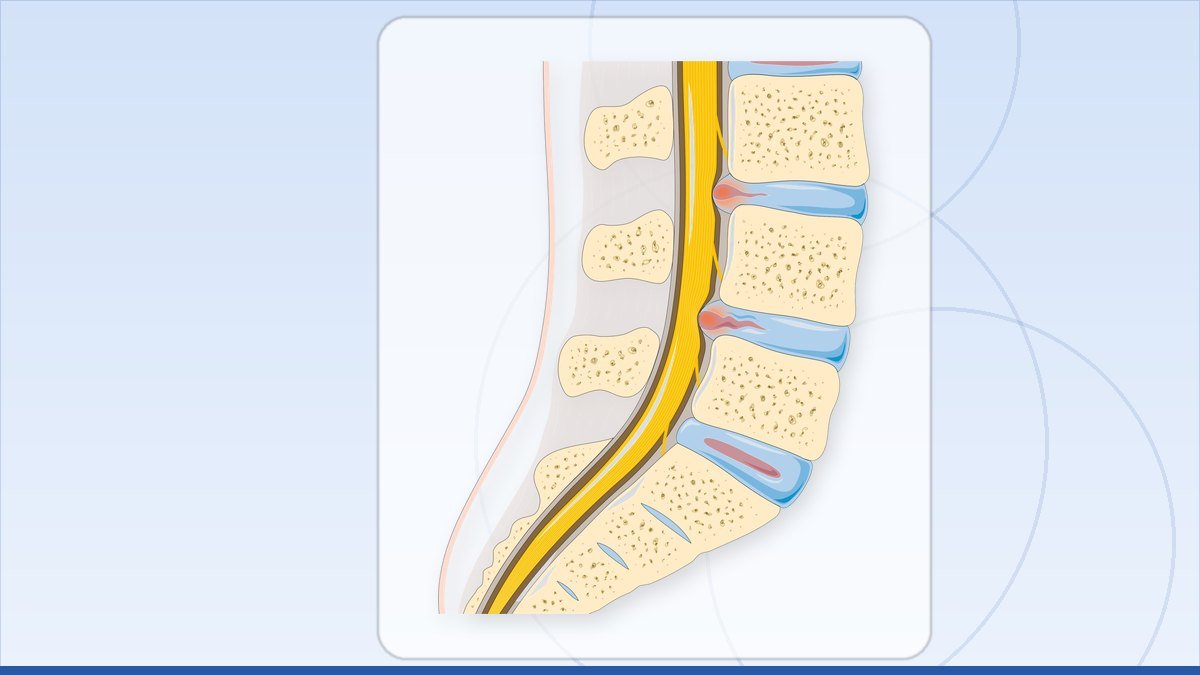
Revision disc surgery is a second operation on a disc that was already treated. What changes is the tissue. Scar from the first surgery replaces the clean planes a surgeon works in, so the operation is slower and needs more care. Results are usually good, but a little less predictable than the first time.
What is revision disc surgery, and why would I need a second one?
Revision disc surgery means operating again on a disc level that has already been operated. It is done when the leg pain comes back, or never fully went, and a scan shows something still pressing the nerve.
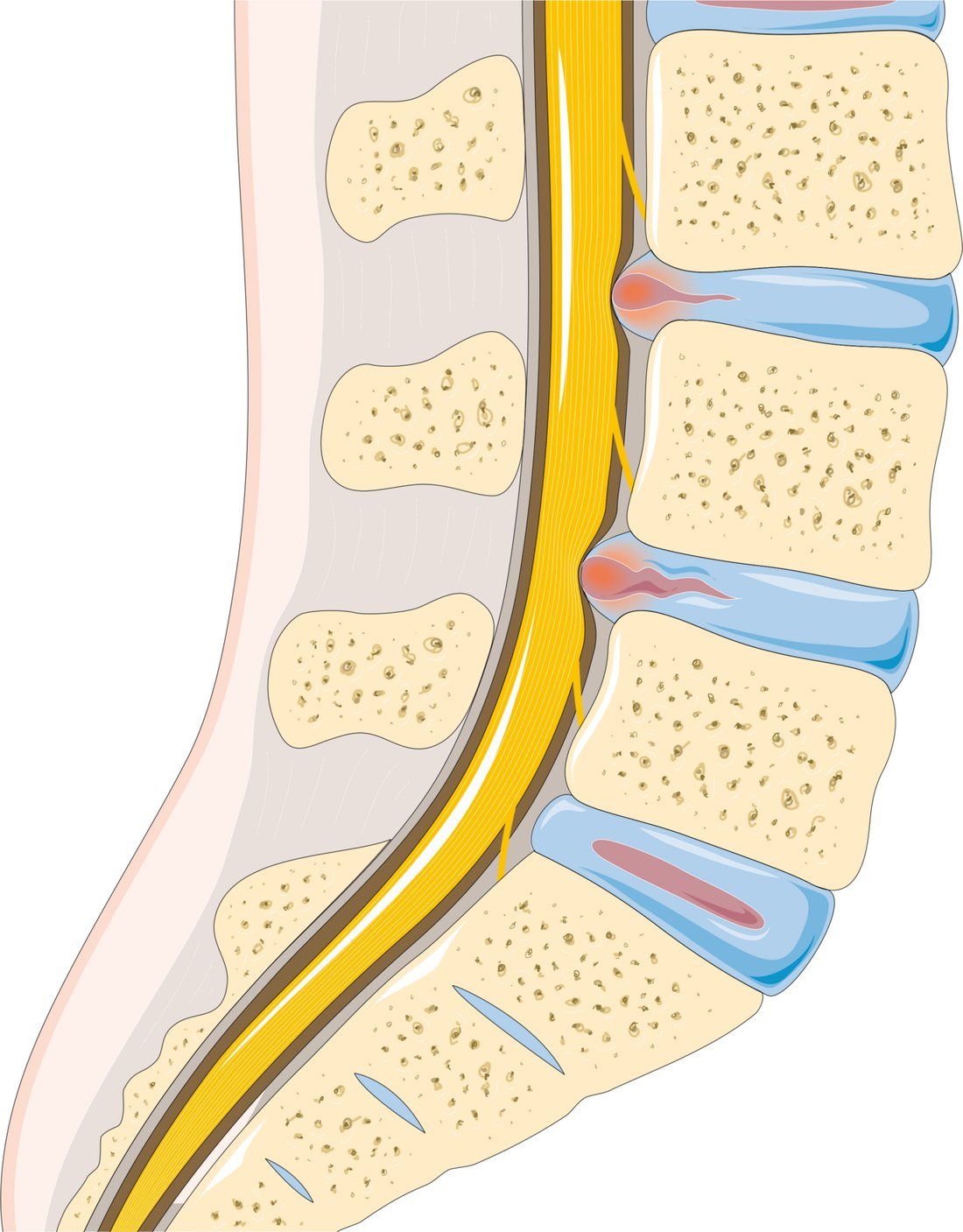
There are a few honest reasons this happens. The most common is a recurrent herniation: the same disc pushes out another fragment at the same place. A discectomy, whether endoscopic or with a microscope, removes the piece squeezing the nerve. It does not remove the whole disc, and it cannot make the disc new again. What is left can give way a second time, most often in the first year or two.
The second reason is scar tissue, called epidural fibrosis. The body heals by laying down scar around the nerve root. In most people this causes no trouble. In some, the scar tethers the nerve and the old taang mein dard returns.
The third reason is that the first operation was done at the wrong level, or a fragment was left behind, or a different level has since herniated. And sometimes the disc space has collapsed and the joint has become unstable, which is a different problem needing a different answer.
These four situations look similar to the patient. They are treated very differently. That is why the first job is not surgery. It is finding out which one you have.
Is a second disc surgery safe, or could it paralyse me?
Paralysis from lumbar disc surgery is very rare, in first operations and in revisions. The spinal cord ends around the top of the lower back, above where slip disc surgery is usually done. Below that point there are individual nerve roots, not cord, and they are more forgiving.
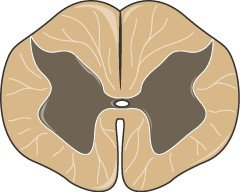
This is the fear almost every family in Punjab brings into the room, and it deserves a straight answer rather than reassurance. A revision is technically harder than a first operation. The real risks that go up are these: a tear in the covering of the nerves, called a dural tear, which can leak spinal fluid; more handling of the nerve root, which can leave numbness or a burning feeling for weeks; and a longer operation. Infection risk is small but not zero.
Most of these are managed and settle. A dural tear found during surgery is usually repaired at the time. Temporary numbness in the foot or a patch of the leg is common after any nerve is freed from scar and it usually improves.
What is not honest is a surgeon promising you zero risk on a second operation. What is fair to ask for is a clear list: what can go wrong, how often it happens in that surgeon's hands, and what happens if it does.
If you already have weakness in the foot, loss of control of urine or stool, or numbness around the private area, that is not a wait and watch situation. Go to a hospital the same day.
Do I actually need another operation?
Often, no. A large share of people who come back with pain after disc surgery do not need a second one. Pain returning is not the same as the disc returning.
Ask yourself which pain you have. Pure kamar dard, back pain across the waist, worse after sitting or standing long, better when you lie down, with no shooting pain below the knee, is usually not a surgical problem. That is muscle, joint and posture pain and it responds to physiotherapy, a walking routine, weight control and time. Operating on it tends to disappoint.
Surgery is worth discussing when the pain runs down the leg past the knee in a clear line, when it matches what the MRI shows at the same level and side, and when it has not settled with six to eight weeks of proper non-surgical treatment. Weakness or worsening numbness moves that timeline forward.
Before any of this, be careful with what has already been tried. Many patients spend months on maalish, hakeem preparations and manipulation by an untrained person. Massage on a recently operated back can be uncomfortable and, in the wrong hands, harmful. Unlabelled painkiller powders often contain steroids that damage the stomach and raise sugar. If the first surgery has not healed the way it should, the honest next step is a scan and a review, not more manipulation.
What does scar tissue actually change during the operation?
In a first operation the surgeon works through tissue that has never been disturbed. There are natural planes between muscle, fat, the covering of the nerve and the disc. The nerve root can be lifted gently aside and the disc fragment taken out.
In a revision those planes are gone. Scar sticks the nerve root to the bone and to the covering underneath. It does not have a clean edge. Cutting blindly through it is how nerves get injured.
So the technique changes. The surgeon starts wide, in tissue that was never operated, and works inward toward the scar from a direction where normal anatomy is still recognisable. A small amount of extra bone is often removed to find a safe starting point. The nerve is identified first, then followed. Everything is slower and more deliberate.
Two practical consequences follow. The operation usually takes longer than the first one did. And the surgeon may make a slightly different approach than last time, for example coming in from the side rather than straight down the old track, precisely to avoid the scar.
There is no way to remove all scar tissue, and trying to do so creates more. The goal is to free the nerve enough that it moves and is no longer compressed, not to make the area look like it did before.
Can a revision be done endoscopically, and how is that different from microdiscectomy?
Yes, many revisions can be done endoscopically, and in some situations the endoscope has a real advantage in scarred tissue. Whether it suits your case depends on your MRI, not on preference.
Endoscopic lumbar discectomy, sometimes searched as spine endoscopy or keyhole disc surgery, uses a tube about the width of a pen. A camera and light go down that tube, the surgeon watches a screen, and the instruments work through the same channel. Muscle is spread rather than cut. Continuous saline irrigation keeps the field clear.
Microdiscectomy uses a small open cut with an operating microscope. The muscle is lifted off the bone, a small window of bone is removed, and the surgeon looks directly into the wound. It has been done for decades and it works well.
The differences that matter to you:
- Access route. The endoscope can often be brought in through the side, through tissue that was never operated, reaching the disc without crossing the old scar. That is the main technical argument for using it in a revision.
- Muscle damage. Less with the endoscope, which usually means less back soreness in the first weeks.
- Anaesthesia. Endoscopic surgery can sometimes be done under local anaesthesia with sedation, which matters for elderly patients or those with heart and lung disease.
- Space to work. The microscope gives a wider view. For a large migrated fragment, heavy central compression, or when instability may need addressing, an open approach can be the better choice.
Both remove the same thing from the same place. Neither is universally better. A surgeon who offers only one technique will recommend that one for everything, which is a reason to ask what the alternative would be and why it was ruled out.
What tests are needed before a revision?
An MRI with contrast is the key test. This is the single most important difference from your first workup. Ask specifically for it.
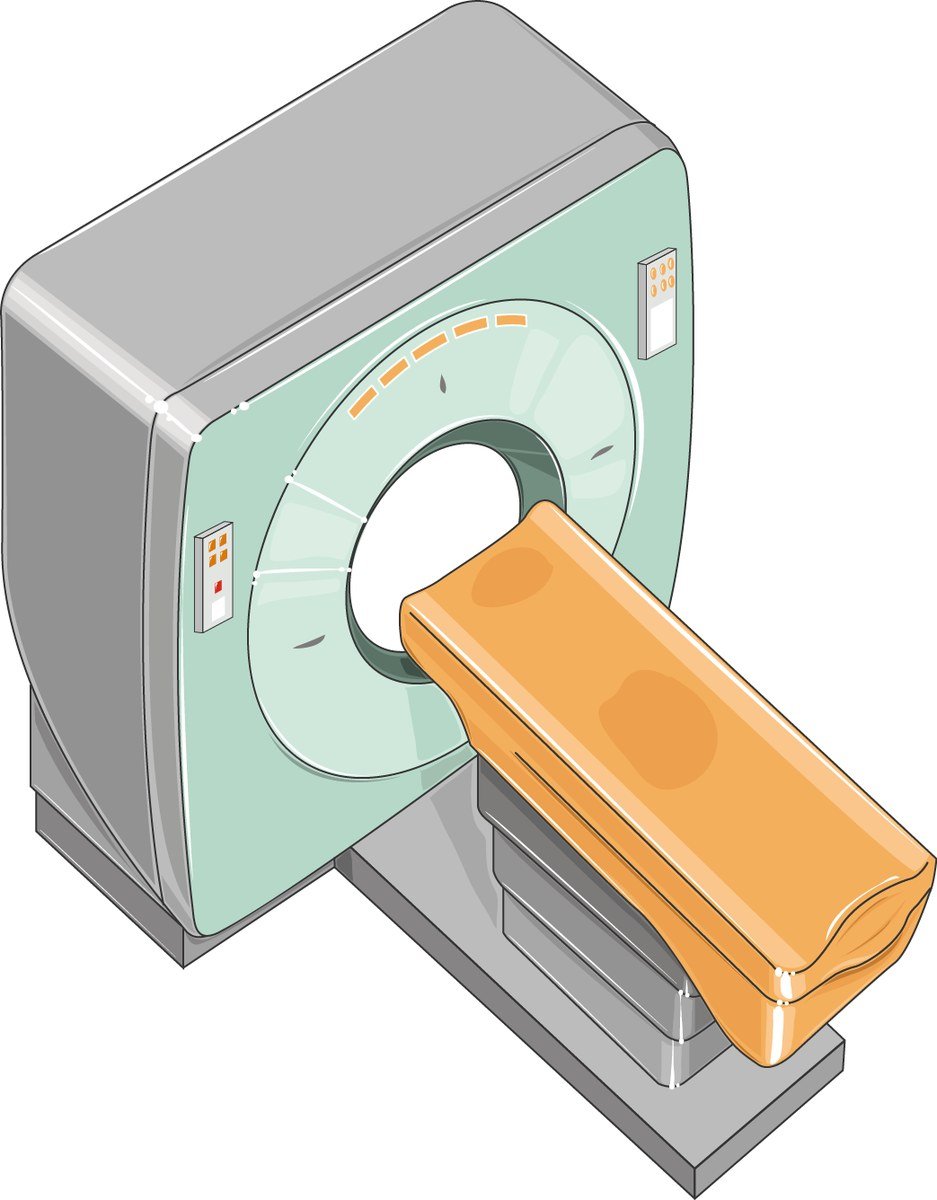
On a plain MRI, scar tissue and a fresh disc fragment can look similar. Contrast, injected into a vein, separates them. Scar has a blood supply and lights up. A disc fragment does not. That distinction decides everything, because a recurrent disc fragment is worth operating on and scar alone usually is not. Operating on scar to remove scar rarely helps and often creates more.
Alongside it, expect standing X-rays with bending forward and backward. These show whether the segment has become loose after the first surgery. If it has, a discectomy alone will not solve the problem and fusion enters the discussion.
A CT scan is sometimes added to see bone detail and how much bone was removed the first time. Blood tests and, if infection is suspected, ESR and CRP may be checked. Bring your old operation notes, old MRI films and the discharge summary. What was done last time changes what is safe this time.
How long is recovery after revision disc surgery?
Most people walk the same day and go home within a day or two. Full recovery takes longer than after a first operation, generally a few weeks to a few months, because the nerve has been compressed and handled twice.
A realistic picture: the sharp shooting leg pain often improves immediately or within days, and that is usually the first thing patients notice. Back soreness at the site lasts one to three weeks. Numbness, tingling or a burning line down the leg can persist for weeks or months as the nerve recovers, and it improves slowly rather than suddenly. Desk work is often possible in two to four weeks. Heavy physical work, driving a rickshaw or loading, needs six to twelve weeks and a clear go-ahead.
Two things affect the outcome more than most patients expect. The first is how long the nerve was compressed before surgery. A nerve squeezed for years recovers less completely than one squeezed for months, and some numbness may be permanent. The second is what you do afterwards: walking daily, a proper physiotherapy programme, not lifting from the waist, and stopping smoking, which measurably slows disc and bone healing.
Be clear with yourself about the goal. Revision surgery is aimed at the leg pain. It helps back pain much less reliably. If you go in expecting your kamar dard to vanish, you may be disappointed even by a technically successful operation.
What does revision disc surgery cost in Pakistan?
There is no single figure, and any clinic quoting one over the phone before seeing your MRI is guessing. Revision costs more than a first discectomy, because the operation takes longer and sometimes needs more equipment.
What actually drives the number in PKR:
- Whether it is a simple discectomy or a fusion with screws and cages. Implants are the largest single cost.
- Whether it is done endoscopically or with a microscope, and the theatre time used.
- Anaesthesia type and the anaesthetist's fee.
- Room category and the number of nights.
- MRI with contrast, X-rays and pre-anaesthesia tests, which are often quoted separately.
- Physiotherapy sessions afterwards.
Ask for a written quote. Ask what is included and, more usefully, what is not. Ask what happens to the bill if you stay an extra night or need an unplanned implant. Take that paper home to the family before deciding. If you have a government employee card, Sehat Card coverage or an employer panel, confirm in writing what portion is covered before admission, not after.
Compare quotes on what is inside them, not just the total. A low number that excludes implants, anaesthesia and scans is not a low number.
How do I choose who does the second operation?
The first operation is forgiving of an average surgeon. The second one is not. Scar tissue punishes hurry, and the decision of whether to operate at all is harder than the operating.
Practical things to ask at the consultation:
- Does my MRI show a recurrent disc fragment, or scar? Show me on the screen.
- Is my spine stable, or do I need a fusion rather than another discectomy?
- Which approach would you use, and why not the other one?
- What are the chances my leg pain improves? What about my back pain?
- What are the risks in my particular case, given what was already done?
- What happens if I wait three months and do physiotherapy first?
A surgeon who is comfortable saying "you do not need surgery yet" is worth more than one who books you immediately. Take a family member with you, because you will not remember everything said. Take your old films and operation notes.
If you are in Faisalabad or travelling from Jhang, Toba Tek Singh, Sargodha or Chiniot and searching for the best endoscopic spine surgeon in Faisalabad for a second opinion, Dr. M. Abdur Rehman, consultant neurosurgeon at Mujahid Hospital, Faisalabad, reviews MRI films and old operation records and will tell you plainly whether surgery is the right step or not. Bring everything from the first operation to that appointment.
Questions patients ask about this
Is a second disc surgery more dangerous than the first?
It is technically harder, not automatically dangerous. Scar tissue makes the nerve harder to free, so the risk of a dural tear or temporary nerve irritation rises somewhat. Serious complications remain uncommon in experienced hands. Paralysis from lumbar disc surgery is very rare, because the spinal cord ends above this level.
Can the same disc slip again after endoscopic discectomy?
Yes. Any discectomy, endoscopic or microscope based, removes the fragment pressing the nerve, not the whole disc. The remaining disc can herniate again, usually within the first year or two. It happens to a small minority of patients. Heavy lifting too early and smoking both raise the chance, and both are worth avoiding.
What are the chances a revision discectomy works?
Most patients get real relief of taang mein dard, the leg pain, though results are generally a little less reliable than after a first operation. Back pain responds less predictably than leg pain in both situations. Ask your surgeon what they expect in your case, and what they cannot promise.
Will I need a fusion instead of another discectomy?
Not always. Fusion is considered when the segment has become unstable, when the disc has collapsed and the joint is worn, or when this is a third or fourth operation at one level. A simple recurrent herniation with a stable spine usually does not need fusion. Bending X-rays help decide.
How soon can I travel home to another city after surgery?
Short car journeys of an hour or two are usually fine within a few days, with stops to stand and walk. Long road travel from Faisalabad to Karachi or Peshawar is better delayed by two to three weeks. Sit upright, avoid bumpy vehicles, and do not lift your own luggage.
Related articles
Slip disc: symptoms, causes and the treatment ladder
Slip disc treatment explained by a Faisalabad neurosurgeon: symptoms, causes, when rest and physio are…
Read this
Sciatica: why the leg hurts more than the back
Sciatica treatment explained by a Faisalabad neurosurgeon: why the leg hurts more than the back, what helps…
Read this
Spinal stenosis: the pain that eases when you sit
Spinal stenosis treatment explained for Pakistani patients: why sitting eases the pain, when surgery is…
Read thisAll patient questions · Spine surgery in Faisalabad · Book an appointment
Ask about your own scan. Send your MRI or X-ray on WhatsApp and get a straight answer on whether surgery is needed at all, from a consultant neurosurgeon in Faisalabad.
Dr. M. Abdur Rehman is a consultant neurosurgeon in Faisalabad. Send your scan on WhatsApp and ask what it actually shows.
Published for the practice of Dr. M. Abdur Rehman, consultant neurosurgeon, Mujahid Hospital, Faisalabad. General information only, not a substitute for examination.