
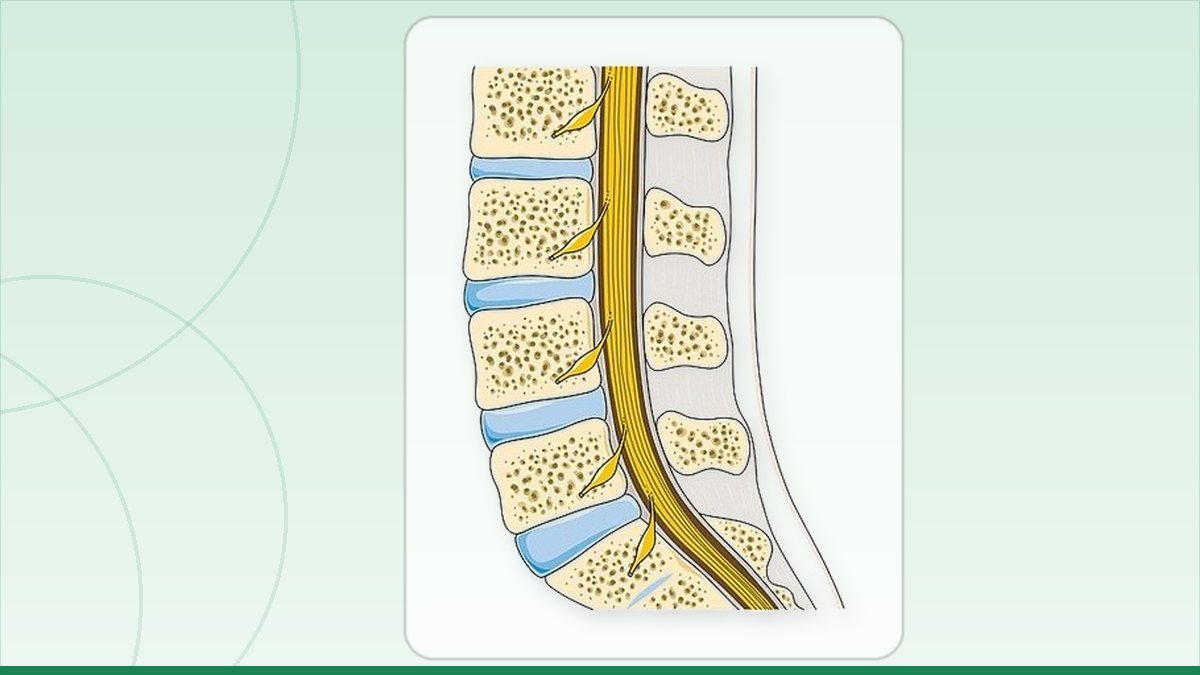
Spinal stenosis is narrowing of the spinal canal that squeezes the nerves to your legs. Standing and walking make the pain worse; sitting or bending forward opens the canal and eases it within minutes. Most people improve with medicine, physiotherapy and time. Surgery is for those whose walking distance keeps shrinking.
Why does the pain stop as soon as I sit down?
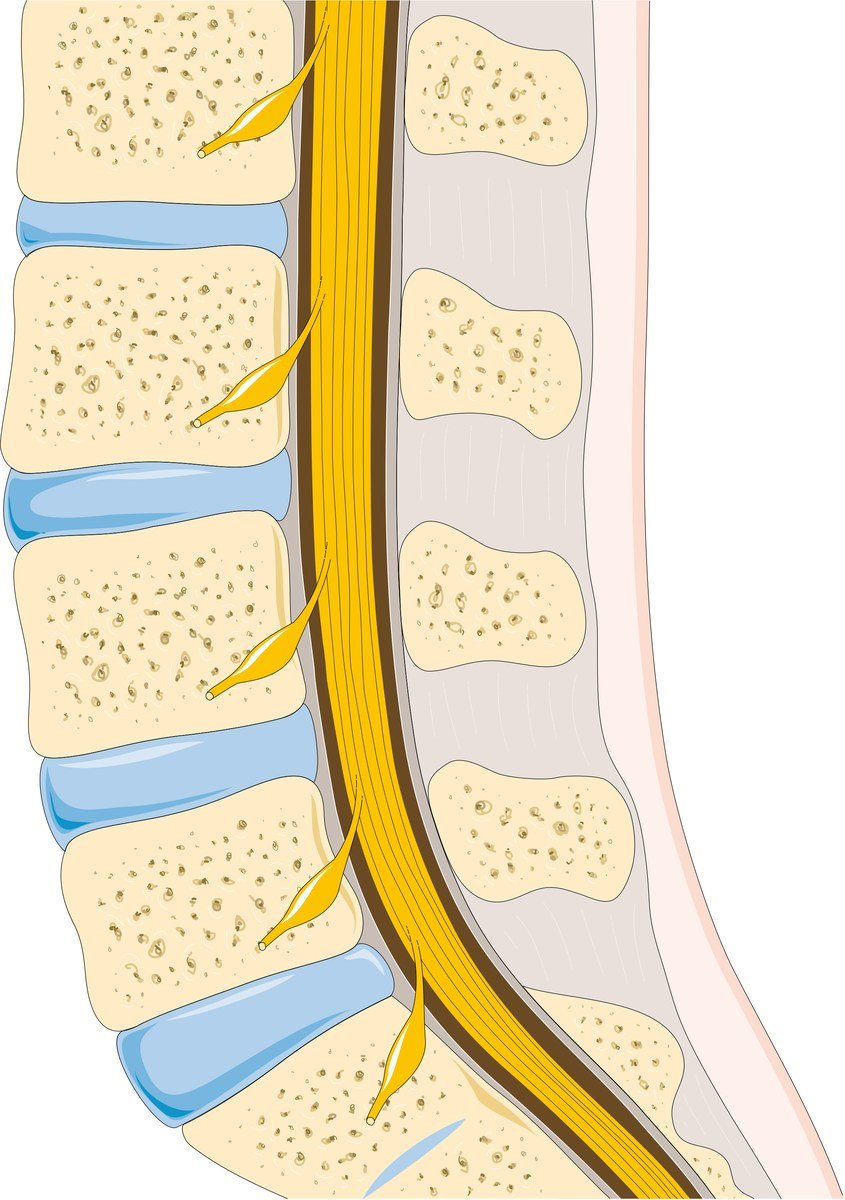
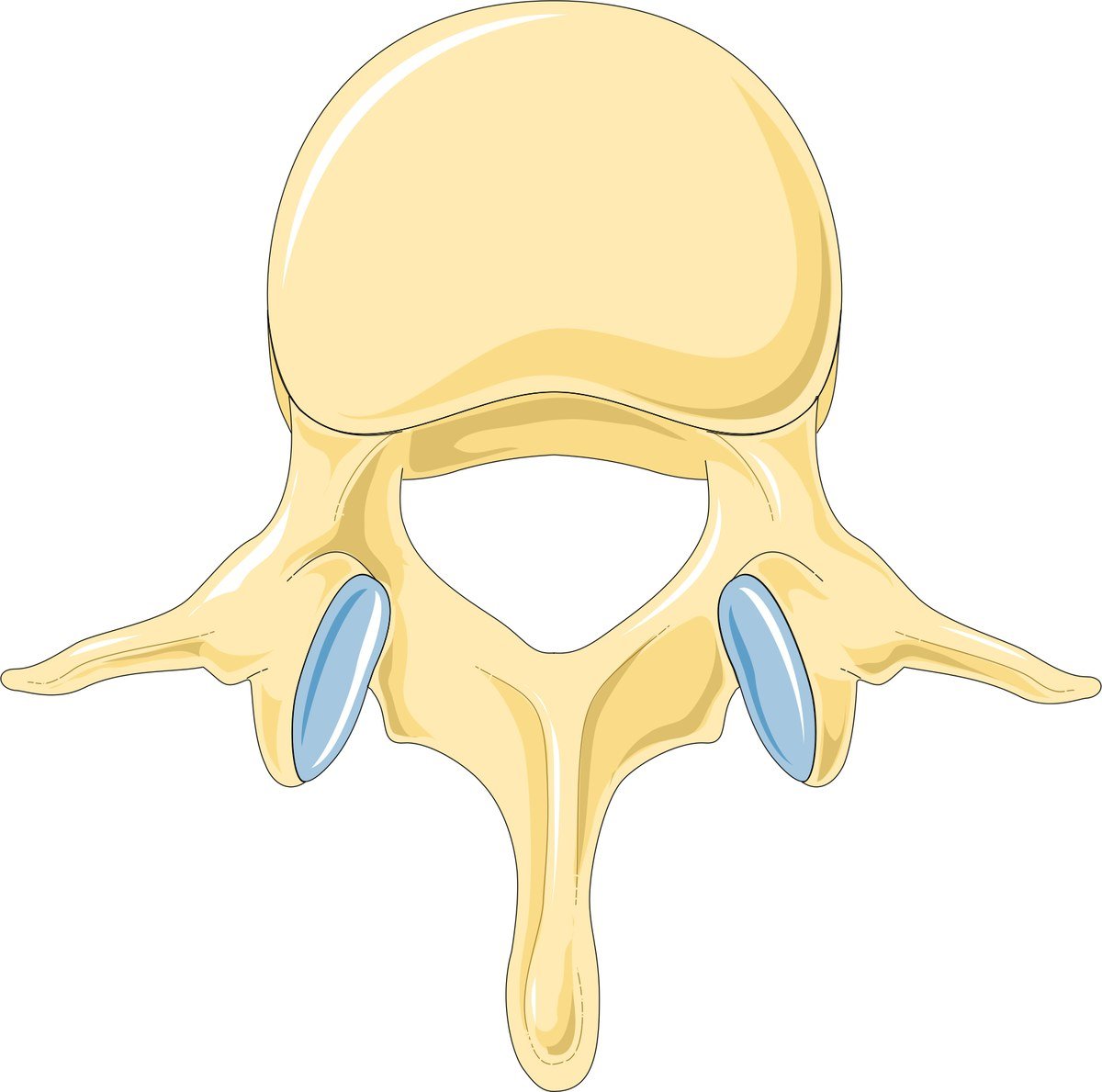
Because sitting opens the space your nerves pass through. In spinal stenosis the canal in your lower back has narrowed, usually after years of wear on the discs, the small joints and the ligaments. Standing upright closes that space further and pinches the nerve roots. Bending forward or sitting widens it again, and the burning in your legs drains away in a minute or two.
That is why the pattern is so recognisable. You can sit through a whole wedding without trouble. You can drive for an hour. But you cannot walk from the gate to the bazaar without stopping. Patients describe taang mein dard, heaviness, pins and needles, or legs that feel like they belong to someone else. The kamar dard is often the smaller complaint.
Doctors call this neurogenic claudication. It is worth separating from leg pain caused by poor blood supply, which is common in smokers and diabetics. With poor circulation, simply standing still is enough to settle the cramp. With stenosis, standing still does nothing. You have to sit down or bend forward.
Is stenosis surgery safe? Will I be paralysed?
Serious paralysis after surgery for lumbar stenosis is rare. The spinal cord itself ends high up, roughly at the level of your lowest ribs. Below that the canal carries a bundle of loose nerve roots, not cord, and those roots can be moved gently aside in a way the cord never could. That anatomy is the single biggest reason lower back surgery is safer than most families assume.
Rare does not mean impossible, and you deserve the honest list. There can be a tear in the lining around the nerves, infection, bleeding, a patch of lasting numbness, incomplete relief of symptoms, or narrowing that returns at the same or a neighbouring level years later. A small number of people need a second operation. Any surgeon who tells you the risk is zero is selling something.
Much of the fear in Punjab comes from stories of relatives who ended up in a wheelchair. When you ask carefully, those cases are usually very different: spinal TB, a tumour, an injury, or a cauda equina emergency that was left too long. Delay causes far more permanent weakness in this country than surgery does.
Go to hospital the same day if you cannot pass urine or start leaking it, if the area between your legs goes numb, or if a foot suddenly becomes weak and slaps the floor when you walk. That is not a clinic appointment. That is an emergency.
Do I actually need surgery, or can this be treated without an operation?
Most people with spinal stenosis never need an operation. Surgery is not the first step and it is almost never urgent, so you have time to try everything else properly before deciding.
What genuinely helps, and what is worth six to twelve weeks of honest effort:
- Physiotherapy with a therapist who understands stenosis. The goal is core strength and a slightly forward-leaning walking pattern, not stretching your back backwards.
- Losing weight if you are carrying extra. Every kilo increases the load through an already tight canal.
- Anti-inflammatory medicine for flares, and nerve pain medicines in some cases, both under supervision if you have kidney or stomach problems.
- Walking in short bouts. Stop just before the leg pain arrives, sit for two minutes, walk again. A stationary bike is often easier than walking because you lean forward.
- An epidural steroid injection. It can settle a bad flare and buy months of comfort. It does not widen the canal, and it is not a cure.
About the hakeem, the malish wala and the pehlwan who cracks backs. Gentle massage will not damage you and may ease the muscle spasm. Forceful twisting and standing on someone's back is a different matter, especially if a disc is already pressing on a nerve. The bigger harm is usually time. If you are losing power in a foot or leg, months of oil massage while the weakness deepens is the one mistake that can leave permanent damage.
Also be honest with yourself about which pain is bothering you. Decompression surgery is good at relieving leg symptoms and walking distance. It is much less reliable for pure back pain. If your problem is kamar dard alone with no leg symptoms, an operation is usually the wrong answer.
How far can you walk before you have to sit down?
This is the question that decides everything, far more than the MRI report. Before your appointment, measure it honestly: how many minutes, or which landmark, before the legs force you to stop.
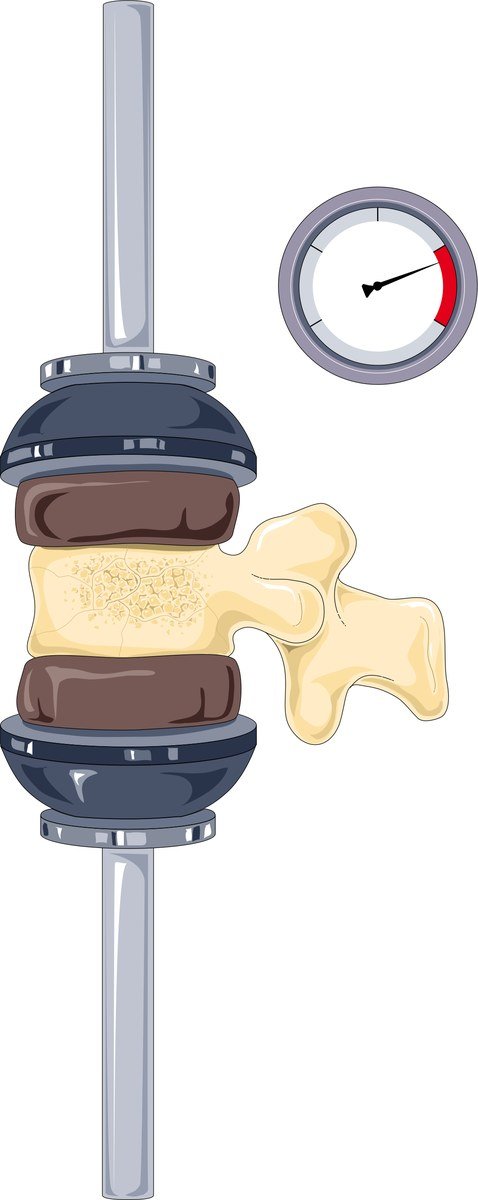
The clue we look for is the shopping trolley sign. If you can push a trolley around a store for half an hour but cannot walk the same distance empty-handed, that is stenosis behaving exactly as expected, because the trolley makes you lean forward. Patients report the same thing walking uphill, which is comfortable, while walking downhill is misery. Or being able to cycle for a long time while not managing a lap of the park.
Bring numbers to the consultation. Six months ago I could walk to the mosque and back. Now I stop twice on the way. That kind of trend, written down, tells a surgeon more than any single scan. When walking distance has shrunk below what your normal life needs, and physiotherapy and injections no longer hold it, surgery becomes a reasonable choice rather than a last resort.
What does the MRI show, and what does it not show?
An MRI shows the narrowing. It does not show how much that narrowing is bothering you. Plenty of people past sixty walk kilometres a day with a scan that looks alarming, and some people with modest narrowing can barely cross a room. The film is one piece of evidence, not the verdict.
Two things matter as much as the MRI. First, your examination: power in the legs and feet, reflexes, the areas that have gone numb, how your walking changes after a few minutes on your feet. Second, standing X-rays taken bending forward and backward. These reveal whether one vertebra is sliding on the one below it, and whether that slide moves. This is what separates a straightforward decompression from an operation that also needs screws.
Take your actual MRI images with you, not just the typed report, and take any films from previous years. Comparing an old scan with a new one is often more useful than either scan alone. If your report says a slip disc, ask the surgeon to point out on the screen exactly which nerve is being touched and by what. A surgeon who cannot show you should not be operating on you.
What are the treatment options for spinal stenosis and slip disc?
There are three main operations, and they are not interchangeable. Which one you need depends on what is pressing on the nerve and whether the spine is stable.
Decompression
Bone and thickened ligament are trimmed away to make room for the nerves. This is the standard operation for spinal stenosis. It can be done through an open incision, through a microscope, or endoscopically. Nothing is fused and no metal goes in, so the spine keeps its movement.
Endoscopic spine surgery
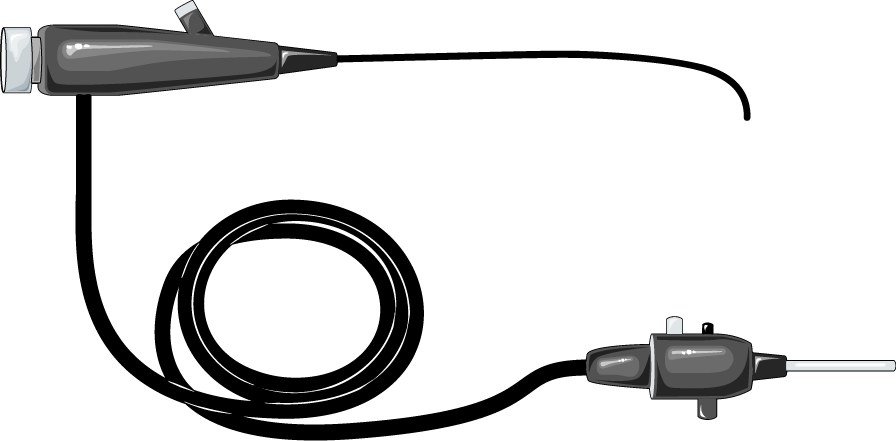
A camera the width of a pen is passed through an incision under a centimetre, and the decompression is done while the surgeon watches a screen. The back muscles are pushed apart rather than stripped off the bone, which is why blood loss is small and most patients walk the same day and go home within a day. It suits single-level and two-level stenosis, and disc herniations pressing a nerve root. It is not right for everyone, and a surgeon who offers it for every case is not choosing, he is selling.
Microdiscectomy
For a herniated disc, the piece that is pressing on the nerve is removed through a small incision with a microscope. This is a proven operation with a long track record, and for some disc positions it remains the better choice.
Fusion
Screws, rods and a cage are used when the spine is unstable, most often when one vertebra has slipped forward on another and moves on bending X-rays. Fusion is a bigger operation with a longer recovery and a much higher cost, so it should be recommended for a specific reason you can have explained to you. Plain stenosis without instability does not need it.
One point of confusion worth clearing up. In Urdu, slip disc is used loosely for almost any back problem, including stenosis and vertebral slippage, which are not the same as a herniated disc. Ask which one you actually have, because the treatment differs.
Is laser treatment for spine problems real?
Laser is not the standard treatment for spinal stenosis anywhere in the world, and you should be cautious with any clinic that leads with the word. The evidence for laser procedures on discs is weak compared with decompression and microdiscectomy, and lasers do nothing about thickened ligament and overgrown bone, which is what causes stenosis in the first place.
The word also gets used dishonestly in advertising. Some centres describe endoscopic or keyhole spine surgery as laser surgery because it sounds modern and painless. Endoscopic surgery uses a camera and fine instruments. That is a genuine, well-established technique, but it is not a laser, and calling it one tells you something about the clinic.
So ask a plain question at the consultation: what instrument will be used, what exactly will be removed, and will anything be implanted. If the answer is vague, or the promise is a fifteen-minute painless fix with no recovery, go elsewhere.
What does spine surgery cost in Pakistan, and what should the quote include?
Cost varies widely, so the only useful instruction is this: ask for a written, itemised quote in PKR before you agree to anything. A verbal figure at the reception desk is not a quote, and families in Faisalabad are routinely surprised by a final bill that is far above the number they were given.
What drives the price, roughly in order:
- Whether you need a fusion. Screws, rods and cages are the single largest cost, which is why a fusion costs several times what a decompression costs. This is also why you should be sure a fusion is genuinely necessary.
- How many levels are being operated on.
- The hospital, the room category and how many nights you stay.
- Anaesthesia, theatre charges and the surgeon's fee, which are often quoted separately.
- What comes after: physiotherapy, follow-up scans, medicines, and time off work for whoever accompanies you.
Ask specifically what is not included, and ask what happens to the bill if you need an extra night. If you have a health card, an employer panel or any insurance, take the paperwork to the hospital's billing office and get the coverage confirmed in writing before admission, not afterwards. Families travelling in from Jhang, Chiniot, Toba Tek Singh or Sargodha should also budget for the attendant's stay and the return trip for follow-up.
A word on cheap quotes. If one hospital is dramatically cheaper, find out which part has been left out of the number. Sometimes it is the implant. Sometimes it is the anaesthetist. Sometimes the surgery being quoted is not the surgery you need.
What should I do next?
If you can still walk a distance that lets you live your life, start with physiotherapy and give it a fair three months before you think about theatre. If your walking distance is shrinking month by month, or a foot is going weak, get a proper spine opinion now rather than after Eid.
Take three things to the appointment: your MRI images, a written note of how far you can walk today compared with six months ago, and the family member who will actually be part of the decision. Ask the surgeon what happens if you do nothing for a year. A straight answer to that question tells you more about a doctor than any board outside the clinic.
When people search for the best endoscopic spine surgeon in Faisalabad, they usually mean they want someone who will tell them the truth about whether they need an operation at all. Judge on that. Dr. M. Abdur Rehman is a consultant neurosurgeon at Mujahid Hospital, Faisalabad, and sees patients from across Punjab for spinal stenosis, disc problems and second opinions, including the opinion that surgery can wait.
Questions patients ask about this
Can spinal stenosis be cured without surgery?
No treatment can undo the narrowing itself, but many people control it well without surgery. Physiotherapy that strengthens the core and trains a slightly forward posture, weight loss, medicine and sometimes an epidural steroid injection can hold symptoms for years. Surgery becomes reasonable when walking distance keeps shrinking despite all that.
How long is recovery after endoscopic decompression?
Most patients walk the same day and go home within twenty four hours after an endoscopic decompression. Desk work is usually possible in one to two weeks, heavier work later. Nerves that have been squeezed for years recover slowly, so numbness can take months to settle even when walking improves quickly.
Will I need rods and screws in my back?
Only if your spine is unstable. Fusion with screws and cages is used when one vertebra has slipped forward on another, when the slip moves on bending X-rays, or when a large amount of bone must be removed. Plain stenosis without instability is usually treated by decompression alone, which is a smaller operation.
Is walking bad for spinal stenosis?
Walking is good for you, and stopping altogether makes stenosis worse. Work in short bouts to just before the pain starts, sit for two minutes, then walk again. A treadmill with a slight incline or a stationary bike often lets you exercise longer, because both make you lean forward.
When is back and leg pain an emergency?
Go to hospital the same day if you cannot pass urine or lose control of it, if the area between your legs goes numb, or if a foot becomes suddenly weak and drops. These signs suggest severe nerve compression that needs urgent scanning and often urgent surgery. Do not wait for a clinic appointment.
Related articles
Degenerative disc disease: is it really a disease?
Degenerative disc disease sounds frightening, but it is usually normal spinal ageing. What your MRI really…
Read this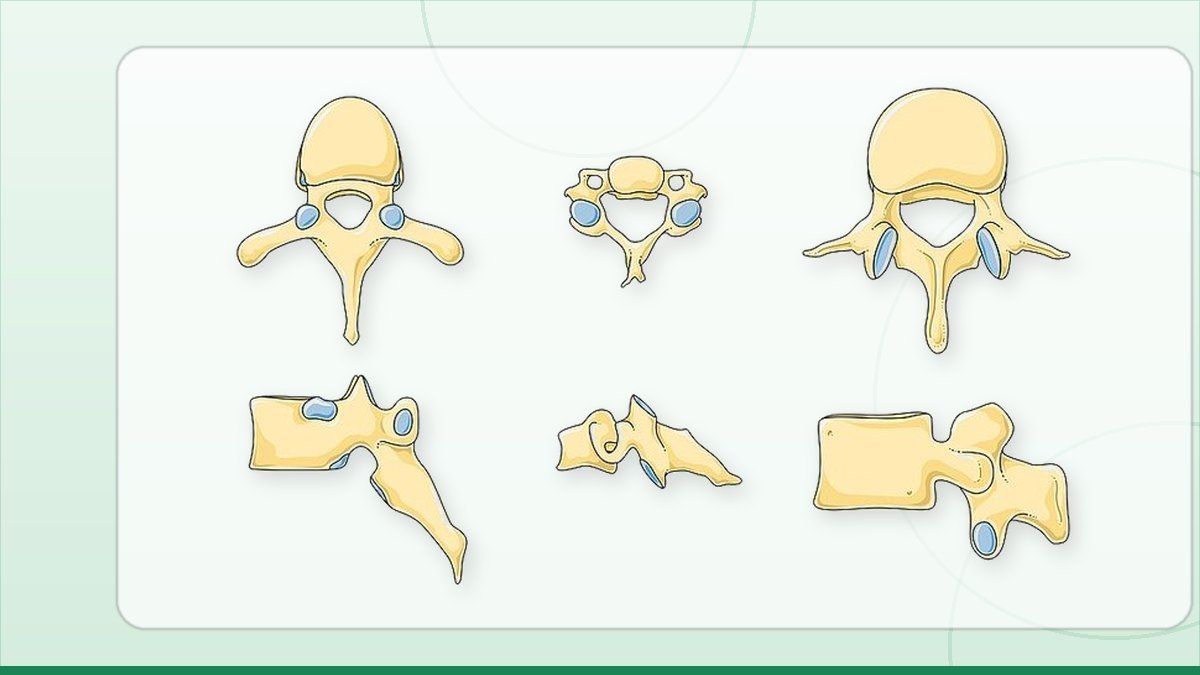
Spondylolisthesis: when one vertebra slips forward
Spondylolisthesis treatment explained simply: what the grades mean, when physiotherapy is enough, when fusion…
Read this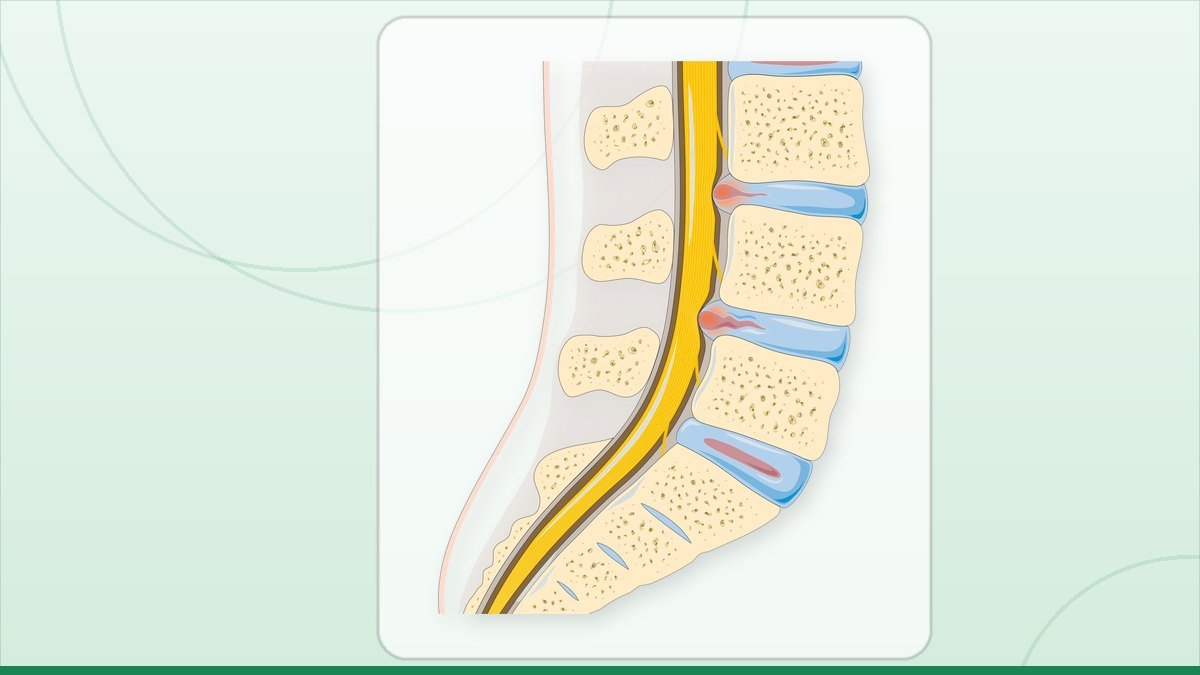
Neck disc herniation: arm pain, tingling and weakness
Arm pain, tingling or weakness from a neck disc? Clear guidance on cervical disc herniation treatment, when…
Read thisAll patient questions · Spine surgery in Faisalabad · Book an appointment
Ask about your own scan. Send your MRI or X-ray on WhatsApp and get a straight answer on whether surgery is needed at all, from a consultant neurosurgeon in Faisalabad.
Dr. M. Abdur Rehman is a consultant neurosurgeon in Faisalabad. Send your scan on WhatsApp and ask what it actually shows.
Published for the practice of Dr. M. Abdur Rehman, consultant neurosurgeon, Mujahid Hospital, Faisalabad. General information only, not a substitute for examination.