
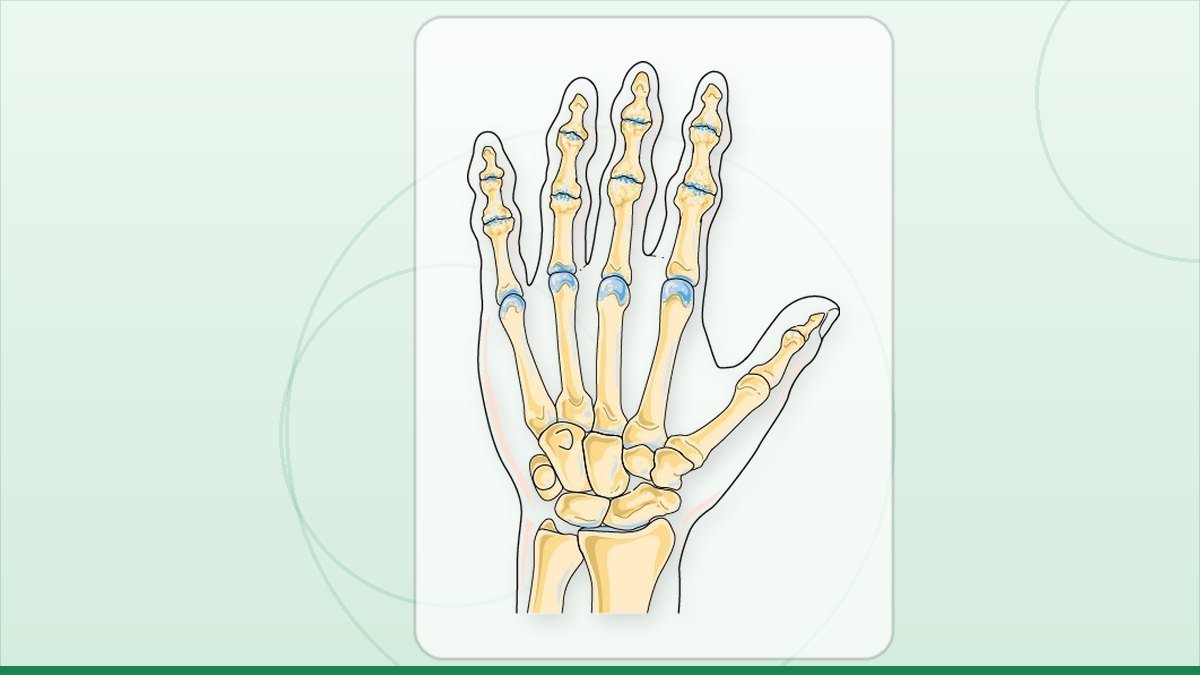
Despite the name, degenerative disc disease is not a disease. It is the term used for normal age-related drying and flattening of spinal discs. Most people over forty show it on MRI and feel nothing. It matters only when the changes press on a nerve or cause pain that limits your daily life.
What is actually happening inside my disc?
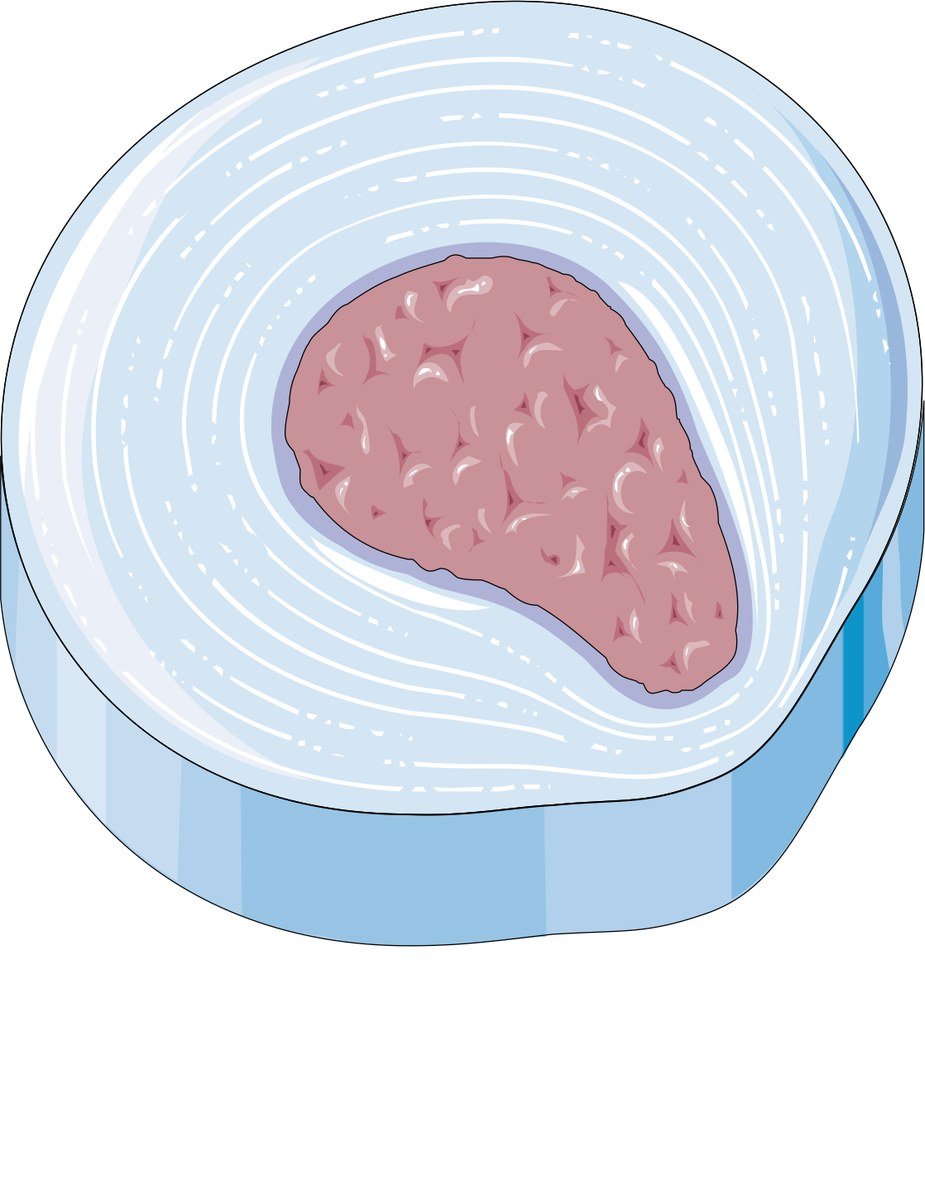
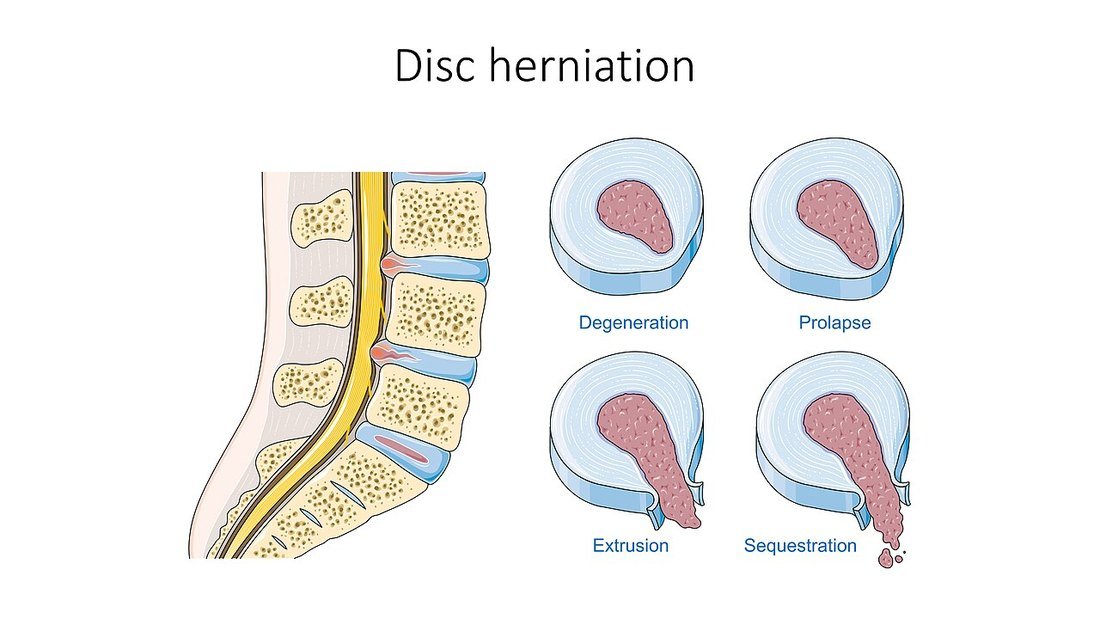
Your discs are the soft cushions between the bones of your spine. With the years they lose water, become thinner and stiffer, and small cracks appear in the tough outer ring. That process is called degeneration, and it happens to every human spine.
Nobody calls grey hair a disease of the scalp. The word disease stuck to spinal discs because of old radiology language, not because something is broken inside you. A radiologist writing degenerative disc disease is describing what the pictures look like for your age, in the same way a report might mention wrinkles on skin.
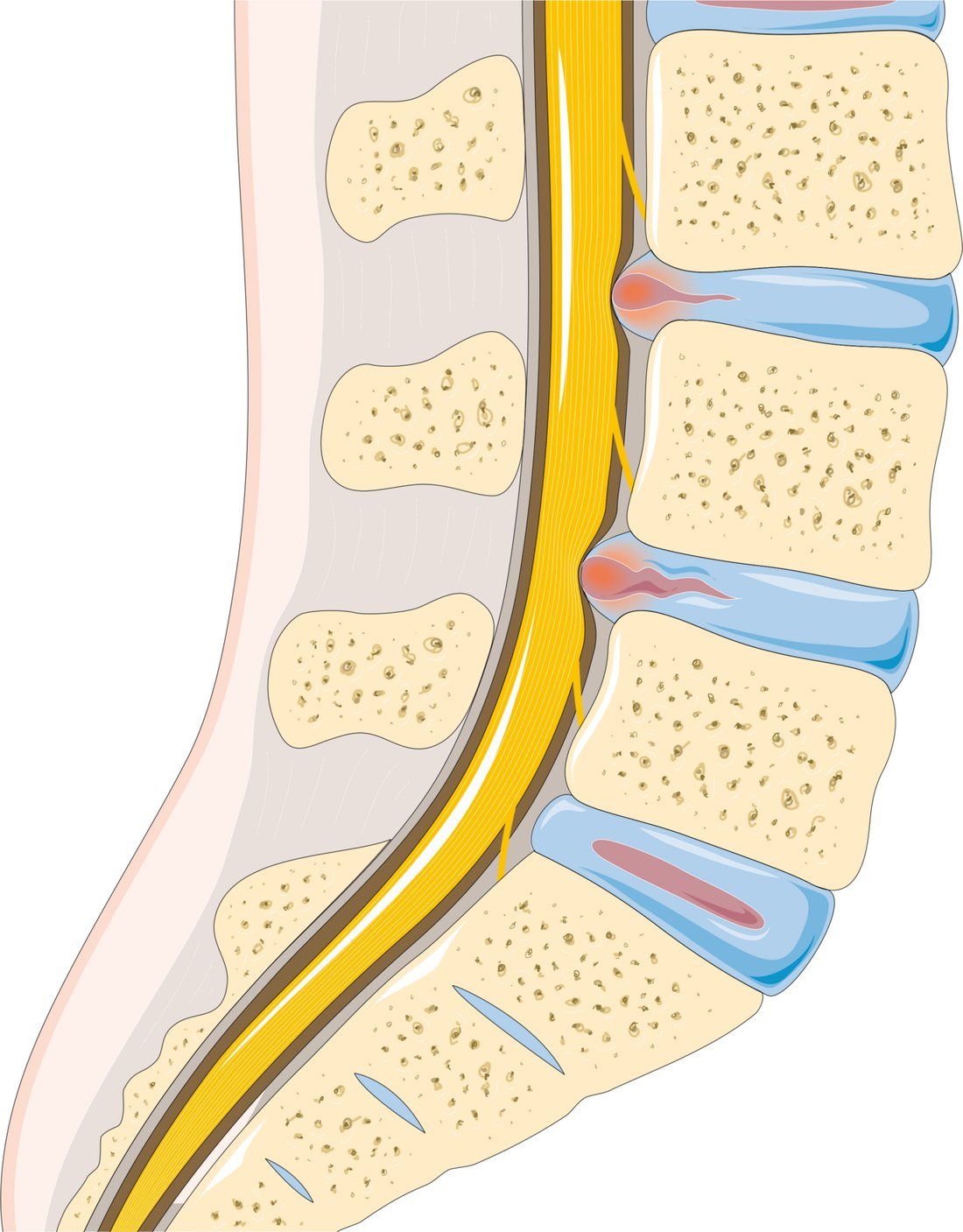
Degeneration does have real consequences in some people. A cracked outer ring can let the soft inner material push out and touch a nerve. A thinning disc can narrow the small tunnel a nerve travels through. Those are specific problems with specific symptoms. The general finding of degeneration, on its own, is not one of them.
Will I be paralysed? Is my spine collapsing?
No. Disc degeneration by itself does not cause paralysis and does not mean your spine is crumbling. This is the fear that brings most patients to a spine clinic, often after a relative said the same thing happened to someone who ended up in a wheelchair.
There are warning signs that do need emergency attention, and you should know them. Go to a hospital the same day if you lose control of urine or stool, if you go numb in the area that touches a saddle, or if both legs become weak. Also seek urgent review if one foot starts dragging or you cannot lift your foot properly. These are uncommon, but they are the situations where waiting causes lasting harm.
The other half of this fear is the belief that operation se paralysis ho jata hai. Spine surgery does carry risk, and that is true of every surgeon and every technique. Serious nerve injury is uncommon in trained hands with proper imaging and monitoring, but the risk is never zero. A surgeon should explain those risks to you in your own language, before you sign anything, and should be equally willing to tell you when you do not need an operation.
What do the words on my MRI report mean?
MRI reports are written for doctors, not for patients, and the vocabulary sounds far worse than the situation usually is. Here is what the common phrases actually describe.
- Disc desiccation: the disc has lost water content. Extremely common, and by itself not a cause of pain.
- Loss of disc height: the disc has flattened a little. Again, an ageing change.
- Disc bulge: the whole disc spreads slightly beyond its normal edge, like a tyre under load. Very common and often silent.
- Protrusion or extrusion: a more focal push of inner material outward. This is what people call slip disc. It matters when it touches a nerve.
- Annular tear or fissure: a crack in the outer ring. Can cause pain, often heals with time.
- Modic changes: signal changes in the bone next to a disc. Sometimes linked to back pain, sometimes not.
- Facet arthropathy and osteophytes: arthritis and small bone spurs in the spinal joints. Age-related.
- Canal or foraminal stenosis: narrowing of the space where the cord or nerve runs. This one is worth taking seriously if your symptoms match.
The single most useful thing to understand is this: the report describes a photograph, not your pain. Two people can have identical films and one walks to work while the other cannot sit for ten minutes. A surgeon should examine you, listen to where the pain travels, and only then look at the film to see whether the picture explains what you described.
Do I actually need surgery for degenerative disc disease?
Most people with degenerative disc disease never need an operation, and being told you need one on the basis of an MRI report alone is a reason to get a second opinion. Surgery treats nerve compression. It does not treat the word degeneration.
Surgery is worth discussing when several things line up together. Your leg pain, the taang mein dard, is worse than your back pain. The leg pain follows the exact path supplied by the nerve that the MRI shows compressed. Six to eight weeks of proper treatment, meaning correct medication and real physiotherapy rather than rest alone, has not helped. Or there is weakness that is getting worse, which changes the timeline and makes waiting the risky choice.
Pure kamar dard, back pain alone with no leg symptoms and a report showing general wear, is the situation where surgery performs worst. Removing part of a disc will not reliably fix a back that aches from stiffness, deconditioning, weight, or years of heavy lifting. Any surgeon who offers to operate for that without a long conversation is offering you the wrong thing.
Slip disc ka ilaj kaise hota hai without an operation?
Non-surgical treatment works for the large majority, and it is stepped rather than one single cure. The aim is to settle nerve inflammation, keep you moving, and rebuild the muscle that shares load with your spine.
In practice that means anti-inflammatory medicine and nerve pain medicine for a defined period, not indefinitely. It means staying gently active instead of complete bed rest, which weakens you fast. It means structured physiotherapy with a plan and progression, not one visit for heat and ultrasound. It means addressing weight and smoking honestly, because both affect how discs age. Where leg pain is severe, a targeted nerve root injection can calm things enough for physiotherapy to begin.
About hakeem, oil massage and pulling. Most families in Punjab try one of these first, and gentle massage genuinely can ease muscle spasm. The problems are force and delay. Someone standing on your back or pulling hard on a leg can worsen a herniation. More often the harm is time, weeks passing while a weak foot gets weaker. Get a proper diagnosis first, then decide what you want to try alongside it.
What is endoscopic discectomy?
Endoscopic discectomy is a keyhole spine operation. A tube roughly the width of a pen is passed through a small opening in the skin, a camera and light go down it, and the surgeon removes the piece of disc that is pressing on the nerve while watching a screen.
Because the muscle is spread rather than cut across, the wound is small, blood loss is minimal and most patients are up and walking quickly, often going home within a day or two. Depending on the level and your general health, it may be done under spinal or local anaesthesia with sedation rather than full general anaesthesia. Microdiscectomy achieves the same goal through a slightly larger opening using an operating microscope, and remains an excellent operation, particularly for certain disc positions and larger fragments.
Be clear about what either operation does. It takes pressure off a nerve, which is why the leg pain usually improves fast. It does not reverse ageing, restore disc height, or rebuild a worn disc. Anybody describing keyhole surgery as a way to make your spine new again is describing something that does not exist.
Is there a permanent ilaj for slip disc?
There is no treatment that makes a spine young again, and you should be careful with anyone who says otherwise. What surgery can offer is durable relief from nerve pain, which for most patients does last.
After a successful discectomy for a compressed nerve, the leg pain typically settles and stays settled. What nobody can promise is that the same disc will never herniate again, or that the levels above and below will not develop their own wear over the next twenty years. A small number of patients do need a second procedure. That is not a failure of the first operation, it is the nature of a living spine.
So the honest answer to slip disc ka permanent ilaj is this. Permanent relief from the current nerve pain is a realistic goal. A permanent guarantee that your back will never trouble you again is not, and any injection, oil course, machine or operation sold on that promise is being oversold.
Slip disc treatment cost in Pakistan: what should I ask?
Cost varies widely with which procedure is done, how many levels are involved, whether any implant is used, the hospital and the room category. Do not settle for a number spoken over the phone. Ask for a written quote in PKR before you commit to anything.
The quote should list each item separately: surgeon fee, anaesthesia, operation theatre charges, any implant, hospital stay by room category, imaging, medicines, follow-up visits and physiotherapy. Then ask three questions. What changes if a second level has to be treated during the operation? What is not included in this figure? Does my company panel or insurance cover any of it, and what paperwork do you need from me?
If you are travelling in from Jhang, Sargodha, Chiniot, Toba Tek Singh or further, ask whether your MRI and blood tests can be done locally and the reports sent ahead. That often saves a whole trip. Ask how many days you should plan to stay in Faisalabad after surgery before travelling home, and whether follow-up can be done on a report and photograph rather than in person.
What should I do next?
Bring three things to your consultation: the actual MRI films and report, not just the CD, a written list of every medicine you have taken with how long you took it, and a clear account of what makes the pain worse and better. Bring a family member too, since these decisions are made together in most households.
Ask the surgeon directly: do I need surgery now, what happens if I wait three months, and exactly what will you remove. A good answer will connect your symptoms to a specific nerve at a specific level. If the explanation stops at the words on the MRI report, ask again or seek another opinion. Second opinions are normal and no reasonable surgeon takes offence at one.
If you are searching for the best endoscopic spine surgeon in Faisalabad, judge candidates on something other than the size of the claim. The surgeon worth trusting is the one who is willing to send you home with a physiotherapy plan and no operation when that is the right answer. Dr M. Abdur Rehman is a consultant neurosurgeon at Mujahid Hospital, Faisalabad, and sees patients with back and leg pain from across Punjab.
Questions patients ask about this
Does degenerative disc disease get worse every year?
Degeneration slowly increases with age in almost everyone, but pain does not follow the same line. Many people whose MRI looks worse at sixty than at forty have less back pain, not more. The changes are not a countdown to disability, and staying active generally makes the years ahead easier.
Can degenerative disc disease be cured with medicine or exercise?
No medicine reverses disc ageing, and no exercise makes a dried disc plump again. What both can do is settle inflammation, calm nerve irritation and build the muscle that shares load with the spine. For most patients that is enough to return to normal work and family life.
My MRI says disc bulge at L4-L5. Do I need an operation?
Not on that sentence alone. A bulge at L4-L5 is one of the most common findings in adults and is often silent. Surgery is considered when the bulge presses a nerve root, your leg pain or weakness matches that exact level, and medicine and physiotherapy have failed.
How long does recovery from endoscopic discectomy take?
Most patients walk within hours and go home in a day or two. Desk work often resumes in two to three weeks, and heavier work later, depending on the job and how your recovery goes. Your surgeon should give you a written restriction plan rather than a vague answer.
Should I try hakeem or massage before seeing a spine surgeon?
Gentle massage may ease muscle spasm and many families in Punjab try it first. The risk is force and delay. Forceful pulling or someone walking on your back can worsen a herniated disc, and weeks lost while weakness grows are hard to recover. Get a diagnosis first.
Related articles
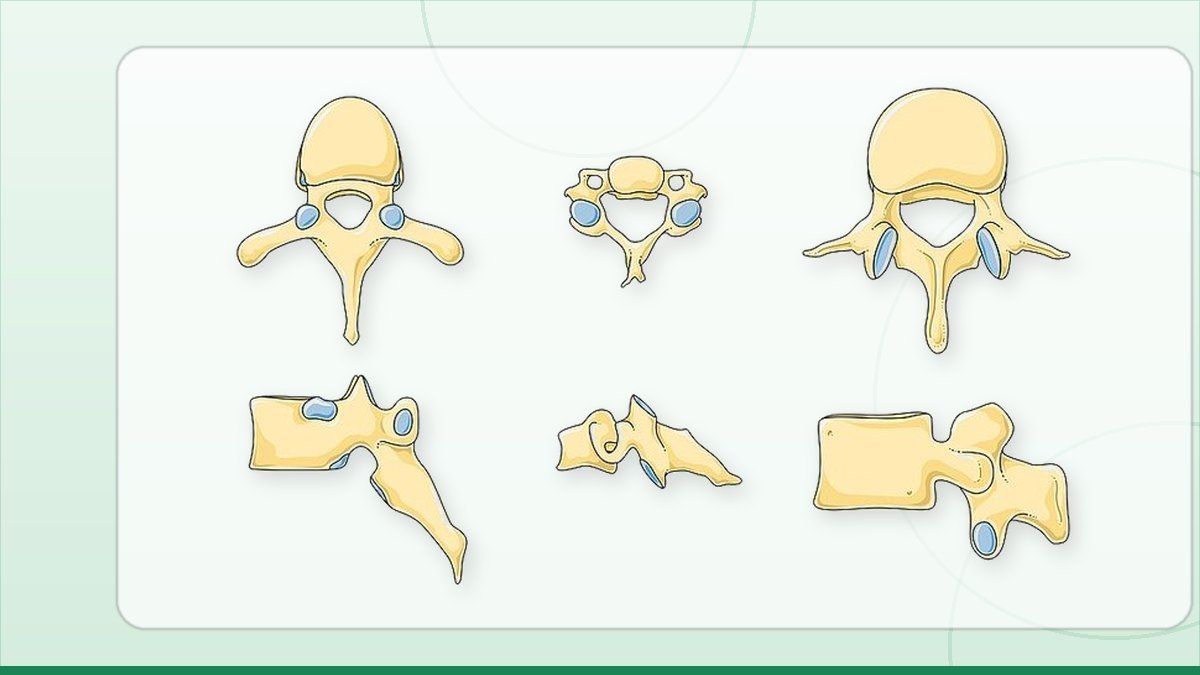
Spondylolisthesis: when one vertebra slips forward
Spondylolisthesis treatment explained simply: what the grades mean, when physiotherapy is enough, when fusion…
Read this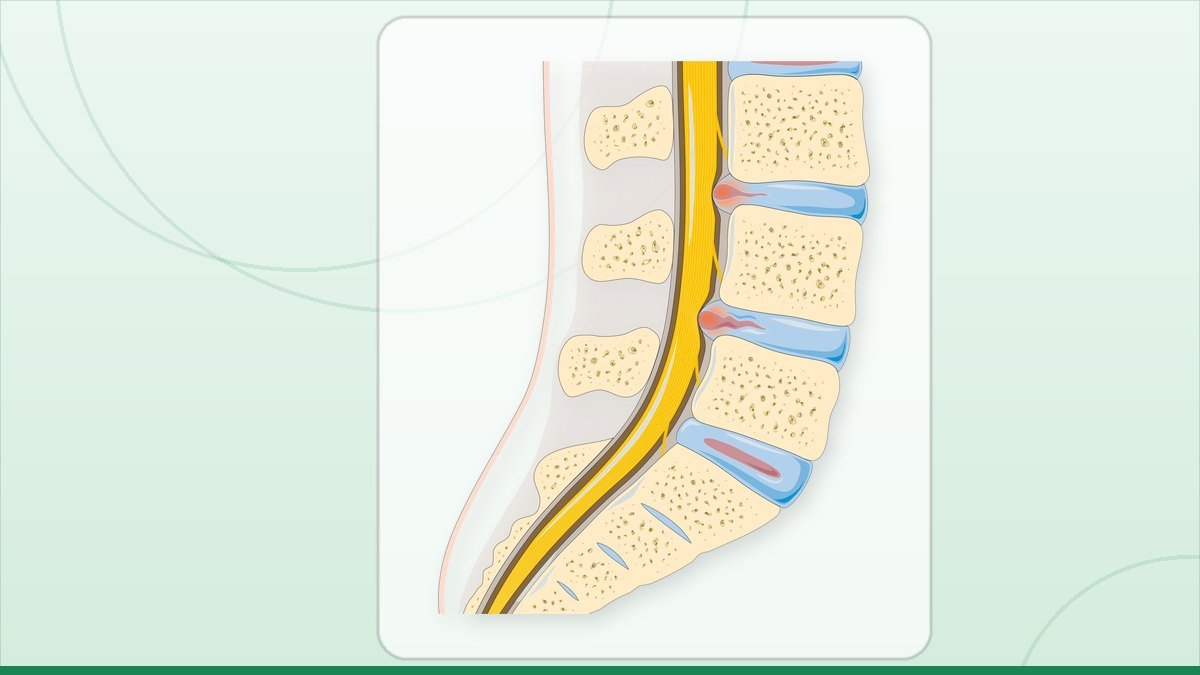
Neck disc herniation: arm pain, tingling and weakness
Arm pain, tingling or weakness from a neck disc? Clear guidance on cervical disc herniation treatment, when…
Read this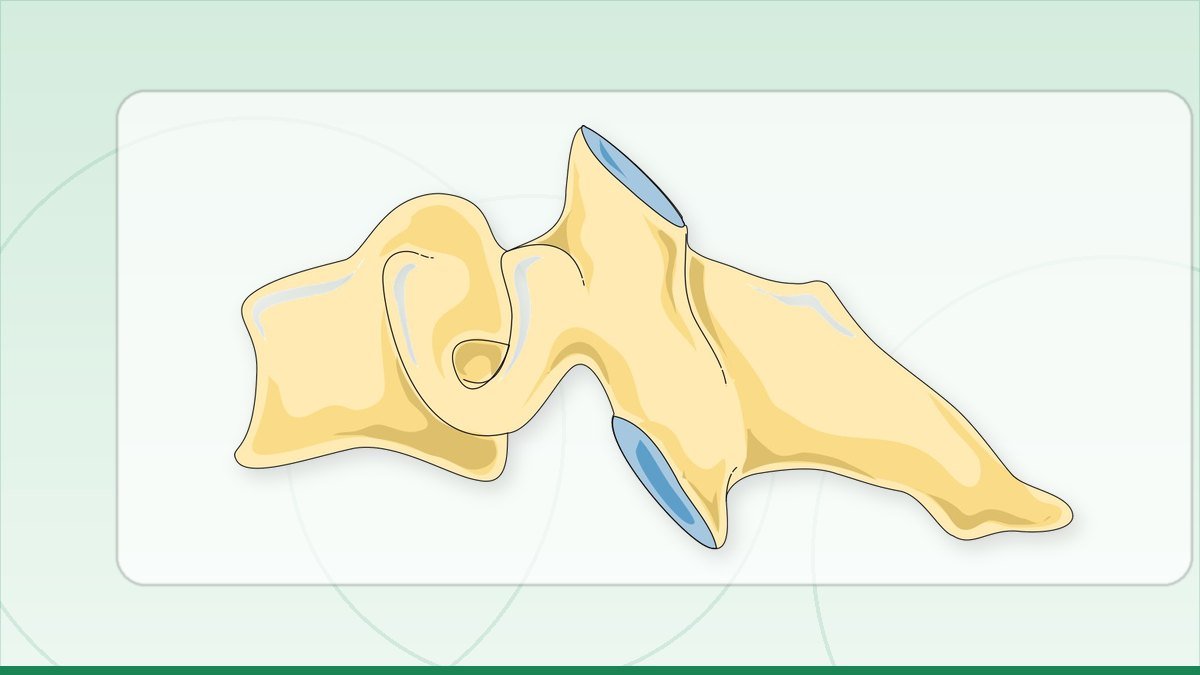
Cervical myelopathy: the warning signs people miss
Cervical myelopathy symptoms are easy to miss: dropped buttons, messy handwriting, unsteady walking. Here is…
Read thisAll patient questions · Spine surgery in Faisalabad · Book an appointment
Ask about your own scan. Send your MRI or X-ray on WhatsApp and get a straight answer on whether surgery is needed at all, from a consultant neurosurgeon in Faisalabad.
Dr. M. Abdur Rehman is a consultant neurosurgeon in Faisalabad. Send your scan on WhatsApp and ask what it actually shows.
Published for the practice of Dr. M. Abdur Rehman, consultant neurosurgeon, Mujahid Hospital, Faisalabad. General information only, not a substitute for examination.