
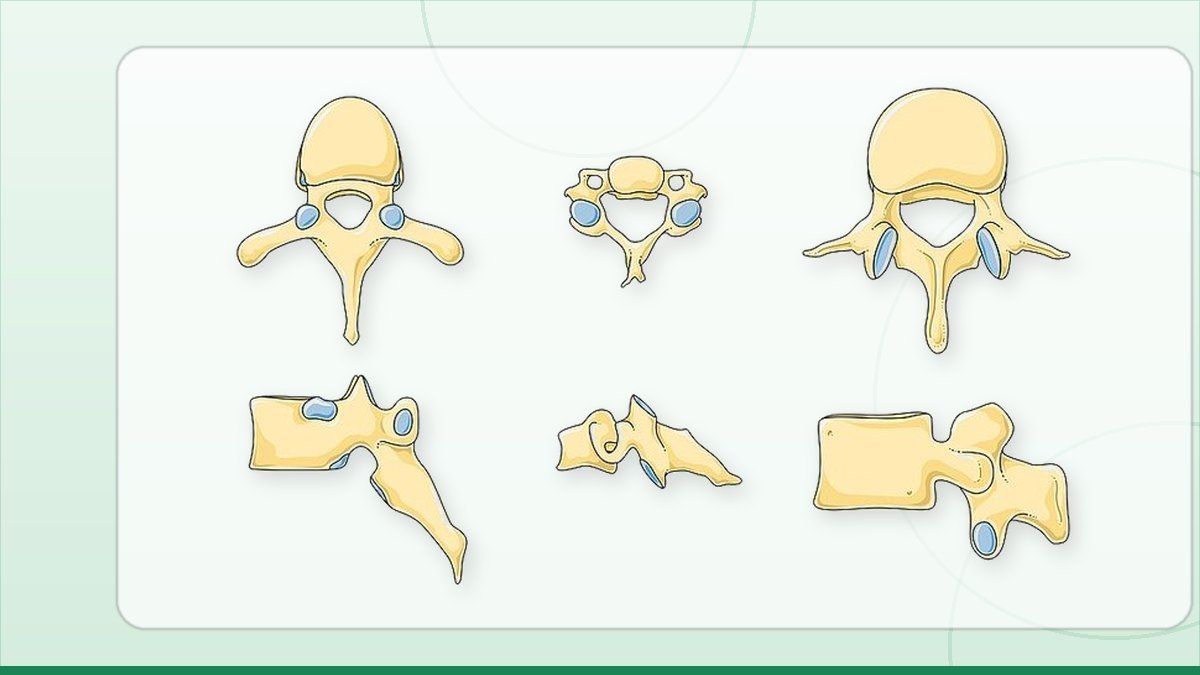
Spondylolisthesis means one vertebra has slipped forward over the one below it. Most cases are mild and settle with physiotherapy, weight control and time. Surgery is considered only when leg pain, numbness or weakness persists despite months of proper treatment, or when the slip is unstable and getting worse on X-ray.
What is spondylolisthesis, and is it the same as slip disc?
Spondylolisthesis is a forward slip of one whole vertebra over the vertebra beneath it. It is not the same thing as a slip disc, even though the two words get mixed up constantly in clinics and in family conversation.
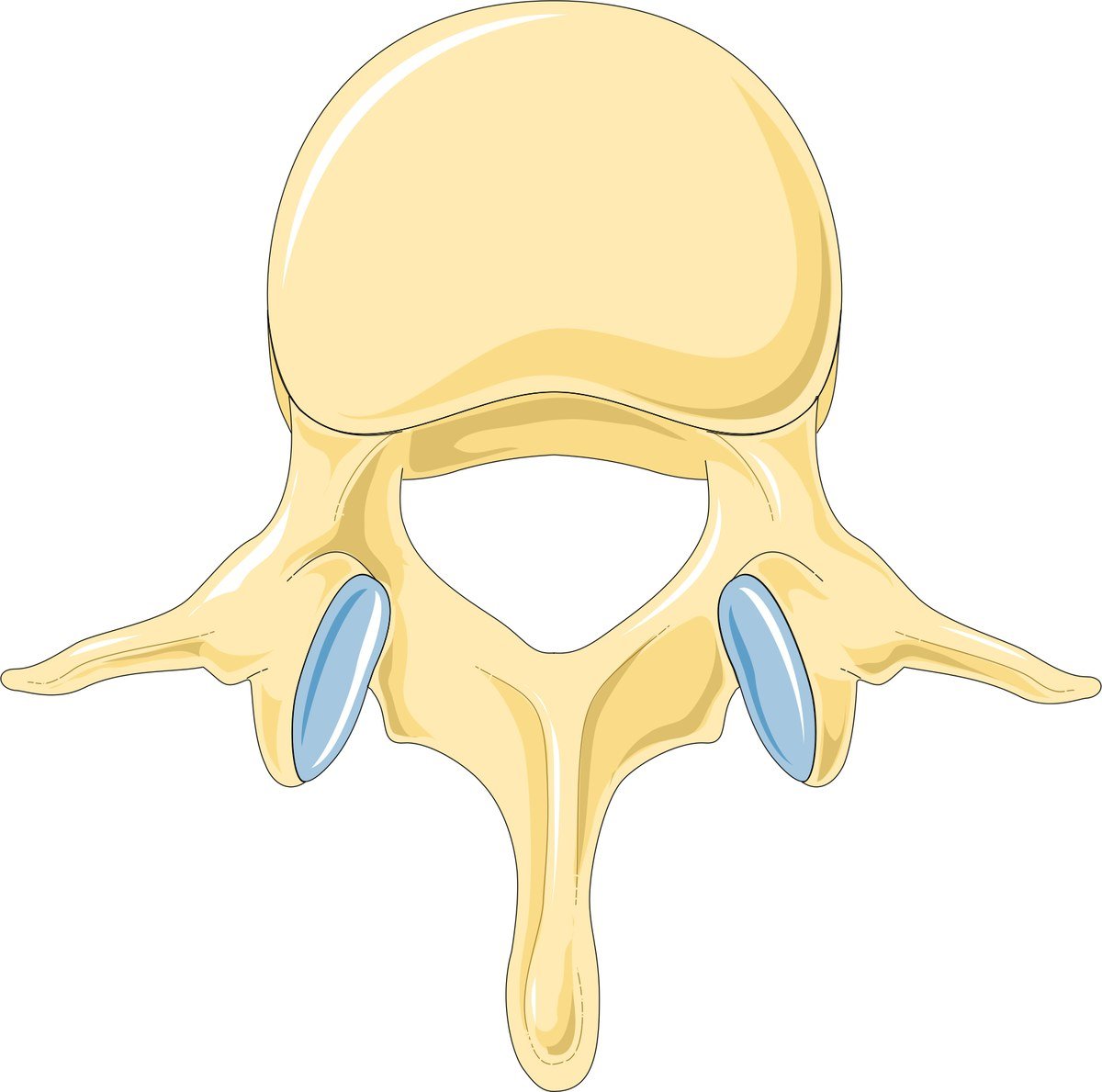
Think of the spine as a stack of bone blocks with a soft cushion between each one. The cushion is the disc. When the cushion bulges out and presses a nerve, that is a disc prolapse, what most people call slip disc. In spondylolisthesis the bone block itself has shifted forward, so the stack is no longer in a straight line. You can have both at the same time, and many patients do.
There are two common reasons it happens. In older adults, the small facet joints at the back of the spine wear out and loosen, and the vertebra drifts forward, usually L4 over L5. In younger people, often those who did heavy labour or sport as teenagers, a small stress crack forms in a thin piece of bone called the pars, and the vertebra slides at L5 over S1. Injury and previous surgery are less common causes.
The typical story is kamar dard that is worse on standing and walking and better on sitting or leaning forward over a counter, along with taang mein dard, heaviness or pins and needles that come on after walking a few minutes and ease when you sit down.
Is spondylolisthesis dangerous? Will I be paralysed?
No. The overwhelming majority of people with spondylolisthesis will never be paralysed by it. A slip that has been present for years usually stays where it is or moves very slowly, and grade alone does not put you in danger of a wheelchair.
There is an anatomical reason to be reassured. The spinal cord itself ends high in the lower back, around the first or second lumbar vertebra. Below that the canal carries loose nerve roots rather than a single cord. Loose roots tolerate pressure far better, which is why leg pain, numbness and weakness are the usual complaints, not sudden total paralysis.
There are warnings that do need same day emergency attention. Go to a hospital immediately, do not wait for a routine appointment, if you develop loss of bladder or bowel control, numbness around the private parts and inner thighs, weakness that is clearly getting worse day by day, or a foot that drags when you walk.
The realistic risk in Pakistan is not paralysis. It is delay. Months of maalish, hakeem remedies and pain injections while the walking distance quietly shrinks from a kilometre to fifty steps. A nerve that has been squeezed for a long time can recover slowly and incompletely even after a technically good operation, so time matters more than most families realise.
What do the grades mean, and does a higher grade mean surgery?
Grades describe how far the vertebra has slipped, measured on a side view X-ray as a percentage of the bone below. Grade 1 is up to a quarter, grade 2 up to half, grade 3 up to three quarters, grade 4 beyond that, and complete slip off the bone below is a separate rare category.
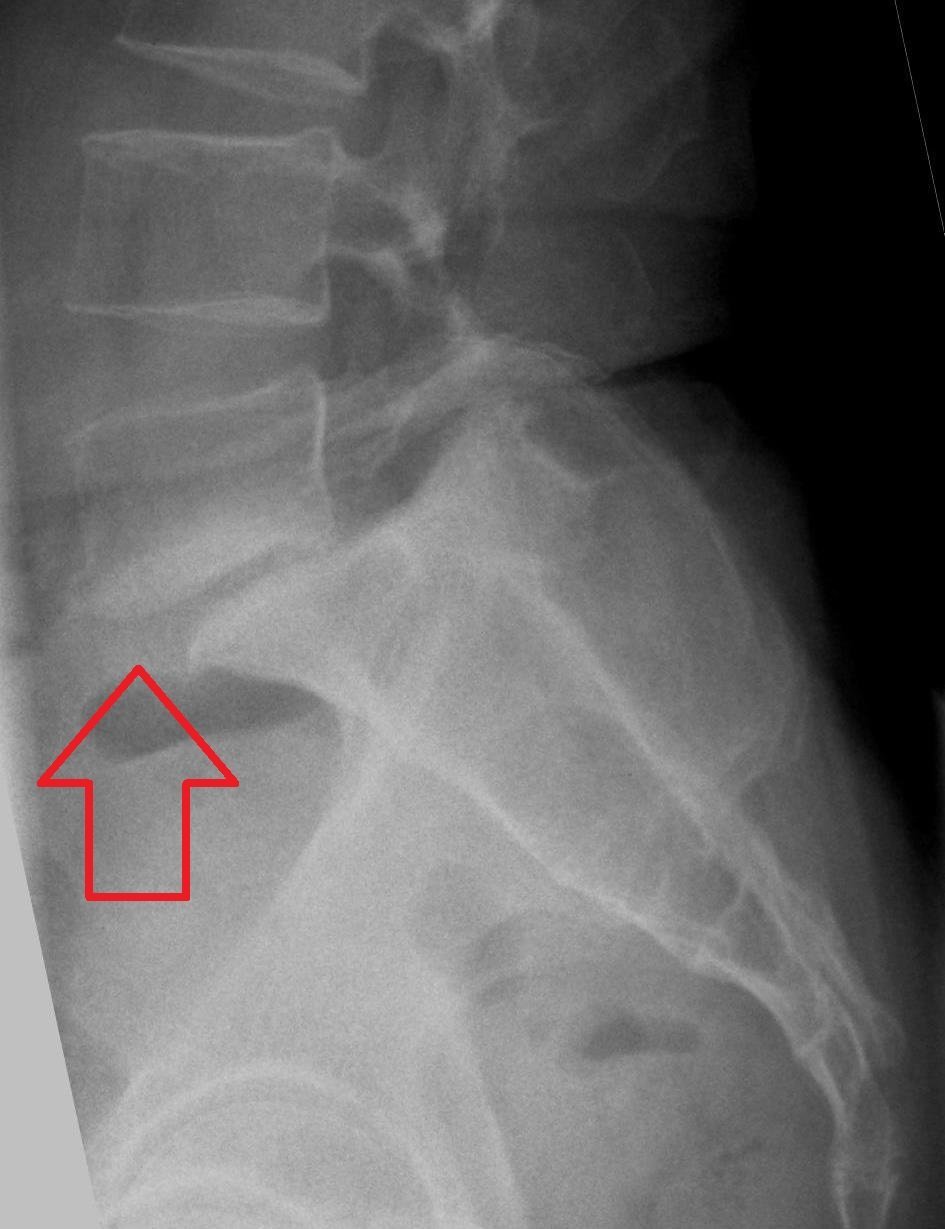
Most patients who walk into clinic have grade 1 or grade 2. That is important, because the grade on its own does not decide anything. Plenty of people live full lives with a grade 1 slip and never need an operation, and a small number with a low grade slip have severe nerve compression that needs treating.
Three things decide treatment, not the grade:
- How much your symptoms limit you, especially leg symptoms and walking distance
- Whether the MRI shows a nerve root or the canal genuinely squeezed
- Whether the slip moves when you bend forward and backward
That last point is why a good surgeon asks for standing X-rays in flexion and extension, not just an MRI done lying flat. Lying down, the spine can look almost normal. Standing and bending is where instability shows itself.
Do I actually need surgery, or will physiotherapy be enough?
For most low grade spondylolisthesis, physiotherapy and time are enough. Surgery is the exception, not the rule, and any surgeon who recommends an operation at the first visit for mild back pain has skipped several steps.
What genuinely helps without surgery is a proper supervised programme rather than a few random exercises from a video. Core and hip muscle strengthening, walking within a comfortable distance, losing weight if there is weight to lose, changing how you lift and carry, and short courses of anti inflammatory medication under supervision. In some cases a targeted injection is used to settle an inflamed nerve root and buy time for the rest to work.
Give it a fair trial. Six to twelve weeks of consistent, supervised physiotherapy is a trial. Two visits, then giving up because it hurt, is not. A large number of people who are told they need a fusion have never completed one honest course of physiotherapy.
Surgery moves onto the table for discussion when leg pain rather than back pain is the main problem, when walking distance is steadily falling, when there is real weakness in the foot or leg, when repeat films show the slip progressing, or when months of correct conservative treatment have not helped and daily life has narrowed.
When is fusion discussed, and when can endoscopic surgery be used?
Spine surgery for spondylolisthesis has two possible jobs. The first is decompression, taking pressure off the trapped nerve. The second is fusion, stopping abnormal movement at the slipped level using screws and a cage so the two bones grow into one.
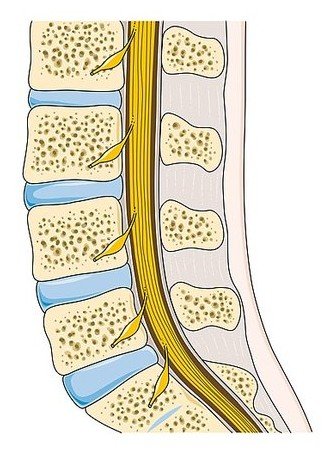
Decompression alone can be enough when the slip is low grade, does not move on bending X-rays, and the main complaint is leg pain or walking limitation from a narrowed canal. Fusion enters the conversation when the level is genuinely unstable and moves on flexion and extension films, when the slip is higher grade, when mechanical back pain from that unstable segment dominates the picture, when the slip is progressing on repeat imaging, or in revision situations.
Endoscopic spine surgery is a keyhole approach. A camera and fine instruments pass down a tube about the width of a pencil, muscle is spread rather than cut, and many patients go home the same day or after one night. In selected patients with a stable low grade slip where the target is a trapped nerve root or a narrowed canal, this is a reasonable way to do the decompression with far less muscle damage.
It is not a substitute for fusion when the spine is truly unstable. No keyhole technique can make a mobile, slipping vertebra stable on its own. If a slip that moves is treated with decompression alone, the pain can come back worse. Be careful with anyone who offers keyhole surgery for every case regardless of the films, and equally careful with anyone who reaches for screws in every case. Ask which of the two jobs your spine needs, and why.
What about laser treatment for spine problems?
There is no laser procedure that puts a slipped vertebra back or makes an unstable segment stable. Laser has been used inside a disc for certain contained bulges, the evidence for it is limited, and it does not treat spondylolisthesis at all.
The phrase laser spine surgery is often used loosely in advertising to mean any small incision procedure. Modern endoscopic surgery is real, well described in the literature and done in many centres, but it works through a camera, fine instruments and usually a radiofrequency probe. The marketing word and the actual operation are frequently not the same thing.
Before agreeing to anything, ask four plain questions and expect plain answers: what exactly will be done, at which level, will any implant be used and how many screws, and what type of anaesthesia. If the answers are vague or the reply is that you will find out on the day, that is your signal to get another opinion.
What does spondylolisthesis treatment cost in Pakistan?
Costs in PKR vary widely between cities, between government and private hospitals, and above all between a decompression and a fusion. A fusion costs considerably more because of the implants, the screws and cage are a large part of the bill, and the number of levels changes the figure again. Anyone who quotes you a single price over the phone without seeing your films is guessing.
Always ask for a written, itemised quote before you commit. It should list the surgeon fee, anaesthesia, operation theatre charges, the implant brand and the number of screws, expected hospital stay, imaging, follow up visits, post operative physiotherapy, and what happens to the bill if you need to stay longer than planned. A verbal figure from a receptionist is not a quote.
A few practical things for families in Punjab. Carry the actual MRI films or CD to every consultation, not just the printed report, because the report is one radiologist's reading and the surgeon needs to see the images. If you are travelling from Jhang, Sargodha, Toba Tek Singh or the surrounding districts, ask before you leave whether the flexion and extension X-rays can be done at the same hospital on the same day so you do not make two trips. And if the family is deciding together, bring the person who will actually be making the decision to the consultation rather than relaying the conversation second hand.
What should I do next?
Start with the right pictures. For suspected spondylolisthesis you need standing X-rays of the lumbar spine including flexion and extension views, and an MRI if you have leg symptoms, numbness or weakness. Without the bending views, nobody can tell you whether your slip is stable.
Then take those films to a spine surgeon and ask three questions. Does my slip move. What happens if I do nothing for six months. If I need surgery, is the aim to free the nerve, to stabilise the level, or both. A surgeon who answers those three clearly, and who tells you honestly when you do not need an operation, is worth more than the biggest advertisement.
If you are searching for the best spine surgeon in Faisalabad, judge the answer by whether you were examined properly, whether your own films were looked at in front of you, and whether non surgical treatment was offered a genuine chance first.
Dr. M. Abdur Rehman is a consultant neurosurgeon and spine surgeon at Mujahid Hospital, Faisalabad, seeing patients with spondylolisthesis, disc prolapse and spinal canal narrowing, and performing endoscopic and microscopic spine surgery where it is appropriate. Bring your films, bring your family, and bring your questions.
Spinal fusion surgery in Faisalabad Read the full page on spinal fusion surgery in faisalabad, including who it suits, what recovery looks like and how to arrange a review.
Questions patients ask about this
Can spondylolisthesis be cured without surgery?
Often, yes. Most low grade slips settle with a supervised physiotherapy programme, weight control, activity changes and short courses of medication. The slip itself will not move back into place, but the pain can settle and stay settled for years. Surgery becomes relevant only if leg symptoms or weakness persist.
Will the slip get worse if I keep doing heavy work?
Heavy lifting does not usually push a stable slip further forward, but it does flare the pain and can speed up wear at that level. If your work involves carrying loads, lifting sacks or long hours on a motorcycle, discuss modifying the task with your doctor rather than stopping work altogether.
How long is recovery after a spinal fusion?
Most patients stand and walk with help the day after surgery and go home within a few days. Desk work is often possible in about a month, heavier work considerably later. The bone graft takes several months to fuse fully, so bending and lifting limits continue during that period. Your surgeon sets the exact timeline.
Is spondylolisthesis the same as spondylosis?
No. Spondylosis means general age related wear of the spine and appears on almost every MRI report after forty. Spondylolisthesis means a vertebra has actually shifted forward. Ankylosing spondylitis is a separate inflammatory disease. Reports often contain all three words, so ask your surgeon which one applies to you.
Will I be able to pray namaz normally after surgery?
Most patients return to normal namaz, including sajda, once the pain settles and the surgeon clears them. After a fusion there is usually a period of limited bending while the bone heals, and some patients pray sitting or on a chair during that time. Ask your surgeon for your specific timeline.
Related articles
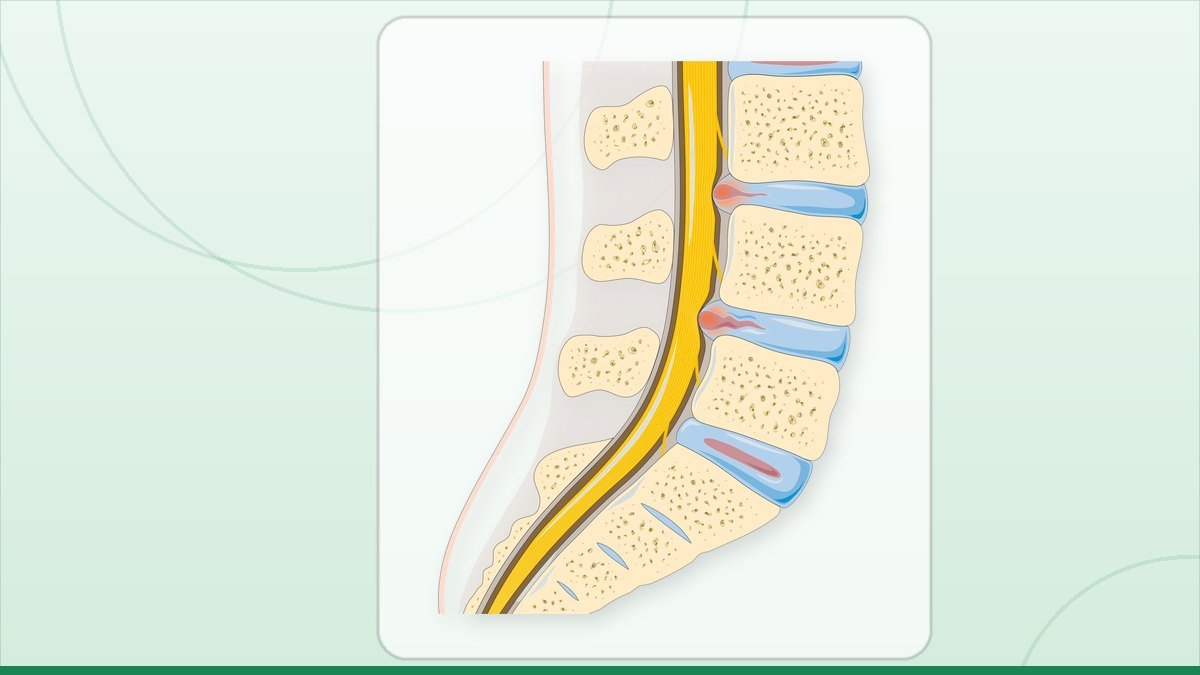
Neck disc herniation: arm pain, tingling and weakness
Arm pain, tingling or weakness from a neck disc? Clear guidance on cervical disc herniation treatment, when…
Read this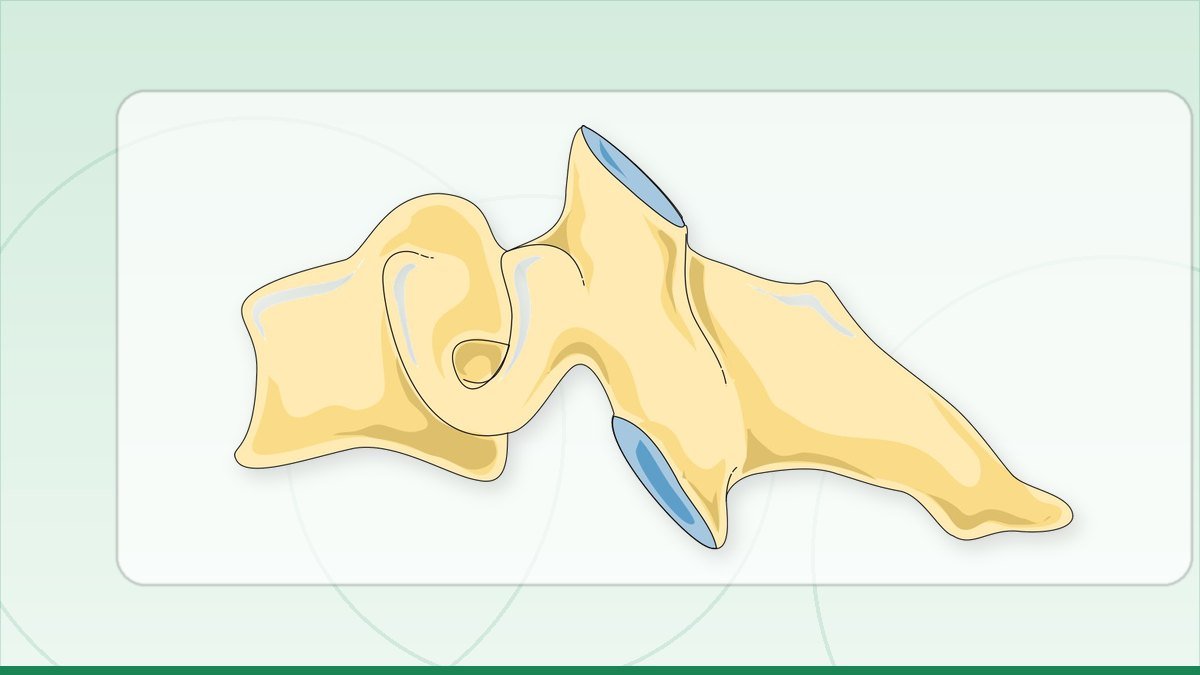
Cervical myelopathy: the warning signs people miss
Cervical myelopathy symptoms are easy to miss: dropped buttons, messy handwriting, unsteady walking. Here is…
Read this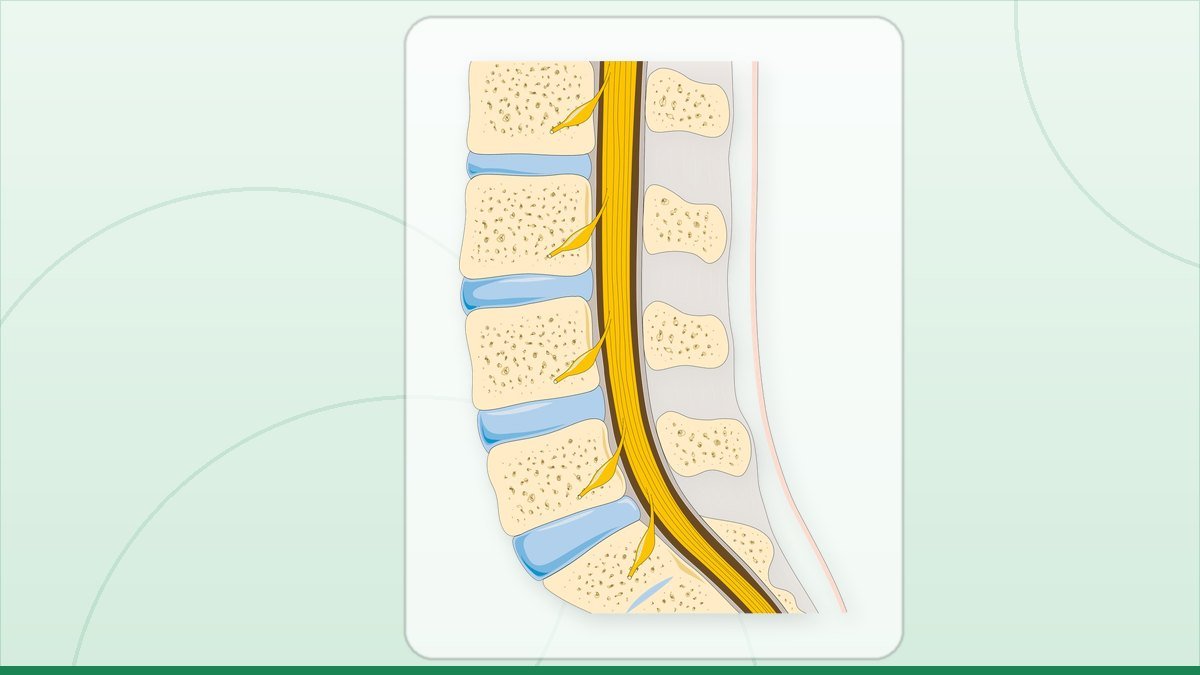
Cauda equina syndrome: the back emergency
Cauda equina syndrome is a spine emergency. Know the warning signs, why hours matter, and where to get an…
Read thisAll patient questions · Spine surgery in Faisalabad · Book an appointment
Ask about your own scan. Send your MRI or X-ray on WhatsApp and get a straight answer on whether surgery is needed at all, from a consultant neurosurgeon in Faisalabad.
Dr. M. Abdur Rehman is a consultant neurosurgeon in Faisalabad. Send your scan on WhatsApp and ask what it actually shows.
Published for the practice of Dr. M. Abdur Rehman, consultant neurosurgeon, Mujahid Hospital, Faisalabad. General information only, not a substitute for examination.