
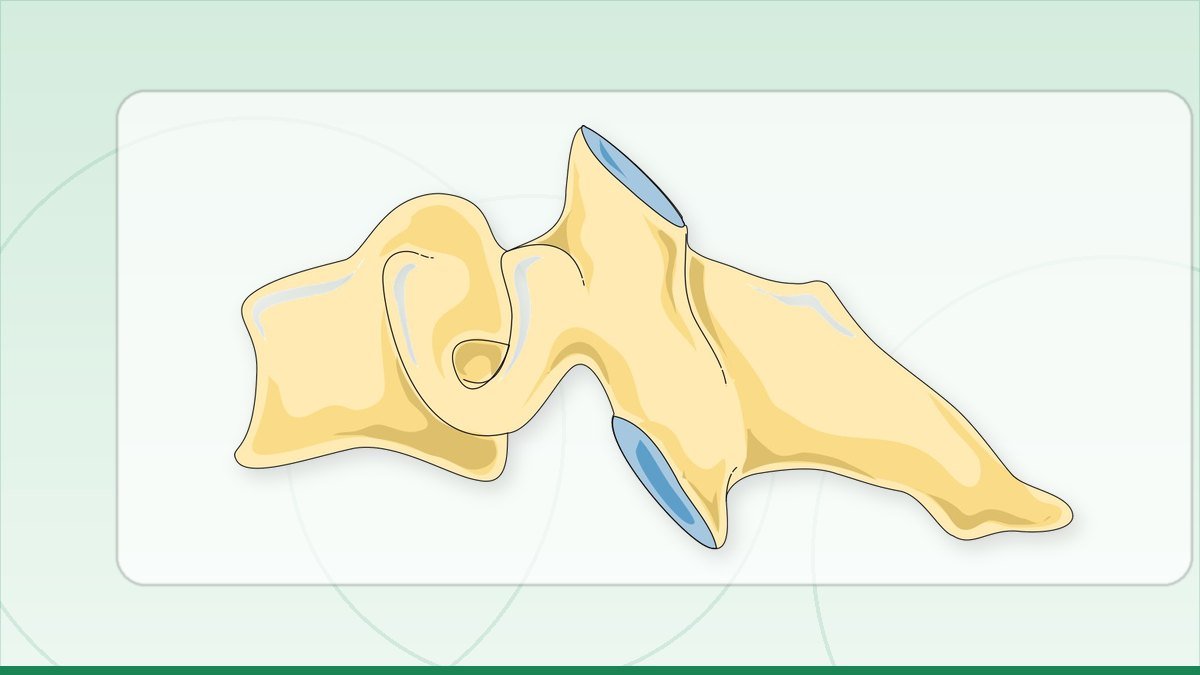
Cervical myelopathy is pressure on the spinal cord in your neck. The early signs are easy to miss: buttons and zips become fiddly, handwriting gets messy, you drop things, and your walking feels unsteady. Neck pain may be mild or absent. Because nerve damage can become permanent, these signs need an MRI and a specialist opinion soon.
What are the warning signs of cervical myelopathy?
The signs start in the hands and the legs, not usually in the neck. Most people do not arrive saying "my spinal cord is compressed". They arrive saying their hands have become clumsy.
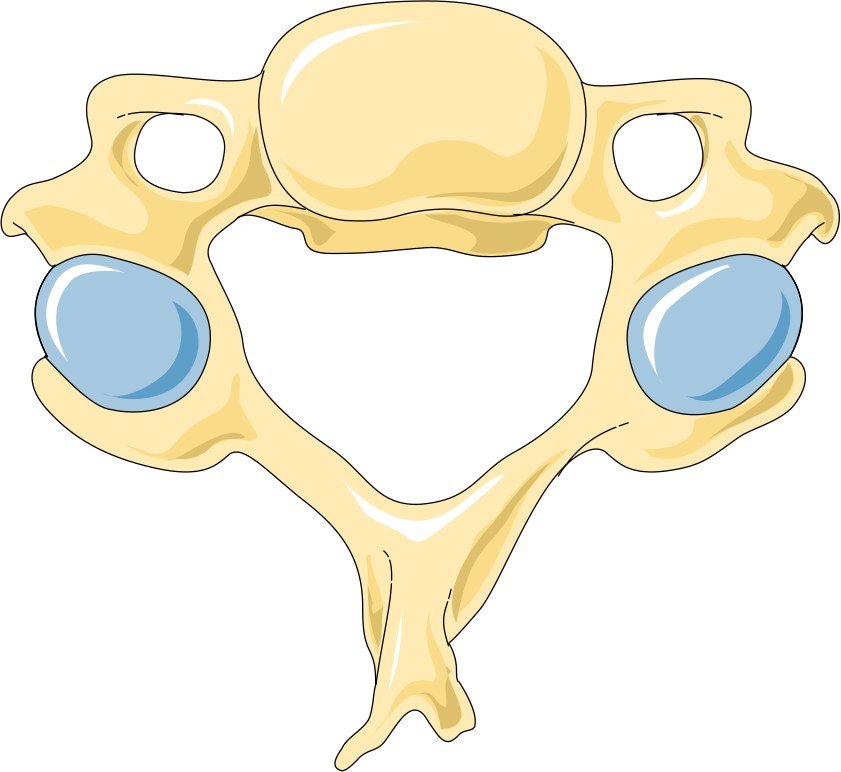
Watch for these:
- Buttons and zips. Shirt buttons take longer. Fastening a shalwar naara or a watch strap becomes fiddly.
- Handwriting. Your writing gets smaller, messier or shakier over months.
- Dropping things. A cup of chai slips, keys fall, you cannot feel a coin in your pocket well enough to pick it out by touch.
- Balance. You feel unsteady, you widen your stance, you hold the wall on stairs, you stumble in the dark or in the bathroom.
- Numbness or tingling in both hands, often worse at night.
- An electric shock running down the spine when you bend your neck forward.
- Later signs: stiffness or heaviness in the legs, and trouble controlling the bladder. These mean you should be seen quickly.
Notice what is missing from that list. Severe gardan ka dard is not required. Many people with cord compression have only mild neck stiffness, which is why families put it down to age, weakness or too much mobile phone use. The combination that should worry you is clumsy hands plus unsteady walking, getting slowly worse over months.
Will I be paralysed? Is neck surgery safe?
This is the first question almost every family asks, so let us answer it plainly. Cervical spine surgery for cord compression is a routine, well established operation done every day around the world, and serious paralysis from the surgery itself is rare. It is not a gamble taken lightly, but it is also not the leap into darkness that people imagine.
Here is the part that is harder to hear. The bigger risk of paralysis usually comes from the untreated compression, not from the operation. A cord that is already being squeezed is vulnerable. A fall, a road accident, or even a sudden jolt to the neck can turn a slowly worsening problem into a sudden severe one. That is the real danger sitting in the waiting.
Two safety points for right now, before you see anyone:
- Do not let anyone crack, pull or manipulate your neck. Not a hakeem, not a massage centre, not a pehlwan, not a physiotherapist doing forceful neck manipulation. Malish on tight shoulder muscles is one thing. Forceful twisting of a neck with cord compression is a genuine hazard.
- Be careful on stairs, on wet bathroom floors and on a motorbike. A fall is what most often converts mild myelopathy into a disaster.
Modern neck surgery is done under a microscope or endoscope with magnification, with nerve monitoring available in appropriate cases, and most patients are up and walking the same day or the next day. Ask your surgeon directly what the specific risks are for your MRI, at your level, with your general health. A surgeon who explains risks in detail is a good sign, not a worrying one.
Why is it risky to wait and watch?
Most spine problems reward patience. Myelopathy is the exception. The spinal cord does not tolerate long term pressure the way a nerve root does, and function that is lost for a long time often does not fully return.
Cervical myelopathy typically does not worsen smoothly. It tends to be stepwise: a person is stable for a year, then drops to a new, worse level, then is stable again at that lower level. Each step down is usually a step you keep. This is why surgery for myelopathy is aimed at stopping further loss first, and improvement second. Many patients do improve after decompression, but nobody should promise you that your hands will return to exactly what they were.
Put simply: the person who comes in when buttons are difficult has more to protect than the person who comes in when walking already needs support. If your symptoms are clearly progressing, do not spend six more months on tonics, cupping, or physiotherapy for the neck. Get the MRI.
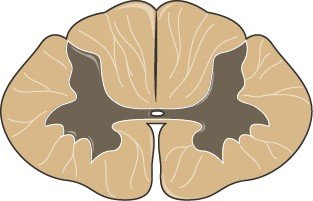
How is this different from a normal slip disc in the neck?
A slip disc in the neck can do two different things, and the difference decides the treatment.
Radiculopathy is a pinched nerve root. It causes sharp pain running down one arm, often into specific fingers, with numbness or weakness in that one arm. Bazu mein dard, haath sunn. It is painful, sometimes severely so, but it is usually not dangerous, and a large number of these settle over weeks with medication, activity modification and time.
Myelopathy is pressure on the spinal cord itself. It affects both hands, and it affects the legs and balance. It is often less painful than radiculopathy, which is exactly why it gets ignored for so long. Less pain does not mean less serious here.
Some people have both together. The practical rule for a patient: arm pain alone is usually not urgent. Two clumsy hands and unsteady walking are.
What tests are needed, and does a bad MRI always mean surgery?
You need two things: an MRI of the cervical spine, and a proper hands-on neurological examination. Neither one is enough on its own.

The MRI shows whether the cord is being squeezed, at how many levels, and whether the cord itself has already changed signal, which suggests it has been under pressure for a while. But MRIs of people over forty are frequently abnormal without causing any problem at all. Bulging discs and dry, degenerated discs are extremely common and are often just age, like grey hair.
That is why the examination matters. The surgeon is checking your gait, your balance, the fine movements of your fingers, and specific reflexes that become brisk or abnormal when the cord is involved. Those findings, combined with your own story of buttons and handwriting, are what turn a picture into a diagnosis.
And no, an abnormal MRI does not automatically mean surgery. Mild myelopathy with no progression can reasonably be watched, with clear instructions about what changes should bring you straight back, and repeat assessment. Surgery is advised when there is clear cord compression with matching signs, when symptoms are getting worse, or when the compression is severe enough that a fall could be catastrophic. If a surgeon recommends an operation the moment he sees your report, without examining you and without explaining the alternative, take a second opinion.
Which operation is used, and where does endoscopic spine surgery fit?
The choice depends on where the pressure is coming from and how many levels are involved. There is no single best operation for every neck.
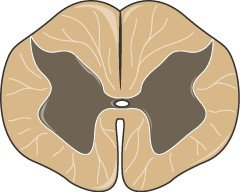
- Anterior cervical discectomy and fusion (ACDF). The most common operation for cord compression from the front. The disc is removed through a small crease in the front of the neck and the space is held open with a spacer. Widely done, well studied, reliable.
- Cervical disc replacement. An artificial disc instead of a fusion, suitable for selected younger patients with disease at one or two levels.
- Posterior decompression, laminectomy or laminoplasty. Used when the compression involves several levels or comes mainly from behind.
- Endoscopic cervical procedures. Done through a very small opening with a camera and continuous irrigation.
Now the honest part about the endoscope, because it is what many people search for. Endoscopic cervical surgery is excellent for a soft disc herniation pinching a single nerve root, and it is not the right answer for every case of myelopathy. Where the cord is compressed at several levels, or where bony spurs and ossified ligament are the problem, a standard open decompression or ACDF is safer and more complete. A surgeon who offers you an endoscopic procedure for every neck is selling a technique, not treating your problem. The same surgeon should be comfortable doing all of these and choosing the right one.
In the lumbar spine the picture is different, which is where endoscopic discectomy and microdiscectomy do most of their work for taang mein dard and sciatica. Do not assume what applies to a lower back disc applies to your neck.
Is laser cervical spine surgery a real option?
Short answer: laser is not a separate operation, and it is not a recognised treatment for spinal cord compression in the neck.
A laser is just one way of delivering energy, the same way a diathermy or a radiofrequency probe is. It can be used as a tool inside certain minimally invasive procedures. It cannot remove a bone spur pressing on your spinal cord, and it cannot open up a canal that has narrowed over years.
When you see "laser spine surgery" advertised as a painless, five minute, no cut solution for a neck problem, treat it as marketing language. Ask a direct question instead: what exactly will be removed, from which level, and through what approach. A clear answer to that tells you far more than the word laser does. Real minimally invasive cervical surgery does exist, it is done with an endoscope or a microscope, and it is chosen for specific problems, not offered to everyone.
What does cervical spine surgery cost in Pakistan?
Cost varies widely, and anyone who quotes you a single figure over the phone before seeing your MRI is guessing. The honest guidance is to ask for a written, itemised quote in PKR before you commit to anything.
The quote should list, separately:
- Surgeon and assistant fees
- Anaesthesia
- Operation theatre charges
- Implants, which are often the single largest and most variable item in cervical surgery, including the make of cage, plate or artificial disc
- Hospital room and expected length of stay
- Pre-operative tests and post-operative imaging
- Follow-up visits and physiotherapy, and what is included
Two things drive the price more than anything else: how many levels are being operated on, and which implants are used. Imported implants cost considerably more than locally available ones. Ask what is being used and why.
Practical points for families coming from outside Faisalabad, from Jhang, Sargodha, Toba Tek Singh or Chiniot: ask how many nights the patient will be admitted, whether an attendant can stay, and whether the follow-up visits can be spaced to reduce travel. If someone in the family has a health card or employer cover, ask the hospital's billing desk in advance exactly what it covers for spine surgery, because implant coverage is often the sticking point.
What should you do next?
If you recognised yourself in the buttons and the handwriting, do these things in order:
- Stop neck manipulation of any kind today. No cracking, no pulling, no forceful malish on the neck.
- Get an MRI of the cervical spine. An X-ray is not enough. It cannot show the spinal cord.
- Take the films, not just the report, to a spine surgeon. Take a family member with you, because two people remember a consultation better than one.
- Write your questions down beforehand: what is compressing the cord, at which levels, what happens if I wait, what operation do you recommend and why that one, what are the risks, how long is recovery, and what is the written cost.
And a word about who to trust. The right surgeon will tell you honestly when you do not need an operation. Most neck and back pain in Pakistan is muscular, postural or age related, and it does not need a surgeon at all. Be more comfortable with the doctor who says "let us watch this and see you in three months" than with the one who books a theatre slot on the first visit.
Dr. M. Abdur Rehman is a consultant neurosurgeon at Mujahid Hospital, Faisalabad, treating cervical and lumbar spine problems with endoscopic, microscopic and open techniques depending on what the case actually needs. If you are searching for the best endoscopic spine surgeon in Faisalabad, judge the answer by whether the surgeon examines you properly, explains your MRI in plain words, and is willing to tell you that you do not need surgery. Bring your MRI and let us look at it together.
Cervical spine surgery in Faisalabad Read the full page on cervical spine surgery in faisalabad, including who it suits, what recovery looks like and how to arrange a review.
Questions patients ask about this
Can cervical myelopathy get better without surgery?
Symptoms already caused by cord compression rarely reverse on their own. Mild, non-progressing cases can be monitored carefully with regular review. But medicines, physiotherapy and traction do not remove the pressure. They may ease neck pain while the underlying compression continues, which is why monitoring must be active, not passive.
What is the recovery time after endoscopic or minimally invasive cervical spine surgery?
Most patients walk the same day or the next and go home within one to three days, depending on the procedure. Desk work often resumes within two to four weeks, heavier physical work considerably later. Hand function and balance improve gradually over months. Your surgeon's timeline for your specific operation is the one to follow.
My MRI says disc bulge and cervical spondylosis. Do I have myelopathy?
Probably not. Disc bulges and spondylosis are extremely common with age and often cause no problem at all. Myelopathy means the spinal cord itself is compressed and you have matching signs: clumsy hands, unsteady walking, brisk reflexes. Report wording alone does not make the diagnosis. Examination does.
Is it safe to go to a hakeem or massage centre for my neck first?
Gentle massage of tight shoulder muscles is unlikely to harm you. Forceful neck cracking, pulling or manipulation is genuinely dangerous if your spinal cord is already compressed. Since you cannot know which you have without an MRI, get imaging before letting anyone manipulate your neck.
Does cervical myelopathy always need fusion?
No. Some cases are treated with disc replacement, some with posterior decompression or laminoplasty, and a single soft disc pressing on one nerve root may suit an endoscopic procedure. The choice depends on the number of levels, the shape of your spine and whether bone or soft disc is causing the pressure.
Related articles
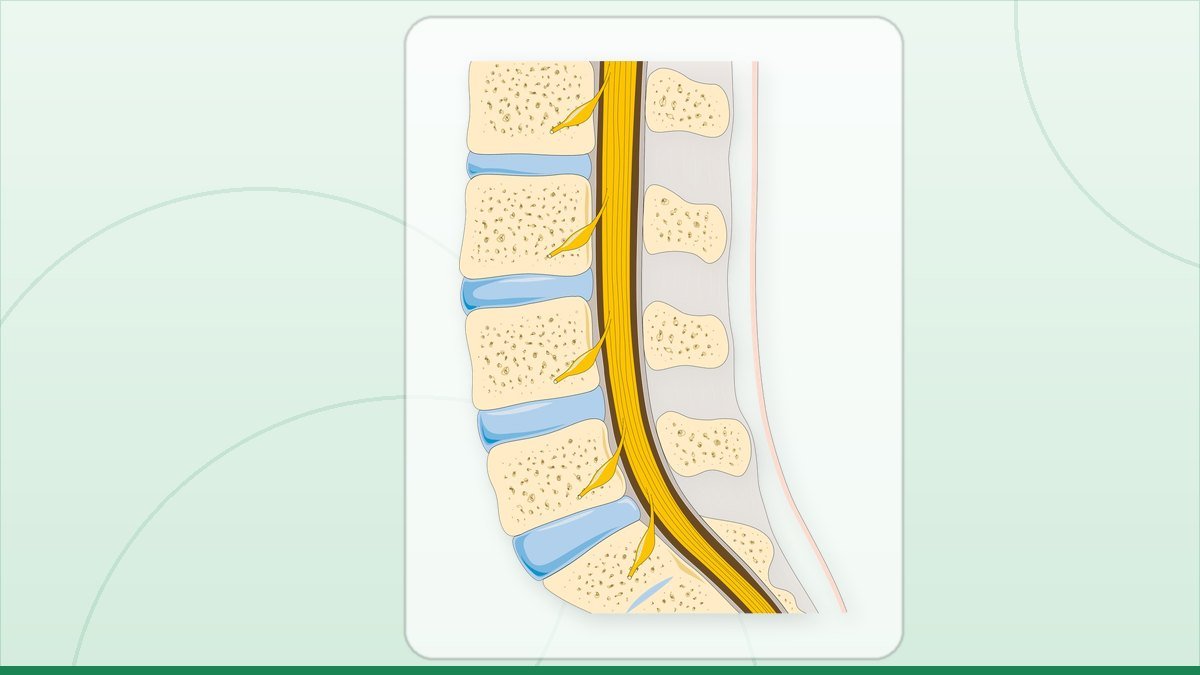
Cauda equina syndrome: the back emergency
Cauda equina syndrome is a spine emergency. Know the warning signs, why hours matter, and where to get an…
Read this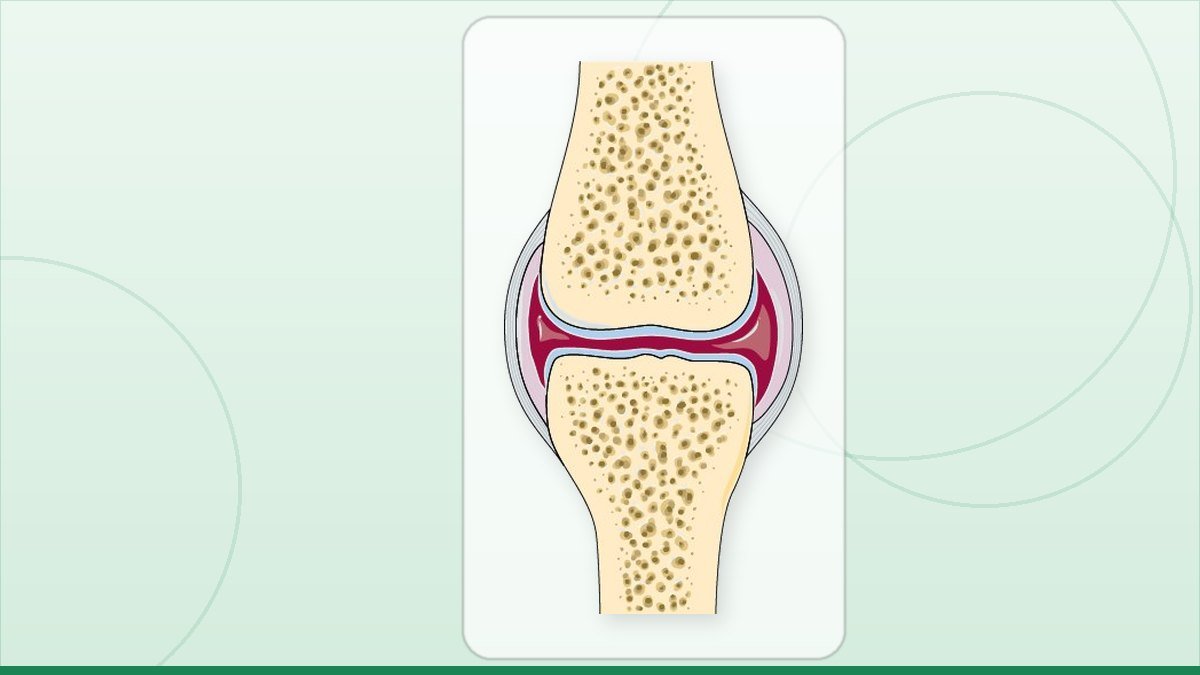
Facet joint pain: the back pain that hates standing
Facet joint pain gets worse when you stand and better when you sit. What it means, which treatments help, and…
Read this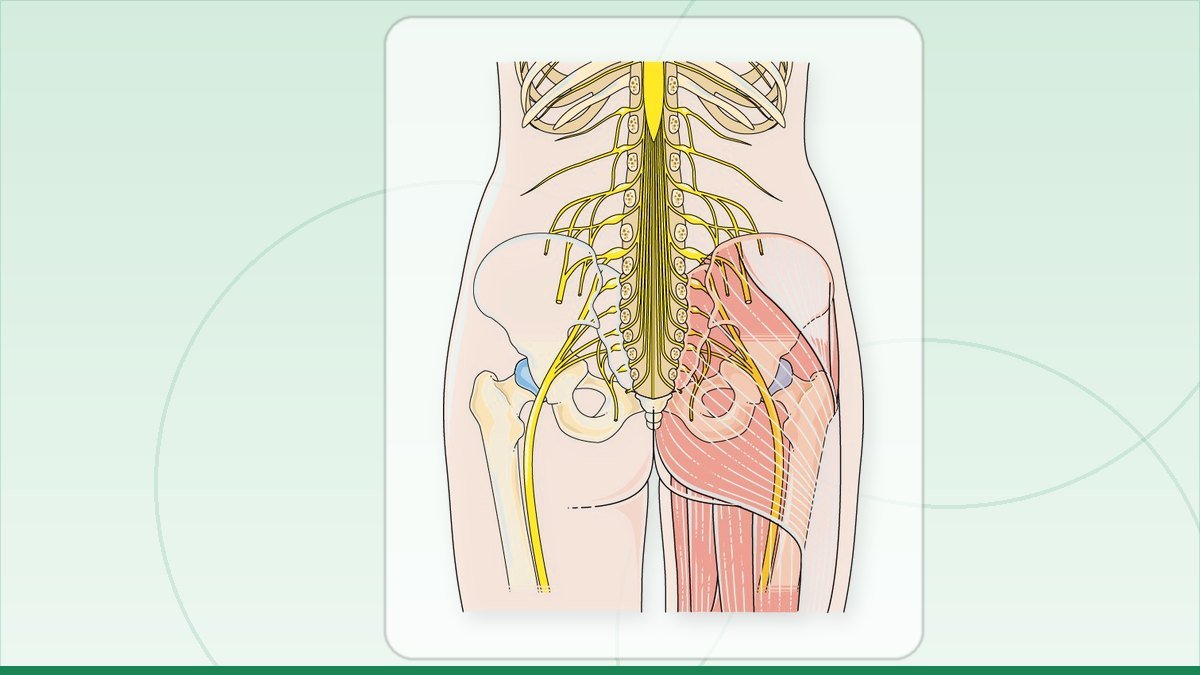
Sacroiliac joint pain or sciatica? Telling them apart
Sacroiliac joint pain or sciatica? How to tell them apart, which tests confirm it, and when surgery is really…
Read thisAll patient questions · Spine surgery in Faisalabad · Book an appointment
Ask about your own scan. Send your MRI or X-ray on WhatsApp and get a straight answer on whether surgery is needed at all, from a consultant neurosurgeon in Faisalabad.
Dr. M. Abdur Rehman is a consultant neurosurgeon in Faisalabad. Send your scan on WhatsApp and ask what it actually shows.
Published for the practice of Dr. M. Abdur Rehman, consultant neurosurgeon, Mujahid Hospital, Faisalabad. General information only, not a substitute for examination.