
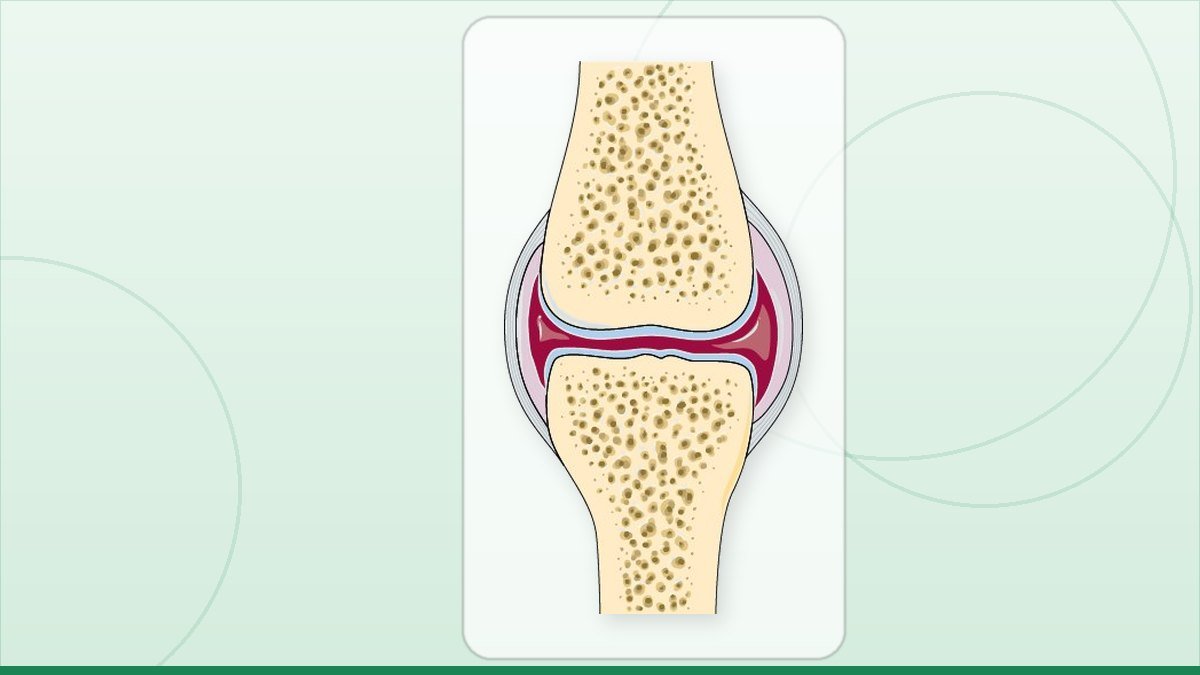
Facet joint pain comes from the small joints at the back of your spine. It is worse when you stand, walk or lean backwards, and eases when you sit or bend forward. Most cases settle with physiotherapy, activity change and sometimes injections. Surgery is rarely needed for facet pain alone. Nerve damage is not part of this condition.
What does facet joint pain actually feel like?
Facet joints are small paired joints at the back of each level of your spine. They guide movement and stop you bending too far. When their cartilage thins with age or after an injury, they become painful in a very particular way.
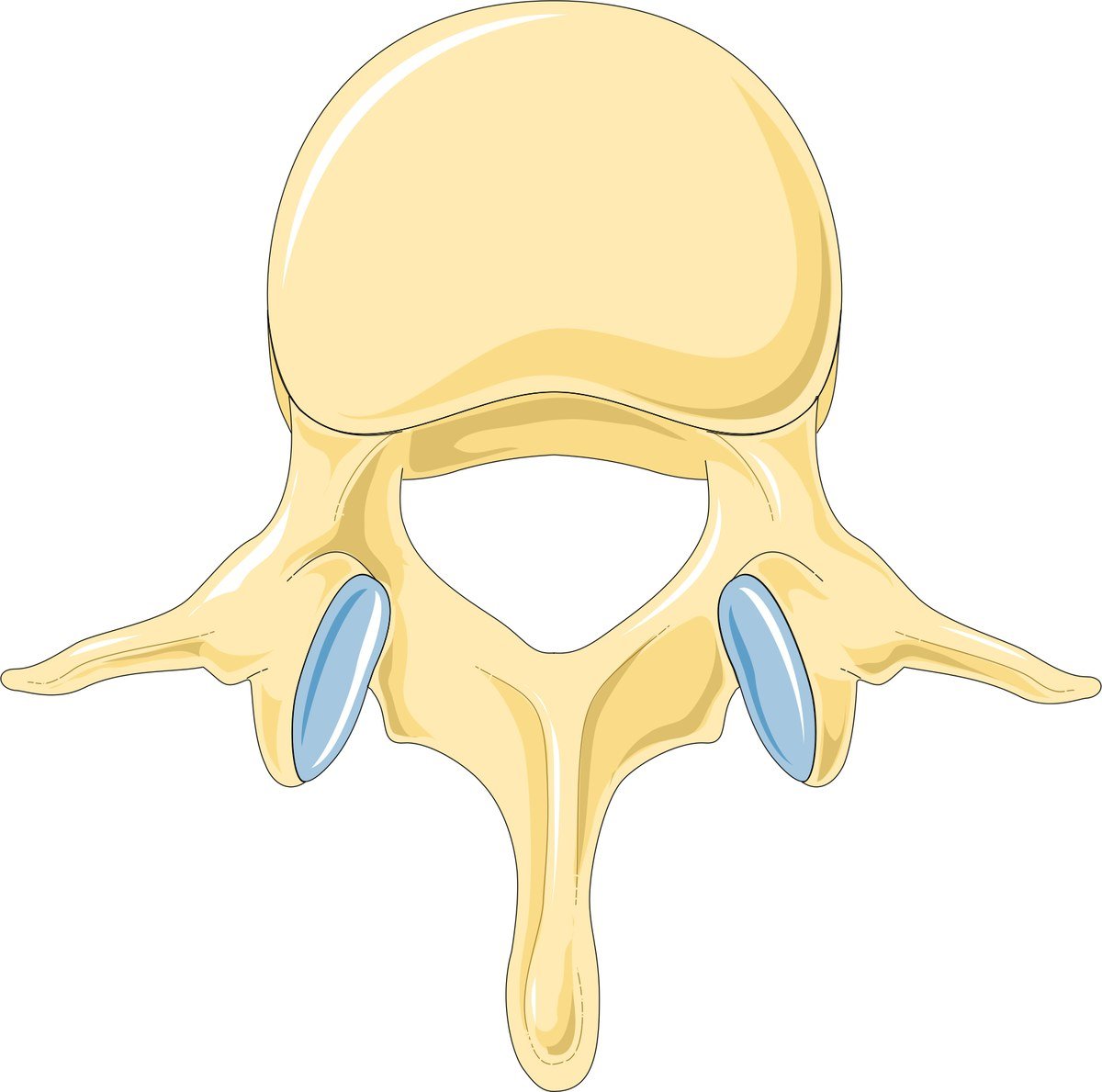
The pattern is what gives it away. The pain is worse when you stand still, walk on a hard floor, lean backwards, or reach up to a high shelf. It eases when you sit, lean forward on a trolley, or curl up. Many patients say they can walk for twenty minutes but cannot stand in a queue for five. Mornings are stiff, then it loosens, then it builds again by evening.
The pain sits deep in the back or the neck. It can spread into the buttock or the back of the thigh, or in the neck into the shoulder blade and the back of the head. It usually stops above the knee. It is an ache, a grinding, a heaviness. It is not the electric shooting taang mein dard that runs into the foot. That is a different problem.
If your kamar dard is worse standing and better sitting, facet joints are a reasonable suspicion. If it is worse sitting and better standing, and shoots down one leg, think disc instead.
Is facet joint pain dangerous? Will I be paralysed?
No. Facet joint pain does not cause paralysis. It is arthritis in a joint, the same process that affects knees and hips, and joints do not press on the spinal cord.
This is the fear that brings most families to a neurosurgeon, and it deserves a plain answer. Facet arthritis wears down the joint surfaces and thickens the bone around them. It hurts, sometimes a great deal, but it does not damage nerves by itself. People live with it for years, some of them badly managed, and they still walk.
There are warning signs that belong to other conditions and need urgent assessment, not a hakeem visit:
- Weakness in a foot or leg that is getting worse, or a foot that slaps the ground
- Loss of control of urine or stool, or numbness in the area you sit on
- Numbness spreading down both legs
- Fever with back pain, unexplained weight loss, or a history of cancer or TB
- Back pain after a fall or road accident
None of those are facet pain. Any of them means see a spine surgeon the same week. Everything else can be worked up calmly.
Do I need surgery for facet joint pain?
Almost certainly not. Facet joint pain on its own is not a surgical disease, and any surgeon who offers you a fusion for a painful facet joint alone should be asked to explain his reasoning in writing.
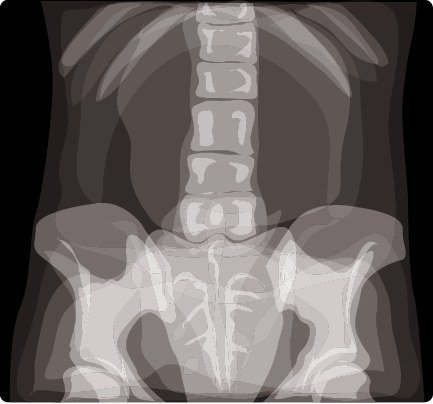
This is worth saying clearly because patients in Punjab are often told the opposite. The evidence for fusing a spine to treat facet pain is weak. Fusion stiffens a segment permanently and pushes extra load onto the levels above and below. For a joint problem that responds to exercise, weight control and injections, that is a heavy price.
Surgery enters the conversation only when something else is happening at the same time:
- The thickened facet joint is squeezing a nerve in the lateral recess or foramen, and you have true leg or arm pain with numbness
- A fluid-filled facet cyst has grown into the canal and is pressing on a nerve root
- The level has slipped forward (spondylolisthesis) and is genuinely unstable on bending films
- Spinal canal narrowing that stops you walking more than a short distance
In those situations the surgery is not treating the ache. It is taking pressure off a nerve, which is a different and much more reliable operation.
What is the best treatment for neck pain from facet joints?
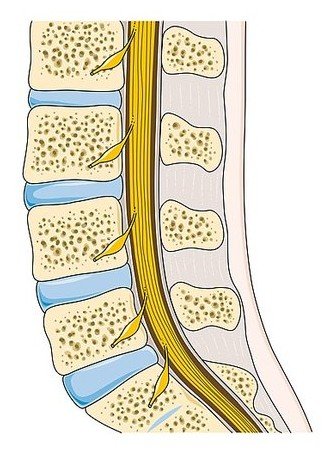
The same joints exist in the neck, and cervical facet pain is one of the commonest causes of long-running neck pain. Treatment starts with movement and posture, not with a scan and not with a collar.
Cervical facet pain is a deep ache at the base of the neck, often one-sided, spreading over the shoulder blade or up into the back of the head as a headache. Looking up hurts. Turning to reverse a car hurts. Long hours over a phone or a sewing machine make it worse by evening. Whiplash from a road accident is a common starting point.
A sensible order of treatment for neck pain:
- Change the load. Screen at eye level, pillow supporting the neck not the head, breaks every thirty minutes. This alone fixes a large share of cases.
- Physiotherapy. Deep neck flexor strengthening and scapular work, done for weeks, not two sessions.
- Medicine, short course. An anti-inflammatory for a week or two, with stomach protection. Not for months.
- Heat, and gentle movement. Stiffness responds better to movement than to rest.
- Injections if a genuine effort at the above has failed.
What to avoid: forceful neck cracking or pulling by an untrained person. In Faisalabad this is easy to find and cheap. It carries real risk to the vessels and joints of the neck, and it does not treat arthritis. A soft collar worn for weeks also does harm, because the muscles waste.
Do facet joint injections work, and how long do they last?
Injections work well for the right patient, and they do two jobs. They confirm the diagnosis and they give relief. They are not a permanent cure, and nobody should promise you one.
There are two kinds. A medial branch block puts local anaesthetic on the tiny nerves that carry pain from a facet joint. If your pain drops sharply for a few hours, that facet joint is confirmed as the source. An intra-articular steroid injection puts steroid inside the joint itself to calm inflammation.
Relief varies a lot between people. Some get weeks, some get many months, some get very little. That variation is honest medicine, not a dodge. If blocks confirm the joint but relief keeps fading, the next step is radiofrequency ablation, where those same small nerves are heated and interrupted. It does not touch the nerves that move your leg or arm. Relief often lasts several months to a year or two, and it can be repeated when the nerve regrows.
All of these are done with X-ray or scan guidance, as day cases, with local anaesthetic. You walk out. Use the relief window to do the physiotherapy you could not tolerate before. An injection without rehabilitation is a wasted opportunity.
What will the MRI show, and why does it not match my pain?
An MRI will very likely show facet arthropathy, and that finding alone does not prove those joints are causing your pain. Worn facet joints are extremely common on scans of people with no back pain at all.
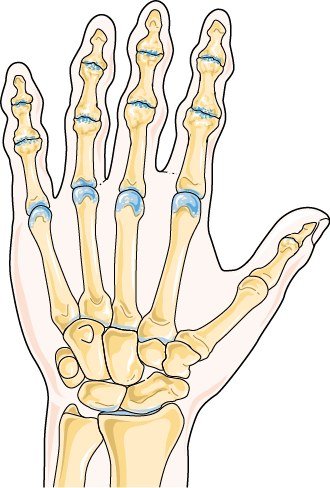
This confuses many patients. The report says degenerative changes, osteophytes, facet hypertrophy, joint effusion, and it sounds alarming. Most of it is the normal appearance of a spine that has been used for forty or fifty years. The scan tells the surgeon about anatomy. Your history and examination tell him about pain.
What an MRI is genuinely needed for:
- Ruling out a disc pressing on a nerve, when there is real leg or arm pain
- Finding a facet cyst or significant canal narrowing
- Excluding infection, TB of the spine, or a tumour when red flags are present
- Planning, if surgery is actually being considered
The nearest thing to a true test for facet pain is a diagnostic medial branch block, because it tests the joint rather than photographing it. So do not be surprised if a surgeon spends more time asking how you stand and walk than looking at your films. That is the correct order.
How long does it take to get better?
Think in weeks and months, not days. A first flare of facet pain usually calms within two to six weeks with movement and simple medicine. Long-standing facet arthritis is managed rather than cured, and most people get to a point where it no longer runs their life.
What makes recovery faster:
- Keeping moving. Bed rest beyond a day or two makes facet pain worse, not better.
- Losing weight if there is weight to lose. Every kilogram loads these joints when you stand.
- Core and hip strength for the low back, deep neck strength for the neck. Six to twelve weeks of honest work.
- Fixing the daily posture that triggers it, whether that is standing at a counter all day or bending over a machine.
What slows it down: months of painkillers with no exercise, repeated deep massage that feels good for an hour, a collar or a belt worn all day, and waiting for a scan before starting any treatment.
Many families in Faisalabad try a hakeem, malish or cupping first. It is understandable and it rarely does harm, but if six to eight weeks pass with no real change, that is the moment to get properly examined rather than to try a stronger version of the same thing.
When would a spine surgeon actually operate, and what would he do?
The operation is aimed at a compressed nerve, never at the ache alone. If your facet arthritis has thickened enough to trap a nerve root, or a facet cyst has formed, decompression is a genuine and effective option.
Endoscopic spine surgery suits this situation well. A camera and instruments pass through an incision under a centimetre, between the muscles rather than cutting them off the bone. The overgrown facet edge or the cyst is removed and the nerve is freed. Because the joint and the muscle attachments are largely preserved, the spine stays stable and most patients go home the same day or the next.
Microdiscectomy remains the right choice when a disc fragment is the real culprit. Fusion is reserved for a level that is genuinely slipping and unstable, not for a joint that simply hurts.
Reasonable questions to ask any surgeon before agreeing:
- What exactly is causing my pain, and how do you know?
- What happens if I do nothing for three more months?
- Have we finished physiotherapy and tried an injection?
- What is this operation meant to fix, the leg pain or the back pain?
- What is the recovery, and what are the risks in my case?
What should I do next in Faisalabad?
Start with a proper examination, not a scan. Bring any old films and reports, and bring the family member who will help you decide, because these decisions are rarely made alone.
Costs vary with the hospital, the level involved and whether implants are used. Ask for a written quote in PKR before you agree to anything, covering the surgeon's fee, anaesthesia, hospital stay, implants if any, and follow-up. A clinic that will not put a figure on paper is telling you something. If you are travelling in from Jhang, Sargodha, Chiniot or Toba Tek Singh, ask on the phone how many visits you will need, so you can plan the trip in one go.
You do not need the best spine surgeon in Faisalabad to treat a facet joint. You need someone who will examine you honestly, tell you plainly that most facet pain is not surgical, and only offer an operation when there is a nerve to free. Dr. M. Abdur Rehman, consultant neurosurgeon at Mujahid Hospital, Faisalabad, sees patients with kamar dard and neck pain every week, and the majority of them go home with a treatment plan rather than a surgery date.
If your pain is worse when you stand and better when you sit, and it has not shifted in six to eight weeks, book an assessment. If you have weakness, numbness, or any loss of bladder or bowel control, do not wait for an appointment.
Questions patients ask about this
Is facet joint pain the same as slip disc?
No. A slip disc presses on a nerve and sends sharp pain down the leg or arm, often past the knee or elbow, with numbness. Facet joint pain stays in the back or neck, may reach the buttock or shoulder blade, and is worse standing or leaning back.
Can facet joint pain be cured permanently?
The arthritis itself does not reverse, but the pain can be controlled well for years. Strength work, weight control and posture changes do most of it. Injections and radiofrequency treatment help when pain persists. Many people reach a point where the problem no longer limits their daily life.
Is massage or a hakeem safe for facet pain?
Gentle massage rarely does harm and may ease muscle spasm around the joint. It does not treat the arthritis. Forceful cracking or pulling, especially of the neck, carries real risk. If eight weeks pass with no improvement, get examined by a doctor rather than trying a stronger version.
Do I need an MRI before seeing a spine surgeon?
Not always. A good examination often identifies facet pain without any scan. An MRI is needed if you have leg or arm weakness, numbness, red flags such as fever or weight loss, or if surgery is being considered. Bring older films if you already have them.
Why does my neck pain cause headaches?
The upper cervical facet joints share nerve pathways with the back of the head. When these joints are irritated, pain is felt as a headache spreading from the neck upward, usually one-sided and worse after long hours looking down. Treating the neck often settles the headache.
Related articles
Sacroiliac joint pain or sciatica? Telling them apart
Sacroiliac joint pain or sciatica? How to tell them apart, which tests confirm it, and when surgery is really…
Read this
Piriformis syndrome or a disc? Same leg pain, different cause
Piriformis syndrome or a slipped disc? Both cause leg pain. Here is how to tell them apart, when surgery is…
Read this
Spinal tumours: rare, but this is how they present
Spinal tumor symptoms explained: night pain, pain at rest and weakness that keeps getting worse. When you…
Read thisAll patient questions · Spine surgery in Faisalabad · Book an appointment
Ask about your own scan. Send your MRI or X-ray on WhatsApp and get a straight answer on whether surgery is needed at all, from a consultant neurosurgeon in Faisalabad.
Dr. M. Abdur Rehman is a consultant neurosurgeon in Faisalabad. Send your scan on WhatsApp and ask what it actually shows.
Published for the practice of Dr. M. Abdur Rehman, consultant neurosurgeon, Mujahid Hospital, Faisalabad. General information only, not a substitute for examination.