
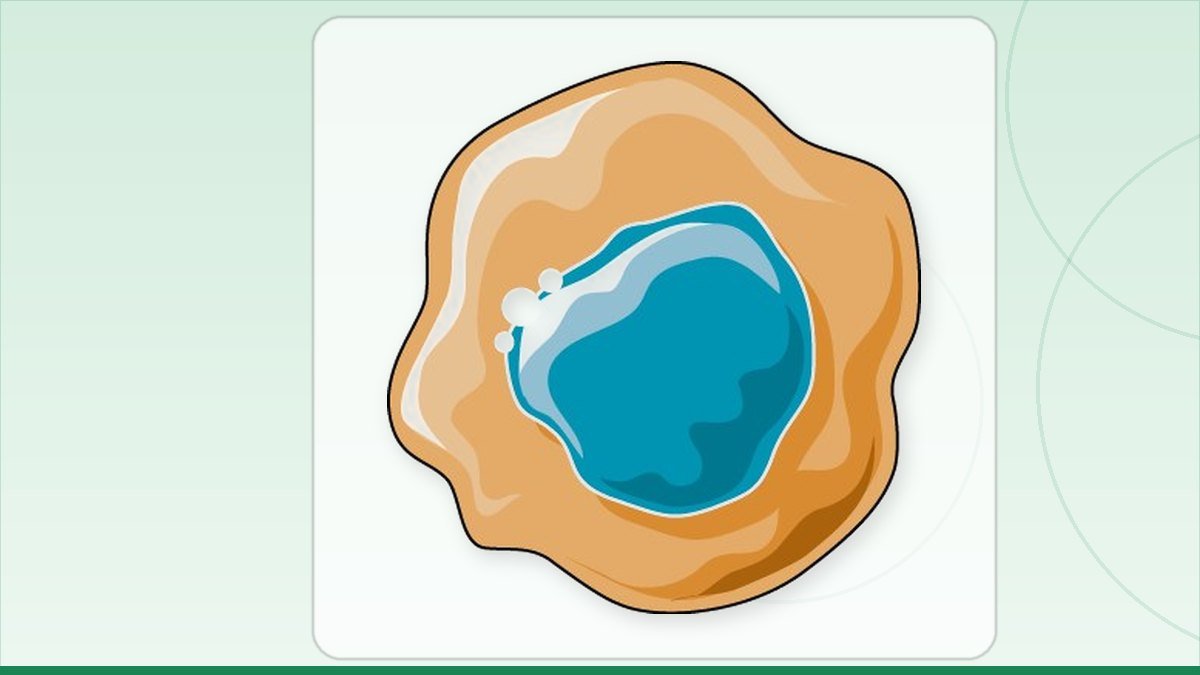
Spinal tumours are rare. The pattern that raises concern is back pain that wakes you at night, pain that does not settle with rest, and weakness or numbness that is getting worse week by week. Add unexplained weight loss or a past cancer, and you need an MRI, not more painkillers.
What does a spinal tumour actually feel like?
Most spinal tumours announce themselves as pain long before anything else. What makes that pain different from ordinary kamar dard is that it breaks the usual rules: it does not ease when you lie down, it often wakes you at two or three in the morning, and it builds steadily over weeks instead of flaring and settling.
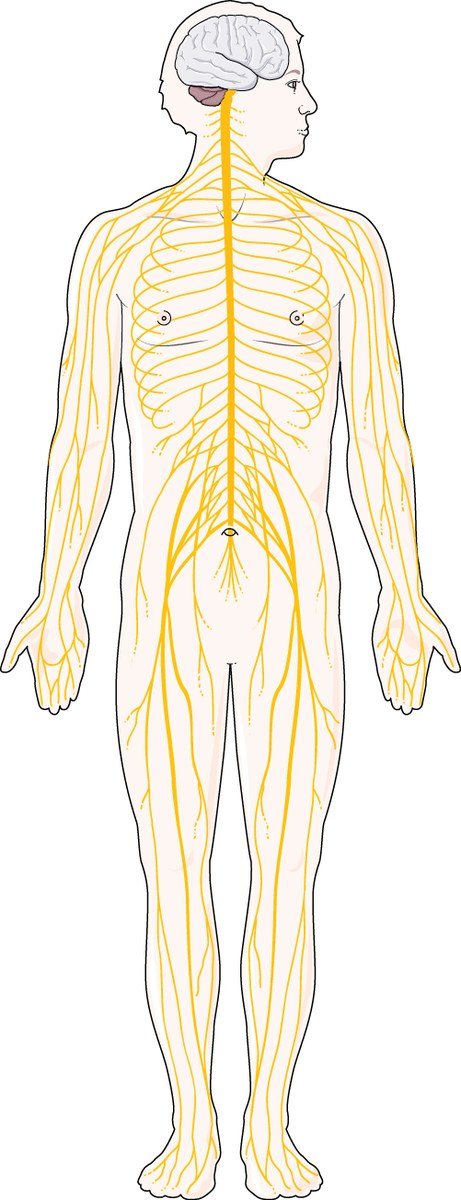
The second thing patients notice is a change in the body below the level of the problem. A leg starts dragging. A slipper falls off without you feeling it. You hold the stair railing where you never used to. These changes are slow, so families often explain them away as age or weakness after illness.
The pattern that should send you for a scan:
- Back pain that is worse lying down or wakes you from sleep
- Pain that has been getting worse every week rather than up and down
- Weakness in one or both legs that is progressing, not fluctuating
- Numbness that starts in the feet and climbs upward
- A tight band of pain or numbness around the chest or abdomen
- New difficulty controlling urine or stool
- Unexplained weight loss, fever or night sweats
- Any back pain in someone treated for cancer before, at any time in the past
One or two of these on their own may mean nothing. Several together, or any of them getting worse, means the spine needs to be imaged.
Will a spinal tumour paralyse me?
Paralysis is not the usual outcome, and it is far more often the price of waiting than the price of treating. The nerves in the spine tolerate a great deal of pressure before they fail, but once they start failing they fail quickly, which is why the timing of the scan matters more than almost anything else.
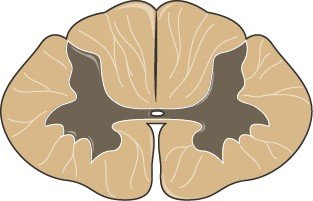
The honest version is this. The single strongest predictor of how you will walk after treatment is how you were walking before treatment. Someone who comes in with pain and mild numbness usually does well. Someone who has already been unable to stand for two weeks has a much harder road, no matter who operates or where.
Go the same day, not next week, if: leg weakness is worsening over hours or days, you cannot pass urine or you are leaking, or you have gone numb around the groin and inner thighs. That combination suggests the spinal cord or the nerve bundle below it is being squeezed, and it is treated as an emergency.
Surgery near the spinal cord does carry real risk, and any surgeon who tells you otherwise is not being straight with you. Ask specifically what the risk is in your case, with your MRI on the screen. A tumour sitting outside the cord and pushing on it is a very different conversation from one growing inside the cord itself.
Is it cancer?
Not necessarily, and this is the part families most need to hear. A tumour is simply a growth. A good number of spinal tumours are benign, grow slowly, and can be removed completely, after which the person is finished with the problem.
Broadly, what shows up on a spine MRI falls into a few groups:
- Benign tumours such as schwannomas and meningiomas, which press on nerves rather than invade them and are often curable with complete removal
- Secondary or metastatic deposits, cancer that has travelled to the spine from elsewhere, most often breast, lung, prostate, kidney or thyroid. This is the commonest type in adults over fifty
- Blood-related disease such as myeloma or lymphoma, which is treated mainly with medicines and radiotherapy rather than a scalpel
- Infection pretending to be a tumour. In Pakistan this is important. Spinal tuberculosis, what older doctors call Pott's disease, can destroy bone and press on the cord in a way that looks like cancer on a scan. It is treated with a long course of TB medicines, and many patients never need an operation at all
This is exactly why nobody should be pushed into a major operation on the strength of an MRI report alone.
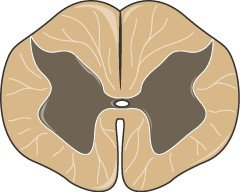
How is this different from a slip disc, and when should I stop trying massage?
A slip disc and a tumour can start out looking identical: kamar dard, then taang mein dard running down one leg. The separation comes with time and position. Disc pain is usually worse when you sit, bend or travel, and better when you lie flat. It tends to improve over weeks. Tumour pain does the opposite. It is worse lying down and it does not improve.
Most families here try a hakeem, a massage, a maalish wala, or a course of injections first, and for ordinary mechanical back pain that is often harmless and sometimes helpful. The trouble starts when months pass. Forceful manipulation of a spine with an undiagnosed tumour or with active TB can do real damage to bone that is already weakened.
A simple rule you can hold on to: back pain that has not improved at all after six weeks, or back pain with any of the warning signs listed above at any point, gets an MRI. Not another course of tablets, not another month of massage.
Which scan do I need, and what comes after it?
MRI of the affected region of the spine, with contrast, is the test that answers the question. An X-ray is cheap and quick but can look perfectly normal while a tumour is already growing, so a clear X-ray should never be used to close the file when symptoms are progressing.
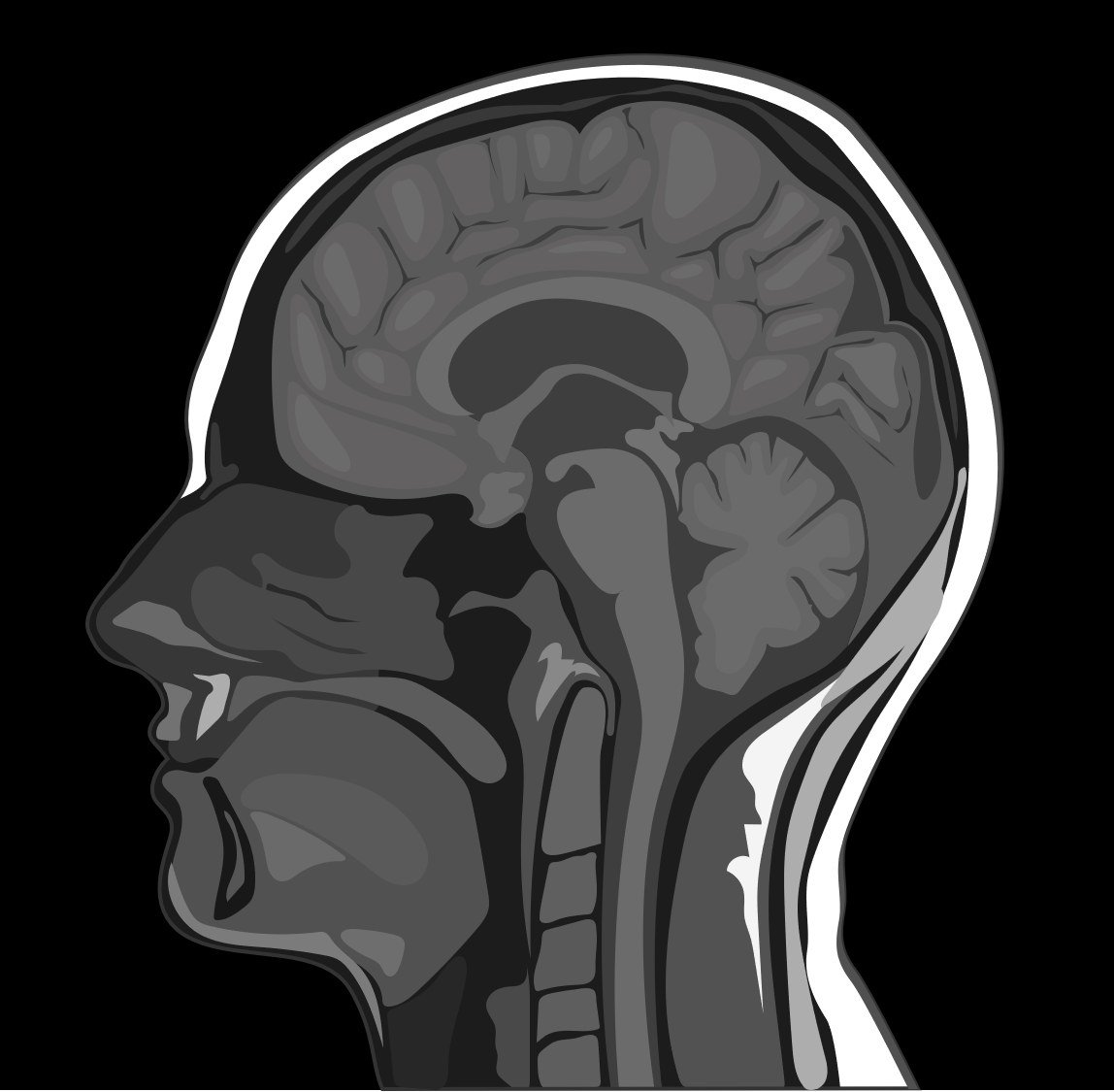
If the MRI does show a lesion, more usually follows, and it is worth knowing the sequence so you are not blindsided by extra bills:
- A CT scan for bone detail and surgical planning
- Scans of the chest and abdomen, plus blood tests, if a secondary deposit is suspected, to find where it came from
- A biopsy, sometimes done with a needle under imaging guidance rather than through an open operation
The biopsy is the step people most want to skip, and it is usually the step that matters most. Infection, benign tumour and cancer look similar enough on film to fool anyone, and they are treated in three completely different ways. Unless the cord is being crushed and weakness is worsening by the hour, treatment should follow the tissue diagnosis, not race ahead of it.
Carry the MRI films or the CD to every appointment, not just the typed report. A surgeon needs to look at the images himself.
Do all spinal tumours need surgery?
No. A fair number do not, and some need nothing but a repeat scan in a year. Small benign tumours found by accident on a scan done for some other reason are often just watched, because operating on a spinal cord to remove something that is causing no trouble can make a well person unwell.
Where the disease is a secondary deposit from cancer elsewhere, the main treatment is frequently radiotherapy along with the medical oncology plan. Surgery enters the picture for specific reasons, not by default:
- The spinal cord is being compressed and function is being lost
- The bone has been destroyed enough that the spine is unstable and will not hold the body up safely
- Tissue is needed for a diagnosis and a needle biopsy is not possible
- Pain is severe and has not responded to other treatment
If a surgeon recommends an operation, ask him plainly what the goal is. Removing the tumour completely, taking pressure off the cord to protect walking, stabilising the bone, controlling pain: these are different goals with different operations and different recoveries. You are entitled to know which one is being offered to you.
Where do endoscopic spine surgery and microdiscectomy fit into this?
Straight answer: mostly they do not. Endoscopic spine surgery and microdiscectomy are keyhole techniques designed for disc herniation and for spinal stenosis, where the job is to take pressure off a nerve through a very small opening. Most spinal tumours need a different operation, often a wider exposure, sometimes with implants to stabilise the spine afterwards.
There are selected situations where an endoscopic approach is used around tumour disease, for example taking a biopsy or relieving pressure in a limited area in a patient who would not tolerate a bigger operation. That is a judgement made case by case, on the images, not a general offer.
Because so many people arrive at this page after searching whether spinal stenosis can be cured without surgery, the honest answer there deserves saying too. Many people with stenosis, including some whose MRI is reported as severe, manage well for years with targeted physiotherapy, weight reduction, walking within their limits and sensible medication. Surgery becomes the sensible option when your walking distance has shrunk to the point that it controls your life, or when weakness or bladder symptoms appear. Severe on a report and severe in daily life are two different things.
The reason to mention all this on a tumour page is simple. If a clinic answers every problem with the same procedure, that is a warning sign in itself.
What will this cost in Pakistan?
There is no honest single figure, and be careful with anyone who gives you one over the phone before seeing your scan. The cost of spine tumour surgery depends on the level involved, whether screws and rods are needed, how long you spend in ICU, the histopathology, and whether radiotherapy or chemotherapy follows. The same is true of the fusion surgery and brain tumour surgery costs that people search for. Two patients in the same ward can have very different bills.
What you can control is the clarity of the information. Ask for a written, itemised quote in rupees before you admit, and make sure it names:
- Surgeon and anaesthesia fees
- Implants, if any, and the brand
- Expected days in ward and in ICU, and the daily rate for each
- Histopathology and any repeat imaging
- Physiotherapy and follow-up visits
- What happens to the price if you stay longer than planned
Families in Faisalabad often compare quotes with Lahore before deciding, which is reasonable. Factor in the cost of travel, attendants staying near the hospital, and repeated trips for follow-up and radiotherapy, because those add up quietly. Several hospitals in Punjab run zakat or welfare funds for cancer patients, and the social welfare office is worth visiting before you assume you cannot afford treatment.
One more caution. If anyone quotes you a success rate, ask what they mean by success and in which patients. Numbers offered without that context are marketing, not medicine.
What should you do next, and how do you judge who to trust?
If the warning pattern in this article matches what is happening to you, the next step is an MRI of the relevant part of the spine, arranged this week, not after one more course of treatment. If weakness is progressing or your bladder has changed, go to a hospital today.
Bring the family member who will actually be making the decision with you, along with the films and every previous report. Write your questions down beforehand, because people forget them in the room. Reasonable questions to ask: what do you think this is, what will confirm it, do I need surgery now or can we wait for the biopsy, what exactly will the operation achieve, and what happens if I do nothing for a month.
Many patients here start by searching for the best endoscopic spine surgeon in Faisalabad, which is a fine place to begin, but judge the person rather than the phrase. A surgeon you can trust will explain what he does not know, will tell you when your problem is not surgical, will not object to you taking a second opinion, and will give you the plan in writing.
Dr. M. Abdur Rehman is a consultant neurosurgeon and spine surgeon at Mujahid Hospital, Faisalabad. If you have an MRI in hand and a straight answer is what you want, bring the films to a consultation and you will be told plainly whether an operation is needed or not.
Questions patients ask about this
Can a spinal tumour be mistaken for a slip disc?
Yes, early on. Both cause kamar dard and taang mein dard. The difference shows over time: disc pain usually eases with rest and settles within weeks, while tumour pain is worse at night, does not settle, and comes with weakness that keeps progressing. An MRI separates the two clearly.
Does back pain at night always mean cancer?
No. Most night pain has ordinary causes such as a poor mattress, muscle spasm, arthritis, or lying in one position too long. What matters is the pattern. Pain that wakes you almost every night, worsens week by week, and comes with weight loss, fever or leg weakness deserves an MRI.
How much does spinal tumour surgery cost in Pakistan?
There is no single figure. Cost depends on the tumour, whether implants or fusion are needed, ICU time, histopathology, and treatment afterwards. Ask any hospital in Faisalabad or Lahore for an itemised written quote in rupees, and ask specifically what the price becomes if your stay runs longer.
Can spinal stenosis be cured without surgery?
Often it can be managed well without surgery. Targeted physiotherapy, weight control, walking within your limits and sensible medication help many people for years. Surgery, including endoscopic decompression, is considered when leg pain badly limits your walking distance or when weakness or bladder symptoms appear. Severe on MRI is not always severe in daily life.
Should I insist on a biopsy before agreeing to surgery?
Usually yes. Except in an emergency where the cord is being squeezed and weakness is worsening by the hour, treatment should follow a tissue diagnosis. A biopsy tells your team whether this is tuberculosis, a benign tumour, or cancer, and those three are treated in completely different ways.
Related articles
TB of the spine (Pott disease) in Pakistan: what to know
Spine TB treatment in Pakistan: Pott disease is cured mostly with months of medicine. Know when surgery is…
Read this
Osteoporotic spine fracture: sudden back pain in older adults
Sudden back pain in an older adult often means a vertebral compression fracture. What it is, when it heals…
Read this
Adult scoliosis and back pain
Adult scoliosis treatment explained for Pakistani patients: when a curve needs surgery, when it does not, and…
Read thisAll patient questions · Spine surgery in Faisalabad · Book an appointment
Ask about your own scan. Send your MRI or X-ray on WhatsApp and get a straight answer on whether surgery is needed at all, from a consultant neurosurgeon in Faisalabad.
Dr. M. Abdur Rehman is a consultant neurosurgeon in Faisalabad. Send your scan on WhatsApp and ask what it actually shows.
Published for the practice of Dr. M. Abdur Rehman, consultant neurosurgeon, Mujahid Hospital, Faisalabad. General information only, not a substitute for examination.