
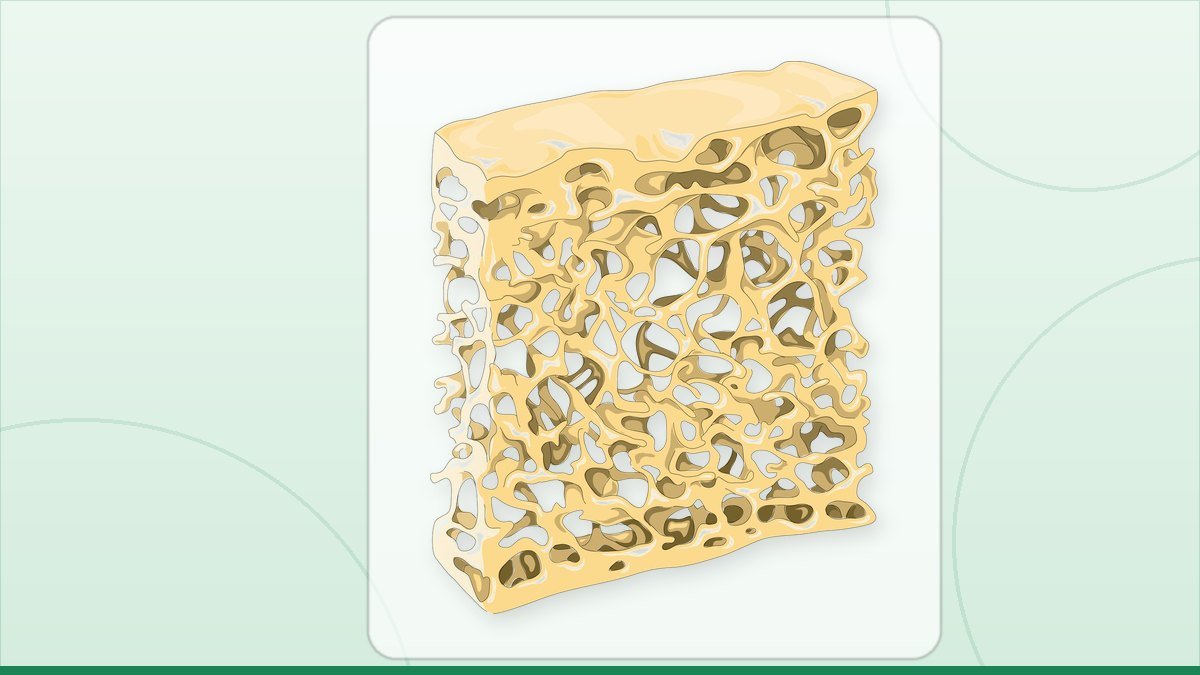
An osteoporotic spine fracture is a collapse of a weakened vertebra, often after a small fall, a cough, or lifting something light. Most heal with pain control, bracing and osteoporosis treatment over six to twelve weeks. Surgery is only considered when pain stays severe, the bone keeps collapsing, or nerves are pressed.
Why did my back suddenly start hurting after such a small movement?
Most osteoporotic fractures do not come from an accident. The bone is already thin, so it gives way under something ordinary: a slip on a wet bathroom floor, missing the last step, lifting a bucket of water, or a hard bout of coughing. Some people cannot name any event at all. They bent forward, felt something give in the middle of the back, and could not straighten up.
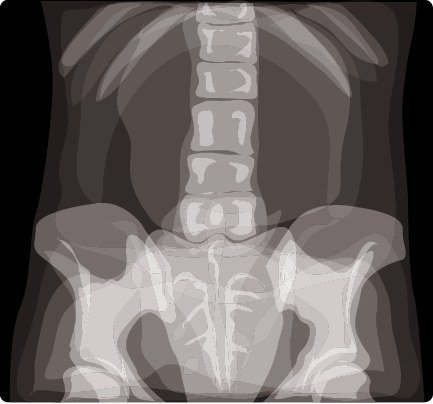
The pain is usually in the middle or lower back, sharp, and clearly worse when moving from lying to sitting, or sitting to standing. Lying flat often settles it within minutes. Unlike a slip disc, it tends to stay in the back rather than shooting down the leg.
Please do not let anyone press, pull or twist a fresh fracture. Many families take an elderly parent to a hakeem or for malish first. Strong massage over a broken vertebra increases the pain and can worsen the collapse. If a person over sixty develops sudden severe kamar dard, treat it as a possible fracture until an X-ray says otherwise.
Can this fracture paralyse me?
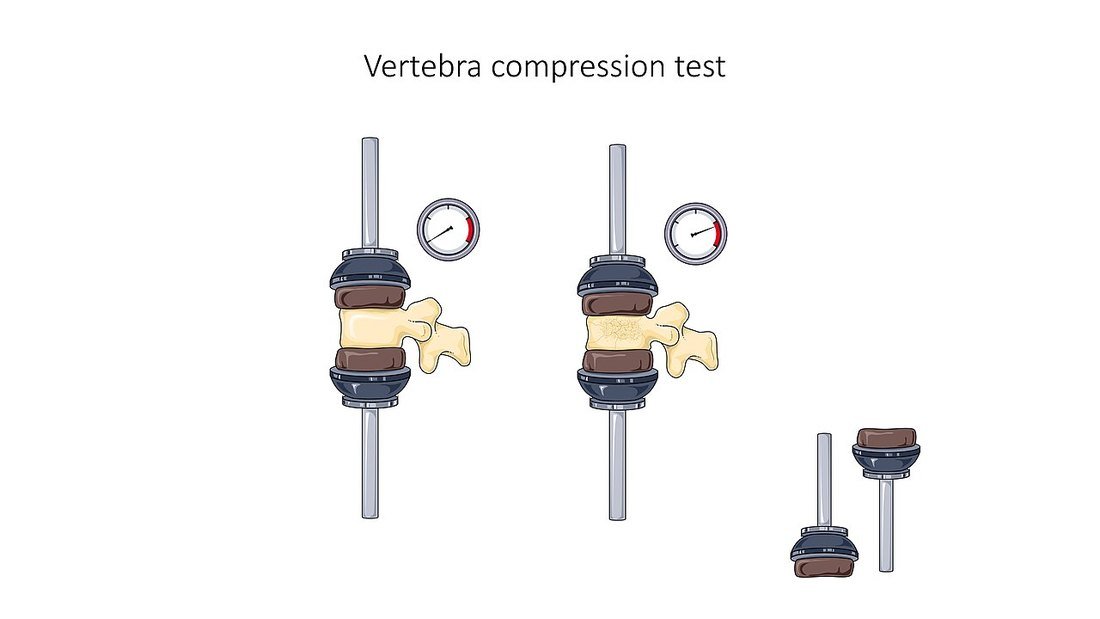
Paralysis from a simple osteoporotic compression fracture is uncommon. In the usual pattern, the front of the vertebra squashes down while the back wall, the part sitting next to the spinal cord, stays intact. That is painful, and it can leave a stoop, but it is rarely a threat to the cord.
The fear is not baseless, though, and there is a version you must not ignore. If the back wall breaks and pushes backwards, or if the vertebra keeps collapsing over the following weeks, it can press on the cord or nerve roots. Get to a hospital the same day if any of these appear:
- Weakness in one or both legs, or legs giving way when you walk
- Numbness in the inner thighs or around the private parts
- Difficulty passing urine, or leaking urine or stool
- Pain that is severe at night and does not settle when you lie still
- Fever, unexplained weight loss, or a past history of cancer
The last two point away from simple osteoporosis and towards infection or a tumour in the bone. Those need different treatment, so they must be ruled out before anyone plans anything.
Do I actually need surgery for a spine compression fracture?
Most people do not. The honest answer for the majority of osteoporotic fractures is that the bone heals itself, and the job of treatment is to keep you comfortable and moving while it does. Surgery is the exception, not the routine.
Good non-surgical care usually means regular pain medicine on a schedule rather than only when the pain peaks, a short spell of rest measured in days and not weeks, a brace in selected cases, and starting osteoporosis treatment straight away. Walking short distances indoors from early on matters more than people expect. Long bed rest in an older adult brings its own dangers: chest infection, clots in the legs, muscle wasting and further bone loss.
Surgery enters the conversation when the pain remains severe after several weeks of proper treatment, when repeat imaging shows the vertebra continuing to collapse, when the spine has become unstable or badly bent forward, or when nerves are being compressed. A surgeon who examines you and says you do not need an operation is giving you the most valuable answer available.
What tests confirm an osteoporotic fracture?
A standing X-ray of the spine usually shows the collapsed vertebra. It cannot tell you how old the fracture is, and that matters, because many older people have a healed fracture from years ago that has nothing to do with today's pain.
An MRI answers that question. Certain sequences show fluid and swelling inside a bone that has broken recently, which separates a fresh fracture from an old healed one and shows whether nerves are under pressure. A CT scan is added when the surgeon needs a clear look at the back wall of the bone before planning anything.
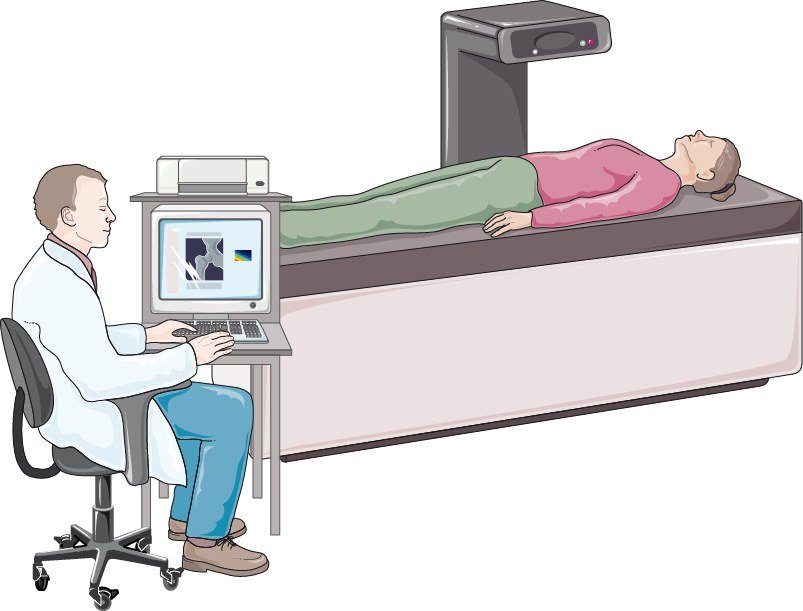
Two further tests belong in the same visit. A DEXA scan measures bone density and tells the doctor how weak the rest of the skeleton is. Blood tests check calcium, vitamin D and kidney function, and screen for conditions such as myeloma when the story does not fit ordinary osteoporosis. Both are available at larger hospitals in Faisalabad and Lahore. Carry every previous film and report with you, including the old ones.
Should I have vertebroplasty or kyphoplasty?
Vertebroplasty means passing a needle through the back into the collapsed vertebra and injecting bone cement, which hardens and supports the bone. Kyphoplasty is the same idea with a balloon inflated first to make a space and try to restore some height. Both are usually done under local anaesthesia with light sedation, take under an hour for one level, and often allow you home the same day or the next morning.
Be careful with the marketing around these procedures. Research results have been genuinely mixed. Some well-conducted trials found cement no better than a dummy procedure, while others found real and rapid pain relief in a narrower group: patients with a recent fracture, severe pain, and swelling visible on MRI. That is why the MRI matters. Cementing an old healed fracture is unlikely to help anyone.
The risks are small but real: cement leaking out of the bone, rarely travelling into veins, and a somewhat higher chance of the next vertebra fracturing later. Before agreeing, ask two questions. Does my MRI show this fracture is fresh, and what happens if I wait a few more weeks?
What is the difference between spinal fusion and decompression?
They solve two different problems, and people are often quoted for both without being told which one they actually need.
Decompression means making room for squeezed nerves. The surgeon removes the bone or ligament that is pressing on the nerve, through a laminectomy or a foraminotomy. It relieves nerve pain and the heaviness in the legs that comes with spinal stenosis. It does not make the spine stronger or hold anything together.
Fusion means joining two or more vertebrae with screws, rods or a cage so that they heal into one solid block. It is used when the spine is unstable, slipping, or bent forward from a collapsed vertebra. It stops abnormal movement. It does not, on its own, take pressure off a nerve.
Spinal fusion and decompression surgery together is common when a collapsed vertebra is both pressing on nerves and leaving the spine unstable. In osteoporosis this is harder than in a younger patient, because screws grip poorly in soft bone. Surgeons work around it with cement-augmented screws and by anchoring across more levels, and by treating the osteoporosis medically at the same time. It remains a bigger operation, and heart, lung, diabetes and kidney status all weigh into whether it is wise.
What are the risks of decompression surgery, and does minimally invasive help?
Any spine operation carries risk, and an honest surgeon will list them before you ask. Bleeding and infection. A tear in the covering of the nerves with leakage of spinal fluid, which is usually repairable. Nerve injury, which is uncommon but not impossible. Incomplete pain relief. Anaesthetic risk, which climbs with age and with heart, lung or kidney disease. In fusion, add screws loosening in weak bone and a fracture developing at the level next door.
Minimally invasive spine surgery decompression uses a small port and a magnified view instead of a long open cut, so less muscle is stripped from the bone. In practice that tends to mean less blood loss, less wound pain and getting an older patient back on their feet sooner. Those are meaningful advantages in a frail seventy-year-old.
Be clear about what it can and cannot do. Endoscopic spine surgery is designed to free trapped nerves, as in a disc herniation or spinal stenosis. It is not a repair for the broken bone itself, and it does not stabilise a spine that has become unstable. The operation should be chosen for the problem on your scan, not for the instrument a clinic wants to advertise.
How do I stop the next fracture?
This is the part most people skip, and it is the part that changes your future. One osteoporotic fracture makes the next one considerably more likely. Treating the pain without treating the bone leaves the problem untouched.
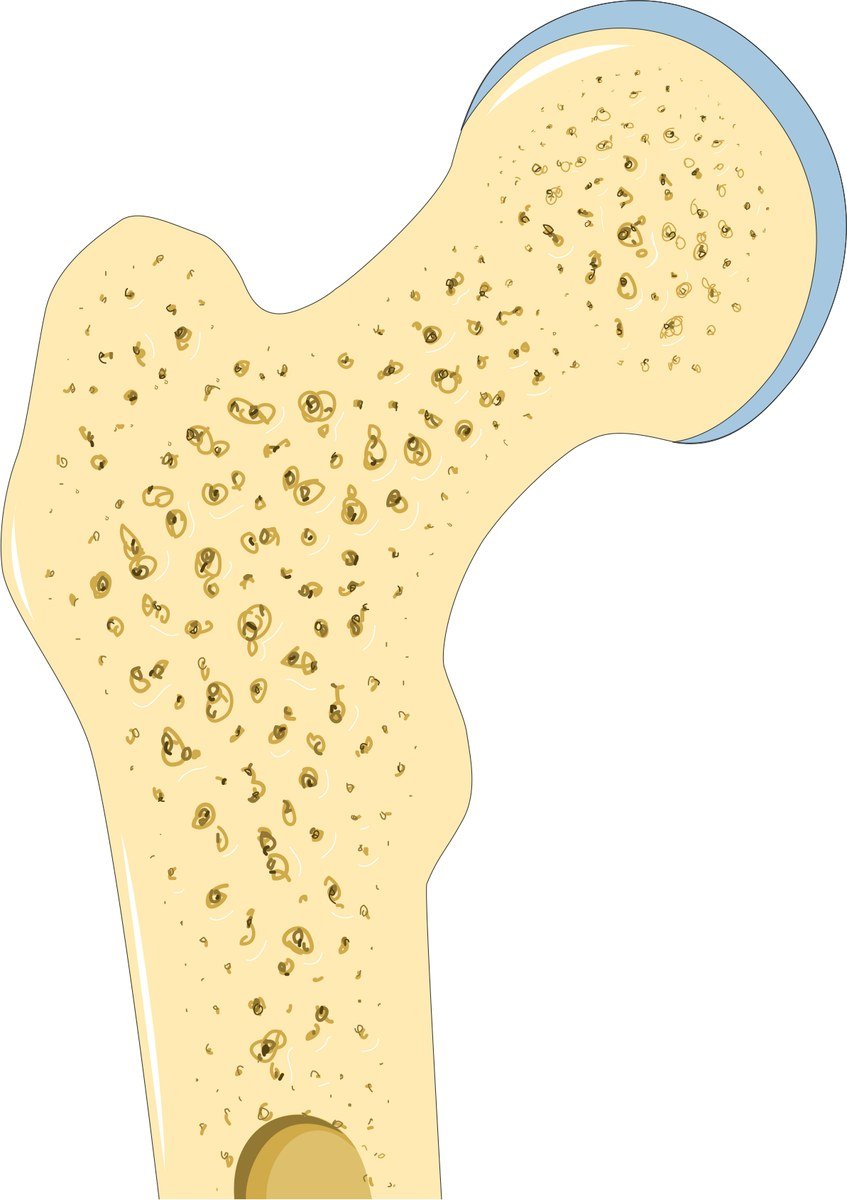
Treatment usually starts with calcium and vitamin D. Vitamin D deficiency is very common here, including in women who spend most of the day indoors or fully covered, so the level is worth measuring rather than guessing. On top of that, doctors prescribe a bone-strengthening medicine, chosen after your DEXA scan, kidney function and a dental check. Some are weekly tablets, some are a yearly infusion, some are injections. This is a prescription decision, not a pharmacy counter decision.
Then make the house safer, because most of these fractures begin with a fall:
- The bathroom is the main danger. Dry the floor, add a grab rail, use a plastic stool for bathing
- Fix the lighting on stairs and in the corridor to the bathroom at night
- Wear chappals that grip, not smooth plastic ones
- Sort out cataracts and get glasses updated
- Review sedatives and sleeping tablets with a doctor, since they cause night-time falls
- Avoid climbing to the roof or standing on a stool to reach shelves
Daily walking, some sunlight, and enough protein and dairy in the diet support everything above.
What should I do next?
If an older family member has sudden back pain after a minor fall or no fall at all, get a spine X-ray first, keep them off the massage table, and arrange a proper consultation with the films in hand. Take the previous scans, the current medicine list, and one family member who will remember the conversation.
At the consultation, ask directly: is this fracture fresh on MRI, is my spine stable, do I need an operation now or can this heal on its own, and what happens if I wait. Ask what the osteoporosis plan is, because that question is often left out. Any surgeon who cannot explain why you need a particular procedure in plain Urdu or English is asking you to trust an answer they have not given.
On money, ask the hospital for a written quote in rupees before you commit. It should list the surgeon's fee, anaesthesia, operation theatre, implants or cement, room category, medicines and follow-up visits, and it should say what is not included, such as a repeat MRI or a brace. Verbal figures change.
If you are searching for the best endoscopic spine surgeon in Faisalabad, judge the person by whether they are willing to tell you that surgery is not needed. Dr. M. Abdur Rehman, consultant neurosurgeon at Mujahid Hospital, Faisalabad, sees patients with spine fractures and nerve compression and will tell you plainly which category you fall into.
Thoracic spine surgery in Faisalabad Read the full page on thoracic spine surgery in faisalabad, including who it suits, what recovery looks like and how to arrange a review.
Questions patients ask about this
How long does an osteoporotic spine fracture take to heal?
Most heal in six to twelve weeks. Pain is worst in the first two to three weeks, then settles slowly. Older people and those with several fractures take longer. If pain is still severe after six weeks of proper treatment, go back for a repeat scan rather than continuing painkillers alone.
Is vertebroplasty done under general anaesthesia?
Usually not. It is generally done with local anaesthesia and light sedation, so you are drowsy but breathing on your own. One level takes under an hour, and most patients go home the same day or the next morning. General anaesthesia is used if several levels are treated or you cannot lie still.
Can I walk with a compression fracture?
Yes, and you should. Short walks indoors from the first days, as pain allows, with a brace if one was prescribed. Long bed rest weakens muscle, thins bone further, and raises the risk of chest infection and clots in older adults. Avoid bending forward, lifting, and any strong massage.
What is the difference between a slip disc and a compression fracture?
A slip disc usually sends pain down the leg, taang mein dard, often with numbness or weakness. A compression fracture is bone collapse: the pain sits in the back itself and spikes when you change position. Both can be present together in older people, which is why an MRI is often needed.
How much does treatment cost in Pakistan?
Costs vary with the hospital, the number of levels treated, implants and cement, room category and anaesthesia. Ask for a written quote in rupees listing the surgeon's fee, theatre, implants, room, medicines and follow-up visits, and ask specifically what is not included, such as a repeat MRI or a brace.
Related articles
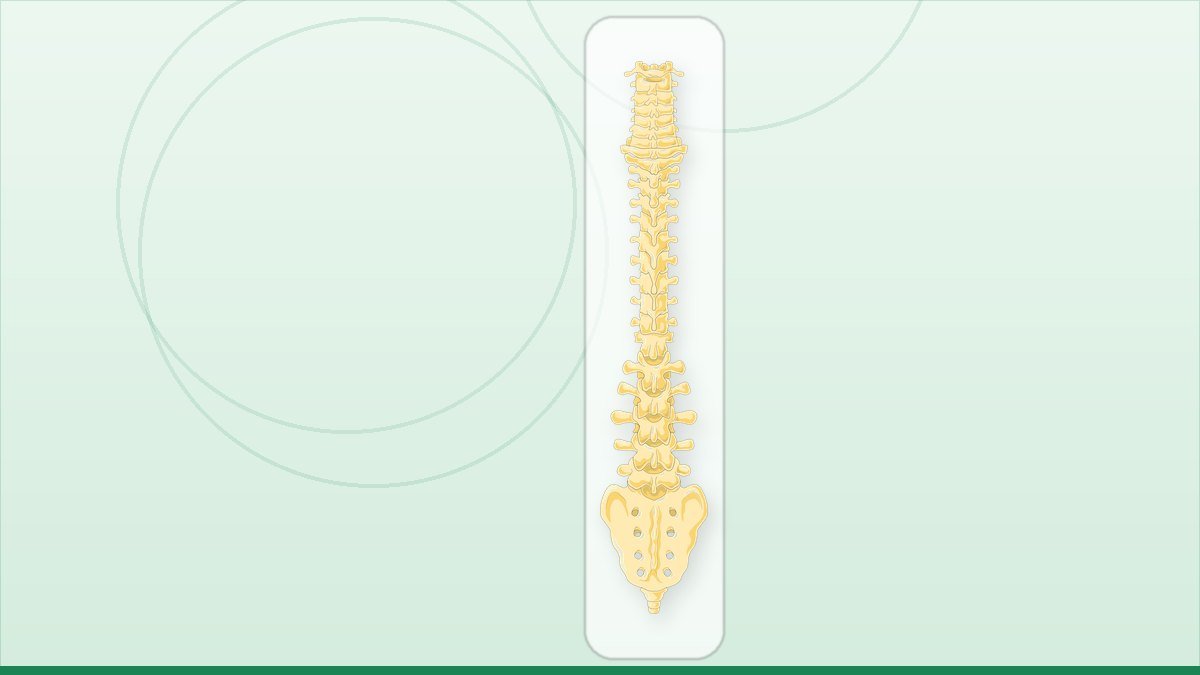
Adult scoliosis and back pain
Adult scoliosis treatment explained for Pakistani patients: when a curve needs surgery, when it does not, and…
Read this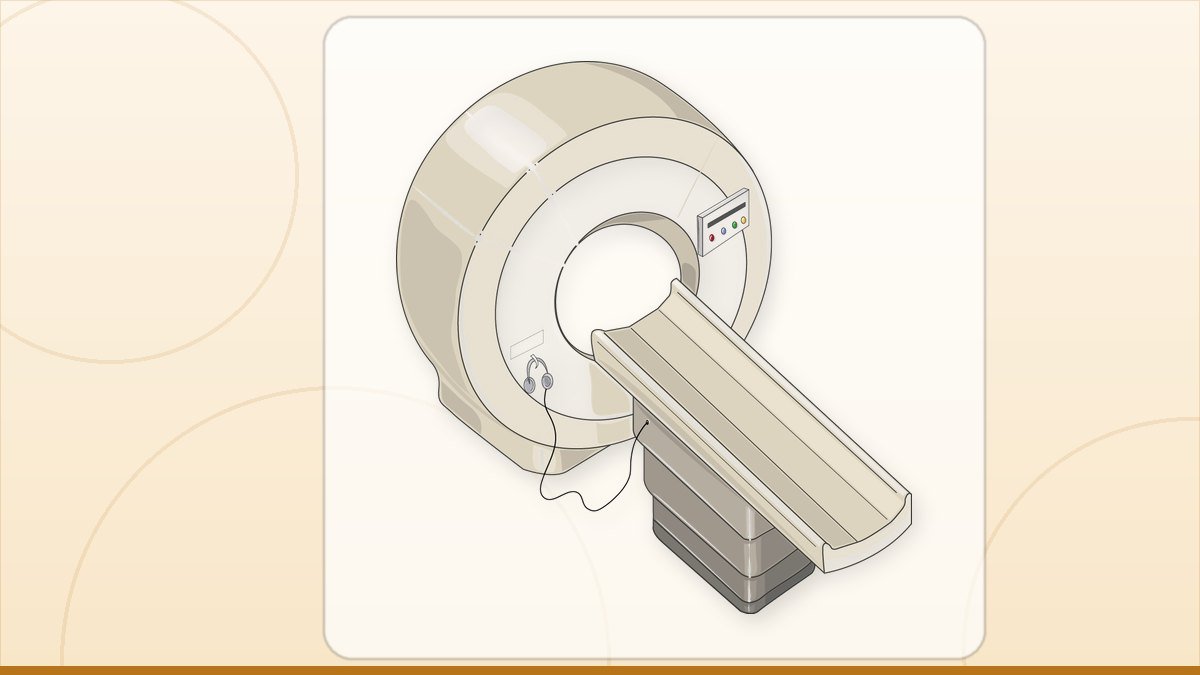
How to read your lumbar MRI report: bulge, protrusion, extrusion
Confused by your lumbar MRI report? A Faisalabad spine surgeon explains bulge, protrusion and extrusion, and…
Read this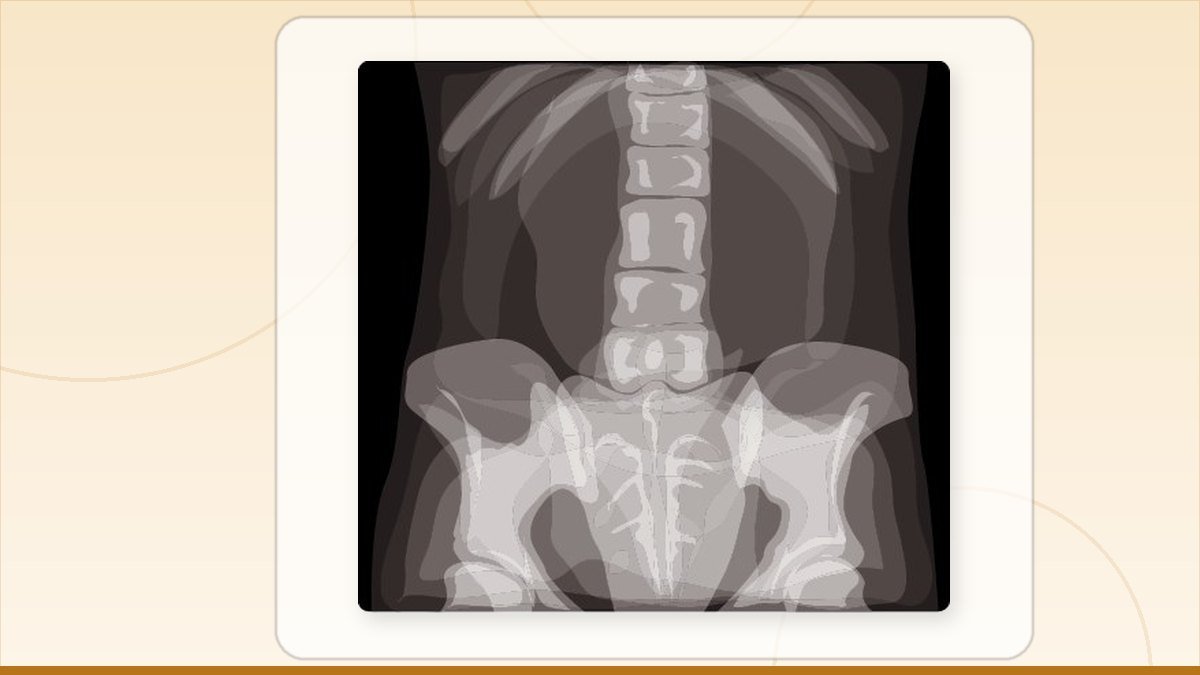
Back pain red flags that need attention today
Back pain red flags that need attention today: bladder trouble, numb saddle area, leg weakness, fever or…
Read thisAll patient questions · Spine surgery in Faisalabad · Book an appointment
Ask about your own scan. Send your MRI or X-ray on WhatsApp and get a straight answer on whether surgery is needed at all, from a consultant neurosurgeon in Faisalabad.
Dr. M. Abdur Rehman is a consultant neurosurgeon in Faisalabad. Send your scan on WhatsApp and ask what it actually shows.
Published for the practice of Dr. M. Abdur Rehman, consultant neurosurgeon, Mujahid Hospital, Faisalabad. General information only, not a substitute for examination.