
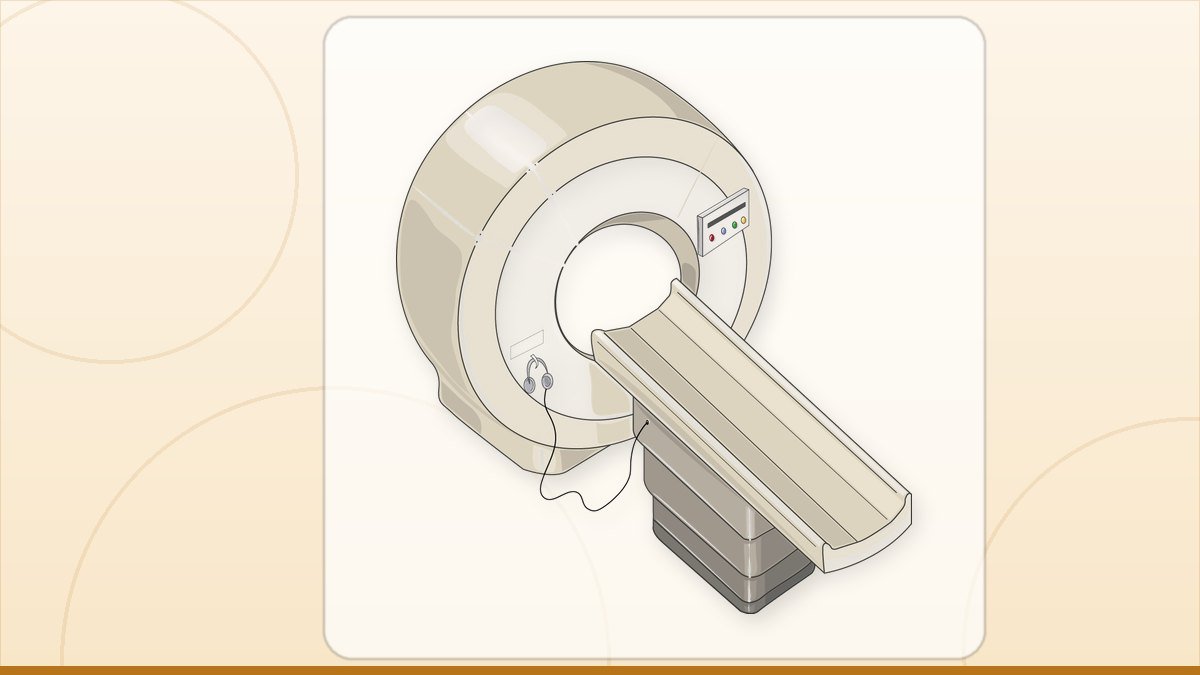
Your MRI report describes the shape of a disc, not the size of your pain. A bulge means the disc has spread out evenly. A protrusion is a small focal push. An extrusion is disc material pushed through the outer wall. Treatment depends on your symptoms and examination, not the word alone.
What do bulge, protrusion and extrusion mean on my MRI?
These three words describe how far the disc material has moved out of its normal place, and nothing else. They do not grade your pain, your risk, or your need for an operation.
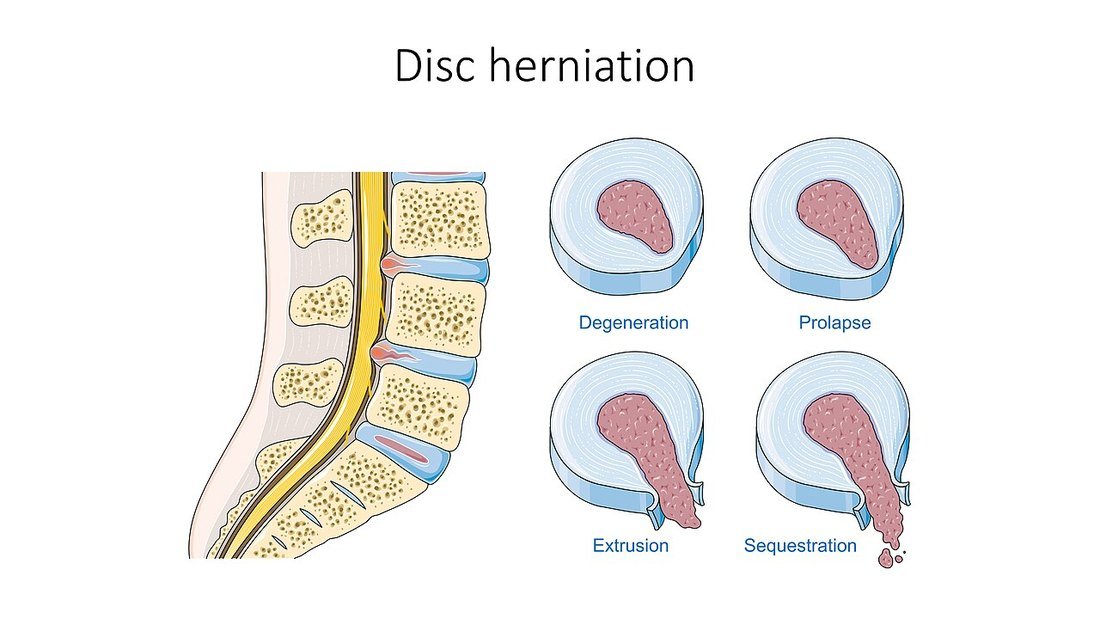
A lumbar disc is a cushion between two vertebrae. It has a soft jelly-like centre and a tough outer ring of fibres. Reports use a standard set of words for what has happened to that structure:
- Disc bulge: the disc has spread out evenly all around, like a tyre losing pressure. Usually part of normal ageing. Reports may call it diffuse or circumferential.
- Disc protrusion: a focal push at one point. The base of the lump is wider than the part sticking out. Still contained by the outer fibres.
- Disc extrusion: material has pushed through the outer ring. The neck is narrower than the part outside. It can travel up or down behind the vertebra.
- Sequestration or free fragment: a piece has broken off completely and moved away from the parent disc.
Patients in Pakistan hear all of this as slip disc. The disc does not actually slip out of place. Part of it moves, and the only question that matters clinically is whether that part is touching a nerve, and whether that nerve is producing the pain you feel in your leg.
So a report saying extrusion is not automatically worse news than one saying bulge. A large extrusion pointing away from the nerves can be silent. A modest protrusion sitting exactly on a nerve root in a narrow space can be agony.
Does a bulging or extruded disc mean I will be paralysed?
Almost certainly not. Permanent paralysis from a lumbar disc problem is rare, and the great majority of people with these MRI findings walk normally for the rest of their lives.
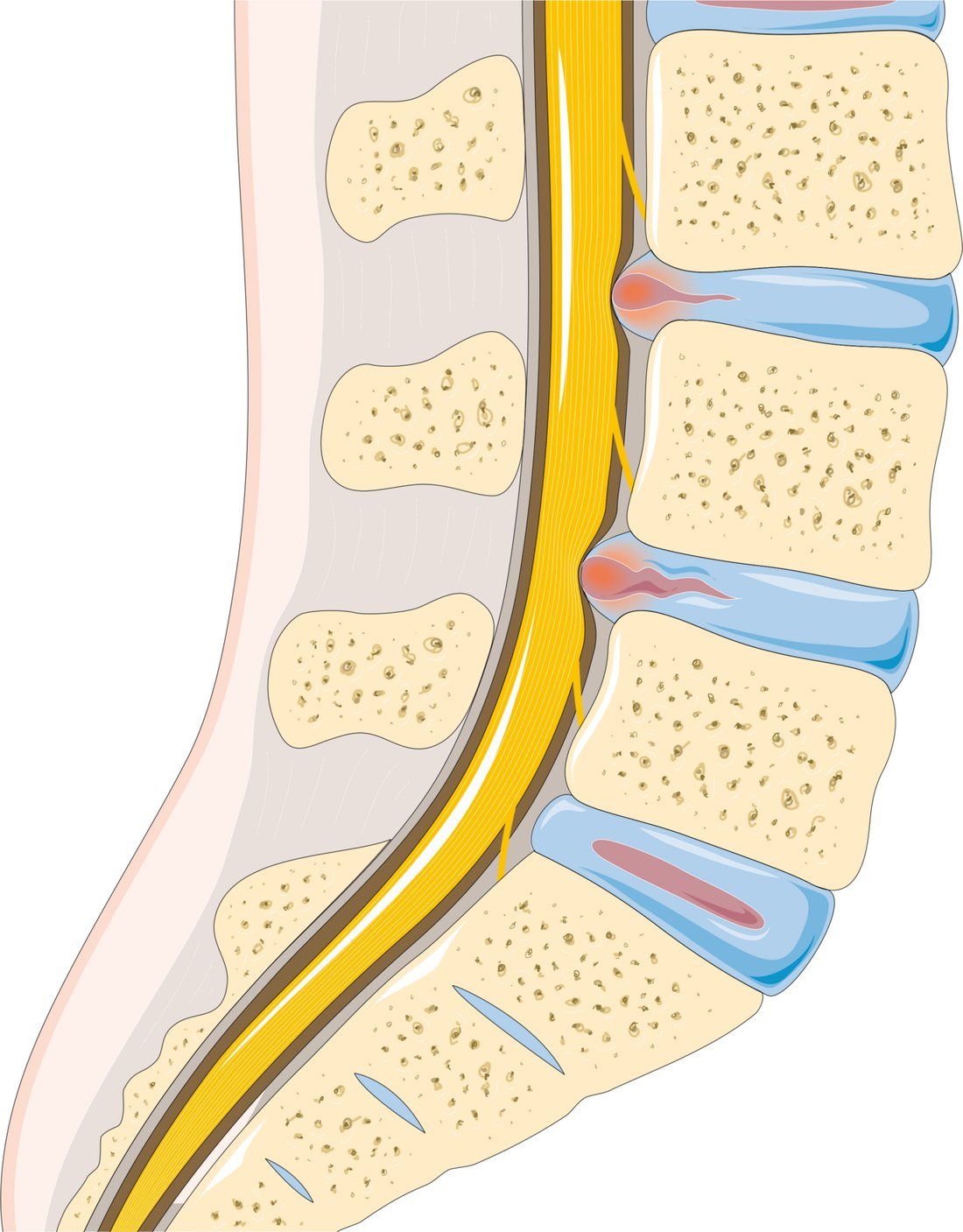
There is an anatomical reason. The spinal cord itself ends high up, around the first or second lumbar vertebra. Below that the nerves run as a loose bundle of separate roots with fluid around them. Most lumbar discs press on one root, which produces pain, tingling or numbness down one leg. That is taang mein dard, not a cord injury.
There is one situation that is a true emergency. Go to a hospital with a neurosurgeon the same day, not tomorrow, if you have any of these:
- Difficulty passing urine, leaking urine, or not feeling when the bladder is full
- Loss of control of the bowels
- Numbness in the saddle area, between the legs, inner thighs or around the back passage
- Weakness in both legs that is getting worse over hours or days
- A foot that has started dragging or slapping the ground
This pattern is uncommon, but it is the one where hours matter. Do not spend those hours on malish, oils or a hakeem. Everything else can wait for a proper outpatient appointment.
Is spine surgery safe, or will the operation leave me worse?
Disc surgery on the lower back is one of the most commonly performed spinal operations in the world, and serious nerve injury is uncommon. The operation removes the fragment pressing on the nerve. It does not cut the nerve, and it does not involve opening the spinal cord.
Families in Punjab often repeat stories of someone who could not walk after an operation. Usually those stories involve people who came very late, after weakness had already been present for months, or who had a different condition altogether. Nerve that has been squeezed for a long time recovers slowly and sometimes incompletely, and that is an argument for coming earlier, not for avoiding treatment.
An honest surgeon will still tell you the real risks before you sign anything:
- Infection of the wound
- A tear in the covering of the nerves with leakage of spinal fluid
- The disc coming out again at the same level, which happens in a small minority of people
- Numbness in part of the leg or foot that does not fully return
- Incomplete relief, or the need for a further operation
One more piece of honesty. Surgery is far better at relieving leg pain than at relieving back pain. If your main complaint is kamar dard across the lower back with no significant leg symptoms, an operation is unlikely to be the answer, whatever the MRI says.
Why do people with no back pain have the same findings on MRI?
Because disc changes are largely a normal part of ageing. When researchers scan volunteers who have never had back pain, a large proportion show disc degeneration, loss of disc height and bulges, and the proportion rises steadily with each decade of life.
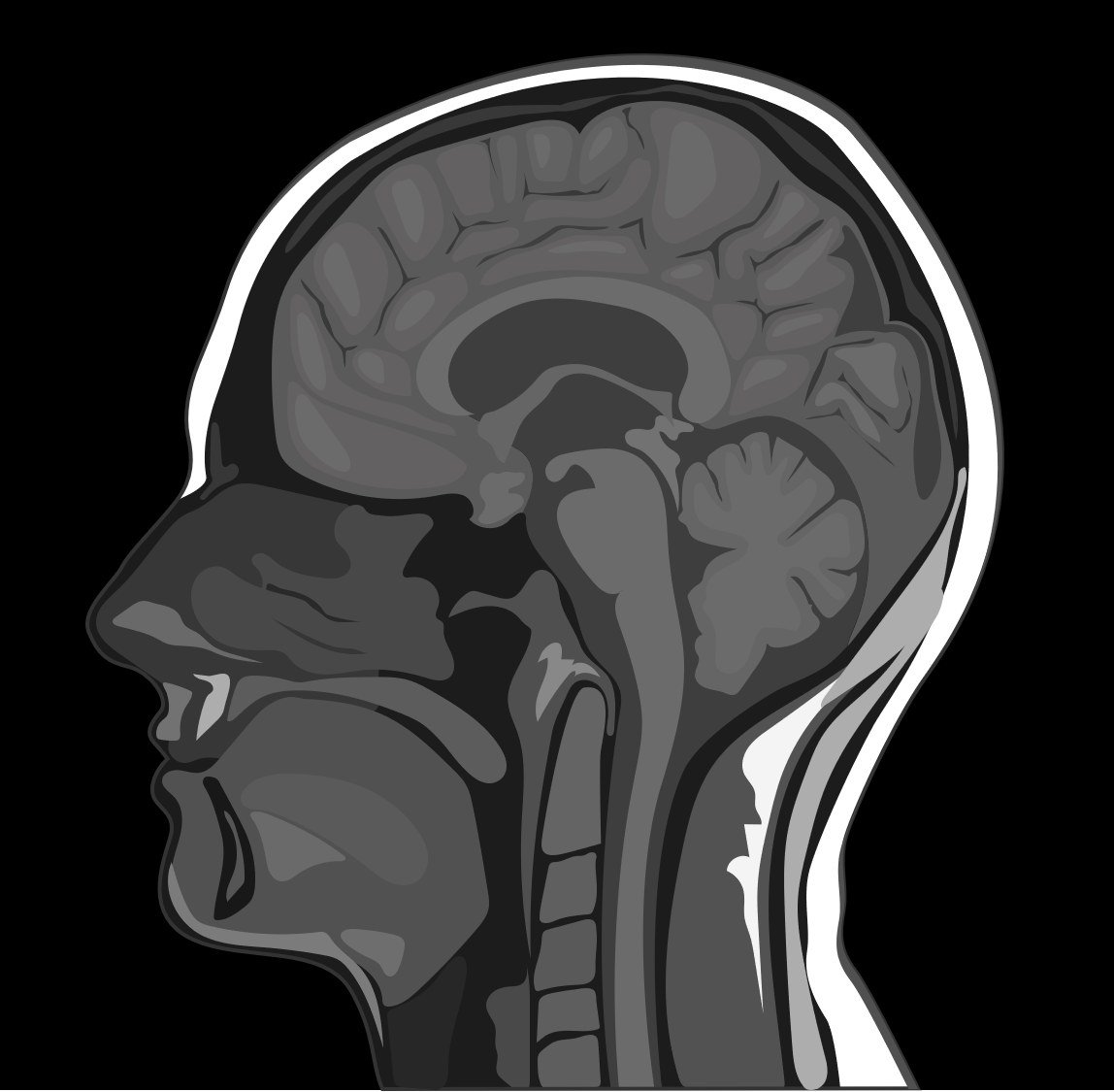
By middle age, finding a bulge on a lumbar MRI is closer to finding grey hair than to finding a disease. Protrusions and annular fissures also turn up in people who are completely comfortable. This is why the report alone cannot decide anything.
What makes a finding meaningful is whether it matches you. A doctor is checking whether the level shown on the film explains the exact path of your pain, whether the reflex at the knee or ankle has changed, whether the big toe or ankle is weak, and whether raising the straight leg reproduces the pain. If the MRI says L4-L5 but the examination points somewhere else, the MRI finding is probably a bystander.
Be careful with anyone who looks only at the CD or the report, quotes you a price and books a date. Decisions made from film alone are how people end up with operations that were never going to help them.
What do the other words in my report mean?
Radiology reports are written for doctors, so they are dense. Here is what the common terms are describing, in plain language.
- L4-L5, L5-S1: the level. These two are where most lumbar disc problems happen because they carry the most load and movement.
- Disc desiccation: the disc has dried out and lost water content. An ageing change.
- Annular fissure or tear: a crack in the tough outer ring. Very common, often painless.
- Central canal stenosis: the main tunnel carrying the nerves is narrowed.
- Lateral recess or foraminal narrowing: the side channel or the exit window for a single nerve root is tight. This often causes one-sided leg pain.
- Facet arthropathy: arthritis in the small joints at the back of the spine.
- Ligamentum flavum hypertrophy: a ligament inside the canal has thickened and is taking up space.
- Spondylolisthesis: one vertebra has slipped forward on the one below. Graded 1 to 4.
- Modic changes: signal changes in the bone next to a worn disc.
- Schmorl node: disc pressing into the bone above or below. Usually harmless.
Pay close attention to the verb the radiologist chose about the nerve. Abuts or contacts means it is touching. Indents or displaces means it is pushing it aside. Compresses means it is being squashed. That single word carries more weight than bulge versus protrusion.
Also check whether the report mentions which side. Left-sided disc material with right-sided pain does not add up, and that mismatch is worth raising with your doctor.
Do I need surgery for a lumbar disc bulge?
For a bulge alone, almost never. Most back pain in Pakistan and everywhere else settles without any operation, and a bulge on its own is not a surgical finding.
The picture changes when there is real nerve compression producing leg pain that does not settle. Surgery is usually considered when leg pain has continued for roughly six weeks or more despite proper treatment and is stopping you working or sleeping, when there is muscle weakness that is progressing, or in the emergency bladder and bowel situation described earlier.
Before that point, the treatment that actually works is unglamorous:
- Keep moving. Bed rest beyond a day or two makes people worse, not better.
- Proper physiotherapy from a trained physiotherapist, continued for weeks rather than a few visits.
- Medicines prescribed by a doctor, including nerve pain medicines where appropriate.
- In selected cases, a targeted injection around the nerve root to break the pain cycle.
There is something worth knowing that surprises most patients. Extruded fragments often shrink on their own. The body treats the escaped material as something to be absorbed, and over weeks to months a follow-up scan can show a smaller lump than the first one. This is one of the strongest reasons not to rush.
Be cautious with forceful manipulation, cracking of the back, cupping over an acutely painful spine, or hot oil massage sold as a cure for slip disc. None of these remove a fragment from around a nerve, and vigorous manipulation on a spine with an acute extrusion can make symptoms worse. If a treatment has not helped in a few weeks, stop paying for it.
What is endoscopic lumbar discectomy, and how does it compare to microdiscectomy?
Percutaneous endoscopic lumbar discectomy removes the disc fragment through a small puncture using a camera passed down a tube roughly the width of a pen. Microdiscectomy does the same job through a short incision using an operating microscope. Both aim at exactly one thing: taking the pressure off the nerve root.
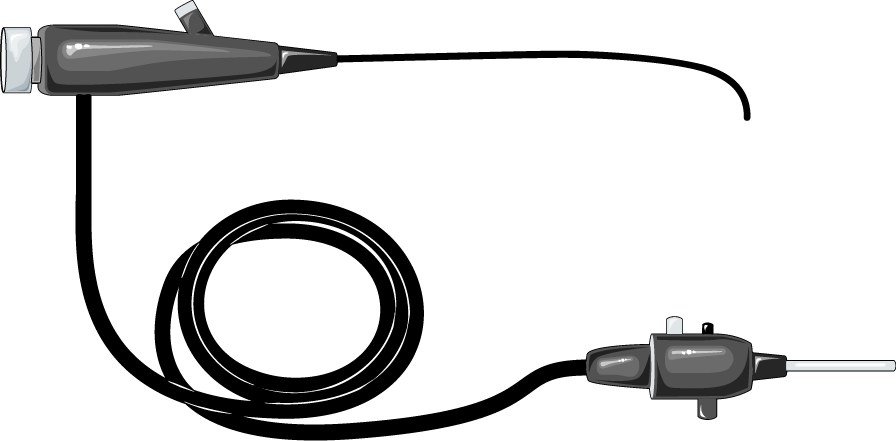
In endoscopic surgery the tube is passed between the muscle fibres rather than stripping muscle off the bone, and the surgeon works from a magnified screen image with continuous irrigation. It is often done under sedation with local anaesthetic or under general anaesthesia depending on the case, and many patients walk the same day and go home within a day.
Microdiscectomy remains a well proven standard operation with decades of results behind it. Comparing the two fairly:
- Relief of leg pain is broadly similar with both when the case is chosen correctly.
- Endoscopic surgery generally means less muscle damage, less blood loss and a smaller wound.
- Not every disc suits an endoscopic approach. Widely migrated fragments, severe bony narrowing, significant instability or a slipped vertebra may need a microscopic, open or fusion procedure.
- The right operation is the one that fits your anatomy, not the one with the best marketing.
What about laser lumbar spine surgery?
Laser is an energy source, not an operation in itself. It heats and shrinks tissue, and it is sometimes used as an added tool inside a percutaneous procedure. The evidence for laser used alone is weaker than the evidence for removing the fragment directly with instruments, and it is heavily advertised in ways that overstate what it does. If a centre offers you laser treatment, ask a simple question: will the fragment pressing my nerve be physically removed, and how will you confirm it has been.
What does lumbar spine surgery cost in Pakistan?
There is no single figure, and anyone who quotes you one over the phone without seeing your films is guessing. Cost in PKR varies with the city, whether the hospital is government, trust or private, whether implants are needed, and how long you stay. Always ask for a written quote before admission.
A written quote should list each of these separately, not as one vague package:
- Surgeon fee and anaesthesia fee
- Operation theatre charges and theatre time
- Endoscope disposables or implants, itemised, since implants for a fusion cost far more than a simple discectomy
- Room type and charge per day, and what happens if the stay runs longer than planned
- Pre-operative tests, and whether your existing MRI is acceptable or a new one is required
- Medicines, physiotherapy and follow-up visits
Also ask what is not included. That is where surprises live.
For families in Faisalabad, Jhang, Sargodha, Toba Tek Singh and the surrounding districts, remember to count the cost of travelling to Lahore or Islamabad, plus accommodation for an attendant and lost wages for whoever stays. Having the procedure done in Faisalabad often takes that whole layer of expense out. Government and trust hospitals are cheaper but usually involve waiting, and if you have a company panel or insurance, get the approval process started early because it takes days.
What should I do next with my MRI report?
Take the actual films or the CD to your appointment, not only the typed report. A surgeon needs to look at the images. Bring your previous prescriptions, a list of what you are currently taking, and any earlier scans so change over time can be judged.
Bring one family member with you. Decisions about spine surgery in our households are made by the family, and it saves a second visit if the person who will help decide has heard the explanation directly.
Ask these questions and expect clear answers:
- Which exact nerve is being pressed, and does it match my symptoms?
- What is likely to happen if I wait three more months and do physiotherapy properly?
- What specifically will surgery fix, and what will it not fix?
- Which procedure suits my anatomy, and why that one rather than the alternatives?
Families across Punjab search online for the best endoscopic spine surgeon in Faisalabad, but a better test than any phrase is whether the surgeon is willing to tell you that you do not need an operation. Dr M Abdur Rehman is a consultant neurosurgeon at Mujahid Hospital, Faisalabad, and reviews lumbar MRI scans alongside a full clinical examination before recommending anything. A second opinion is always reasonable, and no honest surgeon will be offended by one.
Lumbar spine surgery in Faisalabad Read the full page on lumbar spine surgery in faisalabad, including who it suits, what recovery looks like and how to arrange a review.
Questions patients ask about this
Can a disc bulge heal without surgery?
Yes, usually. A bulge is wear and tear, not a fragment that needs removing, and most bulges never cause serious trouble. Even many extruded fragments shrink on their own over weeks to months as the body absorbs them. Staying active, physiotherapy and proper medicines help more than bed rest.
Does the size of the disc on the MRI decide whether I need surgery?
No. A large extrusion with settling leg pain may need no operation, and a smaller fragment sitting hard on a nerve root may need one. The decision comes from your leg pain, your weakness, your reflexes and how long it has lasted, with the MRI used to confirm the level.
Is laser lumbar spine surgery the same as endoscopic discectomy?
No. Endoscopic discectomy uses a camera and small instruments to physically remove the fragment pressing your nerve. Laser is an energy source that shrinks or ablates tissue, sometimes used as an added tool. Evidence for laser alone is weaker than for discectomy. Ask exactly what will be removed and how.
Do I need an MRI for ordinary kamar dard?
Usually not in the first six weeks. Simple back pain without leg pain, weakness or red flags settles with activity, physiotherapy and simple medicines, and an early MRI often shows harmless age changes that frighten people into unnecessary treatment. Get an MRI sooner if there is weakness, fever, bladder trouble or cancer history.
How long is recovery after endoscopic lumbar discectomy?
Most people walk within hours and go home the same day or the next morning. Desk work often resumes in one to two weeks, heavier lifting and field work later, usually around six weeks. Your surgeon will set the timeline for you. Follow the lifting and bending advice even after pain has gone.
If surgery is on the table
If your report shows a herniation or stenosis, these explain what can be done about it.
Related articles
Back pain red flags that need attention today
Back pain red flags that need attention today: bladder trouble, numb saddle area, leg weakness, fever or…
Read this
Numbness and tingling down the leg: what it means
Leg numbness causes explained: what tingling down the leg means, when it is urgent, and when surgery is truly…
Read this
Foot drop: when the foot stops lifting
Foot drop treatment: why the foot stops lifting, when a slipped disc needs surgery, and how fast you should…
Read thisAll patient questions · Spine surgery in Faisalabad · Book an appointment
Ask about your own scan. Send your MRI or X-ray on WhatsApp and get a straight answer on whether surgery is needed at all, from a consultant neurosurgeon in Faisalabad.
Dr. M. Abdur Rehman is a consultant neurosurgeon in Faisalabad. Send your scan on WhatsApp and ask what it actually shows.
Published for the practice of Dr. M. Abdur Rehman, consultant neurosurgeon, Mujahid Hospital, Faisalabad. General information only, not a substitute for examination.