
You are likely a candidate if leg pain is worse than back pain, an MRI shows a disc or bone pressing on a nerve that matches your symptoms, and six weeks of medicine and physiotherapy have not helped. Most back pain does not need surgery. A scan alone never decides. Your symptoms must match what the scan shows.
Who is the ideal candidate for endoscopic spine surgery?
The clearest candidate has leg pain that is worse than back pain, plus an MRI showing one nerve being pressed in the exact place that would explain that leg pain. When those two things line up, endoscopic surgery has a good chance of helping.
In plain terms, this operation is very good at taking pressure off a nerve. It is not a treatment for general wear and tear, and it is not a treatment for a back that simply aches after a long day of work.
You are likely to be a candidate if:
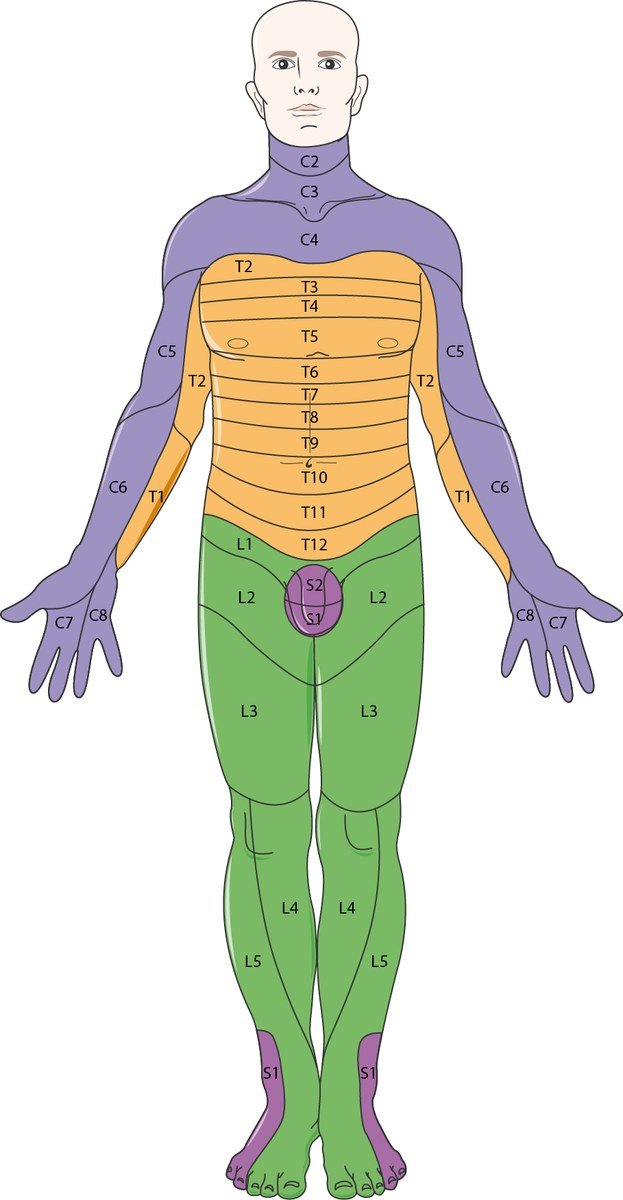
- Pain, numbness or tingling runs down one leg in a clear line, often below the knee.
- Sitting, coughing or straining makes it worse, and lying down settles it a little.
- Six weeks or more of proper treatment has not given you your normal life back.
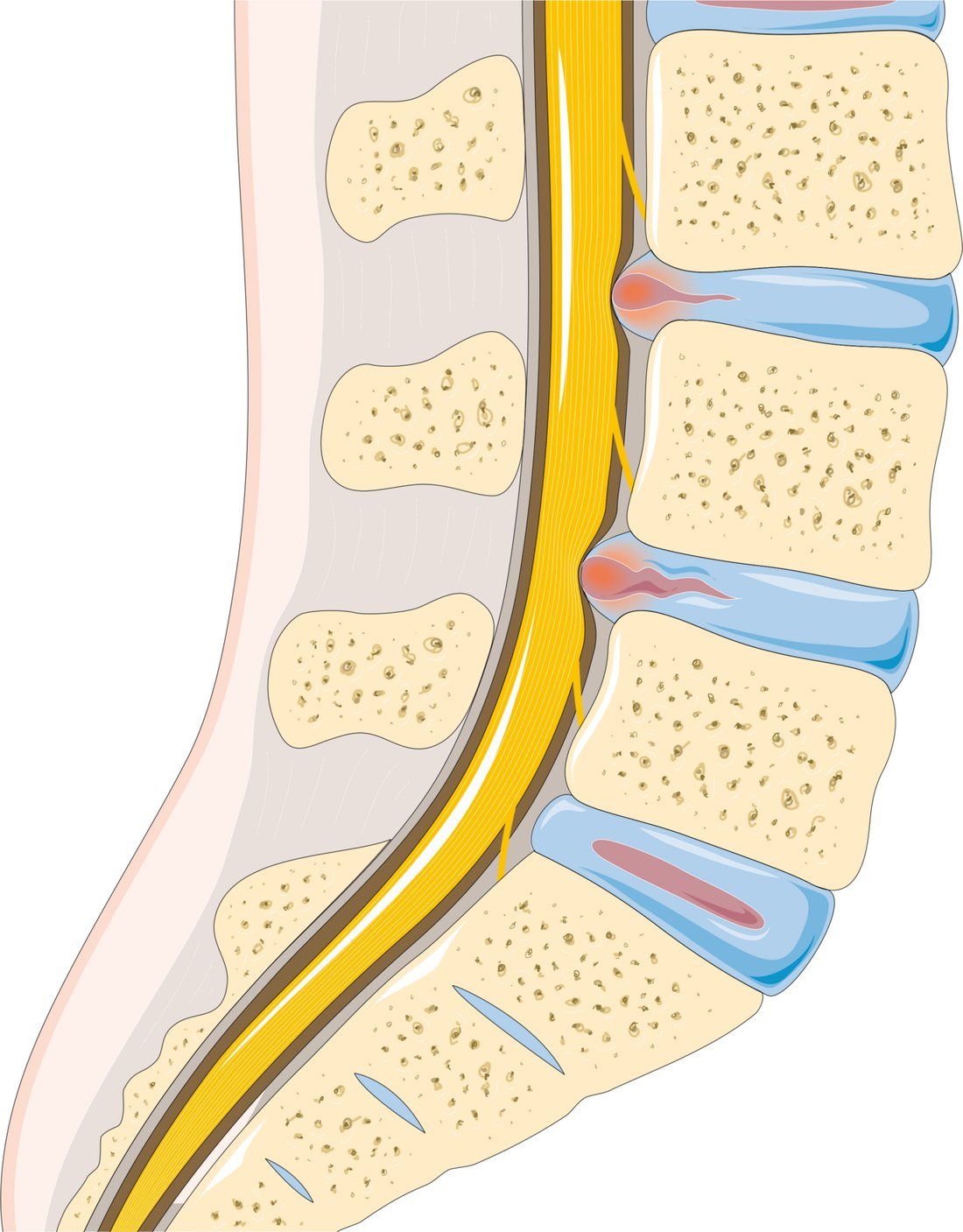
- Your MRI shows a disc herniation, foraminal narrowing or lateral recess narrowing, usually at one level.
- The level on the MRI matches the leg that hurts and the part of the foot that feels numb.
Age is rarely the deciding factor. A fit seventy year old with one compressed nerve can be a better candidate than a thirty year old with aching at four levels and a scan that explains nothing.
Who is not a candidate?
If your pain sits only in the lower back and travels nowhere, endoscopic spine surgery is usually the wrong answer. The same is true if your MRI is normal or shows only the mild changes expected at your age.
Surgery is generally not the right step when:
- You have kamar dard alone, with no leg symptoms and no weakness.
- The scan shows changes at several levels and nothing that clearly matches your pain.
- There is real instability, such as a slipped vertebra that shifts on bending X-rays. That often needs a fusion, not a keyhole decompression.
- You have a severe curve, a previously fused spine, or a very large calcified fragment. Some of these can still be handled endoscopically by an experienced surgeon, but many are safer as an open or microscopic operation.
- Uncontrolled diabetes, an untreated infection, or heart disease makes any anaesthesia risky until it is settled.
Being told you are not a candidate is a good answer, not a rejection. A surgeon willing to say no is the one worth trusting when they say yes.
What must my MRI show before surgery is considered?
The MRI must show a physical cause that matches your story: a disc or bone pressing on the nerve root that supplies the exact area where you feel pain and numbness. One level, sometimes two. Not a general list of age changes.
Phrases that often point toward surgery include disc herniation or extrusion, nerve root compression, lateral recess stenosis and foraminal stenosis. Phrases that usually do not, on their own, include disc bulge, disc desiccation, mild facet arthropathy and annular fissure.
This is the part patients find hardest to accept. Bulging discs are very common on scans of people who have no pain at all, and they become more common with every decade of life. A report full of frightening words does not by itself make you a surgical case.
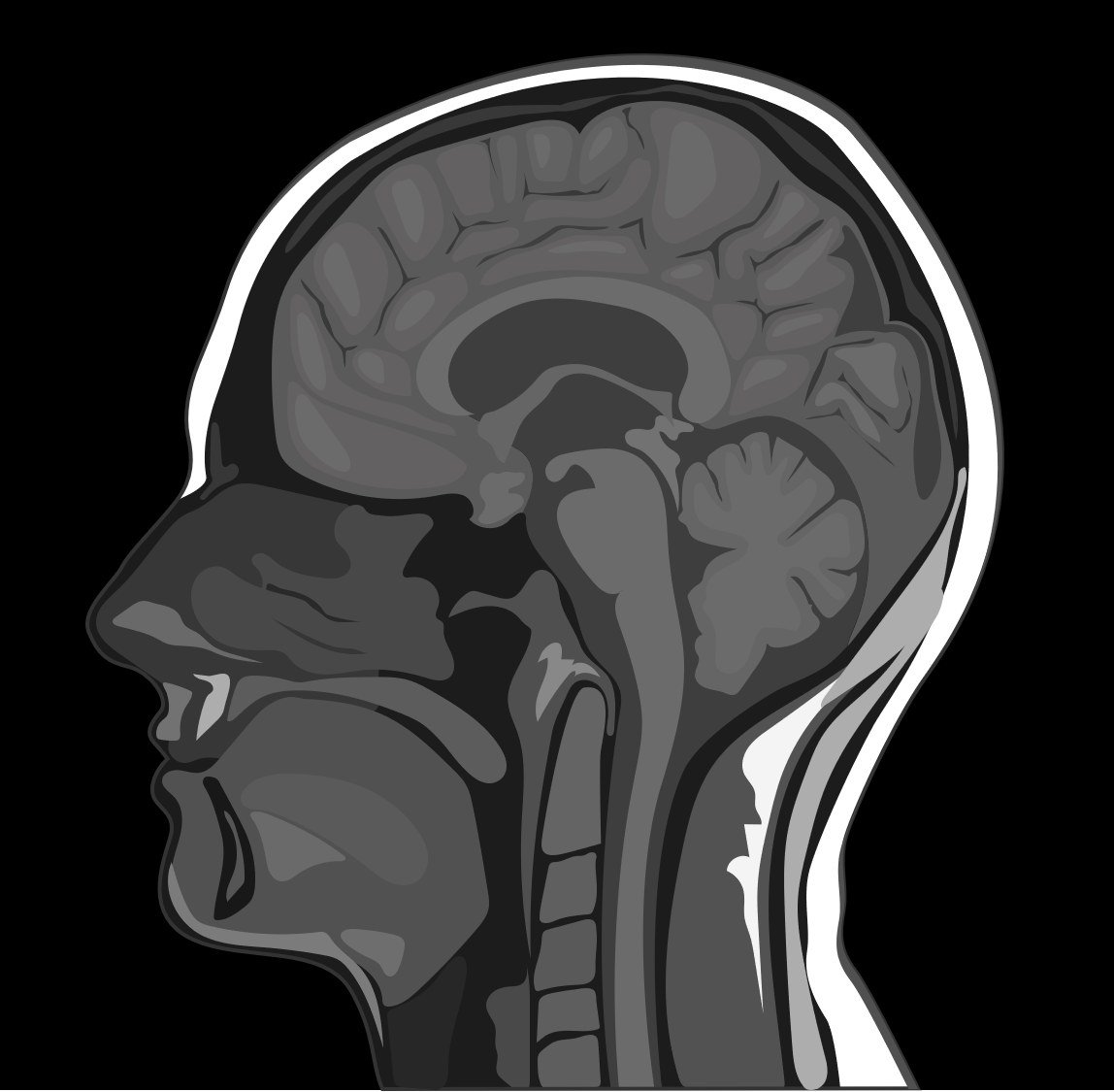
Bring the images, not only the typed report. A radiologist describes what is on the picture. Only the doctor who examines your leg can say whether that picture explains your pain.
Should I try physiotherapy, hakeem treatment or massage first?
Try proper non-surgical treatment first, for about six weeks, unless you have red flag symptoms. Most disc herniations settle on their own within that window, which makes patience a real treatment rather than a delay.
Proper treatment means a short course of anti-inflammatory medicine prescribed for you, nerve pain medicine if needed, guided physiotherapy, staying gently active instead of full bed rest, and in selected cases a targeted injection.
Many families in Punjab try a hakeem or a massage first, and that is understandable. Two cautions are worth hearing:
- Unlabelled powders and capsules sometimes contain hidden steroids or painkillers. They can quiet the pain quickly while pushing up your blood sugar or bleeding your stomach. If you are taking anything unlabelled, carry it to the consultation and show it.
- Forceful pulling, cracking or deep massage on a leg that is already numb or weak can make things worse. Gentle physiotherapy is not the same as being stretched by force.
If six weeks of honest treatment have passed and you still cannot sit, pray, work or sleep, that is the point to have the surgical conversation.
Is endoscopic spine surgery safe?
In trained hands it is considered a safe operation, and the small opening means less muscle damage, less blood loss and a quicker return home than open surgery. Safe does not mean risk free, and any surgeon who tells you the risk is zero is selling something.
The risks worth understanding before you consent:
- A tear in the covering of the nerves, which may need a stitch or a short period of lying flat.
- Temporary numbness or burning in the leg while the nerve recovers.
- The disc herniating again at the same level later.
- Incomplete decompression, meaning the pain does not fully settle.
- Infection, which is uncommon but serious.
- Conversion to an open or microscopic operation if the endoscopic view is not good enough. That is a judgement made in your favour, not a failure.
Two things affect your safety more than anything else: choosing the right patient, and the surgeon's experience. Endoscopic spine surgery has a genuine learning curve. Ask how often the surgeon performs it and what the plan is when a case does not go as expected.
Is laser spine surgery the same thing, and is it effective?
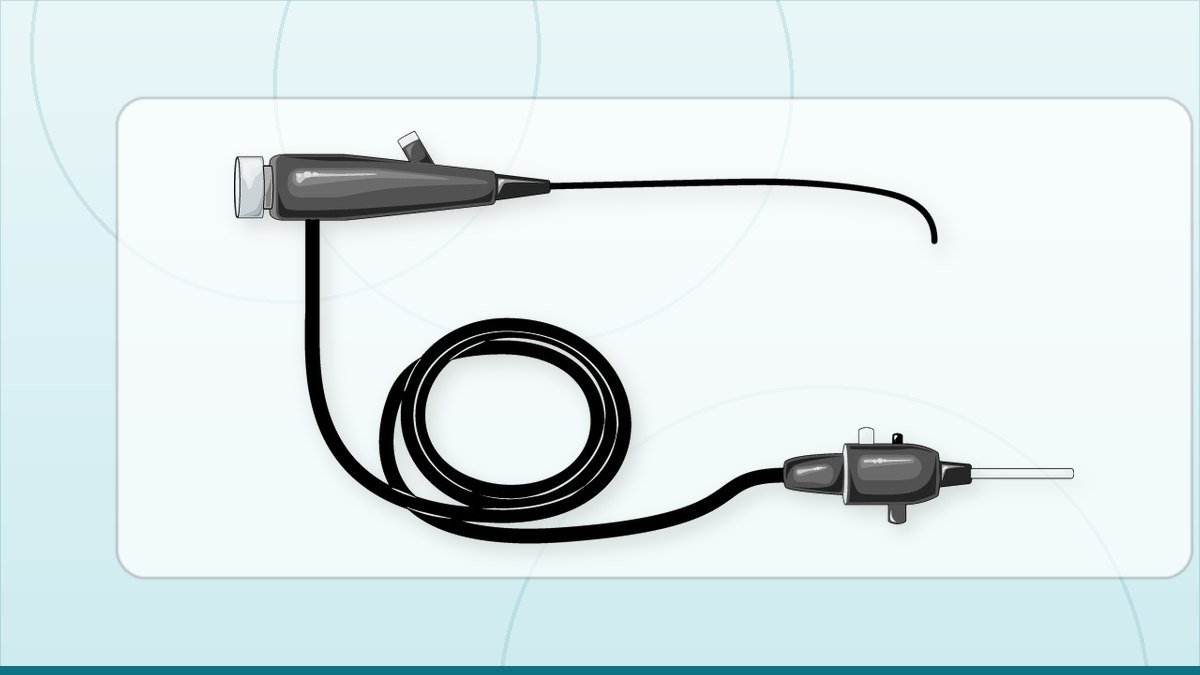
No. Laser is an energy source, not an operation. Endoscopic spine surgery means a camera and instruments passed through a small opening so the surgeon can see the nerve and remove what is pressing on it. A laser may sometimes be used inside that channel as one tool among several.
Advertisements for laser spine surgery often describe percutaneous laser disc decompression, where energy is applied through a needle to shrink disc material without ever seeing the nerve. The evidence supporting that is weaker than for directly removing the fragment, and it is not appropriate for a large extruded disc.
If a clinic promises a painless permanent laser cure, ask three questions. Will the nerve be seen? Will the herniated fragment be removed? What is the plan if my pain continues? Vague answers tell you what you need to know.
What does endoscopic spine surgery cost in Pakistan?
This is answered in full on what endoscopic spine surgery costs in Pakistan, so it is not repeated here.
When does back pain become an emergency?
A few symptoms mean you should reach a hospital the same day rather than waiting six weeks. They are uncommon, but recognising them protects you from the outcome most families fear.
Go straight to an emergency department if you have:
- Difficulty passing urine, loss of control of urine or stool, or numbness around the private parts and inner thighs.
- Weakness that is worsening quickly, such as a foot that drags or a leg that gives way.
- Fever, night sweats, weight loss, or severe pain at night with back pain. In Pakistan this raises the question of spinal tuberculosis, which is treated mainly with medicine rather than keyhole surgery.
- Back pain that began after a fall or a road accident.
Fear of paralysis is what brings most families to a surgeon either far too late or in a panic. An ordinary lumbar disc causing leg pain is very unlikely to paralyse you. The situations listed above are the ones that need speed.
How do I decide, and who should I see next?
Decide by matching three things: your symptoms, your physical examination, and your MRI. If all three point at the same nerve, and time and treatment have not fixed it, you are a candidate. If they disagree, get a second opinion before anyone opens your back.
Before agreeing to surgery, ask:
- Which nerve is compressed, and how does that explain my pain?
- What happens if I wait another three months?
- Is this a decompression or a fusion, and why?
- What is the plan if my pain does not improve afterwards?
- Can I have the quote and the consent explanation in writing, in language my family understands?
Bring a family member. These decisions are rarely made alone in our households, and it helps to have a second person hearing the same answers. Bring your MRI films or CD, old prescriptions, and a list of everything you are taking, including anything from a hakeem.
Most patients from Faisalabad, Jhang, Toba Tek Singh, Sargodha and nearby districts do not need to travel to Lahore, Karachi or abroad for a single level decompression. Some people even search for a spine surgeon in Faridabad or other Indian cities, and for a standard endoscopic discectomy that journey is rarely necessary. If you are looking for the best endoscopic spine surgeon in Faisalabad, judge on how carefully you are examined and how willingly the surgeon says no, then book a consultation with Dr. M. Abdur Rehman, consultant neurosurgeon, at Mujahid Hospital, Faisalabad, and bring your scans with you.
Endoscopic spine surgery in Faisalabad Read the full page on endoscopic spine surgery in faisalabad, including who it suits, what recovery looks like and how to arrange a review.
Questions patients ask about this
Is endoscopic spine surgery the same as laparoscopic surgery?
No. Laparoscopic surgery is keyhole surgery inside the abdomen, for the gallbladder or appendix. Endoscopic spine surgery uses a similar idea, a camera through a small opening, but it works next to the spinal nerves through a cut of under one centimetre in your back. The costs are not comparable.
My slip disc is two years old. Am I too late for endoscopic surgery?
Usually not. A long-standing herniation can still be removed endoscopically if the MRI still shows nerve compression and your leg pain matches it. What matters more is nerve damage. If you have had numbness or weakness for many months, pain relief is likely, but full return of strength is less certain.
Will this operation leave me paralysed?
Paralysis from a planned lumbar decompression is very rare. The lumbar spine below the L1 level carries nerve roots, not the spinal cord itself, which is why the risk is small. The more realistic risks are a tear in the nerve covering, temporary numbness, and the disc herniating again later. Ask your surgeon to explain these before you sign.
How soon can I go back to work after endoscopic discectomy?
Most people walk the same day and go home within a day or two. Desk work often restarts inside two weeks. Heavy lifting, farm work, or a long motorcycle commute usually needs about six weeks. Your surgeon should give you a written restriction list, not a general promise.
Do I need a fresh MRI before my consultation?
Bring whatever you have, including old films and reports. If your MRI is more than about a year old, or your symptoms have changed since it was taken, a repeat scan is often needed before a surgical decision. Bring the actual images on CD or film, not only the typed report.
Related articles
Recovery after endoscopic spine surgery, week by week
Endoscopic spine surgery recovery time, week by week: when you walk, sit, drive, lift and return to work.…
Read this
Risks and complications of endoscopic spine surgery, honestly
An honest look at endoscopic spine surgery risks: nerve irritation, disc recurrence, conversion to open…
Read this
Endoscopic surgery for sciatica: when the leg pain will not settle
Endoscopic spine surgery for sciatica in Faisalabad: when leg pain needs surgery, when it does not, safety,…
Read thisAll patient questions · Spine surgery in Faisalabad · Book an appointment
Ask about your own scan. Send your MRI or X-ray on WhatsApp and get a straight answer on whether surgery is needed at all, from a consultant neurosurgeon in Faisalabad.
Dr. M. Abdur Rehman is a consultant neurosurgeon in Faisalabad. Send your scan on WhatsApp and ask what it actually shows.
Published for the practice of Dr. M. Abdur Rehman, consultant neurosurgeon, Mujahid Hospital, Faisalabad. General information only, not a substitute for examination.