
Endoscopic spine surgery is generally safe, but it is still surgery. The main risks are temporary nerve irritation causing burning or numbness in the leg, the disc herniating again at the same level, infection, a dural tear, and rarely the need to convert to open surgery. Serious nerve injury is uncommon. Most patients go home the same day.
Is endoscopic spine surgery safe?
For the right patient, yes. It is one of the gentler ways to take pressure off a trapped nerve, because the working tube is about the width of a pen, the back muscles are pushed aside instead of cut, and it is often done with the patient awake or lightly sedated rather than fully under general anaesthesia.
But safe does not mean risk free, and any surgeon who tells you there is zero risk is selling something. Every operation on the spine carries a small chance of bleeding, infection, nerve irritation and an incomplete result. What changes between one patient and the next is how small that chance is.
Three things decide your personal level of risk:
- Your diagnosis. A single soft disc pressing on one nerve root is a very different job from a badly worn spine with instability at three levels.
- Your general health. Uncontrolled sugar, smoking, obesity and blood thinners all raise the chance of infection and slow healing.
- Whether the operation actually suits your problem. The biggest risk in spine surgery is not the scalpel. It is having the wrong operation for the wrong reason.
What are the actual risks, listed plainly?
Here is the honest list, roughly in order of how often each one happens. Ask your surgeon to walk through this same list with you and mark which ones apply to your case.
- Nerve irritation (dysesthesia). The most common complaint. Burning, tingling or a hypersensitive patch in the leg for days to weeks after surgery. Usually settles with medication and time.
- Recurrent disc herniation. The disc can bulge out again at the same level. This happens after every kind of discectomy, endoscopic or microscopic.
- Incomplete decompression. A fragment is left behind or a second tight spot was missed, and the leg pain does not fully go. Sometimes a second procedure is needed.
- Dural tear and CSF leak. A small tear in the sac around the nerves. Less common with endoscopy than open surgery, but possible. Usually managed with rest, occasionally with a repair.
- Infection. Uncommon with a keyhole wound. Deep disc space infection (discitis) is rare but serious and needs prolonged antibiotics.
- Bleeding or haematoma. Usually minor. A collection pressing on the nerves is rare and is treated as an emergency.
- New or worsened weakness. Rare. Permanent significant nerve injury or paralysis is a very unlikely outcome of a planned lumbar endoscopic procedure, which is why the fear of becoming maaz.oor should not by itself stop you from getting an opinion.
- Anaesthesia and medical risks. Lower than with a long open operation, but not zero, especially with heart or lung disease.
Notice what is not on this list: a promise. No honest surgeon promises that your pain will be gone. The realistic goal of endoscopic discectomy is that the taang mein dard, the shooting leg pain, improves a great deal. Background kamar dard often improves less.
Why does my leg still burn after the operation?
Because the nerve was squashed for weeks or months and it does not forget overnight. A compressed nerve root is swollen and angry, and lifting the pressure off it can make it fire strangely for a while before it calms down.
In transforaminal endoscopic surgery, the instruments pass close to a nerve bundle called the dorsal root ganglion. Brushing past it can leave a burning, buzzing or oversensitive strip of skin down the thigh or calf. This is called post-operative dysesthesia. It is one of the recognised trade-offs of the keyhole approach, and it is usually temporary.
What usually helps: nerve pain medication such as gabapentin or pregabalin prescribed by your surgeon, gentle walking, and patience measured in weeks rather than days. What does not help: panic, and going back to malish on a freshly operated back.
Tell your surgeon straight away if the burning is joined by new weakness, a foot that drags, or fever. Those are different problems and they need to be seen, not waited out.
Can the slip disc come back after endoscopic surgery?
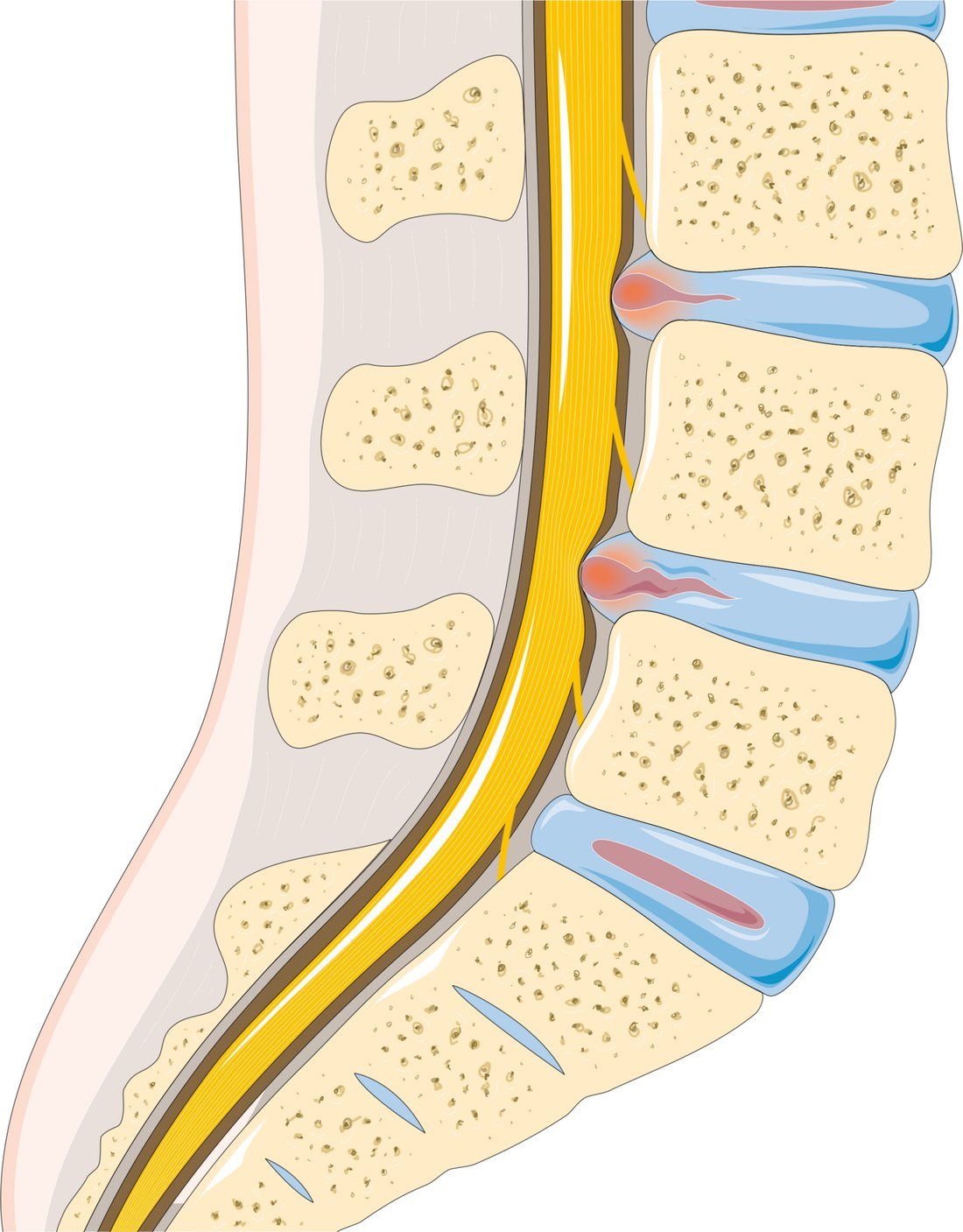
Yes, it can, and this is the risk most patients are never told about. The surgeon removes the fragment that escaped and is pressing on your nerve. The rest of the disc, which is already worn, stays in your back, and a piece of it can push out again through the same weak spot.
Recurrence is not unique to endoscopy. It happens after open microdiscectomy at broadly similar rates. Most recurrences happen in the first year, and heavy lifting, smoking and returning to hard physical work too early all increase the chance.
If it does recur, you are not out of options. Depending on what the fresh MRI shows, a second endoscopic procedure, a microdiscectomy, or in some cases a fusion may be appropriate. This is one reason to keep your original MRI films and operative notes safe rather than leaving them at the hospital.
The practical takeaway: the operation buys you relief from nerve pain. It does not buy you a new disc. Your job afterwards is to protect what is left.
What happens if the surgeon has to convert to open surgery?
Occasionally the endoscopic approach cannot be completed safely and the surgeon switches to a conventional open or microscopic technique during the same anaesthetic. This is uncommon, but it is a real possibility and it must be on your consent form.
Reasons this happens include bleeding that clouds the view, a disc fragment that has migrated far from where it started, unusual bone anatomy that blocks the working channel, or a dural tear that is easier to manage under direct vision.
Conversion is not a failure and it is not a scandal. It is the surgeon choosing your nerve over the marketing story of a keyhole scar. What you should be worried about is the opposite: a surgeon so committed to advertising a keyhole technique that they persist when the case has stopped being suitable.
Ask this before you sign: "If you cannot finish this endoscopically, what will you do, and will the cost change?" Get the answer in writing.
Is laser spine surgery effective, and is it the same thing?
Laser is not a separate operation. It is one of several energy sources a surgeon may use inside an endoscopic procedure to shrink tissue or seal small bleeders. The relief comes from physically removing the fragment pressing on your nerve, not from the laser itself.
Be careful with clinics advertising "laser spine surgery" as though it were a magic beam that dissolves a slip disc through the skin with no risk. The evidence supporting laser as a standalone treatment for a herniated disc is weak compared with the evidence for removing the fragment. A laser can also generate heat near a nerve, which is its own small risk.
Two other words get mixed up in searches, so to be clear:
- Endoscopic spine surgery uses a camera in a small tube in the back to reach the spine.
- Laparoscopic surgery is keyhole surgery of the abdomen, gallbladder and similar. It is not spine surgery, and quotes you find for laparoscopic procedures in Pakistan have nothing to do with your back.
If a centre leads with the equipment rather than with your MRI and your examination findings, that is a signal worth noticing.
What does endoscopic spine surgery cost in Pakistan?
This is answered in full on what endoscopic spine surgery costs in Pakistan, so it is not repeated here.
When do you not need surgery at all?
Most back pain never needs an operation. If your main problem is kamar dard without significant leg pain, and your MRI shows age-related wear, surgery is usually the wrong tool. Weight, activity, physiotherapy and time do more for that back than any endoscope.
Even with a genuine slip disc pressing on a nerve, a large share of patients improve without surgery over roughly six to twelve weeks with medication, structured physiotherapy and staying active. Nature reabsorbs many disc herniations on its own. Surgery is mainly for the person whose leg pain is not settling on that timeline, whose life has stopped, or who has weakness.
A word on what many families try first. Going to a hakeem or getting malish for a few weeks is understandable and is often harmless for simple back pain. It becomes dangerous in two situations: when it delays diagnosis of something serious, and when forceful manipulation is done on a spine with a real nerve compression.
Go to an emergency room the same day, not next week, if you have any of these:
- Loss of control of urine or stool, or being unable to pass urine
- Numbness around the private parts and inner thighs
- Weakness that is getting worse, a foot that drags, or a leg that gives way
- Back pain with fever, night sweats, or unexplained weight loss
- Severe back pain after a fall or accident
These red flags can mean cauda equina syndrome, infection or a fracture. In those cases the risk of waiting is far greater than the risk of surgery.
How should you choose a surgeon, and what should you ask?
Judge a surgeon by the quality of their examination and the honesty of their answers, not by the brochure. A good consultation involves your MRI, your legs and your reflexes, and ends with a plan you could explain to your father over the phone.
Take this list with you:
- What exactly is wrong on my MRI, and does it match my symptoms?
- What happens if I do nothing for six more weeks?
- Why this operation rather than a microdiscectomy or a fusion?
- What are the chances it does not fully relieve my pain?
- What will you do if you cannot complete it endoscopically?
- Who is in the theatre, and who sees me if there is a problem at 2am?
- Can I have the full cost in writing?
If the answer to any of these is vague, or if you feel rushed toward a date, take the MRI to someone else. A second opinion is not an insult to the first surgeon. In spine surgery it is normal practice, and the surgeon who is confident in the plan will not mind.
A note for people who searched "spine surgeon in Faridabad" and landed here: Faridabad is in India. This clinic is in Faisalabad, Punjab, Pakistan.
Dr. M. Abdur Rehman is a consultant neurosurgeon at Mujahid Hospital, Faisalabad, working mainly in endoscopic spine surgery and microdiscectomy. If you are looking for the best endoscopic spine surgeon in Faisalabad, come with your MRI films and your questions, expect a straight answer about whether you need an operation at all, and ask for the cost in writing before you decide.
Endoscopic spine surgery in Faisalabad Read the full page on endoscopic spine surgery in faisalabad, including who it suits, what recovery looks like and how to arrange a review.
Questions patients ask about this
Can endoscopic spine surgery cause paralysis?
Permanent paralysis after a planned endoscopic lumbar procedure is a very unlikely outcome. The nerves in the lower back are a bundle of roots rather than the spinal cord itself. New weakness after surgery is uncommon and usually temporary. In many cases the greater risk of paralysis comes from leaving a severe compression untreated.
How long does the burning leg pain last after endoscopic discectomy?
For most patients the burning or tingling settles over a few weeks as the irritated nerve calms down. Some improve within days. A smaller number take two to three months. Nerve pain medication and gentle walking help. Tell your surgeon if the burning is joined by new weakness, fever or a dragging foot.
Is endoscopic surgery safer than open microdiscectomy?
It involves less muscle damage, less blood loss and usually a faster return home, and both operations relieve nerve pain effectively. Recurrence rates are broadly similar. Endoscopy carries a slightly higher chance of temporary nerve irritation and a small chance of converting to open surgery. The better choice depends on your MRI, not on fashion.
Does spinal fusion cost much more than endoscopic surgery in Pakistan?
Yes, considerably more, because fusion involves screws and cages, longer theatre time and a longer hospital stay. Costs vary a great deal by hospital, so ask for a written itemised quote in PKR. If fusion is recommended where a simple decompression may work, ask why and consider a second opinion.
What raises my personal risk of complications?
Uncontrolled diabetes, smoking, obesity, blood thinners, and previous surgery at the same level all increase the chance of infection, slow healing or scarring. Multi-level disease and spinal instability also make a keyhole approach less suitable. Controlling your sugar and stopping smoking before surgery genuinely improves your odds of a good result.
Related articles
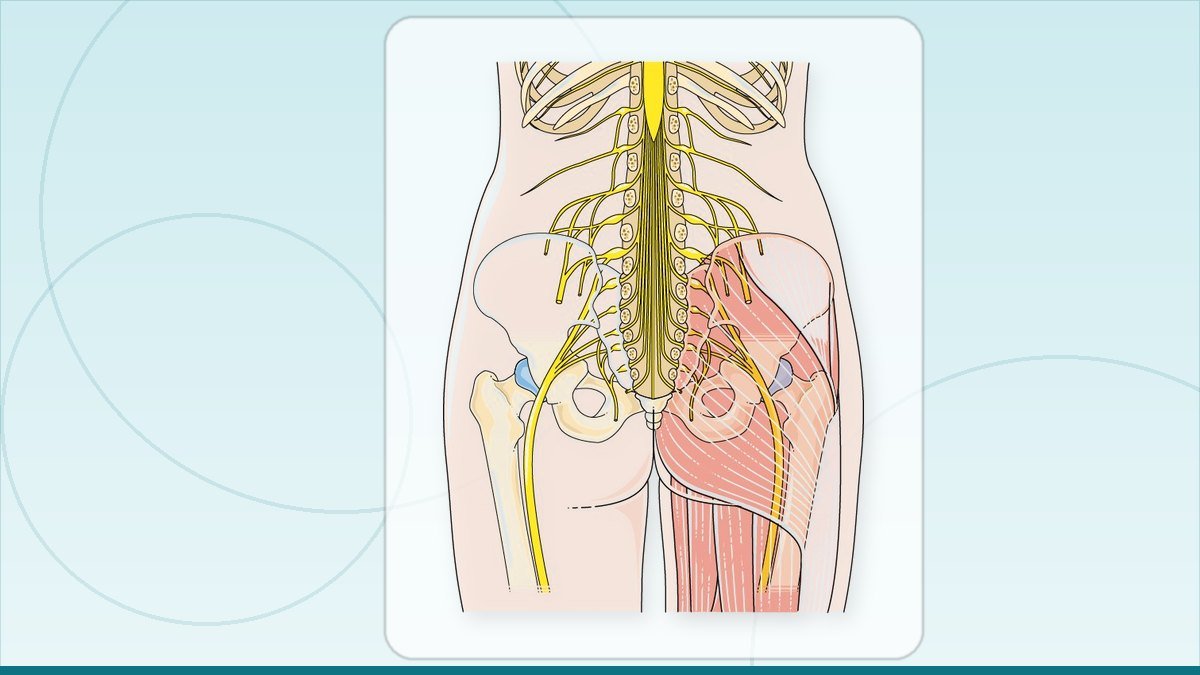
Endoscopic surgery for sciatica: when the leg pain will not settle
Endoscopic spine surgery for sciatica in Faisalabad: when leg pain needs surgery, when it does not, safety,…
Read this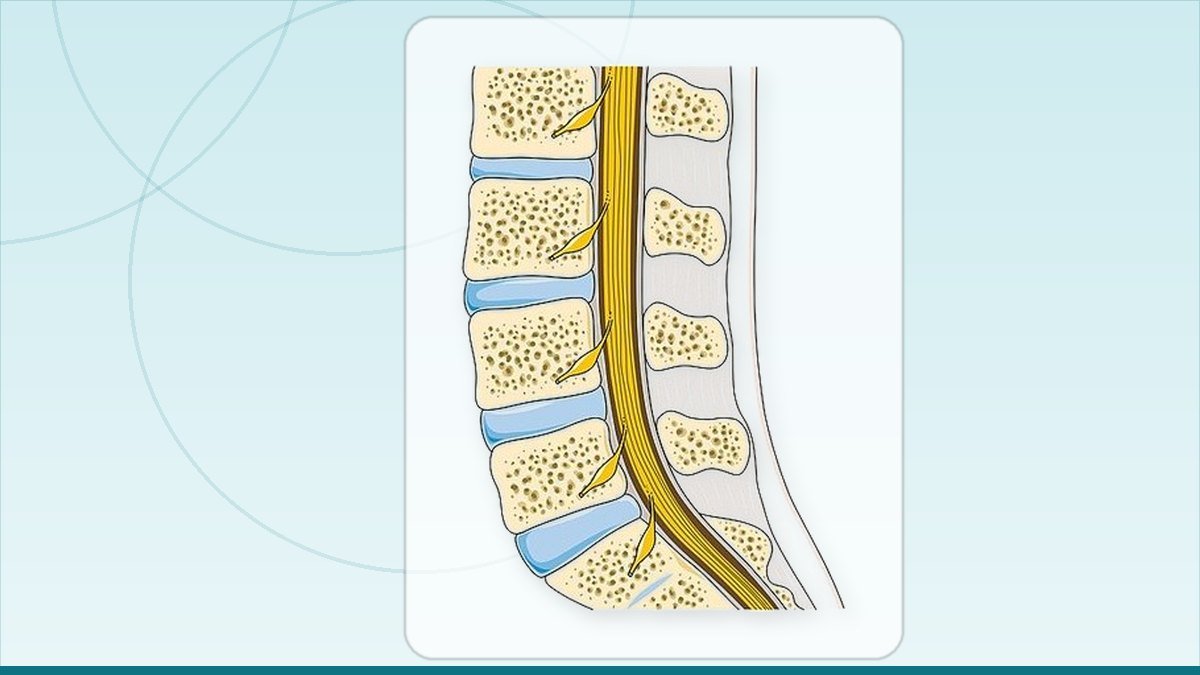
Endoscopic surgery for spinal stenosis
Endoscopic spine surgery for spinal stenosis: who needs it, who does not, how the canal is opened, safety,…
Read this
Full-endoscopic versus microscopic spine surgery
Full endoscopic vs microscopic discectomy: what trials really show about pain relief, blood loss, recovery…
Read thisAll patient questions · Spine surgery in Faisalabad · Book an appointment
Ask about your own scan. Send your MRI or X-ray on WhatsApp and get a straight answer on whether surgery is needed at all, from a consultant neurosurgeon in Faisalabad.
Dr. M. Abdur Rehman is a consultant neurosurgeon in Faisalabad. Send your scan on WhatsApp and ask what it actually shows.
Published for the practice of Dr. M. Abdur Rehman, consultant neurosurgeon, Mujahid Hospital, Faisalabad. General information only, not a substitute for examination.