
Studies comparing full-endoscopic discectomy with microdiscectomy show similar leg pain relief and similar rates of repeat surgery. The endoscopic route uses a smaller opening, causes less blood loss, and usually means a shorter hospital stay. Neither removes the need for careful patient selection. For most slip disc patients, the surgeon's judgement matters more than the tool.
What this page covers. This page is about what the published evidence shows. If you are deciding which operation fits your own scan, start with the comparison page instead. For the rest: Which operation your scan points to · What endoscopic surgery costs in Pakistan
What is endoscopic spine surgery?
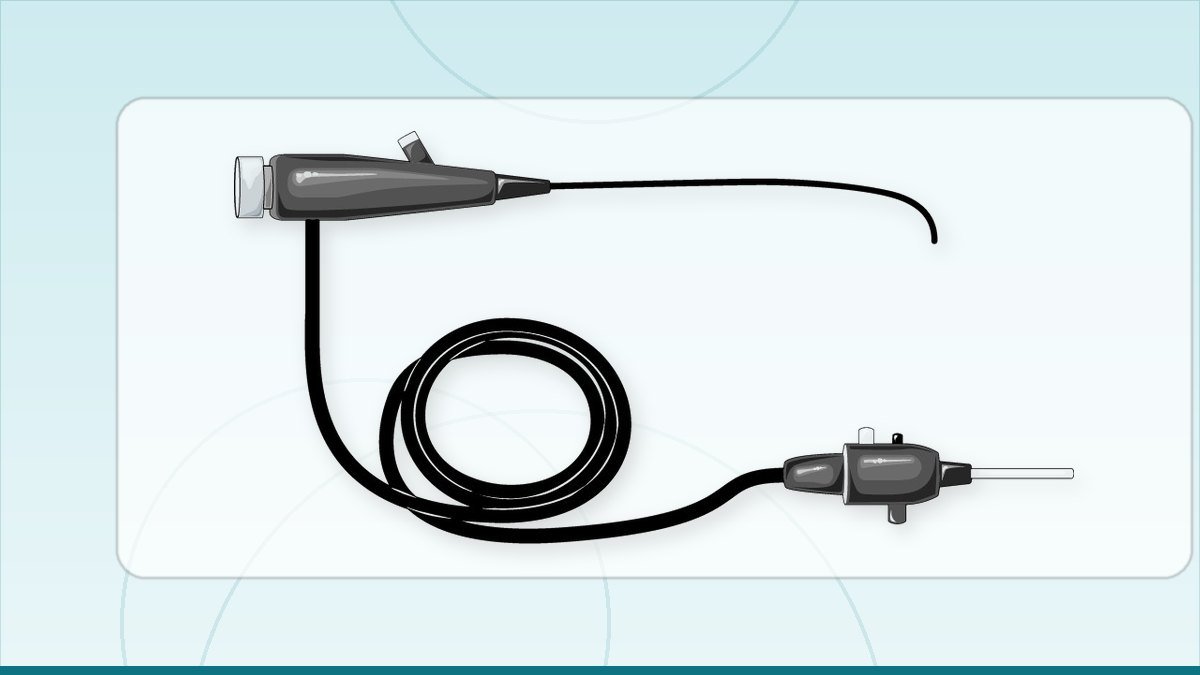
Endoscopic spine surgery removes the piece of disc pressing on your nerve through a tube roughly the width of a pencil, with a camera at its tip. The surgeon watches a screen and works through that single small opening, so the back muscles are pushed aside rather than cut and stripped.
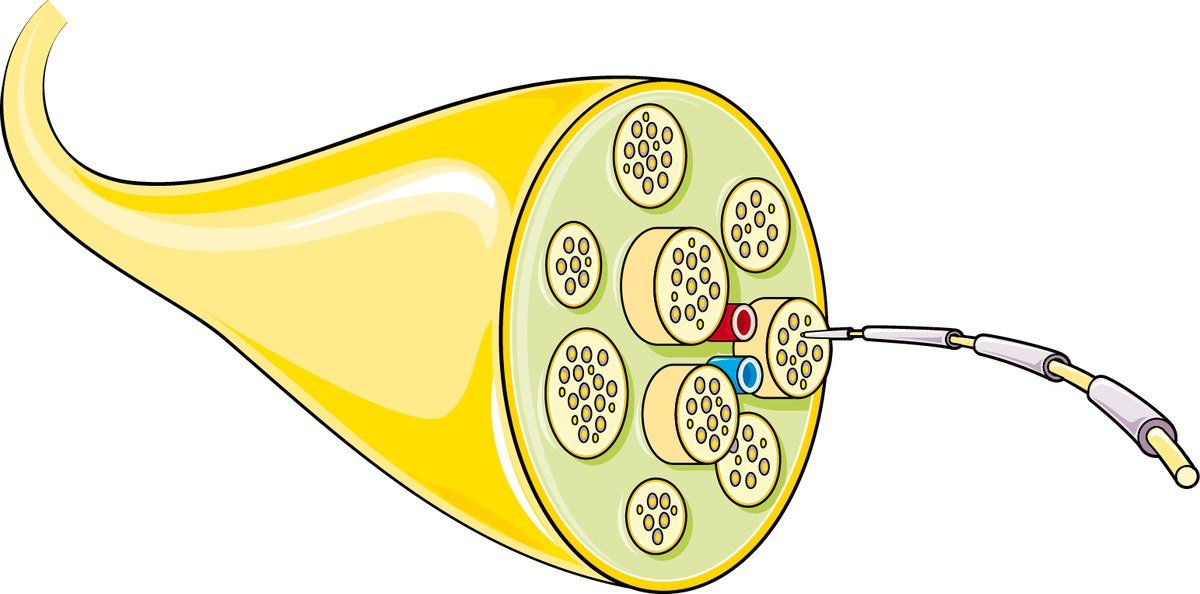
The full name you will see written is full-endoscopic discectomy. Saline runs continuously through the working channel to keep the view clear and wash the field. Depending on where the disc fragment sits, the tube goes in through the side of the spine, between the vertebrae, or through the gap between two laminae at the back.
Many of these operations can be done under local anaesthesia with sedation. That matters if you are older, diabetic, or have a heart or chest problem that makes general anaesthesia riskier. It is not automatic, and your anaesthetist decides.
One thing to be clear about from the start. Endoscopic surgery is a way of reaching the nerve. It is not a different disease, a different diagnosis, or a treatment for back pain in general.
How is it different from a microdiscectomy?
A microdiscectomy does the same job through a slightly larger incision using an operating microscope. Both operations end with the same result inside your back: the fragment of disc is off the nerve and the nerve has room again.
The differences are in how the surgeon gets there. In a microdiscectomy the muscle is retracted, a small window of bone and ligament is removed, and the surgeon looks down through the microscope into an open corridor with both hands free. In full-endoscopic surgery the corridor is the tube itself, the view comes from a camera inside the disc space, and instruments pass through a narrow channel.
In practical terms, endoscopic surgery gives a smaller scar and less muscle disruption. Microdiscectomy gives a wider view and more room to manoeuvre if something unexpected is found. Both are standard, mainstream operations performed worldwide.
Microdiscectomy has been done for decades and has the longer track record. Full-endoscopic surgery is newer but no longer experimental, and it now has randomised trial evidence behind it.
What does the evidence actually show?
Randomised trials and pooled analyses comparing full-endoscopic discectomy with open or microscopic discectomy find that leg pain relief is broadly equivalent. The endoscopic group consistently loses less blood, has smaller wounds, and usually goes home sooner.
The largest randomised comparison to date, a Dutch multicentre trial published in 2022, compared transforaminal endoscopic discectomy with open microdiscectomy for sciatica caused by a lumbar disc herniation. Endoscopic surgery was not inferior for leg pain, and on some secondary measures such as back pain and return to normal activity it did slightly better. Reoperation rates were similar in both groups.
Systematic reviews of the smaller trials point the same way. Where endoscopic surgery pulls ahead is on the things that are easy to measure and easy to feel: bleeding, incision size, hospital days, early mobilisation. Where the two are level is on the outcome that actually matters to you a year later, which is whether your leg pain has gone.
Two honest limitations. Most of this evidence follows patients for one to two years, not ten. And the trials were done by surgeons already experienced with the endoscope, which is not the same as any surgeon anywhere.
The plain summary: endoscopic surgery is a gentler route to the same destination, not a better destination.
Is endoscopic spine surgery safe?
It is as safe as microdiscectomy in experienced hands, and both are considered low-risk spinal operations. Safe does not mean risk-free, and any surgeon who tells you the risk is zero is not being straight with you.
The complications that can happen with either operation are:
- A tear in the covering of the nerves, which usually seals itself but sometimes needs repair
- Injury or irritation of the nerve root, which can leave numbness or weakness
- Infection, which is uncommon and less common with continuous irrigation
- Recurrence of the herniation at the same level, which happens in a small number of patients, in the single digits by percentage
- Incomplete removal of the fragment, sometimes needing a second procedure
There is one risk specific to the endoscopic route. If the surgeon cannot reach the fragment safely through the tube, the correct decision is to convert to an open or microscopic approach in the same sitting. That is good surgery, not failed surgery. Ask your surgeon directly what they would do in that situation, and ask what it would cost.
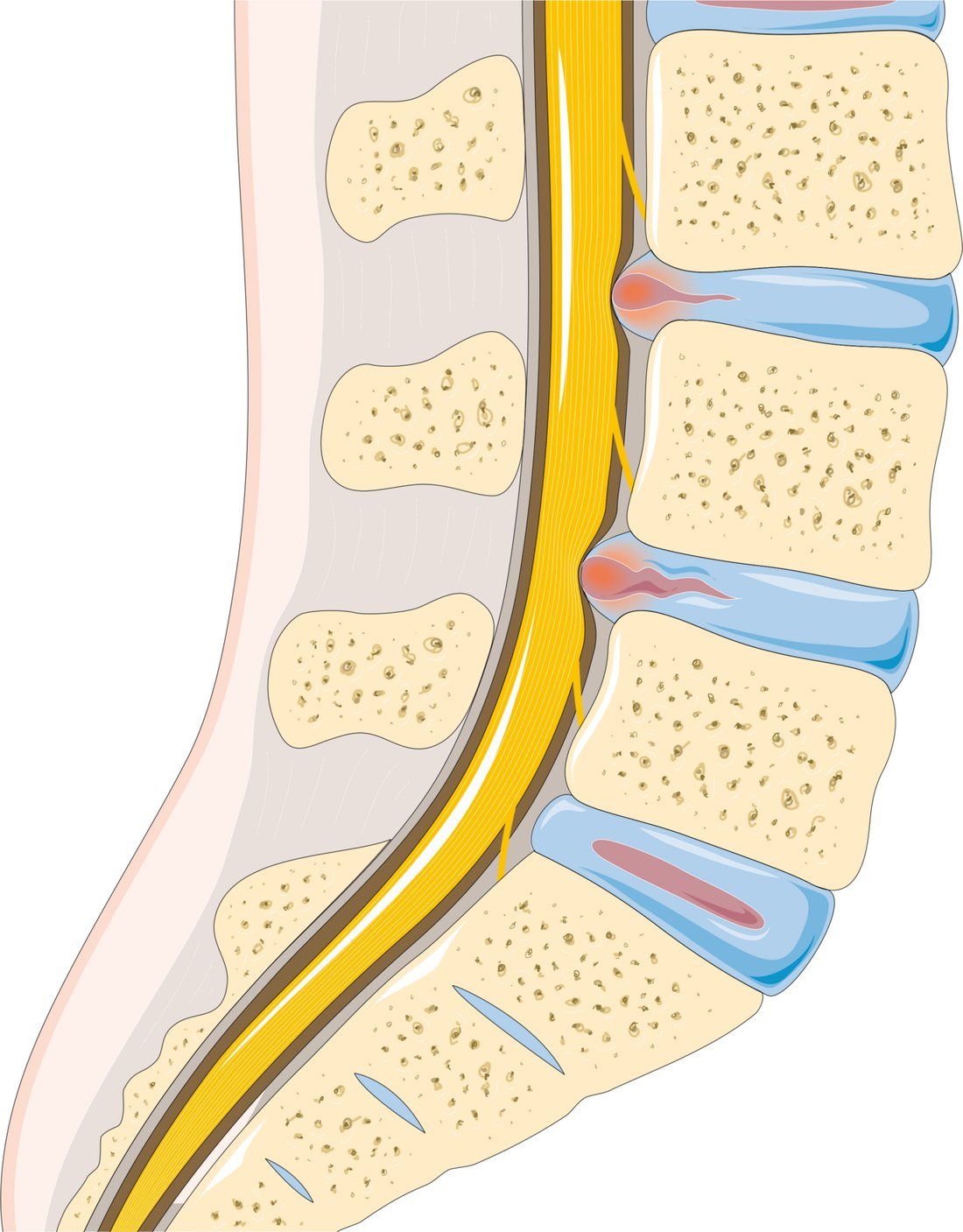
Now the fear that brings most families to the clinic. Patients ask constantly whether spine surgery causes paralysis. For a routine lumbar disc operation, the spinal cord itself ends well above the level being operated on. Serious paralysis from this surgery is very rare. Far more nerve damage in our experience comes from waiting too long with a nerve that is already weakening.
Do I really need surgery for a slip disc?
Probably not. The majority of people with sciatica from a disc herniation get better within six to twelve weeks without any operation, because the body slowly breaks down and absorbs the extruded fragment on its own.
Most kamar dard is not surgical at all. Muscular back pain, facet pain, poor posture, weak core, long driving hours, weight, and untreated diabetes account for far more suffering in Faisalabad clinics than disc herniation does. Surgery treats taang mein dard from a compressed nerve. It is not a treatment for back pain by itself, and a surgeon who offers you an operation mainly for back pain owes you a very good explanation.
There are situations where you should not wait. Go to a hospital the same day if you have:
- Difficulty passing urine, loss of control of urine or stool
- Numbness around the private parts and inner thighs, what doctors call saddle numbness
- Weakness that is getting worse, especially a foot that drags or slaps when you walk
- Severe pain with fever, unexplained weight loss, or a history of cancer or TB
This is the point where the usual route causes harm. Many families try hakeem, malish, and pehlwan-style manipulation for months first. Gentle massage for muscular pain is not the problem. Forceful pulling and cracking of a back that has a genuine nerve compression can make things worse, and months of it while a foot drop is developing can cost you permanent weakness. Try conservative treatment, yes. Just not while ignoring the warning signs above.
An MRI report that says slip disc does not mean you need an operation. Plenty of people with no pain at all have disc bulges on MRI. We treat the patient sitting in front of us, not the film.
When is the endoscope not the right choice?
Endoscopic surgery is excellent for a contained or moderately extruded lumbar disc herniation pressing on a nerve root. It is a poor first choice for several other problems, and knowing the difference is most of what makes a surgeon useful.
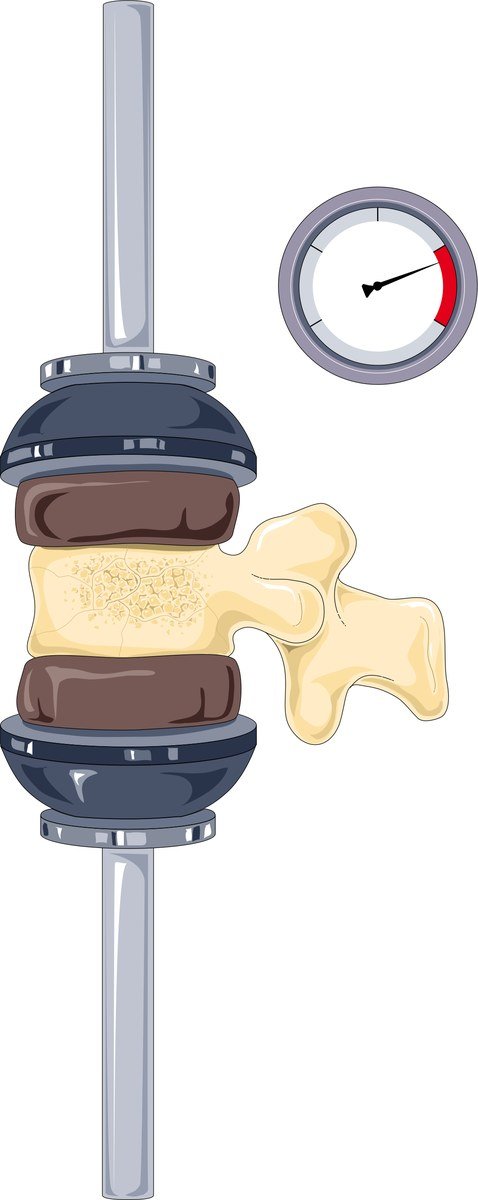
Cases where a microscopic or open approach is usually the safer decision include severe central canal stenosis needing wide decompression, spondylolisthesis or instability where the spine needs fusion, large fragments that have migrated far from the disc space, heavily calcified discs, and some recurrent herniations where scar tissue has replaced the normal planes.
Be cautious with a surgeon who offers the endoscope for everything. A clinic where every patient somehow needs the same operation is telling you about its equipment, not about your spine. The right answer is that some patients get an endoscopic discectomy, some get a microdiscectomy, some get a fusion, and most get no surgery at all.
This is also why is microdiscectomy worth it is the wrong question. For the right patient, with genuine nerve compression and leg pain that has not settled, a microdiscectomy is one of the most reliably successful operations in all of surgery. It is worth it when it is indicated and worthless when it is not.
Does the surgeon's experience matter more than the technique?
Yes, and this is the single most important line in this article. The learning curve for full-endoscopic spine surgery is steep and well documented, with complication rates and operating times falling substantially as a surgeon builds experience.
The trials that show endoscopic and microscopic surgery to be equivalent were run by surgeons who had already climbed that curve. A surgeon early in their endoscopic experience does not automatically inherit those results. A well-done microdiscectomy will beat a struggling endoscopic case every time.
Questions worth asking in the consultation, without embarrassment:
- How many endoscopic discectomies have you done, roughly?
- Do you also perform microdiscectomy and fusion, or only endoscopic surgery?
- What will you do if you cannot reach the fragment through the endoscope?
- What are the chances my leg pain does not improve?
- Why do I need surgery now rather than another six weeks of physiotherapy?
A surgeon who answers those calmly and gives you an honest percentage of failure is a better sign than one who promises a perfect result. When you look at endoscopic spine surgery reviews online, read them for how patients were treated, how clearly things were explained, and what happened when something went wrong. Reviews cannot tell you whether your particular disc suits the endoscope.
What does endoscopic spine surgery cost in Pakistan?
This is answered in full on what endoscopic spine surgery costs in Pakistan, so it is not repeated here.
How should I decide, and what should I do next?
Decide in this order: first whether you need surgery at all, then which operation suits your particular disc, then who should do it. Most patients stop at the first step, and that is a good outcome, not a wasted visit.
Bring your MRI films and the CD, not just the report. Bring a list of what you have already tried and for how long. Bring a family member, because in most Pakistani families this decision is made together and it helps if the person who will ask the hard questions at home hears the answers directly.
What you want from the consultation is a clear explanation of what is compressing which nerve, whether time and physiotherapy are still reasonable, and what specifically would change if you waited another month. If surgery is advised, you want to know why that approach and not the other one.
People search for the best endoscopic spine surgeon in Faisalabad and hope the search itself will answer the question. It will not. Judge a surgeon by whether they were willing to tell you that you did not need an operation, by whether they offer more than one technique, and by whether the risks were explained before the benefits.
Dr. M. Abdur Rehman is a consultant neurosurgeon at Mujahid Hospital, Faisalabad, performing endoscopic spine surgery and microdiscectomy. If your leg pain has lasted more than six weeks despite proper treatment, or if you have any of the warning signs listed above, book a consultation and bring your films.
Microdiscectomy in Faisalabad Read the full page on microdiscectomy in faisalabad, including who it suits, what recovery looks like and how to arrange a review.
Questions patients ask about this
Is endoscopic discectomy better than microdiscectomy?
Not better, gentler. Randomised trials show similar leg pain relief and similar reoperation rates for both. Endoscopic surgery involves less blood loss, a smaller wound and usually a shorter hospital stay. The right choice depends on where your disc fragment sits and how experienced your surgeon is with each technique.
How long does recovery take after endoscopic spine surgery?
Most patients walk within a few hours and go home the same day or the next. Desk work often resumes in one to two weeks. Heavy lifting, farm work and long motorcycle rides need six weeks or more. Your surgeon should give you written restrictions before discharge.
Can my slip disc heal without surgery?
Very often, yes. The body gradually breaks down and absorbs the herniated fragment, and most sciatica settles within six to twelve weeks with medication, physiotherapy and staying active. Surgery becomes reasonable if pain persists beyond that, or immediately if you develop weakness or bladder problems.
Will I get paralysed from spine surgery?
This is the fear we hear most often. For lumbar disc surgery, the spinal cord ends well above the level being operated on, and serious paralysis is very rare. Numbness or temporary weakness can happen. Delaying treatment while a nerve is already weakening carries its own risk of permanent damage.
Does endoscopic surgery cure back pain as well as leg pain?
Discectomy is mainly an operation for leg pain caused by a compressed nerve. Back pain may improve, but that is not what the surgery is designed to fix. If your main complaint is kamar dard without leg symptoms, surgery is usually the wrong answer and should be questioned.
Related articles
Transforaminal or interlaminar: the two endoscopic routes explained
Transforaminal endoscopic discectomy or interlaminar route? A Faisalabad spine surgeon explains which one…
Read this
What your MRI must show before laser or endoscopic surgery makes sense
Before laser or endoscopic surgery for a slipped disc, your MRI has to match your symptoms exactly. What the…
Read this
Awake spine surgery under local anaesthesia: is it safe?
Awake endoscopic spine surgery under local anaesthesia: who it suits, what it feels like, real risks, and…
Read thisAll patient questions · Spine surgery in Faisalabad · Book an appointment
Ask about your own scan. Send your MRI or X-ray on WhatsApp and get a straight answer on whether surgery is needed at all, from a consultant neurosurgeon in Faisalabad.
Dr. M. Abdur Rehman is a consultant neurosurgeon in Faisalabad. Send your scan on WhatsApp and ask what it actually shows.
Published for the practice of Dr. M. Abdur Rehman, consultant neurosurgeon, Mujahid Hospital, Faisalabad. General information only, not a substitute for examination.