
Yes, for selected patients awake endoscopic spine surgery is safe. Local anaesthesia with light sedation avoids the risks of general anaesthesia and lets you tell the surgeon if a nerve is touched. It suits single-level disc problems in people who are otherwise fit. Not everyone is a candidate, and that decision needs an MRI and an examination.
Is awake spine surgery under local anaesthesia safe?
For the right patient, yes. In awake endoscopic spine surgery the skin, muscle and the track down to the spine are numbed with local anaesthetic, and you are given light sedation so you feel calm and drowsy. There is no breathing tube. You can hear the team, answer questions, and tell them what you feel.
The safety comes from two things. First, you avoid the risks that general anaesthesia carries, which matter most in older patients and in people with diabetes, heart disease, asthma or breathing problems. Second, and this is the part patients do not expect, being awake is itself a safety feature. If an instrument comes close to a nerve root, you feel it and say so immediately. The surgeon adjusts before any damage is done. Under general anaesthesia that feedback is not available.
Safe does not mean risk free. No spine operation is. Infection, a tear in the covering of the nerves, bleeding, incomplete pain relief and re-herniation of the same disc are all possible with any technique. Occasionally an awake case has to be converted to general anaesthesia, usually because the patient cannot stay still or the anatomy turns out to be more difficult than the MRI suggested. A surgeon who tells you the risk is zero is not being straight with you.
Will I be paralysed? Will I feel the operation?
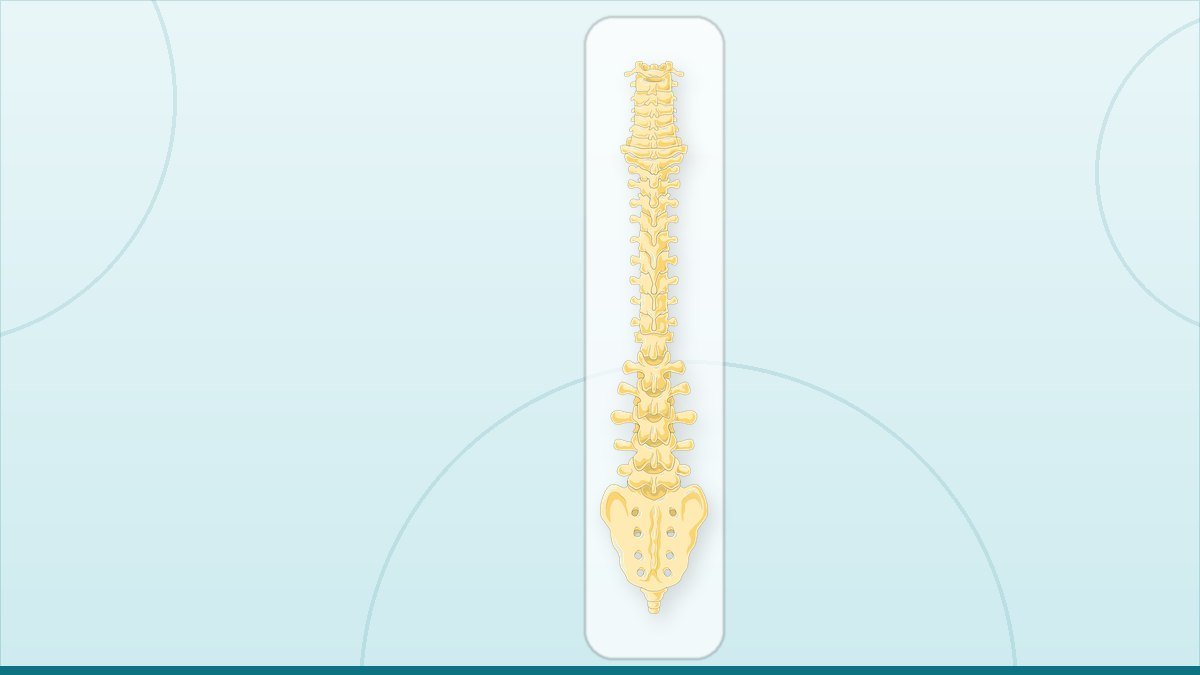
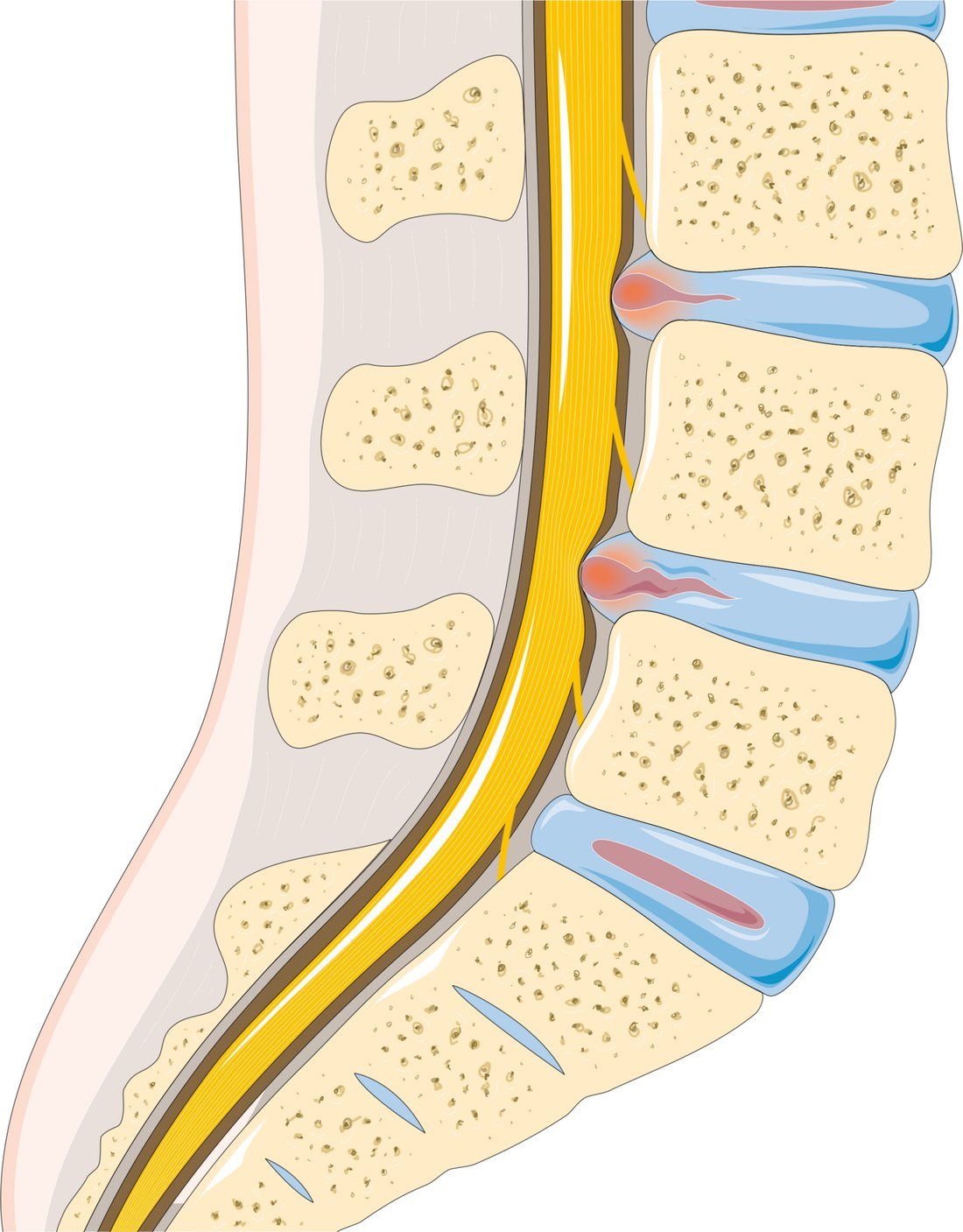
These are the two questions almost every family in Faisalabad asks, usually in the first minute. Permanent paralysis after a routine lumbar disc operation is very rare. It is worth understanding why. In the lower back, below roughly the first lumbar vertebra, the spinal cord itself has already ended. What runs there is a bundle of individual nerve roots with fluid around them. There is no spinal cord at that level to injure in the way people imagine.
The honest version: serious nerve injury is possible but uncommon, and the more realistic risks are the smaller ones listed above. If you already have weakness, for example a foot that drags (foot drop), surgery is usually done to stop it getting worse. Recovery of strength that has already been lost can be partial, and can take months. Nobody can promise you it returns fully.
On pain during the operation: you will feel pressure, pushing and movement. That is normal and expected. Sharp pain is not, and if you feel it the team gives more local anaesthetic. Most patients describe it as strange rather than painful. Many talk through the whole thing. Some ask to see the screen.
Go to an emergency department the same day, not to a clinic, if you have any of these:
- Loss of control of urine or stool, or difficulty passing urine
- Numbness around the private parts or inner thighs (saddle area)
- Weakness in both legs, or weakness that is getting worse by the day
These suggest cauda equina compression. It is a genuine emergency, and waiting overnight can cost you permanent function.
Who is suitable for awake endoscopic spine surgery?
The typical suitable patient has taang mein dard, pain running from the buttock down the back of the leg, worse than the kamar dard itself, with an MRI showing a disc pressing on the nerve root on the same side as the pain. The MRI must match the symptoms. A bulge on the left does not explain pain in the right leg, and operating on it will not help.
Good candidates usually share most of these features:
- Leg pain worse than back pain, in a clear nerve pattern
- A single level of the spine causing the problem
- At least six weeks of honest non-surgical treatment already tried, unless there is weakness or an emergency sign
- Able to lie face down and reasonably still for the duration
- Not extremely anxious about being awake
It is less suitable when there are several levels involved, when the spine is unstable and needs fusion, after previous surgery at the same level with heavy scar tissue, in patients with a very high body weight where the working depth becomes difficult, and in anyone who simply cannot tolerate the idea of being awake. Most neck operations are not done this way.
Why do some surgeons still prefer general anaesthesia?
Because sometimes it is the better choice, and that is not a criticism of either surgeon. A completely still patient makes difficult work easier. Long or complex cases, revision surgery, multi-level decompression and any fusion are usually done under general anaesthesia.
Patient temperament matters too. Some people find the idea of hearing instruments near their spine unbearable, and their anxiety alone makes the case harder and less safe. There is nothing weak about that. Tell the surgeon honestly rather than agreeing to be brave and then panicking on the table.
What you should be cautious about is a surgeon who offers only one option for every patient. The technique should be chosen for your spine, your MRI and your general health, not because it is the only thing on the menu.
Do I actually need surgery at all?
Most likely not. This is the part that gets left out of advertisements. The large majority of back pain is not surgical, and even most disc-related leg pain settles without an operation. Nerve pain from a herniated disc improves on its own in a high proportion of patients over weeks to a few months, because the body gradually shrinks and absorbs the extruded disc material.
So the first plan for ordinary slip disc pain is usually medicine for nerve pain, a short course of anti-inflammatories if your stomach and kidneys allow, staying active rather than lying in bed for weeks, and proper physiotherapy. Complete bed rest makes things worse, not better.
Almost every patient in Punjab tries hakeem, massage or a bone-setter first. That is normal, and gentle massage for muscle spasm harms nobody. The warning is specific: avoid forceful pulling, cracking or someone standing on your back, especially if you already have leg weakness, numbness or bladder symptoms. That is when real damage happens.
Surgery earns its place when leg pain has not settled after a fair trial of conservative treatment and is stopping you working or sleeping, when there is progressive weakness, or when there are emergency signs. If a surgeon offers you an operation for pure kamar dard with a normal or mildly degenerate MRI and no nerve compression, ask more questions or get a second opinion.
What about laser spine surgery? Is it effective?
Start with what the phrase actually means. There is no single operation called laser spine surgery. Laser is a tool. It can be used inside an endoscopic procedure to shrink tissue or stop small bleeders. When a clinic advertises laser spine surgery, they are usually describing an endoscopic or percutaneous procedure in which a laser fibre is one of the instruments used.
Where the evidence is strongest is for endoscopic discectomy, meaning the disc fragment pressing on the nerve is actually removed and seen through the endoscope. Procedures that rely on a laser alone to shrink the disc from the inside, without removing the fragment, have weaker and less consistent evidence behind them. They are not a substitute for decompressing a nerve that is genuinely compressed.
Practical advice: if someone quotes you a price for laser spine surgery, ask exactly what will be done. Will the fragment be removed? Will the nerve be seen? What is the procedure called in medical terms? A clear answer is a good sign. Marketing language instead of an answer is not.
What does endoscopic spine surgery cost in Pakistan?
This is answered in full on what endoscopic spine surgery costs in Pakistan, so it is not repeated here.
What happens on the day, and how soon can I walk?
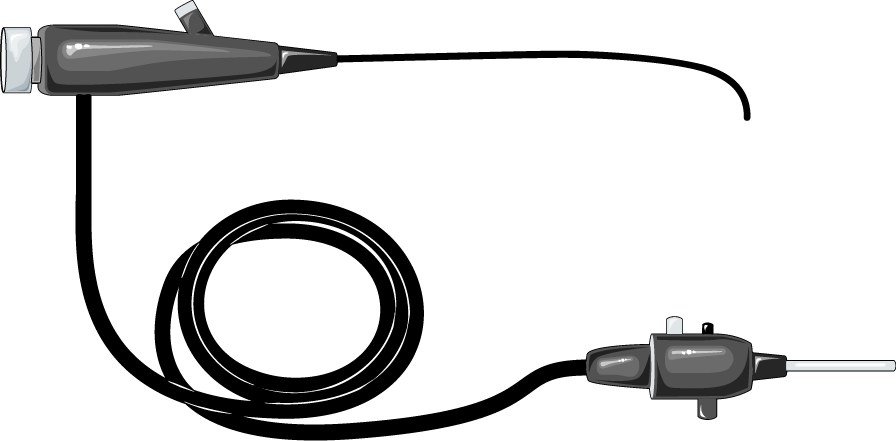
You come in fasting, the usual tests are checked, and consent is taken. In theatre you lie face down on a padded frame. Local anaesthetic is injected along the track the endoscope will take, and sedation is started. The incision is very small, roughly the size of a fingertip. The endoscope is passed to the disc under X-ray guidance, the fragment pressing on the nerve is removed, and the surgeon confirms the nerve is free.
A straightforward single-level case is usually well under two hours. Many patients notice that the leg pain has changed even before they leave theatre, because the pressure on the nerve is gone. Some back soreness at the wound site is normal for a few days and is not a sign that something went wrong.
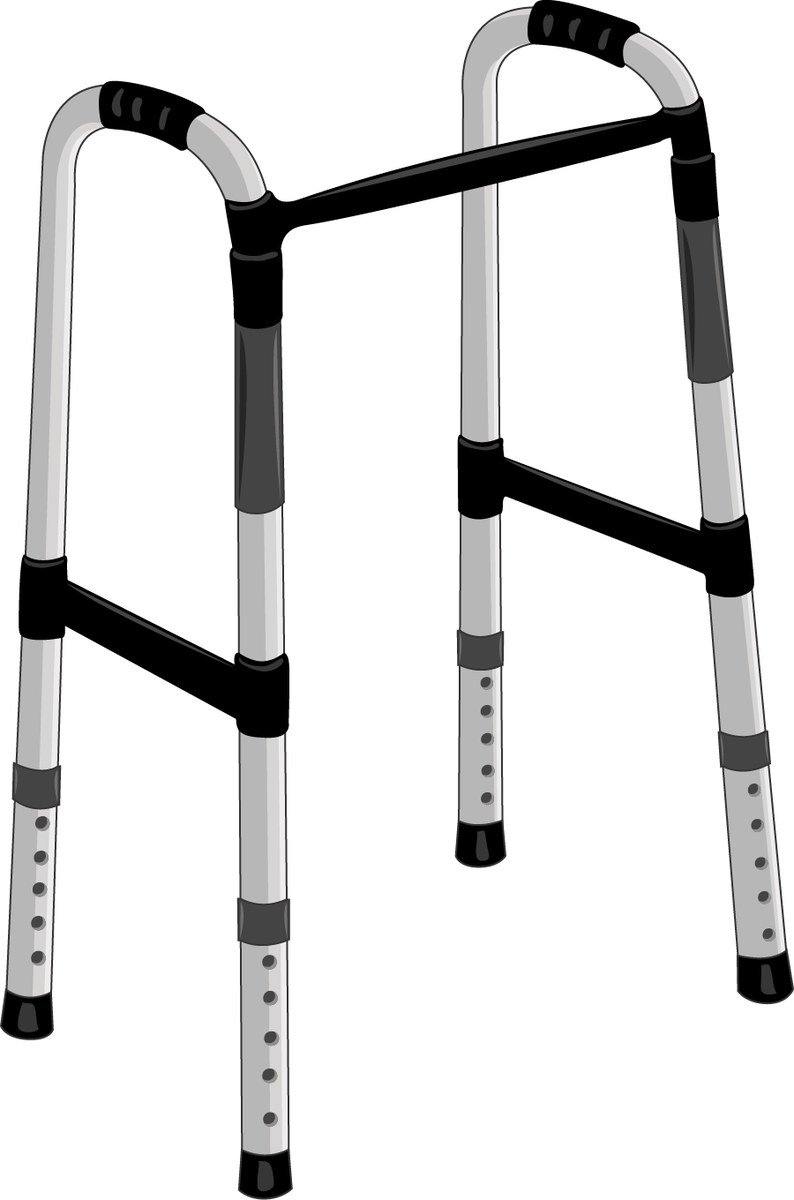
Walking is usually encouraged within a few hours, with help the first time. Most straightforward cases go home the same day or the next morning. For the first few weeks, avoid heavy lifting, prolonged sitting on the floor, and long car journeys on rough roads. Follow the physiotherapy instructions properly. The operation removes the pressure; the exercises protect the result.
What to do next
Bring the actual MRI films and the written report to the consultation, not only a CD, and not only a photo of the report on a phone. Bring a list of your current medicines, including anything for diabetes, blood pressure or blood thinning, and any hakeem preparations you have been taking. Bring one family member who will be part of the decision, because in most Pakistani families this is not decided alone.
At the consultation, ask these directly: is my MRI actually explaining my symptoms, what happens if I wait three more months, what are the chances this needs a second operation later, and what exactly is included in the written quote. A surgeon who answers all four calmly is worth trusting more than an advertisement.
A second opinion is normal and nobody should be offended by it. If you are searching for the best endoscopic spine surgeon in Faisalabad, judge on how honestly the risks are explained and how willingly non-surgical options are discussed, not on how confident the marketing sounds. Dr. M. Abdur Rehman, consultant neurosurgeon, sees patients at Mujahid Hospital, Faisalabad, and reviews MRI films with the family present.
Questions patients ask about this
Will I hear and see everything during awake spine surgery?
You will hear the team and the equipment, and you can talk. Sedation makes most patients drowsy and relaxed, and many remember only parts of it. Your face is turned to the side and you cannot see the surgical field unless the surgeon shows you the screen, which some patients ask for.
Can awake endoscopic surgery be done for neck problems?
Usually not. Most cervical procedures are performed under general anaesthesia because of the position required, the proximity of the spinal cord itself, and the need for absolute stillness. Awake endoscopic technique is mainly used in the lower back. Your surgeon will explain which approach suits your particular level.
Is endoscopic surgery better than open microdiscectomy?
Neither is universally better. Endoscopic surgery uses a smaller incision, causes less muscle damage and often allows faster return home. Microdiscectomy remains an excellent, well proven operation and is sometimes the more appropriate choice, particularly with large fragments, scar tissue from previous surgery, or difficult anatomy.
How long before I can return to work after endoscopic discectomy?
Desk work is often possible within one to two weeks in straightforward cases. Physical labour, driving long distances and lifting take longer, commonly six weeks or more. Recovery depends on how long the nerve was compressed, your age and your general health. Follow the specific advice you are given, not a general timeline.
Can the same disc slip again after surgery?
Yes. Re-herniation at the same level is a recognised risk with every disc operation, endoscopic or open. It happens in a minority of patients, most often in the first few months. Following lifting restrictions, doing your physiotherapy, stopping smoking and keeping weight controlled all reduce the chance.
Related articles
Day-care spine surgery: home the same day
Day care spine surgery in Faisalabad: who can go home the same day after endoscopic or keyhole disc surgery,…
Read this
Stitches, scar and wound care after endoscopic spine surgery
Stitches, scar and spine surgery wound care after an endoscopic discectomy: bathing, when stitches come out,…
Read this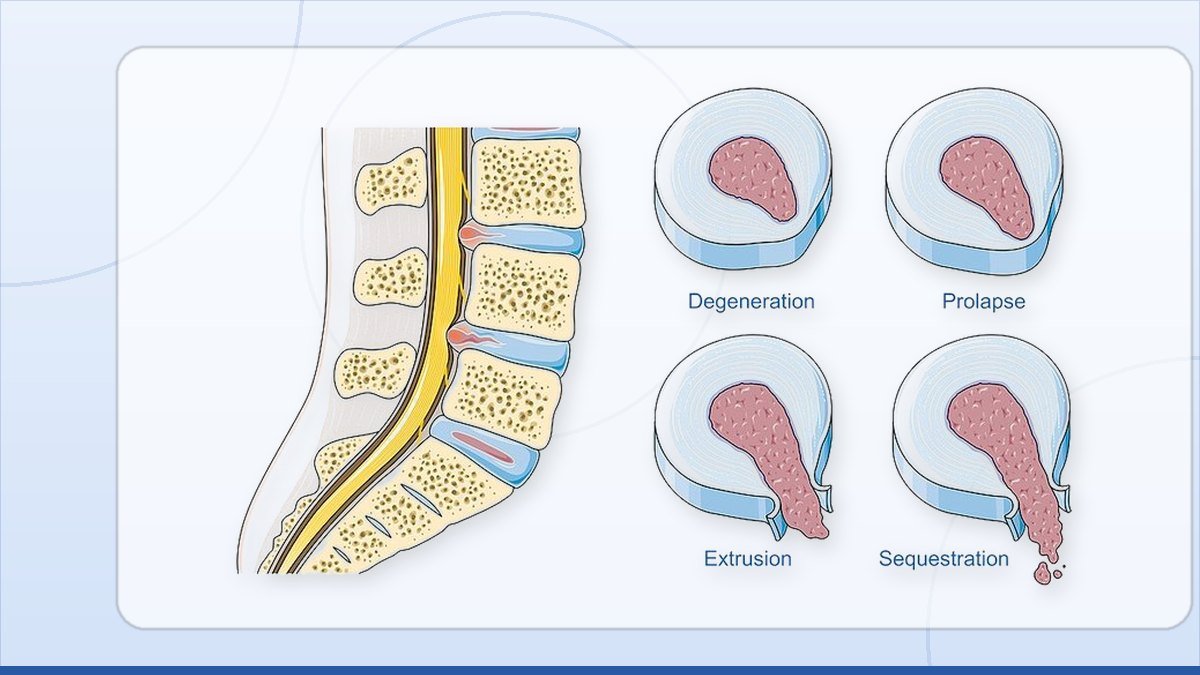
When a disc herniates again: recurrent disc herniation
Recurrent disc herniation: why leg pain returns after disc surgery, when a second operation is really needed,…
Read thisAll patient questions · Spine surgery in Faisalabad · Book an appointment
Ask about your own scan. Send your MRI or X-ray on WhatsApp and get a straight answer on whether surgery is needed at all, from a consultant neurosurgeon in Faisalabad.
Dr. M. Abdur Rehman is a consultant neurosurgeon in Faisalabad. Send your scan on WhatsApp and ask what it actually shows.
Published for the practice of Dr. M. Abdur Rehman, consultant neurosurgeon, Mujahid Hospital, Faisalabad. General information only, not a substitute for examination.