
Day care spine surgery means you are admitted, operated and discharged on the same day. It is possible for selected patients having endoscopic discectomy or a small microdiscectomy, done through a keyhole cut under local or short anaesthesia. You go home once you can walk, pass urine and eat comfortably.
What makes it possible to go home the same day?
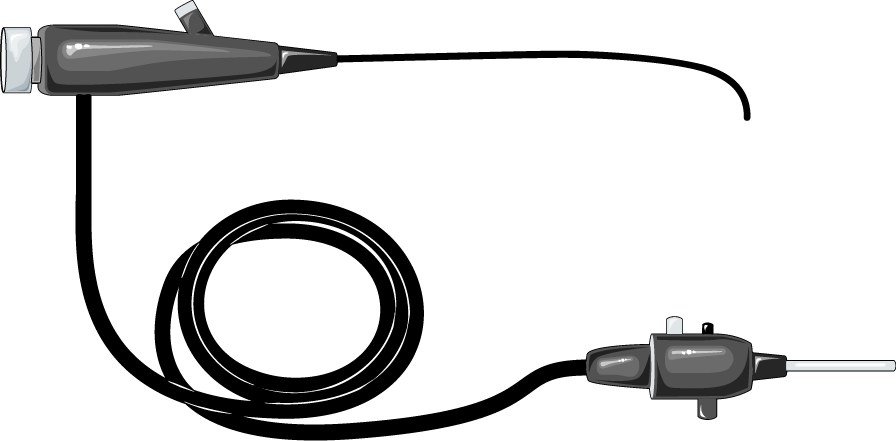
Three things decide it: how small the wound is, how much anaesthesia you needed, and how well you are moving a few hours later. Endoscopic spine surgery uses a tube about the width of a pencil passed between the muscles, with a camera and instruments inside it. The muscle is pushed aside rather than cut, so there is little bleeding and much less pain afterwards.
Because of that, many patients are asked to stand and walk within a few hours of the procedure. No drain, no urinary catheter in most cases, and no long line of stitches to guard. Once you have walked to the bathroom, passed urine on your own, taken tea and food without vomiting, and your leg pain has settled, there is no medical reason to keep you in a bed overnight.
A small microdiscectomy can also be done as day care, though the cut is a little longer and some patients are more comfortable staying one night. The choice is made on the day, on how you actually are, not on a promise made before surgery.
One thing should be clear. Same-day discharge is a result of the surgery going smoothly, not a target to be chased. A good surgeon will keep you in if you are not ready, and that is not a failure.
Is it safe? Will I be paralysed?
This is the fear behind almost every question families ask, so it deserves a straight answer. Serious nerve injury in disc surgery is rare. It is not zero, and no honest surgeon will tell you it is zero, but the great majority of people who have a single lumbar disc operated come out with the same power in their legs and better nerve pain than before.
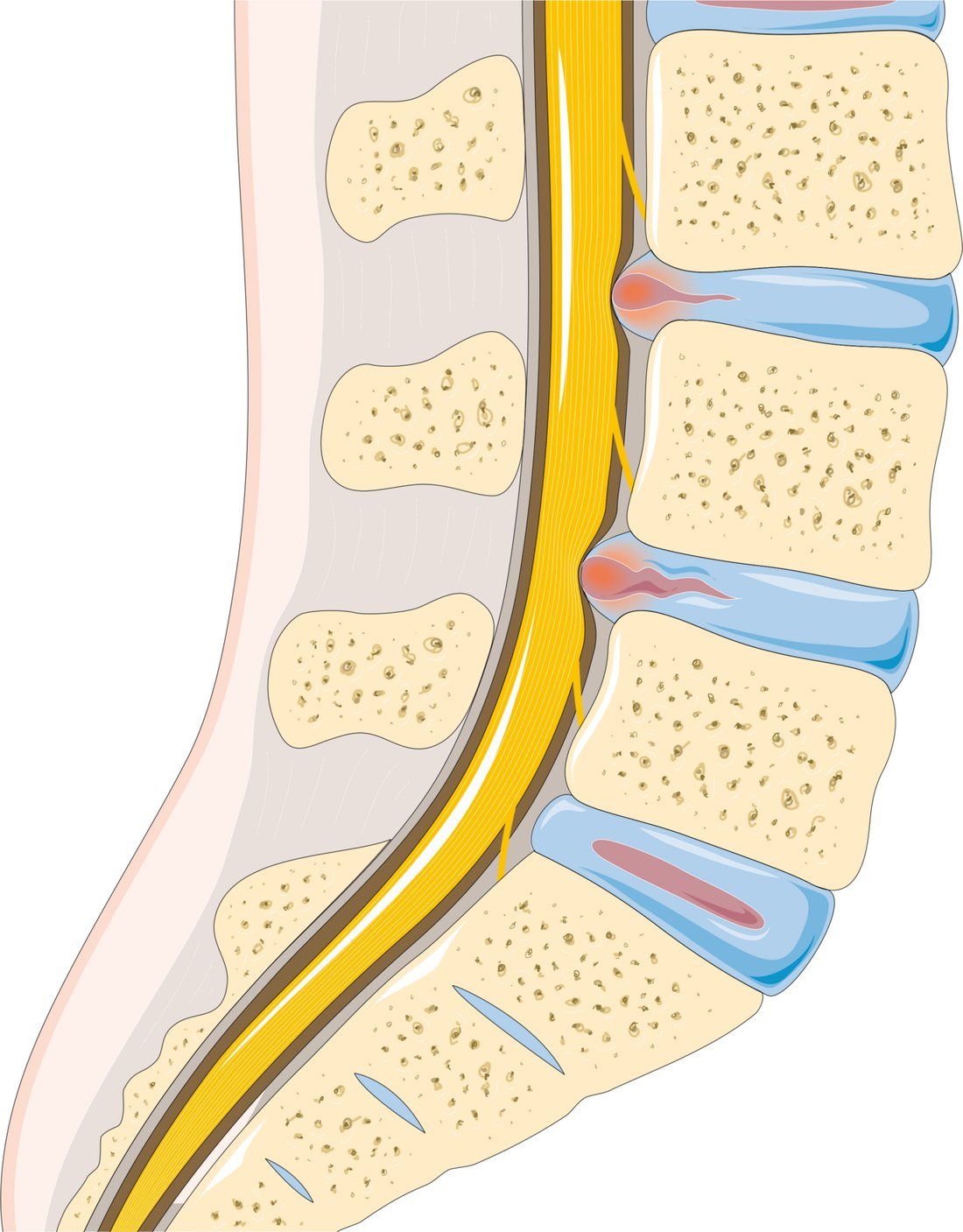
It helps to know why the fear exists. Most people in Punjab have heard of someone who "had a spine operation and could not walk". Often that story involves a very different situation: a spinal cord injury from an accident, a neglected infection like tuberculosis of the spine, a tumour, or a large fusion done for advanced disease. A keyhole operation on one lumbar disc is a much smaller thing. Below the level of the first or second lumbar vertebra there is no spinal cord at all, only the loose bundle of nerve roots, which is why lumbar disc surgery does not carry the risk people imagine.
The real risks worth knowing about are honest and manageable: a tear in the covering of the nerves, which is usually repaired at the time; a small chance the disc fragment comes out again later; infection; numbness in a patch of skin; and in a few patients, back pain that improves less than the leg pain did. Ask your surgeon to name the risks in your case. If the answer is "there is no risk", ask again somewhere else.
Anaesthesia is the other half of safety. Endoscopic surgery can often be done under local anaesthesia with sedation, or a short spinal, which is one reason older patients and people with diabetes or heart disease can sometimes be operated when a bigger surgery would be too risky for them.
Do I actually need surgery, or is this treatable without it?
Most kamar dard is not surgical. That is the most useful sentence on this page. Back pain from muscle strain, poor posture, long driving, weight, weak core muscles or ordinary age-related disc wear does not get better with an operation, and operating on it can leave you worse.
Even a proven slip disc usually settles on its own. A large majority of people with a herniated lumbar disc and taang mein dard improve over weeks with medicine, activity, and physiotherapy, as the body slowly shrinks and absorbs the fragment. Six to eight weeks of proper non-surgical treatment is a reasonable trial before anyone talks about theatre.
Surgery is genuinely worth discussing when:
- Leg pain is the main problem, follows a clear nerve path, and matches what the MRI shows
- You have given real non-surgical treatment a fair trial and the pain still controls your life
- There is weakness, such as a dragging foot, that is not recovering
- Pain is so severe that sleep and work have stopped, and injections have not held
Go to an emergency department the same day, without waiting for an appointment, if you lose control of urine or stool, go numb between the legs and around the back passage, or if weakness in a leg is getting worse by the day. That situation is called cauda equina syndrome and it is one of the few true spine emergencies.
A word about the usual first stop. Many families try hakeem treatment, oil massage, cupping or a bone-setter before seeing a doctor. Gentle massage for muscle pain is unlikely to harm you. Forceful pulling, twisting or standing on the back of someone with a fresh disc problem and leg weakness can. If you are having real nerve symptoms, get an examination first, then decide.
Who can go home the same day and who should stay?
Selection is done before the operation and confirmed after it. Most people who go home the same evening share a similar picture: one disc level, one leg affected, normal or near-normal power, a well-controlled medical background, and a family member who can stay with them at home.
You are more likely to be asked to stay overnight or longer if:
- Your surgery was a fusion with screws and cages, or involved more than one level
- You have poorly controlled diabetes, heart or kidney disease, or you are on blood thinners
- You live alone, or nobody at home can help you for the first night
- The anaesthesia has left you dizzy, nauseated, or unable to pass urine
- There was a dural tear during surgery, or the surgeon simply wants to watch you
- Your leg was already weak before surgery and needs monitoring
Distance matters too. If you are travelling back to Sargodha, Jhang, Toba Tek Singh or Chiniot the same night, tell the team before surgery. Two or three hours over rough road, sitting in a Corolla or a van, is not the same as a fifteen-minute drive across Faisalabad. Many surgeons will suggest you either stay one night or arrange a room nearby and travel the next morning. Some patients prefer to go home and come back for a check the next day. Both are reasonable.
Being kept in overnight is not a sign that something went wrong. It usually means the team is being careful with an older patient, a diabetic patient, or a long journey.
Is laser spine surgery effective, and is it the same thing?
"Laser spine surgery" is used very loosely in advertising, and that causes real confusion. In some clinics it means a genuine procedure where a laser fibre is passed into the disc to shrink it. In many others it is simply a word attached to ordinary endoscopic or keyhole surgery to make it sound more modern.
The honest position on the genuine version is that it applies to a narrow group of patients, mainly small contained bulges without a free fragment, and the evidence supporting it is much weaker than the evidence behind endoscopic discectomy and microdiscectomy. It does not remove a large extruded fragment. It does not open a narrowed canal. If your MRI shows a big fragment sitting on the nerve, a laser is not the answer to it.
Endoscopic surgery is different in an important way. The surgeon sees the nerve and the disc fragment on screen and physically removes the piece that is pressing. Nothing is left to shrink over time. If a laser or a radiofrequency probe is used inside an endoscopic operation, it is a tool for controlling small bleeders or tightening the disc opening, not the operation itself.
When a clinic offers you "laser spine surgery", ask one plain question: what exactly will be removed, and will you see the nerve while you do it? The answer tells you which procedure you are actually being sold.
What does spine surgery cost in Pakistan?
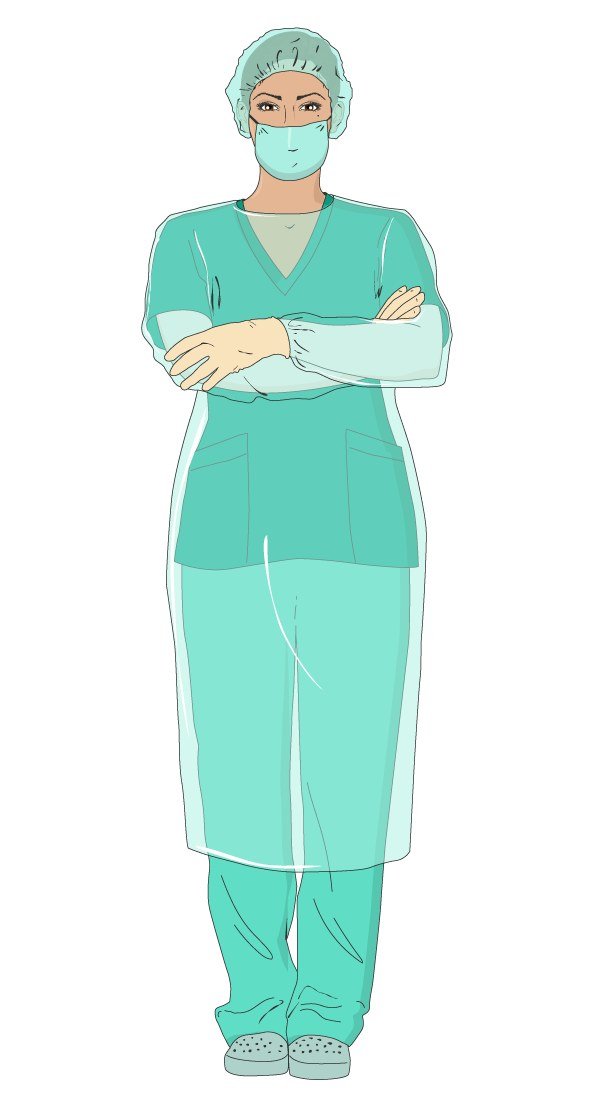
Costs vary a great deal, and anyone who quotes you a single figure over the phone for every patient is guessing. The honest way to think about it is by band. Endoscopic discectomy and microdiscectomy for a single level sit in a similar range as each other. Spinal fusion costs considerably more, because screws, rods and cages are expensive implants and the operation and stay are longer. Prices in a government or trust hospital, a mid-size private hospital in Faisalabad, and a large private hospital in Lahore or Karachi can differ several times over for the same procedure.
Ask for a written quote before you commit to anything, and ask that it be itemised. It should show:
- Surgeon fee and assistant fee
- Anaesthesia charges
- Operation theatre charges, and whether C-arm or navigation is billed separately
- Implant cost, brand and origin, if any implant is used
- Room and stay charges, and what happens to the bill if day care becomes an overnight stay
- MRI, X-rays, blood tests and any pre-anaesthesia consultation
- Medicines, dressings, and how many follow-up visits are included
- Physiotherapy, if it is being recommended
Day care usually reduces the bill, because room and nursing charges are the part that grows with each night. Do not choose a surgery because it saves a night of room rent. Choose the operation that fits your MRI and your symptoms, then take the day-care saving if it comes with it.
Two practical points for Pakistani families. Ask whether your employer panel, insurance, or a hospital zakat or welfare fund applies, and ask early, because approvals take days. And be careful with package prices that exclude implants, because in fusion surgery the implant is often the single largest line on the bill.
For the full cost breakdown, see what spine surgery costs in Pakistan.
What will the day of surgery actually look like?
Knowing the shape of the day removes a lot of anxiety, for the patient and for the family sitting outside.
You will usually be told to stop eating and drinking from midnight, or six to eight hours before. Regular medicines are reviewed in advance; blood thinners and some diabetes medicines need to be stopped days earlier, so this conversation must happen at the clinic visit, not on the morning of surgery. Bring your MRI films and CD, not only the report.
You arrive in the morning, complete admission, change, and have a line placed. The surgeon marks the level and the side. In theatre you lie face down. For endoscopic surgery the level is confirmed with a C-arm X-ray, a small cut is made, the tube is passed to the disc, and the fragment pressing the nerve is removed under vision. The operating time for a single level is commonly under an hour and a half, though it varies.
Afterwards you rest in recovery, then in the ward. Many patients say the taang mein dard is noticeably less as soon as they wake up, because the pressure on the nerve is gone. The back around the wound will be sore, and that is expected. You are helped to sit, then to stand, then to walk. Once you have walked, passed urine, eaten, and the surgeon has checked your leg power, discharge is written with painkillers, a wound plan and a follow-up date.
Keep one attendant with you who is not the patient's spouse alone if possible. Somebody needs to listen to the discharge instructions while the patient is still drowsy.
What should I expect at home that night and in the first week?
Expect a quiet, dull ache at the wound and tiredness from anaesthesia. Take painkillers on schedule for the first two or three days rather than waiting for pain to build up. Walk short distances inside the house several times a day, from the first evening. Walking is treatment, not a risk.
Practical rules for the first two weeks:
- No lifting heavy weight, no bending forward to pick things off the floor, no twisting
- Sit for short periods only, and stand up every twenty to thirty minutes
- Keep the wound dry and covered as instructed, and do not apply oil, haldi or any home paste on it
- No long car or bus journeys unless the surgeon clears it
- Start structured physiotherapy when your surgeon says so, not before
Some numbness or tingling in the leg can take weeks to settle even when the operation went perfectly, because a compressed nerve heals slowly. That is normal and not a sign of failure.
Call the hospital or return the same day if you develop fever, spreading redness or discharge from the wound, sudden increase in leg weakness, severe headache when you sit up, or any difficulty passing urine. These are the few things that need to be seen immediately rather than at the next appointment.
How do I decide who to trust with my spine?
Go to the consultation with the whole picture and let the doctor examine you, not only your MRI. An MRI of almost any adult over thirty-five shows some disc changes. The question is whether what is on the film explains the pain in your leg. A surgeon who examines your power, reflexes and straight leg raise, then explains why the film matches or does not match your symptoms, is doing the job properly.
Reasonable questions to ask, and you are entitled to ask all of them:
- Do I need surgery now, or can I wait and treat this without an operation?
- Which exact procedure are you recommending, and why that one over the others?
- Am I suitable for day care, or should I plan an overnight stay?
- What are the risks in my specific case, and what is the chance the disc comes out again?
- What happens if this does not work?
Bring a family member. Decisions about spine surgery in Pakistani households are rarely made by one person, and it is easier when the people who will pay for it and look after you have heard the same explanation you did. Take a second opinion if you are unsure, especially if fusion with screws has been advised for simple sciatica. A surgeon confident in the plan will not object.
Dr. M. Abdur Rehman is a consultant neurosurgeon at Mujahid Hospital, Faisalabad, and sees patients from across Punjab for endoscopic spine surgery and microdiscectomy. If you are searching for the best endoscopic spine surgeon in Faisalabad, judge the answer by the consultation itself: whether you were examined, whether non-surgical options were discussed honestly, and whether you were given a written, itemised quote before anyone asked for a decision. Bring your MRI films, bring the list of medicines you take, and bring your questions.
Questions patients ask about this
Can I travel back to my village the same evening after endoscopic surgery?
Short journeys within Faisalabad are usually fine. For two or three hours on rough road to Jhang, Sargodha or Chiniot, most surgeons prefer you stay one night or wait until the next morning. Tell the team your travel distance before surgery so the discharge plan fits your journey.
Is day care surgery cheaper than staying admitted?
Usually yes, because room and nursing charges are the part of the bill that grows with each night. The surgeon fee, theatre charge and implants stay the same. Ask for a written quote showing what the bill becomes if day care turns into an overnight stay, so there is no surprise.
If I have endoscopic discectomy now, will I need a fusion later?
Not usually. Removing the fragment pressing the nerve does not commit you to fusion afterwards. A small number of patients have the disc herniate again, and even then a repeat discectomy is often possible. Fusion is considered for instability, slippage of a vertebra, or repeated failure, not as a routine next step.
Can slip disc be treated without surgery?
In most cases, yes. Medicines, activity within limits, and proper physiotherapy settle the majority of disc herniations over several weeks as the body absorbs the fragment. Nerve root injections help some patients. Surgery is for those whose leg pain persists after a fair trial, or who develop weakness or bladder symptoms.
Is laser spine surgery the same as endoscopic spine surgery?
No. Endoscopic surgery removes the disc fragment under direct camera vision. Genuine laser disc decompression shrinks a small contained bulge and suits far fewer patients, with weaker supporting evidence. Many advertisements use the word laser for ordinary keyhole surgery. Ask exactly what will be removed and whether the nerve will be seen.
Related articles
Stitches, scar and wound care after endoscopic spine surgery
Stitches, scar and spine surgery wound care after an endoscopic discectomy: bathing, when stitches come out,…
Read this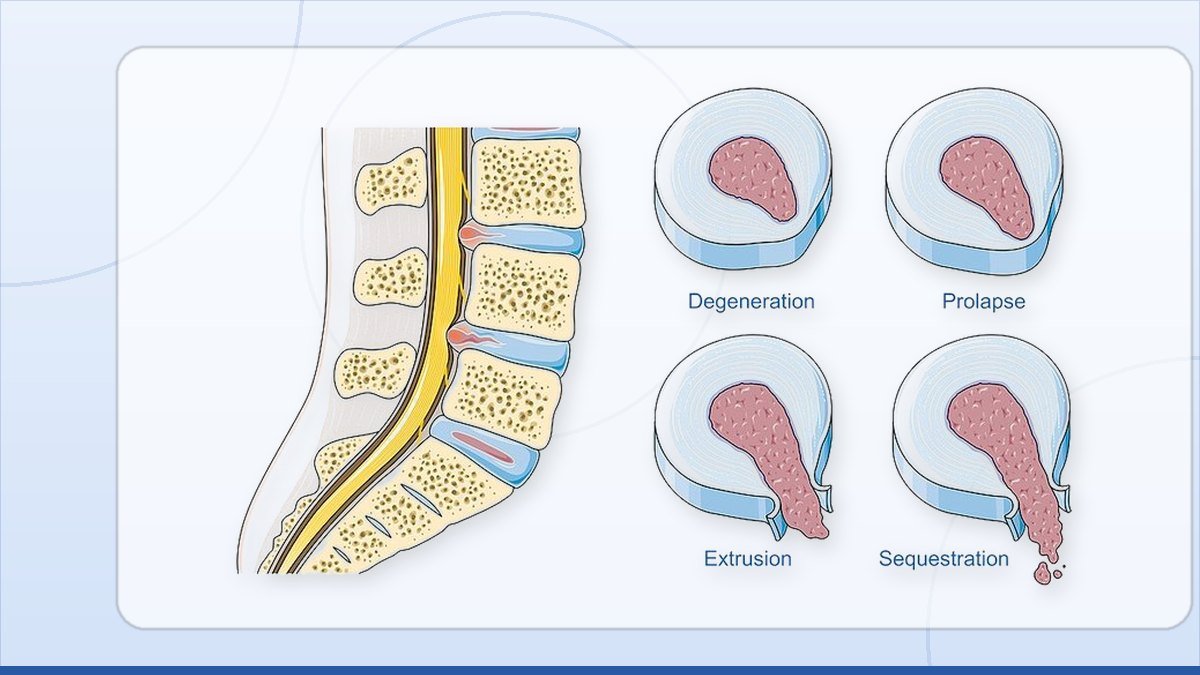
When a disc herniates again: recurrent disc herniation
Recurrent disc herniation: why leg pain returns after disc surgery, when a second operation is really needed,…
Read this
When spine surgery does not fix the pain
Pain after spine surgery is called failed back surgery syndrome. Why it happens, when a second operation…
Read thisAll patient questions · Spine surgery in Faisalabad · Book an appointment
Ask about your own scan. Send your MRI or X-ray on WhatsApp and get a straight answer on whether surgery is needed at all, from a consultant neurosurgeon in Faisalabad.
Dr. M. Abdur Rehman is a consultant neurosurgeon in Faisalabad. Send your scan on WhatsApp and ask what it actually shows.
Published for the practice of Dr. M. Abdur Rehman, consultant neurosurgeon, Mujahid Hospital, Faisalabad. General information only, not a substitute for examination.