
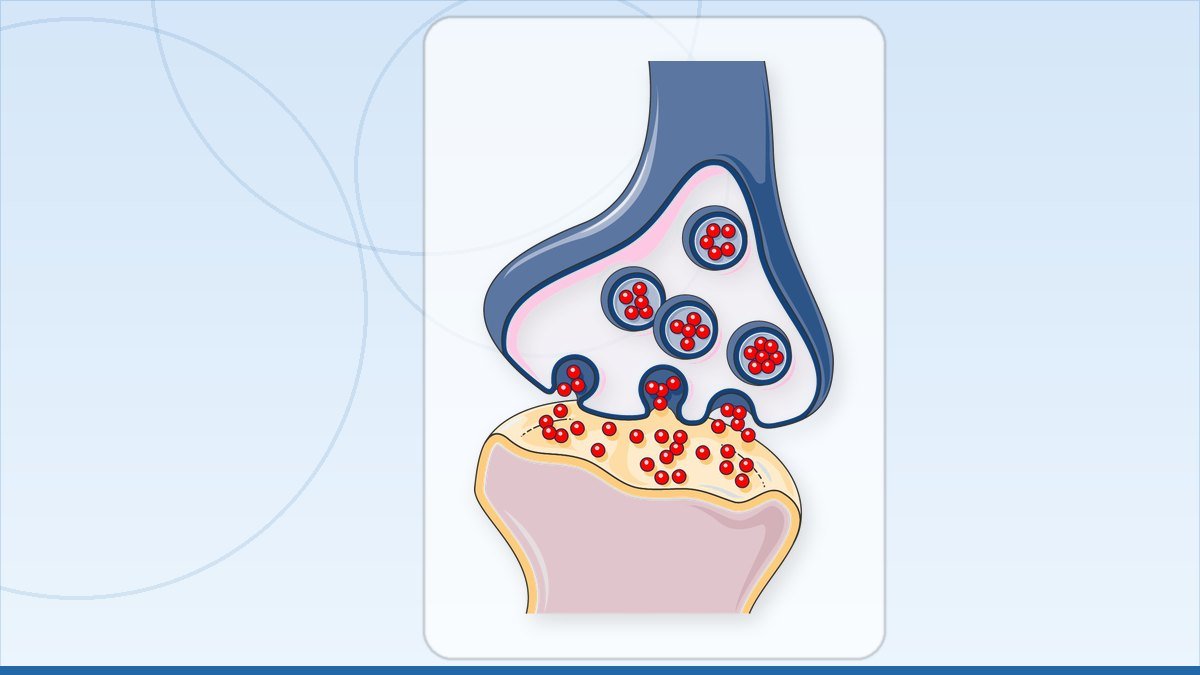
Sometimes back or leg pain continues after spine surgery. Doctors call this failed back surgery syndrome. The usual reasons are that the wrong problem was operated on, the nerve was already damaged before surgery, scar tissue formed, or a second disc gave way later. It is often treatable once the real cause is found.
Why does pain come back after spine surgery?
Pain returns after spine surgery for a small number of reasons, and each one has a different answer. The three that matter most are that the surgery treated something that was not causing the pain, that the nerve was already too damaged to recover, or that a new problem developed later at the same or a nearby level.
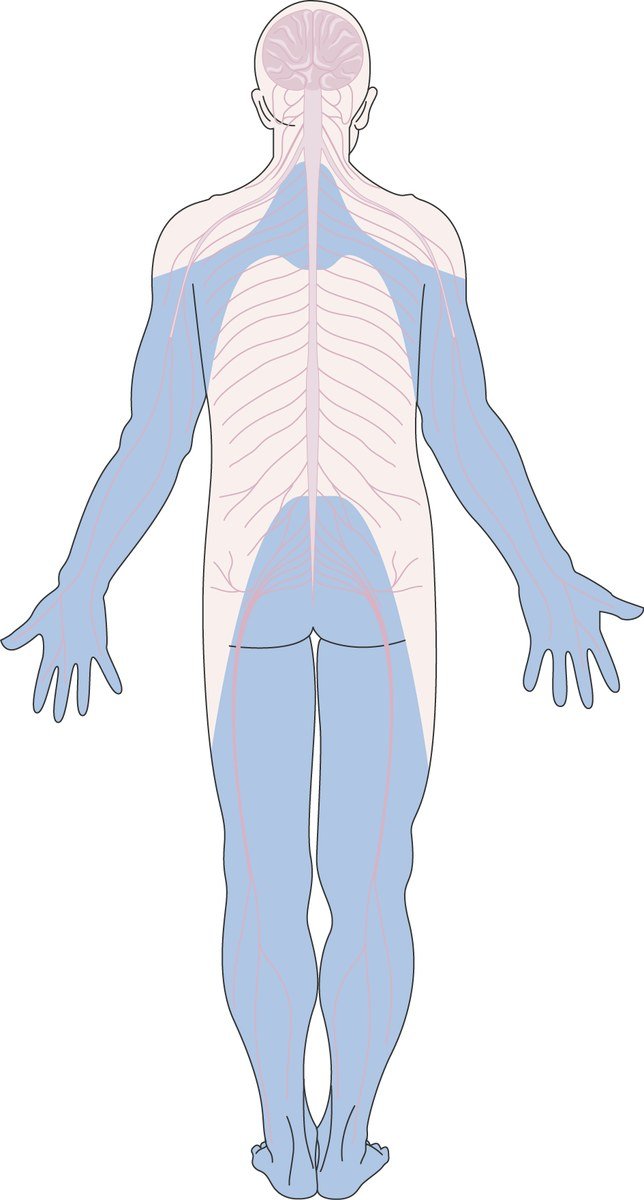
It helps to separate two very different situations. Some patients wake up from surgery with the same pain they had before. Others get real relief for weeks, months or years, and then the pain comes back. These are not the same problem and they do not have the same solution.
If the pain never changed at all, the likely issue is the diagnosis. If the pain improved and then returned, the likely issue is a new disc herniation, scar tissue pressing on the nerve, or the joints and ligaments at that level becoming loose over time.
There is also a group of patients whose leg pain was fixed but whose kamar dard remains. That is common and often misunderstood. Disc surgery is designed to take pressure off a nerve. It is not designed to cure muscular and joint back pain, and no honest surgeon promises that it will.
Is a second spine surgery safe, or will I be paralysed?
Permanent paralysis from lumbar spine surgery is rare, including in revision surgery. The nerves in the lower back are a bundle of separate roots rather than the spinal cord itself, and modern operating microscopes and endoscopes let the surgeon see the nerve clearly while working around it.
Rare is not the same as impossible, and you deserve the honest list. The real risks include a tear in the covering of the nerves with leakage of spinal fluid, infection, bleeding, numbness or weakness in one leg that may or may not settle, and bladder problems. Revision surgery carries a somewhat higher risk of a fluid leak than a first operation, because scar tissue sticks to the nerve and has to be separated.
The fear of paralysis is the single biggest reason patients in Punjab delay treatment for years and go to a hakeem or for maalish first. It is worth saying plainly: for the great majority of people, the more likely path to permanent nerve damage is waiting too long with a badly compressed nerve, not having it decompressed.
Go to an emergency department the same day, do not wait for an appointment, if you lose control of urine or stool, if you go numb between the legs, or if a leg becomes suddenly and rapidly weak. That combination can be cauda equina syndrome and it is a true emergency.
Could the wrong level have been operated on?
Yes, and it is one of the more fixable reasons for failed surgery. The lumbar spine has several levels that can produce almost identical taang mein dard, and an MRI often shows bulges at two or three of them when only one is actually pinching the nerve.
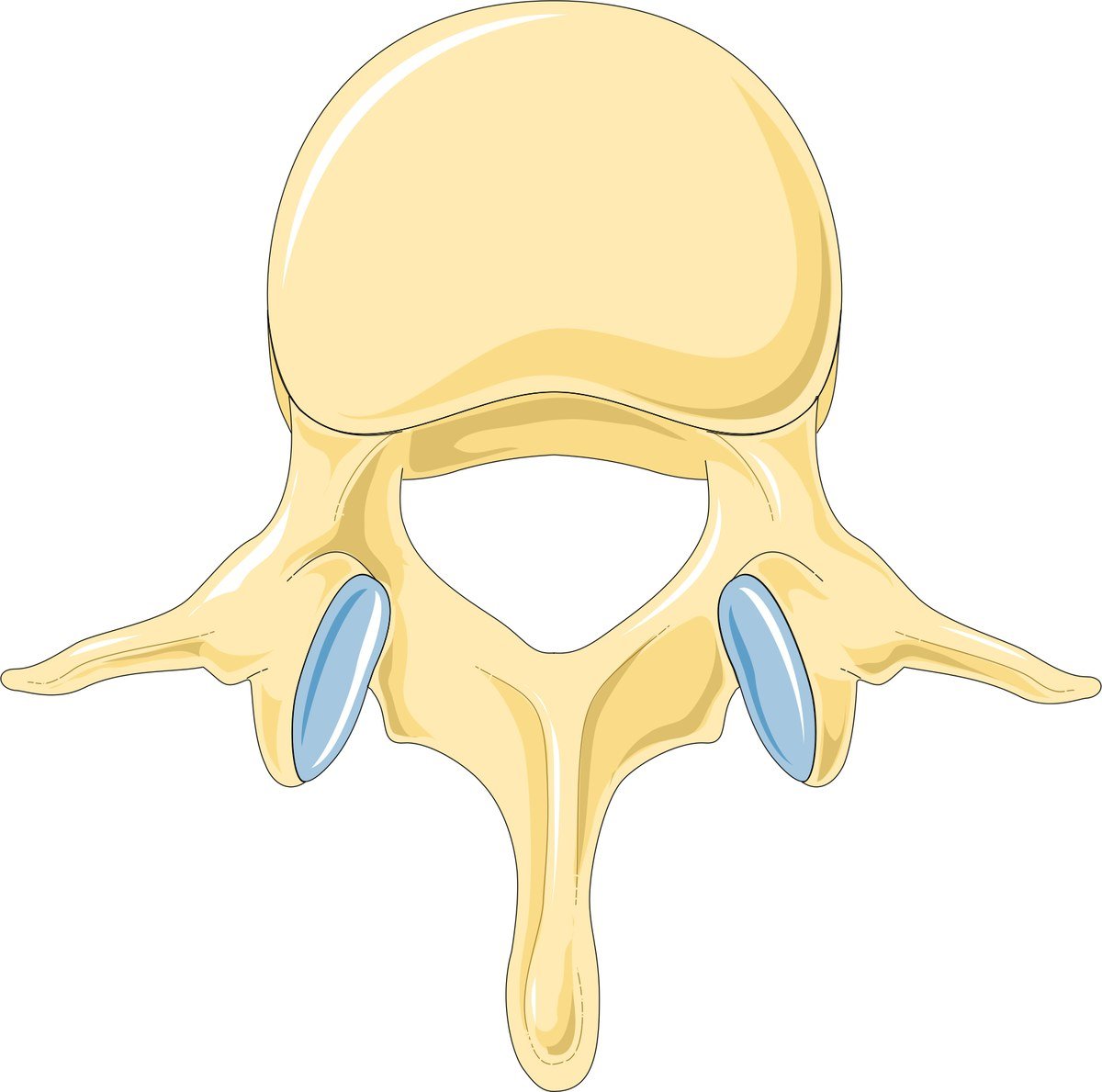
The mistake is usually not a slip of the knife in theatre. It is a decision made before the operation, when the worst-looking disc on the MRI was chosen instead of the disc that matched the patient's symptoms. A bulge on a scan is extremely common in adults who have no pain at all.
This is why a careful surgeon spends time on where exactly your pain travels, which movements make it worse, and what the reflexes and power in your legs actually show. If the MRI says L4-L5 but your leg pain runs down the back of the calf to the little toe, those two things do not agree, and somebody needs to explain why before anyone operates.
When the wrong level was treated, the good news is that treating the correct one often works well.

What if the nerve was already damaged before surgery?
A nerve that has been squeezed hard for a long time can lose function permanently. Surgery removes the pressure, but it cannot instantly rebuild a nerve that has already been injured, and recovery of nerve function is slow and incomplete in some patients.
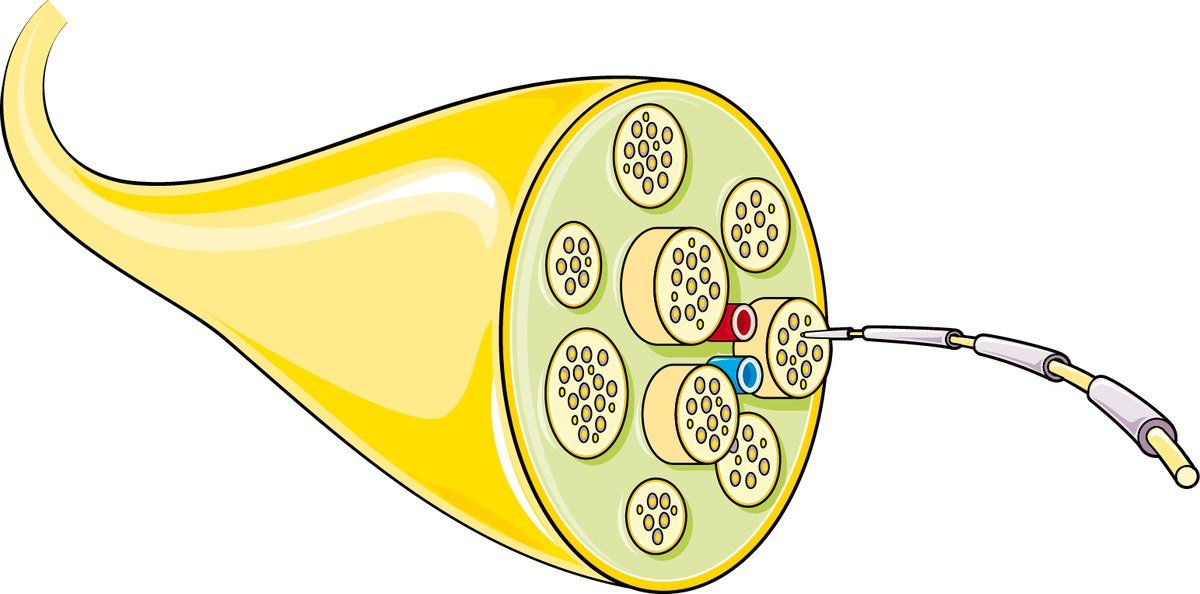
The usual pattern is that the sharp shooting leg pain settles after surgery, but numbness, pins and needles, a burning feeling or weakness in the foot remains. This is nerve pain from the injury itself rather than ongoing compression. A second operation will not help it, and repeating surgery in this situation is one of the ways patients end up worse.
What does help is time, nerve pain medication prescribed properly, physiotherapy to keep the muscles working, and in some cases pain clinic treatments. Many patients improve gradually over a year or more.
The lesson for anyone still deciding about a first operation: months of severe leg weakness and numbness are not a reason to keep waiting. They are a reason to be assessed now.
Do I actually need surgery at all?
Most back pain does not need surgery. The large majority of people with kamar dard, and a good number of people with a slip disc and leg pain, get better with time, painkillers, physiotherapy and gradual return to activity.
Surgery for a lumbar disc genuinely earns its place in a narrow set of situations:
- Leg pain that is worse than the back pain, matching a specific nerve, and still severe after around six weeks of proper non-surgical treatment.
- Progressive weakness in a leg or foot.
- Bladder or bowel involvement, which needs emergency surgery.
- Nerve compression on MRI that matches the symptoms exactly.
If your pain is mostly in the back, spreads to both legs vaguely, changes from day to day, and your MRI shows mild age-related changes, an operation is unlikely to be the answer. Being told this is not being refused treatment. It is being protected from the exact situation this page is about.
There is nothing shameful about having tried a hakeem, cupping or maalish first. Almost everyone does. Just do not let two years pass with a weak foot while you work through remedies.
Is laser spine surgery effective?
Be careful with the word laser. It is used heavily in advertising and it does not describe a single, standard operation. A laser is one tool that can be used to shrink or cut tissue, and the published evidence for laser disc procedures is weaker than for standard microdiscectomy and endoscopic decompression.
People often search for laser spine surgery cost in Pakistan when what they actually want is a small-incision operation with a quick recovery. That is endoscopic spine surgery. The endoscope is a camera on a thin tube that lets the surgeon see the nerve directly through a very small opening and remove the fragment of disc that is pressing on it.
If a clinic offers you laser treatment, ask three plain questions. What exactly will be removed. Will the surgeon see the nerve while doing it. What happens if the disc fragment is too large for that technique. Vague answers are your signal to get a second opinion.
Endoscopic spine surgery is safe in appropriate cases and is done through a small opening with less muscle damage, but it is not right for every patient. Severe instability or a badly collapsed, unstable segment may still need a bigger operation.
What does spine surgery cost in Pakistan?
This is answered in full on what spine surgery costs in Pakistan, so it is not repeated here.
What should I ask before agreeing to spine surgery?
The most useful thing you can do is make the surgeon explain the decision, not just the operation. A surgeon who is confident in the diagnosis will not mind these questions.
Ask these, and write down the answers:
- Which exact level are you operating on, and why that one and not the others on my MRI?
- How does that level explain the path my leg pain takes?
- What are you expecting to fix, the back pain or the leg pain?
- What is likely to remain after surgery?
- What happens if I wait another three months?
- What would make you say I should not have this operation?
That last question tells you the most. Every real operation has patients it is wrong for. If a surgeon cannot describe the patient they would turn down, you have not yet had the honest conversation.
Bring a family member. Decisions about surgery in Pakistani families are rarely made by one person alone, and it is better for the person who will make the final call to hear the answers directly instead of second-hand.
What to do next
If you have already had spine surgery and the pain is still there, do not book a second operation before someone has re-examined the whole picture. Bring your pre-operative MRI, your post-operative MRI if you have one, your discharge summary and the operation notes. The answer is often visible in those papers.
If you have not had surgery yet and you are frightened, the sensible order is: a proper clinical examination, an MRI read against your actual symptoms, honest non-surgical treatment given a fair trial, and surgery only if the specific criteria are met.
Many people in Punjab search for the best endoscopic spine surgeon in Faisalabad. A more useful search is for a surgeon who will tell you clearly when not to operate. Dr. M. Abdur Rehman is a consultant neurosurgeon at Mujahid Hospital, Faisalabad, and consultations include reviewing outside MRIs and previous surgical records. Bring your films, bring your family, and bring your questions.
Questions patients ask about this
Can failed back surgery syndrome be cured?
Sometimes yes, sometimes partly. If the cause is a recurrent disc, scar tissue or the wrong level treated first time, correcting it often gives real relief. If the nerve itself was damaged before surgery, the aim shifts to reducing pain and improving function rather than a complete cure.
Does scar tissue after spine surgery need another operation?
Usually not. Scar tissue around a nerve is normal healing and cutting it out often creates more scar. Treatment is generally medication for nerve pain, physiotherapy and sometimes pain clinic injections. Surgery is considered only when a clear, separate compression is visible on a new MRI.
Is endoscopic spine surgery safe?
For suitable patients it is safe and well established. It uses a small opening, a camera and less muscle cutting, so recovery is usually quicker. Serious nerve injury is rare. It is not right for everyone, and unstable or badly collapsed segments may still need a larger operation.
How long should I wait before deciding on surgery?
For leg pain from a slip disc without weakness, around six weeks of proper treatment is a reasonable trial. Do not wait if you develop increasing weakness in a foot or leg. Loss of bladder or bowel control, or numbness between the legs, needs emergency assessment the same day.
Why do I still have kamar dard after successful disc surgery?
Disc surgery relieves pressure on a nerve, which mainly treats taang mein dard. Back pain from muscles, joints and ligaments is a separate problem and often continues. This is expected rather than a failed operation, and it usually responds best to physiotherapy, weight control and gradual strengthening.
Related articles
Endoscopic spine surgery in Faisalabad: how to arrange it
Endoscopic spine surgery in Faisalabad: what to send before your first visit, how the consultation works,…
Read this
Twelve questions to ask before you agree to spine surgery
The twelve questions to ask a spine surgeon before you agree to back or disc surgery, covering cost,…
Read this
What is a microdiscectomy?
A microdiscectomy removes the slipped disc fragment pressing on a nerve. What it treats, whether it is safe,…
Read thisAll patient questions · Spine surgery in Faisalabad · Book an appointment
Ask about your own scan. Send your MRI or X-ray on WhatsApp and get a straight answer on whether surgery is needed at all, from a consultant neurosurgeon in Faisalabad.
Dr. M. Abdur Rehman is a consultant neurosurgeon in Faisalabad. Send your scan on WhatsApp and ask what it actually shows.
Published for the practice of Dr. M. Abdur Rehman, consultant neurosurgeon, Mujahid Hospital, Faisalabad. General information only, not a substitute for examination.