
A microdiscectomy is an operation that removes the small piece of slipped disc pressing on a nerve in your lower back. The surgeon works through a cut of about two to three centimetres, using a microscope. It treats leg pain, not back pain, and most people walk the same day.
What does the surgeon actually remove in a microdiscectomy?
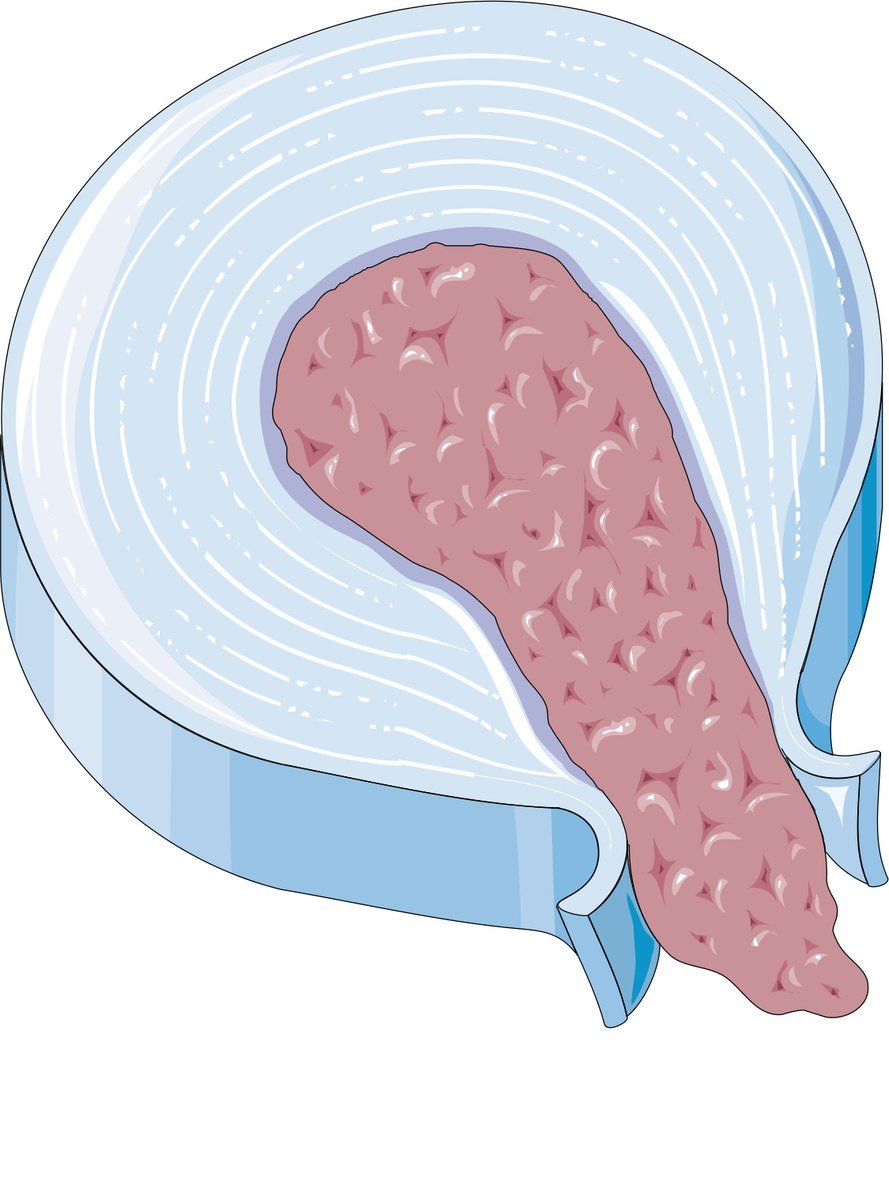
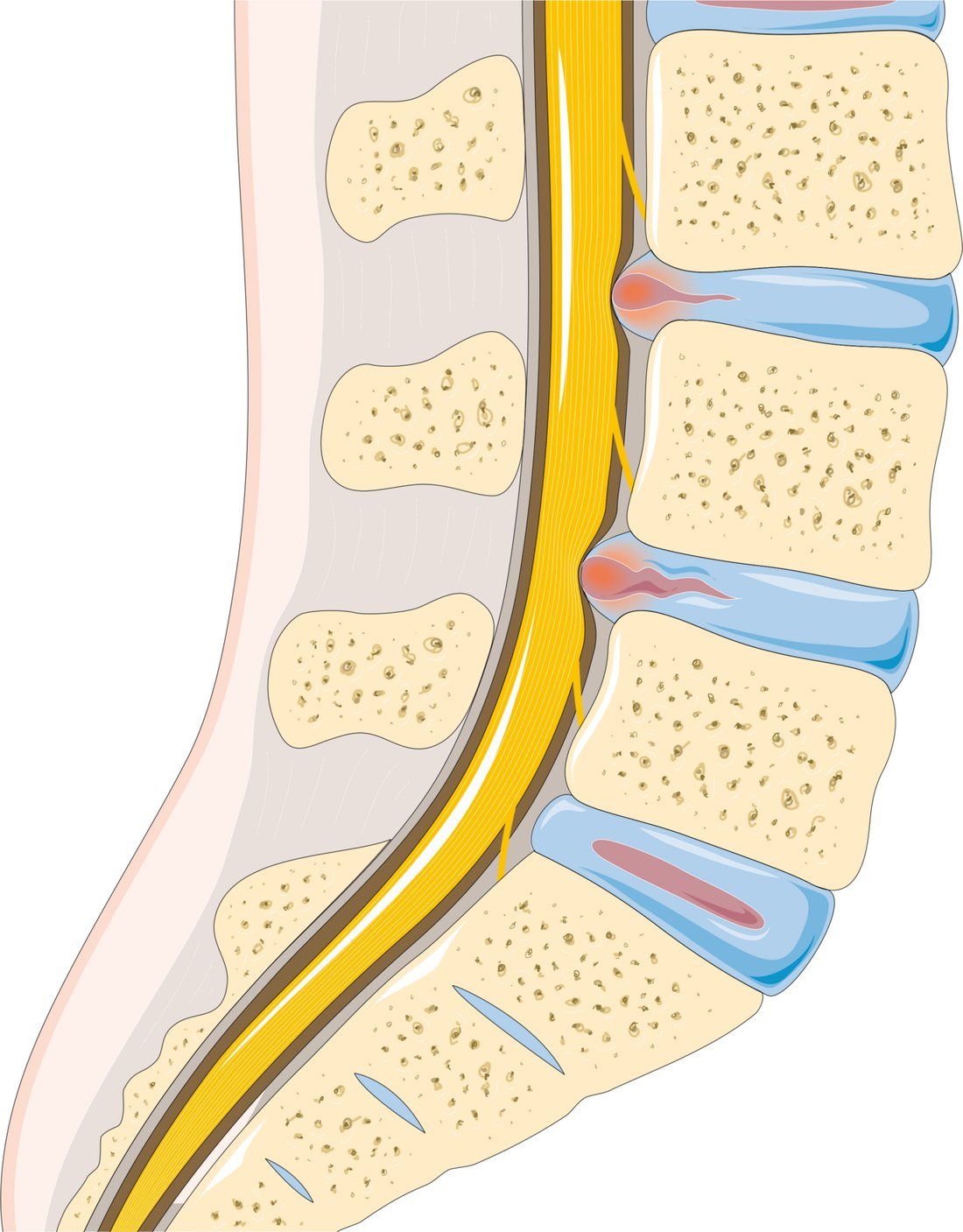
Between each pair of spine bones sits a disc, a cushion with a tough outer ring and a soft centre. When the outer ring tears, the soft centre pushes out. In Urdu people call this slip disc, though nothing has actually slipped. The bulge itself is not the problem. The problem starts when that bulge presses on a nerve root leaving the spine, and that nerve sends pain down your leg.
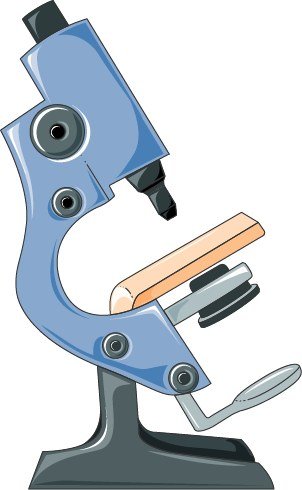
A microdiscectomy removes only the piece pressing on the nerve. The rest of the disc stays where it is. The surgeon makes a cut of roughly two to three centimetres over the affected level, moves the back muscle aside rather than cutting through it, and shaves a small window of bone to see the nerve. Under a surgical microscope the nerve is gently lifted to one side and the fragment is taken out.
That is the whole operation. No screws, no rods, no fusion. Your spine keeps its normal movement. The word micro refers to the microscope and the small opening, not to a small problem.
Most microdiscectomies are done in the lumbar spine, the lower back, usually at the L4-L5 or L5-S1 level. Those two levels carry the most load and herniate most often.
Is microdiscectomy dangerous? Will I be paralysed?
Paralysis from a lumbar microdiscectomy is very rare. There is an anatomical reason for this that most patients are never told. The spinal cord itself ends high up, around the level of the lowest ribs. Below that point there is no cord, only a loose bundle of individual nerve roots floating in fluid. Lumbar disc surgery happens below the cord, so the structure people picture being cut is not even there.
That does not mean there is no risk. Honest risks include a tear in the lining around the nerves, which the surgeon repairs during the same operation, wound infection, bleeding, and the small chance that the disc herniates again at the same level later. A minority of patients keep some numbness in the foot if the nerve was squeezed for a long time before surgery. Any operation under general anaesthesia carries its own risks, which the anaesthetist will discuss with you.
Weigh those against the risk of waiting too long. A nerve that is badly compressed for months can lose function permanently. Weakness that is left alone often does not come all the way back even after a perfect operation.
Go to an emergency room the same day, not to a clinic appointment, if you develop:
- Difficulty passing urine, or leaking without knowing
- Numbness around the private parts or inner thighs, the area that would touch a saddle
- Sudden weakness in both legs
This is called cauda equina syndrome. It is uncommon, but it needs surgery within hours, not days.
Do I actually need surgery, or will it settle on its own?
Most people with a slipped disc never need an operation. This is the honest part of the page. A herniated fragment often shrinks and gets reabsorbed by the body over weeks to a few months, and the leg pain fades with it. Good non-surgical care means proper pain medicine taken on schedule, staying gently active instead of lying in bed, and physiotherapy from a trained physiotherapist.
Surgery is usually discussed only after six weeks or more of proper treatment that has not worked, or earlier if there is real weakness or unbearable pain. Six weeks of hakeem oil, massage from someone in the mohalla, or cupping is not six weeks of treatment. Many patients in Punjab arrive after a year of these, and by then the nerve has been under pressure the whole time. Vigorous massage or forceful manipulation of an acutely herniated disc can make the leg pain worse.
There is one more thing worth saying plainly. Microdiscectomy is an operation for leg pain. If your main complaint is kamar dard with no significant pain below the knee, this surgery is unlikely to help you, whatever the MRI shows. Nearly every adult over forty has some disc bulge on MRI. The report is not the diagnosis.
Which findings mean surgery is the right decision?
A surgeon should be matching your symptoms to your scan, not reading the scan alone. Surgery is reasonable when all of these line up together.
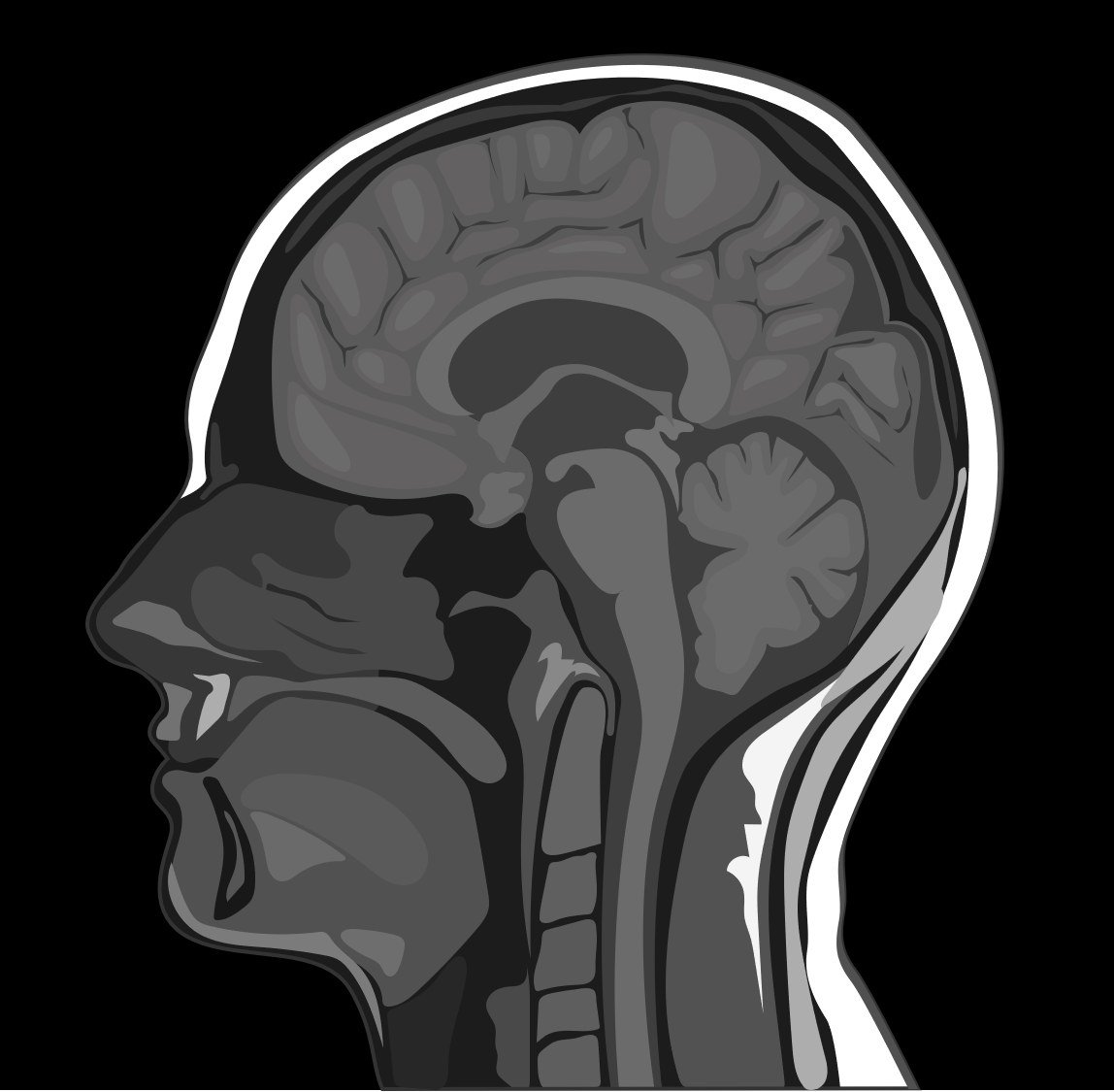
- Leg pain dominates. The pain runs down the buttock, thigh and calf, often below the knee, in a clear path. It is worse than the back pain.
- The MRI shows a herniation that fits. The disc fragment is pressing on the exact nerve root that explains where your pain, numbness or weakness is.
- Time has passed. Six weeks or more of genuine non-surgical treatment without meaningful improvement.
- Or there is weakness. A foot that drags, difficulty standing on your toes or heels, or clear loss of power. This shortens the waiting period considerably.
If the MRI shows a big herniation but your leg feels fine, you do not need surgery. If your leg is agony but the MRI is clean at that level, more surgery is not the answer either and the cause needs to be looked for elsewhere. Bring your actual MRI films or CD to your appointment, not just the typed report.
What is the difference between microdiscectomy and endoscopic discectomy?
Both operations do the same job. They remove the disc fragment pressing on the nerve. The difference is how the surgeon reaches it and how much tissue is disturbed on the way in.
In a microdiscectomy the surgeon looks through a microscope positioned above the patient, working through a two to three centimetre opening. It is the long-established standard and it works well. In endoscopic spine surgery a thin tube with a camera on its tip is passed to the disc through an opening closer to one centimetre. The surgeon watches a screen and works through the tube itself. Because the muscle is spread rather than lifted off the bone, there is generally less tissue trauma, less blood loss and often a faster return to normal activity.
Endoscopic surgery can sometimes be done under local anaesthesia with sedation, which matters for older patients or those with heart and chest problems who are poor candidates for general anaesthesia. It also has a real learning curve and needs specific equipment.
Not every disc suits an endoscopic approach. Some herniations, particularly large ones that have migrated far from the disc space or cases where the canal is also narrowed by bone, are handled better with a microscope. A surgeon who offers both can pick by anatomy rather than by whichever technique is the only one available. Ask which one is being recommended for your scan, and why.
What is the recovery like, and how soon can I get back to work?
You will usually be asked to stand and walk within a few hours of waking up. Most patients go home the next morning, sometimes the same evening. The relief in the leg is often felt immediately, because the pressure on the nerve is gone the moment the fragment is removed.
The wound needs a couple of weeks to heal. Walking is encouraged from day one and is the single best thing you can do. For roughly the first six weeks, avoid heavy lifting, repeated bending forward and long journeys sitting on rough roads. Bus travel from a village on unpaved roads counts as a real strain on a fresh back, so plan your follow-up trip accordingly.
Desk work and light duties often resume within two to four weeks. Heavy physical work, farm labour or driving a rickshaw takes longer, commonly six to twelve weeks, and your surgeon should give you a date based on your job rather than a general figure. Physiotherapy usually starts a few weeks after surgery to rebuild the core muscles that protect the back.
Some back stiffness and soreness at the wound is normal for a few weeks. New pain shooting down the leg again, fever, or fluid leaking from the wound is not, and should be reported straight away.
Is microdiscectomy worth it?
For the right patient it is one of the more satisfying operations in spine surgery. The great majority of properly selected patients get substantial relief of their leg pain, and many describe it as immediate. That is the whole reason the operation has survived for decades.
The honest limits are these. It reliably treats the leg pain. It does much less for the back pain, so if you expect your kamar dard to vanish, you may be disappointed. It does not stop you from herniating another disc at another level in the future, and it does not reverse the general wear and tear of ageing in the spine. A small number of patients herniate again at the same level and may need a second procedure.
Long term, studies comparing surgery with continued non-surgical care generally find that patients who wait it out can also improve, but that surgery gets them there faster and with less suffering along the way. If you are in month three of not being able to sleep or work, speed matters. That is a decision to make with your family, not one anyone should push you into.
What does a microdiscectomy cost in Faisalabad?
Costs in Pakistan vary widely between government hospitals, trust hospitals and private setups, and they change over time, so no honest article should quote you a single figure. What you can do is control how the number is given to you.
Ask for a written quote before you agree to anything. A proper written estimate in PKR should list:
- Surgeon's fee and assistant's fee
- Anaesthesia charges
- Operation theatre and equipment charges
- Room and expected number of nights
- Pre-operative tests, MRI if not already done, and medicines
- What happens to the bill if you need to stay an extra day
A straightforward single-level microdiscectomy does not use implants, so no one should be adding screws, cages or plates to your estimate. If an implant appears on the quote, ask exactly why. If you are also being told you need a fusion at the same sitting, that is a much bigger operation with a very different price, and it is worth getting a second opinion before agreeing.
Many families in Punjab travel from Jhang, Sargodha, Toba Tek Singh or Chiniot for this. Factor in one attendant staying overnight and one follow-up trip about two weeks later for wound review.
What should you do next?
Start by being clear about your own symptoms before you see anyone. Where exactly is the pain worst, back or leg? How far down the leg does it travel? Is there numbness, and is anything actually weak? How many weeks has it been, and what real treatment have you had so far? Those answers matter more than the MRI report in your hand.
Then bring the films themselves to your consultation, along with a list of the medicines you have tried. Ask the surgeon three questions: which nerve is being compressed and how does that match my symptoms, what happens if I wait another two months, and would an endoscopic approach suit my anatomy better than a microscope. A surgeon who is comfortable answering all three is one worth listening to.
Dr. M. Abdur Rehman is a consultant neurosurgeon at Mujahid Hospital, Faisalabad, and sees patients from across Punjab who are trying to decide between waiting and operating. If you are searching for the best endoscopic spine surgeon in Faisalabad because your leg pain has stopped you working, bring your scans and get a straight answer about whether you need surgery at all. Many patients are told they do not.
Microdiscectomy in Faisalabad Read the full page on microdiscectomy in faisalabad, including who it suits, what recovery looks like and how to arrange a review.
Questions patients ask about this
What is the CPT code for a microdiscectomy?
CPT 63030 covers a lumbar laminotomy with removal of a herniated disc at one level, with 63035 for each additional level. These are American insurance billing codes. They are not used in Pakistan and have no effect on your treatment or your bill at a hospital in Faisalabad.
Is microdiscectomy safe for an older patient?
Age alone does not rule it out. What matters is your heart, lungs, diabetes control and general fitness for general anaesthesia. Older patients are assessed by the anaesthetist first. For those who are poor candidates for general anaesthesia, an endoscopic approach under local anaesthesia with sedation is sometimes an option worth discussing.
Can the disc slip again after microdiscectomy?
Yes, at the same level or at another one. Only the loose fragment is removed, so the remaining disc can herniate again in a minority of patients. Keeping your weight down, avoiding heavy lifting with a bent back, and building core strength through physiotherapy all reduce the chance meaningfully.
Will I need screws or a fusion with my microdiscectomy?
Usually not. A standard single-level microdiscectomy uses no implants and preserves normal spinal movement. Fusion is a separate, larger operation reserved for instability, slippage of one bone over another, or repeated failed surgery. If screws appear on your estimate for a simple disc herniation, ask why and consider a second opinion.
How long before I can drive or ride a motorcycle again?
Driving a car usually resumes around two to four weeks, once you are off strong painkillers and can turn to look behind you comfortably. Motorcycles are harder on a healing back because of the jolting and the forward-leaning posture, so most surgeons ask you to wait longer. Confirm the timing at your follow-up.
Related articles
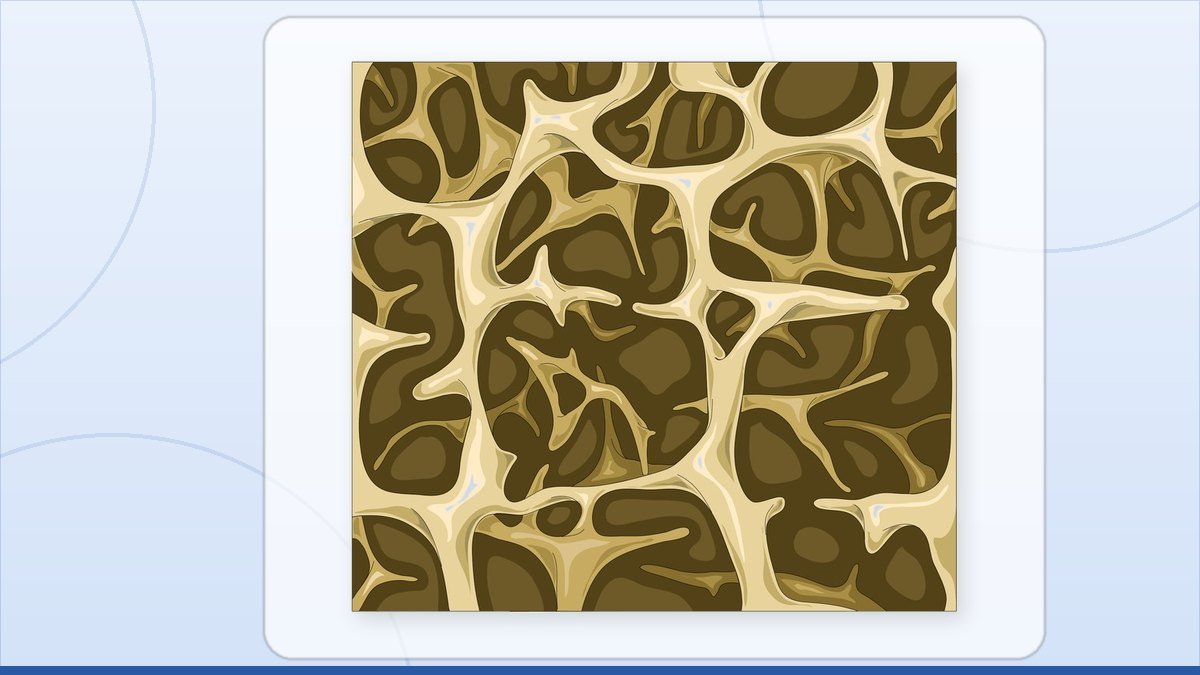
Microdiscectomy recovery: driving, sitting and going back to work
Microdiscectomy recovery explained: when you can drive, sit comfortably and return to work, plus honest…
Read this
How well does microdiscectomy actually work?
What is the real microdiscectomy success rate? A Faisalabad neurosurgeon explains what the research shows,…
Read this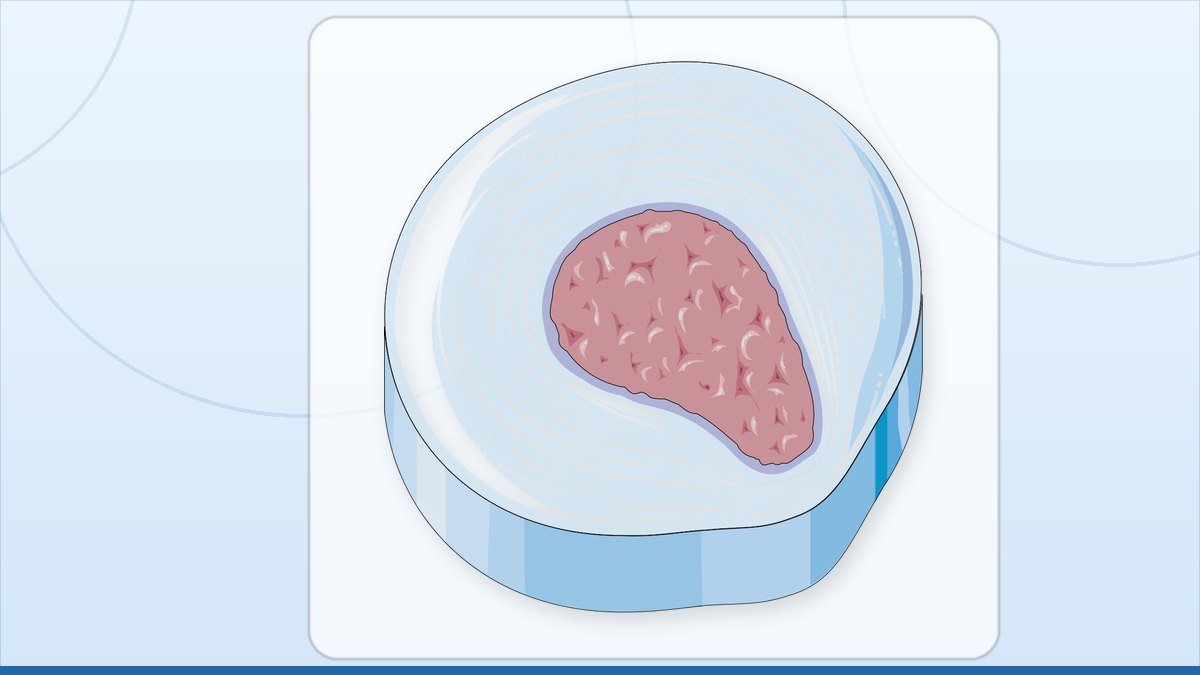
Disc surgery or wait: when conservative treatment is the better call
Most slip discs improve without an operation. A Faisalabad neurosurgeon explains slip disc treatment without…
Read thisAll patient questions · Spine surgery in Faisalabad · Book an appointment
Ask about your own scan. Send your MRI or X-ray on WhatsApp and get a straight answer on whether surgery is needed at all, from a consultant neurosurgeon in Faisalabad.
Dr. M. Abdur Rehman is a consultant neurosurgeon in Faisalabad. Send your scan on WhatsApp and ask what it actually shows.
Published for the practice of Dr. M. Abdur Rehman, consultant neurosurgeon, Mujahid Hospital, Faisalabad. General information only, not a substitute for examination.