
Most people walk the same day and go home within one to two days after microdiscectomy. Short car trips as a passenger start almost immediately, driving yourself usually at two to three weeks, sitting builds up gradually, and desk work often resumes by three to four weeks. Heavy manual work takes longer, commonly two to three months.
How long does microdiscectomy recovery actually take?
The leg pain, the taang mein dard that made you unable to stand in one place, is usually gone or much smaller the day after surgery. That part is fast. The rest of recovery is slower and follows a fairly predictable shape.
A rough map for most people:
- Day 0 to 2: you get out of bed and walk within a few hours. One night in hospital is common, sometimes you go home the same evening.
- Week 1 to 2: short walks several times a day, wound care, no bending or lifting. Some back soreness at the incision is normal.
- Week 3 to 4: walking longer, sitting for real stretches, most desk workers back at work at least part time.
- Week 6: the usual review point. Most restrictions come off around here if healing is normal.
- Month 3: heavy lifting, manual labour, gym, long motorbike rides.
These are ranges, not promises. Age, how long the nerve was compressed before surgery, weight, diabetes and smoking all shift the timeline. Somebody who had severe leg pain for three weeks usually recovers faster than somebody who suffered for two years, because a nerve that has been squeezed for a long time takes longer to settle even after the pressure is removed.
One honest warning. Numbness and pins and needles are the slowest thing to recover. A patch of numbness on the foot or outer calf can take months to fade, and in some people a small patch never fully goes. It is not a sign the operation failed.
Is microdiscectomy dangerous? Will I be paralysed?
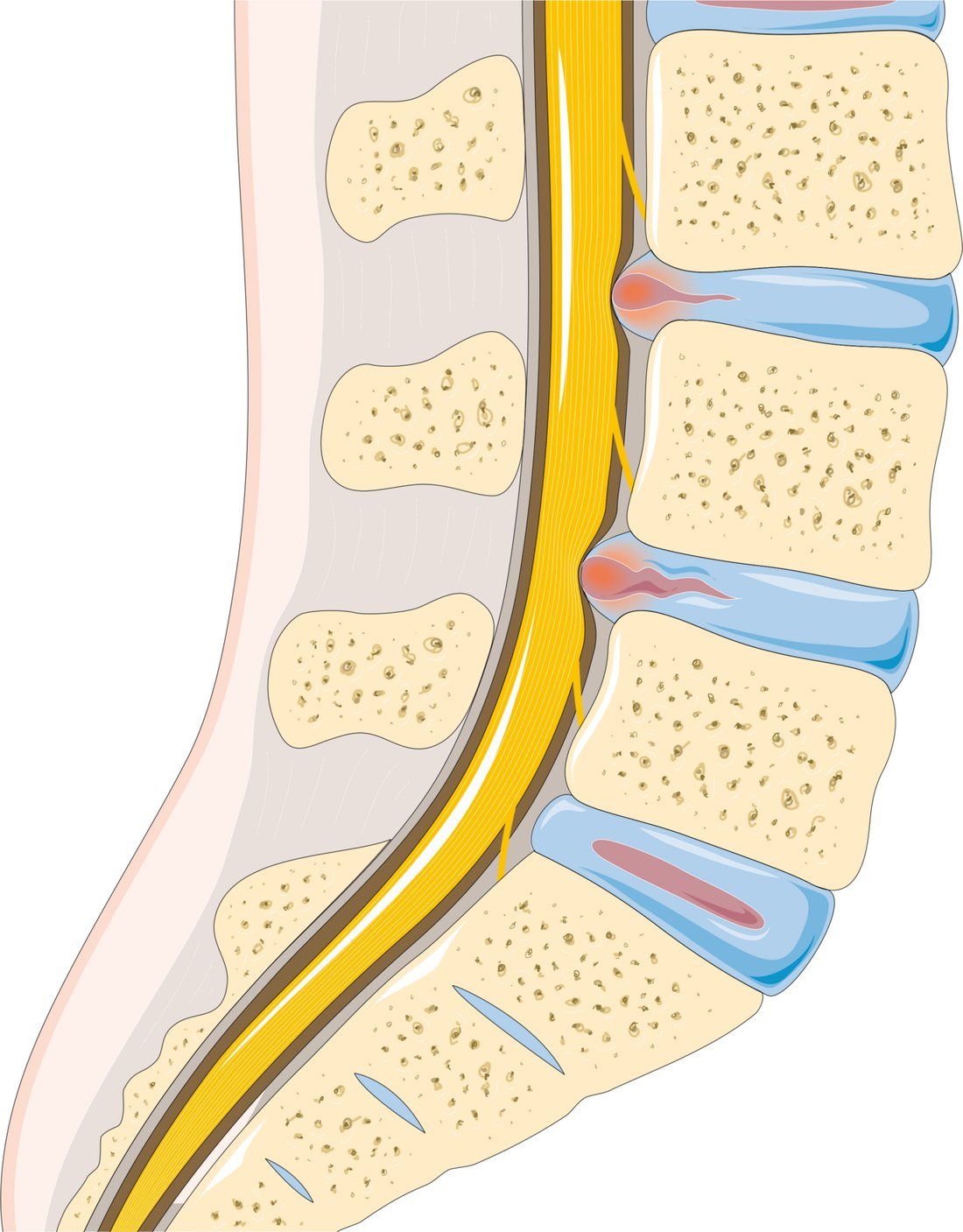
Paralysis after a lumbar microdiscectomy is very rare. This is the fear that keeps most Pakistani patients away from spine surgery for years, so it deserves a straight answer rather than a soft one. In the lower back, below roughly the first lumbar vertebra, the spinal cord has already ended. What the surgeon works around there is a bundle of nerve roots, and they are more forgiving than the cord itself.
The real risks, the ones that are actually discussed in consent, are smaller and more ordinary:
- Dural tear: a small nick in the covering around the nerves, causing a fluid leak. It is repaired during the same operation and usually means lying flat for a day or two.
- Infection: uncommon, usually superficial at the wound, treated with antibiotics.
- Recurrent disc herniation: a small minority of people herniate the same disc again, most often in the first year.
- Ongoing numbness or weakness: the nerve recovers slowly and does not always recover completely.
The other side of the ledger matters too. Leaving a badly compressed nerve alone is not a neutral choice. If you already have foot drop, real muscle weakness, or wasting in the calf, waiting has its own cost, because muscle that has been denervated for months may not come back fully even after successful surgery.
Go to an emergency department the same day, not to a clinic next week, if you develop numbness around the private parts or inner thighs, cannot pass urine or cannot feel when you pass it, or lose control of the bowels. That is cauda equina syndrome and it is one of the few genuine spinal emergencies.
What do the first two weeks feel like?
Expect the leg to feel better than the back. Most people are surprised by this. The sciatica improves quickly, while the small incision in the lower back stays sore and stiff for one to two weeks, especially on getting up from lying down.
The rules in this period are simple and worth following exactly:
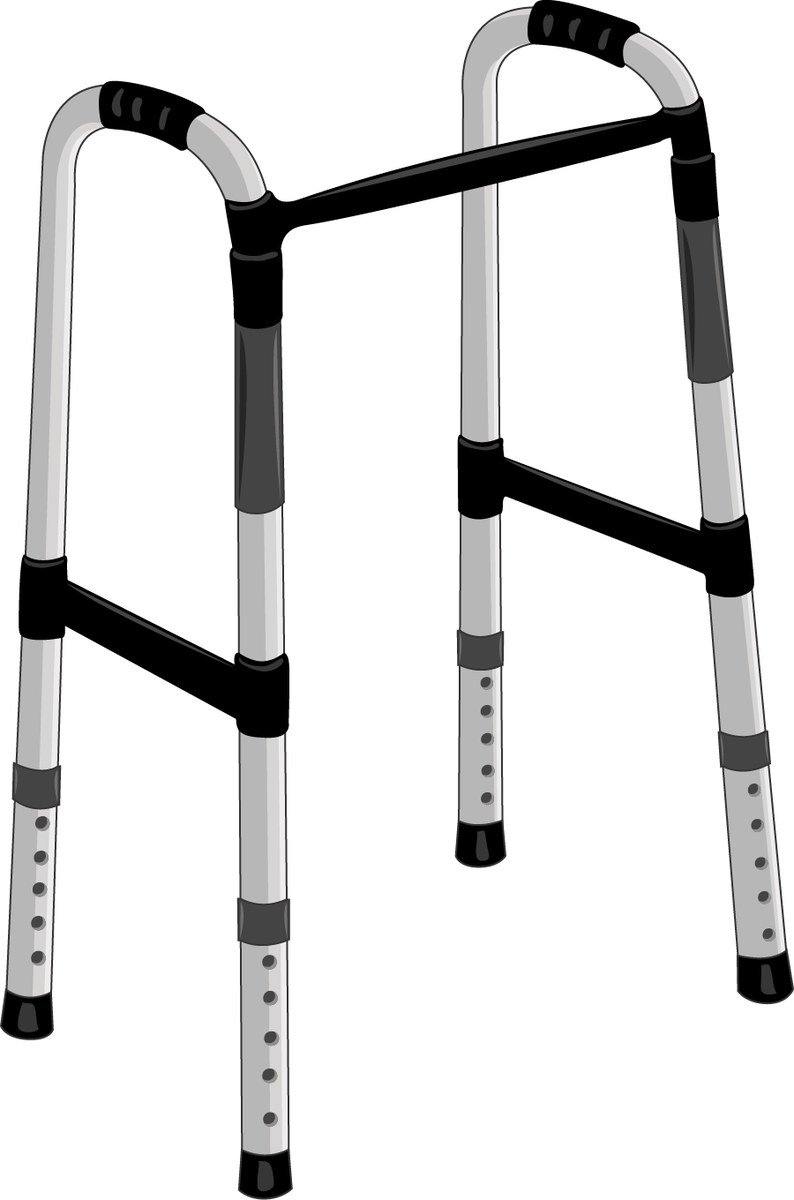
- Walk. Short walks, five to fifteen minutes, several times a day, inside the house is fine. Walking is treatment, not a risk.
- Do not bend forward at the waist, do not twist, do not lift anything heavier than a full kettle.
- Do not sit for long stretches. Twenty to thirty minutes at a time, then get up.
- Keep the wound dry until your surgeon clears showering, usually after the dressing review.
- Take the painkillers you were given on schedule for the first few days rather than waiting for pain to build.
Bed rest is not the treatment. Families in Punjab often insist the patient lie flat for weeks to protect the operation. That advice is outdated and actively slows recovery. Lying still all day stiffens the back, weakens the muscles you need for the next stage and raises the risk of clots. Tell your family the surgeon asked you to walk.
Two things should prompt a phone call: fever with a hot, leaking or spreading redness at the wound, or a sudden return of severe leg pain after it had settled.
When can I drive again after microdiscectomy?
Most people drive again at two to three weeks. There is no fixed legal day. The test is practical: can you sit comfortably for the whole journey, are you off strong opioid painkillers, and can you slam the brake and turn your head to check a blind spot without hesitating because of pain?
If any of those answers is no, you are not ready, whatever the calendar says. Hesitating for half a second on a brake in Faisalabad traffic is the actual danger, not damage to the disc.
Build up in stages. Start as a passenger on short trips almost immediately, using a small rolled towel behind the lower back and keeping the seat more upright than reclined. Then drive ten minutes around your own area. Then longer. A car journey from Faisalabad to Lahore is not a first drive. If you must travel that distance in the first month, sit as a passenger, stop every forty five minutes and walk for a few minutes.
Motorbikes are different. Motorbike jolting on rough roads goes straight into the lower back, and riding pillion is worse than riding. Most surgeons ask patients to wait considerably longer for a bike, often six weeks or more. Ask your own surgeon for a specific date rather than assuming the car rule applies.
Why does sitting hurt more than walking?
Sitting loads the lumbar discs more than standing or walking does. That is normal spinal mechanics, and it is why the operated level protests when you sit but feels fine when you move. It is also why the advice after disc surgery sounds backwards to most patients: walk more, sit less.
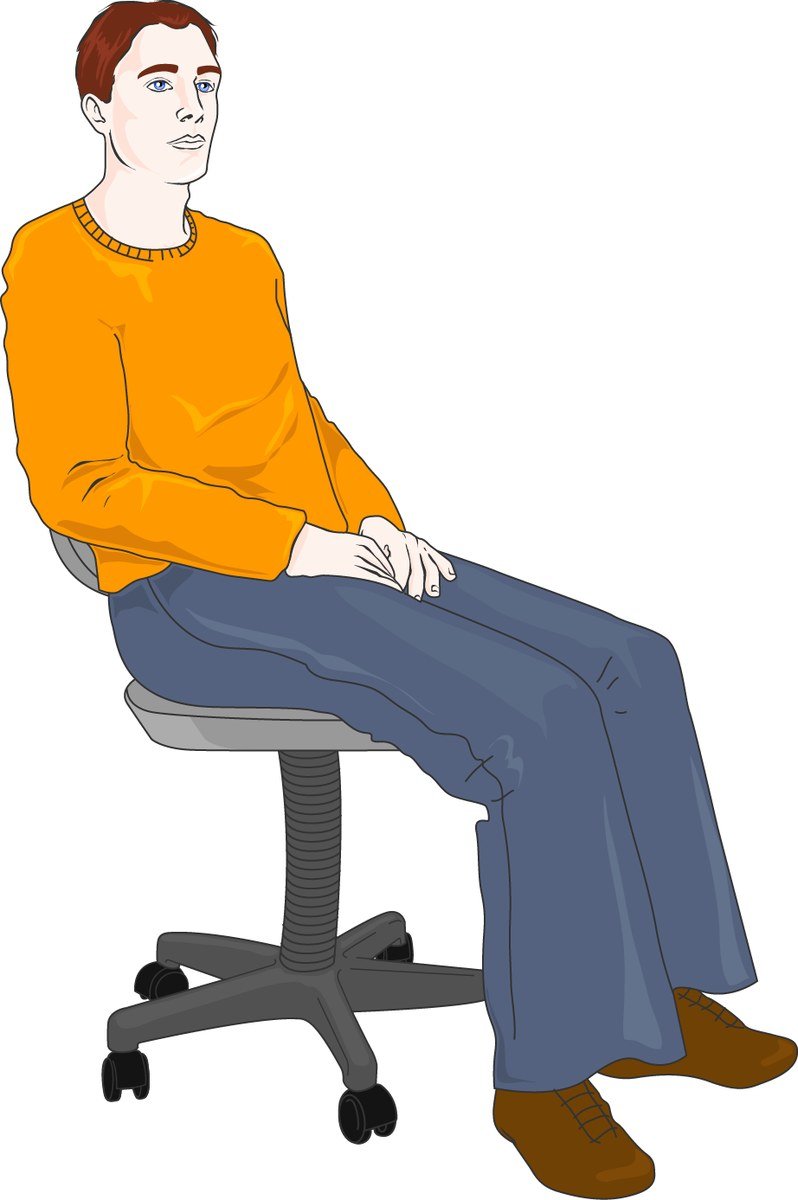
A workable pattern for the first month is to sit in blocks of twenty to thirty minutes, then stand and walk for two or three. Set an alarm if you forget. Use a firm chair with a back, not a soft sofa and not a floor cushion. Keep both feet flat on the ground and hips level with or slightly above the knees.
Some habits need real adjustment for a few weeks:
- Sitting cross-legged on the floor, and eating or praying on the floor, load the back heavily. Discuss with your surgeon how to modify namaz temporarily, including praying seated on a chair, which is permitted during illness.
- Long car or bus journeys in the first weeks are worse than a full day at a desk.
- Working from a laptop on the bed puts the spine in the worst position available. Use a table.
Sitting tolerance usually improves fast between weeks two and six. If it is going backwards instead of forwards, tell your surgeon.
When can I go back to work: desk job versus manual job?
Two very different answers. A desk worker is often back at three to four weeks, sometimes sooner part time. Somebody doing manual work, loading, construction, farming, driving a rickshaw or a truck all day, usually needs two to three months.
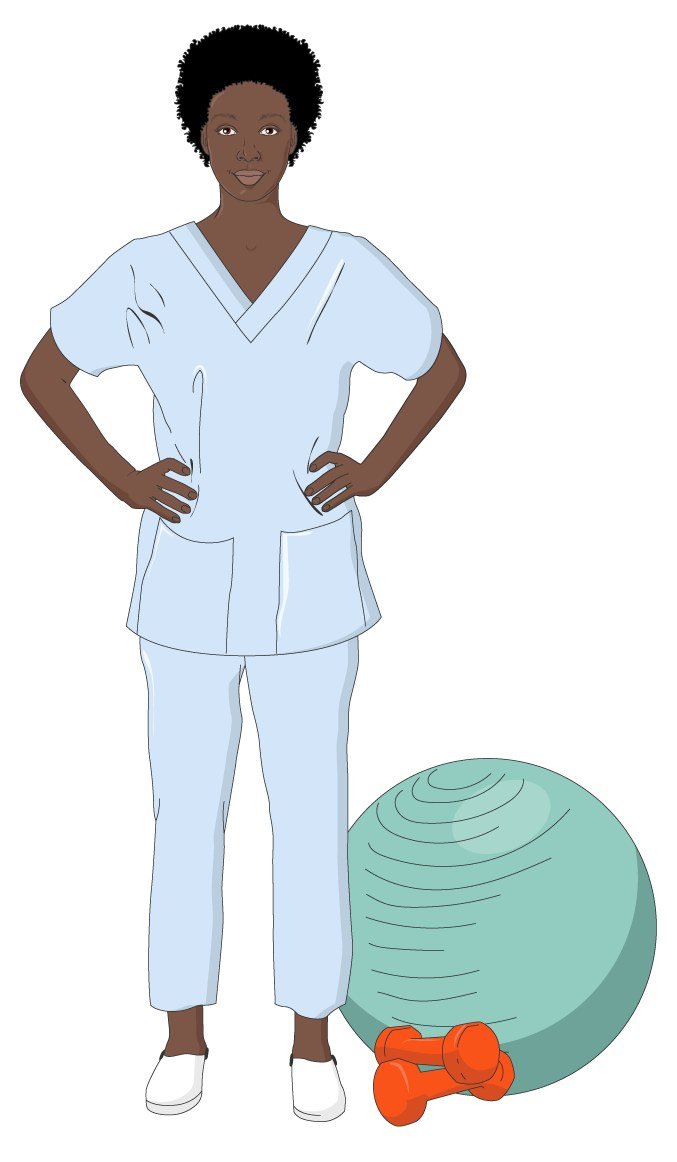
Desk and office work. Aim to return part time first if your employer allows it. Half days for the first week back are more useful than pushing through a full day and then losing two days to pain. Arrange your desk before you return: chair with lumbar support, screen at eye height, and permission to stand up every half hour without explaining yourself each time.
Teaching, shopkeeping, standing work. Usually somewhere in between, around four to six weeks, because standing is tolerated well but the bending and reaching are not.
Heavy manual work. This is the group that gets hurt by rushing. Repeated bending and lifting in the first six weeks is the clearest avoidable risk factor for the disc herniating again. Many men in Faisalabad go back to loading work at three weeks because nobody is paying them to rest, and a proportion of them are back in clinic with the same leg pain. If your income depends on your back, plan the finances for a longer break before the surgery, not after.
Ask your surgeon for a written medical certificate with specific restrictions on it, including a lifting limit in kilograms and a date. A vague note gets ignored by an employer. A specific one does not.
What is the difference between microdiscectomy and endoscopic discectomy?
Both operations do the same job: remove the piece of disc pressing on the nerve. The difference is how the surgeon gets there and how much muscle is disturbed on the way.
Microdiscectomy uses a small incision, usually two to three centimetres, with an operating microscope. The muscle is retracted to one side and a small window is made in the bone. It is a well established operation with decades of results behind it, and it handles almost any disc situation, including large fragments, recurrent discs and difficult anatomy.
Endoscopic discectomy uses a tube of a few millimetres carrying a camera, passed between the muscle fibres rather than retracting them. It is often done under sedation or local anaesthetic with a very small skin cut. Because less tissue is disturbed, the back soreness afterwards is generally less and many patients are up and about faster in the first two weeks.
On recovery, be realistic about what the difference actually buys you. Both operations relieve leg pain well. The advantage of the endoscopic approach shows up mainly in the early weeks: less wound pain, less muscle damage, sometimes an earlier return to light work. By three months, patients from both groups are usually in a similar place. Anybody promising a dramatically different final outcome is overselling.
Not every disc is suitable for the endoscopic route. Certain calcified discs, severe central canal narrowing, instability or some revision cases are better served by the open microscopic operation. The right question at your consultation is not which technique is newer, it is which one fits your MRI.
Is microdiscectomy worth it, and when is surgery not needed?
Most back pain never needs an operation. If your main complaint is kamar dard, aching across the lower back with no significant leg pain, surgery is usually the wrong answer, and a discectomy in particular is not designed to fix that. This operation is built to take pressure off a nerve. It treats leg pain far better than it treats back pain.
Surgery is genuinely worth considering when all of these are true:
- The dominant pain is down the leg, below the knee, in a clear line.
- An MRI shows a disc pressing on a nerve root that matches where your pain and numbness actually are.
- You have given proper non-surgical treatment a fair trial, usually six weeks or more, including real physiotherapy and appropriate medication.
- The pain is stopping you living, working or sleeping.
Surgery becomes more urgent, without waiting six weeks, if there is progressive muscle weakness such as a dropping foot, or any sign of cauda equina syndrome.
A word about what most families try first. Massage from a pehlwan, cupping, hakeem preparations and a spell of complete bed rest are what almost every patient in Punjab tries before reaching a surgeon. Gentle massage will not damage a disc, and many people with ordinary back strain do improve on their own during that time, which is why these remedies get credit. The problem is not that they are tried. The problem is spending eight months on them while a nerve is being crushed and calf muscle is quietly wasting. Vigorous spinal manipulation or forceful pulling on the back when you have true sciatica can make things worse. If you have leg weakness or numbness, get the MRI now and keep the other options for later.
Also be honest about the reverse situation. A disc bulge on an MRI in somebody with no leg pain is a common finding in healthy people and does not by itself need surgery. Do not let a scan report frighten you into an operation your symptoms do not justify.
What does it cost in Faisalabad, and what should I do next?
Cost in Pakistan varies widely depending on the hospital, the room category, the anaesthesia used and whether the imaging is done in house. Rather than quoting a figure you will find is wrong, insist on a written quote in PKR before you commit, and check that it lists all of the following:
- Surgeon and assistant fees
- Anaesthesia and theatre charges
- Room and length of stay, and what happens if you stay an extra night
- MRI and pre-operative tests, if not already done
- Medicines and dressings
- Follow-up visits and physiotherapy, and whether they are included
Ask what is excluded. That is where the surprises live. If you are covered by an employer panel or an insurance scheme, get the approval in writing before admission, not on the morning of surgery.
Bring your family to the consultation. In most Pakistani households the decision is made jointly, and it goes far better when the person paying and the person who will care for you at home have both heard the surgeon directly and asked their own questions. Bring the actual MRI films or CD, not just the report, and a list of what you have already tried.
Good questions to ask any surgeon you see: is my leg pain coming from the level shown on this MRI, what happens if I wait another two months, is my disc suitable for the endoscopic approach or not and why, what is your plan if the pain comes back, and when exactly can I drive and return to my particular job.
If you are searching for the best endoscopic spine surgeon in Faisalabad, judge the answer by whether the surgeon is willing to tell you that you do not need an operation. Dr. M. Abdur Rehman is a consultant neurosurgeon at Mujahid Hospital, Faisalabad, and consultations include reviewing your MRI with you and going through non-surgical options first where they are appropriate.
Microdiscectomy in Faisalabad Read the full page on microdiscectomy in faisalabad, including who it suits, what recovery looks like and how to arrange a review.
Questions patients ask about this
How soon can I drive myself after a microdiscectomy?
Usually two to three weeks, but the calendar is not the test. You are ready when you can sit comfortably for the whole journey, you are off strong opioid painkillers, and you can brake hard and turn to check a blind spot without pain making you hesitate. Motorbikes normally need considerably longer.
Is endoscopic discectomy recovery faster than microdiscectomy?
In the first two to three weeks, generally yes. Less muscle is disturbed, so wound soreness is lower and many patients get moving sooner. By around three months the two groups usually end up in a similar place. Not every disc is suitable for the endoscopic route, so your MRI decides.
What is the CPT code for microdiscectomy surgery?
CPT 63030 covers a lumbar laminotomy with removal of a herniated disc at a single interspace, and it is the code most often used. Note that CPT is a United States billing system with no role in Pakistani hospital billing. In Faisalabad, ask for an itemised written quote in PKR instead.
Can the same disc slip again after surgery?
Yes. A small minority of patients herniate the same disc again, most often within the first year. The strongest thing you control is avoiding repeated bending, twisting and heavy lifting in the first six weeks. Stopping smoking, controlling weight and keeping up core strengthening also reduce the chance.
My back still hurts after surgery. Did it fail?
Not necessarily. This operation is designed to relieve leg pain, not back pain, and mild lower back ache can persist or take months to settle. Slow numbness recovery is also normal. What is not normal is severe leg pain returning suddenly after it had gone. Tell your surgeon if that happens.
Related articles
How well does microdiscectomy actually work?
What is the real microdiscectomy success rate? A Faisalabad neurosurgeon explains what the research shows,…
Read this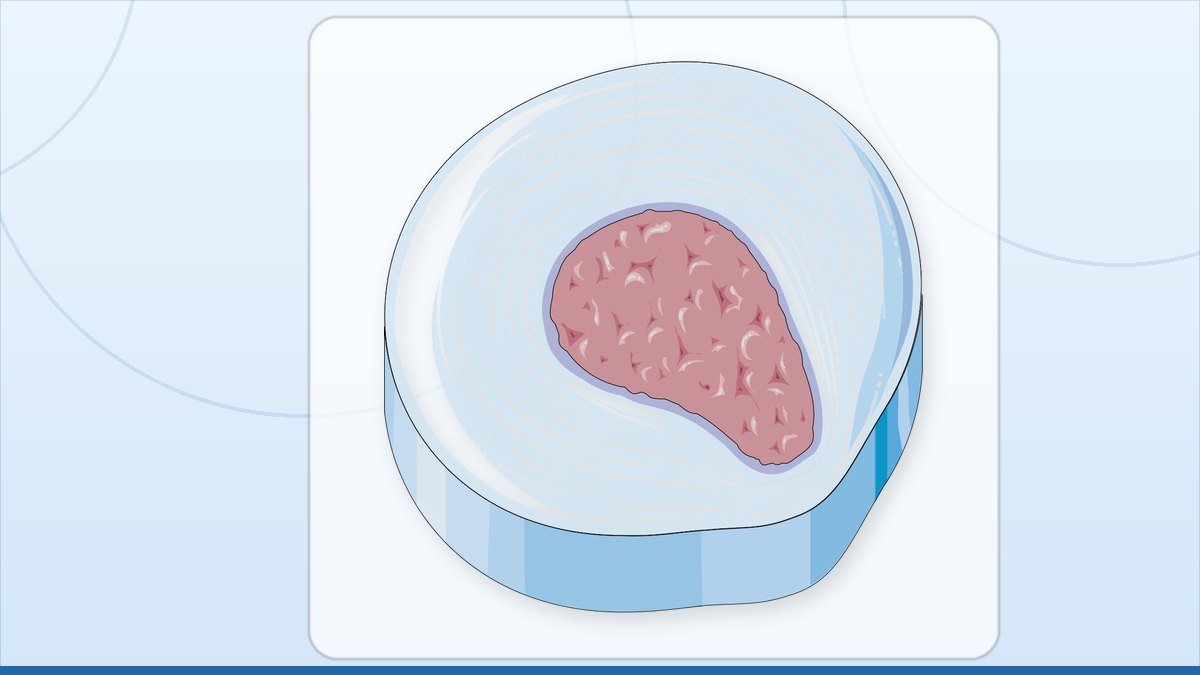
Disc surgery or wait: when conservative treatment is the better call
Most slip discs improve without an operation. A Faisalabad neurosurgeon explains slip disc treatment without…
Read this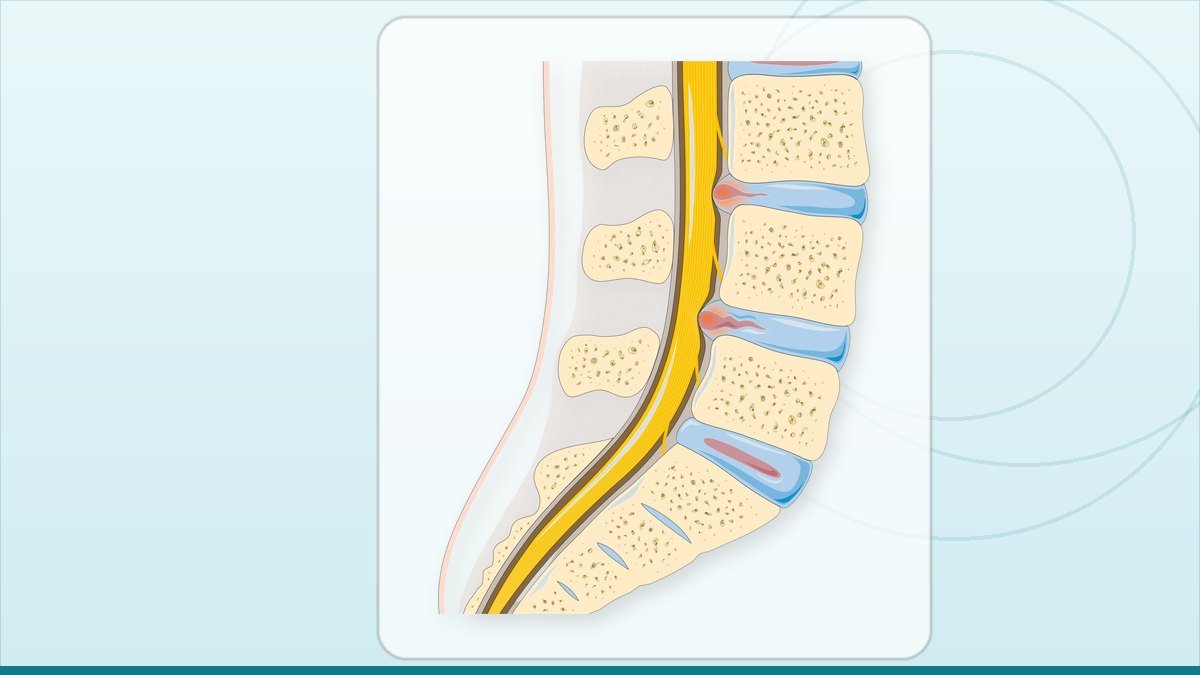
Life after disc surgery: lifting, gym, namaz and long drives
Life after disc surgery: when you can pray on the floor, lift, drive and return to the gym. Honest recovery…
Read thisAll patient questions · Spine surgery in Faisalabad · Book an appointment
Ask about your own scan. Send your MRI or X-ray on WhatsApp and get a straight answer on whether surgery is needed at all, from a consultant neurosurgeon in Faisalabad.
Dr. M. Abdur Rehman is a consultant neurosurgeon in Faisalabad. Send your scan on WhatsApp and ask what it actually shows.
Published for the practice of Dr. M. Abdur Rehman, consultant neurosurgeon, Mujahid Hospital, Faisalabad. General information only, not a substitute for examination.