
Most slip disc pain settles without surgery. If you have leg pain but normal power, normal bladder control and no worsening weakness, six weeks of proper conservative treatment is the better first call. Surgery becomes the right choice when red flag signs appear, or when severe leg pain has not improved after that honest trial.
Does a slip disc get better without surgery?
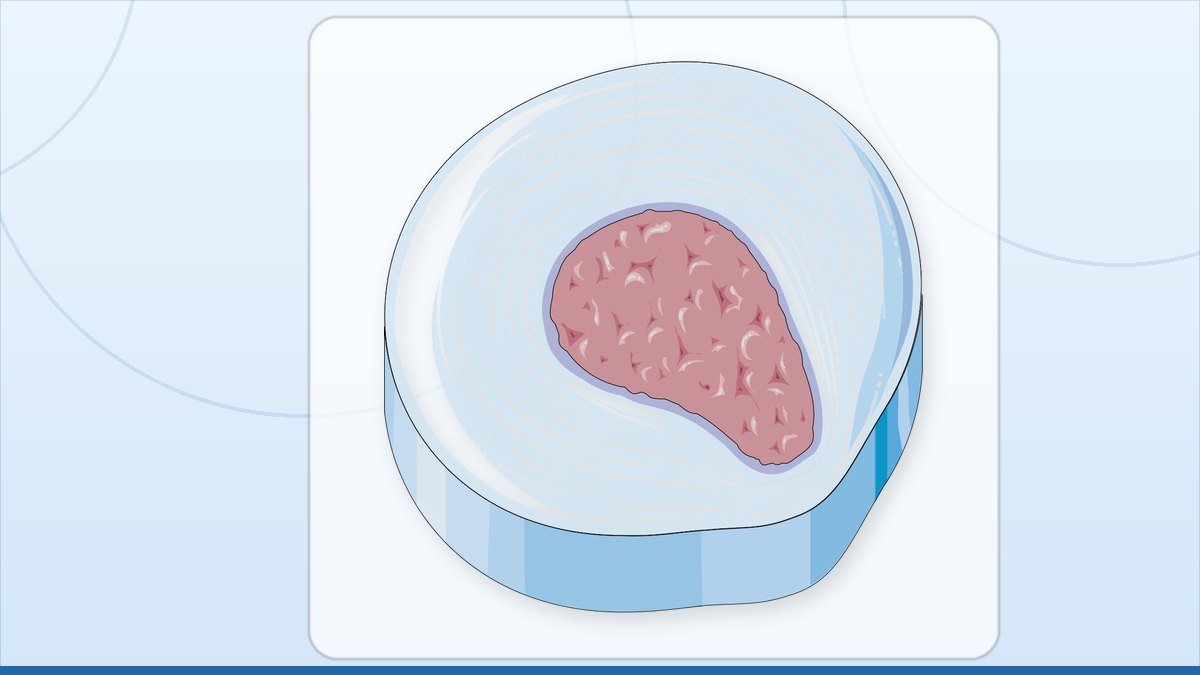
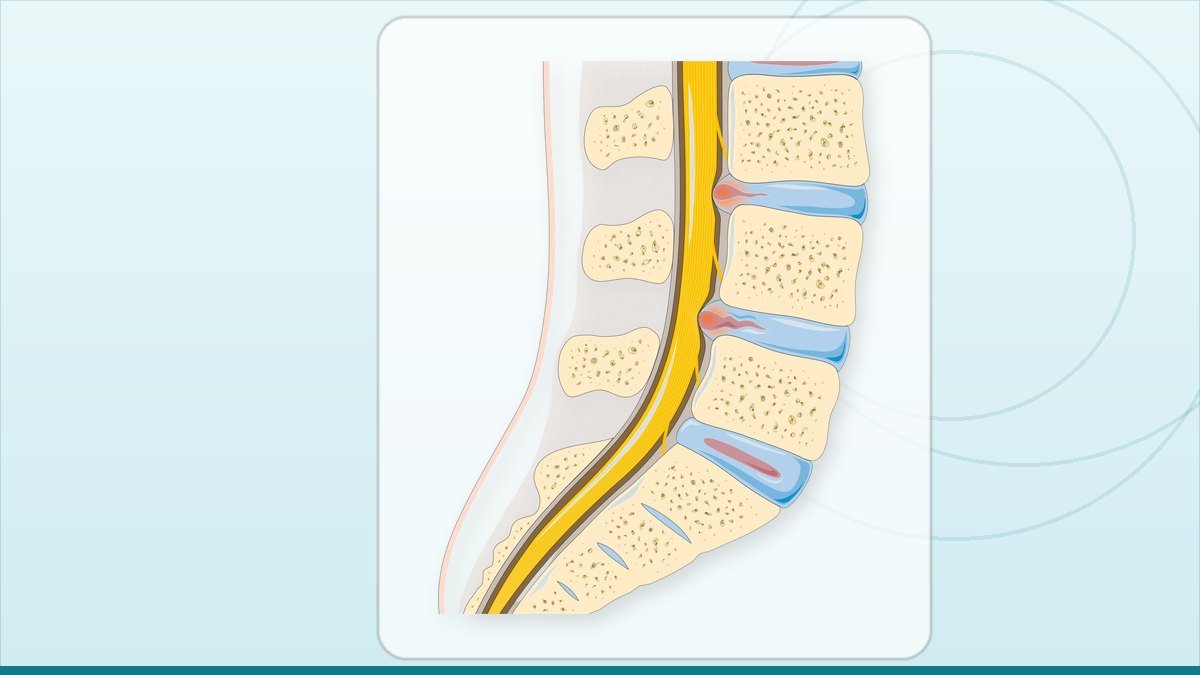
Usually, yes. A slip disc is not a bone slipping out of place. A soft cushion between two vertebrae has torn a little and part of its inner material has pushed out and touched a nerve. That nerve then sends pain down the leg, which is why kamar dard turns into taang mein dard.
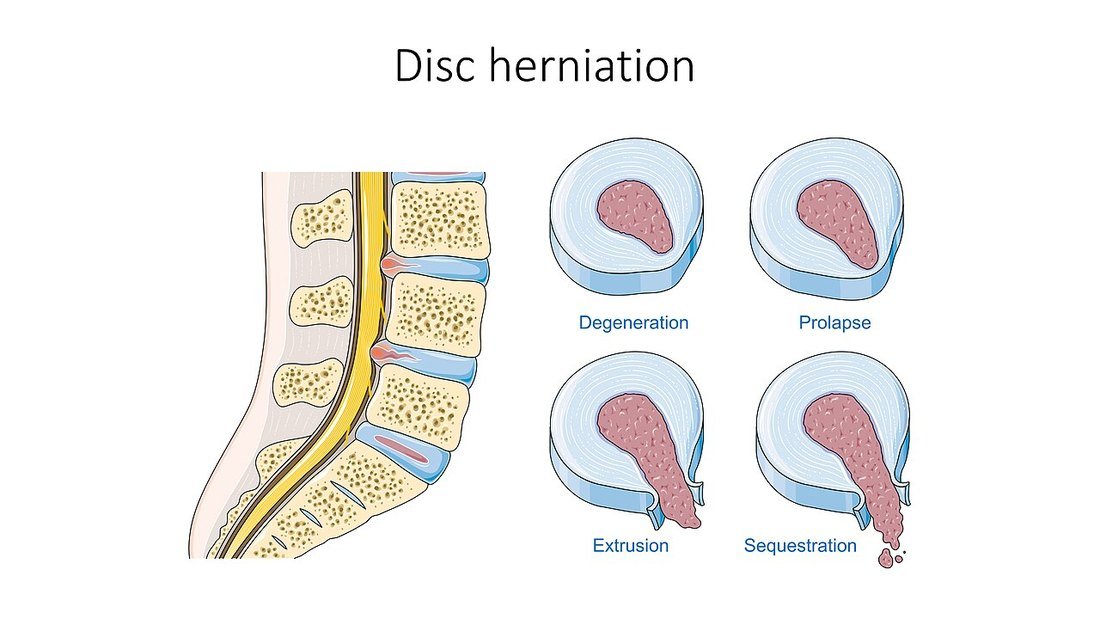
The pushed out material is mostly water and protein. The body treats it as something that does not belong there and gradually breaks it down. On repeat MRI scans, many herniations are visibly smaller or gone months later, and the larger extruded ones often shrink the most. This happens without any injection, any laser and any operation.
So the honest starting position for most patients is this: the pain is severe, the pain is real, and the pain is still likely to settle. Severe pain does not mean severe damage. It means an angry nerve.
If I wait, will I end up paralysed?
For the ordinary slip disc with leg pain, waiting under proper supervision does not cause paralysis. This is the fear that brings most families to the clinic, and it deserves a straight answer. A single nerve root being pressed causes pain, pins and needles, and sometimes weakness of one movement, such as lifting the foot. It does not cause the kind of paralysis people picture.
The condition that genuinely threatens serious, lasting damage is called cauda equina syndrome, where a very large disc fragment presses on the whole bundle of nerves at the bottom of the spine. It is uncommon. It also announces itself clearly, with the signs listed in the next section. If those signs are absent, you have time to let treatment work.
There is a second fear worth naming, because families rarely say it out loud: the fear that the operation itself will cause paralysis. Spine surgery is not risk free, and no surgeon should tell you it is. But serious nerve injury in a planned disc operation done by a trained surgeon is rare, and it is not the common outcome that WhatsApp forwards suggest.
What are the red flags where waiting is the wrong decision?
Some symptoms cancel the six week rule immediately. Do not wait for a clinic appointment, do not try one more week of malish, and do not wait for a family decision. Go to a hospital with a neurosurgeon the same day if you have:
- Difficulty passing urine, dribbling, or not feeling when the bladder is full
- Loss of control of stool
- Numbness around the private parts, the inner thighs or the area you sit on
- Weakness in the leg that is clearly getting worse day by day, not staying the same
- Weakness or numbness in both legs at once
- Fever with back pain, unexplained weight loss, a history of cancer or TB, or back pain after a fall or accident
The last group does not point to a simple disc at all. It points to infection, tumour or fracture, and those need a different plan entirely. Spinal TB is common enough in Pakistan that it should always be considered when back pain comes with fever, night sweats and weight loss.
Everything else on this page assumes these red flags are absent. If even one is present, the article no longer applies to you.

What does real conservative treatment actually look like?
Conservative treatment is not the same as doing nothing, and it is not the same as bed rest. Long bed rest makes disc pain worse, not better. Real non surgical treatment has a shape to it, and you should be able to describe your own plan in a sentence.
Medication. Anti inflammatory tablets taken regularly for a set period, not one tablet when the pain peaks. Muscle relaxants for spasm. Nerve pain medicines such as the gabapentin family for burning or electric leg pain. A short steroid course in selected cases. All of this needs a doctor's supervision, particularly if you have diabetes, high blood pressure, ulcers or kidney problems, and self medicating with strong painkillers from the medical store is how people end up with stomach bleeds.
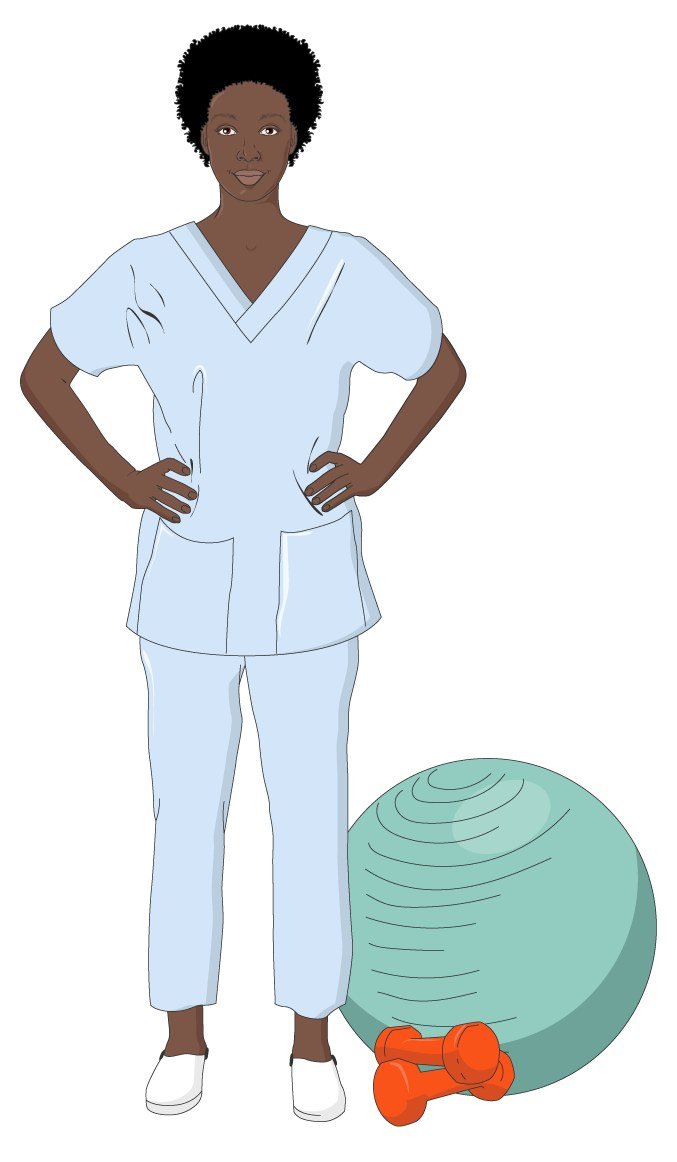
Movement. Keep walking within what the pain allows. Change position often. Avoid bending forward and lifting in the acute phase. After the sharpest pain settles, structured physiotherapy focused on core and hip strength does more for the next five years than anything else on this list.
Injections. A nerve root block or epidural steroid injection can quieten a badly inflamed nerve and buy time for natural healing. It is a pain treatment, not a cure for the herniation, and it fits best in the middle of a conservative trial rather than at the start.
What to be careful about. Most families in Punjab try a hakeem, oil malish or a pehlwan style manipulation first, and gentle massage or heat can genuinely ease muscle spasm. The problem is not the massage. The problem is the months. Forceful twisting and pulling of the back during acute sciatica can flare things badly, and any treatment that delays examination while weakness is building is the real danger. Try what comforts you, but get examined first and set yourself a deadline.
Where does the six week rule come from?
Six weeks is not a magic number. It comes from the observed pattern of recovery. In most people with disc related sciatica, leg pain improves substantially within six to eight weeks, and a good share are close to normal by twelve. Studies comparing early surgery with continued conservative care for ordinary sciatica have repeatedly found the same thing: surgery gives faster relief in the first weeks and months, but at one to two years the two groups end up in a similar place.
That finding is the whole basis of the wait. If both roads reach the same destination, the road without an operation is the sensible default, and surgery becomes a way of buying time back for people whose pain is unbearable or whose function is collapsing now.
Use the six weeks properly, though. A wait with no treatment plan is not a trial of conservative care. It is just suffering. At the end of it you should be able to say what you took, what physiotherapy you did, and whether the leg pain is better, the same or worse. That answer is what a surgeon actually needs.
When is surgery genuinely the better call?
Surgery moves from optional to sensible in a small number of clear situations. Red flags are the emergency version. Outside those, the usual reasons are:
- Severe leg pain that has not improved after a proper six to eight week trial, and is stopping you working, sleeping or earning
- Progressive weakness in a specific muscle, such as a foot that is starting to drop
- Repeated attacks of severe sciatica that keep knocking you out of work
One condition applies to all of them. The MRI must match the symptoms. If the scan shows a disc on the left at L4 to L5 and your pain runs down the right leg in a different pattern, operating on that disc will not help you. MRI reports in adults over thirty are full of bulges, dehydration and mild changes in people with no pain at all. A scan alone never justifies surgery. The examination is what confirms which nerve is in trouble.
If a surgeon recommends an operation after glancing at your MRI without testing your power, reflexes and sensation, get a second opinion. That is not a comment on any individual. It is the basic standard.
Be equally cautious with the opposite advice. Long standing back pain alone, without leg pain and without a matching nerve finding, is rarely fixed by disc surgery, and fusion is a much bigger commitment than most patients realise when it is first offered.
What is endoscopic discectomy, and is endoscopic spine surgery safe?
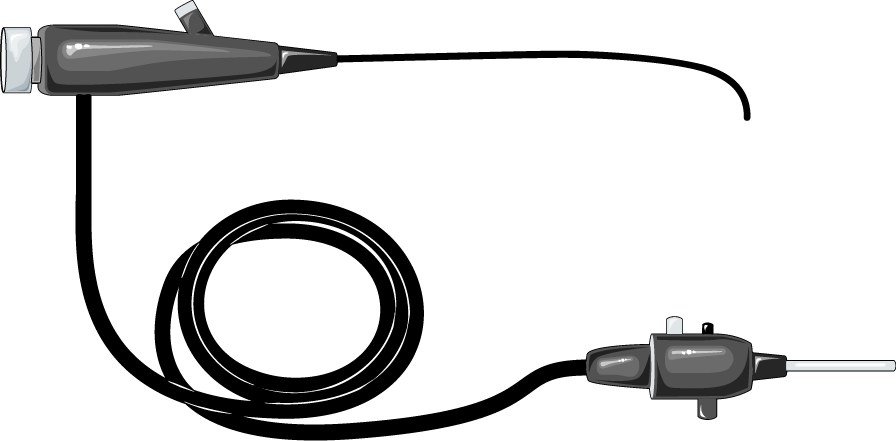
Endoscopic discectomy removes the fragment of disc that is pressing on the nerve, through an opening of roughly a centimetre. A thin tube carrying a camera and working channel is passed down to the disc under X ray guidance. The surgeon sees the nerve magnified on a screen, lifts it aside and takes out the offending piece. The back muscles are pushed apart rather than cut, which is the main reason recovery is quicker and the wound hurts less.
Microdiscectomy is the older and equally respectable operation, done through a slightly larger incision with an operating microscope. It has decades of results behind it and remains the right choice for many disc patterns. A surgeon offering both and choosing between them for your case is a better sign than one who offers only the newest option.
On safety, the honest position is that endoscopic discectomy is a well studied operation with a good safety record when done by a surgeon trained in it. The risks are real but uncommon: infection, bleeding, a tear in the covering of the nerves, nerve irritation with temporary numbness or weakness, and recurrence of the same disc herniation later. Ask for those risks in your own language before you sign anything.
What surgery reliably fixes is the leg pain. Back pain and stiffness often improve too, but less predictably. Any surgeon promising you a hundred percent result is promising something medicine cannot deliver.
Is laser spine surgery effective, and what does spine surgery cost in Pakistan?
Take laser first, because it is heavily advertised and poorly explained. "Laser spine surgery" is not one defined operation. Sometimes it means percutaneous laser disc decompression, where energy is used to shrink disc material through a needle. The evidence for that is much weaker than for endoscopic discectomy or microdiscectomy, and it suits only a narrow group of patients with a contained bulge. Very often, though, the word laser is simply being used as marketing language for an endoscopic procedure, because it sounds modern and painless.
So ask a direct question: what exactly will be done, what is the name of the procedure, and will the fragment pressing on my nerve be physically removed? A clear answer tells you more than the brochure.
On cost, be careful with any figure quoted over the phone. Prices in Pakistan vary a great deal between government and private hospitals, between Faisalabad, Lahore and Karachi, and with the number of levels, whether implants are used and which room category you take. Endoscopic and microdiscectomy procedures generally sit in a similar band. Spinal fusion costs considerably more, because of implants and longer theatre and hospital time.
Rather than chasing a number, ask for a written, itemised quote in PKR before you book. It should list the surgeon's fee, anaesthesia, theatre charges, implants if any, MRI and lab tests, room charges per day, medicines and follow up visits. Ask what happens to the cost if you stay an extra day. A hospital that will not put its estimate in writing is telling you something.
How do I decide, and who should I see?
Reduce it to three questions. Do I have any red flag sign? Has my leg pain improved at all over the last few weeks of real treatment? Can I get through my day, my work and my sleep? If the answers are no, yes and mostly, keep going without surgery. If a red flag is present, go today. If treatment has been proper and the pain is unchanged and disabling after six to eight weeks, it is time for a surgical opinion.
Bring your MRI films, not just the report, plus your medicine list and a note of what physiotherapy you actually did. Bring the family member who will be part of the decision, because in most Pakistani households that decision is made together and it goes better when everyone has heard the same explanation. Ask three things of any surgeon: which nerve is causing my pain, what happens if I do nothing for another two months, and what exactly will you remove.
People in Punjab often start by searching for the best endoscopic spine surgeon in Faisalabad. That is a reasonable place to begin, but judge the answer by the consultation, not the phrase. Dr. M. Abdur Rehman is a consultant neurosurgeon at Mujahid Hospital, Faisalabad, and consultations cover both endoscopic spine surgery and microdiscectomy, as well as an honest assessment of whether you need either. A good visit may well end with a treatment plan and no operation at all. That is not a wasted trip. For most people with a slip disc, it is the correct outcome.
Questions patients ask about this
Can a slip disc heal without surgery?
Often, yes. The herniated part of the disc is water and protein, and the body gradually breaks it down and reabsorbs it. Leg pain usually eases over several weeks with medication, movement and physiotherapy. Most people never need an operation. Surgery is for pain that will not settle, or for red flag signs.
How long should I wait before considering disc surgery?
About six weeks is the usual mark for ordinary sciatica, provided treatment has been proper and the pain is stable or improving. If leg pain is still severe and disabling after that, an MRI review makes sense. Red flags such as bladder trouble or worsening weakness override the wait entirely.
Is endoscopic spine surgery safe?
Endoscopic discectomy is an established, well studied operation with a good safety record in trained hands. It uses a small tube and camera, so muscle is spared and recovery is quicker. Risks are real but uncommon: infection, bleeding, nerve irritation, recurrence of the disc. Ask your surgeon to explain each one.
Does massage or treatment from a hakeem help a slip disc?
Gentle massage and heat may ease muscle spasm and feel good for a while. They do not move a herniated disc back. The real risk is delay: months of malish, oils and forceful twisting while weakness quietly builds. If you have taang mein dard with weakness, get examined first.
What does endoscopic spine surgery cost in Pakistan?
Costs vary widely between government and private hospitals, between cities, and with the level of the disc, implants and room category. Do not rely on a phone figure. Ask for a written, itemised quote in PKR covering surgeon fee, anaesthesia, theatre, implants, room and follow up before you commit.
Related articles
Life after disc surgery: lifting, gym, namaz and long drives
Life after disc surgery: when you can pray on the floor, lift, drive and return to the gym. Honest recovery…
Read this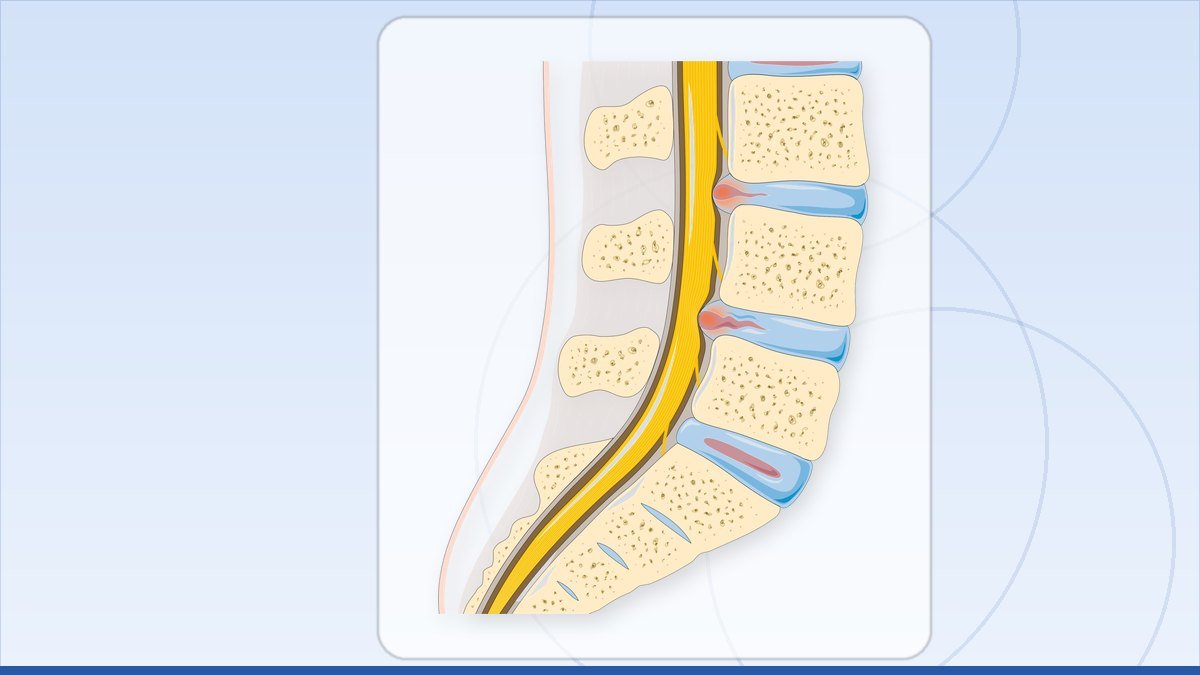
Revision disc surgery: what changes the second time
Revision discectomy in plain words: why a second disc surgery is needed, what scar tissue changes, safety,…
Read this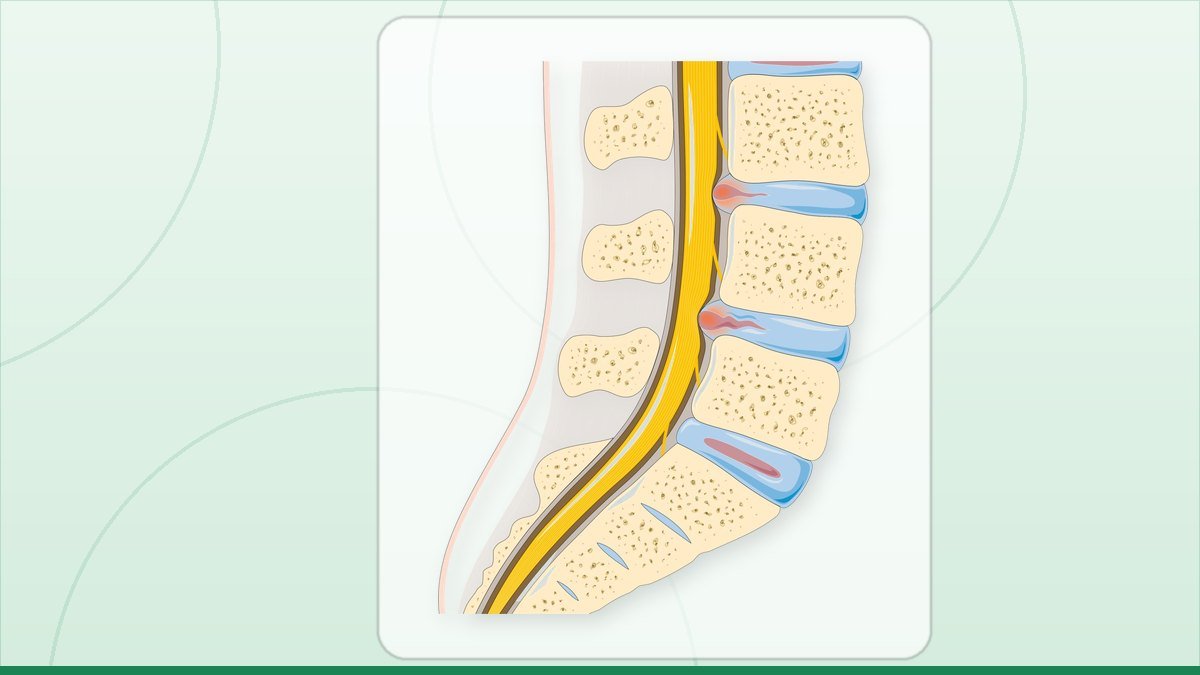
Slip disc: symptoms, causes and the treatment ladder
Slip disc treatment explained by a Faisalabad neurosurgeon: symptoms, causes, when rest and physio are…
Read thisAll patient questions · Spine surgery in Faisalabad · Book an appointment
Ask about your own scan. Send your MRI or X-ray on WhatsApp and get a straight answer on whether surgery is needed at all, from a consultant neurosurgeon in Faisalabad.
Dr. M. Abdur Rehman is a consultant neurosurgeon in Faisalabad. Send your scan on WhatsApp and ask what it actually shows.
Published for the practice of Dr. M. Abdur Rehman, consultant neurosurgeon, Mujahid Hospital, Faisalabad. General information only, not a substitute for examination.