
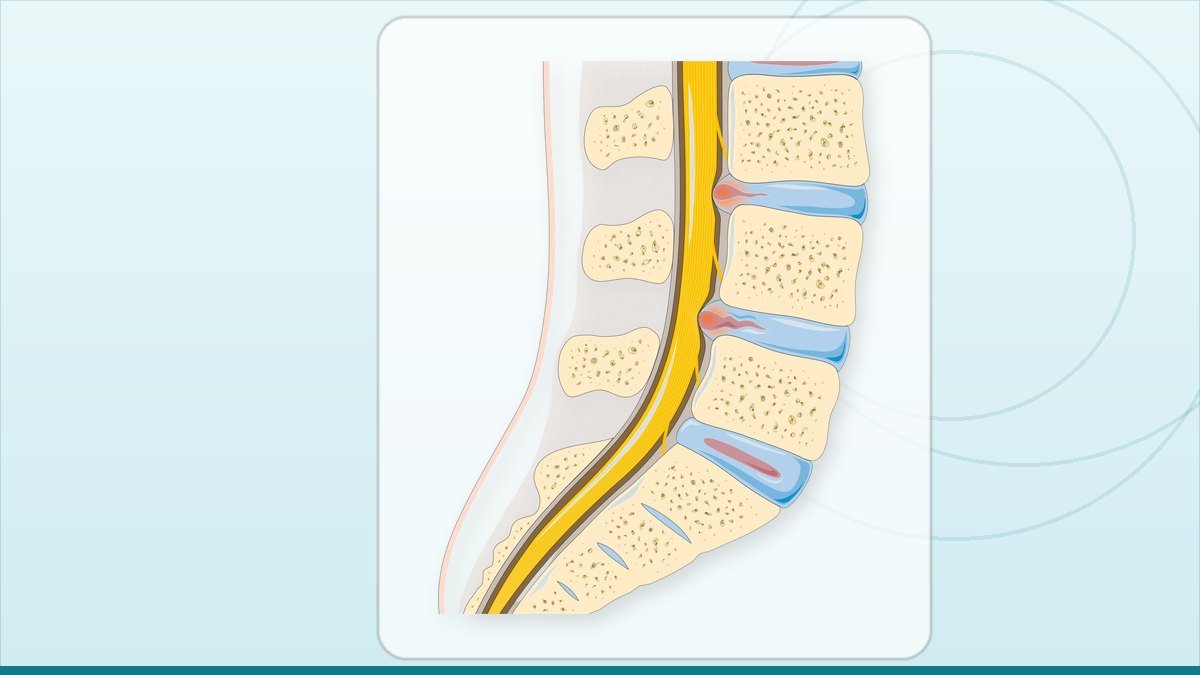
Most people return to normal life after disc surgery. Walking starts the same day or the next. Namaz on the floor, sitting cross-legged and driving usually return within four to six weeks. Gym and heavy lifting come later, around three months, and only with your surgeon's clearance. Office work returns sooner than labouring work.
How soon will I be back on my feet after disc surgery?
Sooner than most families expect. After an endoscopic discectomy or a microdiscectomy, you are usually asked to stand and walk a short distance the same day or the next morning. The taang mein dard, the leg pain that shoots down from the kamar, is often the first thing to go, sometimes on the operating table itself. The back itself stays sore for a while longer, and that soreness is from the surgery, not from the disc.
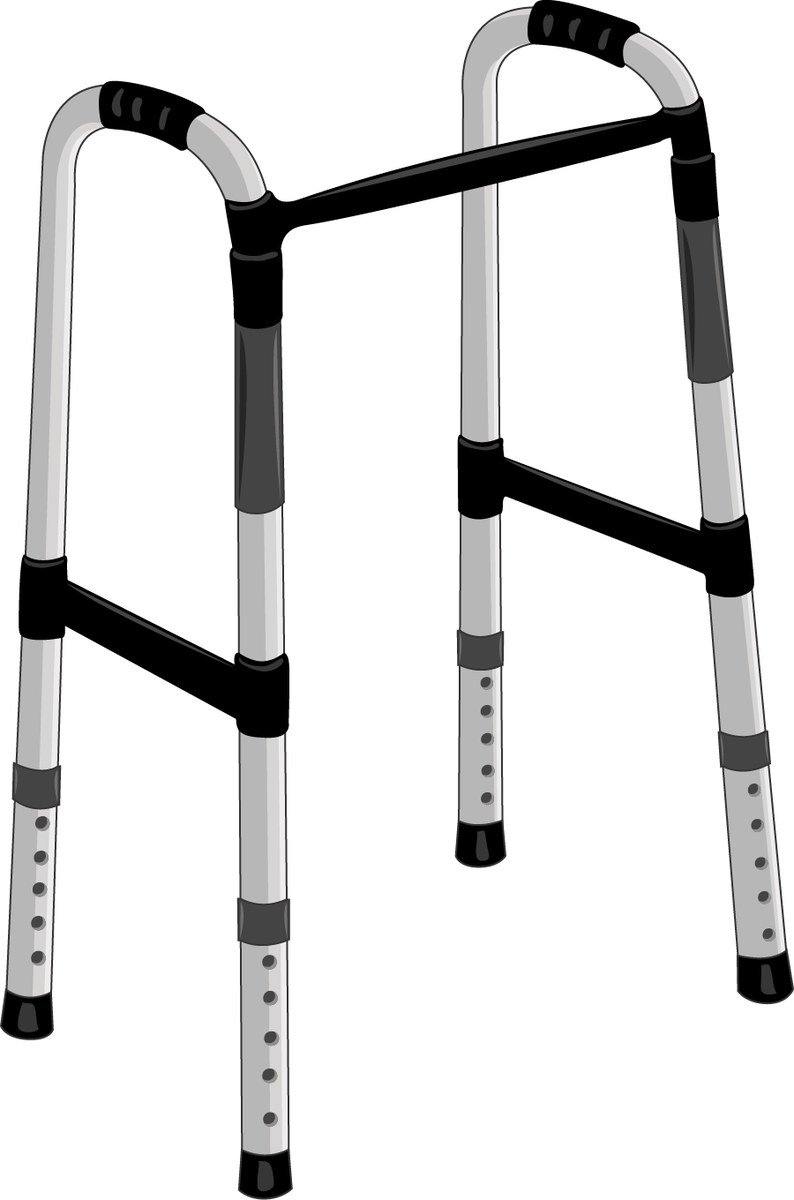
The first two weeks are quiet weeks. You walk a little more each day, inside the house at first, then in the street. You sleep on a firm bed rather than a soft one. You do not lie on the charpai all day, because lying flat for days makes the back stiffer, not better. Short, frequent walking is the whole treatment in this period.
By two to four weeks, most people with desk or shop work are back at it. Teachers, clerks, shopkeepers who can sit and stand as they like usually manage. Someone who lifts sacks, drives a loader, works on a construction site or does farm work needs six to twelve weeks, and needs to go back gradually rather than on full duty from the first morning.
What is an endoscopic discectomy? It is removal of the piece of disc pressing on the nerve, done through a small opening of roughly eight to ten millimetres, using a thin telescope and camera passed down to the disc. The muscle is pushed aside rather than cut away. That is the reason the recovery is quicker than older open operations, and it is also why the honest answer to "when can I go back to normal" depends more on your job than on the operation.
Is disc surgery safe, or will I be paralysed?
This is the fear that keeps people out of the clinic for years, so let it be answered plainly. Paralysis after a routine disc operation is very rare. It is not the usual outcome, it is not a common complication, and it is not what happens to the people you see limping around after back surgery. Those people usually had a different problem, a bigger operation, or a spine that was already badly damaged before anyone touched it.
The risks that are real, and that any honest surgeon will list for you, are these: some numbness or weakness in the leg that is usually temporary, a tear in the covering of the nerves that is repaired during surgery, infection, and the disc herniating again at the same level. Recurrence happens to a minority of patients, not to most. Ask your surgeon to name these risks out loud before you sign. If nobody mentions any risk at all, that is a warning sign about the surgeon, not a comfort.
Here is the part that gets left out. Waiting is also a risk. A nerve squeezed for many months does not always recover fully even after the pressure is removed. And there is one situation that is a true emergency: numbness in the saddle area between the legs, loss of control of urine or stool, or rapidly worsening weakness in both legs. That is cauda equina syndrome. Do not wait for morning, do not go for malish, go to a hospital with a neurosurgeon the same day.
Is endoscopic spine surgery safe? In trained hands, yes, and its safety profile is broadly comparable to microdiscectomy, which has decades of evidence behind it. The advantage is less muscle damage, less blood loss and a quicker return home. It is not magic and it is not risk free. It is a well established operation done carefully.
Do I actually need surgery, or will this settle on its own?
Most back pain does not need surgery. That is the most useful sentence on this page. The large majority of people with kamar dard, and a good number of people with a slip disc on MRI, get better with time, movement, painkillers and physiotherapy. If your pain is mainly in the back, if it is not travelling down the leg, and if your leg power is normal, surgery is usually the wrong answer no matter what the MRI report says.
An MRI showing a bulging or herniated disc is not, by itself, a reason to operate. Many people walking around Faisalabad with no pain at all would show a disc bulge if you scanned them today. The operation treats the nerve compression that is causing your symptoms, not the picture. If the report and the leg do not match, trust the leg.
Surgery becomes a genuine option when:
- The pain runs down the leg in a clear path, and it matches the level shown on MRI.
- Six to eight weeks of proper non-surgical treatment has not helped, and the pain is stopping you working, praying or sleeping.
- There is real weakness, a foot that drags, or numbness that is getting worse.
- There are emergency signs, in which case the timeline is hours, not weeks.
About the hakeem, the malish wala and the person who pulls and cracks the back. Many families try these first, and gentle massage or heat can genuinely ease a spasm. The harm comes from two things: forceful pulling or twisting on a spine that has a large herniation, and losing months of time while a nerve stays squeezed. If you have tried these for six weeks and the leg pain is the same or worse, get an opinion from a spine surgeon. Getting the opinion does not commit you to the operation.
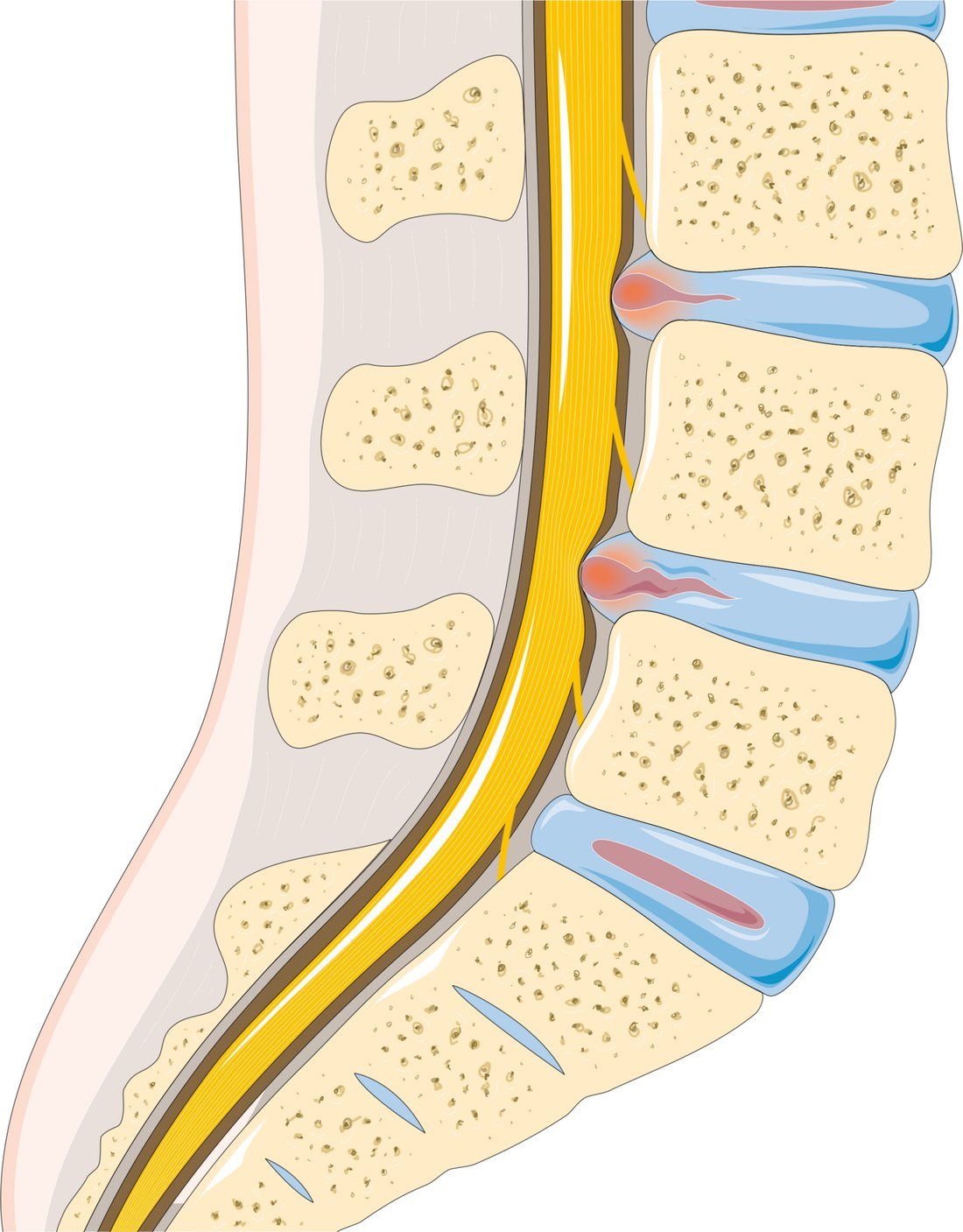
Can I offer namaz on the floor, and sit cross-legged?
Yes, in almost all cases, and usually within four to six weeks. This is the question patients want to ask most and ask last. Ruku and sujood both bend the lower back, which is exactly the movement we protect in the early weeks, so the answer is a timeline rather than a permanent no.
The usual pattern looks like this. For the first two to four weeks, offer namaz sitting on a chair. This is permitted and it is what almost every spine surgeon advises after a discectomy. Then, as the wound settles and the back loosens, most people move back to the floor over the following two to four weeks. Sujood is often easier than expected. The position that troubles people more is the long sitting in tashahhud and jalsa, because it loads the knees and the low back together.
Practical things that help when you go back to the floor:
- Use a slightly raised, firm surface for sujood at first, so the bend is smaller.
- Go down onto one knee at a time rather than dropping straight down.
- Keep something solid nearby, a chair or wall, to push up from.
- Sitting cross-legged rounds the lower back, so build it up in short spells rather than sitting through a whole gathering on day one.
Every surgeon has a slightly different protocol, and someone who had a fusion is on a longer and stricter timeline than someone who had a single-level endoscopic discectomy. Ask your own surgeon for your specific date, and ask them to write it down so the family stops arguing about it at home.
Bending, lifting and housework: what are the real limits?
For the first four to six weeks, keep loads light, roughly the weight of a full kettle or a small child's school bag, and avoid the combination that causes trouble: bending forward and twisting at the same time. Picking a bucket up off the floor while turning is harder on a fresh disc than lifting something heavier straight up in front of you.
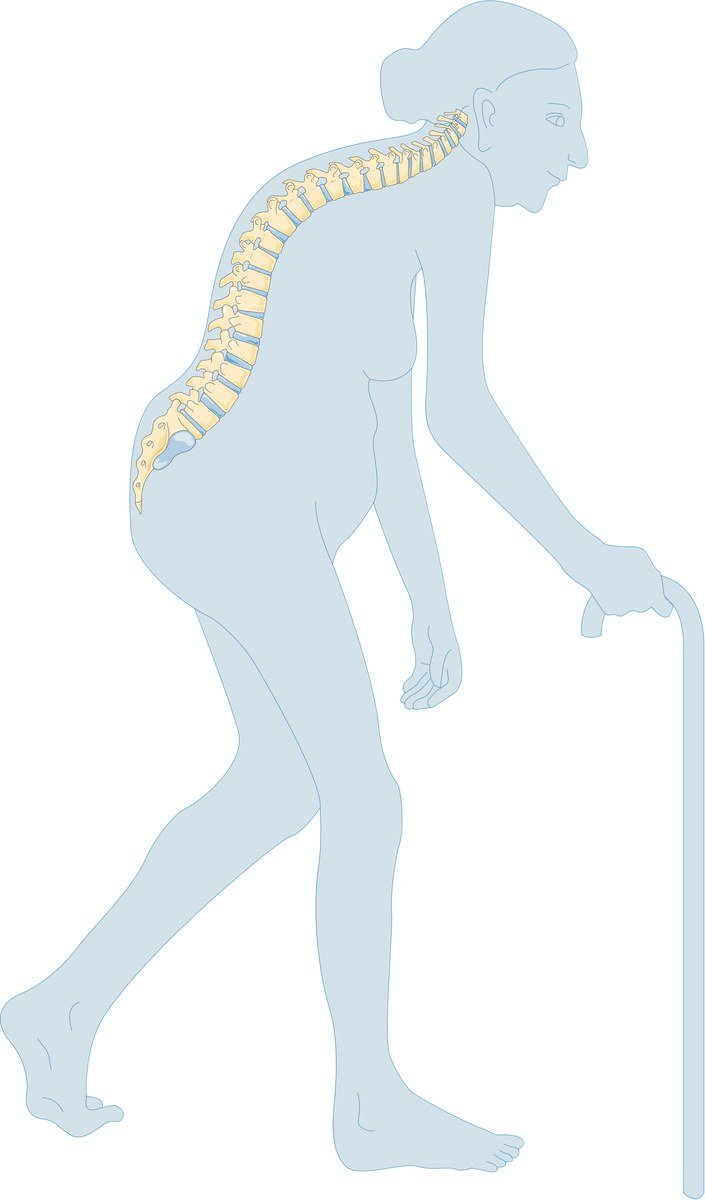
After six weeks, most people increase steadily. After about three months, the majority of patients who had a straightforward discectomy have no permanent lifting ban at all. They lift the way everyone should lift: hips and knees bent, load close to the chest, feet turned instead of the spine twisted, no snatching at something awkward from a bad angle.
For the women in the house, the everyday jobs matter more than any gym rule. Washing clothes bent over a tub, sweeping with a short jhaaroo, mopping, kneading atta on a low counter, and picking children up are all lower back work. In the first month, raise the work surface, sit on a low stool with a straight back instead of squatting, get help with the heavy washing, and pick a child up by squatting rather than bending. This is temporary, not a new permanent life.
One caution. Feeling good at three weeks is normal and it is the point at which people injure themselves. The nerve pain has gone, so the shifting of a gas cylinder or a bed feels possible. The disc has not finished healing at three weeks. Let the calendar decide, not the mood.
When can I go back to the gym or to heavy physical work?
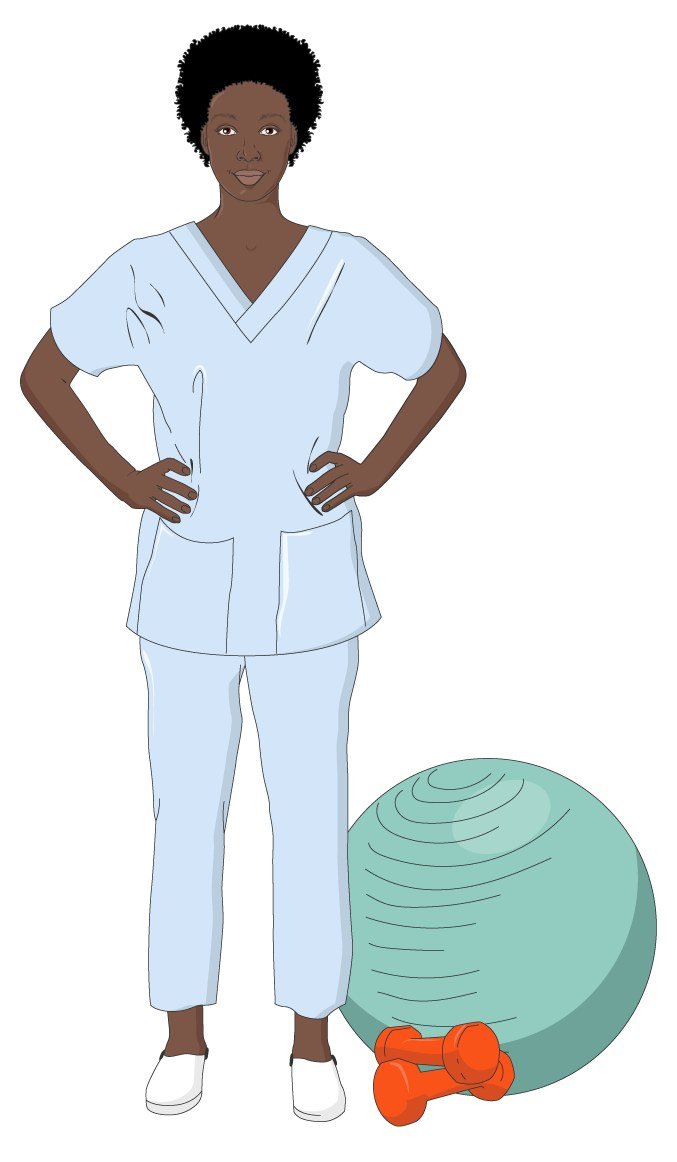
Light exercise starts almost immediately, and the gym proper waits until about three months. Walking begins on day one and is the best thing you can do. Gentle physiotherapy and core work usually start somewhere between two and six weeks, guided by a physiotherapist who has been told what operation you had.
The staged return most surgeons use:
- Weeks 0 to 2: walking only, gradually increasing distance.
- Weeks 2 to 6: physiotherapy, core and hip strengthening, stationary cycling, swimming once the wound is fully healed.
- Weeks 6 to 12: machine-based resistance work, light weights, treadmill.
- After 3 months, with clearance: free weights, deadlift and squat patterns taught properly from the start, and contact or jumping sports.
If your work is the gym equivalent, and in Faisalabad that means loading, factory work, driving a tractor or working on a building site, the same clock applies. Come back on light duty first. Tell the employer honestly, because going back to full sack-lifting at four weeks is the most common way people undo a good operation.
Smoking slows disc and bone healing, and it raises the chance of continued pain after spine surgery. If there was ever a moment to stop, this is it. Weight matters too, not as a lecture but as mechanics, since every extra kilo around the middle is carried by the same discs.
Can I do long drives, and how do I get home from Faisalabad?
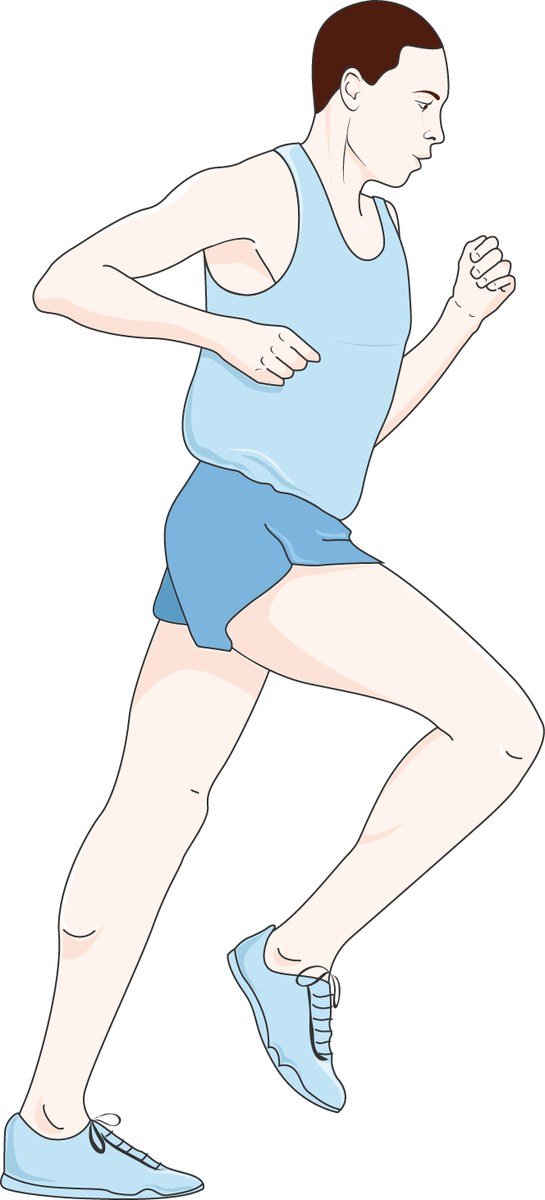
Short local driving usually restarts at around two weeks, once you are off strong painkillers and can turn your head and body to check behind you without pain. Long journeys, Faisalabad to Lahore, Islamabad, Multan or Karachi by road, are better delayed to about four to six weeks.
Sitting is genuinely harder on a healing disc than standing or walking, and Pakistani roads add jolting on top of the sitting. When you must travel:
- Stop every thirty to forty-five minutes, get out and walk for two or three minutes.
- Put a small rolled towel or cushion behind the lower back.
- Sit in the front seat, which usually has more room and a smoother ride than the back.
- Prefer a car to a rickshaw for the first month. The jolting on a rough road is the problem, not the distance.
- Let someone else lift the luggage, every time.
Air travel is generally fine after two to four weeks for a routine discectomy, with the same rule about walking in the aisle and not lifting the bag into the overhead locker. If you are coming to Faisalabad from another city for surgery, plan to stay locally for the first few days after discharge rather than making a five hour road journey the same evening, and plan your follow-up visit before you travel back.
What does endoscopic spine surgery cost in Pakistan, and is laser spine surgery effective?
Costs in Pakistan vary widely between government hospitals, trust hospitals and private setups, and between cities, so any single figure quoted online is misleading by the time you read it. Ask for a written quote before you admit. That one habit protects families more than any price list.
What to make sure the written quote includes:
- Surgeon's fee, anaesthesia and operation theatre charges.
- Room type and the number of nights, and what happens if you stay longer.
- Implants, which is where spinal fusion surgery cost in Pakistan rises well above a simple discectomy, because screws and cages are expensive.
- Pre-operative MRI, blood tests and post-operative follow-up visits.
- Whether physiotherapy is included or billed separately.
As a rough shape rather than a price: a single-level endoscopic discectomy and a microdiscectomy sit in a broadly similar range, and a spinal fusion costs considerably more than either because of the hardware. If a quote for fusion sounds surprisingly cheap, ask specifically which implants are being used.
Now, laser. People search for laser spine surgery cost in Pakistan because the word sounds modern and painless. Be careful here. "Laser spine surgery" is often a marketing name rather than a distinct operation. In real practice, a laser is simply one energy source that can be used inside an endoscopic procedure, alongside instruments and radiofrequency. The evidence base for laser as the main treatment of a herniated disc is weaker than the evidence for standard discectomy, whether endoscopic or microscopic. If a centre is selling "laser" as a different and superior operation, ask a direct question: which operation is being performed, through what size opening, and what is actually removed. The answer tells you a great deal about the place.
What should I do next?
Start with the honest question, not the surgical one. If your pain is mainly in the back, if the leg is fine, and you have not yet done six weeks of proper physiotherapy, do that first. Most of you will never need this operation.
If the leg pain is the real problem, if it is not settling, if the foot is dragging or the numbness is spreading, get a proper opinion. Bring the actual MRI films and CD, not just the report, and bring a family member so two people hear the same conversation. Ask the surgeon these four questions, and expect straight answers:
- Which operation are you recommending, and what exactly will be removed?
- What happens if I wait another three months?
- What are the risks, and what is your plan if the pain returns?
- What is the written total cost, including implants?
A surgeon who answers those calmly, and who is willing to tell you that you do not need surgery, is worth more than any title. If you are searching for the best endoscopic spine surgeon in Faisalabad, judge on that conversation. Dr. M. Abdur Rehman is a consultant neurosurgeon at Mujahid Hospital, Faisalabad, and consultations include the option that surgery is not the right answer for you today.
Go the same day, without waiting, if you lose control of urine or stool, go numb between the legs, or both legs become weak.
Questions patients ask about this
How long is bed rest after disc surgery?
There is no long bed rest. You are usually walking the same day or the next morning, and prolonged lying in bed makes stiffness and pain worse rather than better. The advice is short, frequent walks from day one, increasing daily, with rest in between rather than instead of movement.
Can the disc slip again after surgery?
Yes, a disc can herniate again at the same level, but this happens to a minority of patients, not to most. The risk is highest in the first few months, which is why lifting limits matter early. Smoking, obesity and returning to heavy work too soon all increase the chance.
Is endoscopic surgery better than microdiscectomy?
For the right patient, endoscopic surgery means a smaller opening, less muscle damage and a faster return home. Microdiscectomy has decades of evidence and remains an excellent operation, and it suits some disc positions better. The correct answer depends on your MRI and your symptoms, not on which sounds more modern.
Will I need a back belt or brace after the operation?
After a simple discectomy, most people do not need a brace, and wearing one for months can weaken the back muscles you are trying to strengthen. Some surgeons advise a belt for short periods during travel or activity. After a fusion, bracing is more common. Follow your own surgeon's instruction.
When can I resume married life after disc surgery?
Most surgeons advise waiting about four weeks, and then resuming gently with positions that keep the lower back neutral and avoid heavy bending or twisting. Let comfort guide the timing. It is a normal question to ask your surgeon, and a normal part of recovery to discuss privately at follow-up.
Related articles
Revision disc surgery: what changes the second time
Revision discectomy in plain words: why a second disc surgery is needed, what scar tissue changes, safety,…
Read this
Slip disc: symptoms, causes and the treatment ladder
Slip disc treatment explained by a Faisalabad neurosurgeon: symptoms, causes, when rest and physio are…
Read this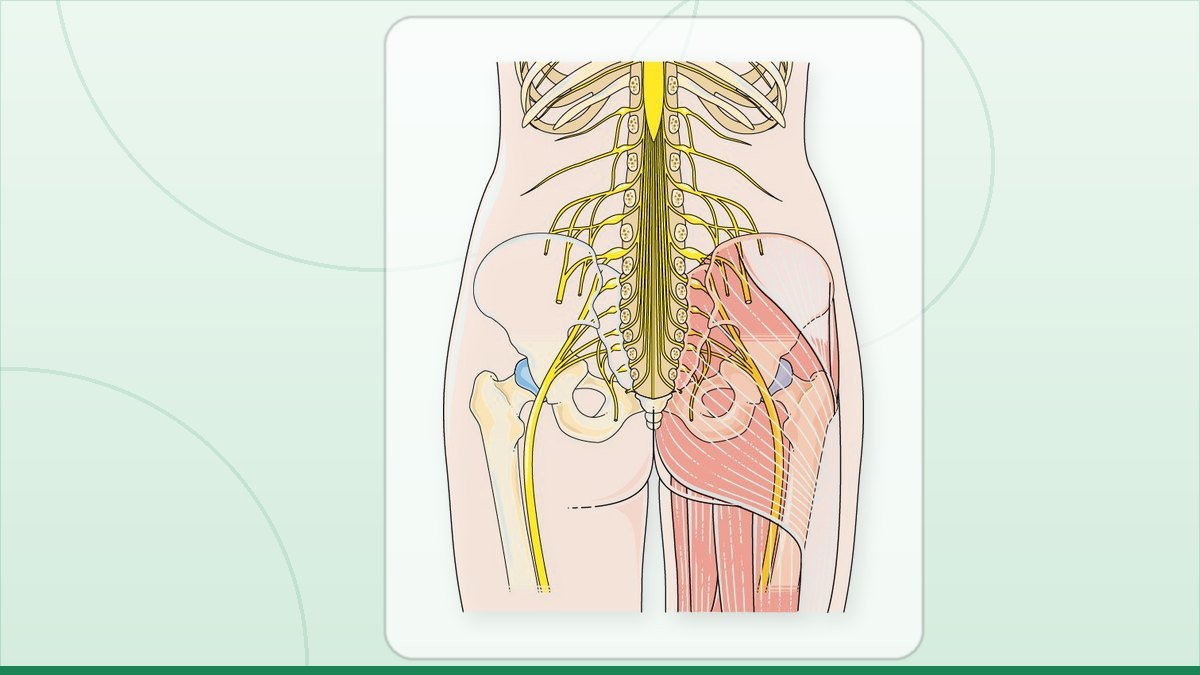
Sciatica: why the leg hurts more than the back
Sciatica treatment explained by a Faisalabad neurosurgeon: why the leg hurts more than the back, what helps…
Read thisAll patient questions · Spine surgery in Faisalabad · Book an appointment
Ask about your own scan. Send your MRI or X-ray on WhatsApp and get a straight answer on whether surgery is needed at all, from a consultant neurosurgeon in Faisalabad.
Dr. M. Abdur Rehman is a consultant neurosurgeon in Faisalabad. Send your scan on WhatsApp and ask what it actually shows.
Published for the practice of Dr. M. Abdur Rehman, consultant neurosurgeon, Mujahid Hospital, Faisalabad. General information only, not a substitute for examination.