
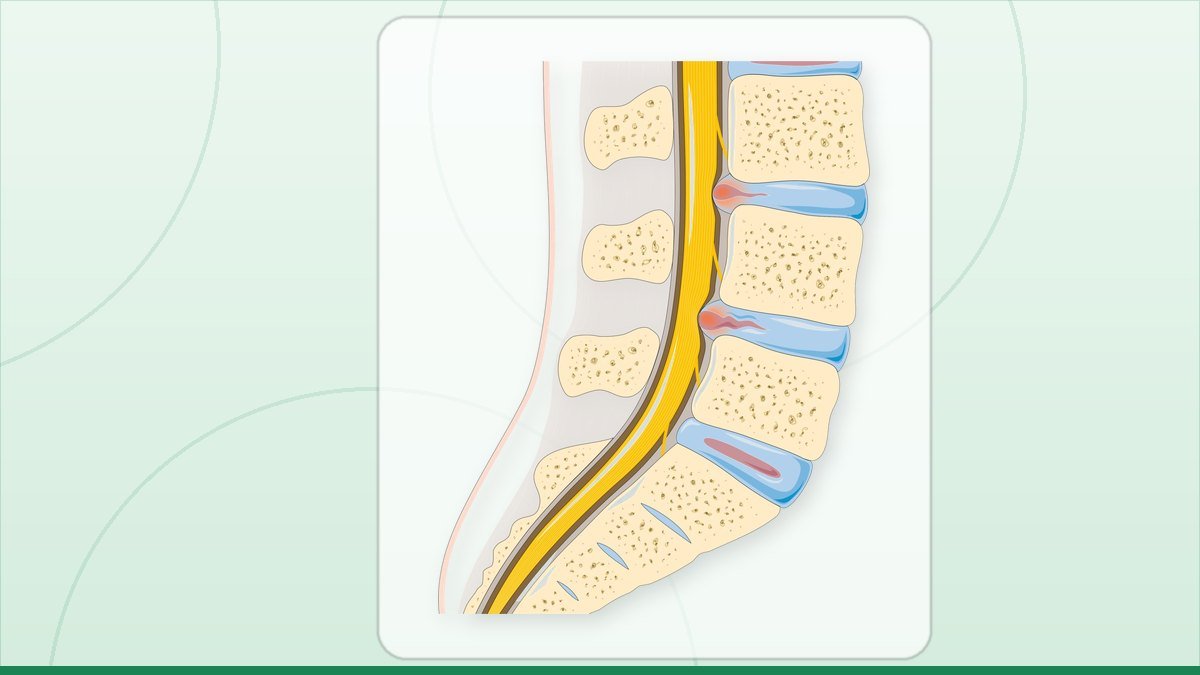
A slip disc happens when the soft centre of a spinal disc pushes out and presses on a nerve, causing kamar dard and taang mein dard. Most cases settle within six to twelve weeks with medicine, gentle activity and physiotherapy. Surgery is considered only when leg pain, weakness or numbness continues despite proper non-surgical treatment.
What does "slip disc" actually mean?
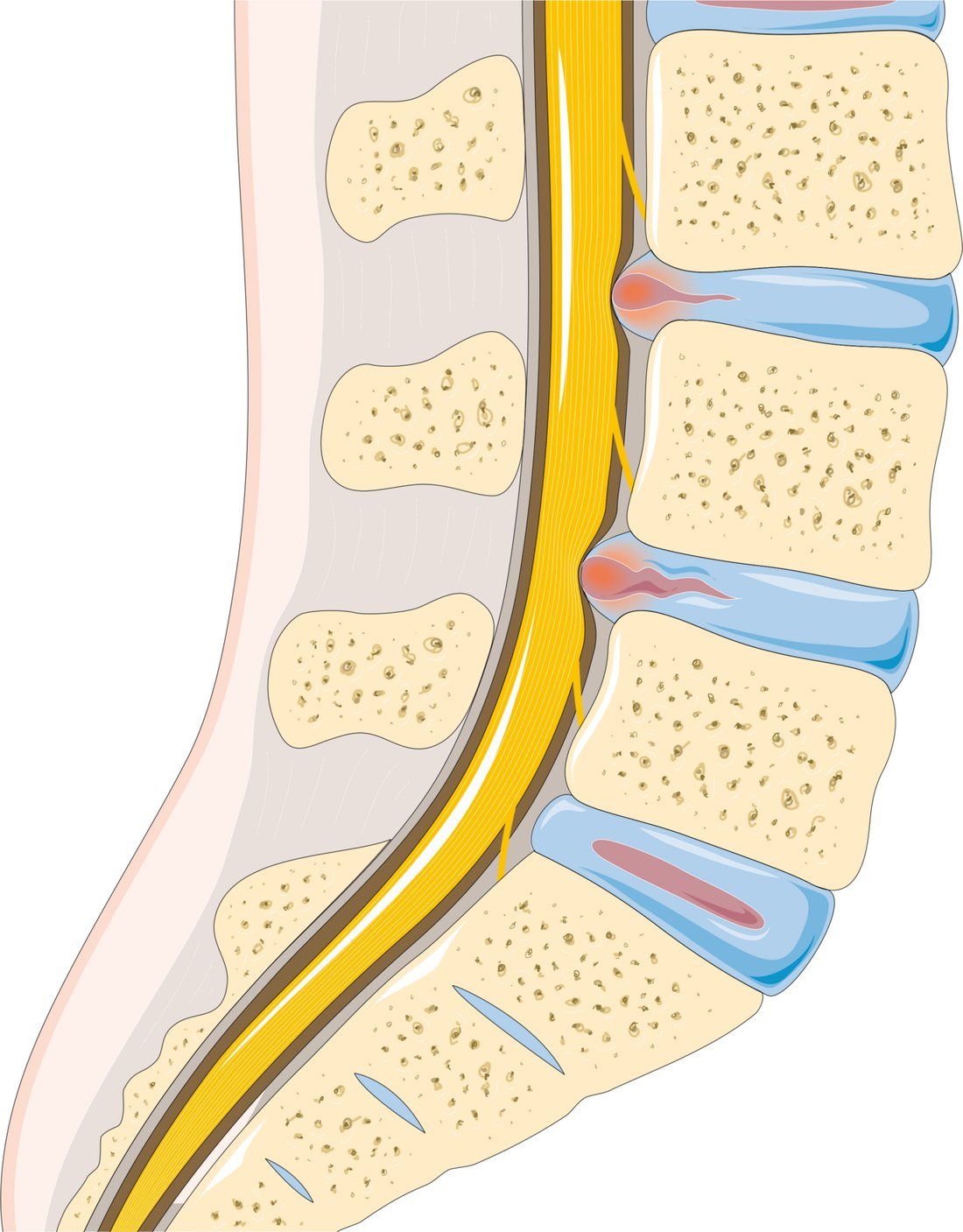
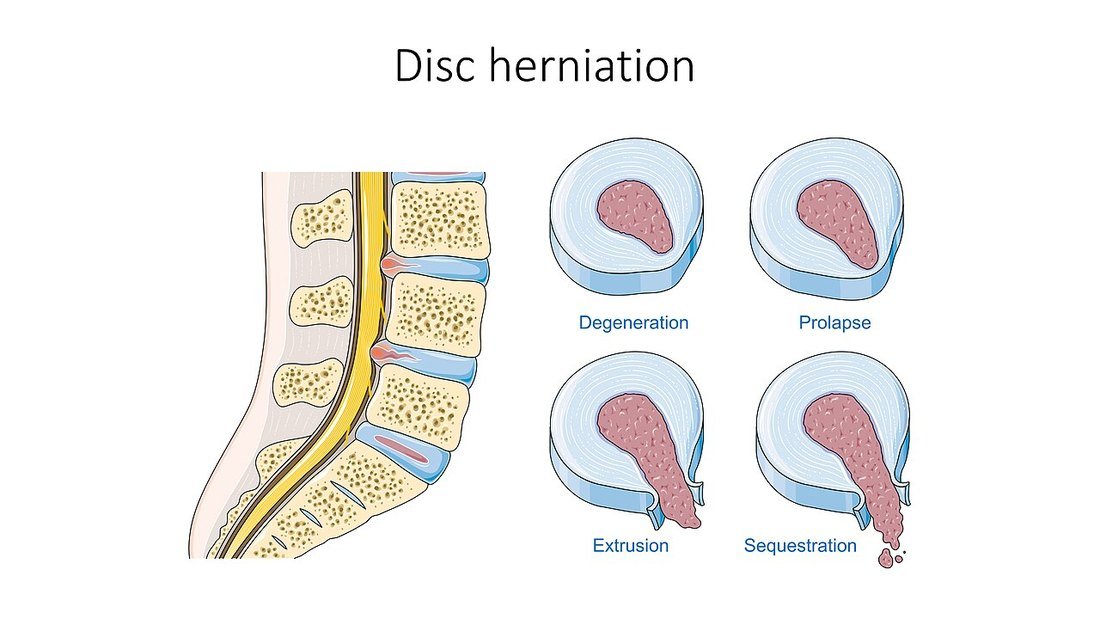
Nothing slips. The word is a translation habit, not a description. Between each pair of spine bones sits a disc, a tough ring with a soft jelly centre. When the ring tears or weakens, some of that jelly pushes outward. Doctors call it a disc bulge, a protrusion, a herniation or a prolapse depending on how far it has come out.
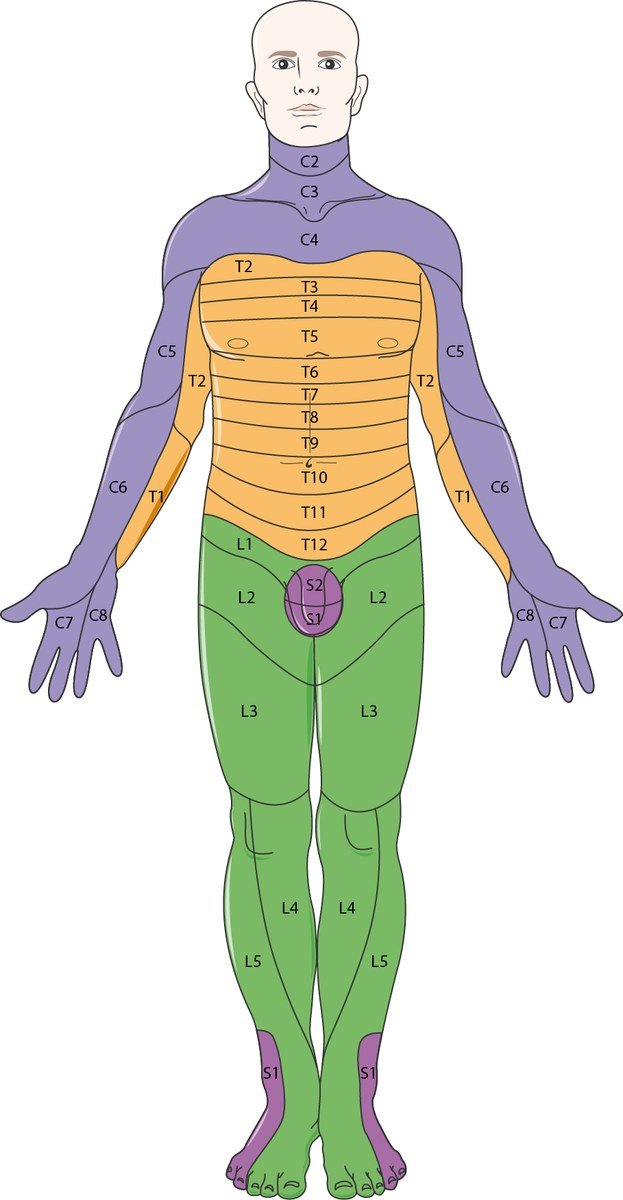
The disc itself is not the problem. The problem starts when the pushed-out material touches a nerve root leaving the spine. That nerve carries signals to your leg or your arm, so the pain is felt down the limb rather than at the spot in your back.
This matters for one practical reason. People imagine a bone has moved out of place and that any wrong movement will push it further. That is not what is happening. You are not carrying a loose bone in your back. You are carrying an inflamed, irritated nerve, and inflammation settles with time in most people.
Can a slip disc paralyse me? Is spine surgery safe?
Almost never. A single lumbar disc in the lower back presses on one nerve root, not on the spinal cord, and the overwhelming majority of patients recover full leg strength whether they have surgery or not. The fear of a wheelchair is the most common reason patients in Punjab delay treatment for months, and it is usually misplaced.
There is one situation that is a genuine emergency. If you lose control of urine or stool, if the area between your legs goes numb, or if both legs become weak at the same time, go to a hospital with a neurosurgeon the same day. This is called cauda equina syndrome. It is uncommon, but the outcome depends on how quickly the pressure is relieved.
On surgery itself: any spine operation carries risk, including infection, bleeding, a leak of spinal fluid, nerve injury and the chance that pain returns. These risks are real but small in experienced hands. Delaying a needed operation is not automatically the safer choice, because a nerve that has been badly compressed for a very long time may not recover fully even after it is freed.
Ask your surgeon directly what could go wrong in your particular case. A surgeon who cannot name the complications of the operation being proposed is not the surgeon you want.
What are the symptoms of a slipped disc?
The classic pattern is leg pain that is worse than the back pain. Patients describe a line of pain running from the buttock down the back of the thigh into the calf or foot. In Urdu people usually say taang mein dard, or that the leg feels like current is passing through it. That travelling pain is the strongest clue that a nerve is involved.
Other common features:
- Pain that gets worse when you sit, cough, sneeze or strain in the toilet
- Numbness or pins and needles in a specific patch of the leg or foot
- Weakness, such as the foot slapping the floor or difficulty standing on tiptoe
- Relief when lying down, and a bad first hour in the morning
Discs in the neck cause the same story in the arm. Pain from the neck into the shoulder blade and down to the fingers, with numbness in particular fingers, is a cervical disc until proven otherwise.
Plain kamar dard with no leg pain is usually not a surgical disc problem. It is far more often muscle and joint strain, and it responds to movement and exercise rather than to an operation.
What causes a disc to slip?
Mostly ordinary ageing plus load. Discs lose water content from the twenties onward, the outer ring becomes less elastic, and a small tear lets the inner material push through. This is why disc problems peak between roughly thirty and fifty, not in old age.
Things that make it more likely: lifting with a bent back and straight legs, long hours driving on rough roads, a job with repeated bending, sudden heavy lifting at a shaadi or during shifting house, smoking, excess weight, and long unbroken sitting. Family tendency plays a part too. Some people simply have weaker disc tissue.
What does not cause it: a single wrong movement in most cases. Patients often blame the exact moment they bent to pick up a bucket. That moment was usually the last straw on a disc that had been weakening for years.
Slip disc ka ilaj kaise hota hai? The treatment ladder
Treatment moves up a ladder, and most people never reach the top. Around eight or nine out of ten patients with a fresh disc herniation improve without surgery. The body reabsorbs the herniated material over weeks to months, and the nerve calms down.
Step 1: the first six weeks
Simple pain medicine as prescribed, a short course of anti-inflammatories if your stomach and kidneys allow, and heat. Avoid complete bed rest beyond two or three days. Keep walking within the limits of your pain. Movement helps the nerve settle. Lying flat for a month makes the back weaker and the recovery longer.
Step 2: physiotherapy
A trained physiotherapist, not a general massage. The work is core strengthening, nerve gliding and correcting how you bend and lift. This is the step patients skip most often and regret most often.
Step 3: injections
If leg pain is severe and not settling, a targeted steroid injection near the nerve can reduce inflammation and buy time for natural healing. It is not a cure, and it is not a substitute for the exercises.
Step 4: surgery
Considered when leg pain remains disabling after about six weeks of genuine non-surgical treatment, when there is progressive weakness in the leg, or immediately in cauda equina syndrome. The operation removes the fragment pressing the nerve. It does not remove the whole disc and it does not fuse the spine in a standard case.
A word on hakeem, malish and cupping
Almost every patient tries these first, and there is no shame in it. Gentle massage may ease muscle spasm. The danger is time. If you spend eight months on tel malish while a nerve is being compressed and the foot is getting weaker, you may recover less than you would have. Any weakness or numbness deserves a doctor, not another course of treatment at home.
Slip disc ka permanent ilaj kya hai?
Honest answer: there is no procedure that guarantees the disc will never trouble you again. Not surgery, not injections, not any medicine. Surgery is very good at one specific job, which is relieving the leg pain caused by a nerve under pressure. Most patients feel that leg pain go within days.
What surgery does not do is make the disc young again, and it does not remove background back pain that comes from worn joints and weak muscles. A patient who goes into surgery expecting zero kamar dard forever will feel let down even after a technically perfect operation.
The closest thing to a permanent result is the boring combination: a strong core, sensible lifting, controlled weight, no smoking, and not sitting for four hours without standing up. A recurrence at the same level happens in a minority of operated patients. It is more likely in smokers and in those who return to heavy bending too early.
What is endoscopic discectomy, and how is it different?
Endoscopic discectomy removes the herniated disc fragment through a tube about the width of a pen, using a camera and instruments passed down that tube. The surgeon watches on a screen and works between the muscles rather than cutting through them. Skin cut is usually under a centimetre.
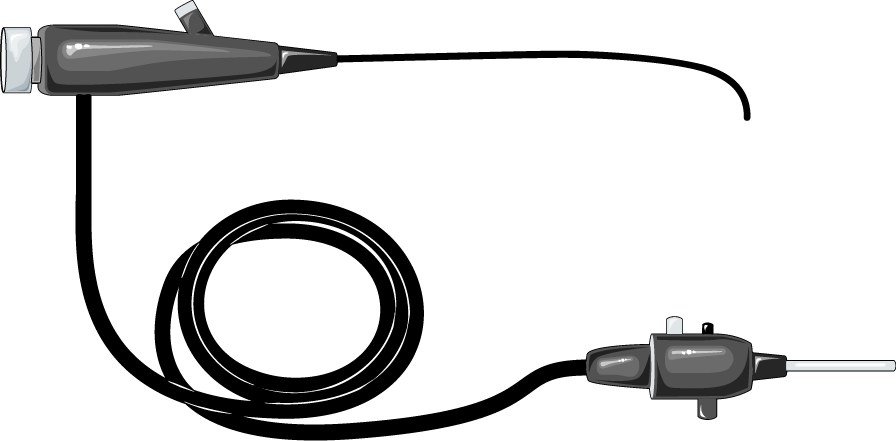
Microdiscectomy, the other standard operation, uses a slightly larger opening and an operating microscope. Both operations do the same job and both have long track records. The endoscopic route generally means less muscle damage, less blood loss and a quicker return to walking. The microscopic route remains the better choice for some anatomy, for certain difficult fragment positions, and where more bone needs to be removed.
Neither is right for everyone. The choice depends on where the fragment sits, whether the canal is narrowed, your build, and what the MRI shows. Be cautious of anyone who offers a single technique for every patient. The technique should be chosen for your scan, not the other way round.
You will usually need an MRI before any of this is decided. An X-ray cannot show a disc herniation. If a doctor proposes disc surgery on the strength of an X-ray alone, ask why.
What does slip disc treatment cost in Pakistan?
This is answered in full on what spine surgery costs in Pakistan, so it is not repeated here.
When should you see a spine surgeon in Faisalabad?
Book an appointment if leg pain has lasted more than six weeks despite treatment, if any part of your leg or foot is getting weaker, if numbness is spreading, or if the pain is stopping you from working and sleeping. Go the same day for loss of bladder or bowel control.
Bring your MRI films and the actual report, a list of every medicine you have taken and for how long, and one family member who will be part of the decision. Most spine decisions in Pakistan are made by the family, not the patient alone, so bring the person who will ask the hard questions.
Then ask these questions and watch how they are answered. What exactly is pressing on the nerve. What happens if I wait three more months. What are the chances this settles without surgery. What could go wrong. How many nights in hospital and how long off work. A surgeon who talks you out of an unnecessary operation has told you more about their judgement than any title.
Dr. M. Abdur Rehman is a consultant neurosurgeon and spine surgeon at Mujahid Hospital, Faisalabad, seeing patients with disc and spine problems from across Punjab. If you are searching for the best endoscopic spine surgeon in Faisalabad, judge the answer by whether the surgeon explains the non-surgical options first and puts the plan and the cost in writing.
Lumbar spine surgery in Faisalabad Read the full page on lumbar spine surgery in faisalabad, including who it suits, what recovery looks like and how to arrange a review.
Questions patients ask about this
Can a slip disc heal on its own without surgery?
Yes, in most cases. The body gradually reabsorbs the herniated disc material, and the nerve inflammation settles. The majority of patients improve within six to twelve weeks with medicine, gentle activity and physiotherapy. Surgery becomes the sensible option when leg pain persists beyond that, or when leg weakness is increasing.
Is bed rest good for slip disc?
Only for the first two or three days, and only if pain makes movement impossible. Beyond that, prolonged bed rest slows recovery. It weakens the back muscles, stiffens the joints and increases the risk of clots. Walking short distances often, within your pain limits, is better treatment than lying flat for weeks.
How long does recovery take after endoscopic discectomy?
Most patients walk the same day or the next morning and go home within a day or two. Leg pain usually improves quickly. Light desk work is often possible in about two weeks, while heavy lifting, bending and long driving are typically restricted for six weeks or more, depending on your surgeon's advice.
Does massage or hakeem treatment help a slip disc?
Gentle massage may ease muscle spasm and feel good temporarily, but it does not move a disc or relieve pressure on a nerve. The real risk is lost time. If you have leg weakness, spreading numbness, or pain lasting more than six weeks, see a doctor rather than continuing home remedies.
Do I need an MRI before slip disc treatment?
Not on day one. Most patients are treated for the first few weeks without imaging, because early MRI rarely changes the plan. An MRI becomes necessary when surgery or an injection is being considered, when there is weakness or numbness, or when red flag symptoms appear. X-rays cannot show a disc herniation.
If surgery is on the table
If the disc is confirmed on a scan and surgery is being discussed, these cover it.
Related articles
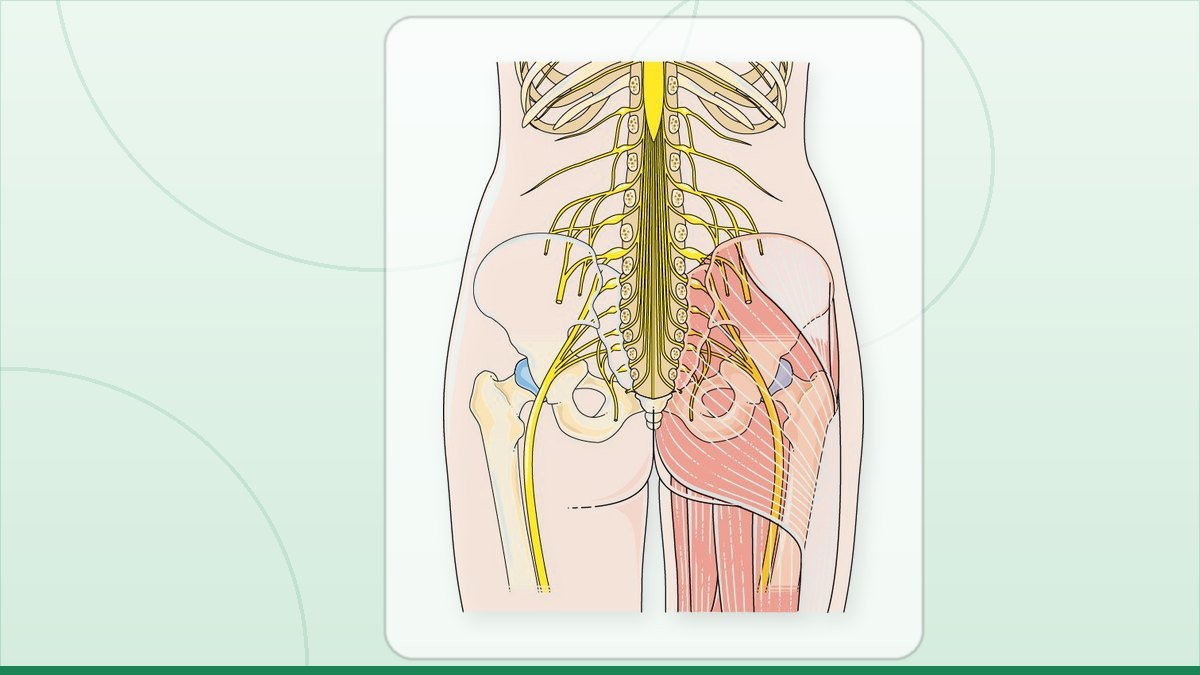
Sciatica: why the leg hurts more than the back
Sciatica treatment explained by a Faisalabad neurosurgeon: why the leg hurts more than the back, what helps…
Read this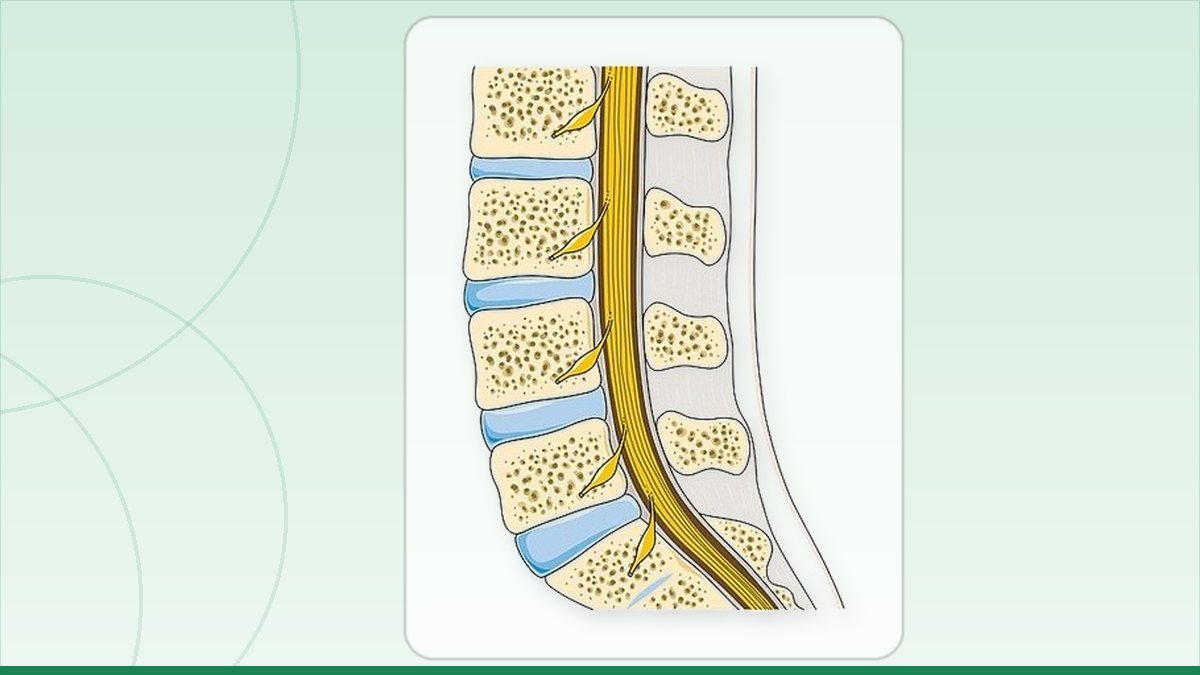
Spinal stenosis: the pain that eases when you sit
Spinal stenosis treatment explained for Pakistani patients: why sitting eases the pain, when surgery is…
Read this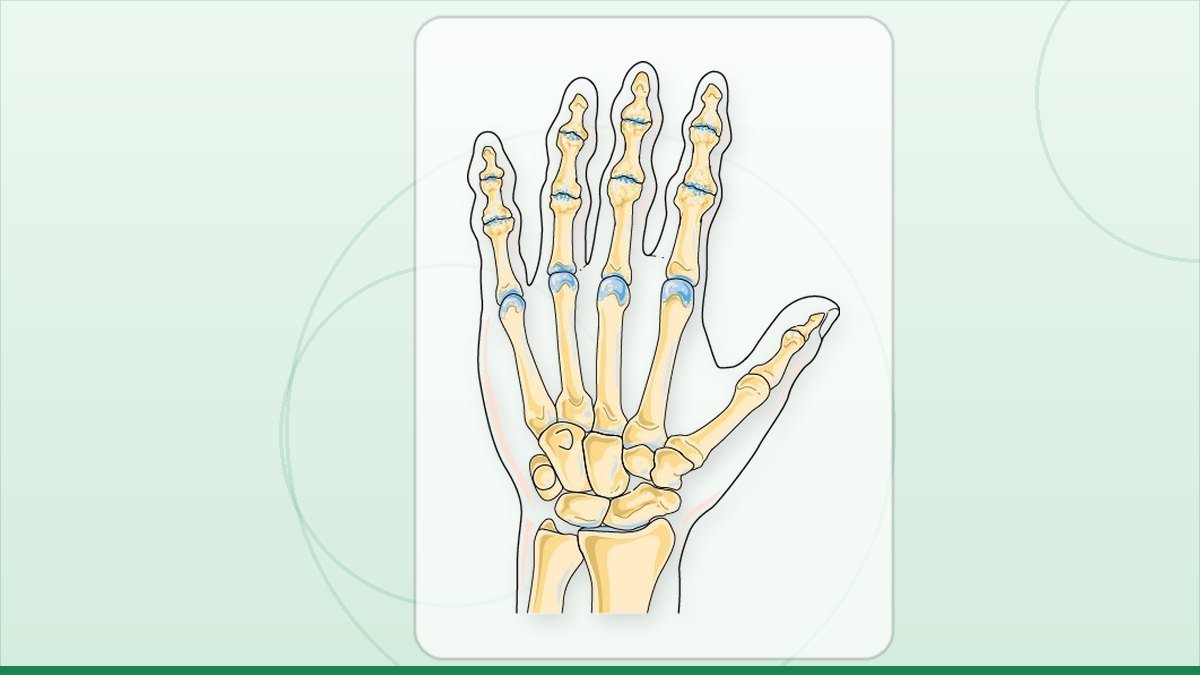
Degenerative disc disease: is it really a disease?
Degenerative disc disease sounds frightening, but it is usually normal spinal ageing. What your MRI really…
Read thisAll patient questions · Spine surgery in Faisalabad · Book an appointment
Ask about your own scan. Send your MRI or X-ray on WhatsApp and get a straight answer on whether surgery is needed at all, from a consultant neurosurgeon in Faisalabad.
Dr. M. Abdur Rehman is a consultant neurosurgeon in Faisalabad. Send your scan on WhatsApp and ask what it actually shows.
Published for the practice of Dr. M. Abdur Rehman, consultant neurosurgeon, Mujahid Hospital, Faisalabad. General information only, not a substitute for examination.