
Both operations remove the disc fragment pressing on your nerve, and both work well. Your MRI decides which one fits. Endoscopic discectomy suits a contained, single-level disc reached through a smaller opening. Microdiscectomy suits large, migrated or calcified fragments and repeat surgery. Neither is needed unless leg pain or weakness persists despite proper non-surgical treatment.
What this page covers. This page helps you decide which operation your scan points to. It does not repeat the costs or the published evidence. For the rest: What the published evidence shows about the two techniques · What endoscopic surgery costs in Pakistan
What is endoscopic discectomy, and what is microdiscectomy?
Both are operations to take pressure off a squashed nerve root in the lower back. The difference is the tool used to see and reach the disc, not the goal of the surgery.
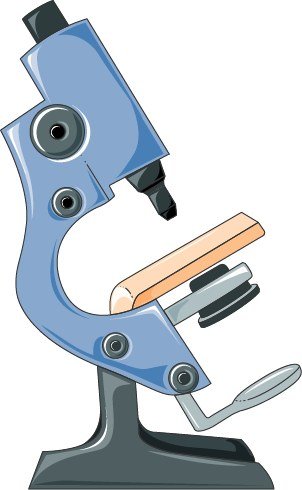
Microdiscectomy uses an operating microscope. The surgeon makes a small cut in the midline of the back, moves the muscle aside, opens a window in the bone, and lifts the nerve gently to reach the disc fragment underneath. It has been done this way for decades and is the standard against which everything else is measured.
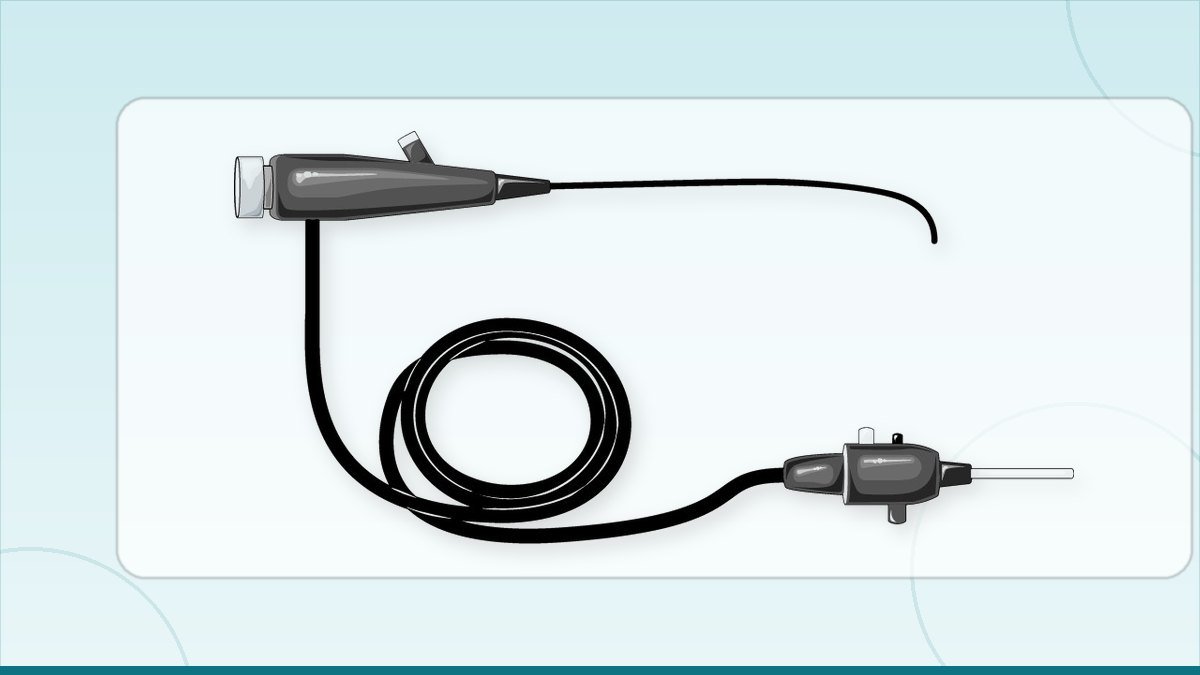
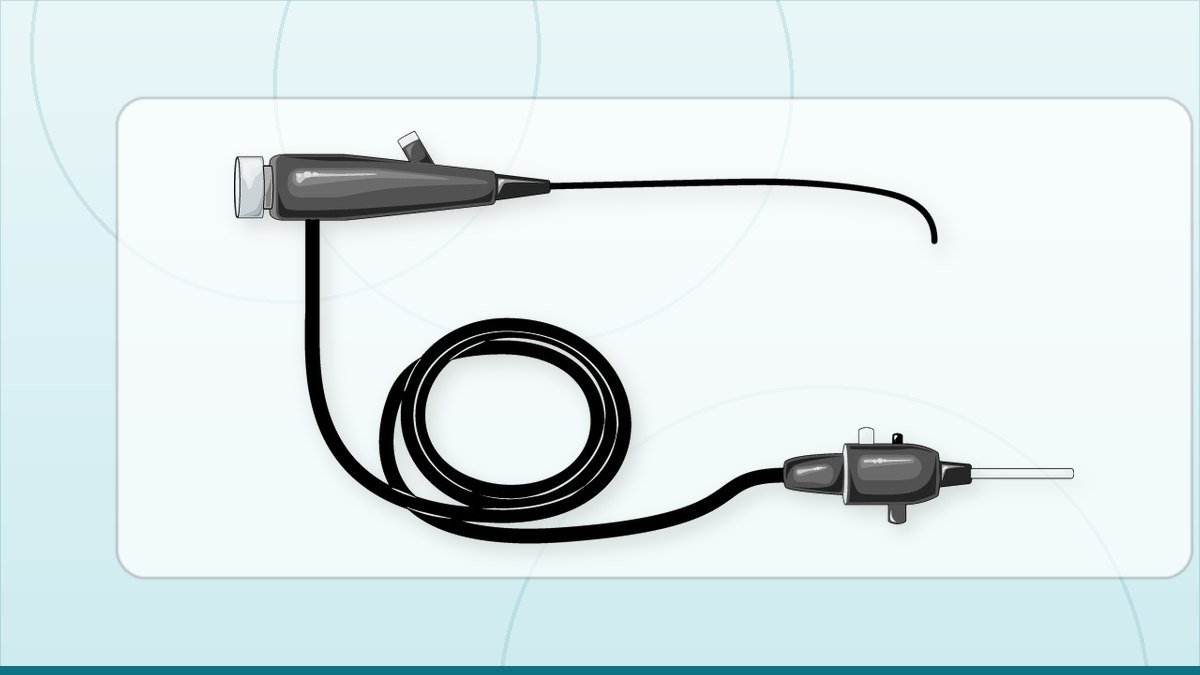
Full endoscopic discectomy uses a thin tube with a camera and light at its tip, passed through a puncture rather than a cut. Water flows continuously through the tube to keep the view clear. The surgeon works while watching a screen. Because the tube slides between muscle fibres instead of stripping them off the bone, there is less tissue disturbance and usually less blood loss.
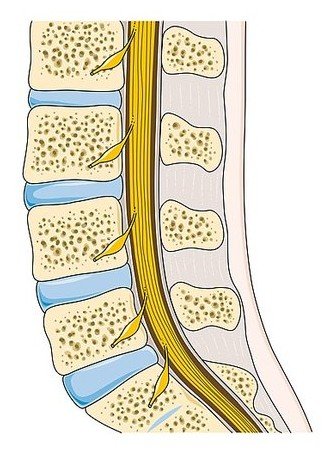
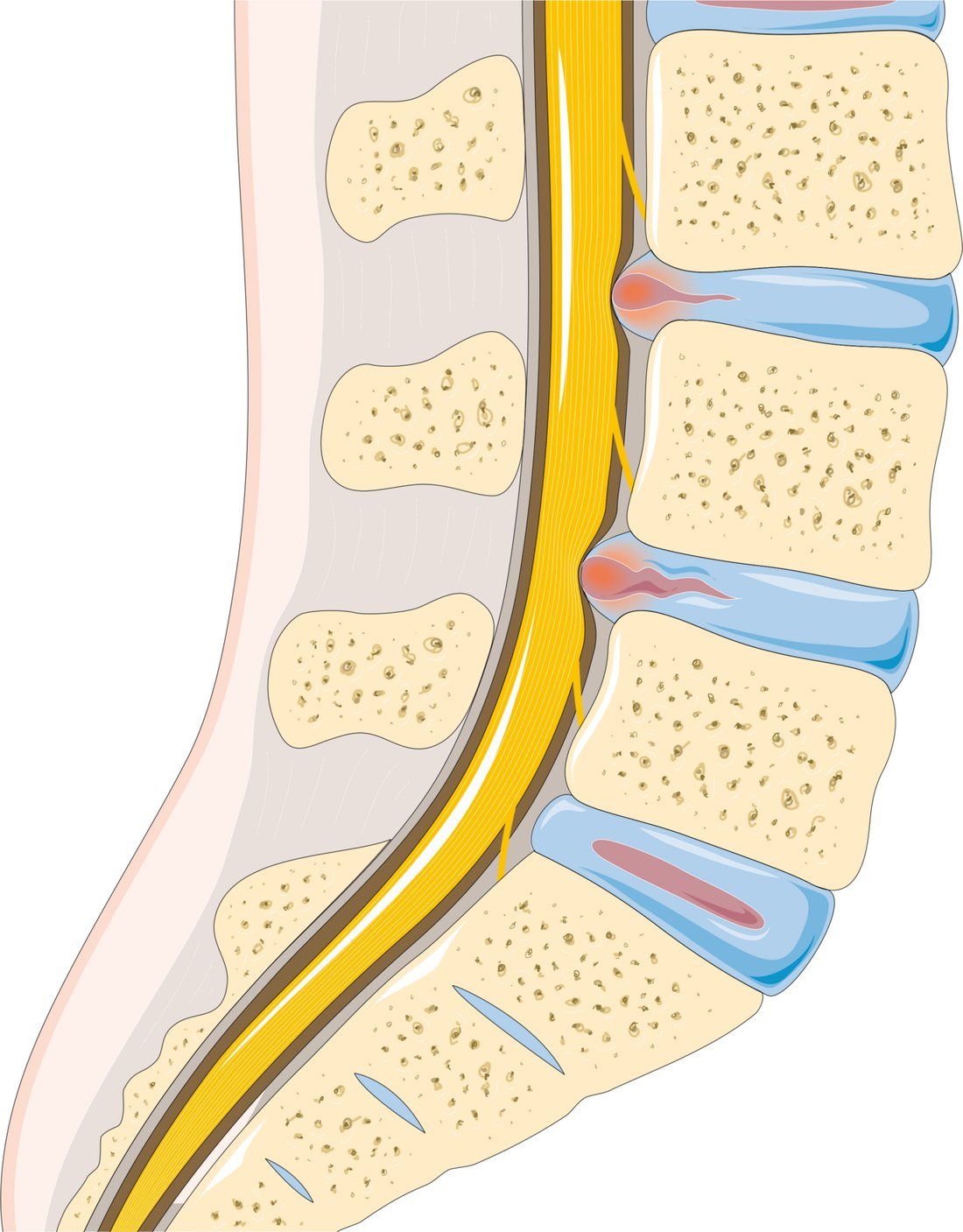
A point worth understanding before you sit in any clinic: neither operation removes the whole disc. Your disc stays in place. Only the piece that has escaped and is sitting on the nerve is taken out. When people say the doctor will nikal dega saara disc, that is not what happens.
Do I even need surgery, or will this settle on its own?
Most back pain never needs an operation. A large share of sciatica, the shooting taang mein dard that follows a slip disc, settles over weeks with time, medicine and movement, even when the MRI looks frightening.
Surgery is worth discussing when one of these is true:
- Leg pain that is worse than the back pain and has not improved after roughly six to eight weeks of proper non-surgical treatment.
- Weakness you can see and test, such as a foot that drags or a knee that gives way.
- Pain severe enough that you cannot sleep, work or pray normally despite adequate medication.
Two situations are emergencies and should not wait for an appointment. Loss of control over urine or stool, and numbness in the saddle area between the legs, together with leg weakness, means you go to a hospital emergency the same day. So does weakness that is getting worse by the day rather than staying the same.
Almost every patient tries something else first. Hakeem, malish, cupping, a neighbour who cracks backs. Some of it gives temporary relief and none of it moves a disc fragment off a nerve. There is no harm in a few weeks of rest and physiotherapy. The harm comes from months of forceful manipulation while a foot is quietly getting weaker.
A surgeon who looks at your scan and tells you that you do not need surgery is not losing a case. He is doing his job.
Which one does my MRI point to?
The scan, not the brochure, decides. What the surgeon is looking at is where the fragment sits, how big it is, whether it has travelled up or down away from the disc space, whether it has turned hard and bony, and how much room is left in the canal overall.
Endoscopic discectomy tends to be the natural fit when:
- The herniation is at one level and sits close to the disc space rather than having migrated far.
- The fragment is out to the side, in the foramen or beyond it, where the endoscope can reach it from an angle that spares the facet joint.
- The main problem is a single trapped nerve root, not widespread narrowing.
- General anaesthesia is risky for you because of heart, lung or uncontrolled sugar problems, since some endoscopic approaches can be done awake with sedation.
Microdiscectomy tends to be the better fit when the fragment is very large, has migrated well above or below the disc, has calcified into something hard, or when there is significant canal narrowing that needs a wider decompression than a single working channel gives.
The honest version is that these lists overlap heavily, and the overlap widens with the surgeon's experience. An experienced endoscopic surgeon will do endoscopically what another surgeon would open. A good surgeon tells you which one he can do safely for your scan, and does not pretend one technique answers every picture.
Is microdiscectomy worth it if endoscopy exists?
Yes, and this needs saying clearly, because patients now arrive asking for the endoscope by name. Microdiscectomy has the longest and best documented track record of any operation for sciatica. When comparative studies put the two side by side, leg pain relief and patient satisfaction come out broadly similar.
Where endoscopic surgery shows its advantages is around the operation rather than in the final result: smaller wound, less muscle damage, less blood loss, shorter hospital stay, less need for strong painkillers in the first days. Those are real benefits and they matter, particularly to a labourer who cannot afford a long recovery.
What endoscopy does not do is make a bad decision into a good one. Operating on a scan that does not match the patient's symptoms fails just as reliably through a 8mm tube as through a 25mm incision.
So the question is not which technique is more advanced. The question is which one this surgeon, on this scan, can complete safely and completely. A fragment left behind because the approach was too narrow is a worse outcome than a slightly bigger scar.
Is endoscopic spine surgery safe?
In trained hands it is a safe operation with a complication rate comparable to microdiscectomy. The risks are the same ones that belong to any lumbar disc surgery, and they are uncommon rather than theoretical.
What can go wrong, honestly:
- A tear in the covering of the nerves, which is usually managed at the time of surgery.
- Infection, which is rare and treatable.
- Numbness or irritation along the nerve for some weeks after surgery.
- The same disc herniating again, which can happen after either operation.
- Incomplete relief, particularly if the nerve has been compressed for a very long time.
The single biggest safety factor is not the equipment. It is how many of these cases the surgeon has done. Endoscopic spine surgery has a steep learning curve and the difficult part is orientation, knowing exactly where the camera is in relation to the nerve. Ask directly how many endoscopic cases the surgeon performs and what he does if he cannot reach the fragment through the scope. The right answer is that he converts to an open microdiscectomy in the same sitting. A surgeon who says that will never happen is telling you something about himself, not about the technique.
On the fear underneath the question: a lumbar discectomy is performed well below where the spinal cord ends, around a single nerve root. Paralysis from this operation is very rare. The greater practical risk for most patients in Punjab is waiting so long, through months of malish and taweez, that a weak foot never fully recovers.
How long is the recovery, and when can I go back to work?
Leg pain often improves the same day, sometimes before the patient has left the recovery area, because the pressure on the nerve is gone. Back soreness at the wound settles over a week or two.
After endoscopic discectomy most patients walk within a few hours and many go home the same day or the next morning. After microdiscectomy the usual stay is a day or two. Both are ordinarily quicker to recover from than people fear.
Desk work, teaching and shop counter work usually resume within roughly two to four weeks. Heavy manual work, driving a loaded rickshaw or Suzuki, lifting sacks, and farm labour need longer and need a specific clearance from your surgeon rather than a guess from a relative. Numbness in the leg can take months to fade even when the pain has gone, because a compressed nerve heals slowly.
If you are travelling in from Jhang, Sargodha, Chiniot or Toba Tek Singh, plan the journey home. A two hour van ride on the day of surgery is uncomfortable even when the operation went perfectly. Ask before admission whether you should stay one night in Faisalabad.
What does endoscopic spine surgery cost in Pakistan?
There is no single fixed price, and anyone quoting one over the phone before seeing your MRI is guessing. Costs in PKR vary by city, hospital, whether the case is done in a private or public setup, the length of stay, and how complicated your particular disc is.
Endoscopic surgery is often priced higher than microdiscectomy in Pakistan because of the equipment involved. A shorter hospital stay and a faster return to earning offsets part of that difference for some families, but do not assume it does.
Ask for a written quote, itemised, before you agree to anything. It should list:
- Surgeon fee
- Anaesthesia fee
- Operation theatre and equipment charges
- Hospital room and number of nights included
- Medicines and investigations
- Follow-up visits, and what a repeat MRI would cost if one is needed
- What happens to the bill if the plan changes during surgery
If you have employer cover or a state health card, ask the hospital admissions desk in writing what is included for spine surgery before the date is fixed, not on the morning of admission. Families in Pakistan usually decide these things together, and a clear written number on the table makes that conversation far easier than a verbal estimate that shifts.
For the full cost breakdown, see what endoscopic spine surgery costs in Pakistan.
How do you choose the surgeon, and what should you do next?
Bring the actual MRI, not just the report, and not just a photo of the report on a phone. The film or the CD is what the surgeon reads. Bring a list of what you have already tried and for how long.
In the consultation, three questions separate a straight answer from a sales pitch:
- Does my scan explain my symptoms, or are we operating on a picture?
- What happens if I wait three more months?
- Which approach would you choose for me, and why that one for my scan?
A second opinion is normal and no surgeon should take offence at it. If two surgeons independently look at the same scan and reach the same conclusion, the family conversation gets much shorter.
Dr. M. Abdur Rehman is a consultant neurosurgeon practising at Mujahid Hospital, Faisalabad, and endoscopic spine surgery is the core of his practice. If you are searching for the best endoscopic spine surgeon in Faisalabad because a slip disc has taken over your life, bring the scan in and get a clear answer, including the answer that you do not need an operation at all. Book a consultation at Mujahid Hospital, Faisalabad, or ask for a written quote before you decide anything.
Laser spine surgery: what it actually means Read the full page on laser spine surgery: what it actually means, including who it suits, what recovery looks like and how to arrange a review.
Questions patients ask about this
Can the slip disc come back after surgery?
Yes, a disc can herniate again at the same level after either operation. Reported recurrence is broadly similar for endoscopic discectomy and microdiscectomy, and it is uncommon. Most recurrences happen within the first year. Keeping your weight down, avoiding heavy lifting early, and building core strength lowers the risk.
Will spine surgery leave me paralysed?
This is the fear that keeps most people away from the theatre, and it is the wrong fear. A lumbar discectomy works below where the spinal cord ends, around one nerve root. Serious nerve injury is rare in trained hands. The bigger practical risk is waiting so long that a compressed nerve stops recovering.
Can endoscopic discectomy be done while I am awake?
In selected cases, yes. Some full endoscopic approaches can be performed under local anaesthesia with sedation, which suits patients whose heart, lung or diabetes problems make general anaesthesia risky. Many surgeons still prefer general anaesthesia for patient comfort and stillness. Discuss both options with the anaesthetist before the day of surgery.
Is microdiscectomy outdated now that endoscopy exists?
No. Microdiscectomy has the longest track record of any sciatica operation and remains the right choice for many scans, including large calcified fragments, significant canal narrowing and repeat surgery. Newer does not automatically mean better for your particular disc. The scan and the surgeon's experience decide, not the year the technique was invented.
How do I know my leg pain is coming from a disc and not something else?
Disc-related pain usually runs from the buttock down one leg, follows a defined path, and worsens with sitting, coughing or straining. Pain in both legs with cramping on walking that eases when you bend forward suggests canal narrowing instead. Hip and knee problems also mimic sciatica. Examination plus MRI sorts this out.
Related articles
Am I a candidate for endoscopic spine surgery?
Not everyone with a slip disc needs surgery. Here is who is a candidate for endoscopic spine surgery, what…
Read this
Recovery after endoscopic spine surgery, week by week
Endoscopic spine surgery recovery time, week by week: when you walk, sit, drive, lift and return to work.…
Read this
Risks and complications of endoscopic spine surgery, honestly
An honest look at endoscopic spine surgery risks: nerve irritation, disc recurrence, conversion to open…
Read thisAll patient questions · Spine surgery in Faisalabad · Book an appointment
Ask about your own scan. Send your MRI or X-ray on WhatsApp and get a straight answer on whether surgery is needed at all, from a consultant neurosurgeon in Faisalabad.
Dr. M. Abdur Rehman is a consultant neurosurgeon in Faisalabad. Send your scan on WhatsApp and ask what it actually shows.
Published for the practice of Dr. M. Abdur Rehman, consultant neurosurgeon, Mujahid Hospital, Faisalabad. General information only, not a substitute for examination.