
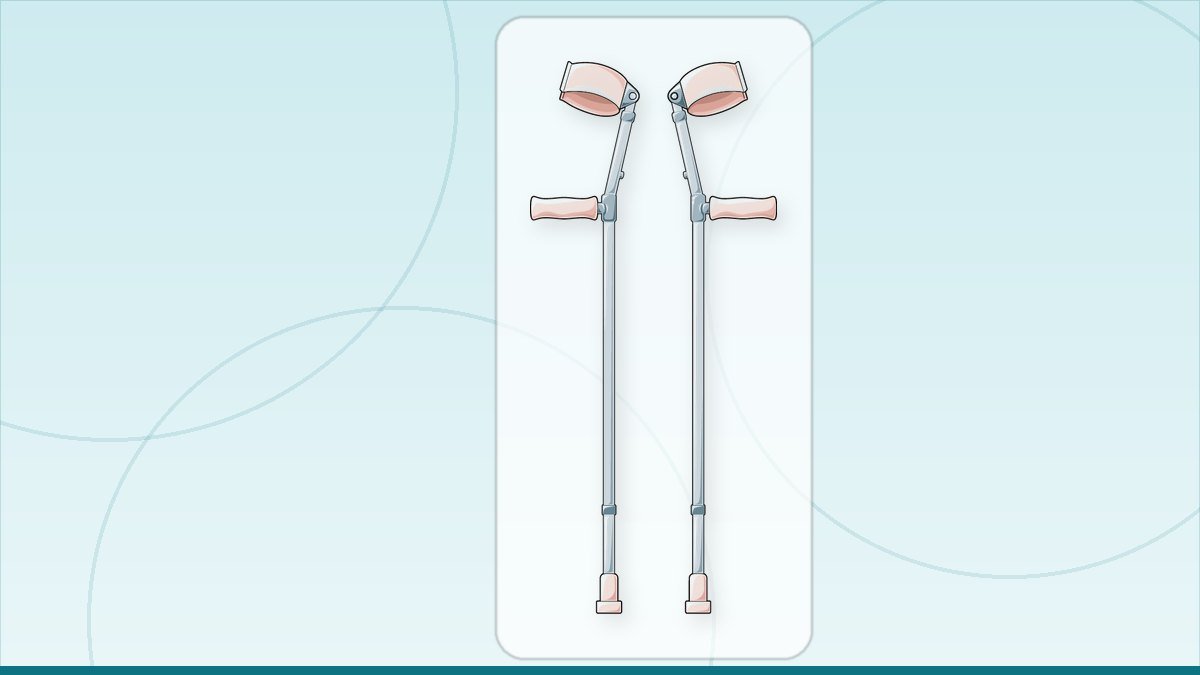
Most people walk within a few hours of endoscopic spine surgery and go home the same day or the next. Sitting and light desk work usually return in one to two weeks. Driving and normal walking distances by about four weeks. Heavier lifting and physical labour after six to twelve weeks, once your surgeon clears you.
What happens on day one after endoscopic spine surgery?
You get out of bed the same day. Once the anaesthesia wears off, the nursing staff will sit you up, then walk you to the bathroom, usually within four to six hours. Walking early is part of the treatment, not a test of bravery.
Many patients notice the leg pain has already changed. The taang mein dard that ran from the hip to the calf is often much quieter straight after surgery, because the pressure on the nerve has been lifted. What you feel instead is soreness around a wound smaller than your fingernail, and a stiff, bruised feeling in the muscle. That is expected.
Practical points for the first day:
- Eat and drink normally once the nurse allows it.
- Keep one family member with you. Someone has to carry the bag and listen to the discharge instructions, because you will not remember all of them.
- Go home in a car, with the seat slightly reclined. Not on a motorbike, not in a rickshaw over broken road.
- Take the painkillers on the schedule you are given, not only when the pain becomes bad.
Most people are discharged the same evening or the next morning. If you have travelled in from Jhang, Chiniot, Toba Tek Singh or Sargodha, ask in advance whether to book a room in Faisalabad for one night rather than driving back tired.
What can I do in week one and week two?
Week one is about walking little and often, and protecting the disc. Aim for short walks inside the house every couple of hours rather than one long walk. Ten minutes, five or six times a day, is better than an hour once.
Sitting is the part people get wrong. In the first week, sit for twenty to thirty minutes at a time, then get up and move. Sitting loads the lower disc more than standing does. Use a chair with a straight back and a small cushion or rolled towel in the curve of your back. Avoid low sofas and avoid sitting cross legged on the floor.
Three things to keep away from in the first two weeks:
- Bending forward from the waist to pick things off the floor.
- Twisting, especially twisting while holding something.
- Lifting anything heavier than a filled kettle. No children, no water cans, no suitcases.
Keep the dressing dry. Your surgeon will tell you when you can shower, often after a few days, and the wound is usually checked around day ten to fourteen. A little swelling or bruising near the incision is normal. Spreading redness, discharge, fever or a wound that keeps leaking clear fluid needs a same day phone call, not a wait until the next appointment.
By the end of week two most people are walking comfortably around the house and street, sitting through a meal, and off the strongest painkillers.
When can I sit properly, drive, and go back to work?
Sitting for a full working session usually feels normal somewhere in week two to week three. Driving usually becomes safe between two and four weeks, but the rule is not the calendar. You can drive when you are off strong painkillers, when you can turn your head and shoulders to look behind you, and when you could stamp on the brake hard without hesitating.
Return to work depends entirely on what your work actually is. Tell your surgeon what you do in a normal day, in detail, because "office job" and "shop job" mean very different things.
- Desk work, teaching, clerical: commonly one to two weeks, sometimes three, with breaks to stand up.
- Shopkeeper, tailor, standing work: often two to four weeks, starting with half days.
- Driver: four to six weeks is common, because sitting plus vibration is harder on the back than either alone.
- Labourer, farmer, loader, mechanic: six to twelve weeks, and returning gradually.
Motorbike riding is its own question. The jolting on rough roads travels straight into the lower back. Most surgeons ask patients to wait about four to six weeks before riding, and longer before riding daily with a pillion or a load.
If your employer needs a letter with dates, ask for it at the discharge or the first follow up. It is much easier to get then than a month later.
When is it safe to lift, bend and do physical work again?
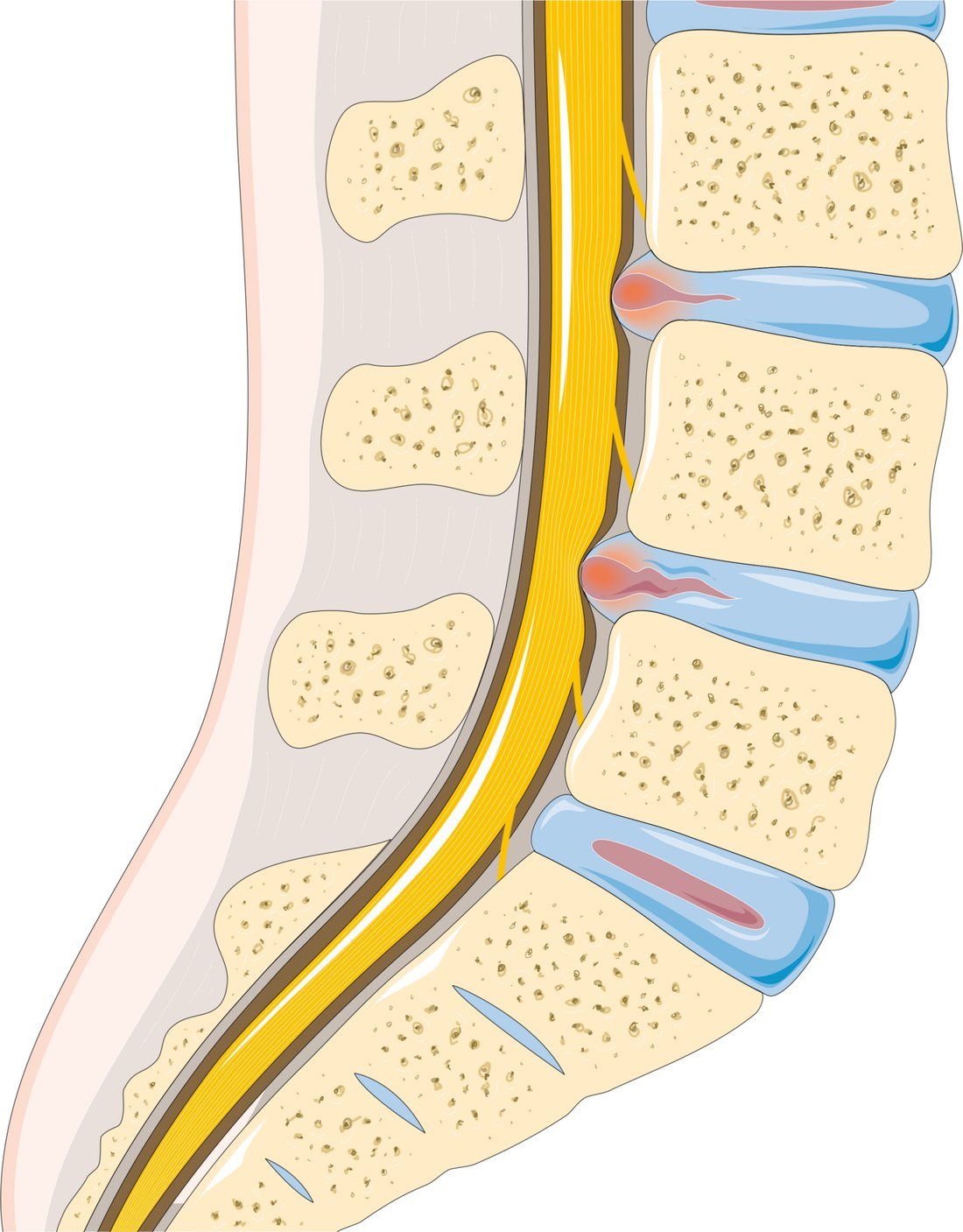
Six weeks is the usual turning point. The outer wall of the disc, the part that tore and let the fragment escape, takes roughly six weeks to form a decent repair. Until then, heavy bending and lifting put the healing area under the exact load that caused the problem in the first place.
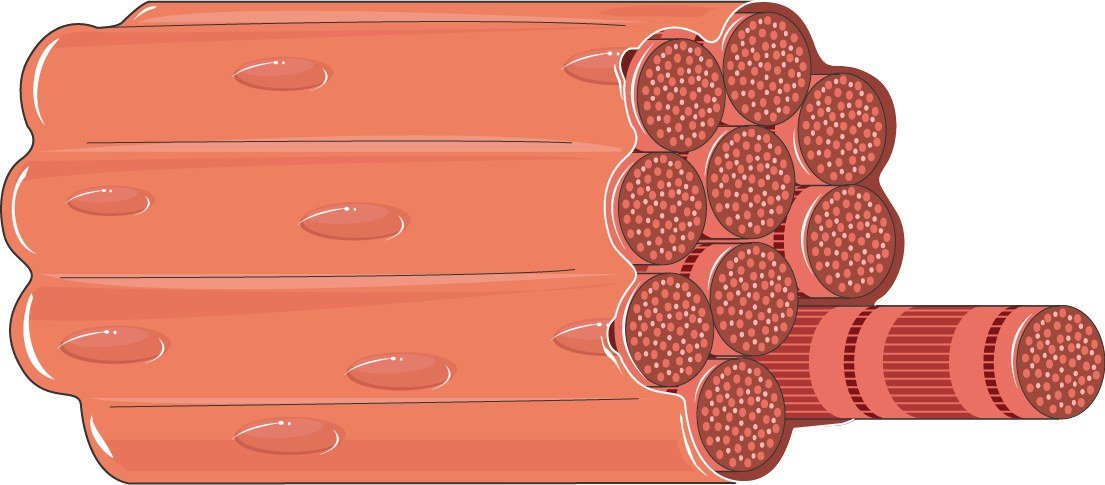
From about week six onward, most patients begin progressive strengthening rather than jumping straight back to full loads. That means starting light and adding weight over several weeks. A structured physiotherapy programme helps here, and it matters more than any single exercise. Core and hip strength take the demand off the lower back.
How to lift for the rest of your life, not just for six weeks:
- Bend at the hips and knees, keep the back straight, keep the load close to your chest.
- Turn with your feet, never twist with a weight in your hands.
- Split heavy loads into two trips. Two trips cost nothing.
Recurrence is worth knowing about honestly. In a small minority of patients, the disc herniates again, and the risk is highest in the first few months. The things that raise that risk are heavy repeated bending, smoking, and going back to full physical work too early. Smoking slows disc and wound healing, so if you were ever going to stop, this is the window.
Is endoscopic spine surgery safe?
It is an established technique with a good safety record, and the risks are small but real. Because the surgeon works through a tube of a few millimetres and separates the muscle instead of cutting it, there is less muscle damage, less blood loss and less wound pain than with open surgery. That is where the faster recovery comes from.
The risks to be told about, in plain words: infection, a tear in the covering of the nerves that can leak spinal fluid, temporary nerve irritation with tingling or a burning feeling in the leg, incomplete relief of symptoms, and the disc herniating again later. Occasionally a case has to be converted to open surgery during the procedure, and you should be consented for that possibility.
Now the fear almost nobody says out loud. Paralysis. In lumbar disc surgery, permanent paralysis is very rare. In practice the bigger nerve risk usually runs the other way: leaving a severe compression untreated when there is real weakness or bladder involvement. Nerves that have been squeezed for months recover less completely than nerves that were freed early.
Go to an emergency room the same day, do not wait for an appointment, if you have any of these:
- Difficulty passing urine, or leaking without feeling it.
- Numbness around the groin, buttocks or inner thighs, the area that would touch a saddle.
- Weakness in both legs, or a foot that has suddenly started dragging.
These are emergency signs before surgery and after it.
Is laser spine surgery the same thing, and is it effective?
No, they are not the same, and this confuses a lot of patients. Endoscopic spine surgery means the surgeon passes a camera and instruments through a small tube, sees the nerve and the disc fragment directly on a screen, and removes the fragment. "Laser spine surgery" describes an energy source, not an operation. A laser can be one of several tools used inside a procedure.
The honest position on lasers: the evidence supporting laser based disc treatments is weaker and less consistent than the evidence for removing the fragment under direct vision, whether endoscopically or by microdiscectomy. Much of what is advertised as laser spine surgery is a marketing description rather than a distinct, better operation.
So when a centre quotes you for laser spine surgery, ask three questions and expect straight answers. What exactly will be removed, and how? Will the surgeon see the nerve directly during the procedure? What is the plan if the disc fragment cannot be reached that way?
One more mix up worth clearing. Laparoscopic surgery is keyhole surgery inside the abdomen, for gallbladder, appendix and similar. It is not spine surgery. If you have been searching laparoscopic surgery cost in Pakistan while looking for back treatment, you are reading about a different operation entirely.
What does endoscopic spine surgery cost in Pakistan?
This is answered in full on what endoscopic spine surgery costs in Pakistan, so it is not repeated here.
Do I actually need surgery, or will this settle on its own?
Most back pain is not surgical. Say that out loud before booking any operation. The large majority of episodes of kamar dard settle with time, movement, simple painkillers and physiotherapy. Even a genuine slipped disc with sciatica improves without surgery in a good number of people over roughly six to twelve weeks, because the body slowly reabsorbs the fragment.
Surgery earns its place in a narrow set of situations. Leg pain that is worse than the back pain and matches what the MRI shows. Symptoms that have not improved after a fair trial of proper non surgical treatment. Weakness in the foot or leg that is getting worse. And the emergency bladder and saddle numbness signs listed above, which need surgery urgently.
A word about what people try first. Almost every patient in Punjab has been to a hakeem, had oil malish, or let someone pull and crack the back before they reach a neurosurgeon. Gentle massage for muscular pain is unlikely to harm anyone. Forceful manipulation when you already have leg weakness, numbness or a large disc fragment is a different matter, and delaying treatment while weakness worsens is the part that costs recovery.
If a surgeon proposes an operation without an MRI, or the proposed operation does not match the level and side of your symptoms, do not sign. Ask them to show you the scan and point to the nerve being pressed.
What should I do next?
Bring three things to your consultation: your MRI on a CD or the films themselves, a list of every treatment you have already tried and for how long, and the family member who will actually be making the decision with you. Decisions about spine surgery in our families are rarely made alone, so bring that person to the first visit rather than repeating everything to them afterwards.
Ask the surgeon these questions and write down the answers:
- What exactly is pressing on which nerve, and can you show me on my scan?
- What happens if I wait three more months?
- Why this operation rather than a simpler or a bigger one?
- How many nights in hospital, and when can I return to my specific job?
- What are the chances my leg pain does not fully go away?
People searching for the best endoscopic spine surgeon in Faisalabad should judge on the answers to those questions, not on advertising. A surgeon who tells you plainly that you do not need surgery yet is giving you more valuable information than one who books you the same day.
Dr. M. Abdur Rehman is a consultant neurosurgeon and spine surgeon at Mujahid Hospital, Faisalabad. If you have an MRI and leg pain that will not settle, bring the scan in for an opinion, and ask for the quote in writing before you decide anything.
Endoscopic spine surgery in Faisalabad Read the full page on endoscopic spine surgery in faisalabad, including who it suits, what recovery looks like and how to arrange a review.
Questions patients ask about this
How long does full recovery from endoscopic spine surgery take?
Most people walk on day one and return to desk work within one to two weeks. Full recovery, meaning comfortable bending, lifting and physical work, usually takes six to twelve weeks. Nerve symptoms such as numbness or tingling can keep improving slowly for several months after that, which is normal.
Can I climb stairs after endoscopic spine surgery?
Yes, usually from day one, slowly and holding the handrail. Take one step at a time and have someone beside you for the first few days. Do not carry anything while climbing. If your home has steep or narrow stairs, sleep on the ground floor for the first week.
Why is my leg still numb after the operation?
Numbness means the nerve was compressed for a while and needs time to heal. Sharp leg pain often settles within days, but numbness and tingling improve slowly over weeks to months. Tell your surgeon the same day if you develop new weakness, spreading numbness, or any change in bladder control.
When can I travel back to my home town after surgery?
Short car journeys are fine from day one. For longer trips from Faisalabad to Jhang, Sargodha or Lahore, wait about two weeks, sit slightly reclined, and stop every hour to walk a little. Avoid motorbike and rickshaw travel on rough roads for at least four to six weeks.
Is endoscopic surgery better than microdiscectomy?
Both work well for a slipped disc pressing on a nerve. Endoscopic surgery uses a smaller opening, spares more muscle, and usually gives a faster early recovery. Microdiscectomy is a well proven operation and is sometimes the better choice depending on your scan, the size of the fragment, and your anatomy.
Related articles
Risks and complications of endoscopic spine surgery, honestly
An honest look at endoscopic spine surgery risks: nerve irritation, disc recurrence, conversion to open…
Read this
Endoscopic surgery for sciatica: when the leg pain will not settle
Endoscopic spine surgery for sciatica in Faisalabad: when leg pain needs surgery, when it does not, safety,…
Read this
Endoscopic surgery for spinal stenosis
Endoscopic spine surgery for spinal stenosis: who needs it, who does not, how the canal is opened, safety,…
Read thisAll patient questions · Spine surgery in Faisalabad · Book an appointment
Ask about your own scan. Send your MRI or X-ray on WhatsApp and get a straight answer on whether surgery is needed at all, from a consultant neurosurgeon in Faisalabad.
Dr. M. Abdur Rehman is a consultant neurosurgeon in Faisalabad. Send your scan on WhatsApp and ask what it actually shows.
Published for the practice of Dr. M. Abdur Rehman, consultant neurosurgeon, Mujahid Hospital, Faisalabad. General information only, not a substitute for examination.