
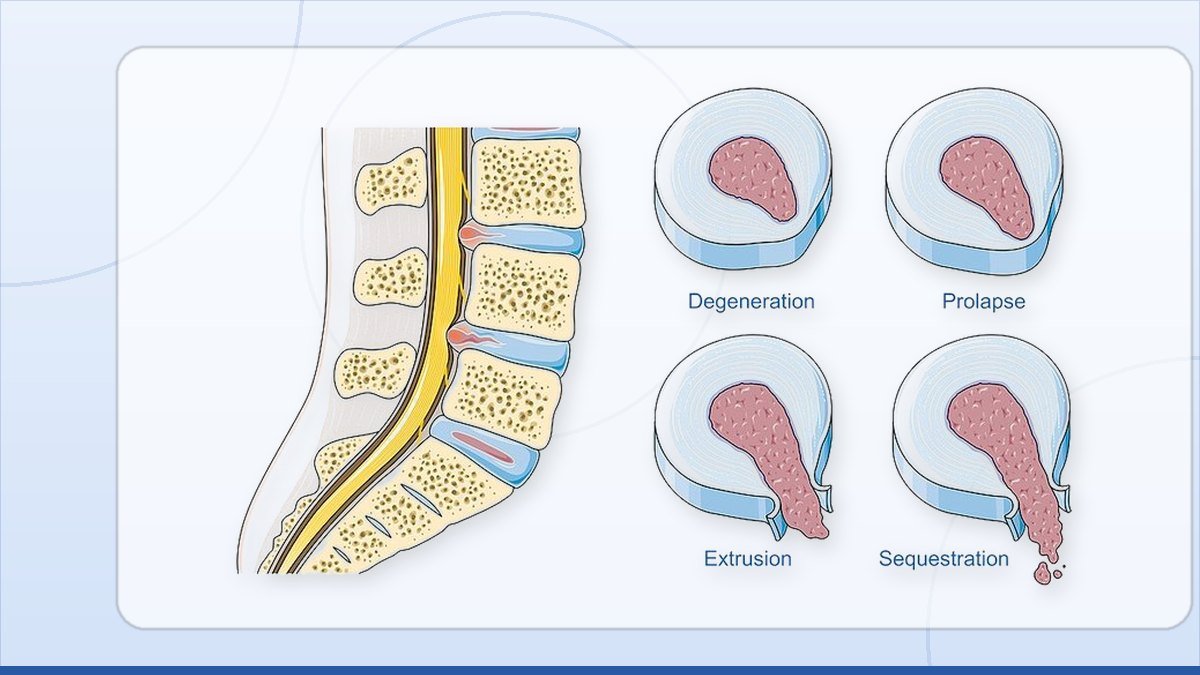
A recurrent disc herniation means disc material pushes out again at the same level after earlier surgery or after a disc had settled on its own. It usually shows up as the same leg pain returning. Most cases are treated without surgery at first. When surgery is needed, endoscopic or microscopic removal of the fragment is standard.
Why has my leg pain come back after disc surgery?
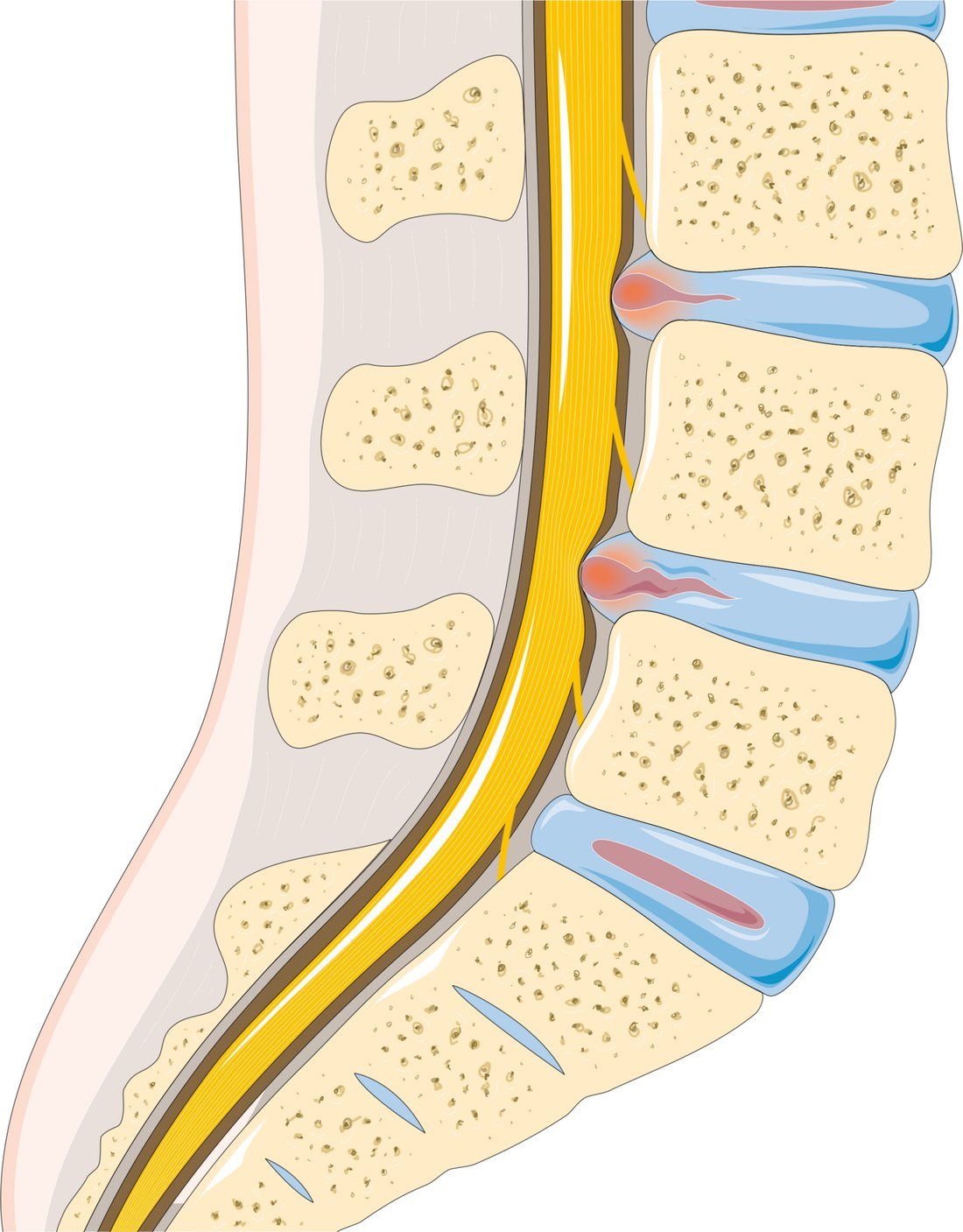
In most cases a new piece of the same disc has pushed out through the same weak spot in the disc wall. During a discectomy the surgeon removes the fragment that is pressing on the nerve, not the whole disc, because the remaining disc still works as a cushion. That remaining disc can herniate again.
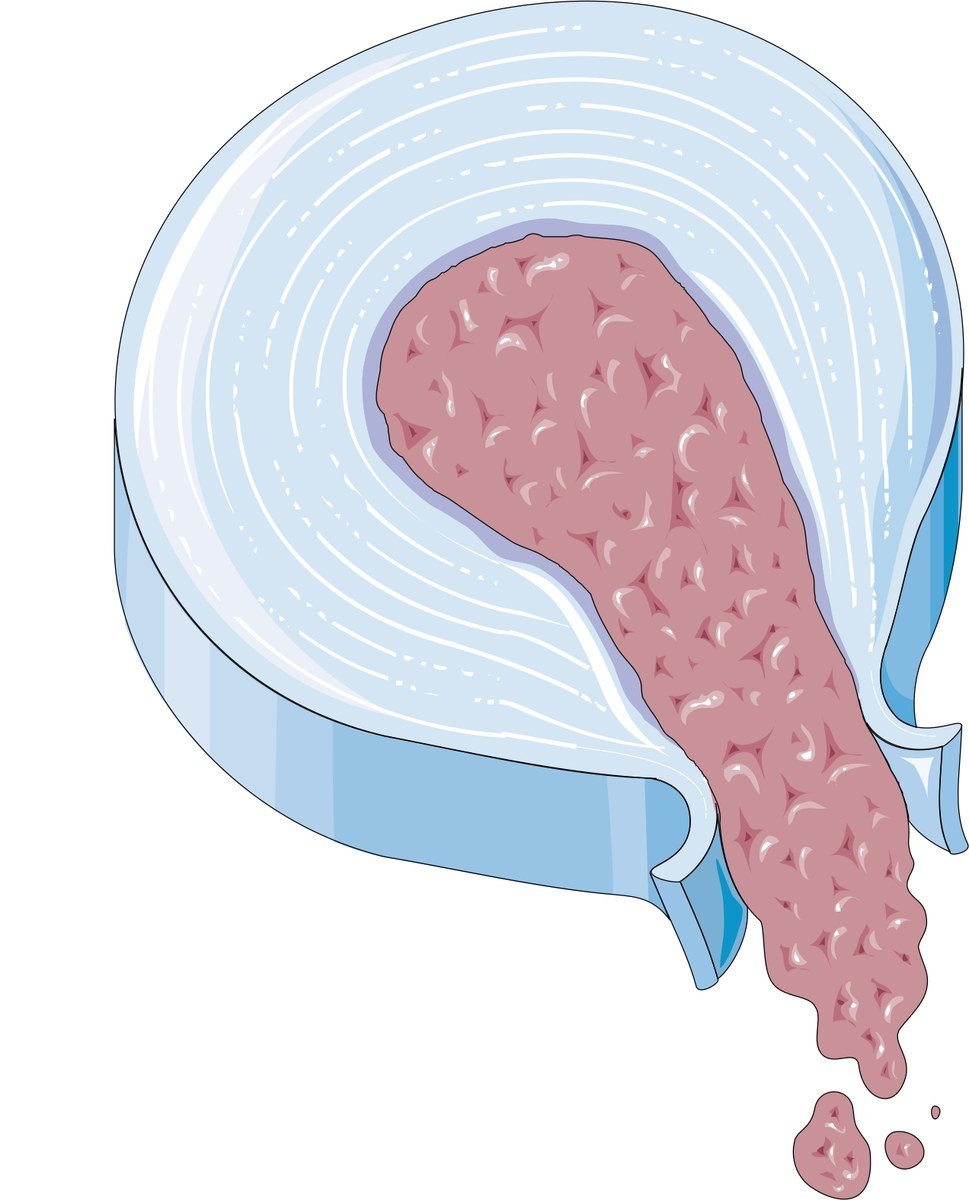
This can happen a few weeks after surgery or many years later. The classic story is a good result, months or years of relief, then the same taang mein dard coming back, often after lifting something heavy, a long journey, or a sudden twist.
Things that raise the risk are a large tear in the disc wall, smoking, diabetes, extra weight, and work that involves repeated bending and lifting. None of these mean the first surgery was done badly. A disc that has already torn once is simply a disc that can tear again.
It is not always a recurrence. Returning pain can also come from scar tissue around the nerve, a disc at a different level, the facet joints, the sacroiliac joint, or a nerve that is still recovering slowly. This is why the examination and a fresh MRI matter more than the old report.
Is a second spine surgery safe, or will I be paralysed?
Paralysis from lumbar disc surgery is very rare, first time or second time. In the lower back the spinal cord has already ended, usually around the L1 level, and what lies below is a bundle of loose nerve roots that a surgeon can move gently aside. That anatomy is the main reason this operation is as safe as it is.
Revision surgery is more demanding than the first operation, and it is honest to say so. Scar tissue sticks to the nerve and to the covering of the nerve sac, so there is a higher chance of a small tear in that covering, which is repaired at the time. Other risks are infection, temporary numbness or burning in the leg, and the disc herniating a third time.
What you should not ignore is loss of bladder or bowel control, numbness around the private parts and inner thighs, or a leg that suddenly goes clearly weak. That is an emergency. Go to a hospital the same day, not to a hakeem and not for malish.
Ask the surgeon directly how many revision cases he does, what he will do if the nerve covering tears, and what the plan is if the disc comes out again. A surgeon who answers those calmly is the one to trust.
Does a recurrent disc herniation always need surgery again?
No. Many recurrent herniations settle without surgery, in the same way most first-time slip discs do. The body reabsorbs disc material over weeks to months, and the swelling around the nerve comes down. If your pain is severe but your leg is strong and your bladder is normal, time is on your side.
Reasonable non-surgical steps include:
- Proper pain medicine, including medicines aimed at nerve pain, taken on a schedule rather than only when the pain peaks
- Staying gently active. Complete bed rest for weeks makes recovery slower, not faster
- Physiotherapy from a qualified physiotherapist, once the acute phase eases
- A nerve root block or epidural injection, which can buy real relief and sometimes avoids surgery altogether
Most people in Punjab try a hakeem, a dam, or forceful malish first. Gentle massage for kamar dard is unlikely to harm you. Forceful pulling, cracking, or someone standing on your back while a nerve is already compressed can make the leg pain worse. If a treatment sharply increases pain down the leg, stop it.
Surgery becomes the right answer when the leg is getting weaker, when pain has not improved after six to eight weeks of honest non-surgical treatment, or when the pain is severe enough that you cannot work, sleep, or pray. Back pain alone, without leg pain and without a matching MRI finding, is usually not a surgical problem.
What is endoscopic discectomy, and can it be used the second time?
Endoscopic discectomy removes the offending disc fragment through a corridor about the width of a pencil, using a camera and instruments passed down a tube. The surgeon sees the nerve on a screen at high magnification. The muscles are pushed aside rather than stripped off the bone, so there is less to heal afterwards.
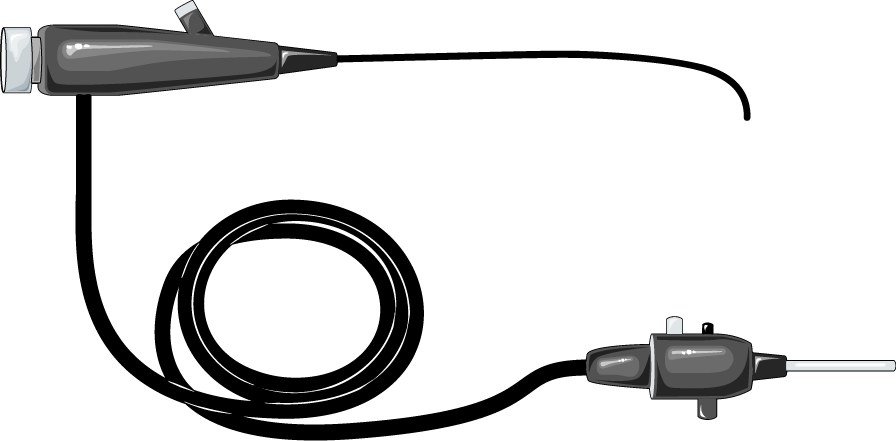
It is often a good option for a recurrence. The endoscope can frequently approach the fragment from a slightly different angle and work around the old scar rather than cutting straight through it. Because less bone and muscle are disturbed, the risk of destabilising a segment that has already had surgery is lower.
It is not right for everyone. If a lot of bone was removed the first time, if the fragment has migrated far from the disc space, if there is significant narrowing of the canal, or if the segment has become unstable, an open microdiscectomy or a fusion may be the safer plan. The MRI and the examination decide this, not a preference for the newest technique.
Most people are up and walking the same day or the next morning, with a short hospital stay. Desk work often resumes within a couple of weeks. Heavy lifting waits longer, usually six weeks or more, and your surgeon should give you that timeline in writing.
Slip disc ka permanent ilaj: is there really such a thing?
Be careful with anyone who promises a permanent cure. No treatment, surgical or non-surgical, can guarantee that a disc will never herniate again. Surgery treats the fragment that is crushing your nerve today. It does not turn a worn disc back into a young one.
What genuinely lowers your chance of a third episode is unglamorous and it works: keeping weight in a healthy range, stopping smoking, building core and hip strength under a physiotherapist, learning to lift with the legs and a straight back, and not sitting bent forward for hours on end. For men doing manual work in Faisalabad, a frank conversation about lifting technique is worth more than any supplement.
Injections, machines, and courses of sui advertised as permanent slip disc ka ilaj do not change disc biology. They can help with pain. They cannot make a promise. Judge any clinic by whether it is willing to tell you that.
What should the repeat MRI show before anyone operates?
You need a fresh MRI of the lumbar spine, not the one from before your first surgery. In a previously operated back, an MRI with contrast is often requested, because contrast lights up scar tissue differently from a fresh disc fragment. Operating on scar tissue rarely helps and can make matters worse, so this distinction is important.
The findings that support surgery are simple. There must be a disc fragment compressing a specific nerve root, and that nerve root must match your symptoms. If the MRI shows a left L5 nerve being squeezed, the pain should be running down the outer left leg to the foot. When the picture and the patient do not match, the answer is more assessment, not a quicker operation.
The MRI should also be checked for slippage of one vertebra on another, canal narrowing at other levels, and how much bone was removed previously. These change the plan from a simple revision discectomy to something larger.
What does slip disc treatment cost in Pakistan?
This is answered in full on what spine surgery costs in Pakistan, so it is not repeated here.
When is fusion considered instead of another discectomy?
Fusion is not the default for a second herniation. If a single fragment is pressing on the nerve and the spine is still stable, removing that fragment is usually enough, and it keeps your options open.
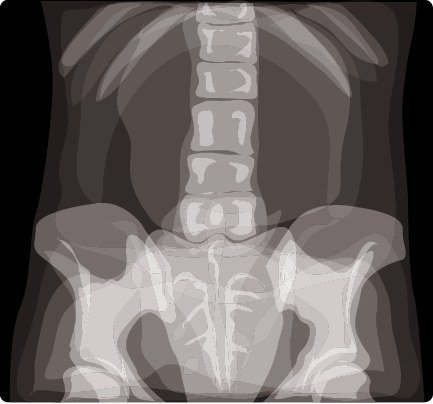
Fusion enters the discussion when the segment has become unstable, when one vertebra has slipped forward on another, when the same level has herniated repeatedly, or when the dominant complaint is severe mechanical kamar dard from a collapsed disc rather than taang mein dard from a pinched nerve. In those situations, taking out more disc material without stabilising the level can leave you worse.
Fusion is a bigger operation with a longer recovery and permanent hardware. If it is recommended, ask why a simpler operation will not do, and consider a second opinion. That request is normal and no reasonable surgeon will take offence.
What to do next in Faisalabad
Start here. Get a current MRI of the lumbar spine. Write down where exactly the pain runs, what makes it worse, whether the leg has become weak, and whether the bladder is normal. Bring your old operation notes and old films if you have them. Bring a family member, because two people remember a consultation better than one.
Then take that file to a spine specialist and ask three things: is this a recurrence or scar tissue, can this be managed without surgery for now, and if surgery is needed, why this particular operation and not a smaller one. You should leave with clear answers and a written quote.
Many families search for the best endoscopic spine surgeon in Faisalabad. The more useful test is simpler: find the surgeon who examines you properly, explains your MRI on the screen in front of you, tells you honestly when surgery is not needed, and gives you the risks in plain Urdu or English before asking for a single rupee.
Dr. M. Abdur Rehman is a consultant neurosurgeon and spine surgeon at Mujahid Hospital, Faisalabad, with a practice focused on endoscopic spine surgery and microdiscectomy. If your leg pain has returned after disc surgery, bring your MRI and your questions.
Questions patients ask about this
How soon after discectomy can a disc herniate again?
It can happen at any time, from a few weeks after surgery to many years later. Early recurrence in the first three months is less common than later recurrence. Returning leg pain that is as bad as before, especially after a period of real relief, should be assessed with a fresh MRI.
Can endoscopic discectomy be done after open surgery?
Yes, in many cases. The endoscope enters through a small corridor and the surgeon can often work around scar tissue rather than through it. Suitability depends on where the fragment sits, how much bone was removed the first time, and whether the segment has become unstable. Your MRI decides.
Is there a permanent cure for slip disc?
There is no treatment that guarantees a disc will never herniate again, surgical or non-surgical. What you can do is lower the risk. Keep your weight down, stop smoking, build core and hip strength with a physiotherapist, and learn to lift with your legs and a straight back.
Will I need a fusion if my disc herniates a second time?
Not usually. A second discectomy is the common choice when a single fragment is pressing on the nerve and the spine is still stable. Fusion is considered when there is instability, slippage of one bone on another, repeated recurrences at the same level, or severe mechanical back pain rather than leg pain.
What warning signs mean I should not wait?
Go to an emergency department the same day if you lose control of urine or stool, feel numbness around the private parts and inner thighs, or your foot or leg becomes suddenly and clearly weak. These point to serious nerve compression. Waiting to see a hakeem first can cost you recovery.
Related articles
When spine surgery does not fix the pain
Pain after spine surgery is called failed back surgery syndrome. Why it happens, when a second operation…
Read this
Endoscopic spine surgery in Faisalabad: how to arrange it
Endoscopic spine surgery in Faisalabad: what to send before your first visit, how the consultation works,…
Read this
Twelve questions to ask before you agree to spine surgery
The twelve questions to ask a spine surgeon before you agree to back or disc surgery, covering cost,…
Read thisAll patient questions · Spine surgery in Faisalabad · Book an appointment
Ask about your own scan. Send your MRI or X-ray on WhatsApp and get a straight answer on whether surgery is needed at all, from a consultant neurosurgeon in Faisalabad.
Dr. M. Abdur Rehman is a consultant neurosurgeon in Faisalabad. Send your scan on WhatsApp and ask what it actually shows.
Published for the practice of Dr. M. Abdur Rehman, consultant neurosurgeon, Mujahid Hospital, Faisalabad. General information only, not a substitute for examination.