
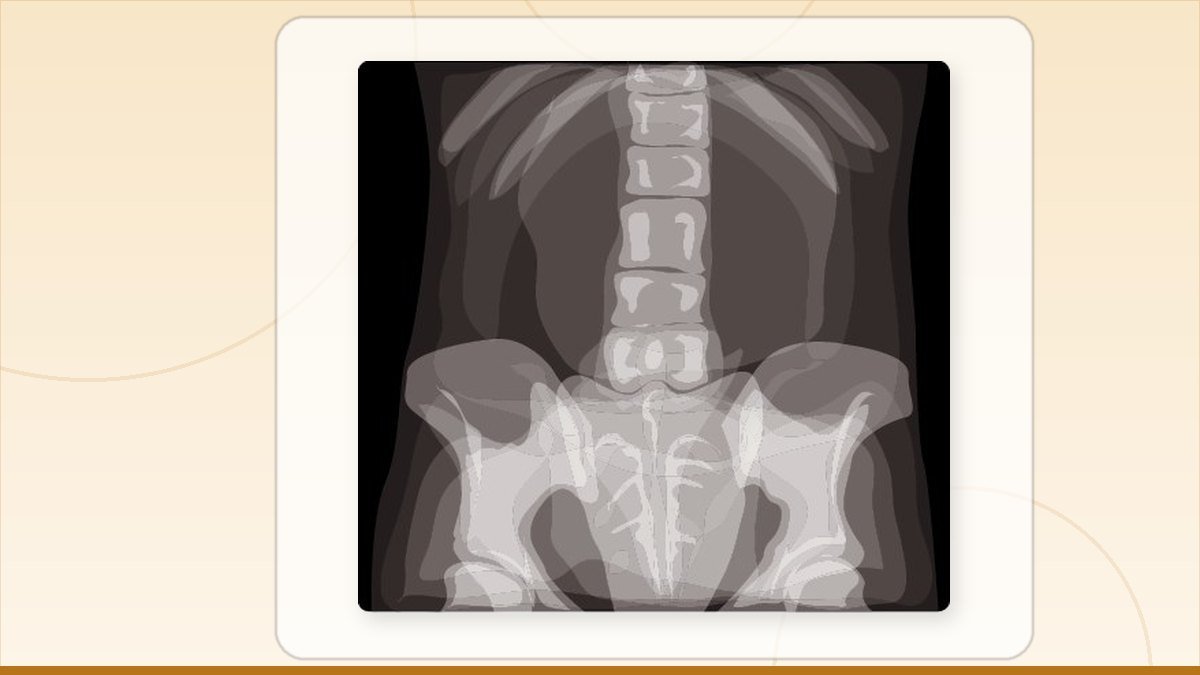
Most back pain is not dangerous. But go to a hospital today if you have loss of bladder or bowel control, numbness around the groin or inner thighs, weakness in a leg or foot that is getting worse, fever with back pain, or unexplained weight loss. These few signs need same-day assessment.
Which back pain red flags need attention today?
A red flag is a symptom that suggests the problem is more than a strained back. Most people with kamar dard have none of these. If you have even one, do not wait for a clinic appointment next week.
- Bladder or bowel changes. Trouble starting or stopping urine, not feeling the flow, leaking without knowing, or losing control of stool.
- Saddle numbness. Loss of feeling around the groin, buttocks or inner thighs, in the area that would touch a saddle.
- Weakness that is getting worse. A foot that drags or slaps the floor, a knee that gives way, difficulty standing on tiptoe or on the heel.
- Numbness in both legs, or pain that has spread from one leg to both.
- Fever or chills with back pain, especially with night sweats.
- Back pain after a fall or road accident, particularly in an older person or someone with weak bones.
These signs matter because nerves recover in a time window. Pressure that is relieved early usually recovers better than pressure that has been there for days. That is the whole reason this page exists.
Bring your MRI or X-ray CD if you have one, bring your medicine list, and bring a family member who can speak for you if you are in too much pain to explain things clearly.
Will I be paralysed? Is it too late if I have waited a few weeks?
Paralysis from ordinary back pain is very uncommon. The large majority of people with a slip disc, even those with severe taang mein dard for months, never come close to it. Fear of the wheelchair is the single most common thing patients say in clinic, and for most of them it is not the true risk.
There is one situation that is genuinely urgent. When a large disc fragment presses on the bundle of nerves at the bottom of the spine, it can affect bladder, bowel and sensation between the legs. This is called cauda equina syndrome. It is not common, but it is the reason the bladder question is asked first every time. It is treated as an emergency and needs urgent decompression, because bladder control recovers best when pressure is taken off early.
The second half of the fear is the opposite one. Many families in Punjab believe that spine surgery itself causes paralysis, so they delay for months. Modern spine surgery is done through a microscope or an endoscope, with the nerves seen directly and often monitored during the operation. Serious nerve injury is a recognised risk that your surgeon must explain to you honestly, but it is uncommon. The greater practical danger for most patients is leaving progressive weakness untreated.
If you have already waited weeks with pain but no weakness and no bladder problem, you have not missed a window. Get examined, but you are not in an emergency.
I have fever, weight loss, or a history of TB. Should I worry?
Yes, these need a proper assessment, though not always the same night. Back pain with fever, night sweats, or weight you did not try to lose suggests infection or something other than a mechanical problem.
In Pakistan, spinal tuberculosis is a real and regular cause of back pain. It usually builds slowly over weeks or months, often with night pain, tiredness, loss of appetite and weight loss. It can occur in someone with no chest symptoms at all. Many patients with spinal TB are treated with a long course of anti-TB medicines and never need an operation. Surgery is reserved for cases with nerve compression, spinal instability, or a large collection of pus.
Other things that raise concern in the same way:
- A past cancer of any kind, especially breast, prostate, lung, kidney or thyroid
- Long-term steroid use, including unlabelled steroid tablets bought for joint pain or asthma
- Diabetes that is poorly controlled, or any condition that weakens immunity
- Recent spinal injections, dialysis, or a recent infection elsewhere in the body
- Pain that is worse at rest and at night, and does not ease when you change position
Mechanical back pain usually eases when you lie down in a comfortable position. Pain that ignores position, and pain that wakes you from sleep every night, deserves imaging and blood tests.
Does my age change how worried I should be?
Yes, at both ends. New back pain in someone under about twenty, or new back pain starting after about fifty, is looked at more carefully than the same pain in a thirty-five year old.
In a child or teenager, persistent back pain is less often simple muscle strain. Causes such as infection, a stress fracture in the growing spine, or a growth in the bone are more likely than in an adult, so imaging is done earlier.
In an older adult, two things change. Bones may be thinner, so a minor fall, or even a hard cough or a sudden lift, can crack a vertebra. An older woman with sudden severe mid-back pain after a small fall should be checked for a compression fracture. Second, the chance that back pain is coming from something other than wear and tear rises with age.
Age alone is not a red flag. An older man with the same kamar dard he has had for ten years, that comes and goes with work, is usually fine. It is new pain, or a clear change in old pain, that matters.
What are the red flags for neck pain?
Neck pain has its own warning list, and it is different from the back. The spinal cord runs through the neck, so pressure there can affect the arms and legs together.
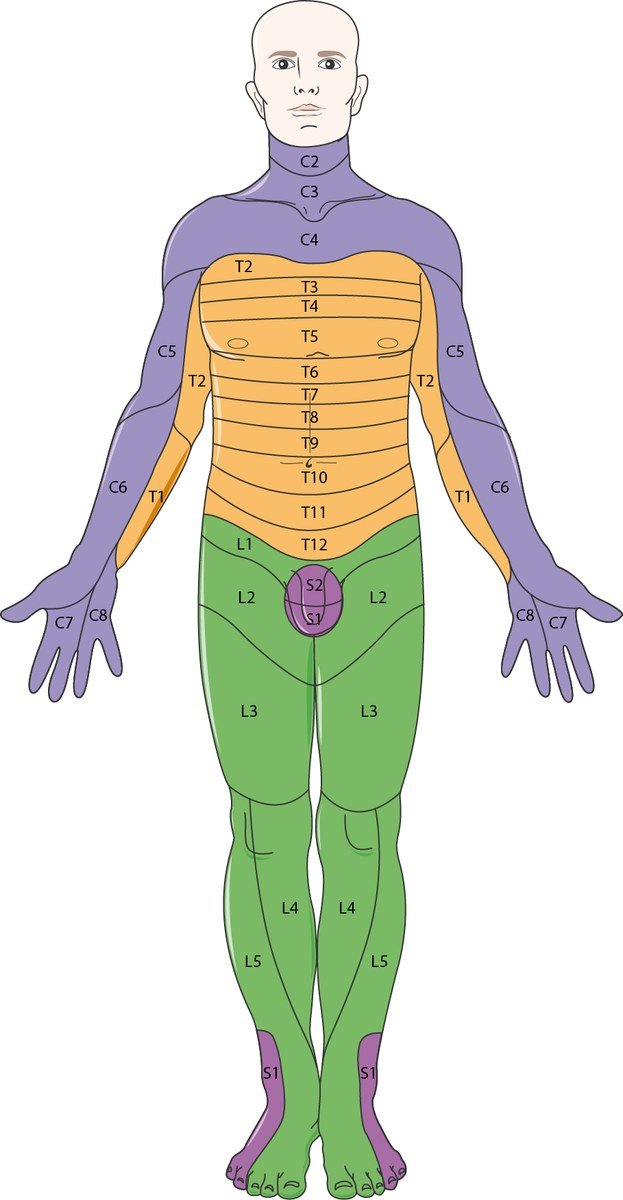
Get assessed soon if you notice:
- Hands becoming clumsy. Buttons, keys, coins and eating with a spoon become difficult
- Weakness or heaviness in an arm, or wasting of the muscles of the hand
- Unsteady walking, or a feeling that your legs are not obeying you
- Electric shock sensations down the spine when you bend your neck forward
- Neck pain with fever, or after a road accident or fall
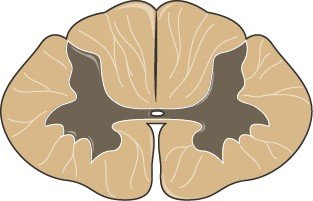
Those symptoms suggest pressure on the spinal cord in the neck, which is called cervical myelopathy. It tends to progress slowly, and treating it early protects function better than treating it late. This is not the type of neck problem that should be given months of malish first.
Ordinary neck pain, without any of these, is very common and usually muscular. Long hours on a phone or laptop, sleeping on a thick pillow, and stress all feed it. For that kind of pain, the best treatment is dull and effective: heat, gentle movement, posture correction, physiotherapy, and simple painkillers used for a short time. Most of it settles without a scan and without an injection.
When is back pain not an emergency?
Most of the time. This is the honest part of the page. The large majority of back pain is mechanical, comes from muscles, joints and discs under strain, and improves on its own over days to a few weeks.
You are probably in this group if the pain started after lifting, bending, a long drive or a change in work, if it is mostly in the back rather than shooting down the leg, if you have no weakness, no numbness in the saddle area, no bladder problem, no fever, and if it is slowly getting better rather than worse.
For that pain, surgery is not the answer and neither is bed rest. Lying flat for a week makes most backs stiffer and weaker. Keep moving within comfort, walk daily, use heat, take a simple painkiller as advised by a doctor, and start physiotherapy if it is dragging on. Even a genuine slip disc with leg pain settles without an operation in a large share of patients, given six to eight weeks and proper treatment.
About hakeem, malish and pulling. Gentle massage for a tight, sore back rarely does harm and many patients feel better after it. Two things do cause harm: forceful cracking or pulling of the spine when a red flag is present or when bones are weak, and spending weeks on home remedies while a foot drop or bladder problem quietly gets worse. Rule out the red flags first, then treat the pain any way that helps you.
Do I need an MRI, and do I need it today?
An MRI is needed today if you have emergency red flags, particularly bladder or bowel symptoms, saddle numbness, or weakness that is worsening by the hour or day. In that situation the scan guides an urgent decision.
For everyone else, an MRI can usually wait. Scanning simple back pain in the first few weeks does not change treatment and often creates new worry. Almost every adult spine MRI shows some disc bulge, dryness or degeneration. Those findings are extremely common in people with no pain at all. A report full of frightening words does not mean you need an operation.
What actually decides treatment is the match between your symptoms, your examination and the scan. A disc pressing on the exact nerve that explains your weak foot is meaningful. A bulge at a level that has nothing to do with your symptoms is not.
Practical advice for Faisalabad and the surrounding districts: get the MRI of the correct region, lumbar for kamar dard and leg pain, cervical for neck and arm symptoms. Carry the CD and the films, not only the printed report, because the surgeon needs to look at the images himself. Do not repeat a scan done a few weeks ago unless your symptoms have clearly changed.
Does a red flag always mean surgery, and what will it cost?
No. A red flag means find out what is going on, not book a theatre slot. Spinal TB is often treated with medicines for many months. A compression fracture in an older patient is often treated with a brace, pain control and bone treatment. An infection may need antibiotics. Only some red flags lead to an operation.
When surgery is genuinely needed for a disc pressing on a nerve, there are two common routes. Endoscopic spine surgery is done through a very small opening using a camera and fine instruments, working between the muscles rather than cutting through them. Microdiscectomy uses a microscope through a slightly larger but still small incision. Both aim to take pressure off the nerve and preserve the rest of the spine. Which one suits you depends on the level, the shape and position of the disc fragment, and your overall condition. A surgeon who offers only one option for every patient is not choosing, he is defaulting.
On cost, be careful with any figure quoted over the phone. Prices in Pakistan vary widely between government, trust and private hospitals, and between procedures. Ask for a written quote in PKR before you agree to anything, and ask specifically what is not in it:
- Surgeon and anaesthesia fees
- Room category and expected number of nights
- Implants or hardware, if any are planned
- MRI, blood tests and pre-operative work-up
- Follow-up visits, dressings and physiotherapy
Compare two written quotes rather than two spoken numbers. Families travelling in from Jhang, Sargodha, Toba Tek Singh or Chiniot should also ask how many days they need to stay after discharge before the road journey home.
What should you do next?
Sort your situation into one of three boxes tonight.
Emergency. Bladder or bowel change, saddle numbness, or weakness that is spreading. Go to a hospital emergency department now. Do not wait for morning, and do not stop for a massage on the way.
Needs review this week. Fever, weight loss, past TB or cancer, pain after a fall, night pain that ignores position, new pain under twenty or over fifty, or leg or arm weakness that is stable but real. Book a neurosurgery or spine consultation and bring any imaging you already have.
Ordinary back pain. No red flags, gradually improving. Stay active, use heat and simple pain relief, and see a physiotherapist if it has not settled in a few weeks. You do not need a scan and you do not need a surgeon yet.
If you are searching for the best endoscopic spine surgeon in Faisalabad, judge the answer by how the consultation goes, not by the advertisement. A good spine surgeon examines you before looking at the film, tells you plainly when surgery is not required, explains the risks in front of your family, and gives you the cost in writing. Dr. M. Abdur Rehman is a consultant neurosurgeon at Mujahid Hospital, Faisalabad, and consultations for back and neck pain can be booked there. Bring your MRI CD, your medicine list, and the person in the family who will help you decide.
Questions patients ask about this
Can a slipped disc paralyse me?
Full paralysis from a lumbar disc is rare. The real risk is cauda equina syndrome, where a large disc presses on the nerve bundle controlling bladder, bowel and sensation. That causes weakness and loss of control, and needs surgery urgently. Ordinary slip disc pain, even severe taang mein dard, does not usually do this.
I have back pain and trouble passing urine. What should I do?
Go to an emergency department the same day. Trouble starting or stopping urine, not feeling the stream, or leaking without knowing, along with numbness between the legs, is the pattern of cauda equina syndrome. It needs an urgent MRI and urgent treatment. Do not wait for a morning clinic appointment.
Is it safe to try hakeem treatment or massage for back pain first?
For ordinary mechanical kamar dard, gentle massage and rest usually do no harm. The danger is forceful pulling or cracking of the spine when a red flag is present, or losing weeks to home remedies while leg weakness worsens. If you have any red flag sign, get examined first, then choose treatment.
What does back surgery cost in Pakistan?
There is no single price. Cost depends on the procedure, the hospital, implants, length of stay and anaesthesia. Ask for a written quote in PKR before you agree, and ask what is not included, such as MRI, follow-up visits or physiotherapy. Compare two written quotes rather than two verbal figures.
Which neck pain symptoms are serious?
Neck pain with heaviness or weakness in the arms, clumsy hands, buttons and keys becoming difficult, or unsteady walking suggests pressure on the spinal cord in the neck. That needs assessment soon, not months of malish. Neck pain alone, without these signs, is usually muscular and settles with time and physiotherapy.
If surgery is on the table
If any of the above applies to you, do not wait. If a scan has already been done and surgery is being discussed, these explain it.
Related articles
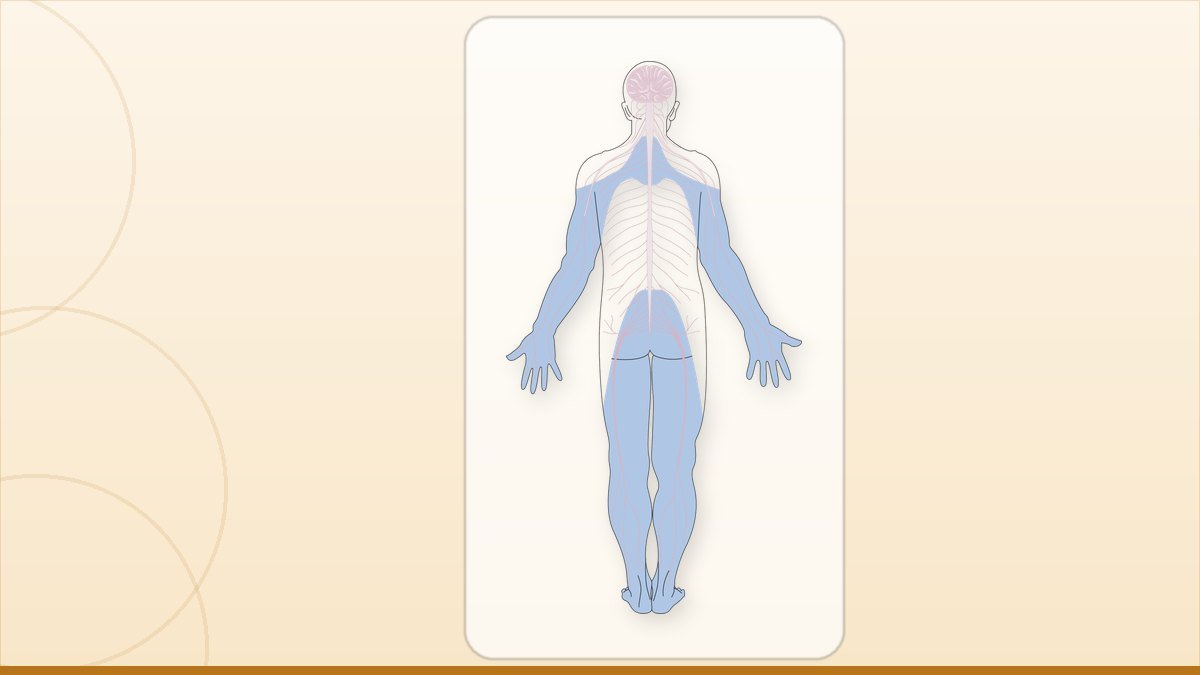
Numbness and tingling down the leg: what it means
Leg numbness causes explained: what tingling down the leg means, when it is urgent, and when surgery is truly…
Read this
Foot drop: when the foot stops lifting
Foot drop treatment: why the foot stops lifting, when a slipped disc needs surgery, and how fast you should…
Read this
Back pain that is worse at night
Back pain worse at night: what it usually means, the warning signs that need urgent tests, and when a spine…
Read thisAll patient questions · Spine surgery in Faisalabad · Book an appointment
Ask about your own scan. Send your MRI or X-ray on WhatsApp and get a straight answer on whether surgery is needed at all, from a consultant neurosurgeon in Faisalabad.
Dr. M. Abdur Rehman is a consultant neurosurgeon in Faisalabad. Send your scan on WhatsApp and ask what it actually shows.
Published for the practice of Dr. M. Abdur Rehman, consultant neurosurgeon, Mujahid Hospital, Faisalabad. General information only, not a substitute for examination.