
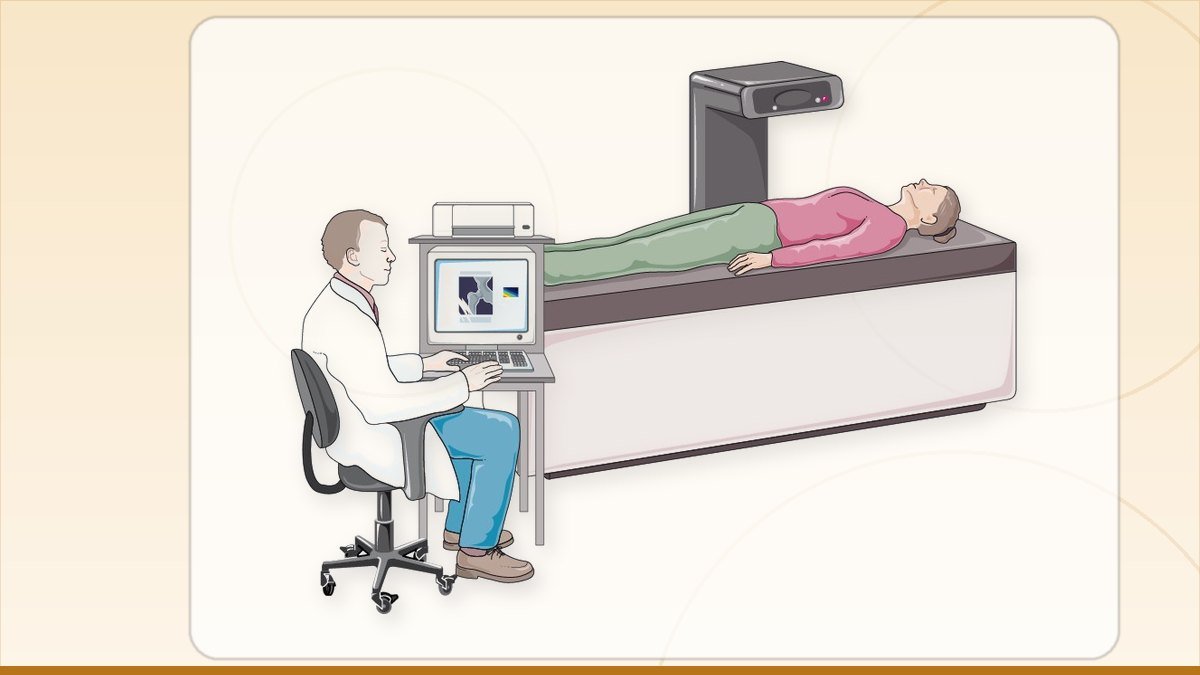
Most back pain that is worse at night is mechanical, from a tired spine, a sagging mattress or a disc that hurts when you lie still. But pain that wakes you every night, comes with fever, weight loss or night sweats, or does not ease when you change position needs an urgent doctor's assessment, not a massage.
Why is my back pain worse at night?
There are two broad explanations. Either the spine is structurally sound and lying still for hours lets stiffness and muscle spasm build up, or something inside the spine is producing pain that does not need any movement to set it off.
During the day you move. Walking and standing keep fluid moving through the joints and discs, and work or family keeps your attention elsewhere. At night all of that stops. The lower back settles into one curve for six or seven hours, small joints stiffen, and there is nothing to distract you from a pain that was there all along. This is why many people with an ordinary bad back say the pain is at its worst when they lie down and again in the first few minutes after getting up.
So the useful question is not does it hurt at night. It is does it hurt at night in a way that changing position cannot fix. Pain that eases when you roll over, put a pillow under your knees or get up and walk to the bathroom behaves like mechanical pain. Pain that stays the same no matter what you do, and pulls you out of sleep night after night, behaves differently and deserves proper testing.
Is night back pain dangerous? Will I end up paralysed?
Most people with back pain at night will never be paralysed. Paralysis comes from pressure on the spinal cord or the nerve roots, and that pressure almost always gives warning signs first, signs you can check for yourself tonight.
Go to a hospital emergency department, not a clinic in the morning, if you have any of these:
- Numbness in the area that touches a saddle, the inner thighs, the groin or around the back passage
- Difficulty passing urine, dribbling, or losing control of urine or stool
- Weakness in a foot or leg, for example the foot slapping the ground or being unable to stand on your toes or heels
- Weakness that is getting worse day by day, especially in both legs
- High fever with severe back pain, or back pain after a fall in someone elderly
If none of these are present, you have time. Time to be examined properly, time to get the right tests, and time to try treatment that is not an operation. Fear pushes families into rushed decisions, and a rushed spine operation is worse than a slow, correct diagnosis.
One more reassurance, because this is the fear most people in Punjab carry. Tuberculosis of the spine, which is a real cause of night back pain here, is not a sentence to a wheelchair. Caught before the cord is squeezed, it is treated mainly with a long course of anti-TB medicine, and most patients walk normally afterwards. The danger is in ignoring it for months, not in having it.
When is it just an ordinary tired back?
Ordinary mechanical back pain has a recognisable pattern. It moves with you, it responds to position, and it comes and goes over weeks and months rather than climbing steadily upward.
Signs that point towards the ordinary kind:
- The pain eases when you change position or get up and move
- It is worse after a long day, heavy lifting, a long drive or hours sitting on the floor
- Mornings are stiff for ten or fifteen minutes, then loosen up
- No fever, no weight loss, no night sweats, no drenching of the clothes
- It started around a particular event, a shift of furniture, a wedding, a pregnancy, a new job at a desk
For this kind of kamar dard the plan is simple and boring. A firm mattress, not a soft one that lets your hips sink. A pillow between the knees if you sleep on your side, or under the knees if you sleep on your back. Keep walking. Simple pain medicine if your doctor agrees it is safe for your stomach and kidneys. Physiotherapy and core strengthening once the sharp phase passes.
The thing most people get wrong is bed rest. More than a day or two of lying flat makes mechanical back pain worse, not better. Muscles weaken quickly and the stiffness deepens.
What has to be ruled out before anyone talks about surgery?
A short list of conditions produces true night pain, the kind that does not care what position you are in. Every one of them is a reason to test rather than to operate straight away.
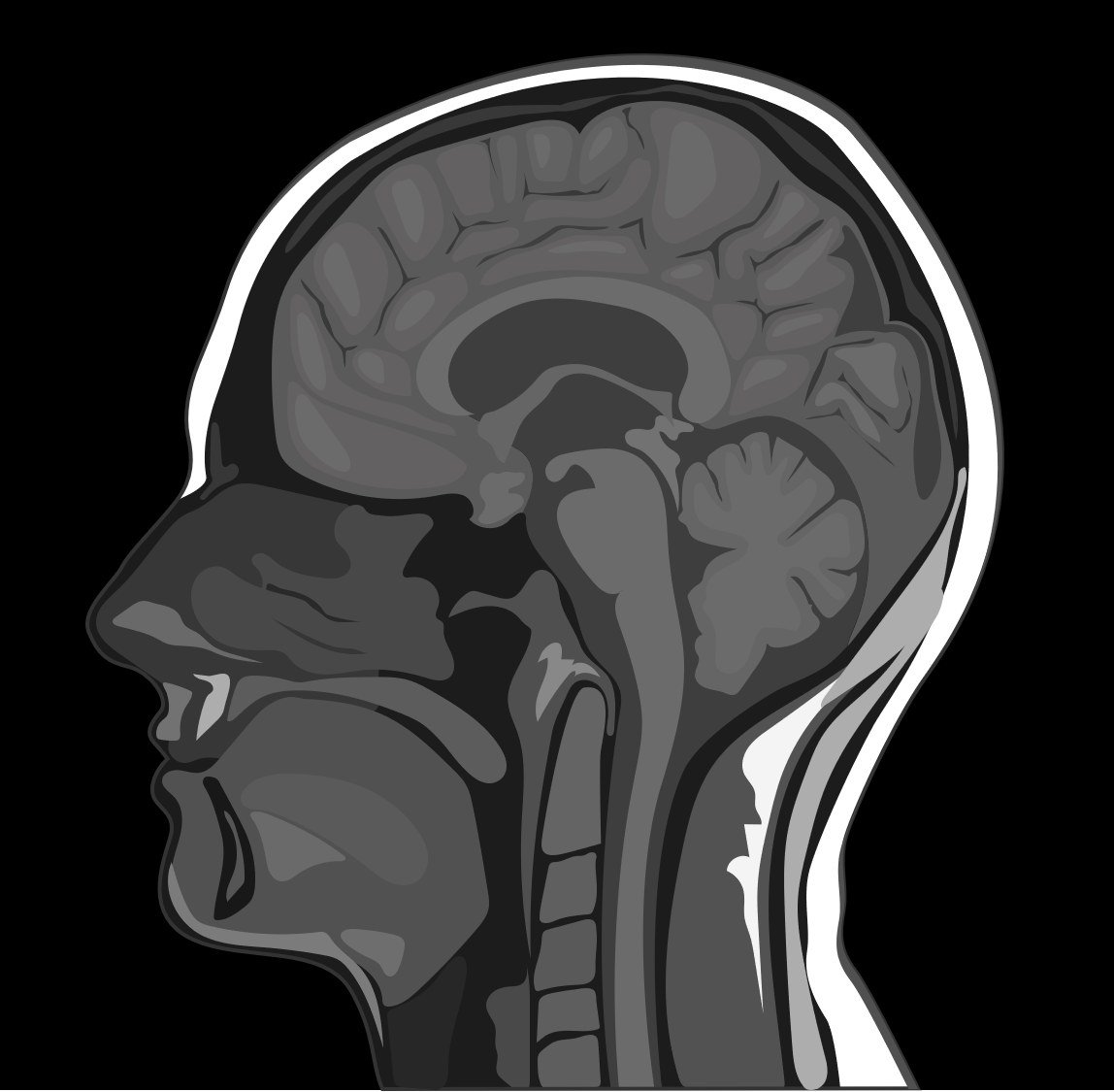
- Tuberculosis of the spine. Common enough in Pakistan that any doctor here should think of it. The pattern is constant back pain building over weeks to months, low grade fever that rises in the evening, night sweats, loss of appetite and weight, sometimes a swelling over the back or a stoop developing.
- Infection of a disc or vertebra. More likely in people with diabetes, recent surgery, drips or dialysis. Severe unrelenting pain with fever.
- Tumour, or a cancer that has spread to the spine. Suspected when back pain starts fresh after the age of fifty, in anyone with a past cancer, or alongside unexplained weight loss.
- Inflammatory arthritis of the spine. Typically a young adult, pain in the second half of the night that wakes them at three or four in the morning, more than half an hour of morning stiffness, and improvement with exercise rather than rest. This is a rheumatologist's condition, not a surgeon's.
- Fracture from thin bones. Older patients, sometimes after a minor fall or nothing at all, with sudden localised pain.
Spinal TB deserves a sentence of its own because so many families fear the word. Treatment is a long course of anti-TB drugs supervised by a physician, usually many months. Surgery is reserved for a specific set of problems, pressure on the cord causing weakness, a large abscess, an unstable or collapsing spine, or a deformity. Most patients never need an operation at all.
This is also why the habit of going to a hakeem or a massage centre first carries a real risk. Gentle massage on a healthy back is harmless. Forceful pulling and cracking on a spine that has TB, an infection, a fracture or a large disc pressing on a nerve can turn a treatable problem into a serious one.
Can a slip disc cause night pain and taang mein dard?
Yes, though it is not the classic pattern. A slip disc usually hurts most when you sit, bend forward, cough, sneeze or strain, and many people find lying down is the position that gives relief.
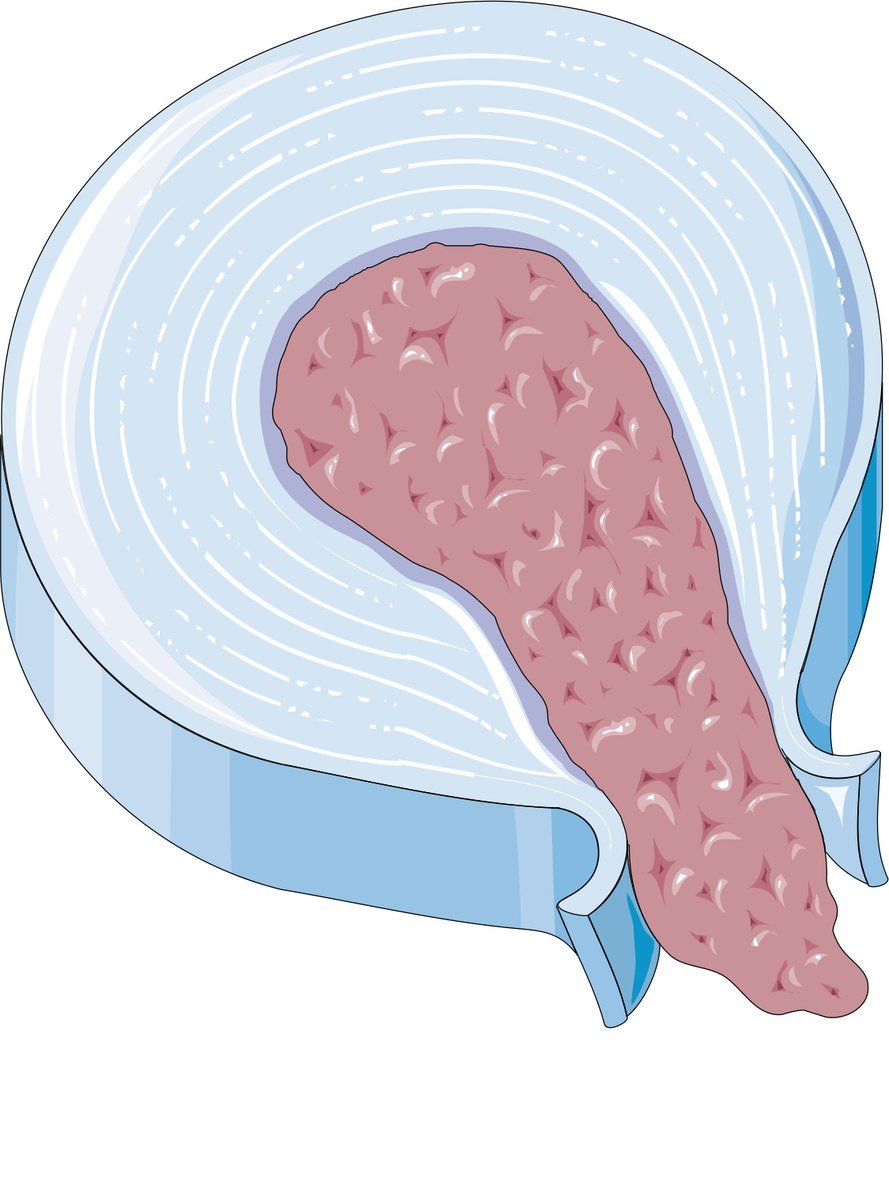
When a disc does disturb sleep, it tends to do it through the leg rather than the back. The pain runs from the buttock down the back or side of the thigh into the calf and sometimes the foot, with tingling or numbness. Turning over in bed hurts. The first two minutes after getting up hurt. That is taang mein dard from a nerve root, and it is one of the few back problems where surgery has a clear, well proven role.
Even so, most disc herniations settle. The body reabsorbs a good part of the bulge over weeks. The standard approach is time, appropriate pain and nerve pain medicine prescribed by a doctor, staying active within limits, and physiotherapy. A large share of patients who would have been offered surgery at week two are comfortable by week eight without it.
Surgery enters the discussion when severe leg pain is still there after roughly six weeks of proper treatment, when there is weakness in the leg or foot, or when there are cauda equina signs, which are an emergency. Endoscopic spine surgery and microdiscectomy are the two operations used for this, both aimed at taking pressure off the nerve rather than at removing the whole disc.
What if it is my neck that hurts at night?
Neck pain that wakes you is most often about pillows and posture, not about anything inside the spine. Too many pillows, one that is too high, or sleeping on the stomach with the head turned all night will produce exactly this pain, and so will a day spent looking down at a phone or a laptop.
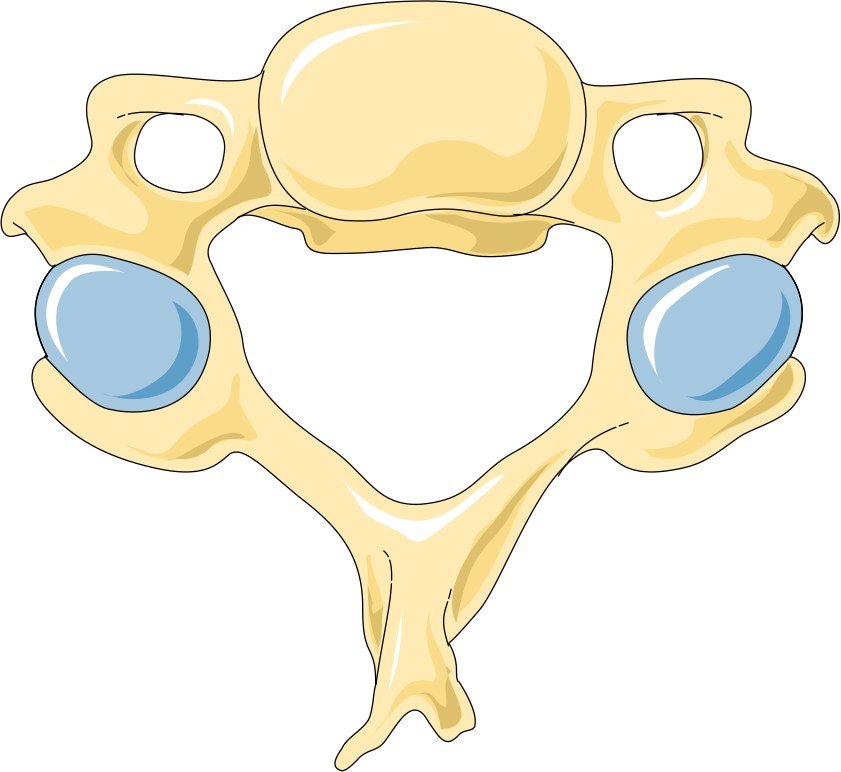
The sensible order of treatment for ordinary neck pain runs like this. First, one pillow of the right height so the neck stays in line with the spine, and a screen raised to eye level. Then heat, gentle range of movement exercises and physiotherapy. Then a short course of medicine from a doctor if needed. Nerve pain medication and, in selected cases, an injection come later. Surgery comes last and only for a specific reason.
The red flags for the neck are the ones to learn. Pain shooting down one arm with tingling in specific fingers suggests a nerve root under pressure. Clumsy hands, trouble with buttons, dropping cups, an unsteady walk or tingling in both hands suggests pressure on the spinal cord itself, and that needs a neurosurgeon promptly rather than months of physiotherapy.
Avoid having your neck twisted or cracked by anyone who has not seen an MRI or at least an X-ray. The neck is the one part of the spine where blind manipulation can do lasting harm.
Which tests will tell me what is going on?
A proper examination comes first, and it answers more than most patients expect. After that, simple blood tests and plain X-rays often separate the ordinary from the serious, and MRI is the test that actually shows discs, nerves, cord and infection.
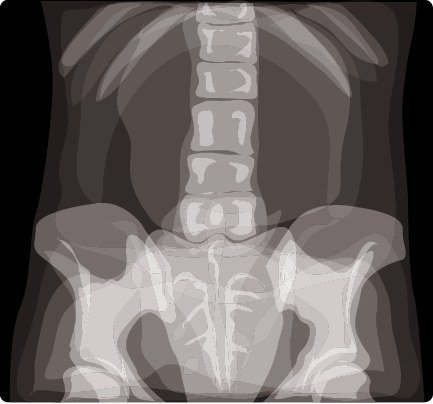
What a doctor usually orders for night back pain:
- Blood counts, ESR and CRP, which rise in infection, TB and inflammatory disease
- Plain X-rays of the affected part of the spine, standing where possible
- MRI, with contrast if infection or a tumour is a possibility
- Vitamin D, calcium and blood sugar, since deficiency and diabetes change both the diagnosis and the plan
- A needle biopsy in selected cases, when TB or a tumour has to be confirmed before starting long treatment
One caution about MRI reports, because it causes a great deal of unnecessary surgery. Bulging discs, disc dessication and mild degeneration show up on the scans of a large proportion of adults over thirty who have no pain at all. A report full of alarming words does not mean you need an operation. What matters is whether the finding on the film explains the exact symptom you have.
Ask the surgeon to open your images in front of you and point to the nerve that is being squeezed, and to explain how that matches where your pain travels. A surgeon who can do that in two minutes is a surgeon who has actually studied your case.
Do I need surgery for back pain that is worse at night?
Most people reading this do not need an operation. Spine surgery is good at one job, taking pressure off a nerve or the spinal cord, and at stabilising a spine that has genuinely become unstable or has been damaged by infection or tumour. It is much less reliable for back pain on its own.
Surgery is genuinely on the table when:
- Leg or arm pain matches a clear finding on MRI and has not settled after about six weeks of proper non-surgical treatment
- There is weakness in a limb, or weakness that is getting worse
- There are cauda equina signs, which need emergency surgery within hours
- Spinal TB or infection has caused cord compression, a large abscess, instability or deformity
- An unstable fracture is present
Where surgery is needed for a disc, endoscopic spine surgery works through a very small opening using a camera and fine instruments, so less muscle is cut and most patients go home quickly. Microdiscectomy uses a microscope through a slightly larger opening and remains a solid, well established operation. Fusion is a bigger procedure kept for genuine instability, not for routine disc problems.
Here is the honest part. If someone offers you an operation for back pain alone, with no leg pain, no weakness and no clear structural cause on your MRI, take a second opinion before you agree. That advice costs you nothing and has saved many people an unnecessary surgery.
What does spine treatment cost in Pakistan, and who should I see?
Costs vary widely across Punjab. A government hospital, a trust hospital and a private hospital in Faisalabad or Lahore can quote very different figures for the same operation, and implants change the total sharply. Rather than trusting a number over the phone, ask for a written, itemised quote in PKR before admission.
The quote should list, separately:
- Surgeon's fee and anaesthesia fee
- Hospital and room charges, and the cost per extra day if you stay longer
- Implants and consumables, if any are planned
- MRI and other tests, and pre-operative workup
- Medicines, follow-up visits and physiotherapy after discharge
- Anything specifically not included
Now the harder question, who to trust. Judge a spine surgeon by how carefully they examine you, whether they show you your own MRI and point to the problem, whether they explain the non-surgical route before offering an operation, and whether they let you take the films home and talk to your family without pressure. Bring the family member who will actually make the decision to the consultation, so the explanation is heard once by everyone.
If you are searching for the best endoscopic spine surgeon in Faisalabad, use that same test. The right answer is the surgeon who tells you clearly when you do not need surgery at all. Dr. M. Abdur Rehman is a consultant neurosurgeon and spine surgeon at Mujahid Hospital, Faisalabad, and consults on back and neck problems, disc disease and endoscopic spine surgery. Bring your MRI films, X-rays, previous reports and a list of your current medicines to the appointment.
And if you have fever with severe back pain, weakness in a leg, numbness between the legs or trouble passing urine tonight, do not wait for an appointment. Go to a hospital emergency department now.
Questions patients ask about this
Can a bad mattress really cause back pain at night?
Yes, though it is rarely the whole story. A sagging mattress lets the spine sink and hold one position for hours, which stiffens joints and muscles. If a firmer mattress and a pillow under or between the knees settles the pain within a week or two, the cause was probably mechanical.
Is night back pain always TB or cancer?
No. Most night back pain is mechanical and settles. The pattern that worries a doctor is pain that wakes you most nights, does not ease when you change position, and comes with fever, night sweats, weight loss or a past cancer. That combination needs tests, not reassurance.
Should I get a massage or go to a hakeem for back pain at night?
Gentle massage on a healthy back is not harmful. The risk is doing it blind. Forceful manipulation on a spine with tuberculosis, infection, a fracture or a large disc pressing on a nerve can make matters worse. Get a diagnosis first, then use massage and physiotherapy as part of the plan.
How long should I wait before getting an MRI?
If you have no red flags, most doctors treat for four to six weeks before ordering an MRI, because ordinary back pain improves in that time. Get the MRI sooner if you have fever, weight loss, leg weakness, numbness between the legs, bladder trouble or a history of cancer or tuberculosis.
Is endoscopic spine surgery safer than open surgery?
Both are recognised operations for a disc pressing on a nerve. Endoscopic surgery works through a very small opening with a camera, so less muscle is cut and hospital stay is usually short. Microdiscectomy uses a microscope through a slightly larger opening. The right choice depends on your MRI and your symptoms.
If surgery is on the table
If a scan has been done and surgery is being discussed, these explain the options in plain terms.
Related articles
When back pain is not coming from your spine at all
Not all kamar dard is a slip disc. A Faisalabad neurosurgeon explains back pain causes other than the spine,…
Read this
X-ray, MRI or CT for back pain: which one and when
MRI vs X-ray for back pain: X-ray shows bone, MRI shows discs and nerves. A Faisalabad spine surgeon explains…
Read this
Nerve tests (EMG and NCS) for back and leg pain
Does an EMG test for sciatica tell you if you need surgery? What EMG and NCS show, when they help, what they…
Read thisAll patient questions · Spine surgery in Faisalabad · Book an appointment
Ask about your own scan. Send your MRI or X-ray on WhatsApp and get a straight answer on whether surgery is needed at all, from a consultant neurosurgeon in Faisalabad.
Dr. M. Abdur Rehman is a consultant neurosurgeon in Faisalabad. Send your scan on WhatsApp and ask what it actually shows.
Published for the practice of Dr. M. Abdur Rehman, consultant neurosurgeon, Mujahid Hospital, Faisalabad. General information only, not a substitute for examination.