
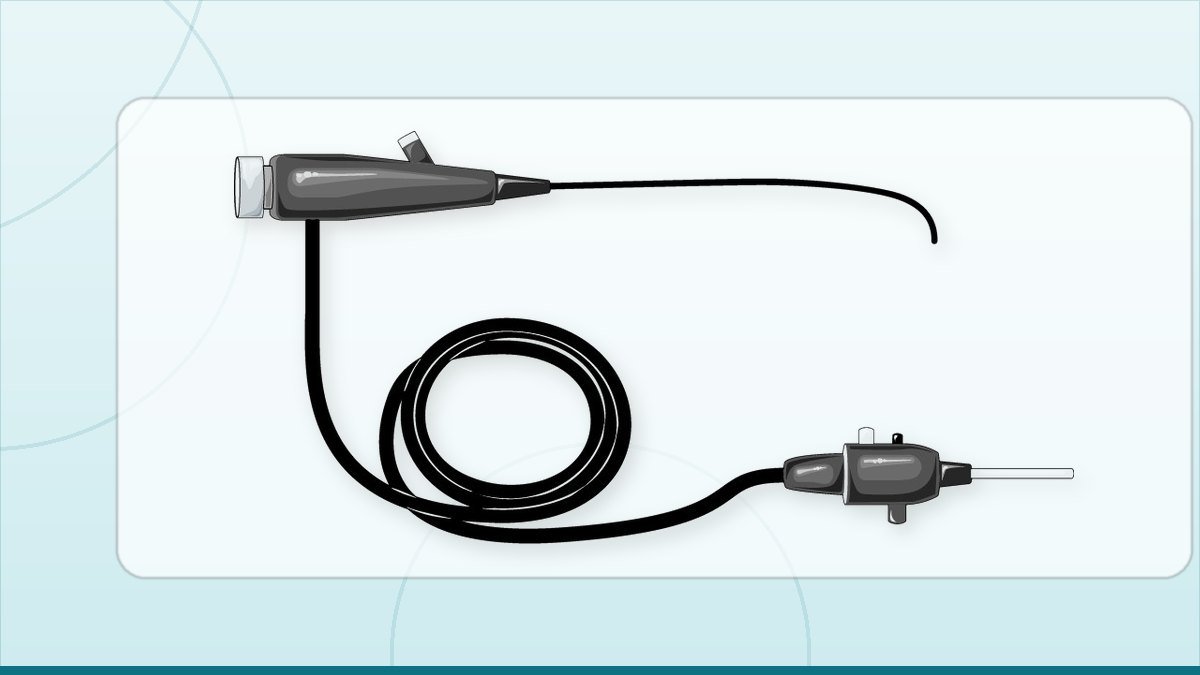
Endoscopic spine surgery removes the piece of disc pressing on your nerve through an opening of about 7 to 8 millimetres, using a camera and instruments passed down a thin tube. Muscles are pushed aside rather than cut. Most patients walk the same day. It treats nerve compression, not ordinary back pain.
What is an endoscope, and what does the surgeon actually see?
An endoscope is a rigid tube about the width of a pencil with a camera and a light at its tip. It is passed through a small opening in the skin, down to the spine, alongside the nerve. Everything the surgeon does is watched live on a screen at high magnification.
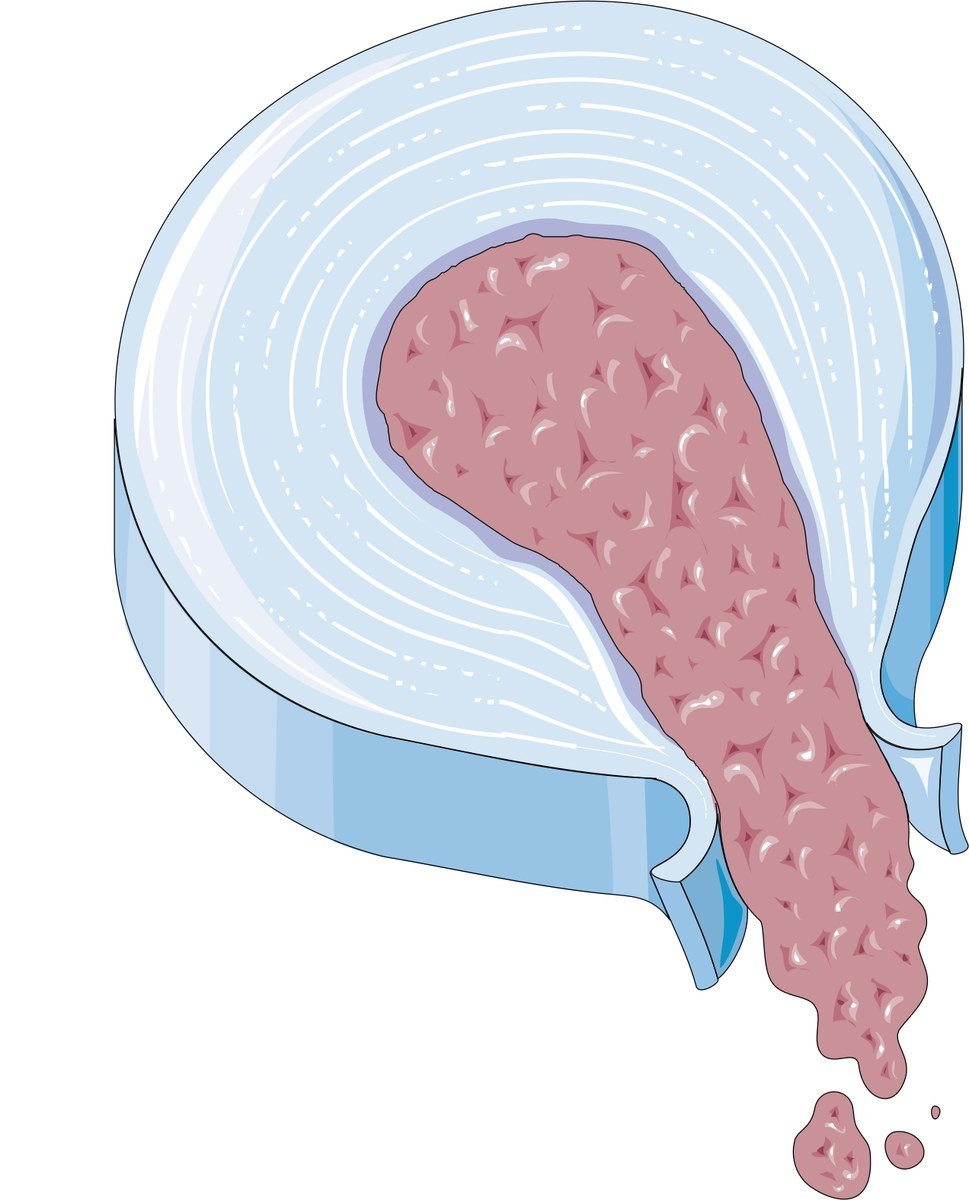
Inside that same tube there is a working channel. Tiny forceps, drills and probes travel down it. Saline flows continuously to keep the view clear and wash away debris. So the surgeon is not working through a big wound with retractors holding the muscle apart. The tube itself is the corridor.
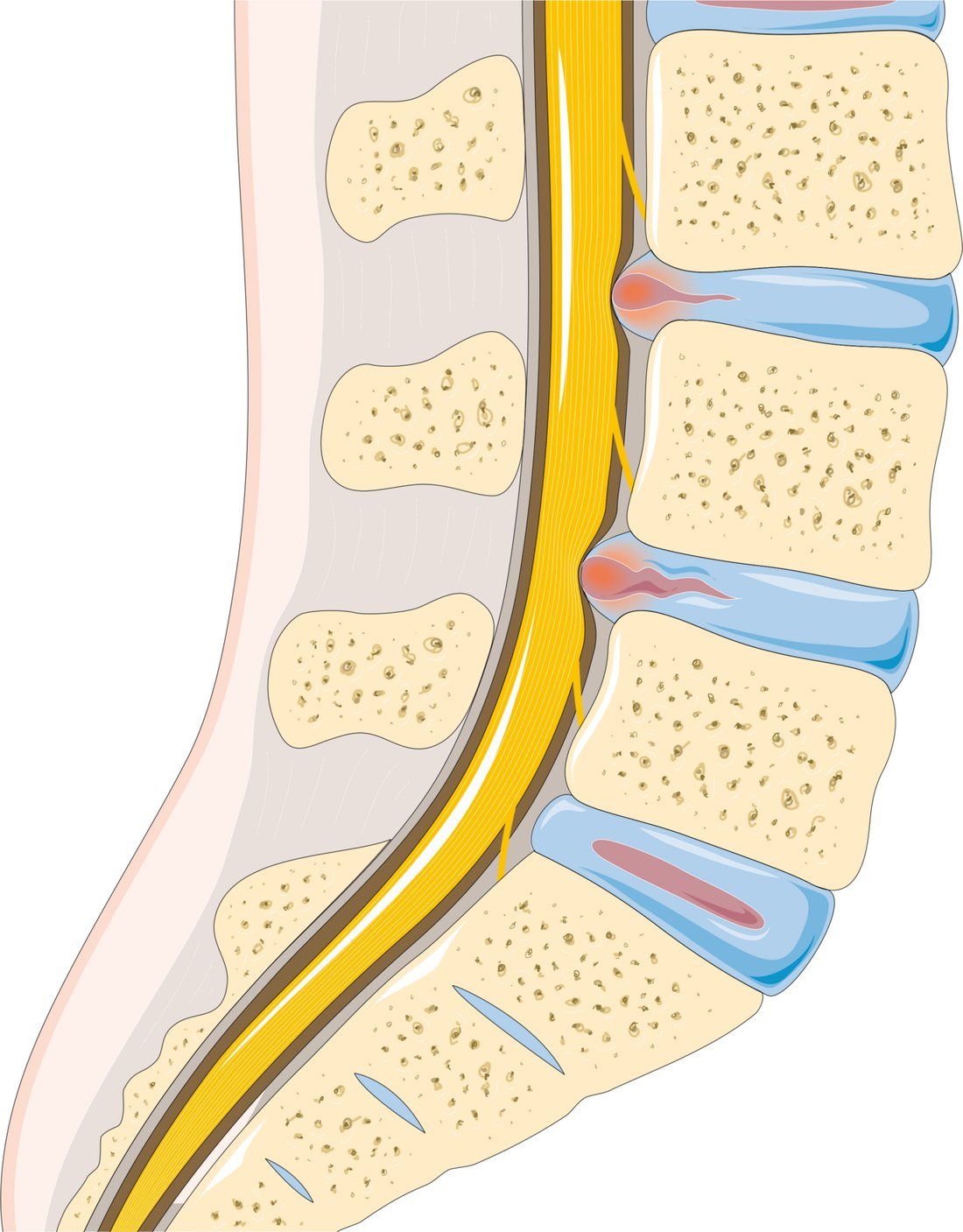
The point of this is simple. Your back muscles are not cut off the bone. The bone and ligament are only trimmed where the nerve is actually being squeezed. What gets removed is the fragment of disc or the overgrown bone that is causing your leg pain, and very little else.
How is endoscopic spine surgery different from open surgery and microdiscectomy?
The difference is the size of the corridor and how much healthy tissue is disturbed to reach the problem. Open surgery uses a longer incision and lifts the muscles off the spine. Endoscopic surgery goes through a 7 to 8 mm port.
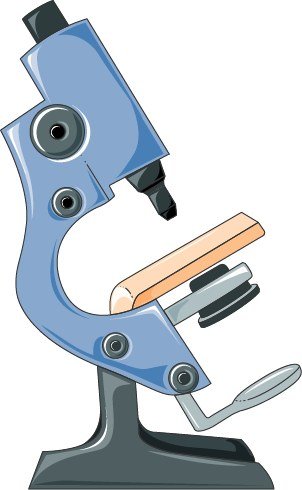
Microdiscectomy sits between the two. It uses a microscope through an incision of a few centimetres, with a small retractor. It is a very good operation and remains the second procedure in this practice. For many discs it gives the same end result.
- Muscle: open surgery strips it, microdiscectomy splits it a little, endoscopy dilates it apart.
- Blood loss: usually minimal with endoscopy, since there is no large raw surface.
- Stay: endoscopic cases are commonly day care or one night. Open cases usually need longer.
- Scar: a stitch or two versus a visible line.
What is the same in all three is the goal. The nerve must be freed. A smaller hole does not make a wrong diagnosis right. If your MRI does not show a nerve being compressed, none of these operations will help you.
What can endoscopic spine surgery treat, and what can it not treat?
It is designed for nerve compression in the lumbar and cervical spine. It is not a treatment for general back pain, and it does not correct deformity or instability.
Commonly treated:
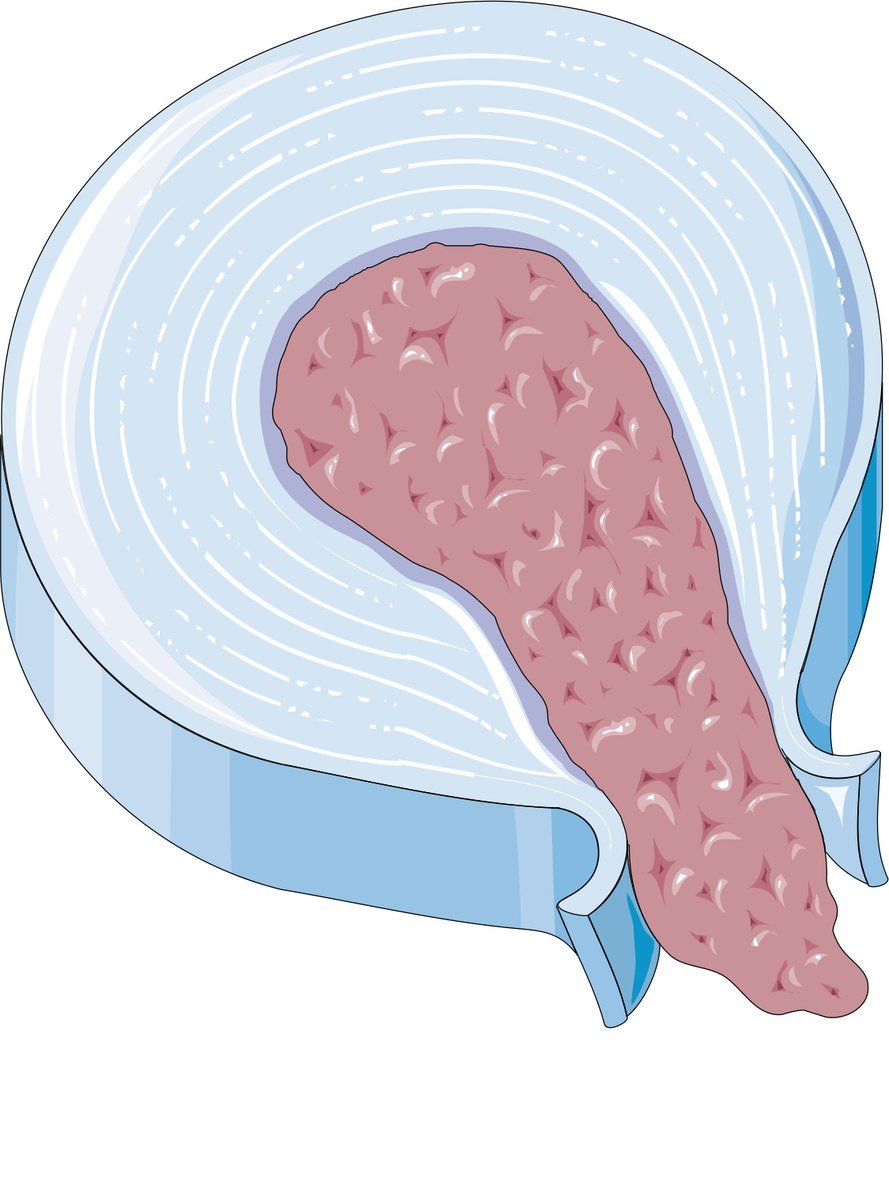
- Slip disc in the lower back causing sciatica, that pain running from the hip down the back of the leg to the foot
- Foraminal and lateral recess narrowing, where the nerve is squeezed as it exits
- Selected cases of canal narrowing in older patients who cannot walk far before the legs give way
- Some neck disc problems causing arm pain, in suitable patients
Not suitable for endoscopy alone: a spine that is genuinely unstable and slipping forward, significant scoliosis, fracture, tumour, or spinal infection needing wide clearance. These need fusion, instrumentation or a different operation altogether. A surgeon who tells you every spine problem can be fixed through a keyhole is selling you something.
There is also an honest middle ground. Sometimes a case is started endoscopically and the surgeon judges that a slightly larger approach is safer for you. That is good judgement, not failure, and it should be discussed with you before the day of surgery.
Is endoscopic spine surgery the same as laser spine surgery?
No. Laser is one instrument that may be used during a procedure. It is not an operation by itself, and "laser spine surgery" is mostly a marketing phrase.
During an endoscopic procedure a laser or a radiofrequency probe is sometimes used down the working channel to shrink a small amount of tissue, seal a bleeding point, or tidy the annulus. The disc fragment pressing on your nerve is still taken out mechanically, with instruments, under vision.
What you should be careful about are clinics offering a needle procedure where a laser fibre is put into the disc to shrink it, with no fragment removed and nothing seen on a camera. The evidence supporting that as a standalone treatment is weak compared with proper decompression. If someone quotes you a price for laser spine surgery cost, ask one question: will the piece of disc touching my nerve be physically removed, yes or no.
One more common mix up. Laparoscopic surgery is done in the abdomen, for gallbladder and similar operations. People searching laparoscopic surgery cost in Pakistan for their back are usually looking for endoscopic spine surgery. Different body part, different specialty, different price.
Is endoscopic spine surgery safe, and will I be paralysed?
The fear of paralysis is the single biggest reason patients in Punjab delay spine surgery for years. It deserves a straight answer. Paralysis after a planned discectomy is a very rare complication, and the smaller working corridor of endoscopy reduces bleeding and muscle injury rather than adding risk.
The real risks, the ones worth discussing, are more ordinary. A tear in the thin covering of the nerves. Temporary numbness or a burning strip of skin in the leg while the irritated nerve settles. Infection. Incomplete relief because a second level is also contributing. Recurrence of the same disc.
Here is the part people rarely hear. Waiting also carries risk. A nerve that has been compressed for many months may recover slower, and long standing weakness such as a foot that drags may not fully return even after a perfect operation. Delay is not automatically the safe choice.
Go to an emergency department the same day, not to a clinic, if you have any of these:
- Difficulty passing urine, or leaking without knowing
- Numbness around the private parts or inner thighs, the saddle area
- Weakness in both legs, or weakness that is getting worse by the day
- A foot you cannot lift
Do I even need surgery? Most people do not
Most back pain is not surgical. If your pain is mainly in the kamar and not shooting down the leg, and your MRI shows a bulge without clear nerve compression, an operation is unlikely to help you.
Even true sciatica from a slipped disc settles on its own in a large majority of people. Most improve over roughly six to twelve weeks with the right painkillers, a short course of nerve pain medicine, staying gently active, and physiotherapy that is actually done. Bed rest for weeks makes things worse, not better.
Two things quietly waste that window. The first is the round of hakeem medicine, cupping and forceful malish that many families try first. Gentle physiotherapy is useful. Aggressive twisting and pulling by an untrained person is not, and it occasionally makes a disc worse. The second is the MRI report itself. Disc bulges show up on the scans of plenty of people who have no pain at all. The scan supports the story your symptoms tell. It does not replace it.
Surgery becomes a reasonable discussion when leg pain has failed proper non surgical treatment over six weeks or more, when the pain is severe enough to stop you working or sleeping, or when there is real weakness in the leg. Even then, it is a choice, not an order.
What does endoscopic spine surgery cost in Pakistan?
This is answered in full on what endoscopic spine surgery costs in Pakistan, so it is not repeated here.
What does recovery actually look like?
Leg pain often drops sharply within the first day, because the pressure is off the nerve. Back soreness around the small wound takes longer, usually a week or two, and that surprises people who expected zero discomfort.
Most patients are walked within a few hours of the procedure. You go home the same day or the next morning with simple painkillers and wound care instructions. There is normally a single stitch or a small dressing.
By the second week, light household activity and desk work are usually possible. Walking is the main exercise. Physiotherapy for the core and hip muscles typically starts once the wound has settled, and it matters more than most patients believe. Heavy lifting, farm work, long motorcycle journeys and pushing carts should wait until your surgeon clears you, commonly around six weeks.
Numbness in a patch of the leg can take months to fade, and sometimes a small area stays slightly different forever. That is nerve recovery, not a failed operation. Weakness that was present before surgery improves gradually, and how much it improves depends heavily on how long the nerve was compressed before you came in.
How do I choose the right surgeon, and what should I do next?
Judge the surgeon, not the equipment. An endoscope in untrained hands is more dangerous than a well performed open operation, because the corridor is narrow and the anatomy must be understood from a screen.
Questions worth asking at the consultation:
- Which nerve on my MRI is compressed, and can you show me on the screen
- What happens if I wait three more months
- Are you recommending endoscopy, microdiscectomy or fusion, and why that one for me
- What will you do if the plan changes during the operation
- Who will see me at follow up, and where
A note on something that happens often in search results. People typing spine surgeon in Faridabad usually mean Faisalabad, or they are being pushed toward medical travel to India for a procedure available at home. For a straightforward single level disc, travelling abroad adds visa hassle, cost and the very real problem of having nobody nearby if a wound gets infected in week two. Follow up close to home has value.
Bring your MRI films, not just the report, and bring whoever makes decisions in your family, because they will ask their own questions. If you are looking for the best endoscopic spine surgeon in Faisalabad, book a consultation with Dr. M. Abdur Rehman, consultant neurosurgeon at Mujahid Hospital, and ask him plainly whether you need an operation at all. A good answer is sometimes no.
Endoscopic spine surgery in Faisalabad Read the full page on endoscopic spine surgery in faisalabad, including who it suits, what recovery looks like and how to arrange a review.
Questions patients ask about this
Is endoscopic spine surgery safe?
It is a routine procedure in trained hands, with the same categories of risk as any spine operation: infection, a tear in the nerve covering, nerve irritation, or incomplete relief. The smaller opening means less muscle damage and less blood loss. Paralysis is a very rare complication, not the usual outcome.
Will I be awake during the operation?
Often yes. Many endoscopic discectomies are done under local anaesthetic with sedation, or under spinal anaesthesia, so you are drowsy and comfortable but able to respond. Some cases need general anaesthesia. The anaesthetist decides with the surgeon after reviewing your heart, chest, sugar and any blood thinners you take.
Can the slip disc come back after endoscopic surgery?
Yes, in a small number of patients the same disc herniates again, usually in the first few months. The risk is similar to microdiscectomy. Heavy lifting, smoking and returning to hard labour too early increase it. If it happens, it can often be treated again, sometimes endoscopically.
Is laser spine surgery effective?
Laser is a tool, not an operation. In endoscopic surgery a laser or radiofrequency probe may be used to shrink tissue or stop bleeding, but the disc fragment is removed with instruments. Treatments sold as pure laser decompression have weaker evidence. Ask exactly what will be removed and how.
How soon can I go back to work and drive?
Desk work and light duties are often possible within one to two weeks. Driving usually waits until you are off strong painkillers and can turn comfortably. Heavy lifting, farm work and long motorcycle rides need longer, commonly six weeks or more. Your surgeon should give you a date in writing.
Related articles
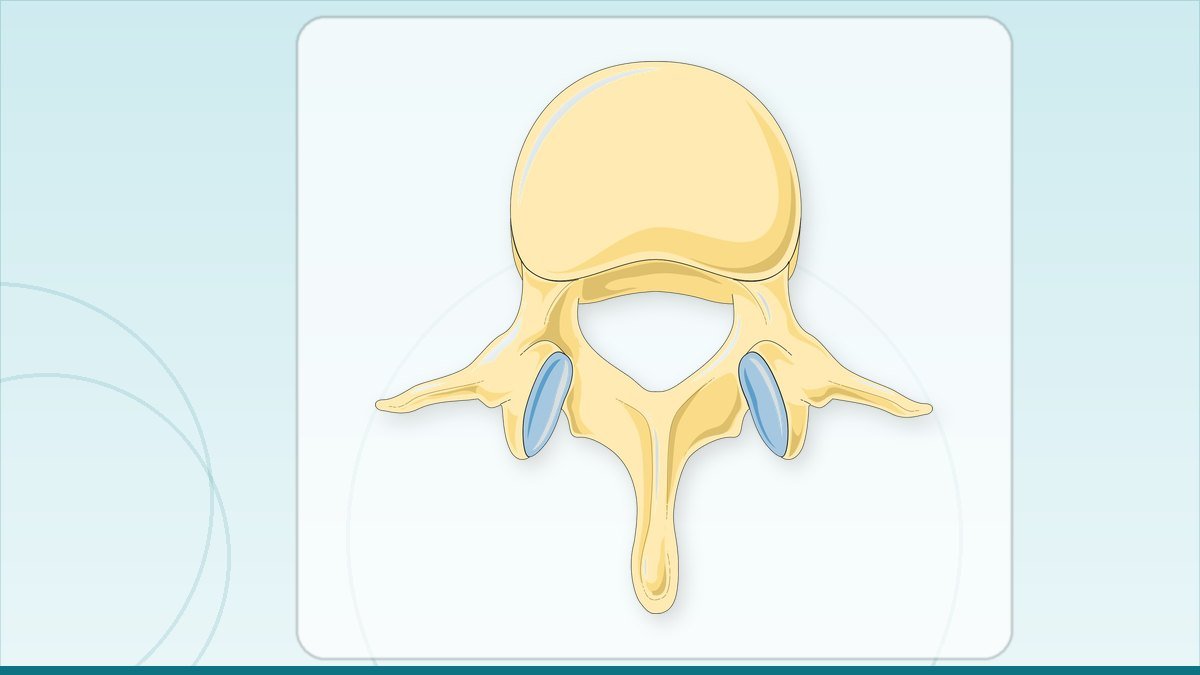
Endoscopic spine surgery cost in Pakistan: what to ask
What really drives endoscopic spine surgery cost in Pakistan, what belongs in the quote, and the questions to…
Read this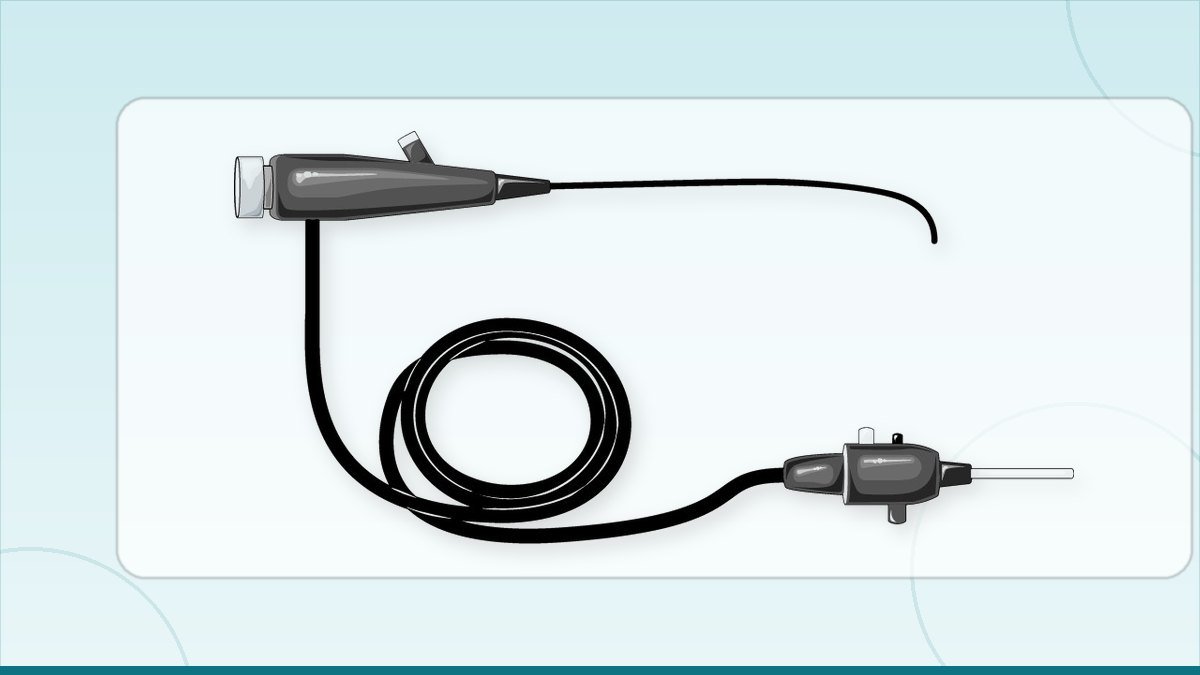
Endoscopic discectomy or microdiscectomy: which one fits your scan?
Endoscopic discectomy vs microdiscectomy: what your MRI decides, when surgery is not needed, costs in…
Read this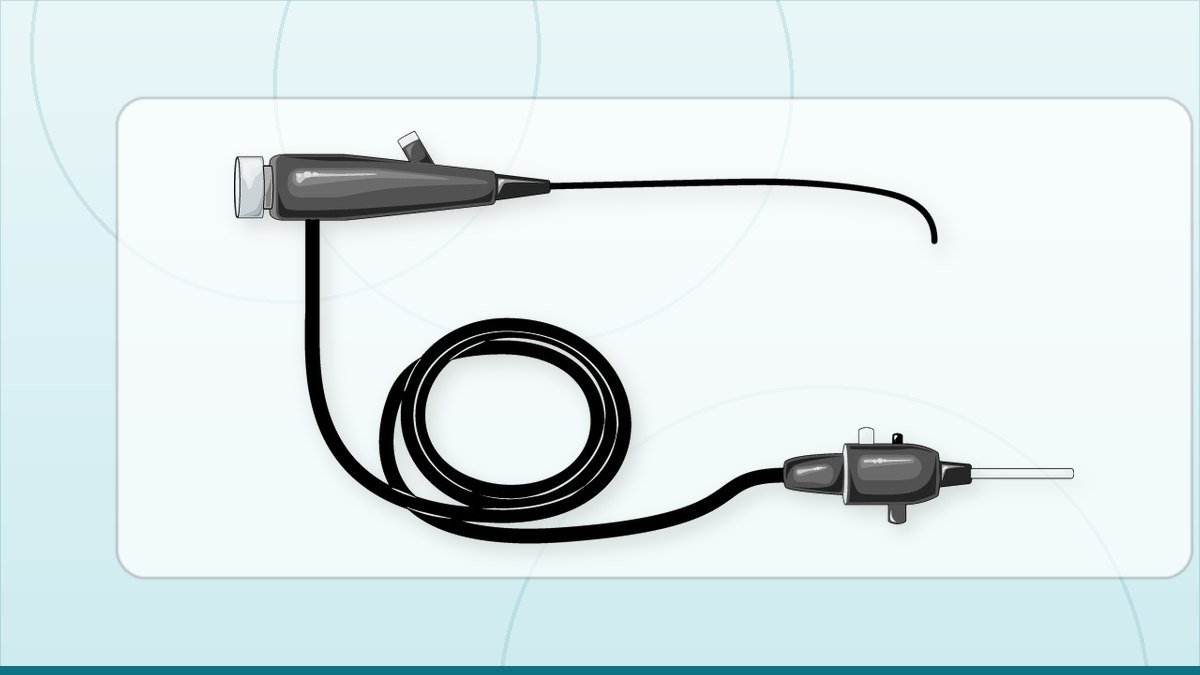
Am I a candidate for endoscopic spine surgery?
Not everyone with a slip disc needs surgery. Here is who is a candidate for endoscopic spine surgery, what…
Read thisAll patient questions · Spine surgery in Faisalabad · Book an appointment
Ask about your own scan. Send your MRI or X-ray on WhatsApp and get a straight answer on whether surgery is needed at all, from a consultant neurosurgeon in Faisalabad.
Dr. M. Abdur Rehman is a consultant neurosurgeon in Faisalabad. Send your scan on WhatsApp and ask what it actually shows.
Published for the practice of Dr. M. Abdur Rehman, consultant neurosurgeon, Mujahid Hospital, Faisalabad. General information only, not a substitute for examination.