
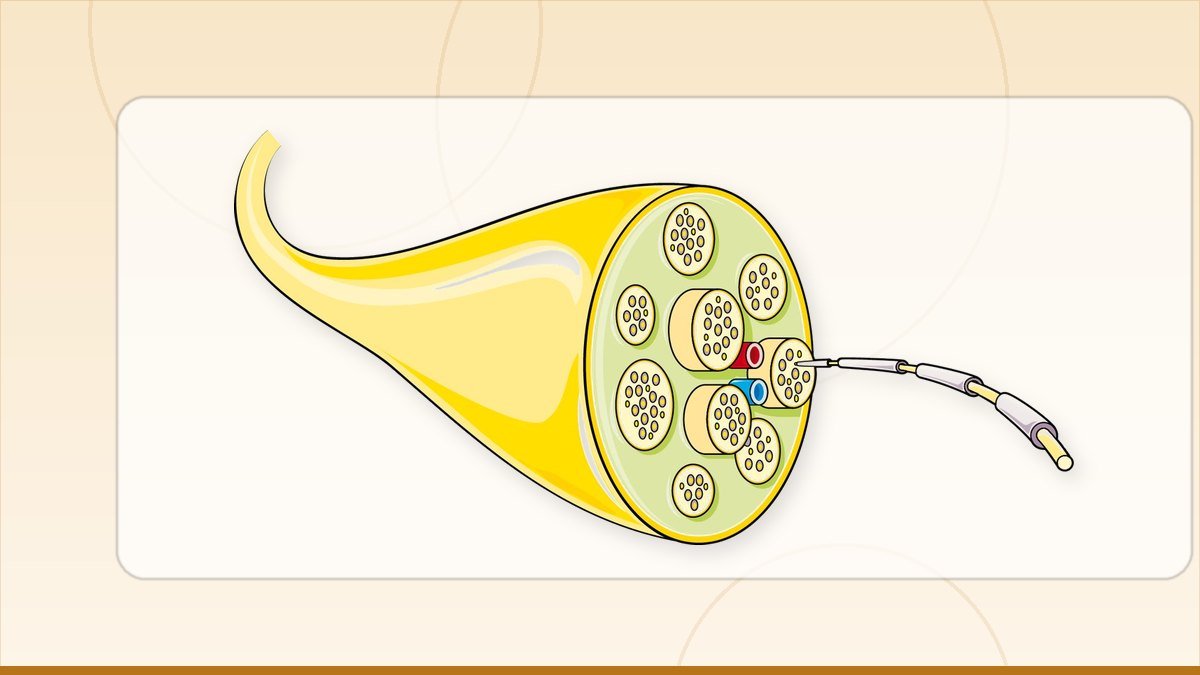
EMG and NCS measure how well your nerves and muscles are working. For most sciatica they are not needed, because MRI plus a proper examination usually decides treatment. Nerve tests help when the diagnosis is unclear, when the MRI does not match your symptoms, or when diabetes or another nerve problem may be the real cause.
What does an EMG or NCS show that an MRI cannot?
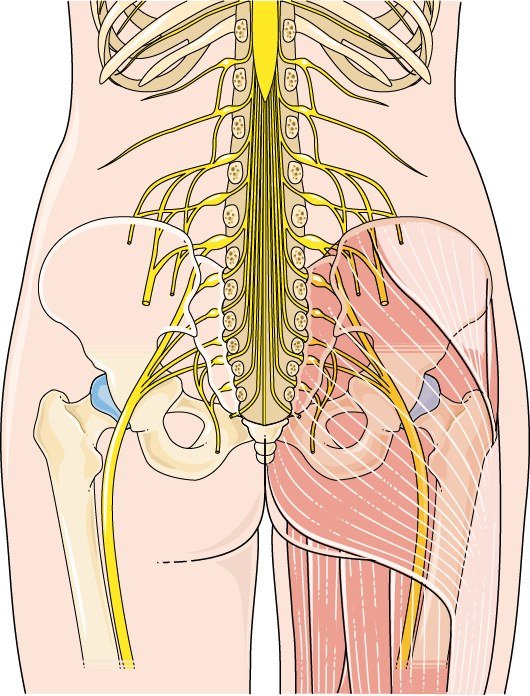
An MRI is a photograph. It shows the disc, the bone and the narrowing, but it says nothing about whether the nerve is actually working. EMG and NCS are function tests. They ask a different question: is this nerve carrying signals properly, and is the muscle it supplies getting those signals.
There are two parts, usually done in the same sitting.
- NCS (nerve conduction study). Sticky pads are placed on the skin and small electrical pulses are given. A machine measures how fast and how strongly the signal travels along the nerve.
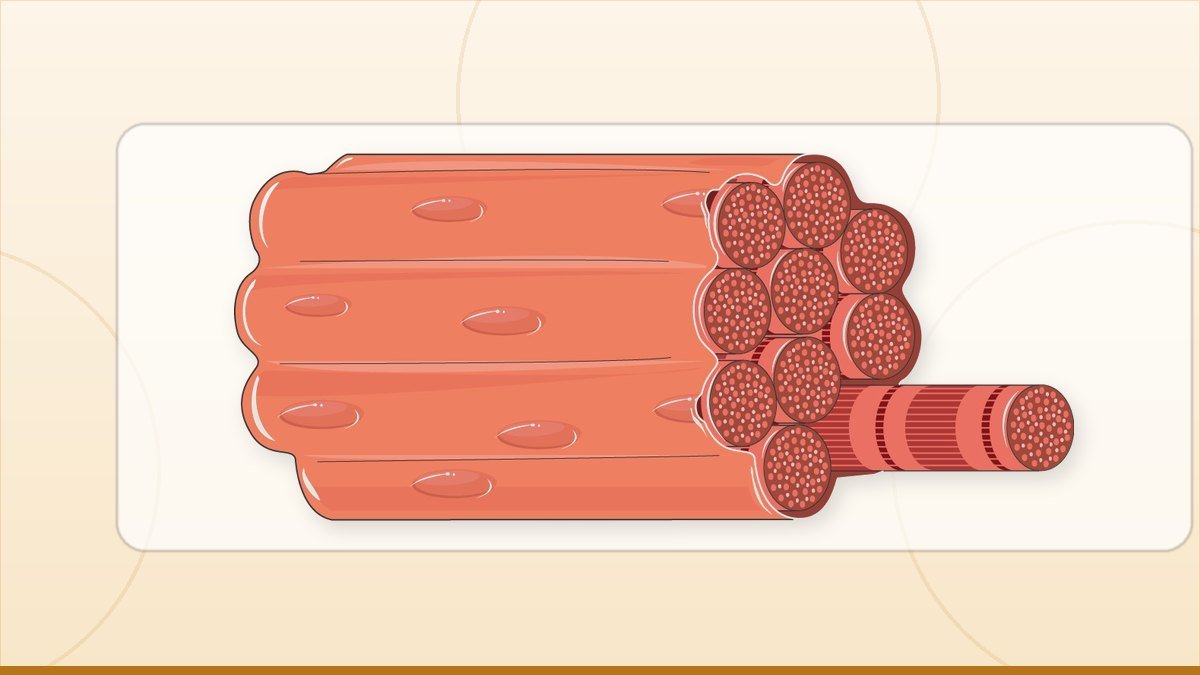
- EMG (electromyography). A very fine needle is placed into selected muscles. It listens to the electrical activity of the muscle at rest and when you tense it.
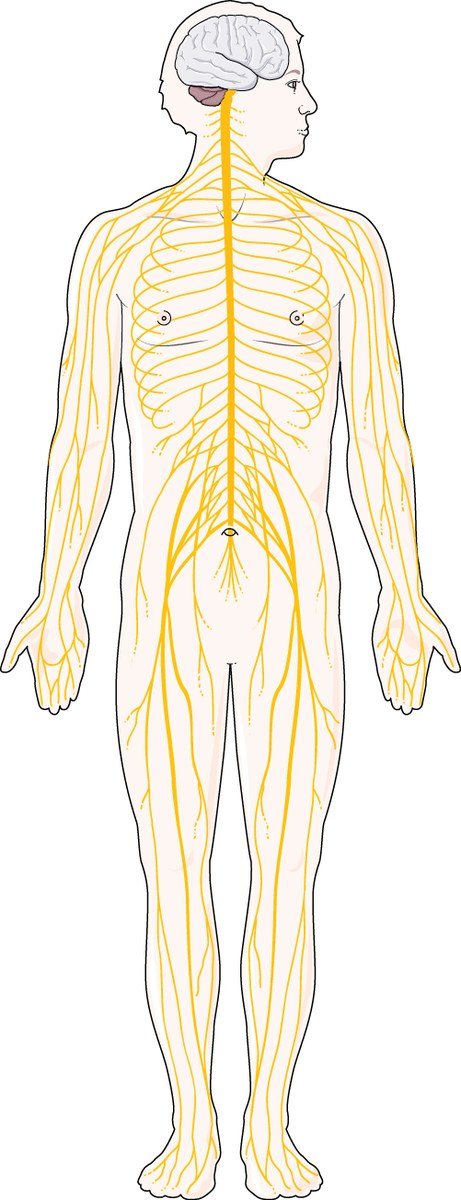
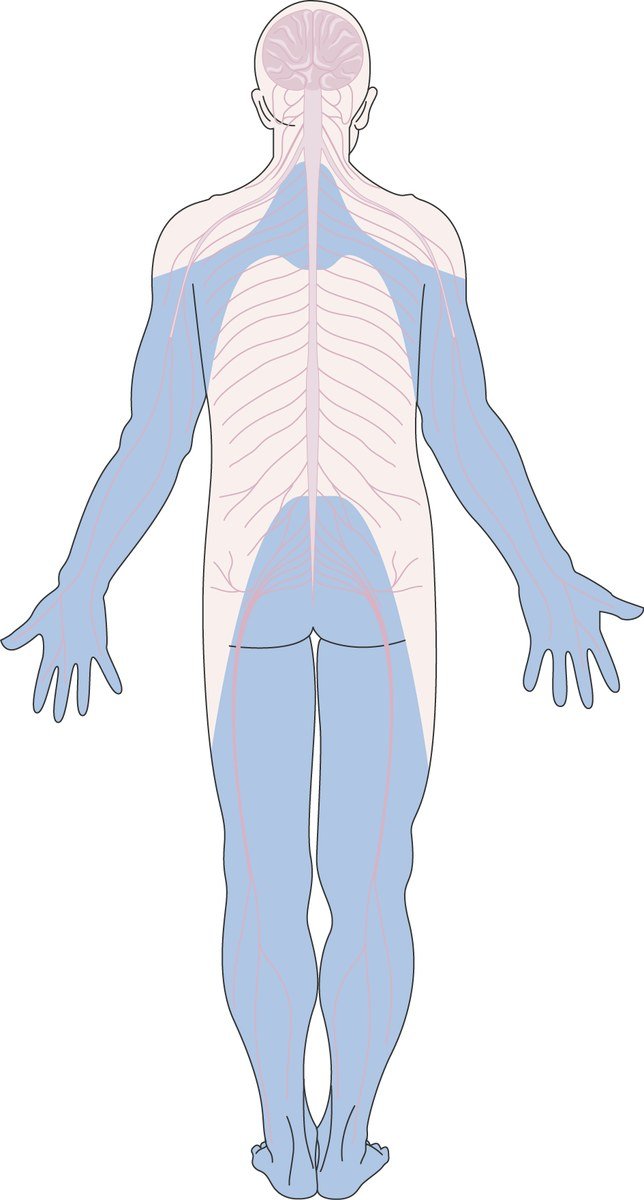
This matters because scan findings are not proof of the cause. Disc bulges, dryness and degeneration are found on MRI in large numbers of people who have no pain at all, and they become more common with age. So a report saying "L4-L5 disc bulge" does not by itself prove that bulge is what is hurting your leg. A nerve test can add evidence about whether a nerve root is genuinely being damaged, and which level is the likely culprit.
There is a limitation worth knowing. In sciatica from a disc, the pinch usually happens at a point where the sensory readings still come back normal. EMG mostly picks up loss in the motor fibres. That is why a person with severe, genuine taang mein dard can still have a normal report.
Is the test safe, and can the needles damage my nerves?
Yes, it is safe. EMG and NCS do not cause paralysis, do not use radiation, do not use any dye or injection into the spine, and do not require anaesthesia. The weakness patients are afraid of comes from the nerve compression itself, never from the test used to measure it.
What it feels like: the NCS pulses feel like brief taps or small electric shocks, each lasting a fraction of a second. The EMG needle is thinner than the needle used for a blood test and nothing is cut. Most people describe it as uncomfortable rather than painful, with a dull ache when a muscle is tensed. Mild soreness or a small bruise for a day or two is normal.
Tell the doctor before the test if any of these apply to you:
- You take blood thinners such as warfarin, clopidogrel or high dose aspirin, or you have a bleeding disorder
- You have a pacemaker or an implanted defibrillator
- You have swelling of a limb after lymph node surgery
- There is a skin infection or open wound over the area to be tested
One practical point for any hospital or lab in Pakistan: ask that the EMG needle is a fresh single-use disposable one, opened in front of you. It is a fair question and a good centre will not mind being asked.
My leg is weak and numb. Does that mean paralysis is coming?
For most people, no. The large majority of sciatica improves without any operation, and pins and needles or a numb strip down the calf or foot is common and usually settles as the nerve calms down.
But there is a small group of symptoms that must not wait for any test, any appointment, or any second opinion. Go to a hospital emergency department the same day if you have:
- Numbness around the private parts, back passage or inner thighs, the area that would touch a saddle
- Difficulty starting urine, dribbling, leakage, or not feeling when the bladder is full
- Loss of control over the bowels
- Weakness or heaviness in both legs
- A foot that is dropping and getting worse over days
This is called cauda equina syndrome. It is uncommon, but it is a genuine surgical emergency where the timing is measured in hours. Do not book an EMG for it. Do not go for malish or to a hakeem for it. Go straight to a hospital that can do an urgent MRI.
Outside those red flags, weakness is a reason to be seen promptly by a spine specialist, not a reason to panic. A foot drop that is caught early and treated has a much better chance of recovering than one that has been pulled and massaged for six months.
When does a spine surgeon actually order EMG and NCS?
When the story, the examination and the MRI do not agree with each other. Or when something other than a disc may be causing your symptoms. Those are the two real reasons.
In practice, the common situations are:
- The MRI looks normal or only mildly abnormal, but there is real weakness or muscle wasting on examination
- The MRI shows changes at two or three levels and we need help deciding which one is actually active
- You have diabetes and burning or numbness in both feet, and the question is whether this is diabetic neuropathy rather than a nerve root problem
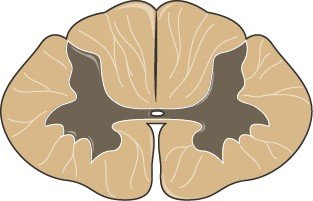
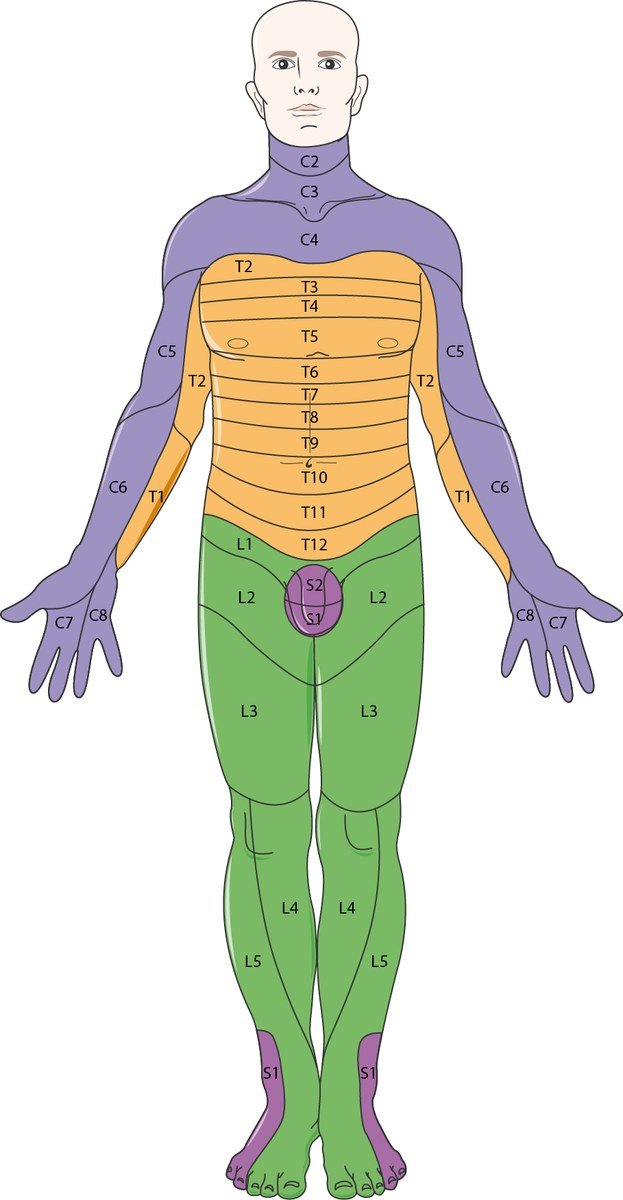
- Foot drop, where the question is whether the problem is the L5 root in the back or the peroneal nerve squeezed at the outside of the knee, which can happen with long hours sitting cross legged, squatting, or prolonged bed rest
- Symptoms in both legs, or in the hands as well, raising the possibility of a generalised nerve or muscle condition
- Previous spine surgery, where scar tissue and new symptoms need to be separated
Timing changes the answer. The changes a needle EMG looks for take roughly two to three weeks to appear in the muscle after nerve fibres are injured. A test done in the first few days after weakness begins can come back normal even when the nerve is genuinely damaged. If your test was done very early and was normal, it may need repeating rather than believing.
Do I need a nerve test before sciatica surgery?
Usually not. If you have leg pain in a clear pattern, an examination that matches that pattern, and an MRI showing a disc pressing on exactly that nerve root, an EMG will not change the plan. Spine guidelines in several countries advise against routine electrodiagnostic testing for straightforward sciatica for this reason.
Two misunderstandings cause a lot of unnecessary worry, so let us be clear about both.
A normal EMG does not mean your pain is imaginary. It does not mean you are exaggerating and it does not mean surgery is ruled out. EMG is not a pain meter. It measures motor fibre loss. A nerve can be badly irritated, inflamed and extremely painful while still conducting well enough to give a normal reading.
An abnormal EMG is not by itself a reason to operate. Plenty of people have a mildly abnormal report and get completely better with time and physiotherapy. Nobody should be taken to theatre on the strength of a nerve test alone.
The decision to operate rests on three things together: leg pain that has not settled with proper treatment, or weakness that is significant or getting worse, and an MRI finding that explains those exact symptoms. The nerve test is a supporting witness, not the judge.
What treatments should be tried before anyone talks about surgery?
Most sciatica settles without an operation. A large share of patients improve substantially within six to twelve weeks. Surgery is for the group that does not, and for the group with weakness or red flags.
What genuinely helps in the first weeks:
- Keep moving. Complete bed rest for days on end makes it worse, not better. Short walks are better than lying flat.
- Simple painkillers, taken properly. Anti inflammatory medicines for a short course, with stomach protection if your doctor advises it. Regular dosing for a few days works better than one tablet when the pain peaks.
- Guided physiotherapy. Someone who assesses you and progresses the exercises, not a fixed set of stretches from a video.
- A nerve root block or epidural steroid injection. This can buy a window of relief and can also help show which root is the source.
About gabapentin and pregabalin. These are prescribed very freely for sciatica in Pakistan. The honest position is that the trial evidence for gabapentinoids in sciatica is weaker than most patients are led to believe, and several national guidelines now advise against routine use for this condition. They cause drowsiness, dizziness, ankle swelling and weight gain in a fair number of people. They are not a cure and they do not shrink a disc. If you are already on one, do not stop it suddenly, speak to your doctor about tapering.
About hakeem, malish and "disc bethana". Gentle massage may ease muscle spasm and there is no harm in that. But forceful pulling, twisting or someone standing on your back is dangerous when you have true weakness, and it is unsafe with any red flag symptom. The bigger cost is time. Months spent on this while a foot drop deepens is the window in which a nerve could have been saved.
How is the test done and how should I prepare?
Plan for thirty to sixty minutes, sometimes longer if several limbs are studied. You lie or sit while the technician or neurophysiologist works through one nerve and muscle at a time. There is no admission and no fasting.
Simple preparation:
- Bathe as usual, but do not apply oil, lotion or cream to the skin that day. Oily skin stops the electrodes from sticking.
- Wear loose clothes so the leg can be exposed easily.
- Bring your MRI films and report, previous test reports, and a list of your current medicines.
- Keep the limbs warm. Cold limbs slow nerve conduction and can distort the readings. A good centre will warm the room or the leg.
- Take your usual medicines unless told otherwise, but do mention blood thinners.
Afterwards you can go home, eat normally and go back to your usual routine. There is no restriction on driving.
When you collect the report, do not be put off by the numbers. Ask the reporting doctor for the conclusion in plain terms: which nerve root or nerve is involved, whether the changes look recent or old, and how severe. Those three answers are what your surgeon needs.
What does an EMG or NCS cost in Faisalabad?
Charges vary a good deal between hospitals and depend on how many limbs are tested and whether both NCS and needle EMG are done. Ask for a written quote before you book, and keep it.
Ask the quote to spell out:
- Whether it covers both nerve conduction and needle EMG, or only one of them
- How many limbs are included, and what an extra limb costs
- The reporting doctor's fee, which is sometimes billed separately
- Whether a repeat test at three weeks would be charged again in full
- That MRI, consultation and any injection are separate line items
Here is the money question that matters more than the price. Before you pay, ask the doctor who ordered it: if this test is normal, will the plan change, and if it is abnormal, will the plan change. If the answer to both is no, the test is not worth doing and the money is better spent on physiotherapy or on the MRI itself. Families coming from Jhang, Chiniot, Sargodha or Toba Tek Singh should also ask whether the MRI, the nerve test and the consultation can be arranged on the same day, so one trip is enough.
Who should read the report and decide about surgery?
A neurophysiologist or neurologist performs and reports the test. A spine surgeon or neurosurgeon then reads it alongside your MRI and your examination and decides what it means for you. On its own, the report is a page of numbers. It only becomes useful when someone puts it next to your symptoms.
When you sit down for that consultation, bring your family, because in most Pakistani households this is a family decision and it saves the conversation being repeated three times. Ask directly: which nerve is the problem, does the MRI match my symptoms, what happens if I wait, and what specifically would make you recommend an operation.
If surgery does become the answer, know what the options are. Endoscopic spine surgery removes the pressing fragment of disc through a very small opening using a camera and fine instruments, often as a day case or a short stay. Microdiscectomy does the same job using a microscope through a small incision. Not every patient suits every technique. It depends on the level, the type of herniation and whether there is narrowing as well as a disc.
If you are comparing surgeons and searching for the best endoscopic spine surgeon in Faisalabad, judge on one thing above all: does this doctor explain clearly why you do or do not need an operation, and is he willing to tell you to wait. Dr M. Abdur Rehman is a consultant neurosurgeon at Mujahid Hospital, Faisalabad. Bring your MRI, bring your nerve test if you have had one, and bring your questions. Asking for a second opinion before spine surgery is normal and no good surgeon takes offence at it.
Questions patients ask about this
Is an EMG test necessary for sciatica?
Usually not. For typical sciatica with leg pain that matches the MRI, EMG and NCS rarely change the treatment plan. They become useful when the MRI and your symptoms disagree, when diabetes may be causing the numbness, or when weakness needs to be measured objectively before and after treatment.
Can an EMG detect a slipped disc?
No. EMG and NCS cannot see a disc. Only an MRI shows the disc, the bone and the narrowing. What nerve tests show is whether a nerve root is damaged enough to affect the muscles it supplies, and roughly which level is involved. The two tests answer different questions.
Is the EMG needle painful?
Nerve conduction feels like brief taps or small electric shocks. The needle used for EMG is thinner than the one used for a blood test, and nothing is cut. Most people find it uncomfortable rather than painful, and the ache settles within a day. No anaesthetic is needed.
Can my EMG be normal even though my sciatica is severe?
Yes, and this is common. EMG mainly measures damage to the motor nerve fibres, so a nerve root that is irritated and very painful but not yet losing fibres can test completely normal. A normal report does not mean your pain is imagined or that surgery is ruled out.
How long after symptoms start should the EMG be done?
Wait about three weeks after weakness or numbness begins. The changes a needle EMG looks for take roughly two to three weeks to appear in the muscle, so a test done in the first few days can look normal even when a nerve root is genuinely injured.
If surgery is on the table
If the nerve studies confirm compression, these explain the options.
Related articles
Kamar dard: causes, and when it is more than muscle pain
Kamar dard ka ilaj: what causes back pain, what to try at home first, when an MRI is needed, and the small…
Read this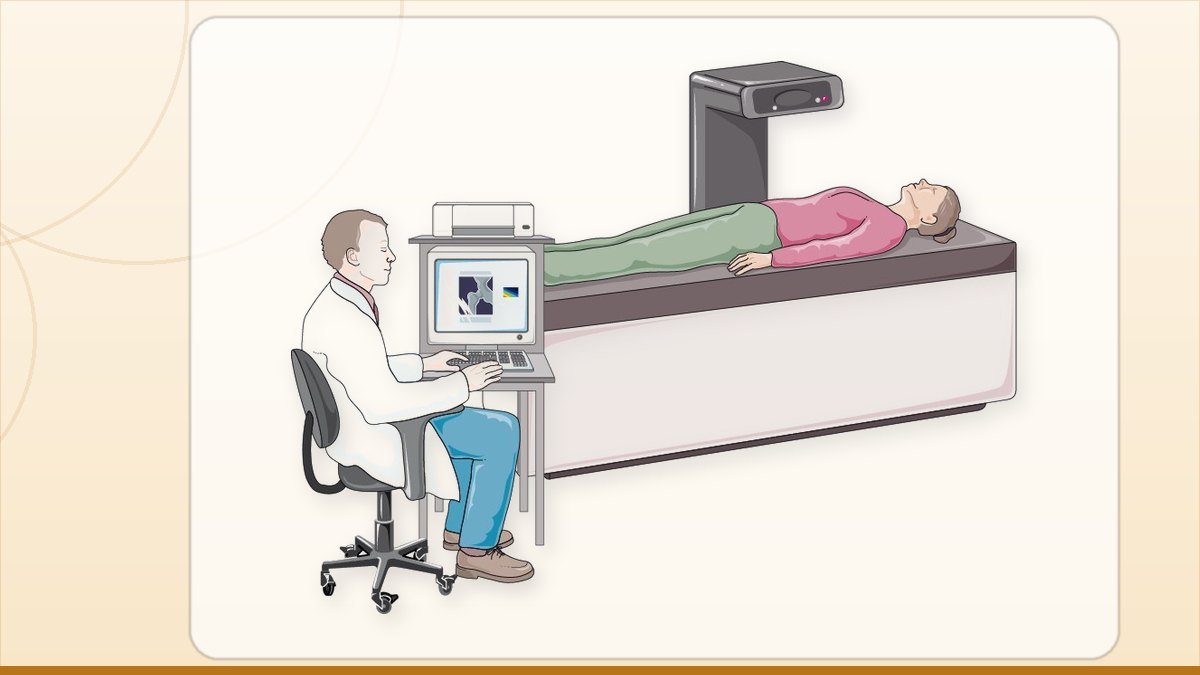
Taang mein dard: leg pain from the back, explained simply
Taang mein dard ka ilaj: leg pain usually starts from a nerve in the lower back. How to tell nerve pain from…
Read this
Spine surgery cost in Pakistan: what drives the number
Spine surgery cost in Pakistan depends on the procedure, implants and hospital stay. A Faisalabad…
Read thisAll patient questions · Spine surgery in Faisalabad · Book an appointment
Ask about your own scan. Send your MRI or X-ray on WhatsApp and get a straight answer on whether surgery is needed at all, from a consultant neurosurgeon in Faisalabad.
Dr. M. Abdur Rehman is a consultant neurosurgeon in Faisalabad. Send your scan on WhatsApp and ask what it actually shows.
Published for the practice of Dr. M. Abdur Rehman, consultant neurosurgeon, Mujahid Hospital, Faisalabad. General information only, not a substitute for examination.