
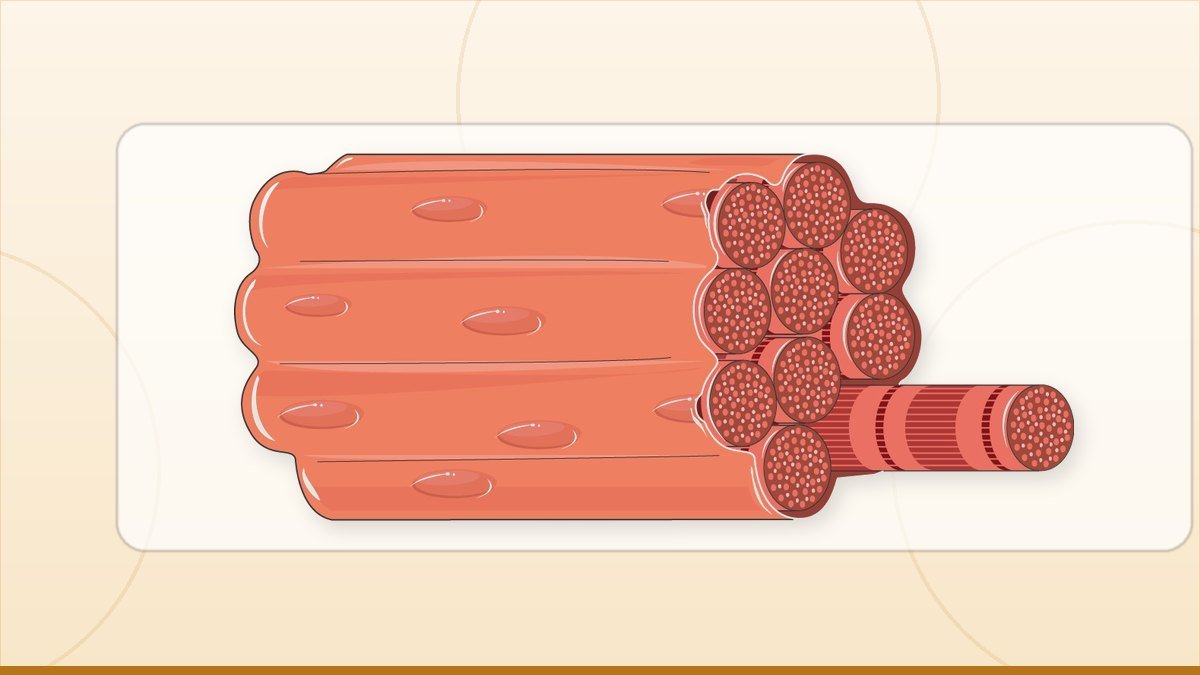
Most kamar dard is muscle or ligament strain and settles within a few weeks with movement, heat and simple painkillers. It becomes more than muscle pain when it travels down the leg, causes numbness or weakness, or follows an injury. Surgery is needed in a small minority, when a compressed nerve keeps causing pain or weakness.
Kamar dard ka ilaj kya hai? Start with what actually works at home
For most people the first treatment is not a tablet and not a scan. It is movement. Ordinary kamar dard comes from strained muscles and ligaments, and those tissues recover faster when you keep using them gently.
For the first two weeks, try this:
- Keep walking every day, even short distances inside the house. Do not take to bed for more than a day or two.
- Use a hot water bottle or warm compress on the sore area for fifteen to twenty minutes at a time.
- Take paracetamol regularly. An anti-inflammatory tablet can be added for a few days if your stomach and kidneys are healthy and your doctor agrees.
- Avoid the specific movement that hurts, usually bending forward and lifting, but do not stop moving altogether.
- Sleep on a firm mattress, on your side with a pillow between the knees, or on your back with a pillow under the knees.
Most people are noticeably better in two to four weeks and back to normal in six. If that is happening for you, you do not need an MRI, you do not need a specialist, and you certainly do not need surgery.
The plan changes if the pain is not in the back at all but running down the leg, or if you have any of the warning signs described below.
Is kamar dard dangerous? Will I be paralysed?
This is the fear that brings most families to a neurosurgeon, so let it be answered directly. Ordinary back pain does not cause paralysis. A slip disc very rarely causes paralysis. The overwhelming majority of people with kamar dard, including those with a disc bulging on MRI, walk normally for the rest of their lives.
Nerves in the lower back are irritated and squeezed far more often than they are damaged. Pain is not the same as damage. Severe pain can come from a small amount of pressure, and mild symptoms can sometimes come from a large disc. That is why the examination matters more than the picture.
There is a small group where waiting is genuinely dangerous. Go to a hospital the same day, not next week, if you have:
- Difficulty passing urine, or leaking urine or stool without control
- Numbness in the saddle area, meaning the inner thighs and the area between the legs
- A foot or leg that is rapidly getting weaker, for example your foot dragging or slapping when you walk
- Back pain with fever, unexplained weight loss, or a history of cancer or TB
- Severe back pain immediately after a fall or road accident
These are uncommon. But they are the reason no one should spend three months on massage and herbal courses without at least one proper examination.
What actually causes kamar dard?
In most patients, no single dramatic cause is ever found, and that is normal medicine, not a failure of diagnosis. The common sources are the muscles, the small facet joints at the back of the spine, and the discs between the vertebrae.
The usual triggers seen in Faisalabad clinics are ordinary life. Lifting a sack or a gas cylinder with a bent back. Long hours on a motorcycle over broken roads. Sitting at a desk or sewing machine for ten hours without standing. Sudden twisting during household work. Weight gain and weak abdominal muscles, which leave the spine doing work the muscles should share.
A slip disc, properly called a disc herniation, is when the soft centre of a disc pushes out through its outer ring and presses on a nerve root. That is why the classic complaint is not just kamar dard but taang mein dard, a sharp or burning pain running from the buttock down the back of the thigh into the calf or foot. This is sciatica.
Other causes include age-related narrowing of the spinal canal, which typically causes leg pain and heaviness after walking a certain distance and relief on sitting or bending forward, and, less commonly, infection, TB of the spine, or fracture from thin bones.
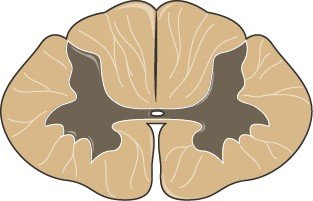
When is kamar dard more than muscle pain?
Muscle pain sits in the back, feels tight or sore, is worse after activity and better with rest and heat, and improves week by week. Nerve pain behaves differently.
Suspect something more than muscle strain if any of these are true:
- The pain travels below the knee, into the calf or foot
- There is pins and needles, burning or numbness in the leg or foot
- Coughing, sneezing or straining sends a shock down the leg
- The leg feels weak, or you cannot stand on your toes or heels on one side
- The pain has not improved at all in six weeks of sensible treatment
- The pain wakes you every night, or is worse lying down than standing
Weakness is the symptom to respect most. Pain is miserable but negotiable. Progressive weakness in a foot or leg is a reason to be examined within days, because muscle that has been denervated for a long time does not always recover fully even after successful surgery.
Take a note of when the leg symptoms started. That date often decides the treatment plan more than the MRI does.
Do I need an MRI, and when should I get one?
An MRI is not the first step for back pain, and getting one early usually does not help. Scans of healthy adults with no pain frequently show disc bulges and degeneration. If you scan too early, you may end up treating a picture instead of a person.
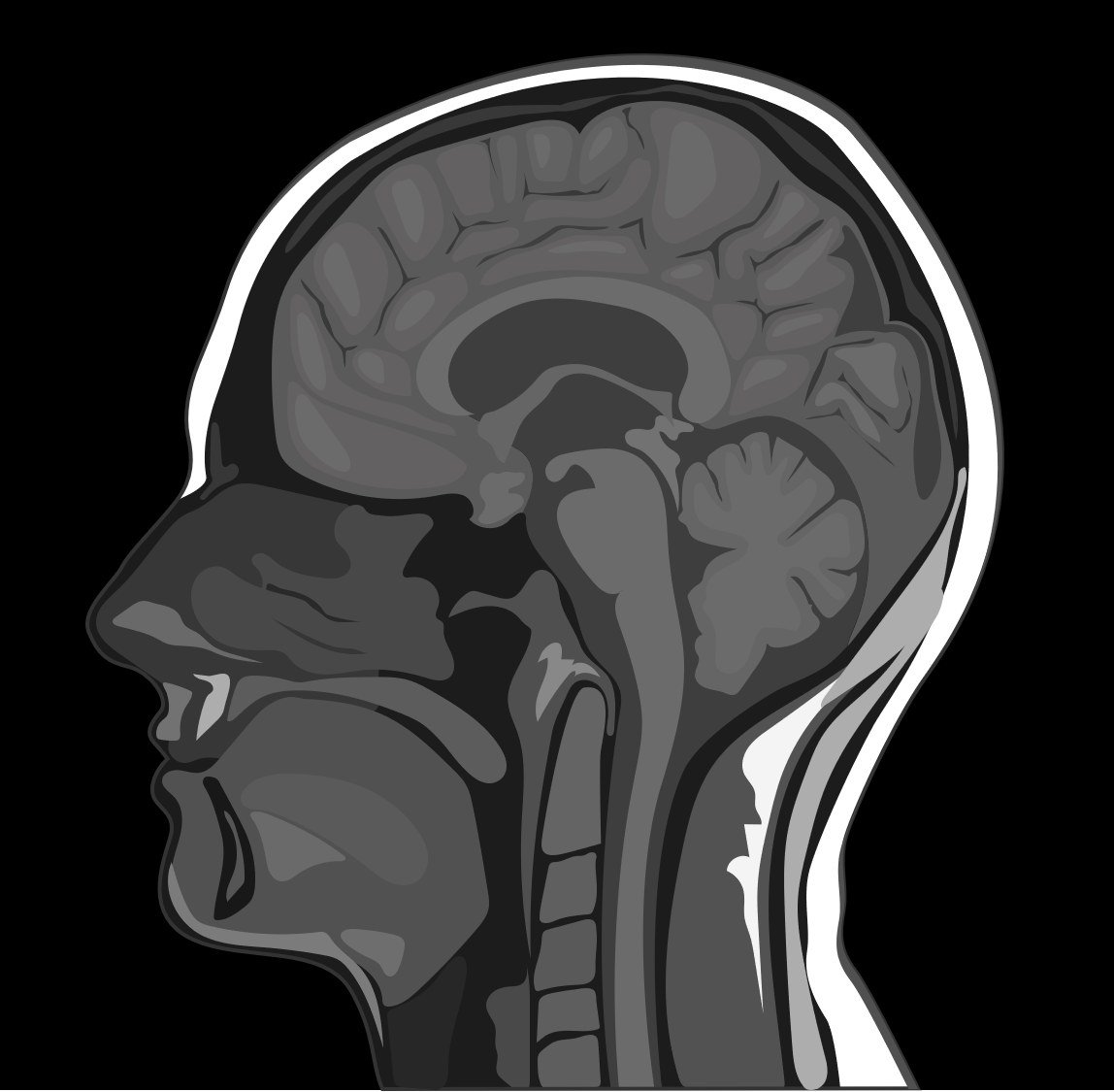
An MRI of the lumbar spine is reasonable when:
- Leg pain with numbness or weakness has continued beyond four to six weeks
- Any of the emergency warning signs are present, in which case the scan is urgent
- There is suspicion of infection, TB, tumour or fracture
- Surgery or an injection is being seriously considered, so the exact level can be identified
Plain X-rays show bones, not discs or nerves. They are useful for alignment, fractures and instability, but a normal X-ray does not rule out a slip disc. If a clinic tells you the X-ray was clear so nothing is wrong while your leg is going numb, get a second opinion.
Bring the actual MRI film or CD to your consultation, not only the radiologist's report. The surgeon needs to match what is on the images with what is found on examination. When the two do not agree, the examination wins.
Is slip disc ka permanent ilaj possible without surgery?
For most people, yes, in the sense that matters: the pain goes and stays gone. Studies of disc herniations followed over time show that the herniated material often shrinks on its own as the body reabsorbs it. Leg pain settles in the majority of patients within six to twelve weeks with non-surgical treatment.
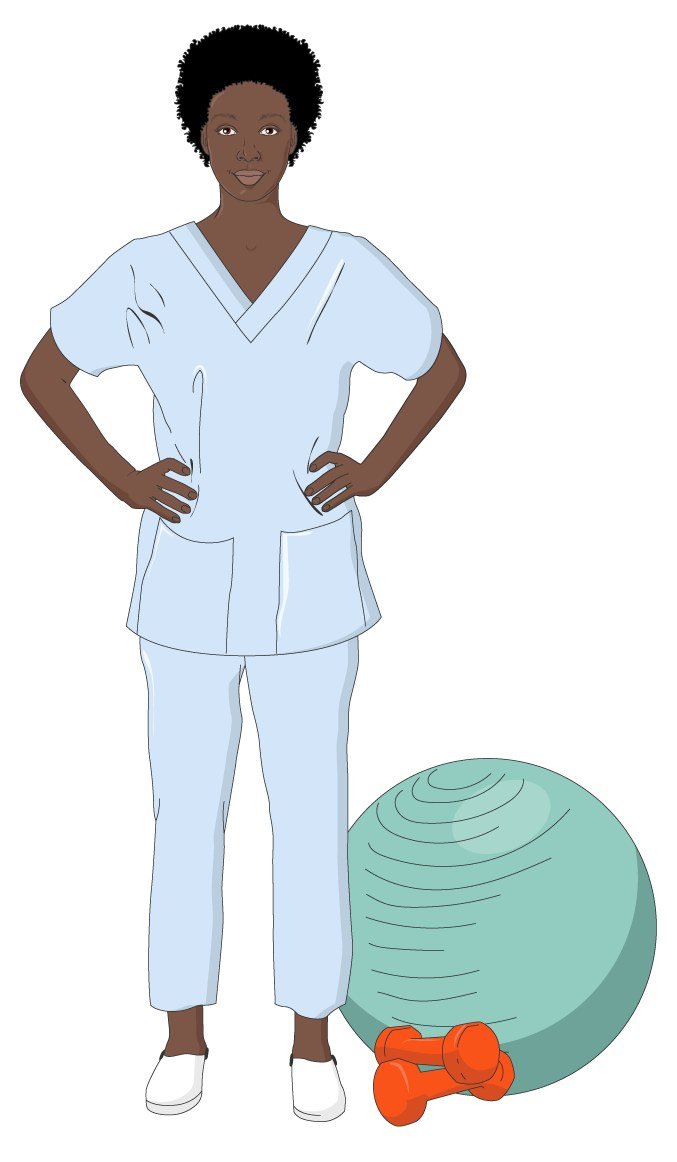
Honest non-surgical treatment includes regular pain medication for a defined period, structured physiotherapy with core strengthening rather than passive heat sessions alone, gradual return to walking, weight reduction, and in selected cases a nerve root or epidural steroid injection to break a severe pain cycle.
But be careful with the word permanent. No treatment, including surgery, guarantees that no disc will ever trouble you again. A spine that has produced one disc problem can produce another years later. Anyone promising a permanent, guaranteed, one-time cure for slip disc, whether by tablets, oils, machines or an operation, is overpromising.
What is realistic is this: most people get fully better, return to normal work, and manage their spine sensibly afterwards with weight control, posture and exercise. That is a very good outcome and it is the usual one.
What about hakeem, massage, cupping and pehlwan treatments?
Almost every patient who reaches a spine clinic in Faisalabad has already tried something else first, and there is no shame in that. Gentle massage genuinely relaxes muscle spasm. Warm oil feels good. For simple muscular kamar dard, these things do no harm and the pain would have improved anyway.
Two things do cause harm. The first is force. Forceful pulling of the leg, someone standing or walking on your back, or violent twisting can worsen an already herniated disc. If you have leg pain, numbness or weakness, do not let anyone manipulate your back forcefully.
The second is delay. Three months of herbal courses while a nerve is being compressed is three months a weak foot has to recover from. Painkilling injections given repeatedly at a local clinic without a diagnosis are the same problem in a different form: they mask the warning while the cause continues.
A reasonable rule for families: try home care and physiotherapy for four to six weeks for back pain alone. Get properly examined straight away if there is leg pain with numbness or weakness. Get to a hospital the same day for the emergency signs.
When does a slip disc actually need surgery, and what kind?
Surgery is offered for a minority of patients, and it is offered for clear reasons, not for a scary looking MRI. The usual indications are severe leg pain from a confirmed nerve compression that has not improved after six to eight weeks of proper non-surgical treatment, progressive muscle weakness, or the emergency situation of bladder and bowel involvement, which is operated urgently.
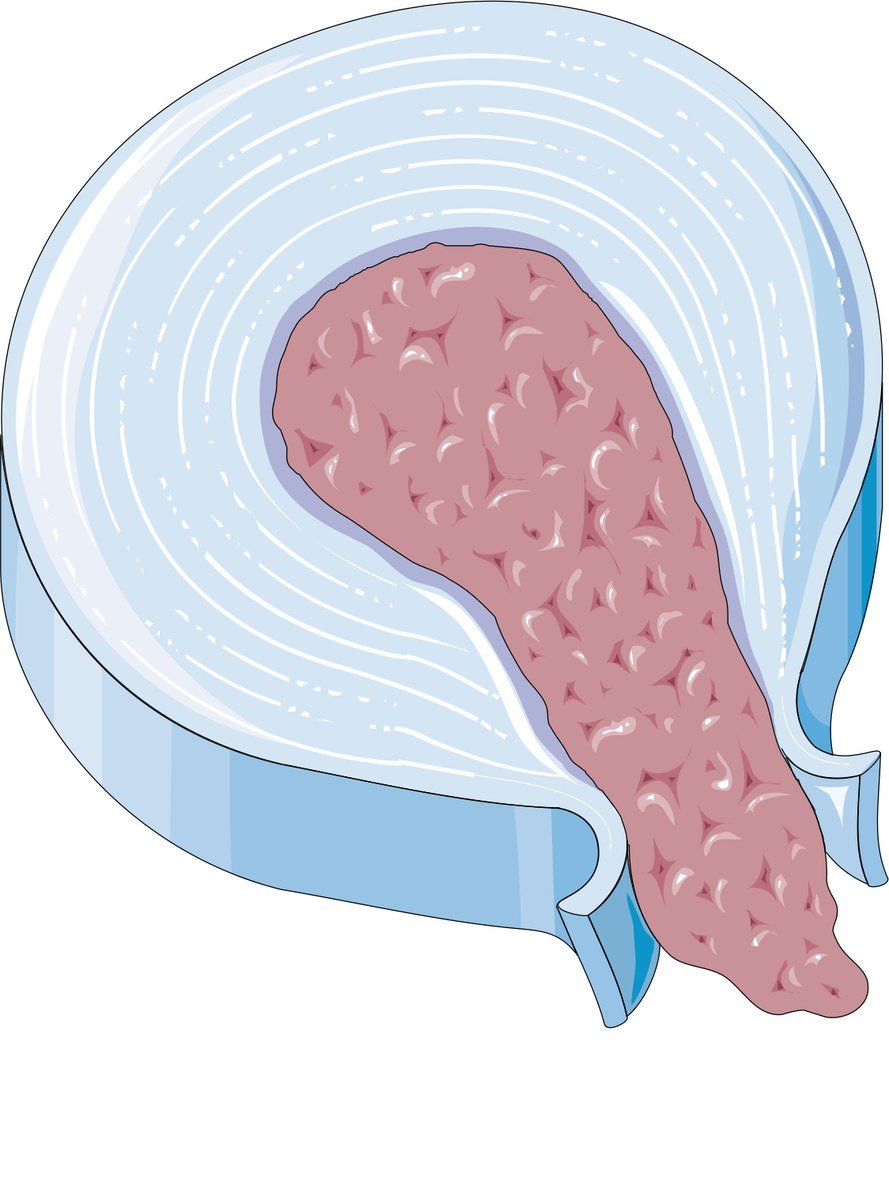
Note what is missing from that list: back pain alone. Operating on a disc mainly relieves leg pain. Patients whose main complaint is pure kamar dard with no nerve symptoms usually do better with rehabilitation than with an operation, and should be told so plainly.
When surgery is the right answer, two approaches are common:
- Endoscopic spine surgery. A camera and instruments are passed through a very small opening, often under local or spinal anaesthesia. Muscles are pushed aside rather than cut. The disc fragment pressing on the nerve is removed. Because tissue damage is limited, blood loss is minimal and most patients walk the same day, with a short hospital stay.
- Microdiscectomy. A small incision with an operating microscope, the long established standard for lumbar disc herniation, with well documented results over decades.
Both remove the pressure from the nerve. The choice depends on where the disc fragment sits, whether the canal is narrowed, previous surgery, and your general health. A surgeon who explains why one suits your particular scan is more useful than one who performs only one technique for everyone.
What does treatment cost in Faisalabad, and who should I see?
Costs vary widely between hospitals and depend on the procedure, whether any implant is used, anaesthesia, length of stay and follow-up. Because of that, no honest single figure exists. Ask for a written, itemised quote in PKR before you agree to admission, covering surgeon fee, theatre charges, anaesthesia, implants if any, room category, medicines and follow-up visits. Ask specifically what is not included. Compare two written quotes rather than two phone conversations.
Bring the family member who will make the decision with you to the consultation. In most Pakistani households the patient does not decide alone, and it wastes everyone's time when the person paying hears the plan second hand.
Reasonable questions to ask any spine surgeon:
- What exactly is compressing the nerve, and at which level?
- What happens if I do nothing for another six weeks?
- Why this operation rather than injection or physiotherapy?
- What are the risks, including infection, recurrence and the chance my pain does not fully go?
- When can I go back to my work, specifically?
Dr. M. Abdur Rehman is a consultant neurosurgeon at Mujahid Hospital, Faisalabad, seeing patients from across Punjab for back and leg pain. If you are searching for the best endoscopic spine surgeon in Faisalabad, judge on the answers you get in the consultation room. A surgeon who tells you honestly that you do not need an operation is worth more than one who books you for surgery on the first visit. Bring your MRI film, a list of your symptoms with dates, and your questions written down.
Lumbar spine surgery in Faisalabad Read the full page on lumbar spine surgery in faisalabad, including who it suits, what recovery looks like and how to arrange a review.
Questions patients ask about this
Kamar dard ka ilaj kya hai for ordinary back pain?
For most people it is movement, not rest. Stay active within comfort, use heat, take paracetamol or an anti-inflammatory if your stomach and kidneys allow, and keep walking daily. Bed rest beyond two days makes stiffness worse. See a doctor if pain travels down the leg or lasts beyond six weeks.
Can a slip disc heal without surgery?
Yes, often. Most disc herniations shrink over weeks to months as the body absorbs the bulging material, and leg pain settles with time, medication, physiotherapy and sometimes an injection. Surgery is considered when severe leg pain persists past six to eight weeks, or when there is progressive weakness.
Is massage or hakeem treatment safe for kamar dard?
Gentle massage can ease muscle spasm and does no harm. The risk is delay and force. Forceful pulling, standing on the back, or months of herbal courses while a nerve is being compressed can let weakness set in. If you have leg pain, numbness or weakness, get examined first.
How much does slip disc surgery cost in Faisalabad?
Cost depends on the procedure, the implant if any, hospital stay and anaesthesia, so no honest figure fits every patient. Ask the hospital for a written, itemised quote in PKR covering surgeon fee, theatre, implants, room and follow-up. Compare two written quotes rather than two phone conversations.
When is kamar dard an emergency?
Go to hospital the same day if you cannot pass urine or lose control of urine or stool, if the area between your legs feels numb, or if a leg is rapidly becoming weak. These signs can mean severe nerve compression, where waiting costs recovery.
If surgery is on the table
If an MRI has already shown a disc pressing on a nerve and someone has raised surgery, these explain what is actually on the table.
Related articles
Taang mein dard: leg pain from the back, explained simply
Taang mein dard ka ilaj: leg pain usually starts from a nerve in the lower back. How to tell nerve pain from…
Read this
Spine surgery cost in Pakistan: what drives the number
Spine surgery cost in Pakistan depends on the procedure, implants and hospital stay. A Faisalabad…
Read this
Insurance and panel cover for spine surgery in Pakistan
Does health insurance cover spine surgery in Pakistan? What panel and employer cover usually pays for, what…
Read thisAll patient questions · Spine surgery in Faisalabad · Book an appointment
Ask about your own scan. Send your MRI or X-ray on WhatsApp and get a straight answer on whether surgery is needed at all, from a consultant neurosurgeon in Faisalabad.
Dr. M. Abdur Rehman is a consultant neurosurgeon in Faisalabad. Send your scan on WhatsApp and ask what it actually shows.
Published for the practice of Dr. M. Abdur Rehman, consultant neurosurgeon, Mujahid Hospital, Faisalabad. General information only, not a substitute for examination.