
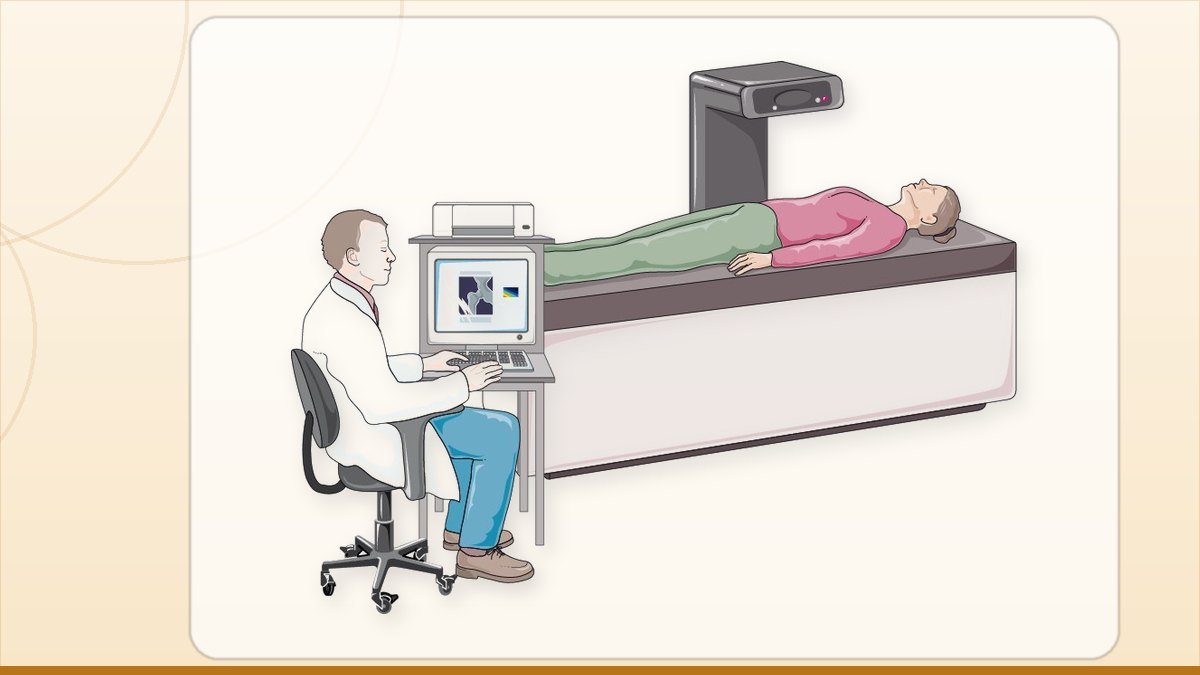
Leg pain that runs from your lower back into the buttock, thigh or calf is usually a nerve being pressed in the spine, not a problem in the leg itself. Most cases settle within six to twelve weeks with medicine, walking and physiotherapy. Surgery is needed only for the few who do not improve.
Why does my leg hurt when the problem is in my back?
The nerves that supply your legs do not start in the leg. They start in the spinal canal in your lower back and travel down through the buttock, the back of the thigh, the calf and into the foot. If something in the back presses on one of those nerves where it exits, the pain is felt along the whole path of that nerve. So the damage is in the kamar, but the dard is in the taang.
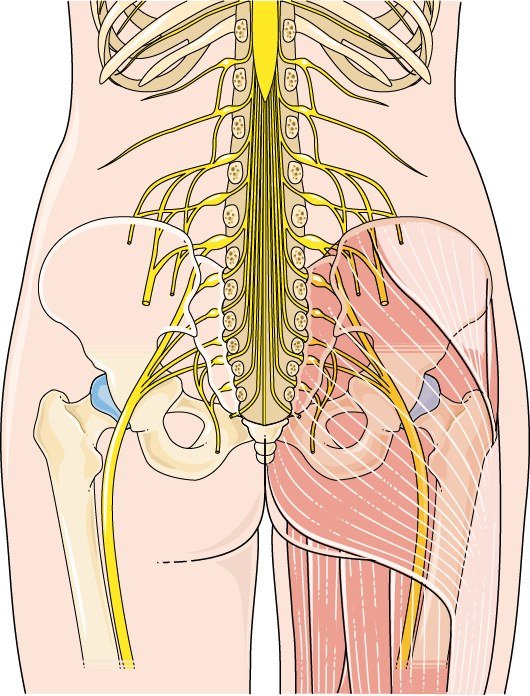
The usual culprit is a lumbar disc. Discs are soft cushions between the bones of the spine. With age, strain or a sudden lift, the outer wall can tear and the inner material bulges out. If that bulge sits on a nerve root, you get pain, tingling, or a burning line down the leg. This is what patients and families in Pakistan call slip disc. Doctors call it a disc prolapse or herniation, and the leg pain it causes is called sciatica.
Less often, the nerve is squeezed by bony overgrowth and thickened ligament as the spine ages. That condition is called spinal stenosis. It is more common after fifty, and the giveaway is leg pain and heaviness that comes on after walking a few minutes and eases when you sit or bend forward.
One important point. Pain in the leg does not mean the leg is damaged. The muscle, the bone and the blood supply in your leg are usually completely normal. That is why rubbing oil on the calf or massaging the thigh gives so little relief.
Will this paralyse me? Should I be scared?
For the large majority of people, no. Ordinary sciatica from a disc is painful, sometimes severely so, but it does not lead to paralysis. Most people get better and go back to normal life, many of them without any operation at all. The fear of becoming bistar par, of never walking again, is the single most common fear we hear in clinic, and for routine disc pain it is not what happens.
There is a small group who do need urgent care, and you should know the signs so you can act instead of worrying. Go to a hospital the same day if you notice any of the following.
- You cannot pass urine, or you are passing it without feeling it, or you have lost control of stool.
- Numbness in the area that touches a saddle, around the private parts and inner thighs.
- Weakness that is getting worse day by day, for example your foot starts slapping the ground or your slipper keeps falling off.
- Severe pain with fever, unexplained weight loss, or a history of cancer or TB.
These are uncommon, but they are the situations where waiting causes harm. Everything else can be assessed calmly, in an outpatient clinic, without panic.
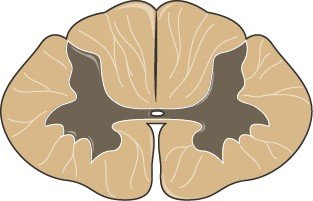
The other thing worth saying plainly. Surgery on the lower back for a disc does not touch the spinal cord. In adults the spinal cord ends higher up, around the level of the lowest ribs. Below that there are only nerve roots. That anatomy is one reason why the risk of paralysis from a lumbar disc operation is very low in trained hands.
Is it nerve pain or muscle pain? Simple tests you can do at home
This is the most useful thing you can work out before you spend money on scans. Nerve pain and muscle pain are treated differently, and telling them apart is not difficult.
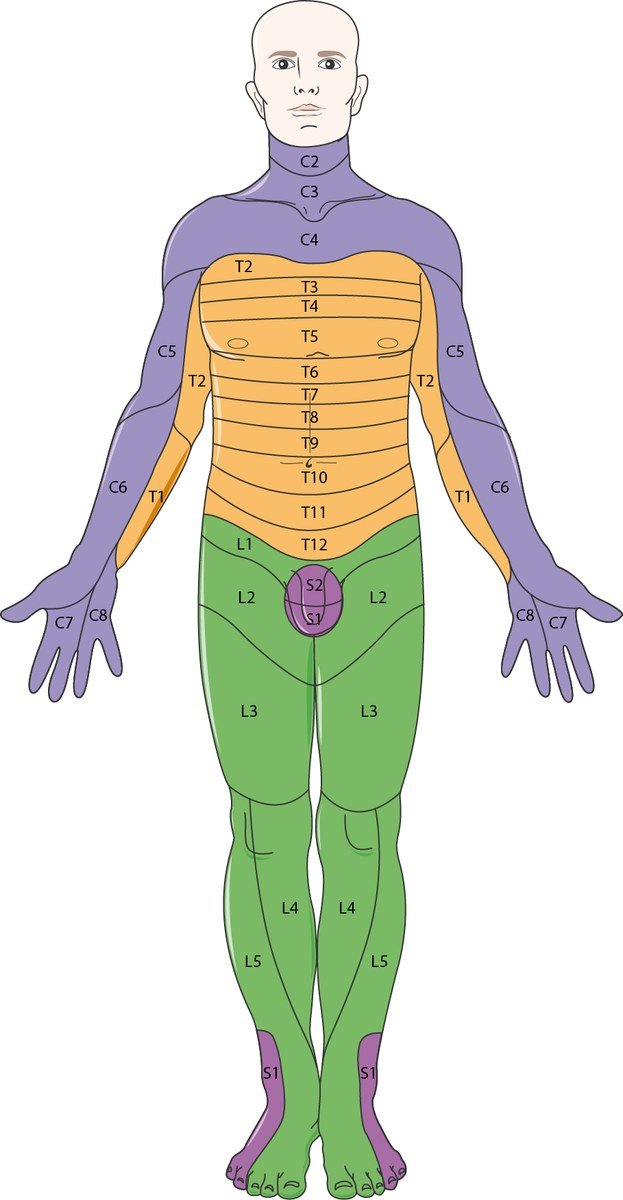
Signs it is coming from a nerve in the back:
- The pain travels in a line, from the back or buttock down the leg, often below the knee.
- Coughing, sneezing or straining in the bathroom sends a shock down the leg.
- There is tingling, pins and needles, or a patch of numbness in the leg or foot.
- Lie flat on your back and have someone slowly lift your straight leg. If sharp pain shoots down that leg before it reaches roughly halfway up, that suggests nerve irritation.
- Sitting for long periods and bending forward make it worse. Lying down often helps.
Signs it is muscle or joint related:
- The pain stays in the back, hip or upper thigh and does not go past the knee.
- There is a tender spot you can press with one finger.
- It is worse in one particular movement and better with heat and gentle stretching.
- No tingling, no numbness, no weakness.
Also check strength once. Try to walk on your heels, then on your toes, for a few steps each. If one side clearly cannot do it, that is weakness and it needs a doctor soon rather than later.
Kamar dard ka ilaj: what should I try first?
Most people in Faisalabad try something at home first, and that is reasonable as long as you know what is worth trying. The evidence based first steps are simple and cheap.
Keep moving. Complete bed rest was the old advice and it is now known to slow recovery. Two or three days of taking it easy during the worst pain is fine. After that, short walks several times a day are better than lying still. Movement helps the nerve settle.
Take the right medicine. Anti inflammatory tablets and paracetamol, taken properly and with food, help most people. Nerve pain medicines are sometimes added by a doctor. Do not take painkillers on an empty stomach, and tell your doctor if you have stomach ulcer, kidney disease, blood pressure or diabetes.
Get proper physiotherapy. Not one massage session, but a guided programme over some weeks. This is the treatment that most often prevents the need for surgery.
About hakeem, malish and cupping. A gentle massage may ease a tight muscle and it will not usually harm you. But if the problem is a nerve being pressed by a disc, no oil, no herbal potli and no amount of rubbing can move that disc off the nerve. The real danger is the time it costs. We regularly see patients who spent five or six months on massage while a weak foot became weaker. Give the standard treatment a fair trial, and set yourself a deadline. If there is no meaningful improvement in about six weeks, or if weakness appears at any point, see a spine doctor.
One more thing families ask about. Forceful spinal manipulation, where someone pulls or twists the back sharply to make it click, is not advisable when there is leg pain, tingling or weakness. It can make a nerve problem worse.
When do I actually need an MRI?
An MRI is useful when the result will change what is done next. It is not useful as a first step for ordinary back pain, and it is not a general health check for the spine.
You need an MRI of the lumbar spine if you have leg pain that has not improved after roughly six weeks of proper treatment, if you have weakness or worsening numbness, if surgery is being considered, or if there are any of the emergency signs listed earlier. In those situations, do it without delay.
Be careful about one trap. MRI reports of adults very commonly show disc bulges, dehydration and mild degeneration in people who have no pain at all. A scary sounding report does not by itself mean you need an operation. What matters is whether the findings on the film match the exact leg, the exact path of the pain, and the exact weakness the doctor finds on examination. A disc pressing on the left side does not explain right leg pain, no matter how big it looks.
Bring the actual films or the CD, not only the printed report. Any spine surgeon will want to look at the images himself.
When is surgery really needed for taang mein dard?
Surgery is for a minority. An honest spine surgeon will tell you that most people with sciatica never need an operation. The realistic reasons to operate are these.
- Emergency. Loss of bladder or bowel control with saddle numbness. This is operated urgently.
- Progressive weakness. A foot that is dropping, or power that is clearly reducing over days.
- Pain that will not settle. Leg pain that is still severe and disabling after around six to twelve weeks of genuine non surgical treatment, with an MRI that matches the symptoms.
- Repeated severe attacks that keep stopping work and normal life.
Note what is not on that list. Back pain alone, without leg pain, is rarely helped by disc surgery. An ugly MRI without matching symptoms is not a reason. Pressure from relatives who want the matter finished quickly is not a reason. If a surgeon recommends an operation on the day you first walk in with a few weeks of pain and no weakness, ask him to explain exactly why waiting is unsafe in your case, and consider a second opinion.
When surgery is genuinely indicated, delaying it also has a cost. A nerve that has been squeezed hard for many months may recover slowly or incompletely, particularly the weakness. The aim is neither rushing nor endless waiting. It is doing the right thing at the right time.
Slip disc ka permanent ilaj: is there really a permanent cure?
Here is the honest answer. Nothing makes a spine new again. What treatment can do, and does well, is take the pressure off the nerve so the leg pain goes and you return to normal life. For the great majority of people that relief lasts for years. But no doctor and no medicine can guarantee that a disc will never trouble you again.
Many disc herniations shrink on their own over months. The body absorbs part of the extruded material and the nerve settles. This is one reason patience with non surgical treatment is worth it.
If surgery is done, the surgeon removes the fragment that is pressing the nerve. He does not remove the whole disc, and he cannot reverse the ageing of the spine. A small number of patients, a low single digit percentage in published series, get a recurrence at the same level. Beware of anyone promising a hundred percent permanent cure, whether they are selling an operation, an injection or a herbal course.
What genuinely reduces the chance of a repeat problem is unglamorous. Keeping weight down, walking regularly, building core and back strength with a physiotherapist, learning to lift with the knees and not the back, stopping smoking, and controlling diabetes. That is the closest thing to permanent ilaj that exists.
What is endoscopic spine surgery, and how does it compare to microdiscectomy?
Both operations do the same essential job. They remove the piece of disc that is pressing on the nerve root so the leg pain stops. They differ in how the surgeon reaches it.
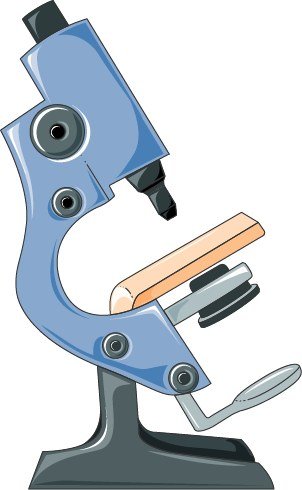
Microdiscectomy is done through a small incision using an operating microscope. It has a very long track record and remains a reliable and widely used operation worldwide.
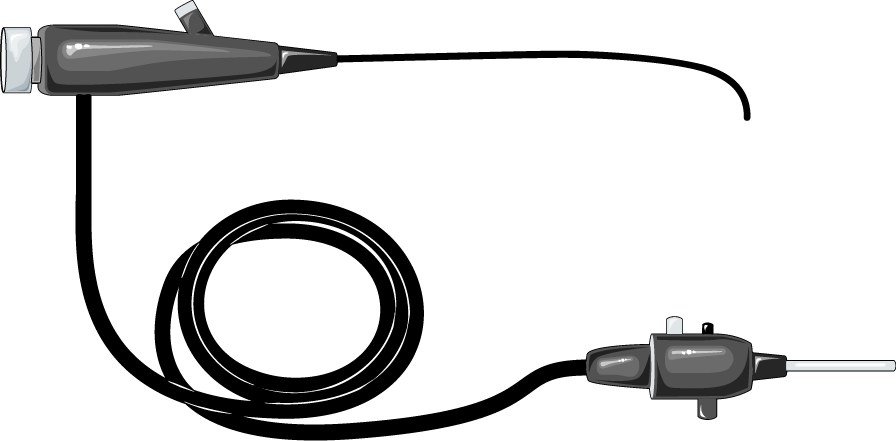
Endoscopic spine surgery uses a narrow tube with a camera and light, passed through an incision of well under two centimetres. The surgeon works while watching a magnified view on a screen, and the muscles are pushed apart rather than cut away from the bone. Because tissue disruption is smaller, blood loss is usually minimal, many patients are able to walk the same day, and hospital stay is often short. Depending on the case it may be done under general or regional anaesthesia.
Published comparisons generally show that for suitably selected patients the relief of leg pain is comparable between the two, with the endoscopic approach offering a smaller wound and often a quicker return to light activity. Endoscopic surgery is not right for every case. Large multi level disease, significant instability, or a spine that has already been operated on may be better served by a different approach. The correct question to ask your surgeon is not which technique is fashionable, but which one suits your particular MRI and your particular symptoms, and why.
What does it cost in Faisalabad, and who should I see?
Costs in Pakistan vary a great deal between government hospitals, trust hospitals and private setups, and between cities. Rather than trusting a number you saw online, ask for a written quote in PKR before you commit to anything. A proper written estimate should list the surgeon's fee, anaesthesia, operation theatre charges, the endoscope or implant costs if any, how many nights in hospital are included, and what happens financially if you need to stay longer. Ask separately what MRI, pre operative tests and follow up visits will cost. Ask whether your employer panel or insurance is accepted.
Also ask the questions that are not about money. What exactly is being operated, at which level, and on which side. What are the chances of the leg pain going, and of the numbness or weakness recovering. What are the risks in my case. What happens if I wait another two months. Who will see me if there is a problem at two in the morning. A surgeon who answers these calmly and in plain Urdu is a surgeon worth trusting.
Bring your family with you. In most Pakistani households this decision is made together, and it is easier when everyone has heard the same explanation from the doctor rather than a summary passed on afterwards. Bring your MRI films, your previous prescriptions, and a list of your other medical conditions.
Dr. M. Abdur Rehman is a consultant neurosurgeon at Mujahid Hospital, Faisalabad, seeing patients from across Punjab for kamar dard and taang mein dard. If you are searching for the best endoscopic spine surgeon in Faisalabad, judge any surgeon by whether he is willing to tell you that you do not need an operation. Book a consultation, bring your films, and get a clear answer before your leg pain decides your life for you.
Questions patients ask about this
Kya taang ka dard bina operation theek ho sakta hai?
Yes, in most cases. The majority of people with sciatica from a disc improve within six to twelve weeks using medicine, gentle walking and proper physiotherapy. Many herniated discs shrink on their own. Surgery is reserved for those with severe pain that does not settle, or with weakness.
Should I try massage or a hakeem before seeing a doctor?
A gentle massage may relax a tight muscle and will rarely harm you. But if a disc is pressing a nerve, no oil or herbal treatment can move it. The real risk is lost time. Set a six week limit, and see a doctor immediately if weakness appears.
How long does recovery take after endoscopic discectomy?
Most patients are able to walk within hours and go home the same day or the next. Leg pain often improves quickly. Light daily activity usually resumes within one to two weeks, desk work within a few weeks, and heavy lifting later, guided by your surgeon and physiotherapist.
Is numbness in my leg or foot dangerous?
A small patch of numbness with sciatica is common and usually settles as the nerve recovers. What needs same day attention is numbness spreading around the private parts and inner thighs, numbness with difficulty passing urine, or numbness combined with a foot that is dragging or getting weaker.
Does back pain without leg pain need spine surgery?
Usually not. Disc surgery mainly relieves leg pain, not isolated back pain. Most back pain responds to staying active, weight control, physiotherapy and core strengthening. If a surgeon recommends an operation for back pain alone, ask exactly what structure is being treated and consider a second opinion.
If surgery is on the table
If the leg pain has an MRI behind it and surgery has been mentioned, start here rather than with a price.
Related articles
Spine surgery cost in Pakistan: what drives the number
Spine surgery cost in Pakistan depends on the procedure, implants and hospital stay. A Faisalabad…
Read this
Insurance and panel cover for spine surgery in Pakistan
Does health insurance cover spine surgery in Pakistan? What panel and employer cover usually pays for, what…
Read this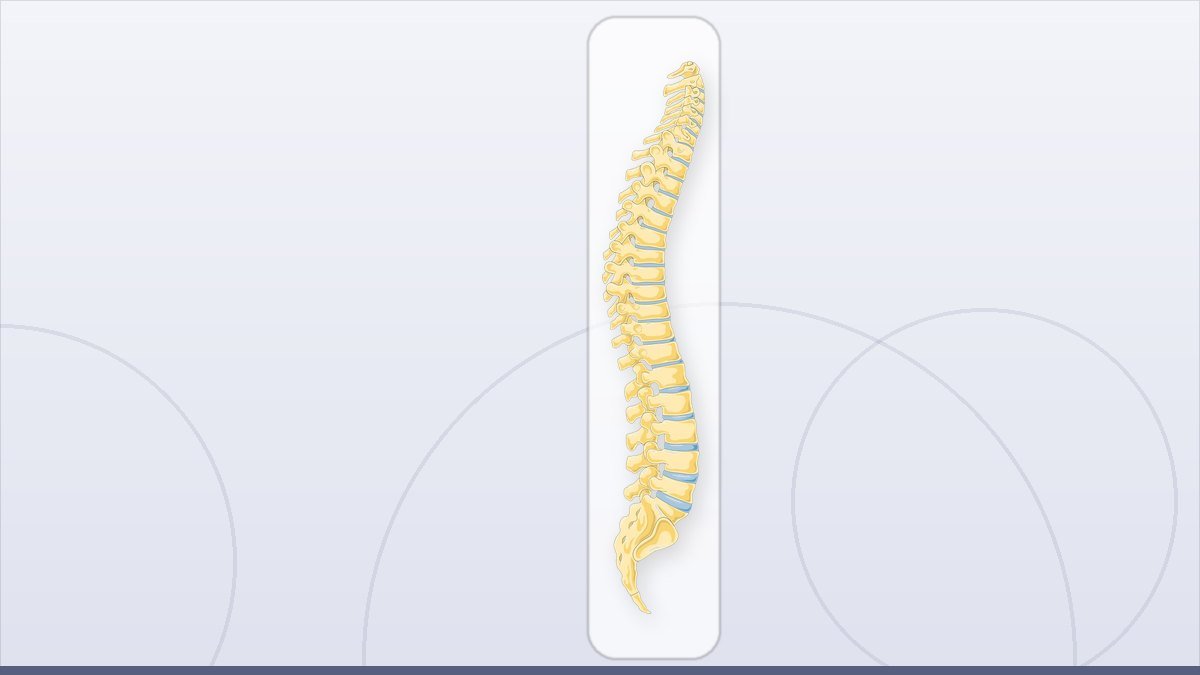
Getting a second opinion on spine surgery, without offending anyone
Thinking about a spine surgery second opinion in Pakistan? What to take, what to ask, and how to do it…
Read thisAll patient questions · Spine surgery in Faisalabad · Book an appointment
Ask about your own scan. Send your MRI or X-ray on WhatsApp and get a straight answer on whether surgery is needed at all, from a consultant neurosurgeon in Faisalabad.
Dr. M. Abdur Rehman is a consultant neurosurgeon in Faisalabad. Send your scan on WhatsApp and ask what it actually shows.
Published for the practice of Dr. M. Abdur Rehman, consultant neurosurgeon, Mujahid Hospital, Faisalabad. General information only, not a substitute for examination.