
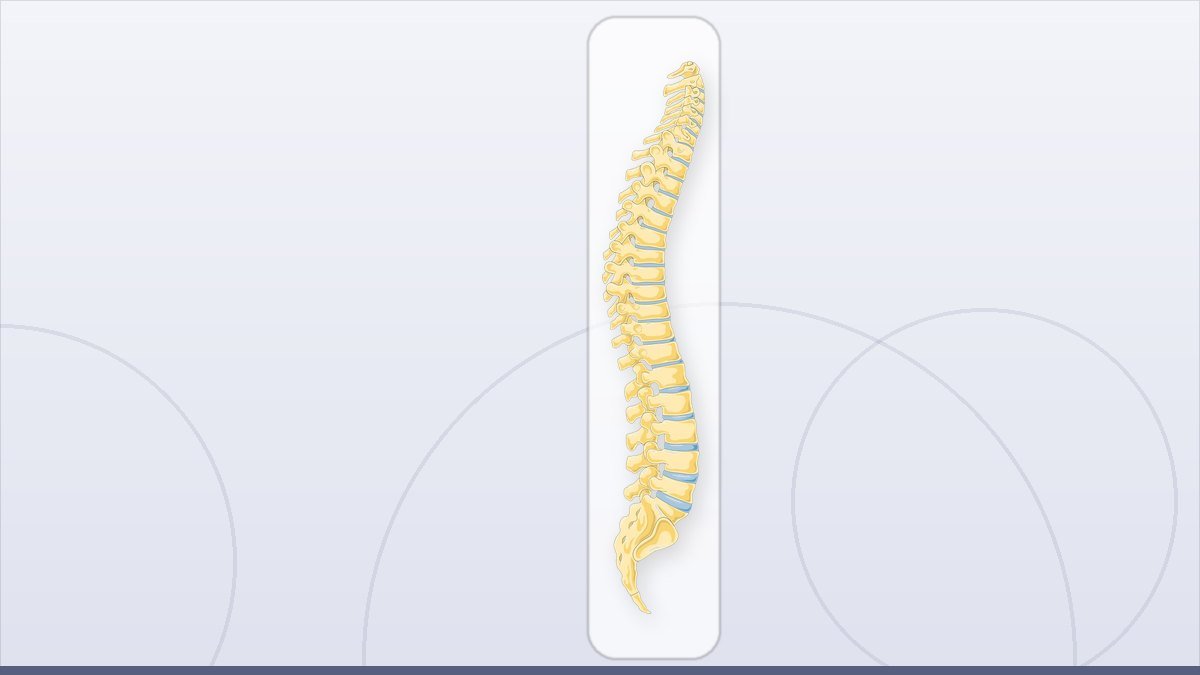
A second opinion is a normal part of spine care, not an insult to your first doctor. Take your MRI images, report and prescription to another spine surgeon, say plainly that you want one more view, and ask whether surgery is needed now, later, or not at all. Most surgeons expect this.
Will my doctor mind if I take a second opinion?
Almost never. A second opinion before spine surgery is ordinary practice, and experienced surgeons are used to it. You are not accusing anyone of anything. You are doing what any careful family should do before an operation on the backbone.
In Pakistan many patients feel that questioning the doctor is badtameezi. It is not. You are allowed to take time, to consult your family, and to see another surgeon. You do not need permission, and you do not need to explain yourself at length.
If you want to say something, keep it simple and respectful. Something like: "Doctor sahib, this is a big decision for my family. I want to take one more opinion before I decide. Can I have my MRI and reports back?" That is enough. Your scans and reports belong to you.
If a doctor becomes annoyed, refuses to return your films, or pressures you to book the operation the same day, that reaction is information. A surgeon who is confident in the plan has no reason to fear a second reading of the same MRI.
Is spine surgery safe, or will I be paralysed?
Paralysis after planned spine surgery is rare. In modern decompression surgery for a slip disc, whether endoscopic or microdiscectomy, most patients get up and walk the same day or the next morning, and go home within a day or two.
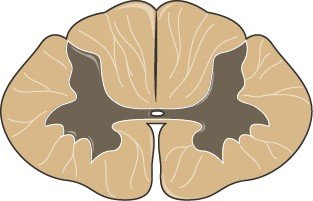
The fear is understandable. Almost every family in Punjab knows someone whose relative "had a back operation and never walked properly again". Very often that person had waited far too long, with a nerve already weak and numb for months, or had a very different and much larger operation. Nerve damage that is already present before surgery may not come back fully afterwards. That is a reason to be assessed early, not a reason to avoid assessment.
Real risks exist and any honest surgeon will list them: infection, bleeding, a tear in the covering of the nerve, incomplete relief of pain, and the disc herniating again at the same level later. Ask about each one. Ask what happens if it occurs.
There is also a risk in doing nothing. If you have weakness in the foot that is getting worse, numbness in the saddle area, or difficulty passing urine, that is an emergency. Do not spend two weeks arranging second opinions. Go to hospital the same day.
What should I take to the second opinion appointment?
The single most important item is the MRI images, on CD or on film. The typed report is not enough. A spine surgeon reads the scan themselves and often sees something the report does not emphasise, or disagrees with how a finding was described.
- MRI of the lumbar or cervical spine, images plus report, ideally within the last six months
- Any X-rays, especially standing films, and any CT scan
- The first surgeon's prescription, notes, or written plan and quote
- A list of medicines you have taken, the dose, and for how many weeks
- Details of physiotherapy: how many sessions, what was done, did it help
- Your other conditions: diabetes, blood pressure, heart problems, blood thinners
Write a short timeline on one page before you go. When the pain started. What made it worse. Whether the pain is mainly kamar dard, or mainly taang mein dard going below the knee. Whether the foot feels weak or numb. Whether the pain wakes you at night. Whether you can walk to the mosque or the shop without stopping.
That last detail matters more than most patients expect. Leg pain that follows the nerve, and matches the level on the MRI, is what makes surgery useful. Back pain alone, with a bulging disc on the film, usually is not.
Take one family member with you. Decisions in our homes are made together, and a second listener remembers what you will forget in the room.

What should I ask the second surgeon?
Ask questions that force a specific answer. Vague reassurance is easy to give. Ask the surgeon to point at your own MRI on the screen and show you the problem.

- What exactly is pressing on what, and at which level? Show me.
- Does that level explain the pain in my leg, or not?
- If I do nothing for six more weeks and continue treatment, what is likely to happen?
- Which operation are you recommending, and why that one rather than the others?
- Do I need fusion with screws, or is decompression alone enough for me?
- What is likely to improve, the leg pain, the back pain, or both?
- How many days in hospital, how many weeks off work, when can I drive or ride?
- If it comes back, what is the next step?
- Who will actually perform the operation, and what anaesthesia will be used?
You are also allowed to ask the surgeon how often they do this specific procedure and what complications they have seen. A straight answer to that question tells you a great deal.
Do I actually need surgery, or will this settle on its own?
Most back pain never needs an operation. Most slip disc patients improve over several weeks with medicines, staying gently active, and proper physiotherapy. A second opinion that tells you to wait is not a wasted trip. It may be the most valuable thing you hear.
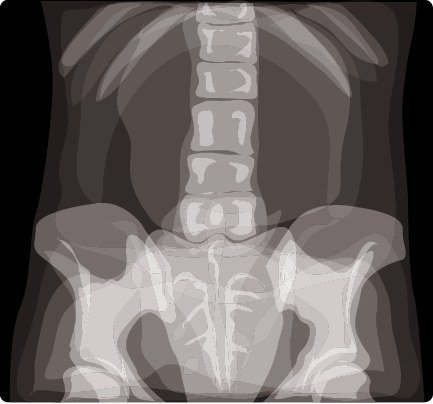
Surgery is usually considered when leg pain dominates, matches the MRI, and has not settled after a fair trial of non-surgical treatment, or when there is real weakness in the leg or foot. It becomes urgent with loss of bladder or bowel control, numbness around the private parts, or weakness that is worsening day by day.
An MRI report full of alarming words does not by itself mean an operation. Disc bulges, dryness, and mild changes appear on the scans of many people with no pain at all. The scan is read together with your symptoms and examination, never on its own.
Most families here try hakeem, malish, cupping or a pehlwan before they see a surgeon. If gentle massage gives you comfort, it does little harm. Forceful pulling or twisting on a spine with nerve compression can make things worse, and heavy manipulation on a leg that is already weak or numb is a bad idea. The real danger is time. Weeks of trying one remedy after another while the foot gets weaker is how recovery is lost.
What does spine surgery cost in Pakistan, and why do quotes vary so much?
Costs differ widely between hospitals in Punjab, and the honest answer is that no article can quote you a reliable figure. What you can do is ask every hospital for a written, itemised quote in rupees, and compare the same lines side by side.
The biggest single driver of cost is implants. A spinal fusion uses screws, rods and cages, and those implants often cost more than the surgery itself. A day-care endoscopic procedure or a microdiscectomy uses no implants, so the total is usually far lower than an instrumented fusion. This is why a fusion quote and an endoscopic quote are not comparable numbers.
When you get a quote, ask what is included and, more importantly, what is not:
- Surgeon, anaesthesia and operation theatre charges
- Implant brand and implant cost, listed separately
- Room category and how many nights are assumed
- Pre-operative tests, MRI or repeat imaging
- Medicines, brace or belt, follow-up visits, physiotherapy
- What the extra cost would be if the stay is longer than planned
Be careful with an unusually low advertised price. Very often the implants, the theatre charge or the hospital stay are excluded, and the final bill looks nothing like the poster. A surgeon willing to put the figure in writing, on hospital letterhead, is telling you something about how they work.
Is laser spine surgery effective, and is it the same as endoscopic surgery?
They are not the same thing, and the difference matters when you are comparing quotes. Endoscopic spine surgery uses a small tube with a camera passed through a tiny opening in the skin. The surgeon sees the nerve directly on a screen and removes the piece of disc that is pressing on it. The pressure is physically taken off.
"Laser spine surgery" is a marketing name more than a category of surgery. A laser is one heat tool among several. In some percutaneous procedures it is used to shrink or ablate disc tissue from inside without removing the fragment that has come out. The evidence for laser used on its own is weaker than the evidence for removing the offending fragment under direct vision, and it is not a substitute for a proper decompression when a fragment has extruded and is squashing the nerve.
If a clinic advertises laser treatment, ask three plain questions. Will the fragment pressing on my nerve actually be removed, or only shrunk? Will the surgeon see the nerve while working? What happens if my pain does not settle afterwards, and would I then need the full operation anyway?
The goal is not a fashionable word on a banner. The goal is taking the pressure off the nerve with the smallest reasonable operation, which is exactly what endoscopic surgery and microdiscectomy are designed to do.
What if the two opinions do not agree?
This happens often, and it does not mean one surgeon is dishonest. Spine surgery has genuine grey areas. Decompression alone versus fusion, operate now versus wait another six weeks, these are real debates among good surgeons looking at the same film.
When the advice differs, go back to each and ask why they rejected the other plan. "The other doctor said decompression alone would be enough. Why do you feel I need screws?" A surgeon who can explain that clearly, in terms of your own scan and your own symptoms, is worth listening to.
Weigh who showed you your MRI rather than just the report. Who described what happens without surgery. Who was willing to say the words "you may not need an operation". Who gave you a written quote without being chased for it.
Treat these as warning signs: a promise of a hundred percent cure, pressure to decide today, a discount that expires if you leave the room, or refusal to discuss risks. If both opinions push different major operations and you are still lost, a third opinion is reasonable. Just do not let months pass while weakness grows.
How to arrange a second opinion in Faisalabad
Bring your MRI on CD, your reports, your medicine list and one family member. Consultations at Mujahid Hospital, Faisalabad are straightforward to arrange, and patients travelling in from Jhang, Chiniot, Sargodha, Toba Tek Singh and the surrounding districts can usually have the scan reviewed and the plan explained in a single visit.
Expect to be told honestly if you do not need surgery. A large number of people who come in with a slip disc report are sent home with a treatment plan, a physiotherapy referral and a date to review, not a date for theatre.
If you are searching for the best endoscopic spine surgeon in Faisalabad before committing to an operation, judge on what happens in the room. Did the surgeon show you your own MRI. Did they explain the non-surgical option first. Did they give you the cost in writing, in rupees. Those three things tell you more than any advertisement.
Dr. M. Abdur Rehman is a consultant neurosurgeon and spine surgeon at Mujahid Hospital, Faisalabad, offering endoscopic spine surgery and microdiscectomy, and second opinions on scans and surgical plans made elsewhere.
Questions patients ask about this
Should I tell my first doctor that I am taking a second opinion?
You do not have to, but it is easier if you do. Simply say you want one more view before a big decision. Most surgeons are comfortable with this and will hand back your films and reports. If a doctor refuses or takes offence, that itself tells you something useful.
Do I need a new MRI for the second opinion?
Usually not. An MRI from the last six months is normally enough, unless your symptoms have clearly changed or new weakness has appeared. Carry the images on CD or film, because the second surgeon needs to read the scan themselves. Repeating an MRI at every clinic wastes money you may need later.
Is endoscopic spine surgery safe?
It is a well established technique for taking pressure off a nerve through a very small opening, and most patients walk the same day. Risks still exist, including infection, nerve irritation and the disc herniating again. Ask your surgeon to list them for your specific case rather than accepting a general reassurance.
How long can I safely wait before deciding on surgery?
For leg pain without weakness, waiting several weeks while taking proper treatment is reasonable, and many people improve in that time. Waiting is not safe if the foot is getting weaker, numbness is spreading, or you have trouble controlling urine or motion. Those need same day hospital assessment.
Is laser spine surgery cheaper than endoscopic surgery?
Advertised laser prices are sometimes lower, but the two are not the same treatment. If the procedure only shrinks disc tissue and does not remove the fragment pressing the nerve, your pain may persist and you could need the full operation anyway. Compare written quotes and compare what is actually done.
Related articles

Travelling to Faisalabad for spine treatment
Travelling to Faisalabad for spine treatment: what to bring, is one visit enough, when surgery is not needed,…
Read this
What to bring to your first spine appointment
Going to a spine doctor in Faisalabad? Bring MRI films, not just the report, plus your medicine list and old…
Read this
How to send your MRI on WhatsApp so a surgeon can actually read it
Sending an MRI report to a doctor on WhatsApp? Here is how to photograph the films, which images matter, and…
Read thisAll patient questions · Spine surgery in Faisalabad · Book an appointment
Ask about your own scan. Send your MRI or X-ray on WhatsApp and get a straight answer on whether surgery is needed at all, from a consultant neurosurgeon in Faisalabad.
Dr. M. Abdur Rehman is a consultant neurosurgeon in Faisalabad. Send your scan on WhatsApp and ask what it actually shows.
Published for the practice of Dr. M. Abdur Rehman, consultant neurosurgeon, Mujahid Hospital, Faisalabad. General information only, not a substitute for examination.