

Bring your actual MRI films or CD, not only the report. Add X-rays, any older scans, a written list of every medicine and dose you take, old prescriptions and discharge papers, and one family member. Write down when the pain started, where it travels, and what makes it worse.
What should I actually carry to the appointment?
Pack one folder and put everything in it the night before. Patients travelling from Jhang, Chiniot, Sargodha or Toba Tek Singh often leave in the dark and forget the one thing that matters.
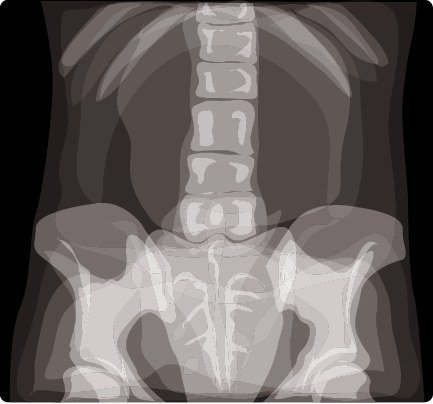
- MRI films or the CD, of the correct region. Lumbar spine for kamar dard and taang mein dard. Cervical spine for neck and arm pain.
- X-rays, including any standing films.
- Any older scans, even from two or three years ago. Old films show whether the problem is new or slowly changing.
- A written medicine list, or simply the boxes and strips in a shopping bag.
- Old prescriptions, discharge summaries and operation notes if you have had any surgery before.
- Blood reports, sugar readings, and reports from any other doctor you have seen for this pain.
- Your CNIC and any insurance or panel card.
If you cannot find the films, come anyway. It is better to be seen and told what to arrange than to keep waiting at home while the leg gets weaker.
Will the doctor say I need surgery, and could I end up paralysed?
Coming for an opinion does not commit you to an operation. Most people who walk into a spine clinic with back pain do not need surgery, and a good consultation often ends with medicines, physiotherapy and a follow-up date rather than an admission slip.
The fear behind the question is usually paralysis. It is the first thing families in Punjab say out loud. Spinal surgery does carry risk, and no honest surgeon will tell you the risk is zero. But serious nerve injury from modern disc surgery is uncommon, and the operation is done to protect the nerve, not to disturb it. In endoscopic spine surgery the surgeon works through a small opening with a camera, watching the nerve on a screen for the whole procedure.
There is also a risk in waiting. If you have weakness in the foot, numbness spreading around the private area, or difficulty controlling urine or stool, that is not a case for hakeem or massage. Go to a hospital the same day.
Why does the doctor want the films and not just the report?
The report is one radiologist's description in words. The films are the actual pictures. A spine surgeon needs to see the size of the disc, which side it has pushed to, how much space is left for the nerve, and whether the nerve root is genuinely being squeezed.

Two people can have almost identical reports and need completely different treatment. A report saying "disc bulge at L4-L5" is extremely common and by itself is not a reason to operate. What matters is whether the picture matches your symptoms. If the MRI shows pressure on the left nerve but your right leg hurts, the disc is probably not the cause of your pain, and an operation on that disc will not help you.
So bring the CD. If the CD is lost, ask the imaging centre to reissue it. Most centres in Faisalabad will give you a copy for a small charge if you carry the receipt.

What should I write down before I come?
Write four things on a page. It takes ten minutes and makes the consultation far more useful than trying to remember under pressure.
- When it started, and whether anything triggered it. Lifting, a fall, a long drive, or nothing at all.
- Where the pain goes. Only the back, or down the buttock into the thigh, calf and foot. Leg pain below the knee is a different problem from pain that stays in the waist.
- What makes it better and worse. Sitting, standing, walking a certain distance, coughing, praying, lying down.
- What you have already tried, and for how long. Tablets, injections, physiotherapy, malish, cupping, a chiropractor, a hakeem's course.
Also note any weakness. Has your foot started slapping the ground. Are you dragging a slipper. Do you stumble on the stairs. Weakness is more important than pain when a surgeon is deciding what to do next.
What about the medicines I am already taking?
Bring everything, including things you would not think of as spine medicine. Blood pressure tablets, sugar tablets or insulin, heart medicines, thyroid tablets, herbal or homeopathic preparations, and anything a relative gave you.
Blood thinners matter most. If you take aspirin, clopidogrel, warfarin or any similar medicine after a stent, a valve or a stroke, say so early in the conversation. These medicines change the plan and the timing for any procedure, and they must never be stopped on your own.
Steroid injections and long courses of painkillers are worth mentioning too. Many patients in Pakistan receive repeated injections without knowing what was in them. If you have the empty vial or the old prescription, carry it.
I tried hakeem, massage and physiotherapy first. Should I admit that?
Yes, and you will not be scolded for it. Almost everyone tries something at home first. Sarson ka tel, a course from a hakeem, cupping, a neighbour who "puts the disc back", weeks of malish. It is the normal path here and it is not a stupid one, because a lot of back pain genuinely does settle with time and gentle movement.
What the surgeon needs to know is how long you have been trying and whether it helped at all. Six weeks of proper physiotherapy that failed is a very different story from six weeks of bed rest. Bed rest for long periods usually makes the back weaker, not better.
Be honest about forceful manipulation as well. If someone pulled or twisted your back and the leg pain became much worse afterwards, that is important information, not something to hide.
What should I ask about cost, laser and endoscopy?
Ask for a written estimate in rupees, and ask what is included. A quoted figure often covers only the surgeon and the theatre. Ask separately about the hospital stay and room category, anaesthesia, consumables and any implant, medicines, post-operative imaging, and follow-up visits. Ask what happens to the cost if you have to stay an extra night. A verbal number given in a busy corridor is not a quote.
If you have seen advertisements for laser spine surgery, ask exactly what is being proposed. "Laser" describes an energy source, not a complete operation, and it is sometimes used as a marketing label for very different procedures. The evidence supporting laser treatment on its own for a herniated disc is weaker than the evidence for established decompression through endoscopic surgery or microdiscectomy. Ask which technique will be used, what will physically be removed, and what the plan is if the pain returns.
Fair questions to ask any spine surgeon:
- Do I actually need an operation, and what happens if I wait three months?
- Which nerve is being pressed, and does that match my symptoms?
- What are the chances my leg pain improves, and my back pain?
- What are the risks, including infection, recurrence and nerve injury?
- How long until I can sit, drive, pray normally and go back to work?
Who should come with me?
Bring one person, ideally the family member who will help make the decision and who can drive or arrange money if surgery is planned. Two is fine. A crowd of eight in the consultation room means nobody hears the answer clearly.
Choose someone who can write. Frightened patients remember almost nothing after the word "operation". Let the attendant take notes, or record the explanation on a phone after asking permission.
If the patient is elderly, or does not speak much English, the attendant should be someone who will actually repeat the instructions at home. Many failed recoveries are simply instructions that were never passed on.
What to do next
Put the films, the medicine strips, the old papers and your written page of symptoms into one folder tonight. Take that folder to the appointment. Ask the questions above and ask for the cost in writing.
Then take your time. Except for the emergency signs, weakness in the leg or loss of bladder control, you are allowed to go home, discuss it with your family, and come back. A surgeon worth trusting will tell you when surgery is not needed, and will not push you to decide the same day. If you are searching for the best endoscopic spine surgeon in Faisalabad, judge by that conversation rather than by advertising.
Dr. M. Abdur Rehman is a consultant neurosurgeon and spine surgeon at Mujahid Hospital, Faisalabad. For an appointment, bring the folder described above so the first visit is not wasted arranging paperwork.
Questions patients ask about this
My MRI CD is lost. Can I still be seen?
Yes. Come with whatever you have, including the typed report and any X-rays. The surgeon can examine you, decide whether the report fits your symptoms, and tell you which scan to arrange. Most imaging centres will reissue a CD if you bring the original receipt or file number.
Should I get an MRI before the appointment or after?
If you already have one, bring it. If not, do not rush to buy a scan first. Some back pain does not need imaging at all, and the wrong region gets scanned very often. Let the doctor examine you and tell you exactly which MRI is needed.
How much does endoscopic spine surgery cost in Pakistan?
It varies widely by city, hospital, room category, and what consumables the case needs, so no single figure is honest. Ask for a written estimate in rupees that lists surgeon fee, hospital charges, anaesthesia, consumables, medicines and follow-up visits separately, and ask what an extra night would add.
Is endoscopic spine surgery safe?
No spine operation is risk free, but endoscopic decompression is an established technique done through a small opening with continuous camera view of the nerve. Risks include infection, bleeding, recurrence of the disc and, uncommonly, nerve injury. Ask your surgeon to explain these risks for your specific scan and symptoms.
What signs mean I should not wait for an appointment?
Go to a hospital immediately if you develop weakness in a foot or leg, numbness around the private area or inner thighs, or difficulty passing or controlling urine or stool. These suggest serious nerve compression. Do not try massage, manipulation or a hakeem's course first.
Related articles
How to send your MRI on WhatsApp so a surgeon can actually read it
Sending an MRI report to a doctor on WhatsApp? Here is how to photograph the films, which images matter, and…
Read this
Private or government hospital for spine surgery in Punjab
Government hospital or private for spine surgery in Punjab? An honest look at waiting, cost in PKR, safety,…
Read this
Physiotherapy for a slip disc: what actually helps
Physiotherapy for slip disc: which exercises and treatments actually help, which waste your money, and when a…
Read thisAll patient questions · Spine surgery in Faisalabad · Book an appointment
Ask about your own scan. Send your MRI or X-ray on WhatsApp and get a straight answer on whether surgery is needed at all, from a consultant neurosurgeon in Faisalabad.
Dr. M. Abdur Rehman is a consultant neurosurgeon in Faisalabad. Send your scan on WhatsApp and ask what it actually shows.
Published for the practice of Dr. M. Abdur Rehman, consultant neurosurgeon, Mujahid Hospital, Faisalabad. General information only, not a substitute for examination.