
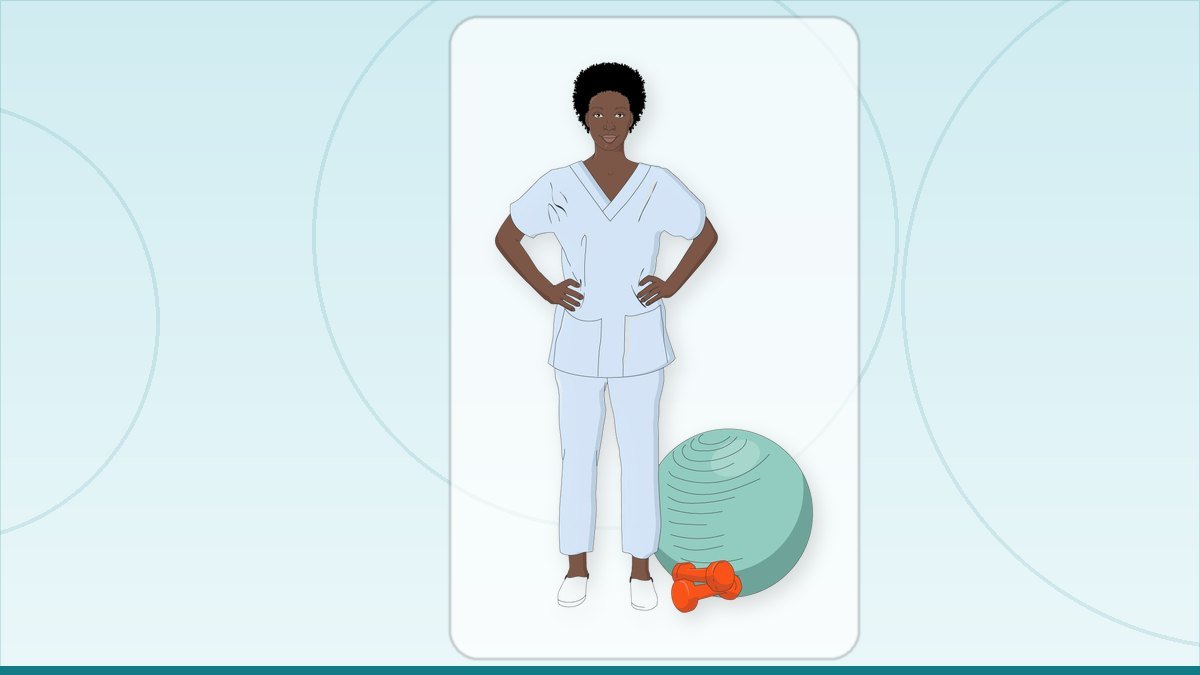
Physiotherapy helps most slip disc patients. The parts that work are guided exercise, a gradual return to walking and normal activity, and being taught how to move safely. Passive treatments used alone, machines, traction and long bed rest do very little. Most people improve over six to twelve weeks without any surgery at all.
What does physiotherapy actually do for a slip disc?
Physiotherapy does not push the disc back. It calms the irritated nerve, restores movement, and rebuilds the muscles that stopped working when the pain started.
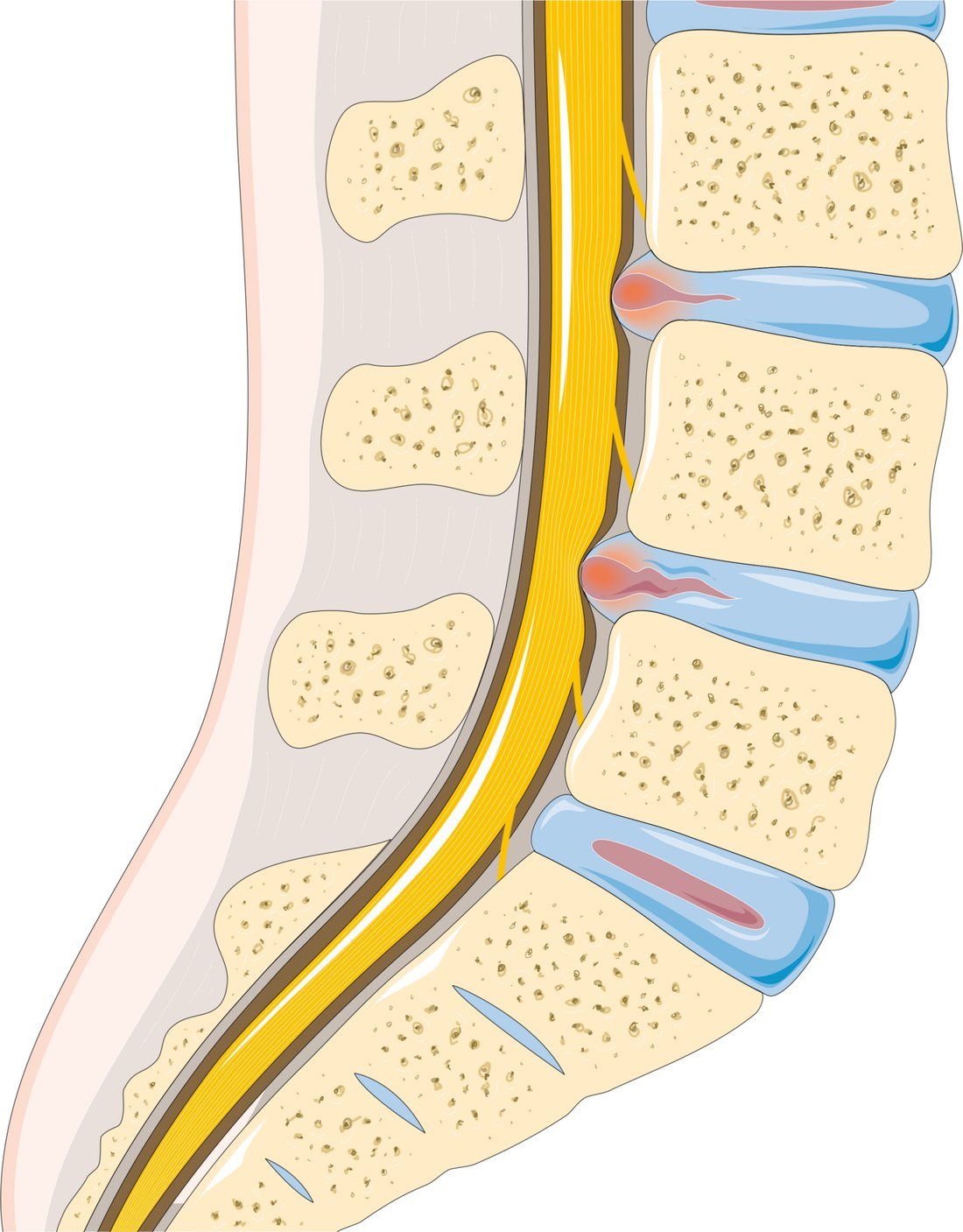
When a disc herniates, a piece of the soft inner material presses on a nerve root. That is what sends the pain down your leg, the taang mein dard, and sometimes the pins and needles into the foot. The body treats that fragment like anything else out of place. Over weeks, it shrinks and dries. The pressure comes off. This happens in most people whether or not they have any treatment.
What physiotherapy adds is the time in between. Pain makes people freeze. They lie down, they stop walking, they hold the back stiff, and within two weeks the muscles are weak and the fear is bigger than the injury. A good physiotherapist stops that spiral. They get you walking, they find the positions and movements that ease your leg pain, and they load your spine again in a controlled way.
So physiotherapy is not a repair. It is the thing that keeps you functioning while the disc settles, and that leaves you stronger than you were before, which is what lowers the chance of the next episode.
Can physiotherapy make it worse? Will I end up paralysed?
Properly guided physiotherapy will not paralyse you. Paralysis from a slip disc is rare, and when it happens it comes from the disc itself pressing hard on nerves, not from doing exercises.
This fear is the reason many people in Faisalabad lie flat for a month and refuse to move. It is an understandable fear. Everybody has heard of a relative who had a spine operation and never walked properly again. But the far more common outcome of a slip disc is a painful few weeks followed by recovery, and the far more common harm is from doing nothing at all.
What can genuinely go wrong with physiotherapy is smaller and fixable. Aggressive stretching of an angry nerve will flare the leg pain. Heavy gym-style lifting too early will do the same. Forceful manipulation of the lower back while you have leg pain and weakness is not a good idea. If a session leaves your leg pain clearly worse for more than a day, that exercise is wrong for you at this stage. Say so and it should be changed.
The signs that mean stop and get seen the same day, whatever treatment you are having:
- Trouble passing urine, or leaking, or not feeling when you need to go
- Loss of control of the bowels
- Numbness around the private parts or inner thighs, the saddle area
- Weakness that is spreading, or a foot you cannot lift
- Both legs affected at once
These point to pressure on the nerve bundle at the bottom of the spine. That is the one situation where waiting is genuinely dangerous. It is uncommon, but it needs an MRI and a surgeon the same day, not next week.
Which physiotherapy helps, and which wastes your money?
The treatments with real evidence behind them are active ones, where you do the work. The ones with weak evidence are the passive ones, where a machine or a pair of hands does something to you while you lie still.
Worth your money:
- Guided exercise for your specific pattern. A physiotherapist checks which direction eases your leg pain, often leaning back, sometimes leaning forward, and builds the programme around that.
- Walking, built up gradually. Simple, free, and one of the best things you can do.
- Core and hip strengthening, introduced once the sharp phase settles.
- Nerve mobility exercises, gentle ones, for a leg that feels tight and electric.
- Teaching. How to get out of bed, how to lift, how to sit for prayer, how to sit at work, how much is safe. This changes outcomes more than any machine.
Not worth paying much for:
- Traction. Repeatedly studied for sciatica, repeatedly shown to add little.
- Ultrasound and short wave diathermy as the main treatment.
- TENS machines beyond short term comfort. They may take the edge off. They do not change the course of the problem.
- Bed rest longer than a day or two. This actively slows recovery.
- Belts and corsets worn all day, for weeks. Short term support is fine. Long term they let your own muscles switch off.
Heat, a TENS unit, or ten minutes on a machine are not harmful. The problem is when that is the whole session, twenty times over, and you leave having done nothing yourself. If your physiotherapy appointment is thirty minutes of lying under a machine and no exercise, you are paying for very little.
One more honest point on hakeem treatment and malish. Many patients try these first, sometimes for months. A gentle massage may relax tight muscles and feel good for a day. It does not shrink a disc fragment. Strong pulling, cracking or standing on the back while you have leg weakness is where real harm has happened. If a treatment is being sold as a permanent cure for slip disc without any scan, be careful with your money.
Slip disc ka ilaj kaise hota hai: what the first six weeks should look like
The standard path is simple: pain control, keep moving, guided exercise, and review. No scan is needed in the first weeks unless there are red flags.
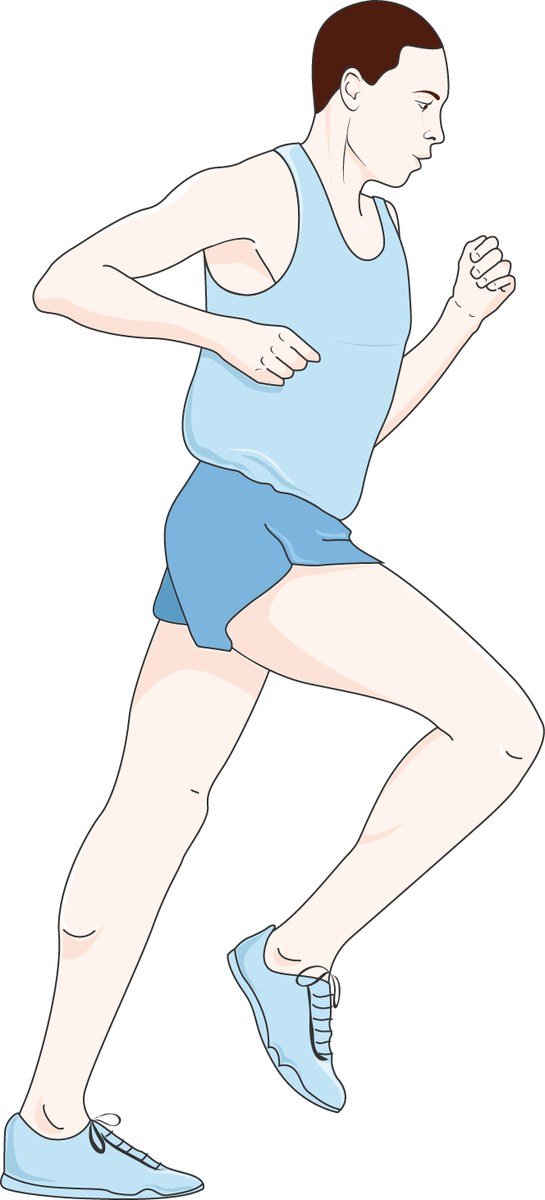
Week one and two. This is the worst of it. Use regular pain medicine as prescribed by your doctor. Move around the house every hour or two even if it is only a few minutes. Sleep however you are comfortable, often on the side with a pillow between the knees. Avoid heavy lifting and long sitting. Do not lie in bed for the whole day, and do not try to push through a full day of work either.
Week two to six. Start structured physiotherapy if the leg pain is still limiting you. Build walking distance week by week. Expect good days and bad days. The overall trend should be improving, not perfectly flat, but improving. Many people are largely back to normal by this point.
Week six to twelve. If leg pain is still stopping you from working, sleeping or walking normally, this is the point to get an MRI and a surgical opinion. Not to book an operation, but to find out what is actually there and what the options are.
Note that an MRI is not the first step. A large number of people with no pain at all have disc bulges on MRI. The scan matters only when it matches your symptoms and when a decision depends on it.
When is physiotherapy not enough?
Physiotherapy is not enough when the nerve is under enough pressure that no amount of exercise will relieve it. There are three clear situations.
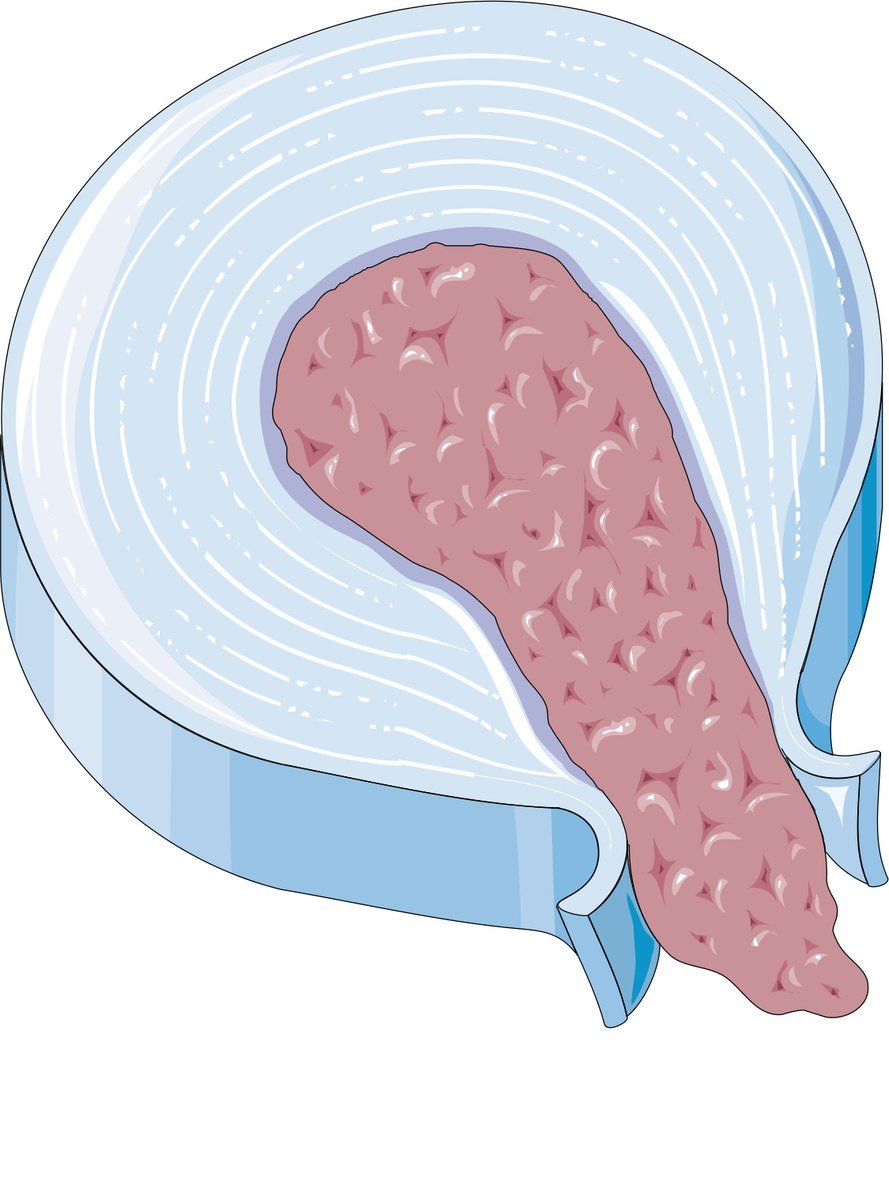
First, the emergency. Bladder or bowel changes, saddle numbness, both legs going weak. This is not a physiotherapy problem and not a wait and watch problem. Go to hospital.
Second, real weakness. A foot that drags or cannot be lifted, a leg that gives way, weakness that is getting worse rather than better. Weakness is a different thing from pain. It needs assessment quickly, within days.
Third, and this is the common one, time. Severe leg pain that has not meaningfully improved after roughly six to twelve weeks of proper conservative treatment, in someone whose MRI shows a disc pressing exactly where the pain is. At this point continuing physiotherapy for another six months is usually not kindness. It is lost time, lost income, and lost sleep.
Note the word proper. Six weeks of lying at home is not six weeks of conservative treatment. If nobody ever gave you an exercise programme, you have not yet tried the thing that helps most people.
And the opposite is just as true. If your pain is mostly kamar dard across the lower back, without significant leg pain, surgery is usually not the answer regardless of what the MRI shows. Most back pain is not surgical. A surgeon who tells you that is giving you good advice, not withholding treatment.
What is endoscopic discectomy, and when does it come in?
Endoscopic discectomy is surgery to remove the piece of disc pressing on the nerve, done through a tube about the width of a pencil using a camera. It is for leg pain from a confirmed disc, after conservative treatment has been given a fair chance.
The surgeon makes a small opening in the skin, passes a working tube down to the disc, and watches on a screen while removing only the fragment that is compressing the nerve. The back muscles are pushed apart rather than cut away from the bone. Because the tissue damage is small, most patients are up and walking the same day, and many go home the same day or the next morning.
Microdiscectomy is the other well established option. It uses a slightly larger opening and a microscope, and it has decades of good results behind it. Both operations do the same job: take the pressure off the nerve. Which one suits you depends on where the fragment sits, your anatomy, and the surgeon's assessment. A surgeon who offers both can pick on merit rather than on what they happen to have.
What surgery is good at is leg pain. Relief of taang mein dard is often quick, sometimes felt on waking up. What it is less good at is long standing back pain, which is why the honest conversation before surgery is about which of your symptoms is likely to change and which is not.
And physiotherapy does not stop at the operating theatre door. After a discectomy you still need to rebuild strength and confidence. The exercises you were doing before surgery are the same ones that get you back to work after it.
Slip disc ka permanent ilaj: is there such a thing?
There is no treatment that guarantees a disc will never trouble you again. Anyone promising a permanent cure, whether through surgery, injections or herbal medicine, is overselling.
Here is the realistic version. Once a disc fragment settles or is removed, that particular episode is over and the nerve pain usually goes with it. Most people then get on with life normally. A minority have another episode at some point, at the same level or a different one. Recurrence after discectomy happens in a small share of patients and is well recognised, not a sign that something went wrong.
What actually lowers your risk over the following years is unglamorous: staying at a reasonable weight, walking regularly, keeping the core and hip muscles strong, not smoking, and learning to lift with the legs. That is the closest thing to a permanent ilaj that exists, and it is mostly in your hands, not the doctor's.
This is also why the exercise habit built during physiotherapy matters more than the treatment itself. The people who keep doing their programme after the pain has gone are the ones who tend not to come back.
Slip disc treatment cost in Pakistan: what should I be asking?
Ask for a written quote before you commit to anything, physiotherapy or surgery. Verbal figures change, and families in Faisalabad are often quoted one number at the desk and shown another at discharge.
For physiotherapy, ask the cost per session, how many sessions are planned, and what happens at review. A reasonable plan has an endpoint and a home programme. An open ended course of daily machine sessions with no reassessment is a warning sign. Much of what helps costs nothing once you have been taught it.
For surgery, ask for the total in PKR in writing, and ask specifically what it includes:
- Surgeon's fee and anaesthesia
- Theatre and any implants or disposables
- Room charges and expected nights of stay
- Pre-operative MRI and blood tests, if not already done
- Follow-up visits and post-operative physiotherapy
- What is not covered, and what happens if the stay is longer than planned
Costs differ between government facilities, trust hospitals and private hospitals in Faisalabad, Lahore and elsewhere in Punjab. Endoscopic and microscopic surgery are usually priced differently. Ask both prices and ask why one is being recommended for you.
One practical point for families travelling in from Jhang, Toba Tek Singh, Chiniot or the surrounding districts. Ask how many days you will need to stay near the hospital, and whether the follow-up can be done by phone or photograph. That travel cost is real and is often left out of the estimate.
What should I do next?
If you have had leg pain for less than six weeks and no red flags, start with proper physiotherapy and stay active. Give it a fair, honest attempt with an exercise programme, not just rest.
If you have red flag symptoms, go to a hospital emergency department today. Do not wait for an appointment.
If you have done real physiotherapy for six to twelve weeks and your leg pain is still stopping you from working or sleeping, get an MRI and sit down with a spine surgeon. Bring the family member who will be part of the decision. Bring your scans, your medicine list, and your questions written down.
A good consultation should leave you knowing three things: what is actually on your scan, whether surgery is likely to help your particular symptoms, and what happens if you choose to wait. If you are looking for the best endoscopic spine surgeon in Faisalabad, judge them on whether they are willing to tell you that you do not need an operation. That answer is given more often than people expect.
Dr. M. Abdur Rehman is a consultant neurosurgeon and spine surgeon at Mujahid Hospital, Faisalabad, performing endoscopic spine surgery and microdiscectomy. To arrange a review of your MRI, contact the hospital for an appointment.
Questions patients ask about this
Can physiotherapy push my slip disc back into place?
No. No exercise, machine or manual technique puts a disc back in place. What happens is that the bulging material shrinks and settles over weeks, and the nerve calms down. Physiotherapy speeds that up by keeping you moving, reducing fear and rebuilding the muscles that support your spine.
How many physiotherapy sessions do I need for a slip disc?
There is no fixed number. Many people need a handful of sessions to learn the right exercises, then continue at home with a review after a few weeks. Be cautious of plans with dozens of daily sessions and no reassessment. Ask what the endpoint is and what your home programme will be.
Is walking good or bad when you have a slip disc?
Walking is one of the best things you can do, and it is free. Start with short distances, several times a day, and build up gradually. Some leg discomfort while walking is normal. If walking clearly worsens your leg pain each time or your leg feels weak, tell your doctor before continuing.
Should I try hakeem treatment or malish before seeing a doctor?
Gentle massage may relax tight muscles and feel good briefly, but it does not shrink a disc or take pressure off a nerve. The real risk is delay. If you have leg weakness, numbness or bladder problems, or pain that is not improving after a few weeks, get a proper assessment.
Will I still need physiotherapy after endoscopic discectomy?
Yes, and it matters. Surgery removes the pressure on the nerve, but it does not restore the strength and confidence lost during weeks of pain. A structured programme of walking and progressive strengthening after the operation is what gets you back to work and lowers the chance of another episode.
Related articles
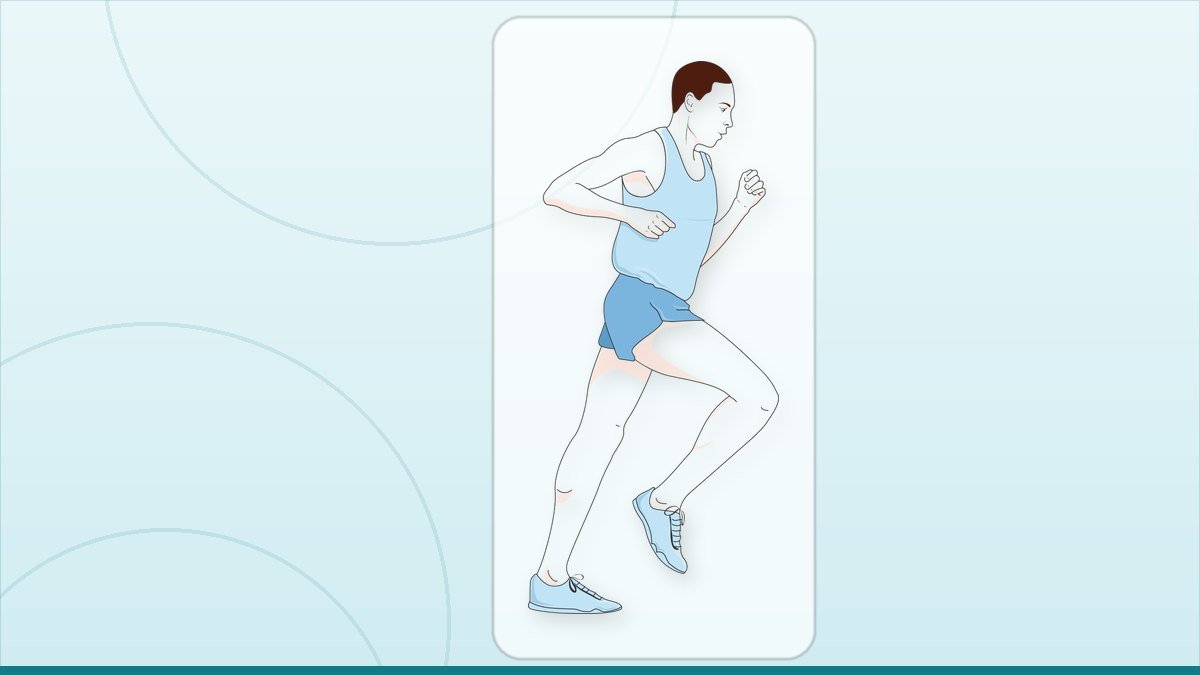
Exercises to avoid when you have a disc problem
Exercises to avoid with a herniated disc: which movements push the disc onto the nerve, what is safe instead,…
Read this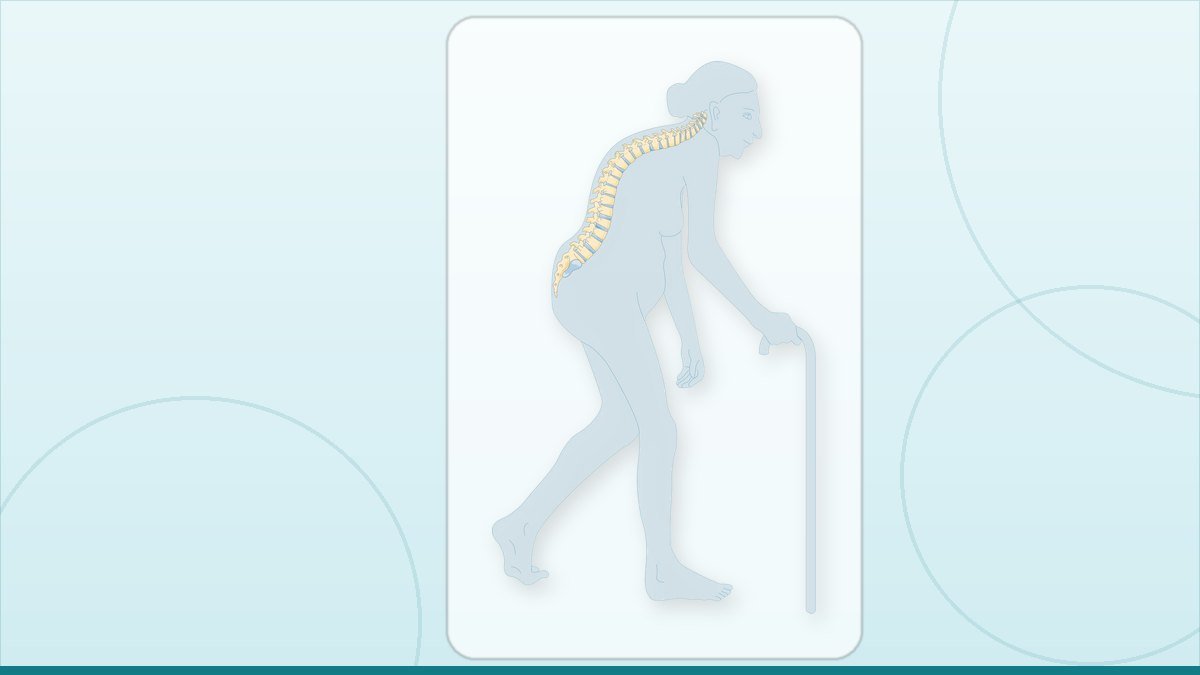
Lifting and posture that protects your back
Safe lifting technique for your back: the hip hinge, daily posture habits, and the clear signs that kamar…
Read this
The best sleeping position for back and leg pain
The best sleeping position for back and leg pain, plus how to tell if your slip disc really needs surgery.…
Read thisAll patient questions · Spine surgery in Faisalabad · Book an appointment
Ask about your own scan. Send your MRI or X-ray on WhatsApp and get a straight answer on whether surgery is needed at all, from a consultant neurosurgeon in Faisalabad.
Dr. M. Abdur Rehman is a consultant neurosurgeon in Faisalabad. Send your scan on WhatsApp and ask what it actually shows.
Published for the practice of Dr. M. Abdur Rehman, consultant neurosurgeon, Mujahid Hospital, Faisalabad. General information only, not a substitute for examination.