
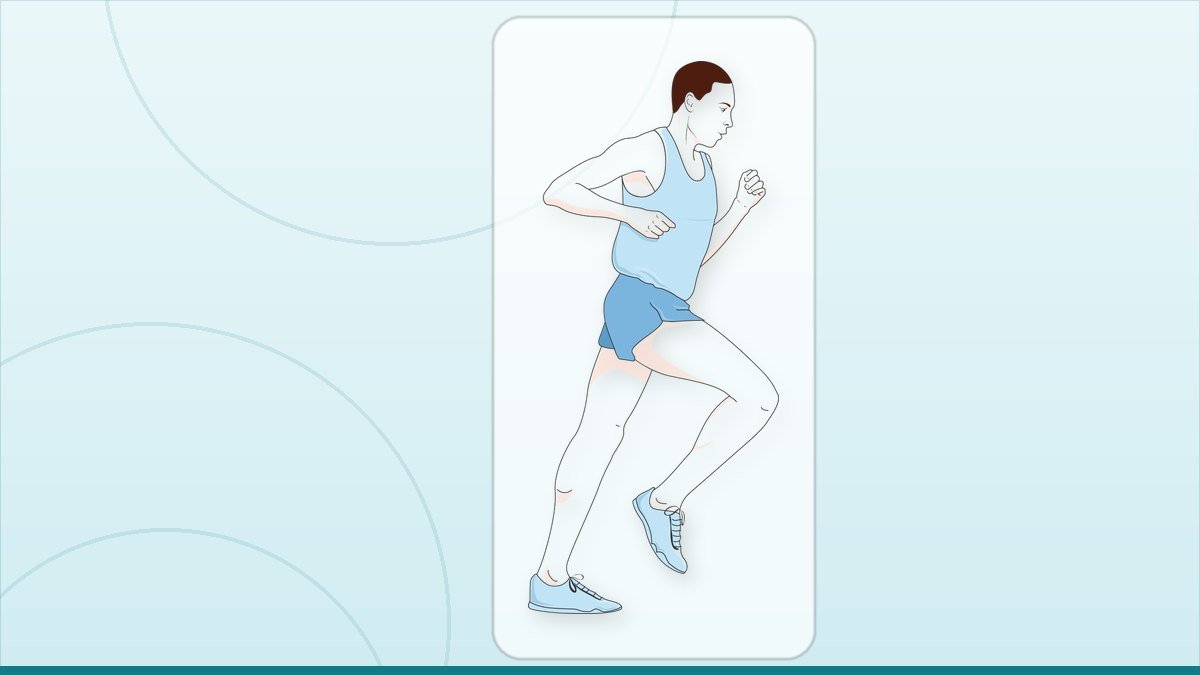
With an active disc problem, avoid anything that bends your spine forward under load: sit-ups, crunches, toe touches, heavy deadlifts, leg presses and twisting with weight. Bending forward pushes disc material backwards towards the nerve. Also stop running on hard ground and lifting anything heavy off the floor until the leg pain settles.
Which exercises actually make a disc problem worse?
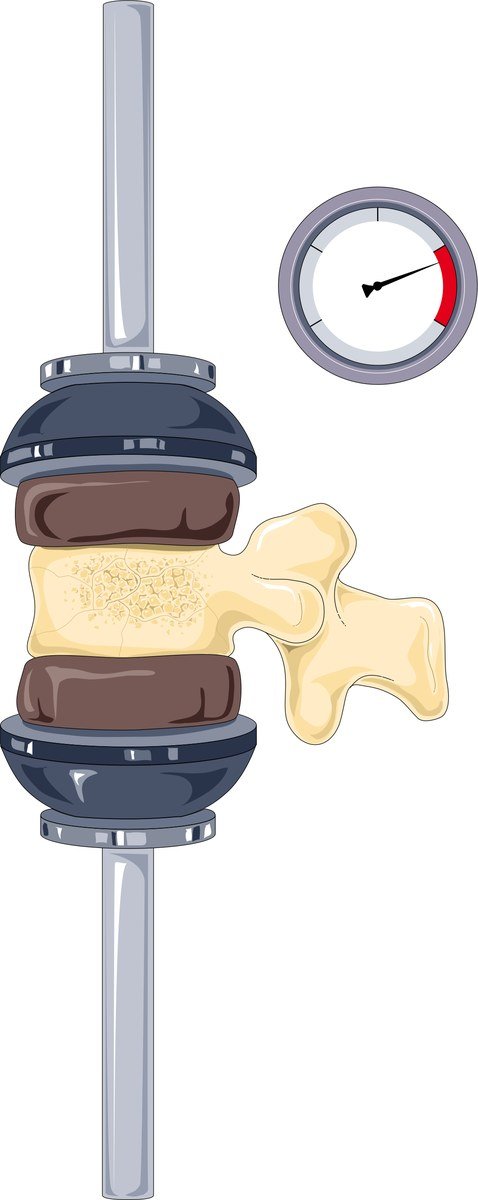
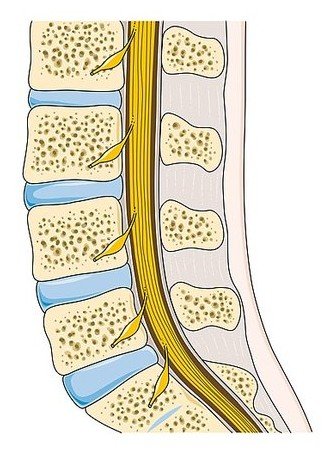
The disc sits between two bones like a cushion with a soft centre. When you bend forward, the front of that cushion is squeezed and the soft centre is pushed backwards, which is exactly the direction of the nerve. That single mechanism explains almost every exercise on the avoid list.
Stop these while the leg pain is active:
- Sit-ups, crunches, double leg raises. Repeated forward bending under load, hundreds of times.
- Toe touches and seated forward stretches. Most people who do these are trying to stretch a tight hamstring and are actually loading the disc.
- Heavy deadlifts, bent-over rows, kettlebell swings. Load plus forward bend together.
- Leg press with the knees pulled towards the chest. This rounds the lower back at the bottom of the movement.
- Squats with a rounded back, or squats done deep on the floor.
- Twisting with weight. Russian twists, weighted side bends, a full golf or cricket swing.
- Running and jumping on hard ground. Repeated impact on an already irritated nerve.
The same rule applies to daily life in the house, not just the gym. Picking up a bucket of water with straight legs, washing at a low tap, bending over a low charpai, sitting cross legged on the floor for an hour, all of these load the disc the same way a crunch does.
Discs take in fluid overnight and are at their most swollen in the first hour after you wake. That first hour is the worst time to bend forward, so keep the morning routine upright.
Can the wrong exercise paralyse me?
Almost certainly not. Ordinary movement and ordinary exercise do not cause paralysis. Pain from a disc is a nerve being irritated, and an irritated nerve is not the same as a cut nerve. Most people with severe taang mein dard recover full strength.
The fear is understandable. In Faisalabad it is common to be told that one wrong movement will finish you, and that fear keeps people lying in bed for weeks, which makes the back weaker and the recovery slower.
There is a real emergency, and it is worth knowing so you can stop worrying about the rest. Go to a hospital the same day if you have any of these:
- Numbness between the legs, around the private parts or the back passage, the area that touches a saddle
- Difficulty passing urine, or not being able to feel when you pass it, or leaking
- Weakness in both legs at once
- A foot that has started to drop, or a leg that is getting weaker week by week
This group of symptoms is rare, but it is the situation where waiting causes permanent damage. Everything else, including very severe pain, can be assessed calmly.
Also worth saying plainly: "slip disc" does not mean a bone has slipped out of your back. Nothing has moved out of place. A small part of the cushion has bulged and is touching a nerve.
What should I do instead?
Keep moving, but move without bending forward under load. Short walks on flat ground, several times a day, beat one long walk and beat bed rest. More than a day or two flat in bed makes disc pain worse, not better.
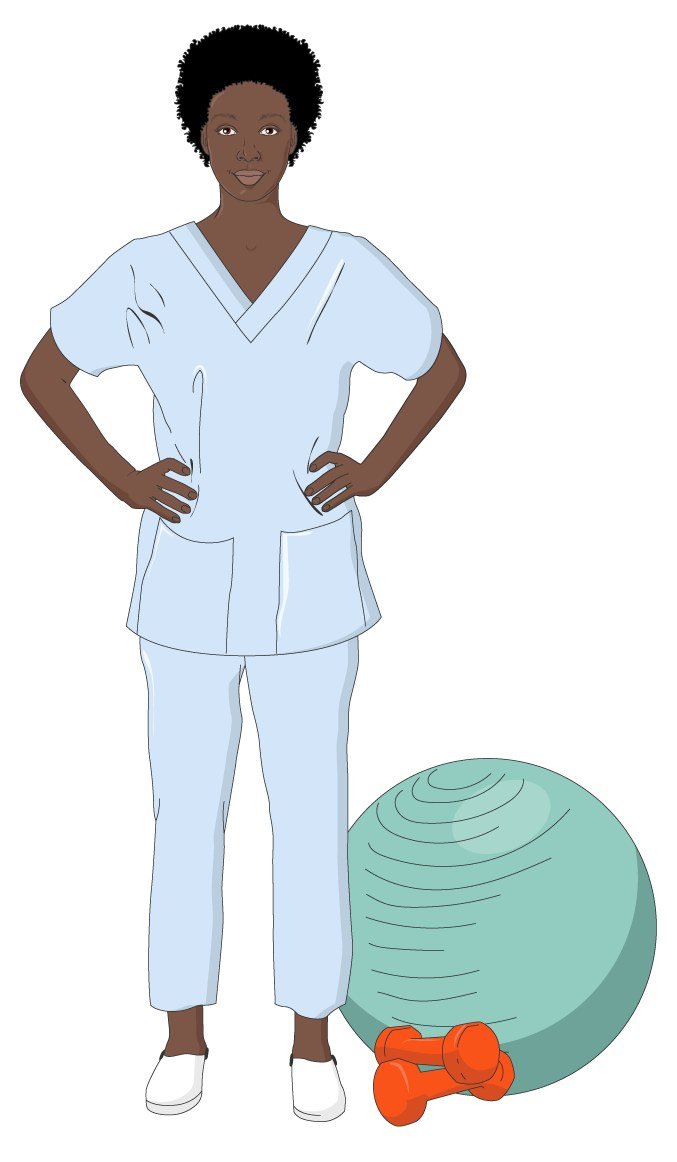
Try gentle backward movement. Lie face down and prop yourself on your elbows for a minute or two. Watch where the pain goes, because that is the useful signal. If the pain moves out of the leg and back towards the spine, that is a good sign and you can continue. If it travels further down the leg, stop and tell your doctor.
For strength, train the trunk without bending it:
- Modified curl up. On your back, one knee bent, hands under the lower back, lift only the head and shoulders a few centimetres. Never a full sit-up.
- Side plank on the knees. Builds the side wall of the trunk with no forward bend.
- Bird dog. On hands and knees, extend opposite arm and leg while keeping the back flat.
- Dead bug. On your back, press the lower back into the floor and move opposite arm and leg slowly.
Change position every twenty to thirty minutes. Long sitting, especially in a soft sofa or a car seat on a bad road, loads the disc more than standing does.
Do I actually need surgery, or will this settle on its own?
Most disc herniations settle without surgery. The body gradually reabsorbs the bulged material and the nerve calms down, usually over six to twelve weeks. This is the honest answer, and it applies to the majority of people who walk into a spine clinic frightened.
Surgery is considered when one of these is true:
- Leg pain caused by a disc pressing a nerve, still severe after six to eight weeks of proper non-surgical treatment
- Weakness that is getting worse, such as a dropping foot
- The emergency symptoms listed above, where surgery is urgent
Just as important is when surgery is not the answer. Back pain alone, with no leg pain, is usually not a surgical problem. Age related wear on an MRI report is not a surgical problem. Pain that has been there for years with no nerve findings on examination is rarely helped by an operation on the disc.
People search for slip disc ka permanent ilaj, and the honest answer is that no treatment guarantees a disc will never trouble you again. Surgery removes the fragment pressing the nerve. It does not give you a new disc. What protects the back afterwards is strength, sensible lifting and weight.
What is endoscopic discectomy, and when is it offered?
Endoscopic discectomy removes the piece of disc pressing on the nerve through a very small opening, using a thin tube with a camera and light on the end. The surgeon watches a screen and works through that tube.
The difference from older surgery is mainly in what happens to the muscle. Instead of cutting and stripping the back muscles off the bone, the tube is passed between them and they are pushed aside. Less muscle disturbance generally means less pain after surgery, a smaller wound and a shorter stay in hospital. Many patients are walking the same day or the next morning.
It is not right for every spine. If the spine is unstable, if one bone has shifted on another, if several levels are badly narrowed, or if there is significant deformity, a different operation may be the correct one. A surgeon who says endoscopy is the answer before examining you and reading your MRI is not assessing you.
Microdiscectomy, done through a slightly larger incision with a microscope, is a long established operation with a strong record for the same problem. Both aim at the same target: take the pressure off the nerve and leave the rest of the spine alone.
I have been going to a hakeem and getting malish. Should I stop?
Gentle massage for a tight, spasmed muscle is unlikely to harm you and often feels good for a few hours. That part is fine. The problem is what else gets done and how long it goes on.
Be careful with forceful manipulation, sudden jerks of the back or neck, and anyone who stands or walks on your back. With an acute disc pressing a nerve, these carry real risk and no proven benefit. Hot oil, cupping and pressing on the muscle do not move a disc back into place, because nothing has moved out of place.
The bigger cost is usually time. Families in Punjab often spend three, four, six months trying one remedy after another before anyone examines the leg properly. If the pain is settling month by month, that time costs nothing. If the foot is getting weaker, those months matter a great deal.
A reasonable middle path: carry on with whatever gives you comfort, but get properly examined now, and set a clear deadline. If the leg pain is no better in six weeks, or if weakness appears at any point, go straight to a spine specialist.
What does slip disc treatment cost in Pakistan?
Cost varies a great deal between government hospitals, trust hospitals and private setups, and between cities. Medicines and physiotherapy are the cheapest route. An MRI of the lumbar spine is a modest one-off cost at most centres in Faisalabad. Surgery runs into lakhs of rupees and the range is wide.
Because the range is so wide, do not accept a figure over the phone. Ask for a written quote before you agree to anything, and check that it lists:
- Surgeon fee and assistant fee
- Anaesthesia and operation theatre charges
- Any implants or consumables, and the endoscope or microscope charges
- Room type and expected number of nights
- Pre-operative tests and the MRI, if not already done
- Follow-up visits and physiotherapy after surgery
- What happens to the cost if you need to stay longer than planned
Ask directly what is not included. That question saves more families money than any negotiation. If you or a family member has a company panel or insurance, ask the hospital billing office to confirm coverage in writing before admission.
Do not choose on price alone, and be equally careful with a very high price. Cost tells you nothing about whether you need the operation in the first place.
For the full cost breakdown, see what spine surgery costs in Pakistan.
When should you see a spine surgeon, and what should you ask?
See a spine specialist if you have leg pain below the knee that has not improved in six weeks, any weakness in the foot or leg, pain severe enough to stop you sleeping or working, or any of the emergency symptoms listed earlier. For back pain alone that is slowly improving, you can usually wait and keep walking.
Bring your MRI on a CD or as images, not just the printed report, along with a list of every medicine you have taken and for how long. Bring a family member, because most decisions in Pakistani families are made together and it helps if two people have heard the same explanation.
Ask these four questions and listen carefully to the answers:
- Do I need surgery now, or can I safely wait?
- What happens to my leg if I wait three more months?
- What non-surgical options have not been tried yet?
- Exactly what will you remove, and what will you leave in place?
A surgeon who is comfortable telling you that you do not need an operation is usually the one worth trusting. If you are searching for the best endoscopic spine surgeon in Faisalabad, judge the answer you get to that first question more than anything else you read online.
Dr. M. Abdur Rehman is a consultant neurosurgeon and spine surgeon at Mujahid Hospital, Faisalabad, seeing patients with kamar dard, sciatica and disc problems, and performing endoscopic spine surgery and microdiscectomy where they are indicated.
Questions patients ask about this
Can I ever do sit-ups again?
Once the leg pain has gone and you can move normally, most people return to general fitness. Sit-ups and crunches are still a poor choice for anyone with a disc history. Side planks, bird dog and dead bugs train the same muscles without bending the spine under load.
Is walking good for a slipped disc?
Yes, for most people. Walk on flat ground, at an easy pace, for short spells several times a day rather than one long walk. If walking sends more pain down the leg, shorten the distance and tell your doctor. Walking beats bed rest after the first day or two.
Slip disc ka permanent ilaj kya hai?
There is no treatment that guarantees a disc will never trouble you again, and anyone promising a permanent cure is overselling. Surgery removes the fragment pressing on the nerve, which usually settles the leg pain. Keeping the back strong, lifting properly and staying at a healthy weight is what protects it afterwards.
My MRI shows a disc bulge. Does that mean surgery?
No. Disc bulges show up on the MRI scans of many people who have no pain at all. The scan matters only when it explains your symptoms, for example a disc pressing the exact nerve that supplies the leg where you feel pain. Treatment follows the examination, not the report.
Related articles
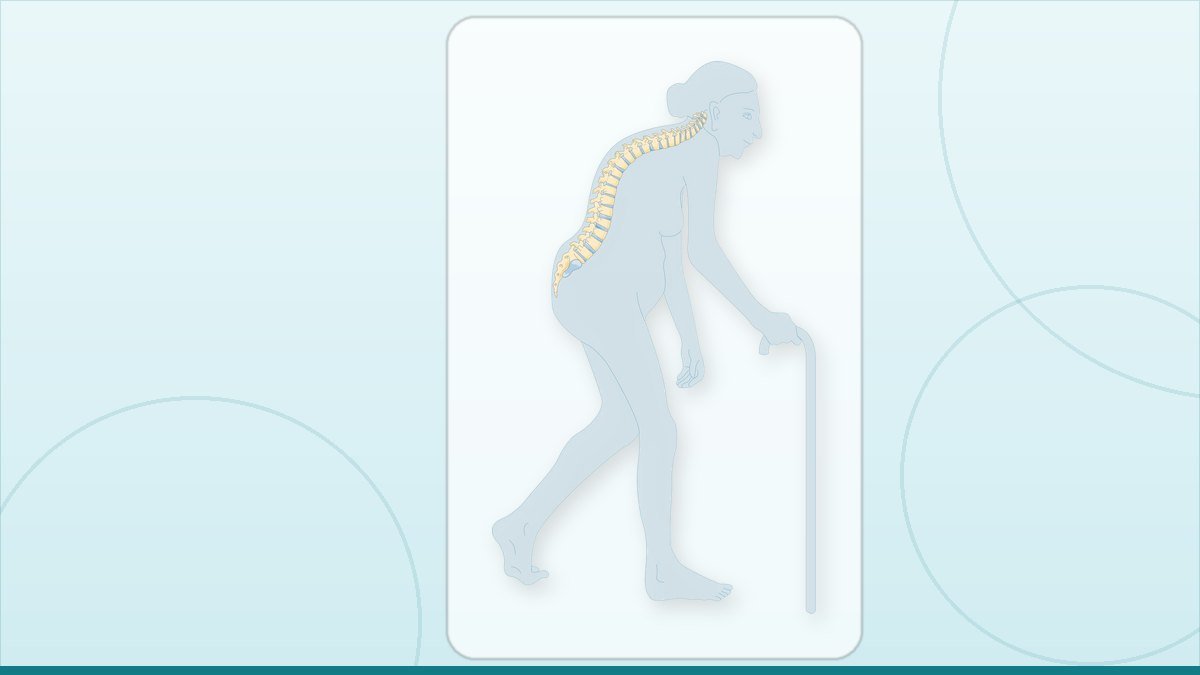
Lifting and posture that protects your back
Safe lifting technique for your back: the hip hinge, daily posture habits, and the clear signs that kamar…
Read this
The best sleeping position for back and leg pain
The best sleeping position for back and leg pain, plus how to tell if your slip disc really needs surgery.…
Read this
Going back to work after spine surgery
When can you return to work after spine surgery? Honest timelines for desk and manual jobs in Pakistan, and…
Read thisAll patient questions · Spine surgery in Faisalabad · Book an appointment
Ask about your own scan. Send your MRI or X-ray on WhatsApp and get a straight answer on whether surgery is needed at all, from a consultant neurosurgeon in Faisalabad.
Dr. M. Abdur Rehman is a consultant neurosurgeon in Faisalabad. Send your scan on WhatsApp and ask what it actually shows.
Published for the practice of Dr. M. Abdur Rehman, consultant neurosurgeon, Mujahid Hospital, Faisalabad. General information only, not a substitute for examination.