
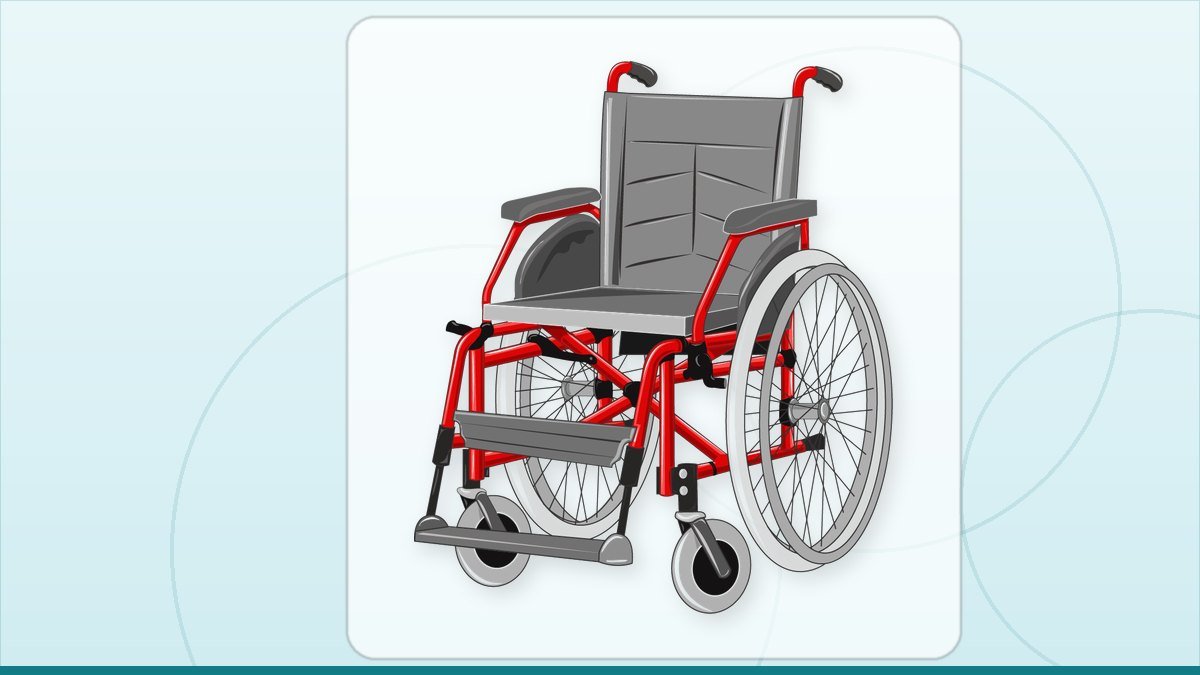
Most people who have endoscopic spine surgery for a slipped disc return to desk work within one to three weeks, and to heavy manual work in roughly six to twelve weeks. Open microdiscectomy takes a little longer. Fusion takes longest. Your exact date depends on what your job demands, not on the operation alone.
How soon can I go back to work after spine surgery?
The honest answer is that your job decides this, not the scar. Two people can have the same operation on the same disc on the same day. The one who sits at a computer in an office may be back in ten days. The one who loads sacks onto a truck may need three months.
Rough guides that most spine surgeons work with:
- Endoscopic discectomy (a small tube and camera, usually one small cut): desk work in about one to three weeks. Light physical work in about four to six weeks. Heavy lifting in about six to twelve weeks.
- Open microdiscectomy: add roughly a week or two to each of those, because the muscle is opened a little more.
- Fusion with screws: think in months, not weeks. Bone needs time to join. Desk work often at four to eight weeks, heavy work sometimes not at all in the same form.
These are guides, not promises. Ask your own surgeon for a date in writing before your operation so you can plan leave, and so your family knows what to expect.
One more thing worth saying early. Going back to work sooner is not a reward for being tough. Going back too early and re-injuring the disc costs you far more time than resting the extra ten days would have.
Is spine surgery safe? Will I be paralysed?
This is the fear behind almost every question in the clinic, so let us answer it straight. Paralysis after routine lumbar disc surgery is very rare. It is a real risk that no honest surgeon will call zero, but it is far away from being the usual outcome.
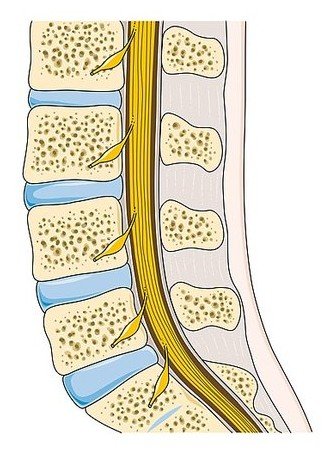
Part of the reason is anatomy. In most adults the spinal cord itself ends high up, near the bottom of the ribs. Below that the canal carries loose nerve roots, not cord. Most slip disc operations for kamar dard and taang mein dard happen below that level, so the surgeon is working around nerve roots that can be gently moved aside.
The complications that actually occur are smaller and mostly fixable: a tear in the lining around the nerves, wound infection, temporary numbness or burning in the leg, and the disc pressing again at the same level later. Endoscopic surgery, because it splits muscle rather than cutting it and uses a very small opening, tends to mean less blood loss, less back muscle pain and faster walking. It does not remove risk. It reduces it.
Ask your surgeon directly: what could go wrong in my case, and what would you do about it. A clear, calm answer is a good sign. A surgeon who says nothing can go wrong is not being straight with you.
Do I even need surgery, or will my back settle on its own?
Most back pain is not surgical. That is the most useful sentence on this page. If your pain is mainly in the lower back, comes and goes, is worse after a long day and eases with movement, surgery is very unlikely to be your answer.
Even a proven disc prolapse with leg pain often settles without an operation. The body reabsorbs a large part of a herniated disc over weeks to months in many people. Painkillers, a short course of physiotherapy and staying gently active carry a great number of patients through without theatre.
Surgery is genuinely worth discussing when:
- Leg pain is the dominant symptom, going below the knee, matching the level shown on MRI.
- Six to eight weeks of proper non-surgical treatment has failed and the pain is stopping your work and sleep.
- There is real, progressing weakness in the foot or leg, not just pins and needles.
- There is loss of control of urine or stool, numbness in the saddle area, or sudden severe weakness in both legs. This is an emergency. Go to hospital the same day.
We also see many patients who spent six months on malish, hakeem remedies and traction before coming in. Massage and rest are not harmful for simple kamar dard. The problem is when a foot is quietly getting weaker while you wait. Vigorous manipulation of a truly prolapsed disc can also make leg pain worse. If there is weakness or numbness, get the MRI first, then try what you like.
Desk job or manual job: what is the real difference?
The difference is the load your healing disc has to carry, and how much control you have over your own day.
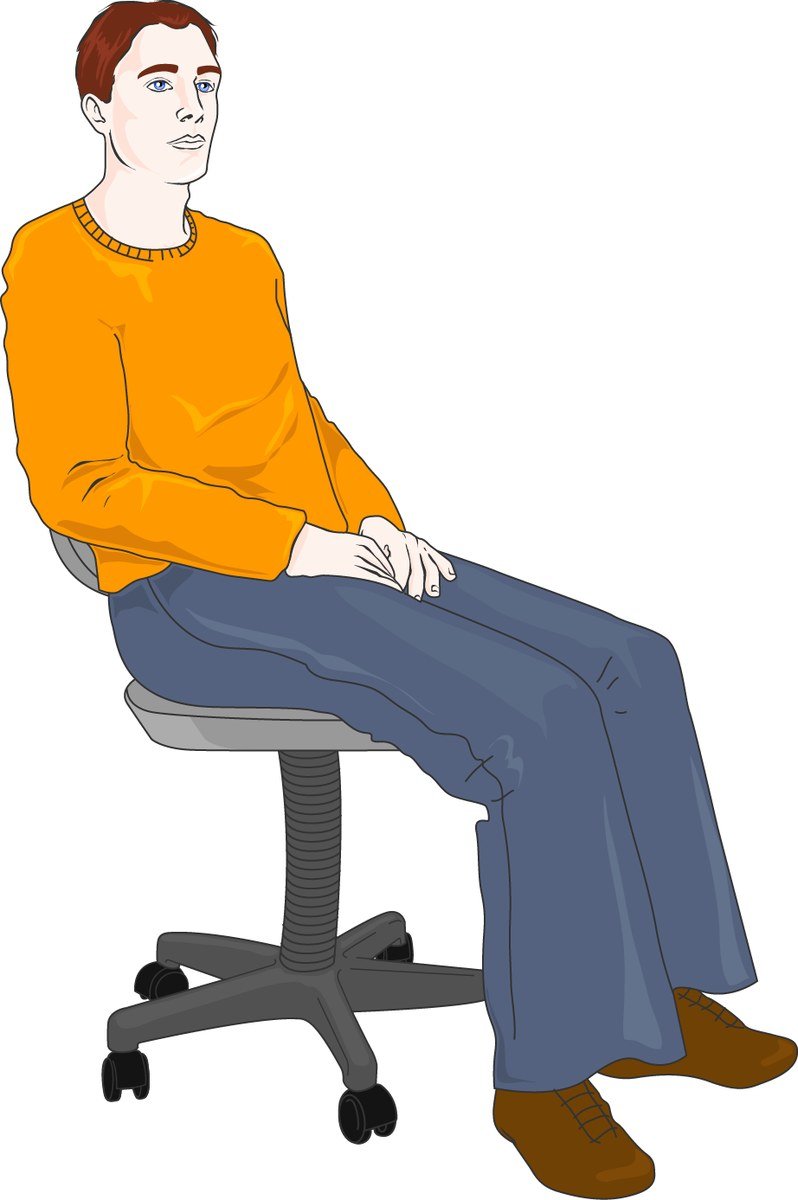
Desk and office work. The main enemy is sitting still. Sitting loads the lower discs more than standing does. So the return is early but conditional: you go back in one to three weeks provided you can stand up every half hour, walk a little, and are not spending three hours a day on a motorbike or in a rickshaw getting there. Teachers, shopkeepers and bank staff sit in this group, though a teacher standing all day has a different problem again.
Manual and physical work. Labourers, masons, drivers, farmers, loaders, factory workers and anyone lifting patients or heavy machinery need the full six to twelve weeks, sometimes longer. The disc annulus, the outer ring, is what heals slowly. Bending forward while carrying weight is precisely the movement that stresses it.
Long distance driving deserves its own mention. It combines sitting, vibration and lifting luggage. Drivers usually need longer than they expect and benefit most from breaking the journey every hour or so.
If your work sits between the two, take the more cautious timeline. Nobody has ever regretted an extra week.
What does a graded return to work look like?
A graded return means going back in steps instead of one jump. It is the single most reliable way to avoid a setback, and it works even in workplaces that have no formal system for it.
A practical version for an office worker:
- Week one back: half days, three days that week.
- Week two: half days, five days.
- Week three: full days, with a fixed break to stand and walk every thirty to forty minutes.
- Week four: normal, with no long journeys added on top.
For a manual worker the ladder is longer and the steps are about weight, not hours. Start with supervision and no lifting at all. Then light lifting close to the body. Then normal lifting with correct technique, hips and knees bending, back straight, load held near you. Physiotherapy should guide this rather than guesswork.
Talk to your employer before the operation, not after. In Pakistan many workers are on daily wages or informal contracts and have no paid sick leave, which is a real financial pressure and a real reason people go back too early. If that is your situation, say so to your surgeon. It changes the advice, and there may be options to make the recovery period shorter or the return safer.
Is laser spine surgery effective, and is it the same as endoscopic surgery?
They are not the same thing, and the marketing around this confuses a lot of patients. A laser is simply one energy source. Endoscopic spine surgery is an approach: a small tube and a camera, through a cut usually smaller than a fingertip, with the surgeon watching a screen.
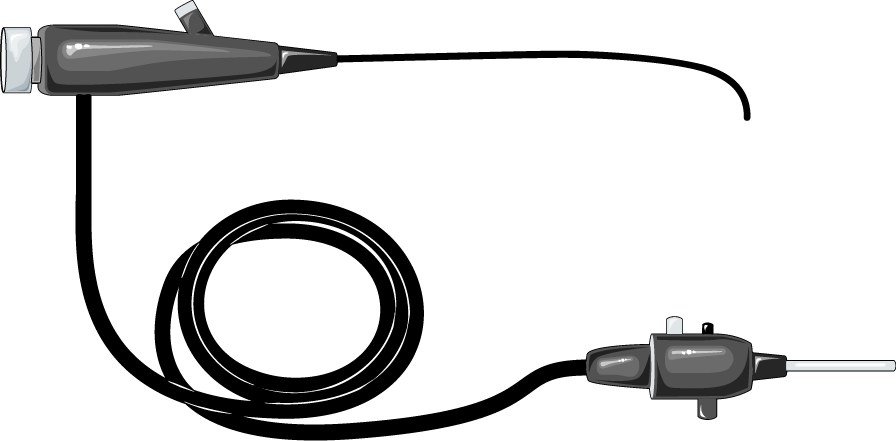
Some endoscopic procedures use a laser to shrink tissue or seal a small area. Many use radiofrequency or fine instruments instead. When a hospital advertises "laser spine surgery", most of the time what is actually being done is an endoscopic or percutaneous procedure in which a laser may play a part.
As for effectiveness, be careful. Removing the fragment of disc that is pressing on the nerve is what relieves taang mein dard. Procedures that only shrink the disc from inside, without removing the pressing fragment, have weaker evidence and suit a narrow group of patients. There is no laser that dissolves a slipped disc through the skin and sends you back to work the next day.
The question to ask is not "do you use a laser". It is: what exactly will you remove, and how will that relieve my pain? If the answer is vague, get a second opinion.
What will spine surgery cost in Pakistan, and how much income will I lose?
Costs in Pakistan vary a great deal, and anyone quoting you a single confident figure over the phone before seeing your MRI should be treated with caution. Government and trust hospitals, private hospitals in Faisalabad, and large centres in Lahore or Islamabad all sit at very different levels.
What genuinely drives the price:
- The procedure. A single level endoscopic discectomy is at the lower end. Fusion is considerably more, because screws, cages and rods are expensive hardware.
- Number of levels treated.
- Length of hospital stay. Endoscopic cases often go home the same day or the next morning, which cuts room and nursing charges.
- Whether anaesthesia, implants, MRI, medicines and follow-up visits are inside the quote or billed separately. This is where most bill shocks come from.
So ask for a written quote in PKR, itemised, before you commit. Ask specifically: does this include implants, anaesthetist, hospital stay, medicines, and the follow-up visits. Ask what happens to the price if you need to stay an extra night.
Then do the second calculation, the one people forget. Add your lost earnings. Six weeks off a daily wage is a real cost, and sometimes a cheaper operation with a longer recovery ends up costing a family more than a more expensive one that gets you standing sooner. Work it out on paper with your family before you decide.
What should I do in the first six weeks to protect the result?
The operation removes the pressure. The six weeks afterwards decide how well it holds.
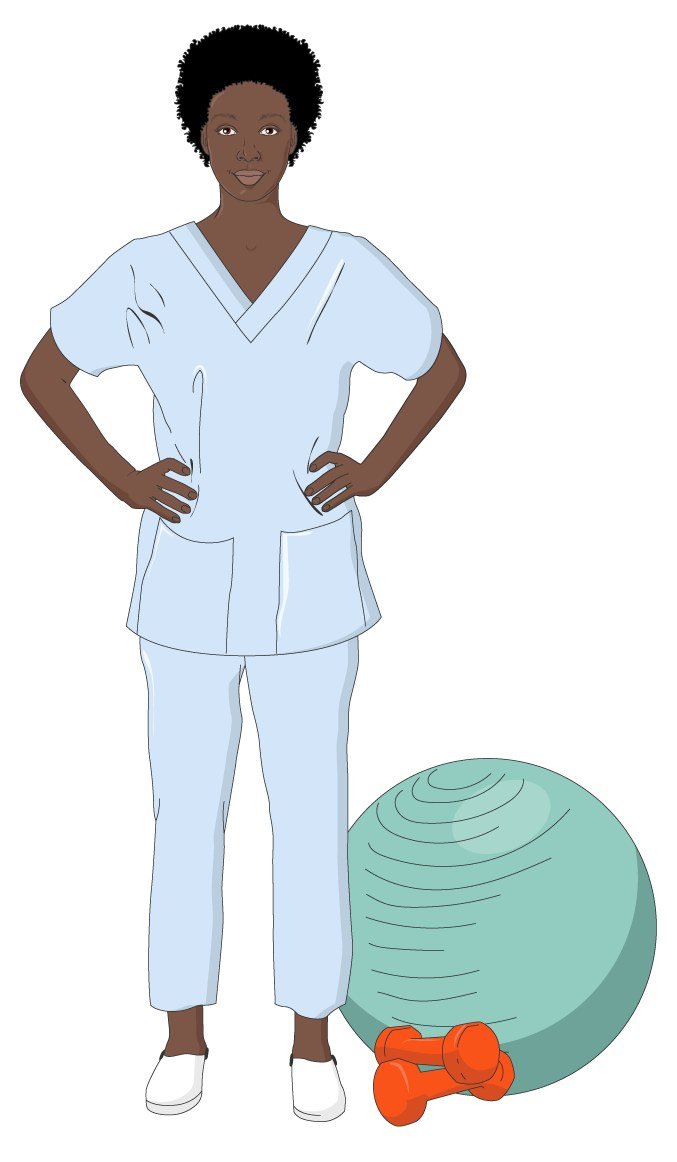
Walk. Walking is the single best thing you can do. Start short, on flat ground, several times a day, and build up. Do not lie in bed for two weeks. Prolonged bed rest weakens the muscles that will hold your spine steady.
Avoid the three movements that stress a healing disc: bending forward from the waist, twisting while carrying weight, and sitting slumped for hours. Bend from your hips and knees instead. Keep loads close to your body.
Do not rely on a lumbar belt. A belt for short periods during travel is fine. Wearing it all day for months lets your core muscles waste, which leaves your back weaker than before.
Go to physiotherapy. This is where people cut corners and pay for it. Core and hip strengthening protects the disc levels above and below. It is not optional extra treatment.
Stop smoking if you smoke. Smoking slows healing of bone and disc and matters a great deal after fusion. This is one of the few things in recovery entirely in your own hands.
Ring your surgeon straight away if you develop fever, wound discharge, new or worsening leg weakness, or any difficulty passing urine. Do not wait for the scheduled appointment.
Who should I see in Faisalabad, and what should I ask?
Take your MRI films and report, not just the CD, and go for a proper consultation before you decide anything. Bring the family member who will actually be helping you at home, because they need to hear the recovery plan too.
Questions worth asking any surgeon, anywhere:
- Does my MRI actually explain my pain, or is this an incidental finding?
- What happens if I wait three more months and do physiotherapy properly?
- Which procedure are you recommending, and why that one over the alternatives?
- Realistically, when can I go back to my job?
- Can I have the full cost in writing, itemised?
- What are the risks in my specific case, and what is the plan if the pain returns?
A surgeon who talks you out of an operation you do not need has told you something more valuable than one who books you for theatre on the first visit. Dr M. Abdur Rehman is a consultant neurosurgeon at Mujahid Hospital, Faisalabad, and sees patients from across Punjab who are trying to work out whether their kamar dard needs surgery at all. If you are searching for the best endoscopic spine surgeon in Faisalabad, judge the answer on how clearly the options and the risks are explained to you, and take a second opinion whenever you feel unsure. It is your spine and your working life.
Questions patients ask about this
When can I start driving again after spine surgery?
Most people drive again once they can sit comfortably, turn their neck and body to look behind, and press the brake hard without hesitation. After endoscopic surgery that is often around two weeks. Do not drive while taking strong painkillers that make you drowsy. Start with short trips near home.
How long can I sit at a computer after a discectomy?
Sitting is usually the position that aches first. Aim for short blocks of thirty to forty minutes, then stand and walk for a few minutes. Raise the screen to eye level and keep both feet flat. Most desk workers manage a full day comfortably by the end of the first month.
How much weight can I lift after spine surgery?
For the first six weeks most surgeons advise lifting nothing heavier than a full kettle or a small child, and never with a bent, twisted back. After that, weight is added slowly under physiotherapy guidance. Labourers, loaders and farm workers need a longer and more careful build-up than office staff.
Can I return to my job in Saudi Arabia or the UAE after surgery?
Many patients work in Saudi Arabia, the UAE or Qatar and worry about their visa and medical. Plan for a longer stay in Pakistan than you expect, usually two to three months for heavy work. Get your operation notes, MRI images and a fitness letter in English before you fly.
Related articles
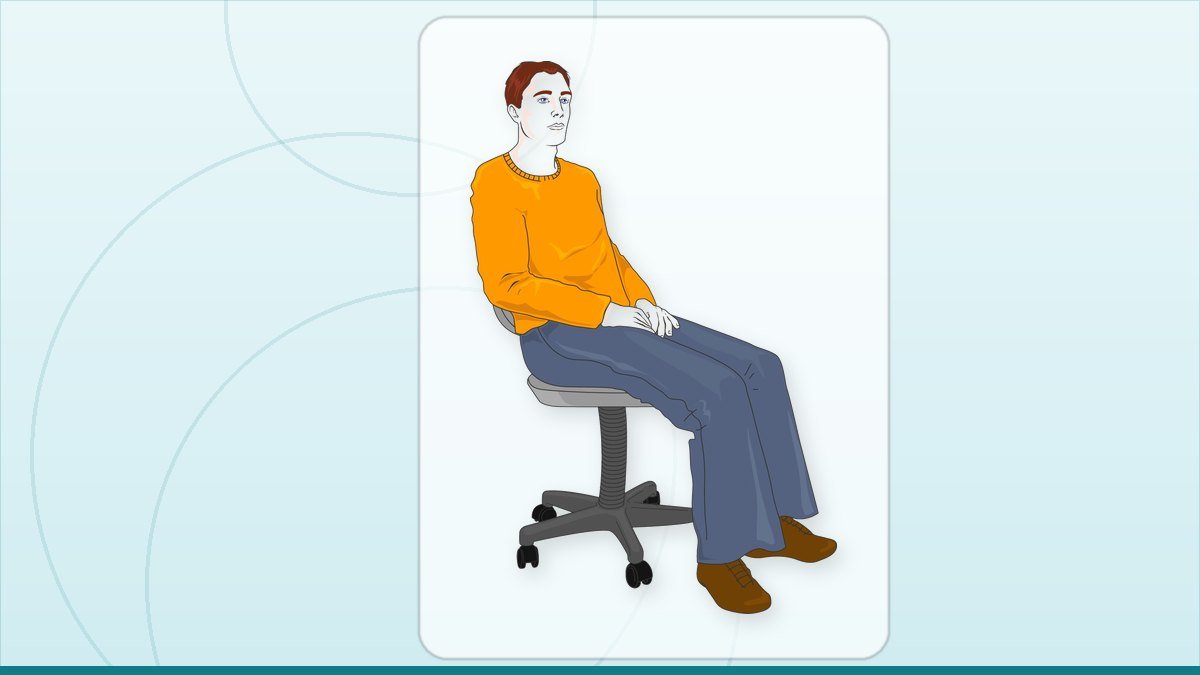
Namaz, sitting cross-legged and squatting after spine surgery
Namaz after spine surgery: when you can pray on a chair, when sujood on the floor is safe, and when…
Read this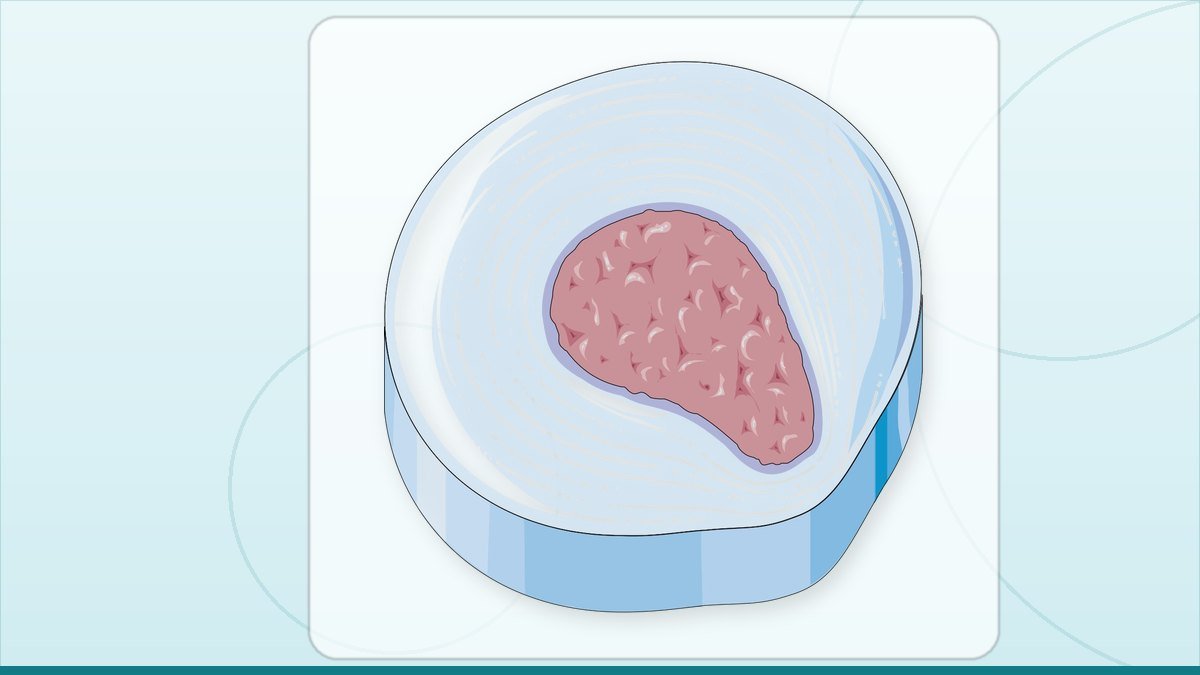
Weight, smoking and your discs
Smoking and back pain are linked: nicotine starves your discs of blood. What weight and cigarettes do to a…
Read this
Back pain in drivers and factory workers
Back pain from driving, truck work or factory shifts: when kamar dard is muscular, when a slipped disc needs…
Read thisAll patient questions · Spine surgery in Faisalabad · Book an appointment
Ask about your own scan. Send your MRI or X-ray on WhatsApp and get a straight answer on whether surgery is needed at all, from a consultant neurosurgeon in Faisalabad.
Dr. M. Abdur Rehman is a consultant neurosurgeon in Faisalabad. Send your scan on WhatsApp and ask what it actually shows.
Published for the practice of Dr. M. Abdur Rehman, consultant neurosurgeon, Mujahid Hospital, Faisalabad. General information only, not a substitute for examination.