
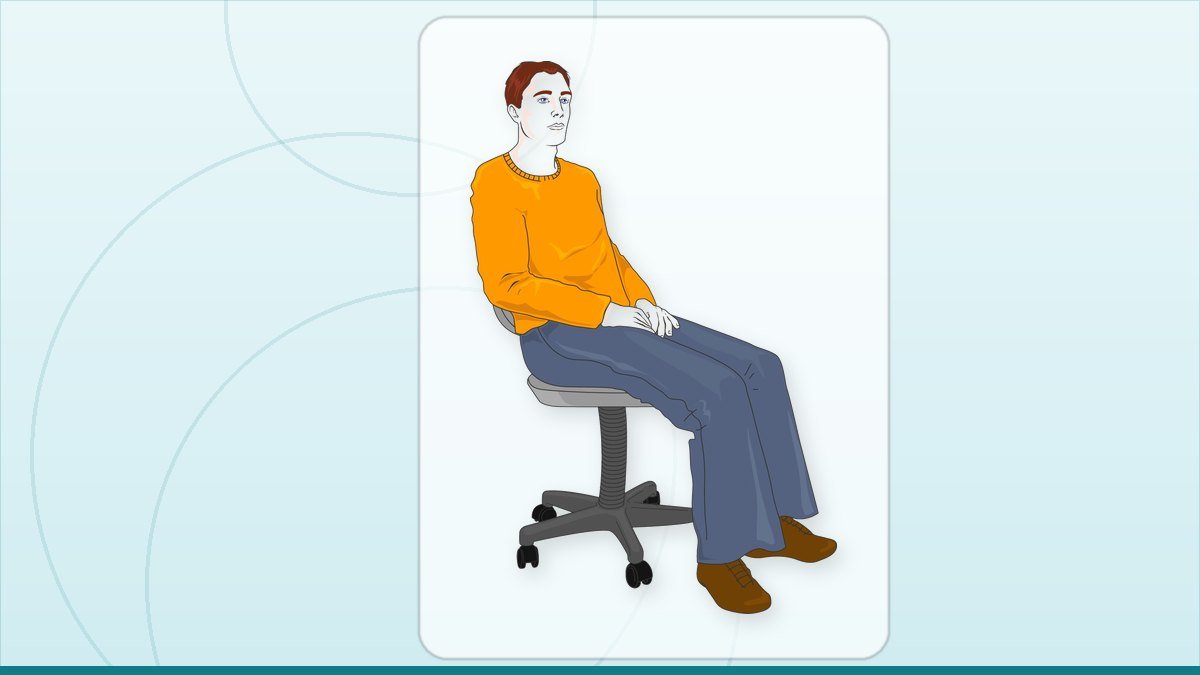
Most patients pray sitting on a chair within the first few days after endoscopic spine surgery or microdiscectomy, and return to full sujood on the floor at around four to six weeks. Cross-legged sitting and squatting come back last. After a fusion the wait is longer. Your own surgeon sets your dates.
When can I pray namaz normally again after spine surgery?
Prayer comes back in stages, not all at once. Chair namaz starts almost immediately. Sujood on the floor waits until the soft tissue over the disc has healed and bending no longer pulls.
Rough guide, and every surgeon adjusts it for the individual patient:
- Endoscopic lumbar discectomy: most patients walk the same day. Chair namaz within two or three days. Floor sujood commonly at four to six weeks.
- Microdiscectomy: very similar. The wound is a little larger, so some surgeons keep patients on a chair a week or two longer.
- Lumbar fusion: chair namaz for around three months while the bone knits. Some patients with multi-level fusions stay on a chair for good, because the spine simply does not bend that far any more.
- Cervical (neck) surgery: the issue is neck flexion, not the back. Most patients manage floor prayer earlier, but keep the chin off the chest for the first weeks.
These are guides, not rules from the Quran or from your file. The date that matters is the one your operating surgeon gives you at your follow-up, after he has seen your wound and tested your leg.
One more thing patients rarely hear. Avoiding bending forever is not the safe option. A back that never bends becomes stiff, weak and more painful. The plan is to protect the repair for a few weeks, then load it again on purpose.
Will bending for sujood harm my spine, or leave me paralysed?
No. Sujood performed at the right stage does not damage a repaired disc, and the operations done for slip disc in the lower back do not cause the kind of paralysis families picture. The fear is understandable, but the anatomy is on your side.
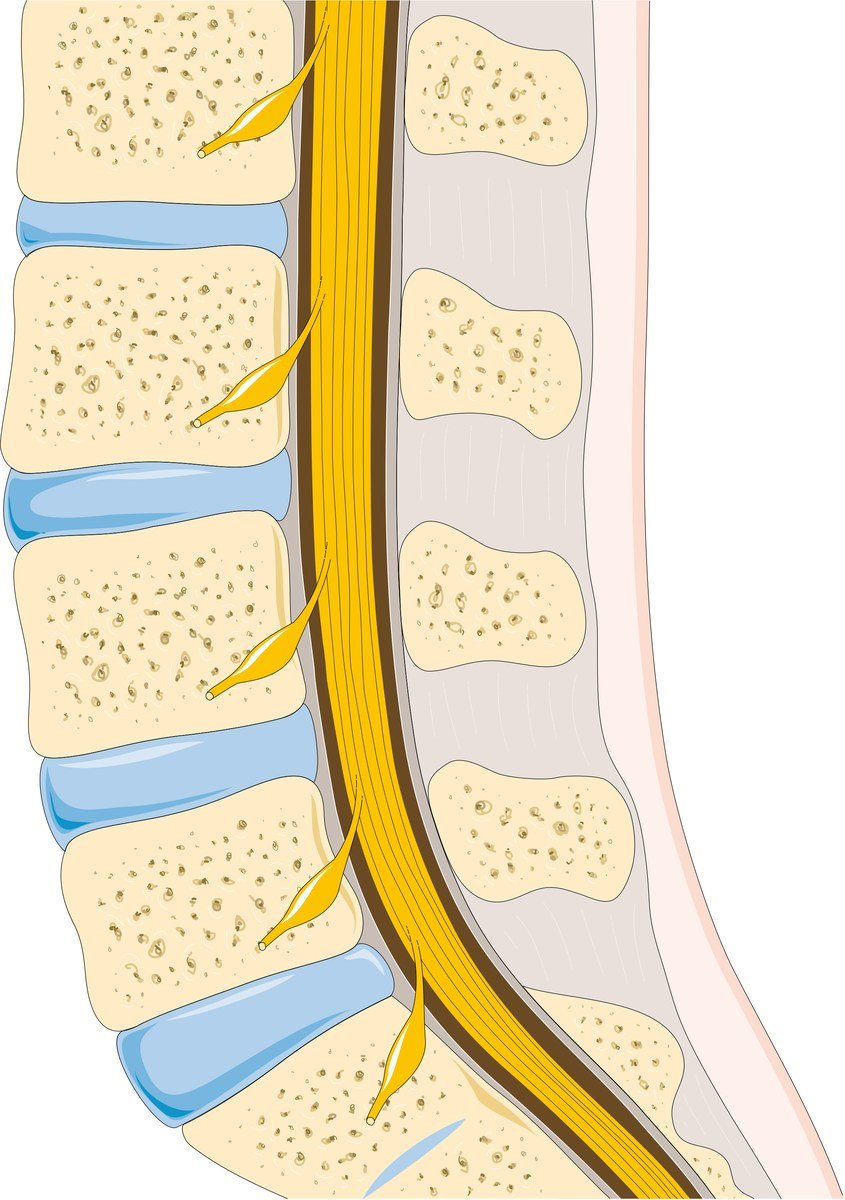
The spinal cord itself ends high up, around the first or second lumbar vertebra. Below that there are loose nerve roots hanging in fluid, like strands, not one cord. Almost all slip disc surgery happens below that level. This is why permanent paralysis after a routine lumbar disc operation is very rare, and why surgeons speak about it as a small risk rather than a likely one.
The real risks are more ordinary and worth knowing: a tear in the covering membrane, infection, the disc herniating again, or pain that improves less than hoped. Each of those is uncommon, and each is manageable. Ask your surgeon to name them out loud before you consent. A surgeon who lists risks calmly is a better sign than one who promises a perfect result.
What you must not ignore, before or after surgery, is loss of control of urine or stool, numbness in the saddle area between the legs, or a foot that suddenly drops. That combination is an emergency. Go to a hospital with a neurosurgeon on call the same night, not in the morning.
Can I pray namaz sitting on a chair, and is that accepted?
Yes. Scholars across the schools accept prayer while seated when standing or prostrating would cause harm or genuine hardship, and recovery from surgery is a normal reason. The usual method is to lower the head for ruku and lower it further for sujood. For your own case, ask your imam and tell him plainly what your surgeon has restricted.
Practical points that make chair namaz easier at home and at the masjid:
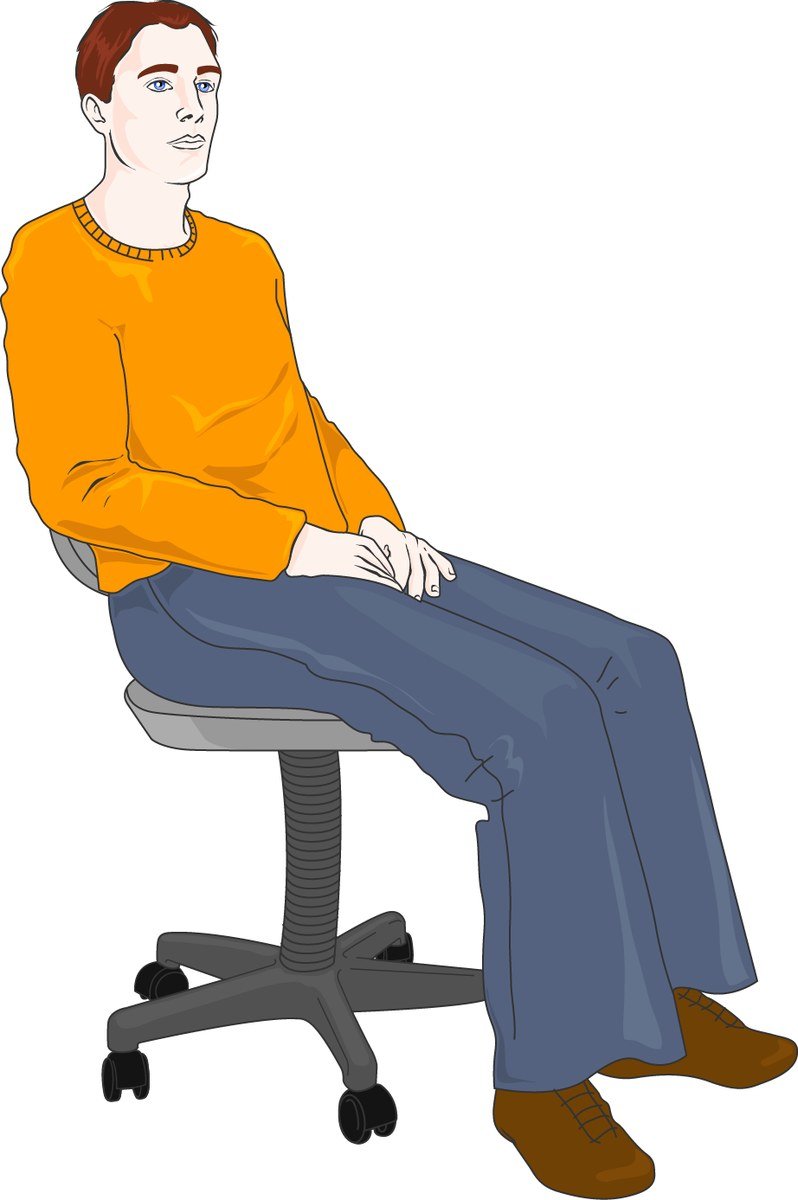
- Use a firm chair, not a soft sofa. Feet flat on the floor, back upright, hips slightly higher than knees.
- Most masajid in Faisalabad keep a few plastic chairs at the side. Ask the khadim before jama'at rather than during it.
- Sit at the end of a row so nobody is pushing past your back.
- Do not lower yourself to the floor just to satisfy someone watching. If you cannot get up cleanly, do not go down.
The step people underestimate is not sujood. It is standing up from the floor afterwards, which bends and twists the back at the same moment, usually while tired. That is the movement most likely to give you a bad night.
How do I return to full sujood without hurting myself?
Go down in stages over two or three weeks rather than in one attempt. The aim is to test the spine gently and let the leg tell you the truth.
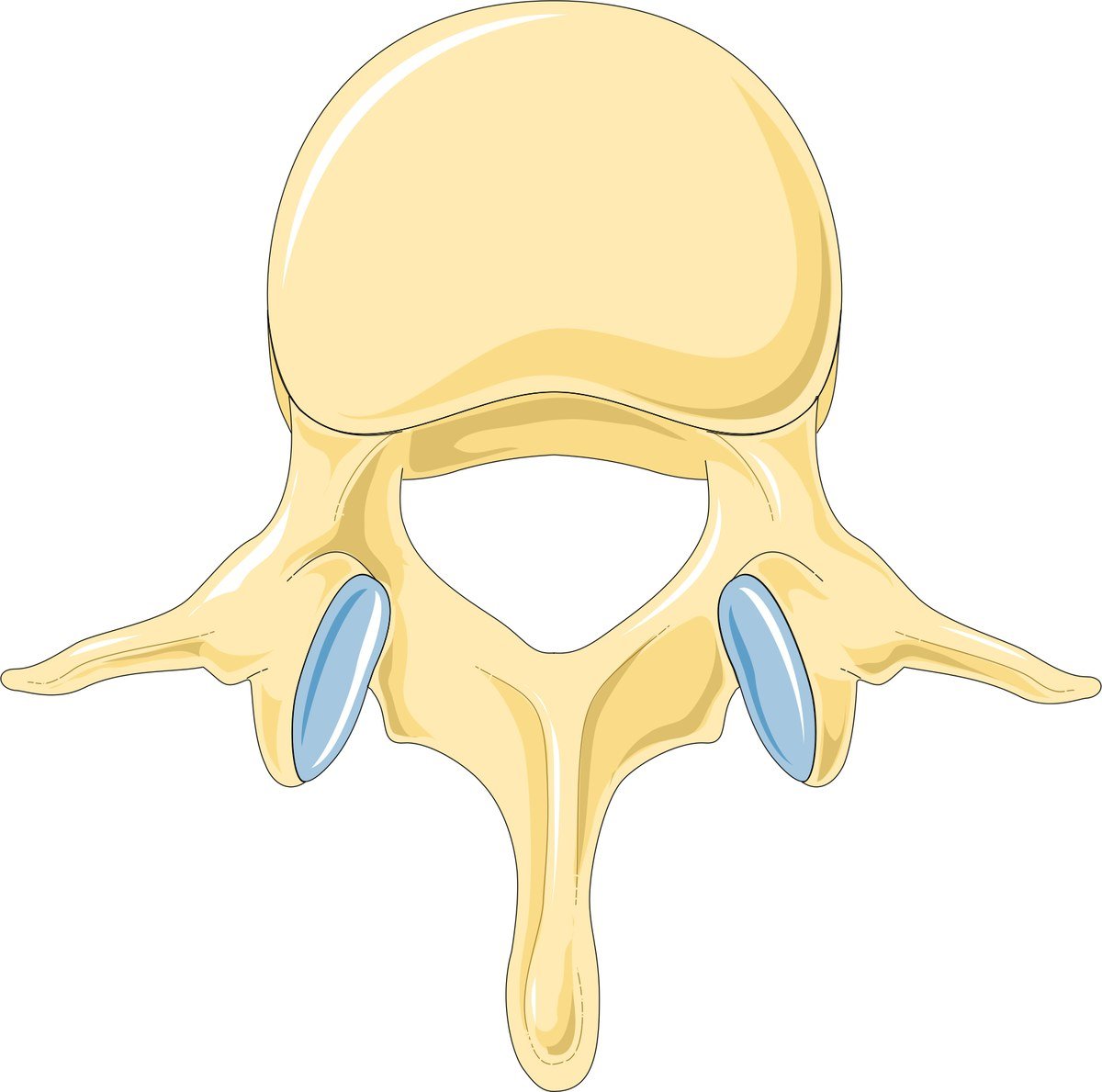
A staged plan most patients can follow after endoscopic or microdiscectomy surgery:
- Weeks 1 to 4: chair only.
- Around week 4 to 5: sit on a low stool or a stack of cushions on the musallah, and place the forehead on a raised pillow for sujood, so the back bends only part way.
- Around week 5 to 6: full sujood on the floor, but stand up using your hands on your thighs or a wall, not by curling the back.
- After that: normal prayer, and keep it normal.
Between the two sajdahs, the jalsa position folds the legs under and often stings first. Sitting slightly to the side, or on a thin cushion, takes the pressure off while the hips loosen.
The signal to slow down is not soreness in the back muscles. That is expected. The signal is the old taang mein dard coming back down the leg, or pins and needles in the foot. If that happens, go back to the chair for a week and mention it at your follow-up.
When can I sit cross-legged, squat, or use an Asian toilet again?
These come back last, usually somewhere between six weeks and three months after disc surgery, and later after fusion. Sitting chaar zaano and squatting both bend the lower back and the hips to their limit at the same time, which is exactly the loading a fresh repair does not need.
The Asian toilet is the one that matters most in a Pakistani home, because it cannot be avoided the way a wedding floor can. Plan for it before the operation:
- Arrange access to a commode seat, or buy a portable commode chair or a raised toilet frame. They are widely available in Faisalabad and cost far less than one night in hospital.
- If the house only has an Asian toilet, borrow a commode for six weeks. Ask the family before surgery, not on the first evening home.
- After a fusion, treat deep squatting as finished unless your surgeon says otherwise.
For wudu, sit on a plastic stool at hip height rather than a low pirhi. Wash the feet by resting one foot on a step or a bucket rim instead of bending to the floor tap. Do not twist and reach at the same time.
Long cross-legged sitting at a milad, a majlis or a family dinner is worth avoiding for six weeks even once it stops hurting, because the stiffness afterwards is what brings people back to the clinic. Carry a chair. Nobody in the room will mind as much as you expect.
Do I actually need surgery, or will my kamar dard settle on its own?
Most back pain does not need an operation. The large majority of episodes of kamar dard, including many with a bulging disc on MRI, settle with time, activity, simple painkillers and proper physiotherapy. If your pain is mainly in the back, and your legs are strong, you almost certainly do not need a surgeon yet.
Surgery starts to make sense when the picture is different:
- Pain running down the leg below the knee, worse than the back pain, and matching a disc seen on MRI.
- Real weakness. A foot that catches on a step, a leg that gives way on stairs.
- Six to eight weeks or more of honest, supervised non-surgical treatment with no useful improvement.
- Emergency signs: loss of bladder or bowel control, or numbness in the saddle area. This one does not wait.
Almost every patient tries a hakeem, oil malish or a local bone-setter first. Gentle massage and rest do no harm and often help. Two things do harm. Forceful spinal manipulation when a nerve is already compressed, and losing months to treatment after a foot has started to go weak. Weakness left too long may not come back fully even after a good operation.
If a surgeon offers to operate on the first visit, with no MRI matching your symptoms and no attempt at conservative care, that is a reason to get a second opinion, not a reason to book a date.
Is endoscopic spine surgery safe, and is laser spine surgery any better?
Endoscopic discectomy is an established, mainstream technique with a safety record comparable to microdiscectomy in appropriate patients. The disc is reached through a small opening using a camera and fine instruments, muscle is spread rather than stripped, and most patients walk the same day. That smaller approach is the reason chair namaz starts so early.
Laser is a different question. A laser is an energy source, not an operation. Some percutaneous procedures use it to shrink disc material, and the evidence for those is weaker and narrower than for endoscopic discectomy or microdiscectomy. In practice, many clinics advertising laser spine surgery in Pakistan are performing an endoscopic procedure and using the word laser because patients search for it.
So the useful question is not laser or not laser. It is these three:
- Exactly which operation are you doing, in plain words, and at which level?
- Will you remove the fragment pressing on my nerve, or only shrink the disc from inside?
- What is your plan if this does not relieve my leg pain?
No technique, endoscopic or open, guarantees a result. Beware of anyone who says otherwise, or who quotes you a success percentage without being able to say where the number comes from.
What does spine surgery cost in Pakistan?
This is answered in full on what spine surgery costs in Pakistan, so it is not repeated here.
Who should I trust with my spine in Faisalabad?
Trust the surgeon who is willing to tell you that you do not need surgery. That is the clearest signal available to a patient who cannot read an MRI.
Take your MRI films and reports, not just the CD, to a consultant neurosurgeon or spine surgeon. Ask him to show you on the images exactly which disc is pressing on which nerve, and to connect it to the leg that hurts. If the picture and your symptoms do not match, an operation is unlikely to help.
Reasonable questions to ask before you consent:
- What happens if I wait three more months and do proper physiotherapy?
- Which operation, at which level, and why that one?
- What are the risks, including nerve injury, dural tear, infection and re-herniation?
- When can I pray sitting, and when on the floor?
- Who sees me at follow-up if there is a problem at two in the morning?
Many families in Punjab type best endoscopic spine surgeon in Faisalabad into a phone at midnight. A better use of the search is to find a consultant you can actually sit with, who explains your own films, and who does not push you toward a date. Dr M. Abdur Rehman, consultant neurosurgeon, sees spine patients at Mujahid Hospital, Faisalabad. Bring your films, bring the family member who decides, and bring your questions written down.
Questions patients ask about this
Can I pray namaz on the first day after endoscopic spine surgery?
Usually yes, sitting on a chair. After endoscopic surgery most patients are walking the same day or the next morning, and praying seated is comfortable within the first few days. Keep the back upright, feet flat, and lower the head for ruku and a little further for sujood.
Is namaz prayed on a chair valid?
Scholars across the schools accept seated prayer when standing or prostration would cause harm or real hardship, with the head lowered further for sujood than for ruku. Illness and recovery from surgery are normal reasons. For your own situation, ask your imam, and tell him what your surgeon has restricted.
When can I go back to the masjid for jama'at?
Short walks to a nearby masjid are usually fine within one to two weeks after endoscopic or microdiscectomy surgery, if you can get there without a long bike or rickshaw ride. Take a chair or ask the masjid for one. Avoid crowded rows where you may be pushed or bumped.
Can I sit on the floor for a wedding or milad after disc surgery?
For the first six weeks, take a chair to weddings, milad and majlis rather than sitting on the floor. The problem is not the sitting, it is getting up from the floor, which twists and bends the back at the same time. Long floor sitting also stiffens the hips.
Does bending in sujood cause the disc to slip again?
Sujood at the right stage does not cause a disc to slip again. Re-herniation happens in a small number of patients, most often in the first three months, and is linked more to heavy lifting, twisting and smoking than to prayer. Return to floor prayer gradually and stop if leg pain returns.
Related articles
Weight, smoking and your discs
Smoking and back pain are linked: nicotine starves your discs of blood. What weight and cigarettes do to a…
Read this
Back pain in drivers and factory workers
Back pain from driving, truck work or factory shifts: when kamar dard is muscular, when a slipped disc needs…
Read this
Preventing a second slip disc
How to prevent disc herniation coming back after a slip disc: the first year, safe lifting, core work, and…
Read thisAll patient questions · Spine surgery in Faisalabad · Book an appointment
Ask about your own scan. Send your MRI or X-ray on WhatsApp and get a straight answer on whether surgery is needed at all, from a consultant neurosurgeon in Faisalabad.
Dr. M. Abdur Rehman is a consultant neurosurgeon in Faisalabad. Send your scan on WhatsApp and ask what it actually shows.
Published for the practice of Dr. M. Abdur Rehman, consultant neurosurgeon, Mujahid Hospital, Faisalabad. General information only, not a substitute for examination.