
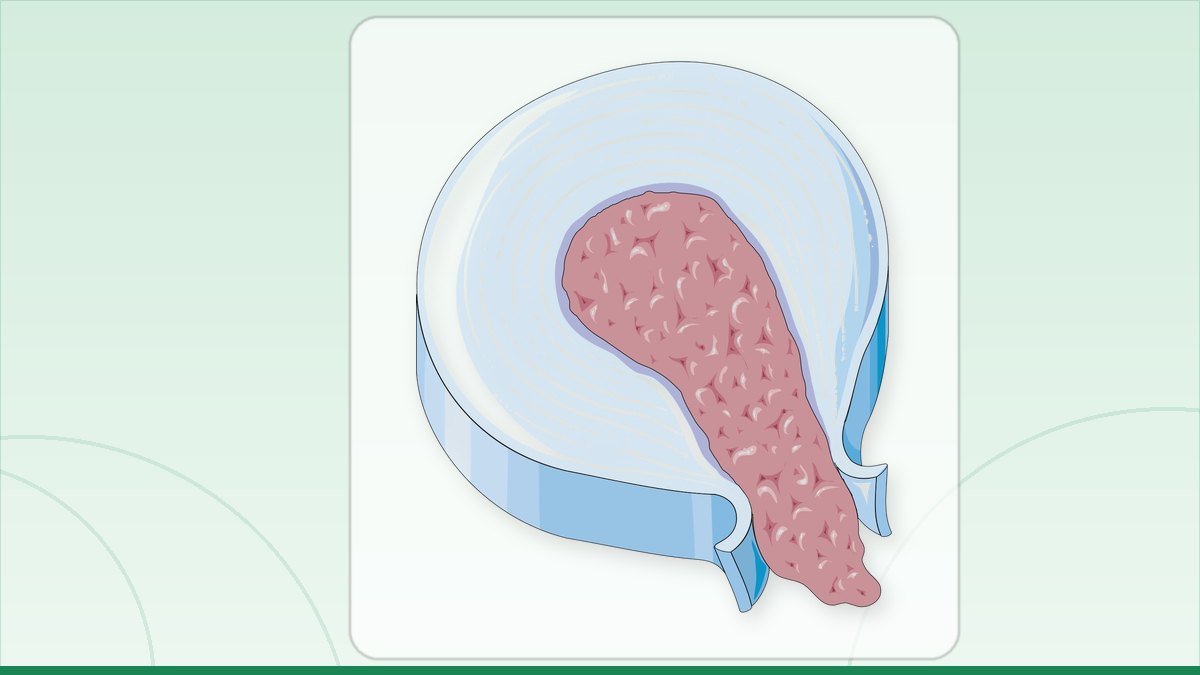
A second slip disc is not inevitable. Most people who recover, with or without surgery, never herniate the same disc again. Your best protection is the first year: walk every day, build core and hip strength, learn to lift with your hips instead of your back, stop smoking, and treat new leg pain early.
Why did my disc slip in the first place?
Most slip discs are not caused by one wrong movement. The disc had usually been drying out and weakening for years, and then one ordinary day the outer ring tore and the soft inside pushed out onto a nerve. That is why the pain often starts after something small, like lifting a bucket or getting up from the floor.
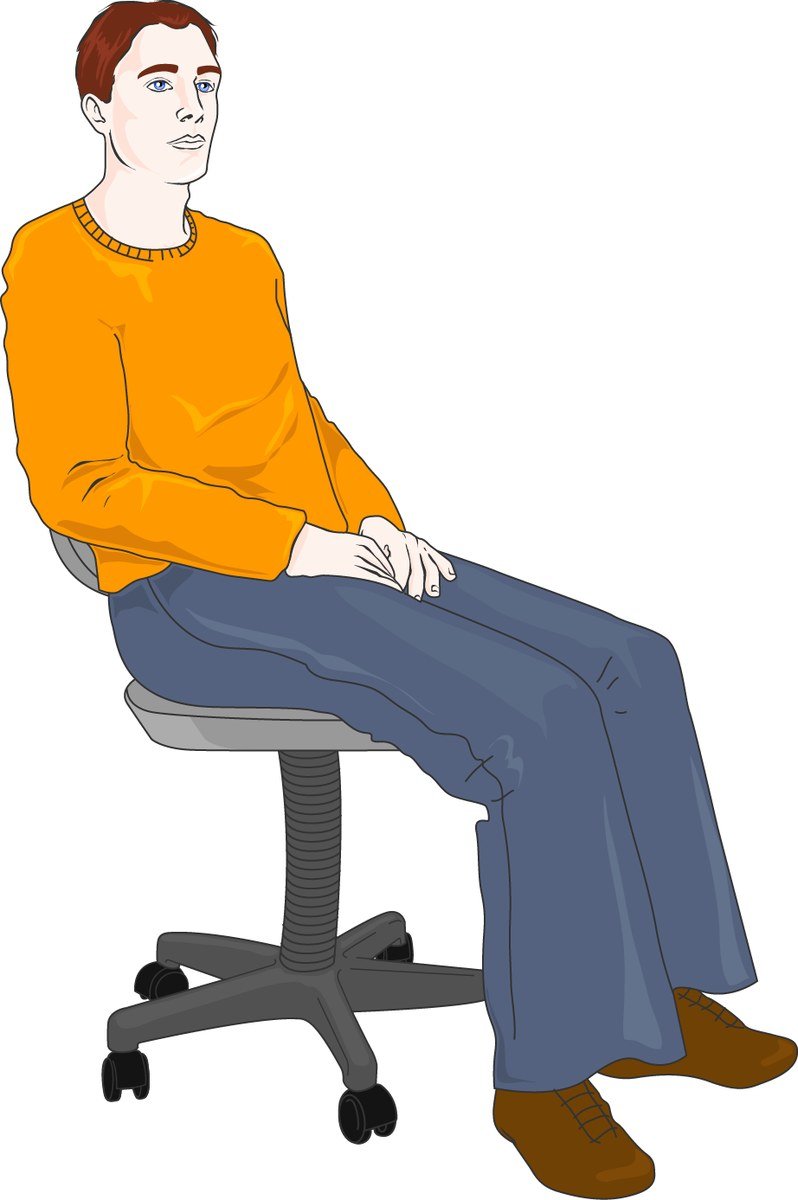
The things that raise the risk are fairly consistent:
- Age. Discs lose water content from the twenties onwards.
- Family history. Some people simply inherit weaker discs. This is a bigger factor than most patients expect.
- Smoking. Nicotine reduces blood supply to the disc and slows healing.
- Repeated heavy lifting and bending, especially with a twist. Common in labour work, farming, loading and shop work.
- Long hours of sitting with vibration, which is why drivers and daily motorcycle commuters have more trouble.
- Extra weight around the abdomen, which loads the lower back all day.
You cannot change your age or your family. You can change almost everything else on that list, and that is where prevention lives.
Can a second slip disc paralyse me?
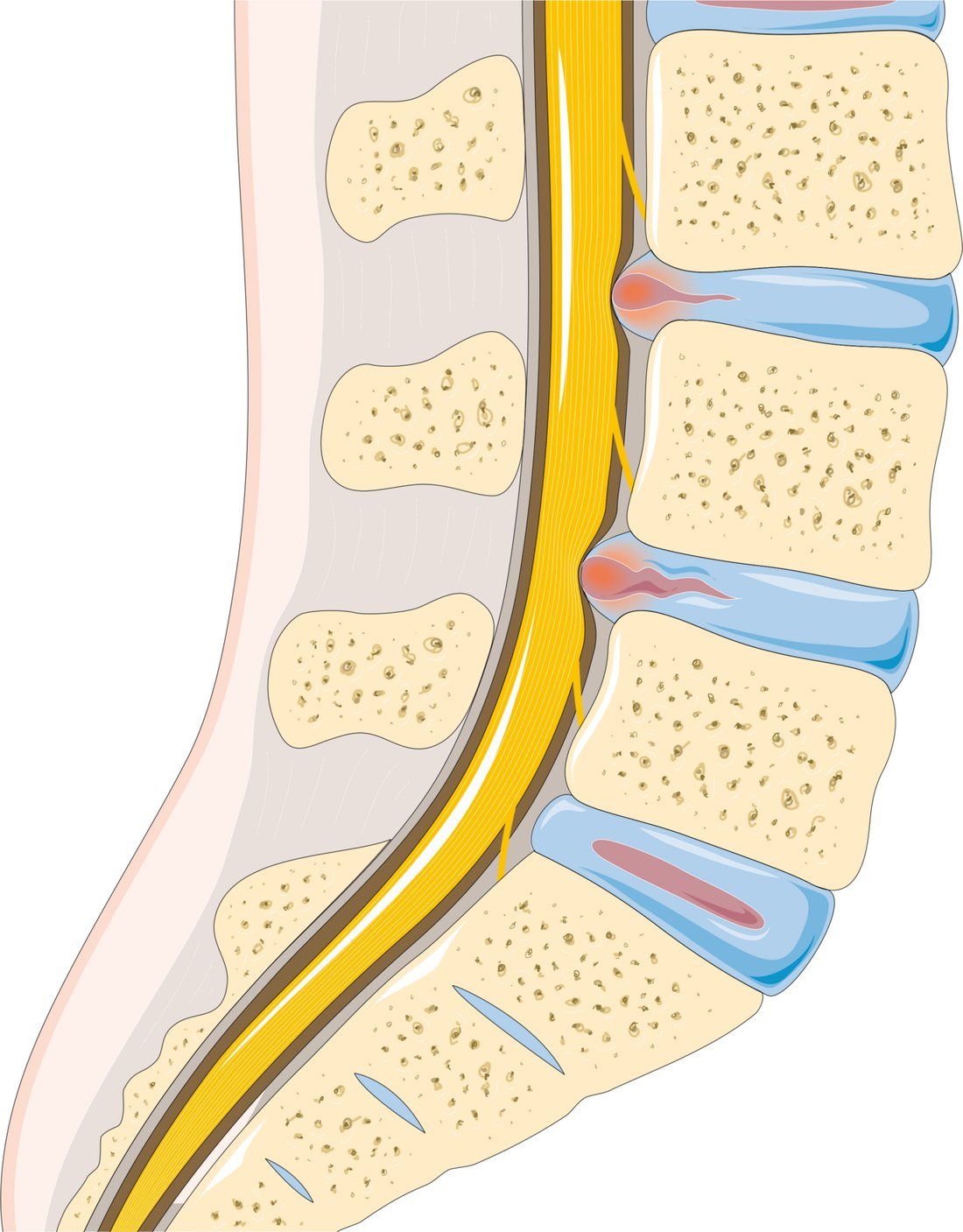
Almost never. A repeat slip disc in the lower back usually causes pain, numbness or weakness in one leg, not paralysis, because below the level of the first or second lumbar vertebra the spinal cord has already ended and only nerve roots remain. The fear of becoming bedridden is the single most common reason patients in Faisalabad delay getting checked, and it is largely misplaced.
There is one emergency that must be taken seriously. If the disc presses on the whole bundle of nerves at once, it can affect bladder and bowel control. This is called cauda equina syndrome and it is rare, but it needs surgery within hours, not days.
Go to a hospital the same day, at night if needed, if you have any of these:
- Numbness around the private parts, inner thighs or back passage, the area that touches a saddle
- Difficulty starting urine, dribbling, or not feeling when the bladder is full
- New weakness in both legs
- A foot that has started dragging or slapping the floor and is getting worse
Everything else, including severe taang mein dard, is urgent but not an emergency. You have time to be examined properly and to think.
What are the real chances it happens again?
Most people who get better stay better. A minority herniate the same disc a second time, and the risk is highest in the first few months, before the tear in the outer ring has scarred over. Reliable percentages vary between studies and between patients, so be careful of anyone quoting you an exact figure.
What is well established is who is at higher risk. A large tear in the disc wall, a disc that is still tall and full of soft material, smoking, diabetes, heavy manual work, and going back to lifting too soon all push the odds up. Age and a stiff, already collapsed disc push them down.
Recurrence at a different level is a separate matter. That is not a failure of your treatment. It is the same underlying wear happening one disc higher or lower, and it is prevented by the same habits.
What should I do in the first three months?
The first three months decide a lot. The aim is simple: keep moving, but do not bend and load the spine hard while the disc wall is still healing. Do not lie in bed for weeks. Prolonged bed rest, which is still commonly advised at home in Punjab, makes muscles weaker and pain worse.
Weeks one to two
Walk short distances several times a day, even inside the house. Change position every twenty to thirty minutes. Use painkillers as prescribed so that you can move, not so that you can push through heavy work. Avoid sitting on a low sofa or a soft charpai for long periods.
Weeks two to six
Increase walking steadily until you are doing twenty to thirty minutes at a stretch. Start gentle core work under a physiotherapist. No lifting from the floor, no twisting while lifting, no long motorcycle rides on broken roads.
Weeks six to twelve
Add strength work for the hips, thighs and back. Return to office work earlier, to heavy labour later and gradually. If your job is loading, masonry or farming, plan a staged return with lighter duties first, and be honest with your employer about it.
After surgery the same timeline applies broadly, but follow the instructions your own surgeon gives you, because they depend on what was found during the operation.
Which exercises actually protect the disc?
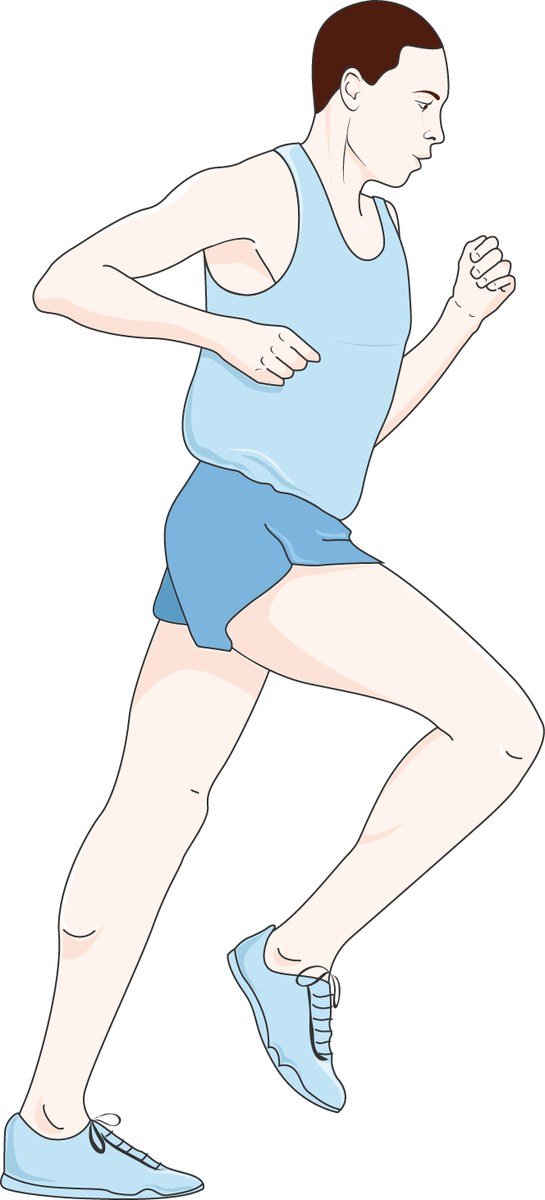
Walking and hip strength protect the back more than any special back exercise. The goal is a trunk that stays steady while your hips and legs do the work of bending. Sit-ups and toe-touching do the opposite, and are best avoided.
A sensible daily routine, once your physiotherapist clears you:
- Walking. Twenty to forty minutes, most days, at a normal pace.
- Bridges. Lying on your back, lift the hips. Builds the buttock muscles that spare the spine.
- Bird dog. On hands and knees, extend the opposite arm and leg. Teaches the trunk to stay still.
- Side plank on the knees. Builds the side wall of the abdomen.
- Dead bug. On the back, lower one arm and the opposite leg slowly.
Two rules matter more than the choice of exercise. First, do not stretch into pain that travels down the leg. Pain that stays in the kamar is usually tolerable; pain that shoots into the leg is a signal to stop. Second, avoid heavy forward bending in the first hour after waking, when the discs are at their most swollen and most vulnerable.
If money is tight, three physiotherapy sessions to learn the movements correctly, then doing them at home, is far better value than months of passive treatment where a machine is placed on your back while you lie still.
How should I lift, sit and travel day to day?
Change the movements you repeat a hundred times a week, not the ones you do once a year. Almost all repeat herniations come from ordinary daily habits, not from one dramatic lift.
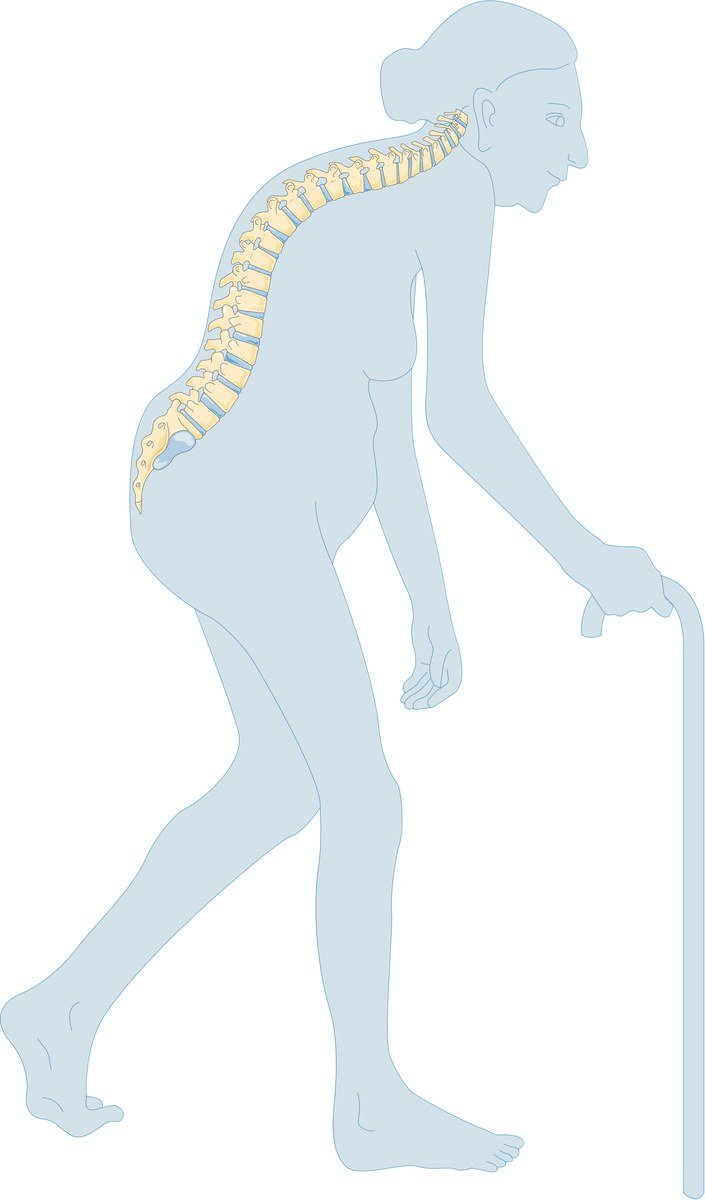
Lifting
Learn the hip hinge. Push the hips backwards, keep the chest up, bend the knees, hold the load close to the body, and turn with your feet instead of twisting your waist. Break one heavy load into two lighter ones. If you must lift a gas cylinder, a sack of atta or a water canister, get help or slide it rather than lifting it clear of the ground.
Sitting and floor level
Sitting on the floor cross-legged for long stretches rounds the lower back. If you sit on the floor for meals, prayer or family gatherings, keep the sessions shorter and get up between them. A firm chair with a small cushion in the small of the back is kinder to a recently healed disc. For namaz, most patients manage well; if going to the floor is painful in the early weeks, praying on a chair is permitted and is not a failure.
Travel
The motorcycle is the hardest part of prevention in Faisalabad. Constant vibration and potholes load the disc repeatedly. In the first three months, use a car, van or rickshaw where possible. On long journeys to Lahore or Islamabad, stop every hour and walk for five minutes.
The rest
Stop smoking. It is the single most under-rated thing you can do for a disc. Bring your weight down if it is high. Sleep on a firm mattress, not on the floor and not on a sagging one. Keep sugar controlled if you are diabetic, because diabetes affects nerve recovery.
Slip disc ka permanent ilaj kya hai? Is malish or hakeem treatment safe?
There is no permanent cure that restores a worn disc to a new one, and anyone promising that is not being straight with you. What is realistic is permanent relief of symptoms, which most people do achieve, either by the body reabsorbing the herniated fragment over weeks to months, or by removing the fragment surgically.
Almost every patient tries hakeem, malish or a bone setter first. Herbal medicine and gentle oil massage will not usually harm you, and warmth on tight muscles can feel good. The problem is different. Forceful manipulation of the back, sudden jerking or someone standing or walking on your spine can worsen a herniated disc, and in a spine with a large disc fragment it is genuinely risky. Repeated cupping or pressing over a numb, weak leg also wastes the weeks in which a nerve most needs attention.
The practical advice: if you want to try conservative treatment first, that is a reasonable choice, because most slip discs settle without surgery. But get an examination first so you know there is no nerve weakness, and set yourself a deadline. If leg pain has not clearly improved in six weeks of proper treatment, or if weakness appears at any point, move on to a proper assessment instead of trying the next remedy.
When does a second slip disc actually need surgery, and what is endoscopic discectomy?
Most repeat episodes do not need surgery. Surgery is considered when leg pain from a nerve being compressed has not settled after around six weeks of genuine non-surgical treatment, when there is muscle weakness such as a dropping foot, or when there are cauda equina symptoms, which need emergency operation. Back pain alone, without leg symptoms, is rarely improved by disc surgery, and any surgeon offering you an operation for pure kamar dard should be questioned closely.
An MRI is needed before any decision, and it must match your symptoms. Bulging discs show up on the scans of very many people with no pain at all. The scan alone never decides.
Endoscopic discectomy
Endoscopic spine surgery removes the piece of disc pressing on the nerve through a small opening, using a thin tube with a camera and light. The surgeon watches on a screen and works through instruments passed down the tube. Muscle is pushed aside rather than cut away, which is why most patients walk the same day and go home quickly.
Microdiscectomy
Microdiscectomy does the same job through a slightly larger incision using an operating microscope. It is a long-established, dependable operation and remains the right choice in many situations, including some repeat herniations where scar tissue from previous surgery makes the anatomy difficult.
Neither operation prevents a future herniation on its own. It removes the fragment that is hurting the nerve now. Prevention afterwards is still your job, and the habits above are what do it.
What does treatment cost in Pakistan, and who should I trust?
Ask for a written quote before you commit to anything. Costs in Punjab vary widely between government hospitals, trust hospitals and private setups, and between Faisalabad, Lahore and Islamabad, so a figure quoted verbally on the phone means very little.
Your written estimate in PKR should list, separately:
- Surgeon fee
- Anaesthesia and operation theatre charges
- Hospital room and length of stay
- MRI and pre-operative tests
- Any implant, if one is being suggested, and why
- Follow-up visits, physiotherapy and what happens if a complication occurs
Be careful of two things. First, any quote that changes after admission. Second, any recommendation for screws and fusion for a straightforward first-time or second-time disc herniation, which usually does not need them. It is entirely reasonable to take the MRI and the plan for a second opinion, and no honest surgeon will be offended by that.
Bring the family member who will make the decision with you to the consultation, and bring the actual MRI films, not just the report. Ask directly: what happens if I do nothing for six more weeks, what exactly will you remove, and what is your plan if the pain comes back. If you are searching for the best endoscopic spine surgeon in Faisalabad, judge on those answers rather than on advertising. Dr. M. Abdur Rehman is a consultant neurosurgeon at Mujahid Hospital, Faisalabad, and consultations there include an honest answer about whether you need an operation at all.
Questions patients ask about this
Can I go back to my job as a labourer after a slip disc?
Usually yes, but not immediately. Office work often resumes within two to four weeks, heavy manual work takes longer and should be staged, starting with lighter duties. Learn the hip hinge before you return, split heavy loads, and use help for anything awkward. Rushing back in the first six weeks is the commonest cause of a repeat herniation.
Will wearing a back belt prevent another slip disc?
A belt can help for short periods during heavy lifting, but it does not prevent herniation and should not be worn all day. Constant use lets the trunk muscles weaken, which leaves the spine less protected over time. Strong hips and abdomen give better long-term protection than any belt sold in the market.
How long after endoscopic discectomy can I lift and drive again?
Most patients walk the same day and manage light activity within a week. Driving a car usually resumes at two to three weeks, motorcycle riding later because of the vibration, and heavy lifting after about six to twelve weeks. Timelines differ by patient and by what was found in surgery, so follow your own surgeon's instructions.
Does the disc grow back after it is removed?
The removed fragment does not grow back, but disc material remaining inside can herniate again through the same tear in the outer wall, most often in the first few months. This happens to a minority of patients. Not smoking, controlling weight, and avoiding early heavy bending are the main things that reduce that risk.
My MRI shows a bulging disc but my pain is mild. Do I need surgery?
Almost certainly not. Bulging discs appear on the scans of a great many people who have no pain at all, so the scan by itself never decides. Surgery is considered for nerve pain in the leg that has not settled, or for weakness, not for a picture on a film. Stay active and reassess in six weeks.
Related articles
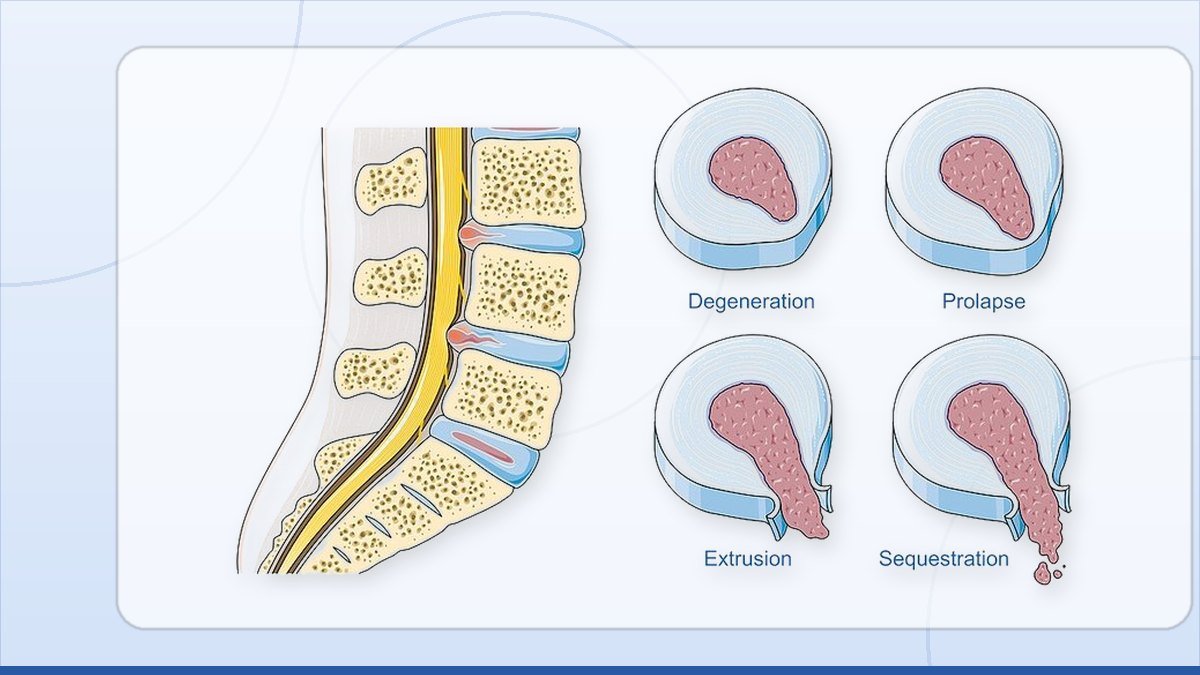
When a disc herniates again: recurrent disc herniation
Recurrent disc herniation: why leg pain returns after disc surgery, when a second operation is really needed,…
Read this
Lifting and posture that protects your back
Safe lifting technique for your back: the hip hinge, daily posture habits, and the clear signs that kamar…
Read this
Exercises to avoid when you have a disc problem
Exercises to avoid with a herniated disc: which movements push the disc onto the nerve, what is safe instead,…
Read thisAll patient questions · Spine surgery in Faisalabad · Book an appointment
Ask about your own scan. Send your MRI or X-ray on WhatsApp and get a straight answer on whether surgery is needed at all, from a consultant neurosurgeon in Faisalabad.
Dr. M. Abdur Rehman is a consultant neurosurgeon in Faisalabad. Send your scan on WhatsApp and ask what it actually shows.
Published for the practice of Dr. M. Abdur Rehman, consultant neurosurgeon, Mujahid Hospital, Faisalabad. General information only, not a substitute for examination.