
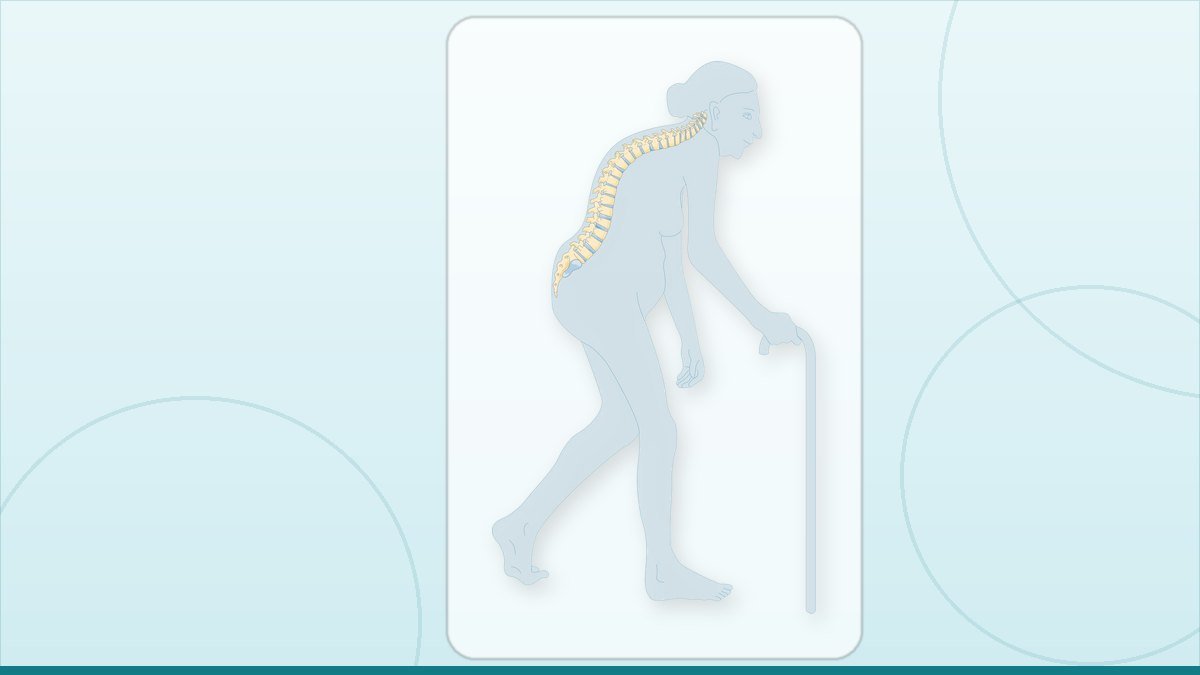
Protect your back by moving the load, not your spine. Hinge at the hips, bend your knees, keep the back straight, hold the weight close to your chest, and turn with your feet instead of twisting. When sitting, change position every 20 to 30 minutes. These habits lower the pressure on a disc and reduce kamar dard.
What is the safest way to lift something heavy?
Stand close to the object, bend at the hips and knees, and keep your lower back in its normal slight curve while you lift with your legs. The load should travel up close to your body, not out in front of it. That single change protects a disc more than any belt or cream.
The movement has a name: the hip hinge. Instead of curling the spine forward like a question mark, you push the hips back and let the chest come down with the back straight, the way you would bow slightly.
- Feet apart, one foot slightly forward for balance.
- Push the hips back, bend the knees, keep the chest facing forward.
- Grip the load and bring it against your body before you rise.
- Stand up by straightening the legs, breathing out as you lift.
- To change direction, move your feet. Never twist the trunk with weight in your hands.
A simple way to practise: stand with your back to a wall, feet a hand's length away, and push your hips back until they touch the wall while the chest lowers. If your lower back rounds, you are bending the spine instead of hinging the hips.
The other half of safe lifting is deciding not to lift. A gas cylinder, a full water drum, a heavy suitcase on a staircase, a patient being helped out of bed: these are two-person jobs. Splitting one heavy load into two trips is not weakness, it is the whole technique.
Can lifting wrongly paralyse me, and is spine surgery safe if it comes to that?
Ordinary lifting does not paralyse people. This is the fear that brings most families into the clinic, and in the vast majority of cases the honest answer is that a disc problem causes pain, numbness and sometimes weakness in one leg, not paralysis.
There is one situation that is a genuine emergency, and it is uncommon. If a large disc fragment presses on the nerve bundle at the bottom of the spine, a person can lose control of urine or stool, go numb around the groin and inner thighs, or develop rapidly worsening weakness in both legs. That needs a hospital the same day, not the next free appointment. Everything else, including severe kamar dard, can be assessed calmly.
On surgery itself. Modern lumbar disc surgery, whether endoscopic spine surgery through a small port or microdiscectomy under the microscope, is done with magnification and with the nerve seen directly throughout. It is considered a safe and well established operation in trained hands. That does not mean risk is zero. Real risks include infection, a tear in the covering of the nerves, bleeding, temporary nerve irritation with numbness or burning, and the disc coming out again at the same level later. Serious permanent nerve injury is rare.
Two things worth knowing before anyone talks to you about an operation. First, disc surgery reliably treats leg pain from a compressed nerve; it is much less predictable for pure back pain. Second, a surgeon who explains the risks in front of your family, in Urdu, without pressure, is telling you something important about how they work.
Do I actually need surgery, or will posture and exercise be enough?
For most people with kamar dard, posture, movement and time are enough. Surgery is needed for a minority. Any doctor who suggests an operation on your first visit for simple back pain, without red flag symptoms, deserves a second opinion.
Most back pain comes from muscles, joints and deconditioning rather than a disc pressing on a nerve. Even when a disc has genuinely herniated and is causing taang mein dard, a large proportion of these settle over weeks as the fragment shrinks and the nerve calms down. Staying active, walking daily, simple painkillers your doctor approves, and physiotherapy do the work.
Surgery moves onto the table when:
- Leg pain from a proven disc has not settled after roughly six weeks of proper non-surgical treatment, and it is stopping you working or sleeping.
- There is real weakness, such as a foot that drags or a leg that gives way, rather than weakness from pain alone.
- There are emergency signs of bladder or bowel involvement.
An MRI report that says bulge, protrusion or degenerative change is not by itself a reason to operate. Many people with no pain at all have similar findings on their scans. The decision is made from your symptoms and your examination, with the MRI used to confirm the level.

How should I sit, stand and sleep so my back stays quiet?
Change position often. No posture is safe if you hold it for hours, and no chair protects a back that never moves. The best rule anyone can follow at a desk, a shop counter or behind the wheel is to stand up and move every 20 to 30 minutes.
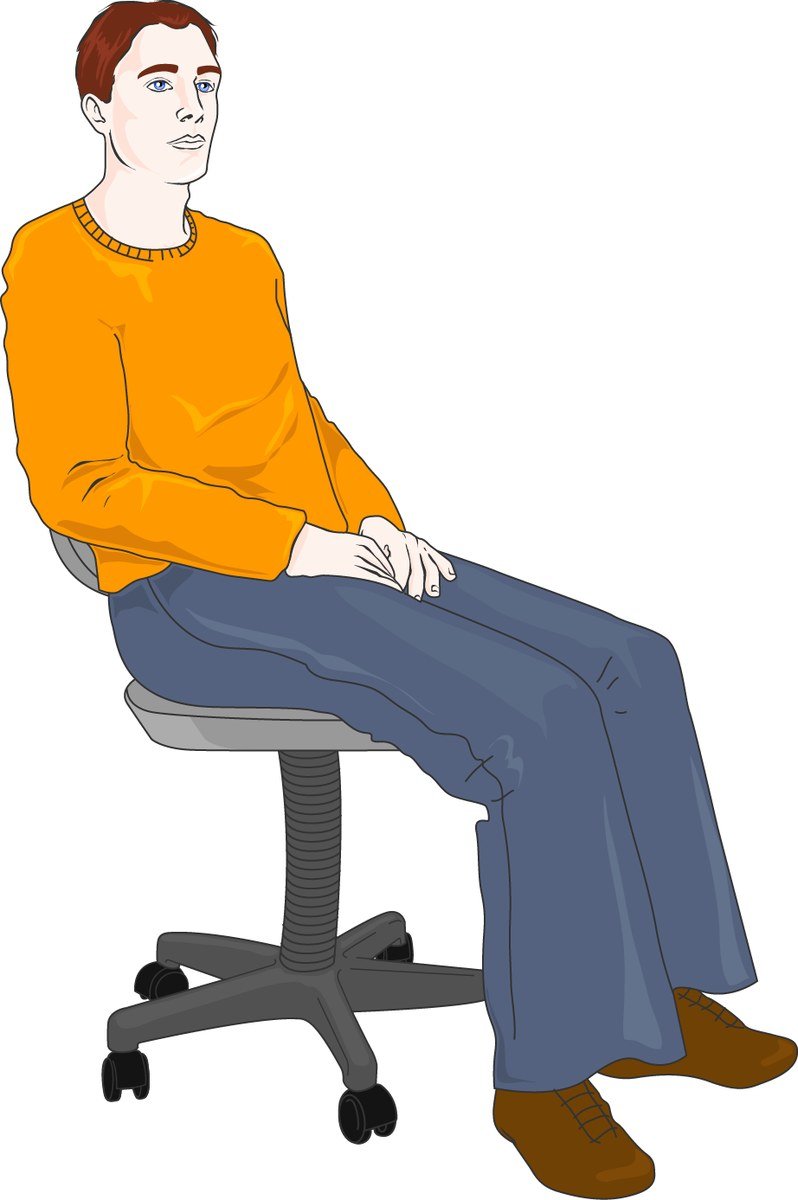
Sitting. Hips level with or slightly above the knees, feet flat, backrest supporting the lower curve. A rolled towel or small cushion behind the belt line works as well as an expensive chair. Keep the laptop or monitor at eye level so you are not folding forward for hours.
Standing and walking. Long standing on a hard floor is harder on the back than walking. If your work demands it, shift weight between feet and rest one foot on a low step when you can.
Driving and motorcycles. Move the seat forward enough that your knees are slightly bent and your back stays against the seat, so you are not reaching for the pedals. On long trips to Lahore or Islamabad, stop and walk for a few minutes every hour. On a bike, rough roads and speed breakers deliver repeated jolts to the spine, so take them slowly and rise slightly off the seat.
Sleeping. A medium firm mattress suits most backs. Very soft beds let the spine sag; sleeping on a hard floor helps some people and hurts others, so judge by how you feel in the morning. On your side, a pillow between the knees takes strain off the lower back. On your back, a pillow under the knees does the same.
What about namaz, housework and picking up the children?
You do not have to give up normal life to protect your back. You have to change how you get into and out of positions, which is where most sudden episodes of pain actually begin.
Namaz. Going down into sajda and rising again is the loaded moment, not the sitting. Lower yourself with a hand on the knee or thigh and let the legs do the work. If pain is severe, offering namaz on a chair is permitted during illness, and many patients return to the floor once the leg pain settles.
Around the house. Wudu at a low tap, sweeping with a short jharoo, washing clothes on the floor and lifting buckets all pull you into a bent, twisted position. Where you can, raise the work: use a stool, a chair, a longer handle. When you must be low, kneel or squat instead of bending from the waist.
Children. Never lift a child from a bent, straight-legged position, and never swing them onto one hip while twisting. Squat, bring the child in against your chest, then stand.
Charpai and low beds. Getting out of a low bed by sitting straight up is a hard load on the discs. Roll onto your side first, drop the legs over the edge, and push up with your arm.
I already have a slip disc. Can I still lift things and go to the gym?
In most cases yes, but graded and with technique. Complete rest weakens the muscles that support the spine and makes the next episode more likely, so the aim is to keep moving within pain limits, not to protect the back into weakness.
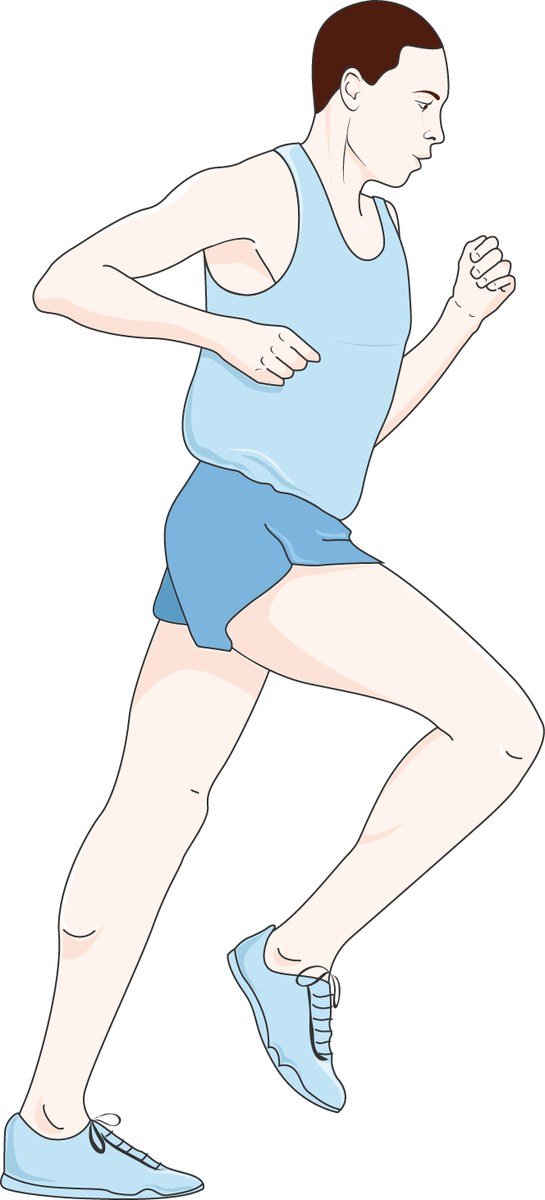
In the first weeks of an acute slip disc with leg pain, avoid heavy loaded bending and anything that combines forward bend with a twist. Walking is almost always safe and is usually the best early exercise. A physiotherapist can start you on core and hip strengthening, which is what makes safe lifting possible in the long run.
For the gym, deadlifts, heavy squats and bent-over rows are not banned for life, but they should be reintroduced with light weight, good hinge mechanics and supervision, once the leg pain has gone. Ego on the bar is a common route into a repeat herniation.
A weightlifting belt does not replace technique. It can help a trained lifter under heavy load; it does nothing for a person who lifts badly, and it should not be worn all day at work.
When should I stop trying hakeem, massage and painkillers and get an MRI?
Get properly assessed if leg pain has lasted more than four to six weeks despite treatment, if the pain in the leg is worse than the pain in the back, or if there is any numbness or weakness. Go to a hospital the same day for bladder or bowel changes, saddle numbness, or a leg that is rapidly getting weaker.
Most families here try malish, a hakeem, a pehlwan who cracks the back, or a course of injections from a local clinic before they see a spine specialist. For simple muscular kamar dard, gentle massage and time do no harm and often help. The problem is delay in the other group: when a nerve is genuinely compressed and weakness is developing, waiting for months can leave permanent numbness or a weak foot even after a good operation.
Two specific cautions. Forceful spinal manipulation is not advisable when you have significant leg pain, numbness or weakness, because the nerve is already irritated. And repeated unlabelled injections and steroid mixtures from non-specialist clinics can settle pain for a few days while causing problems of their own, especially in patients with diabetes.
An MRI of the lumbar spine is the test that shows discs and nerves. X-rays do not. But order it for a reason, not for reassurance: the MRI is useful when the answer will change what is done next.
What does back pain treatment and spine surgery cost in Pakistan?
Costs vary widely between cities, hospitals and the exact procedure, so the only reliable number is the one written down for your case. Ask for an itemised written quote before you commit to anything, and take it home for the family to read.
The quote should list, in PKR, each of the following separately:
- Surgeon's fee
- Anaesthesia fee
- Operation theatre and hospital charges
- Room type and expected number of nights
- Implants or disposables, if any are being used
- Pre-operative tests and the MRI, if not already done
- Follow-up visits and physiotherapy after discharge
Two honest points about the money. Endoscopic spine surgery and microdiscectomy are done through small incisions, and hospital stay is usually short, which affects the total bill; but the theatre and equipment costs are real, so do not assume a keyhole procedure is automatically the cheapest option on paper. And a quote given only over the phone, with no examination and no MRI reviewed, is a guess.
Families in Faisalabad often borrow, sell gold or pool money among brothers for surgery. That is exactly why a second opinion is worth the fee of one extra consultation. If two independent specialists agree on the diagnosis and the plan, you can spend with confidence.
What should I do next?
Start with the habits. Learn the hip hinge, keep loads close, move every half hour, walk daily. For most readers of this page, that plus time and physiotherapy is the whole treatment.
If leg pain, numbness or weakness is not improving after several weeks, take it to a spine specialist rather than another round of malish. Bring the actual MRI films and the CD, not just the report, along with a list of the medicines you have already taken and how long each was tried.
When you are choosing whom to trust, the search for the best endoscopic spine surgeon in Faisalabad should end with the doctor who examines you properly, explains why surgery is or is not needed, tells you the risks in front of your family, and is willing to say that you do not need an operation. Dr M. Abdur Rehman is a consultant neurosurgeon and spine surgeon at Mujahid Hospital, Faisalabad, seeing patients with disc problems, sciatica and spinal conditions from across Punjab.
And if you ever develop difficulty passing urine, numbness around the groin, or a leg that is quickly becoming weak, do not wait for an appointment. Go to the emergency department that day.
Questions patients ask about this
Is bending forward always bad for the back?
No. The spine is built to bend, and avoiding all bending makes the back stiffer and weaker over time. The risk comes from bending repeatedly under load, or bending and twisting together while holding weight. Bend freely when your hands are empty; hinge at the hips when they are not.
Does wearing a back belt at work protect my spine?
A belt gives a feeling of support and reminds you to brace, but it does not replace technique and it does not prevent disc injury. Worn all day, it can let the trunk muscles weaken. Use it for occasional heavy lifting if advised, not as everyday equipment.
Is walking good or bad when my back is hurting?
Walking is usually the best early exercise for kamar dard. Gentle, regular walking keeps the discs nourished and the muscles active, and it is better than lying in bed for days. Start short and frequent. Stop and reassess if walking sharply worsens pain going down the leg.
How safe is endoscopic spine surgery compared with microdiscectomy?
Both are well established operations for a herniated lumbar disc with nerve compression, and both are performed with the nerve directly visualised. Endoscopic surgery uses a smaller port; microdiscectomy uses the microscope. Risks such as infection, dural tear and recurrence exist with either. The right choice depends on your scan and symptoms.
My MRI says disc bulge. Do I need an operation?
Usually not. Disc bulges are common findings and are seen on scans of many people who have no pain at all. Surgery is considered when your symptoms, especially leg pain or weakness, match the level on the MRI and have not settled with proper non-surgical treatment.
Related articles
The best sleeping position for back and leg pain
The best sleeping position for back and leg pain, plus how to tell if your slip disc really needs surgery.…
Read this
Going back to work after spine surgery
When can you return to work after spine surgery? Honest timelines for desk and manual jobs in Pakistan, and…
Read this
Namaz, sitting cross-legged and squatting after spine surgery
Namaz after spine surgery: when you can pray on a chair, when sujood on the floor is safe, and when…
Read thisAll patient questions · Spine surgery in Faisalabad · Book an appointment
Ask about your own scan. Send your MRI or X-ray on WhatsApp and get a straight answer on whether surgery is needed at all, from a consultant neurosurgeon in Faisalabad.
Dr. M. Abdur Rehman is a consultant neurosurgeon in Faisalabad. Send your scan on WhatsApp and ask what it actually shows.
Published for the practice of Dr. M. Abdur Rehman, consultant neurosurgeon, Mujahid Hospital, Faisalabad. General information only, not a substitute for examination.